Get Premium
Dark mode theme is available exclusively for premium users. Learn more about the benefits of subscribing.
No fees, cancel anytime.

 Dark Mode Ad-Free Browsing Unlimited Content
 Ad-Free Browsing Unlimited Content Dark Mode
Join 1.2 million Panda readers who get the best art, memes, and fun stories every week!
Money isn’t everything, but it certainly does make the world go ‘round. Especially when you’re a parent and your top priority is ensuring that you can care for your little ones. But is it vital for your partner to earn the same amount that you do? Well, for some people, it is.
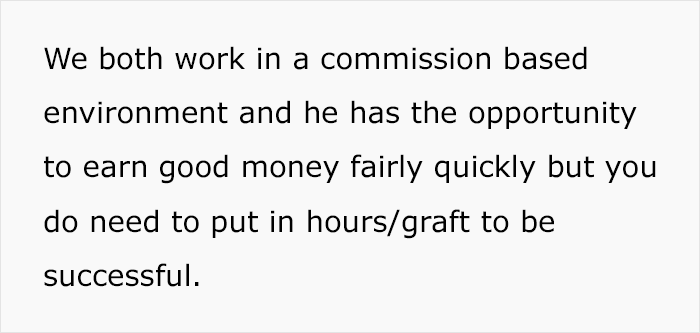
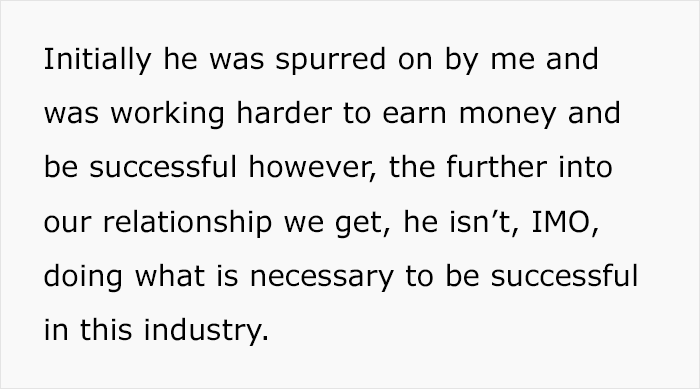
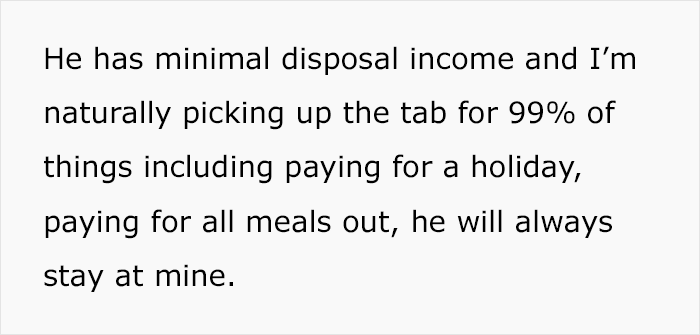
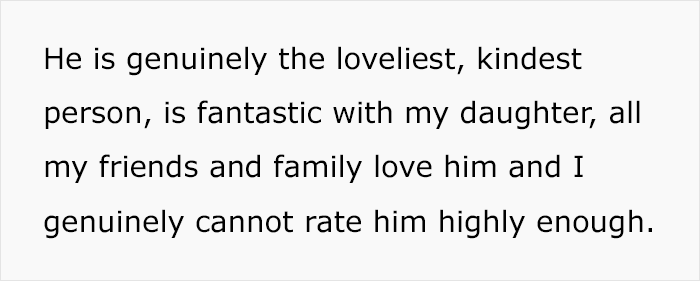
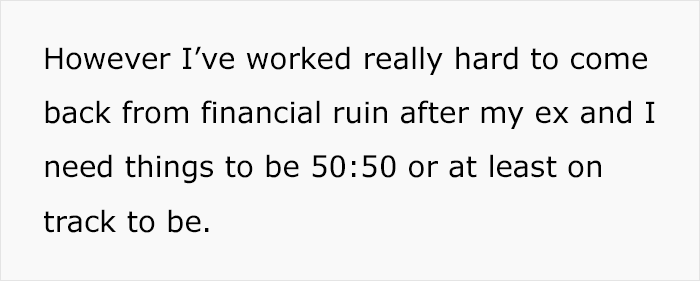
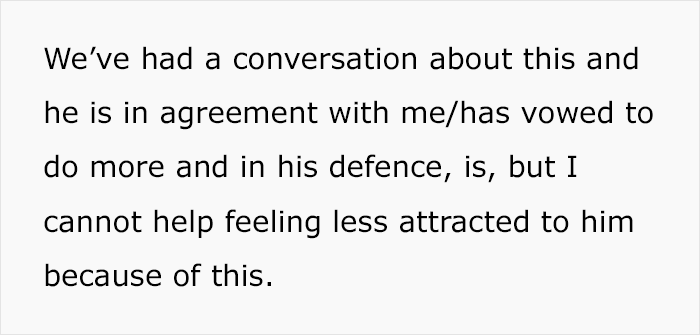
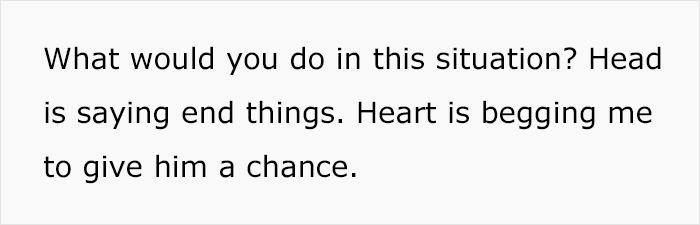
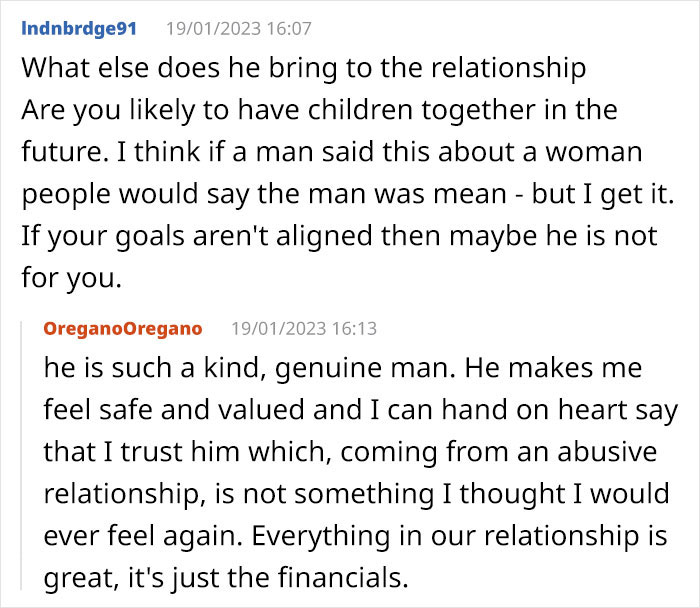
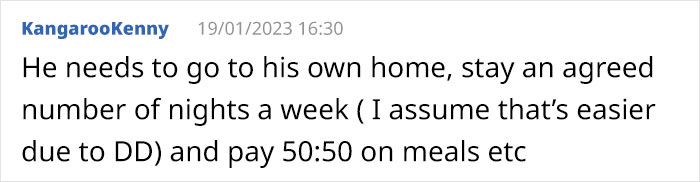
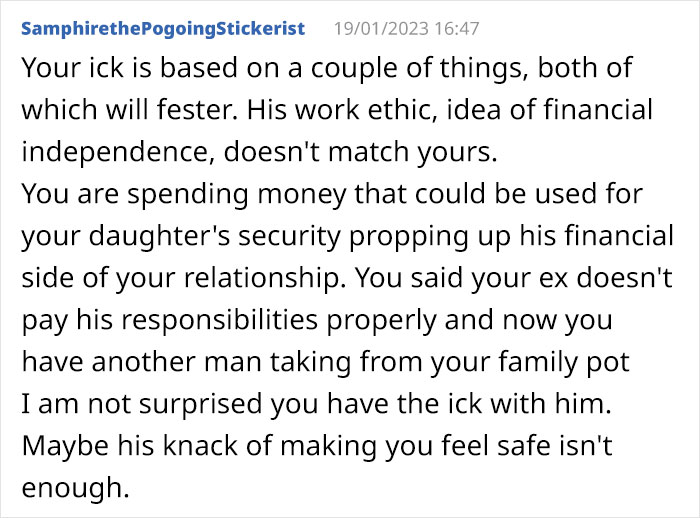
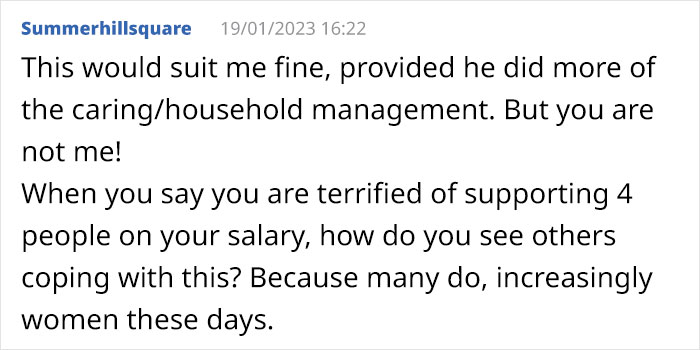
Below, you’ll find a post that one hard working mom recently shared on MumsNet detailing why she’s been becoming less and less attracted to her partner as of late, as well as an interview with Adam Kol, aka The Couples Financial Coach.
Image credits: puhhha (not the actual photo)
Image credits: KaterynaKet (not the actual photo)
Image source: OreganoOregano
In the same way that we don’t choose our friends based on their level of income, we don’t choose our romantic partners in that way either. (Well, we shouldn’t!) The heart wants what the heart wants. And as it turns out, the heart does not often care about income levels, as 74% of Americans report having some sort of financial imbalance in their relationship. For many people, it doesn’t matter if their partner earns less than they do, as their relationship isn’t based on finances and there are plenty of other ways significant others can contribute to the relationship, such as taking on more household responsibilities or getting creative with dates that don’t cost much.
But for some people, such as the woman in this particular story, the financial imbalance can cause friction between partners. One might feel guilty for not being able to earn as much, while the other might become resentful that their partner cannot pay for as many activities, as many meals, cannot afford to go on as many vacations, and cannot purchase as many gifts. One partner might also feel a lot of pressure if they’re the higher earner, knowing that they are responsible for financing the majority of the relationship.
Money consistently ranks as one of the top issues couples fight about, married or not, so it’s important to be on the same page as your partner when it comes to your financial status. To gain more insight on this topic, we reached out to Adam Kol, The Couples Financial Coach, who was kind enough to have a chat with us. “Unfortunately, it is common for couples to break up over a financial imbalance if they are unable to come together, communicate, and create a plan,” he told Bored Panda.
Image credits: insidecreativehouse (not the actual photo)
“Finances are a daily issue in our adult lives, so how a person handles money should be part of the equation when choosing a partner,” Adam shared. “In this particular case, if the original poster feels this relationship is worth fighting for, then I have a few suggestions: She was financially abused in her last relationship, which likely left her with emotional wounds that will continue showing up in any relationship until she works towards healing them. She gets to decide whether her current relationship is the right one for taking on that work.”
Adam also urges the mom to have a conversation with her partner about these concerns. “It sounds like she’s talked to him about earning more, but go further—discuss financial expectations and boundaries, your history and relationships with money, and so on,” the financial coach told Bored Panda. “Especially given her past experience with financial abuse, [she] may have some fear around setting financial boundaries. That’s completely understandable, yet unfortunately will likely lead to frustration, resentment, and misunderstandings.”
To build financial intimacy, Adam says both partners need to open up about their experiences with money growing up and in past relationships, how those experiences affect them today, and their financial values, ambitions, needs and expectations moving forward. “These conversations will build a strong foundation for them to tackle topics like who should pay for what,” he noted.
Adam also provided a plan for how couples can work to bridge the responsibility gap between them when there is a significant financial imbalance. “Step one is to acknowledge and discuss the gap, whether you’re the payor or the recipient,” he shared. “Get the issue out there, share how it feels for each of you to be in the position you’re in, and move towards a shared understanding of boundaries, expectations, and an approach to handling money within your relationship that feels good for both of you.”
Image credits: Rene Asmussen (not the actual photo)
“The most straightforward way to bridge the responsibility gap is to have the one who pays for less take on more non-monetary tasks, i.e. domestic and emotional labor,” The Couples Financial Coach continued. “This makes more sense when a couple is deeply committed and/or living together, so it may not be too useful the original poster’s situation. Another idea is to consciously adopt an ethic that values each person’s efforts equally. Meaning if we both work hard for 40 hours a week, then we don’t worry about who earns more or less and focus on how to have our household thrive.”
At the end of the day, Adam recommends all couples with an income gap simply communicate. “Lean into the discomfort and talk about it. Acknowledge it out loud, and share how it feels to be on either side of the dynamic, including any fears or worries that come along with it,” Adam told Bored Panda. “Then, talk about how you can work with the dynamic so that things feel fair and equitable, understanding that ‘fair’ is hard to define and doesn’t necessarily mean equal. Keep in mind that the goal is to make things as good as possible for the family as a whole, which will give the whole conversation a better tone.”
If you do happen to earn the same amount as your partner, you’re in the lucky minority. Because according to one study, couples who are both at the same income level are more likely to stay happily in love. One possible reason for this is “the marriage bar”, or the fact that couples are more likely to commit to getting married when they both reach a certain level of affluence. But there are plenty of couples out there who make it work on only one income as well. In fact, nearly half of all spouses whose partner earns $250k a year or more don’t work at all.
So ultimately, a couple’s stability depends on many factors outside of their financial earnings. We would love to hear your thoughts on this topic in the comments below, pandas. Would it bother you if your partner earned significantly more or less than you? Or do you consider other factors to be much more important in your relationship? Feel free to continue the conversation in the comments, and then if you’re interested in checking out another Bored Panda article discussing conflicts that arise when one partner earns more than the other, we recommend reading this story next. And if you’re looking for more financial guidance for you and your partner, be sure to visit The Couples Financial Coach’s website right here!
168Kviews
Share on Facebook
I am really disgusted by this and by the answers given. The woman admits that the guy is great, is good with the kids, with her family, etc, but the fact that he earns less is a no-go for her. It's not even that he does not earn at all, he just earns less than she thinks he should. I think she has problems related to her previous relationship that she is not resolving and she should. At the very begining of this, the first thing she set as a condition is that her partner earns at least the same as she is. The only thing I see as strange here is that he does not chip in to the costs they have. Well, have a happy rich and lonely life lady. I'm just sorry for her daughter as it seems the guy and the kid have some really good relationship.

I agree. To use her word for it, I'm getting "the ick" from her. I am appalled by how this woman can even consider building a life with this man (who IS working, earning a decent wage, and is generally a great partner and coparent by the sound of it), and lament his SALARY of all things? When they are definitely and decidedly NOT struggling, and have only been together 8 months? What a materialistic person does one have to be for this thought to even occur to them. She definitely should end the relationship, but not for the reason she thinks.
Load More Replies...

It is cringe to me, since the moment you apply the basic gender swap test in this story, it is derailed by it. A man would be expected to be thrilled to have such a relationship, as the woman's earning expectation by tradition is held as trivial in our society. Oddly, in demanding he earn more, she reminds me of how we see a gold digger were their earning profiles reversed.
Load More Replies...
This relationship is definitely going to end. They've been together for only 8 months and she is feeling the "ick" or whatever it is. During the honeymoon phrase when you usually feel that everything is perfect. She is just trying to convince herself that he is so nice and sweet BUT he is not earning enough. She has a problem with it only after 8 months.

It sounds like a rebound relationship. He was in the 'friend zone', she wasn't attracted to him, she had known him before they started dating, and since they've been working together for about 2 years she already knew how much "work ethic" he has and what his salary is. She knew what she was getting into.
Load More Replies... I am really disgusted by this and by the answers given. The woman admits that the guy is great, is good with the kids, with her family, etc, but the fact that he earns less is a no-go for her. It's not even that he does not earn at all, he just earns less than she thinks he should. I think she has problems related to her previous relationship that she is not resolving and she should. At the very begining of this, the first thing she set as a condition is that her partner earns at least the same as she is. The only thing I see as strange here is that he does not chip in to the costs they have. Well, have a happy rich and lonely life lady. I'm just sorry for her daughter as it seems the guy and the kid have some really good relationship.
I agree. To use her word for it, I'm getting "the ick" from her. I am appalled by how this woman can even consider building a life with this man (who IS working, earning a decent wage, and is generally a great partner and coparent by the sound of it), and lament his SALARY of all things? When they are definitely and decidedly NOT struggling, and have only been together 8 months? What a materialistic person does one have to be for this thought to even occur to them. She definitely should end the relationship, but not for the reason she thinks.
Load More Replies... It is cringe to me, since the moment you apply the basic gender swap test in this story, it is derailed by it. A man would be expected to be thrilled to have such a relationship, as the woman's earning expectation by tradition is held as trivial in our society. Oddly, in demanding he earn more, she reminds me of how we see a gold digger were their earning profiles reversed.
Load More Replies... This relationship is definitely going to end. They've been together for only 8 months and she is feeling the "ick" or whatever it is. During the honeymoon phrase when you usually feel that everything is perfect. She is just trying to convince herself that he is so nice and sweet BUT he is not earning enough. She has a problem with it only after 8 months.
It sounds like a rebound relationship. He was in the 'friend zone', she wasn't attracted to him, she had known him before they started dating, and since they've been working together for about 2 years she already knew how much "work ethic" he has and what his salary is. She knew what she was getting into.
Load More Replies...


































 No fees, cancel anytime






























29
132