Get Premium
Dark mode theme is available exclusively for premium users. Learn more about the benefits of subscribing.
No fees, cancel anytime.

 Dark Mode Ad-Free Browsing Unlimited Content
 Ad-Free Browsing Unlimited Content Dark Mode
Join 1.2 million Panda readers who get the best art, memes, and fun stories every week!
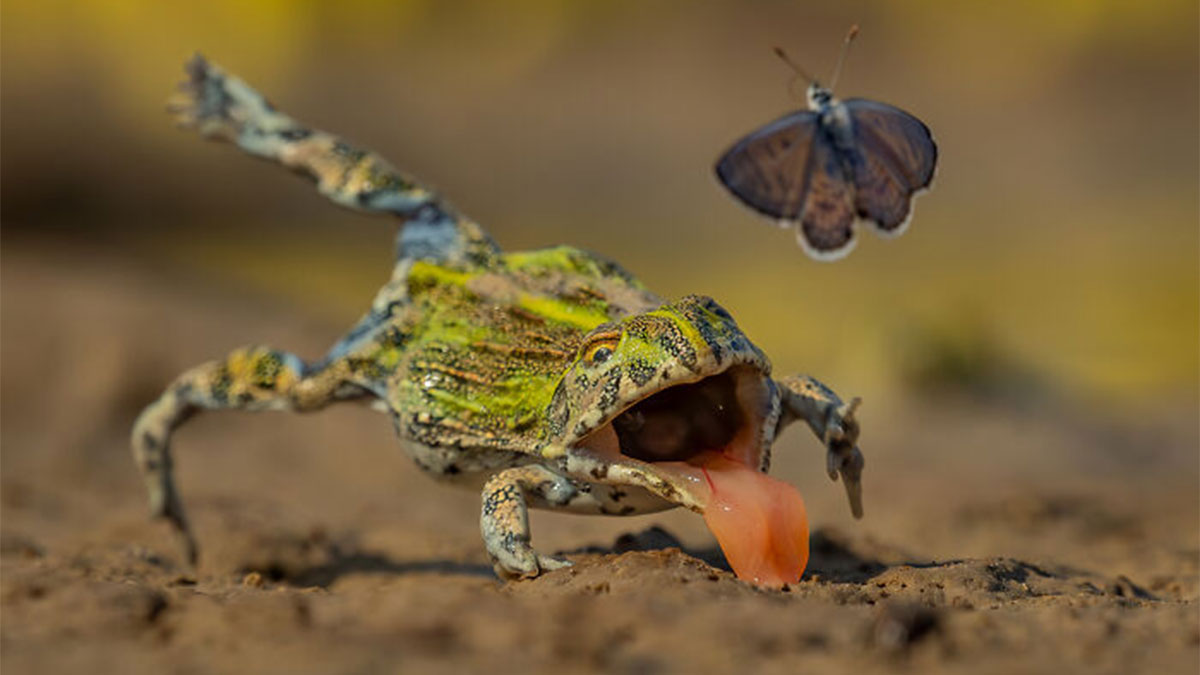
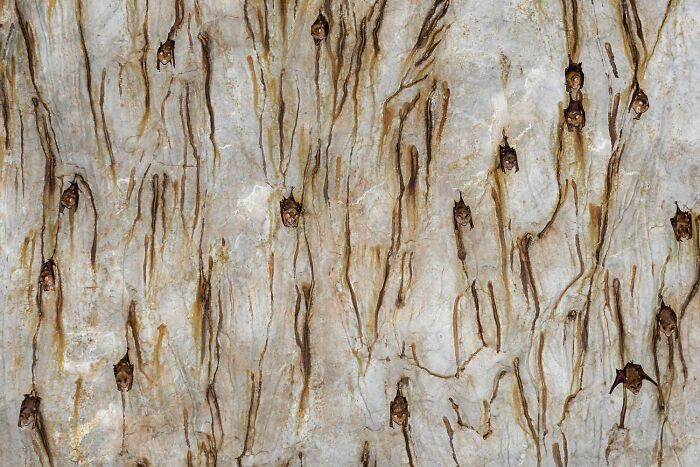
The German Society for Nature Photography (GDT) has announced the winners of its annual “Nature Photographer of the Year 2026” competition, celebrating some of the most breathtaking wildlife and nature photography captured by its members. Open exclusively to GDT photographers, the contest highlights exceptional talent and unique perspectives from across the natural world.
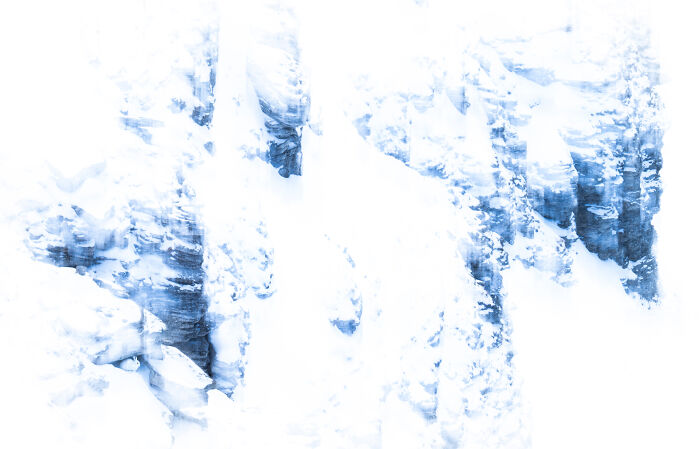
This year’s top honor went to Luca Lorenz from Berlin, a member of the GDT Youth Group, whose striking image of a snow hare in the Alps earned him the title of “GDT Nature Photographer of the Year 2026.” His winning shot, along with other standout entries, showcases the beauty, fragility, and diversity of nature through powerful visual storytelling.
Scroll down to explore the winning photos and see the incredible moments captured in this year’s competition.
More info: gdtfoto.de | Instagram | Facebook
This post may include affiliate links.

"It was my first encounter with this remarkable creature. High above the treeline in the Swiss Alps, I was traversing a steep, snow-covered slope with my friends Levi Fitze and Marc Siegle when we spotted it—an alpine hare—sitting some 30 metres below us, sheltered from wind and drifting snow at the entrance to a small rock hollow. For a long time, I observed the hare as it sat practically motionless, perfectly camouflaged with its white winter coat, gazing out across the distant Alpine peaks. Using a long exposure combined with intentional camera movement, I sought to capture the animals visual fusion with the landscape. Even at close range with a telephoto lens, this approach allowed me to preserve the hare's elusive presence, while fine streaks in the frame evoke the movement of snow sweeping across the stark landscape.
Is it not astonishing and beautiful that such a delicate animal can thrive for months in an environment defined by rock, ice and snow? This thought preoccupied me as I patently watched the scene, quietly shivering in the cold despite multiple layers of clothing.
I am fascinated by how perfectly alpine hares are adapted to mountainous habitats. Their seasonal coat moult—from brown in summer to white in winter—provides effective camouflage year-round, at least until recently. Climate change is increasingly disrupting this balance. The phenomenon known as “colour mismatch” is becoming more frequent: when the hares transition to their white winter coats before the first snowfall, they are conspicuously exposed against the dark ground and thus far more vulnerable to predators such as golden eagles and foxes. Conversely, late-season snowfalls in spring can also prove problematic when hares have already switched to their brown coats.
It means great deal to me that an image of such an unassuming species can draw so much attention. Alpine hares are deeply important to me and, in light of the significant challenges facing the species, raising awareness and supporting research into these extraordinary animals is more important than ever."




A lot of real beautiful photos here you mean ! amazing what a pro photographer can do ,without resorting to ai c**p .
Load More Replies... A lot of real beautiful photos here you mean ! amazing what a pro photographer can do ,without resorting to ai c**p .
Load More Replies...





























 No fees, cancel anytime