Get Premium
Dark mode theme is available exclusively for premium users. Learn more about the benefits of subscribing.
No fees, cancel anytime.

 Dark Mode Ad-Free Browsing Unlimited Content
 Ad-Free Browsing Unlimited Content Dark Mode
Join 1.2 million Panda readers who get the best art, memes, and fun stories every week!

High school sweethearts are a rare and beautiful kind of love story. The couple that started in the hallways, survived college, and built a life together on the other side of all of it. Most people look at that kind of relationship and see something solid, something that has already been tested by time and distance and the chaos of growing up.
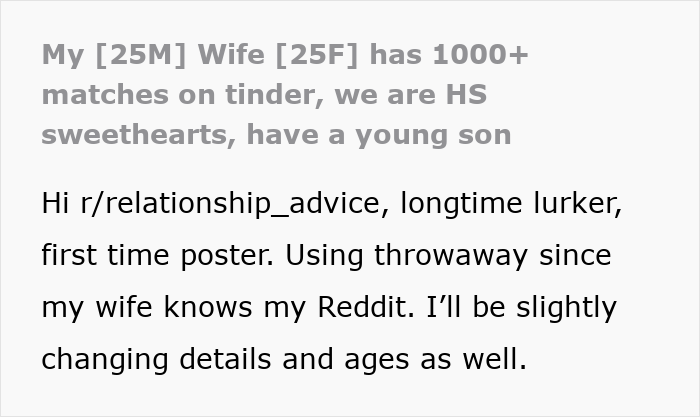
Which is exactly why a Tinder notification on your wife’s phone at one in the morning hits differently than it might in a newer relationship. One man spent eight days not sleeping, not eating, and not saying a word while his mind ran every possible scenario, before he finally took his wife to brunch and asked the question that had been keeping him awake. The answer was not what he was bracing for.
More info: Reddit
Image credits: prostooleh / Magnific (not the actual photo)
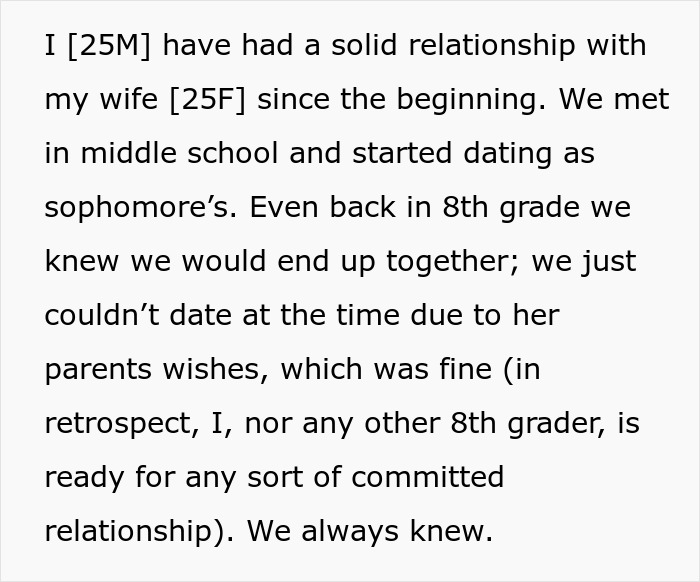
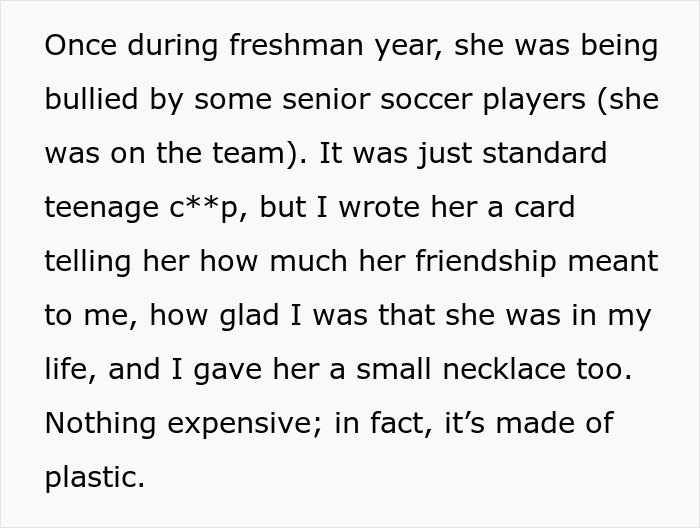
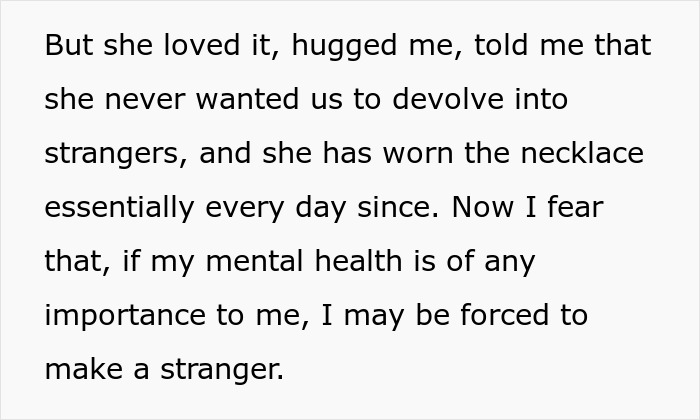
Image credits: senivpetro / Magnific (not the actual photo)
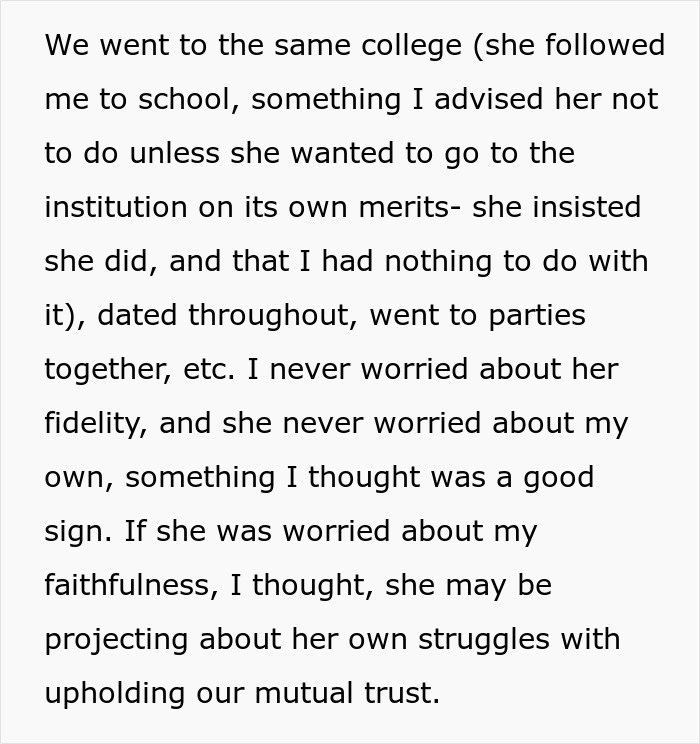
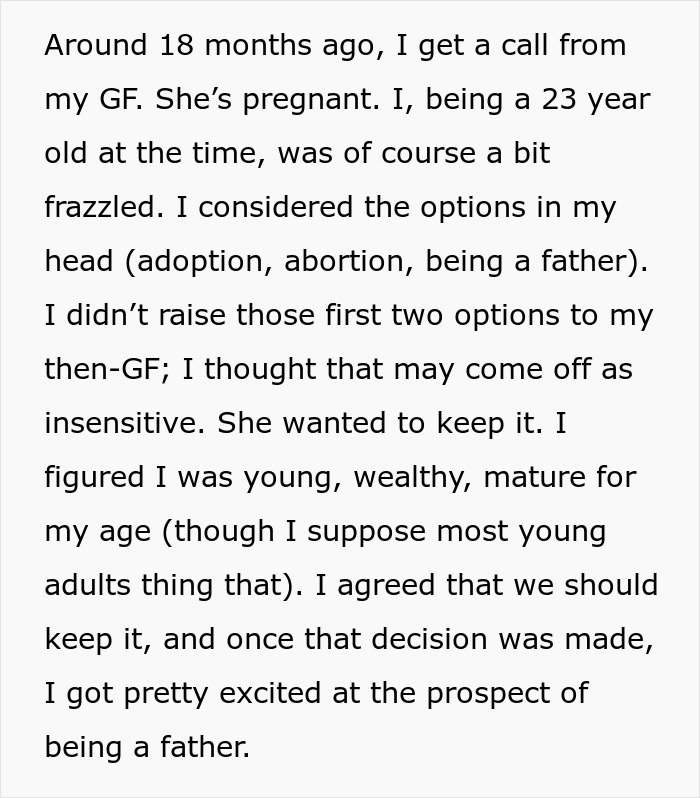
Image credits: freepik / Magnific (not the actual photo)
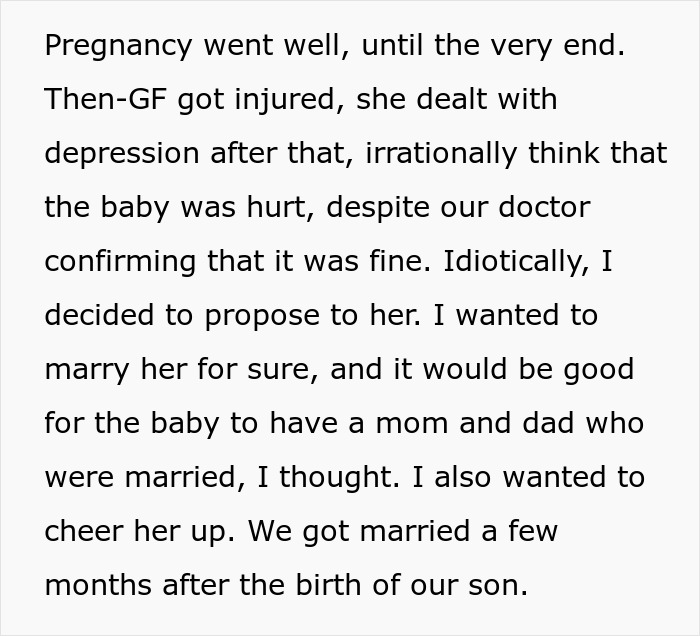
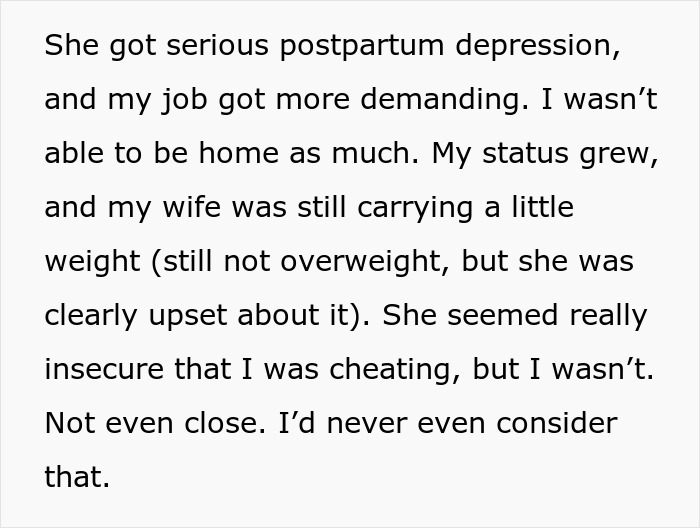
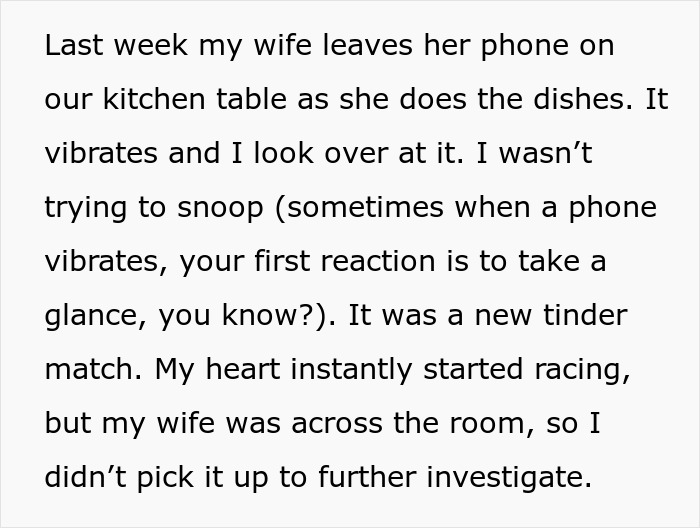
Image credits: jet-po / Magnific (not the actual photo)
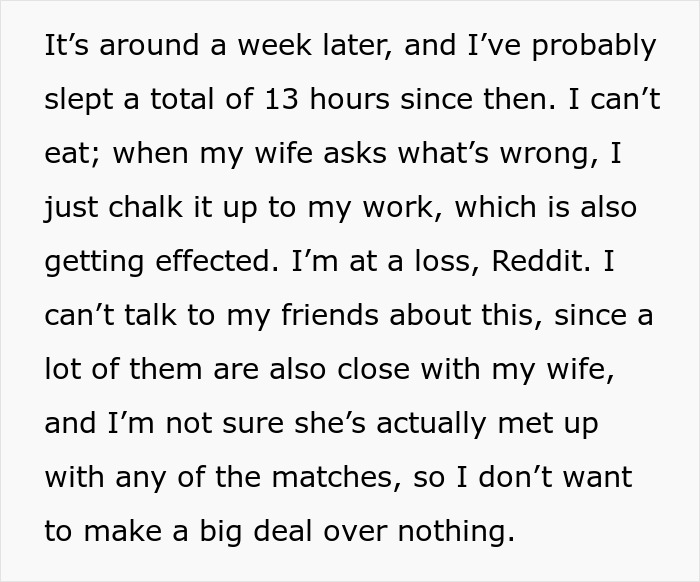

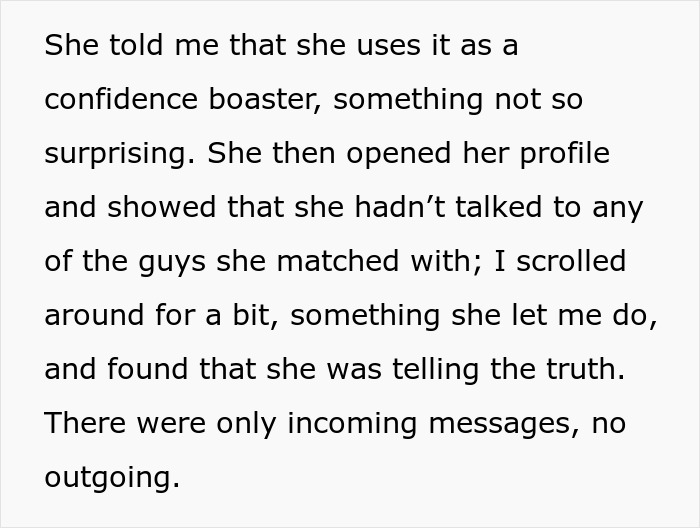
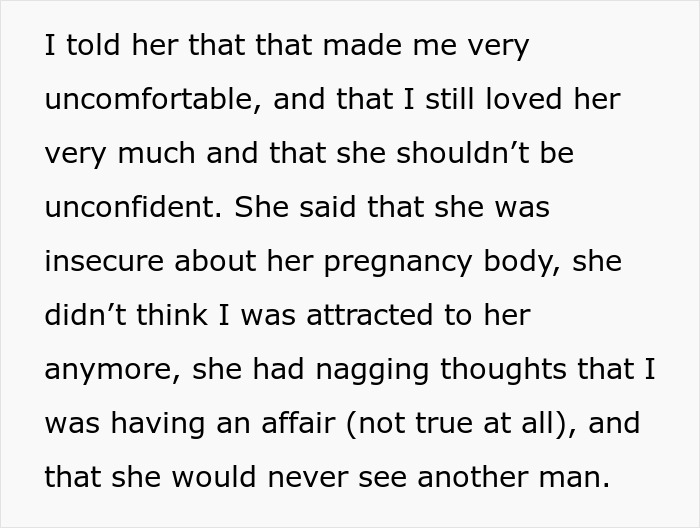
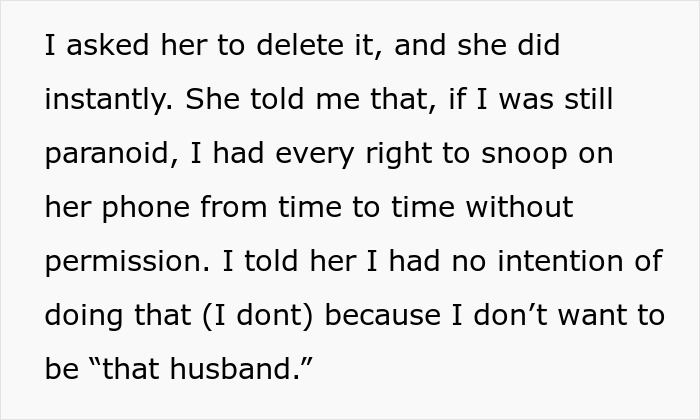
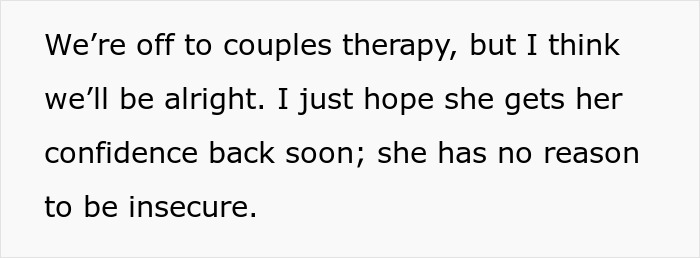
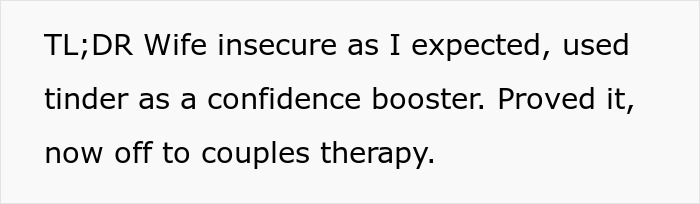
Image credits: Direct-Caterpillar77
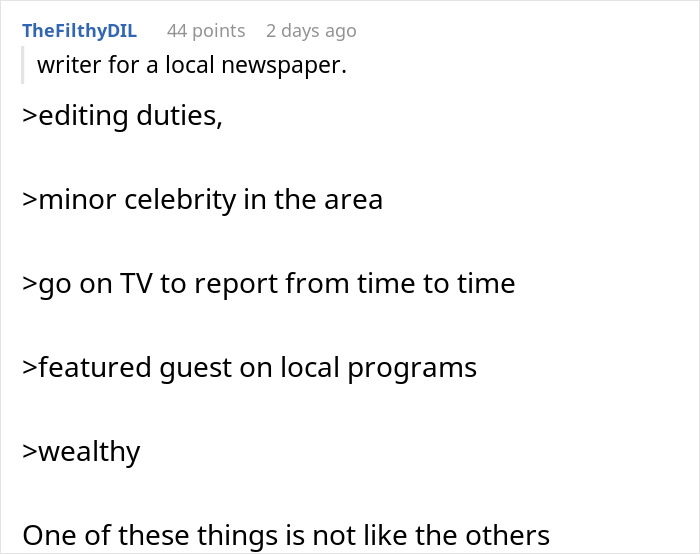
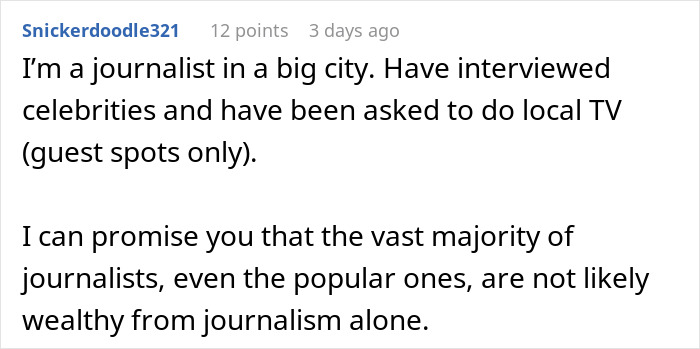
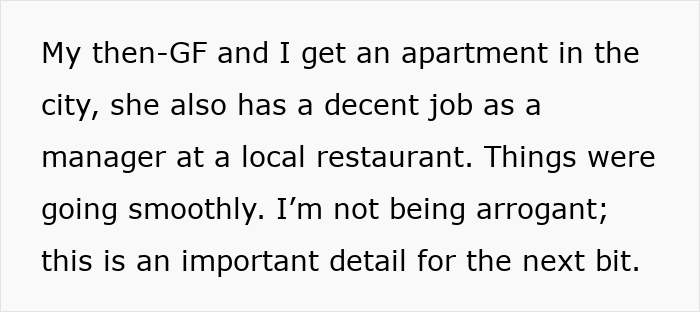
These two had known each other since middle school and started dating in high school, a real fairy tale. He had written her a card during freshman year when she was being bullied, given her a plastic necklace that she had worn almost every day since, and they had moved through college and into adult life together without ever really doubting each other. They both had good jobs, and things were going well.
Then she got pregnant. He was young and frazzled, but came around to the idea. The end of the pregnancy was difficult; she got injured, developed depression, and he made the decision to propose partly because he wanted to marry her and partly because he thought it would help. It did not fix everything. Postpartum depression followed; his job got more demanding, he was home less, and she became increasingly insecure.
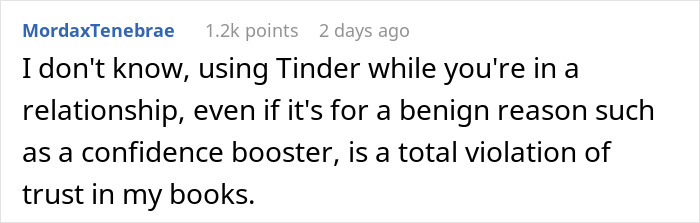
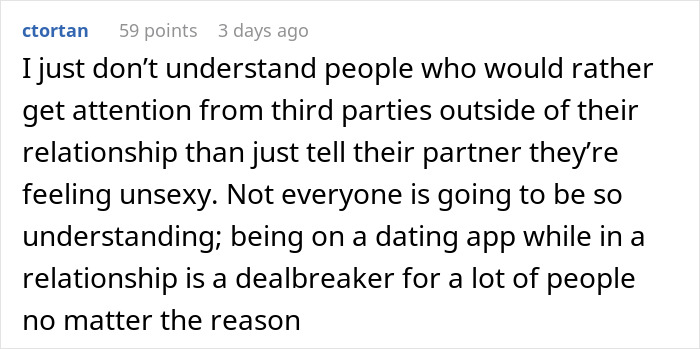
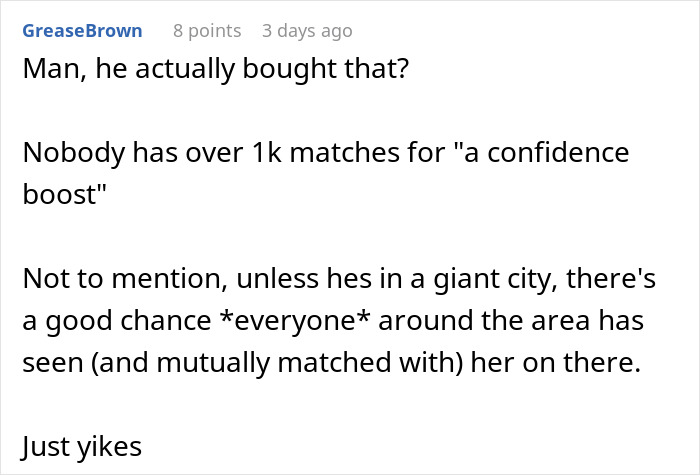
One evening, her phone vibrated on the kitchen table while she was doing the dishes, and he glanced over to see a Tinder notification. He did not pick up the phone, but he couldn’t sleep that night. He eventually opened her phone and found over a thousand matches. He put the phone down without looking at the conversations and did not sleep for the rest of the night, or much at all for the following week.
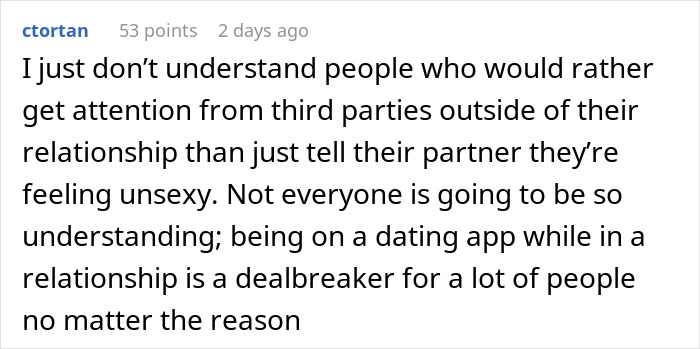
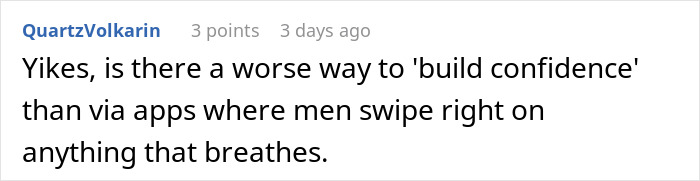
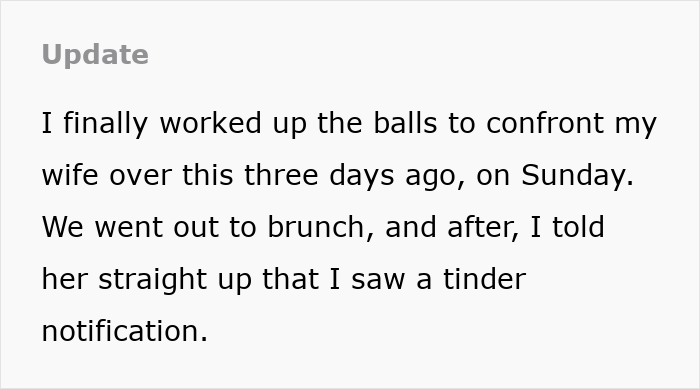
Eight days later, he told her what he had seen. She explained that she used it as a confidence boost, and showed him the inbox. There were no outgoing messages, only incoming ones. She had matched with people and never spoken to a single one of them. She told him she had been insecure about her body since the pregnancy, convinced he was not attracted to her anymore, and afraid he was having an affair.
Image credits: Elena Helade / Unsplash (not the actual photo)
The wife’s explanation makes considerably more sense when you look at a survey that found that more than half of women who had been pregnant felt more negative about their body image after pregnancy. She was just part of a majority, navigating a significant physical and emotional shift while watching her husband’s public profile grow and quietly convincing herself that the gap between them was widening.
The Tinder as confidence booster detail is also more documented than most people realize. A LendEdu study found that 44% used Tinder for confidence-boosting procrastination. That is compared to 22% who used it for casual encounters and just 4% who used it to find a relationship. The app seems to function as a way of confirming that they are still attractive to other people without any intention of acting on it.
Experts at Rula suggest that navigating postpartum body image starts with reframing, focusing on what the body has accomplished rather than how it has changed. Growing and delivering a human being is not a small thing, and the physical evidence of it deserves to be honored. She clearly had not arrived at that place yet, which is exactly why couples therapy was the right next step for them.
He spent eight days in silent agony over something that turned out to be a symptom of his wife’s insecurity rather than a threat to their marriage. They talked, they deleted the app, they booked therapy, and the plastic necklace from freshman year presumably stayed exactly where it had always been.
Have you ever used Tinder for a little confidence boost? You can tell us about it in the comments!









By entering your email and clicking Subscribe, you're agreeing to let us send you customized marketing messages about us and our advertising partners. You are also agreeing to our Privacy Policy.
Thank you! You've successfully subscribed to newsletters!

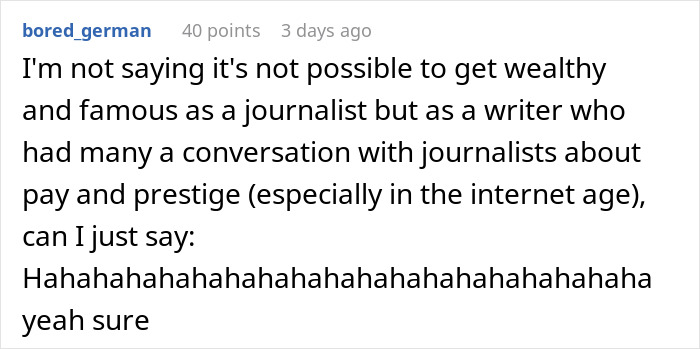
Stopped believing this when he says he got a job writing for a paper and then said he was "payed" well 😂😂

Didn’t you read that he changed ages and other details?
Load More Replies...
I love how they start with "it's a throwaway account since the person I'm complaining about knows my account" but then lay out a story that honestly no matter how many names you change or don't mention the situation is so specific that whomever involved knows what's up. Also, if the story is true he might want to reconsider his relationship. That type of attention seeking behavior doesn't get better it gets worse. My daughter dated someone like that and when she told me I said it may start with them feeling better about themselves with the likes, but someone whos ego needs that much stroking will eventually escalate to conversations, then meetups, then dates. If you're his GF and he still needs to approval of others in additions to the love, support, and attention you give it will never be enough and he will make you look stupid. She's now engaged to a better man, expecting her first child, and is happy

You are missing the fact that they said they changed the details. Those are likely not their jobs or ages.
Load More Replies... Stopped believing this when he says he got a job writing for a paper and then said he was "payed" well 😂😂
Didn’t you read that he changed ages and other details?
Load More Replies... I love how they start with "it's a throwaway account since the person I'm complaining about knows my account" but then lay out a story that honestly no matter how many names you change or don't mention the situation is so specific that whomever involved knows what's up. Also, if the story is true he might want to reconsider his relationship. That type of attention seeking behavior doesn't get better it gets worse. My daughter dated someone like that and when she told me I said it may start with them feeling better about themselves with the likes, but someone whos ego needs that much stroking will eventually escalate to conversations, then meetups, then dates. If you're his GF and he still needs to approval of others in additions to the love, support, and attention you give it will never be enough and he will make you look stupid. She's now engaged to a better man, expecting her first child, and is happy
You are missing the fact that they said they changed the details. Those are likely not their jobs or ages.
Load More Replies...


























 No fees, cancel anytime











45
8