Get Premium
Dark mode theme is available exclusively for premium users. Learn more about the benefits of subscribing.
No fees, cancel anytime.

 Dark Mode Ad-Free Browsing Unlimited Content
 Ad-Free Browsing Unlimited Content Dark Mode
Join 1.2 million Panda readers who get the best art, memes, and fun stories every week!

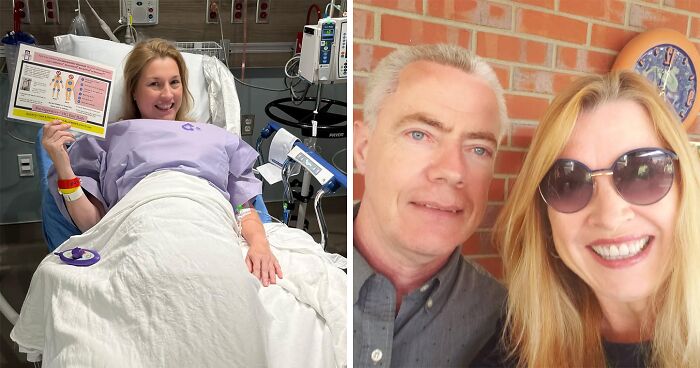
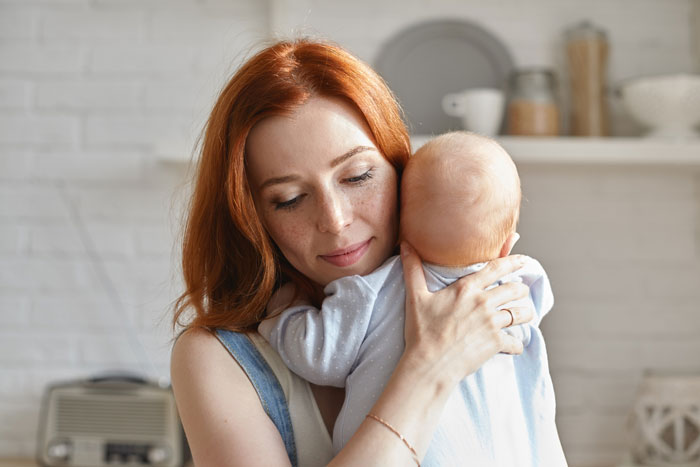
Losing the love of one’s life can be the most difficult thing a person has to deal with, and they might want to make their late partner’s memory live on forever. This is also why some folks name their kids after people they’ve lost, as it might make them feel like a part of their loved one lives on.
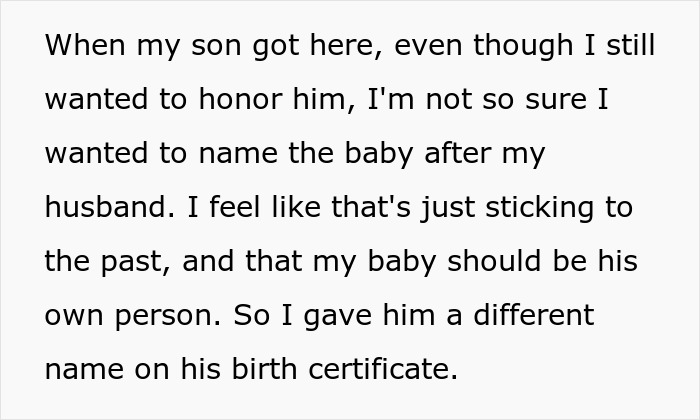
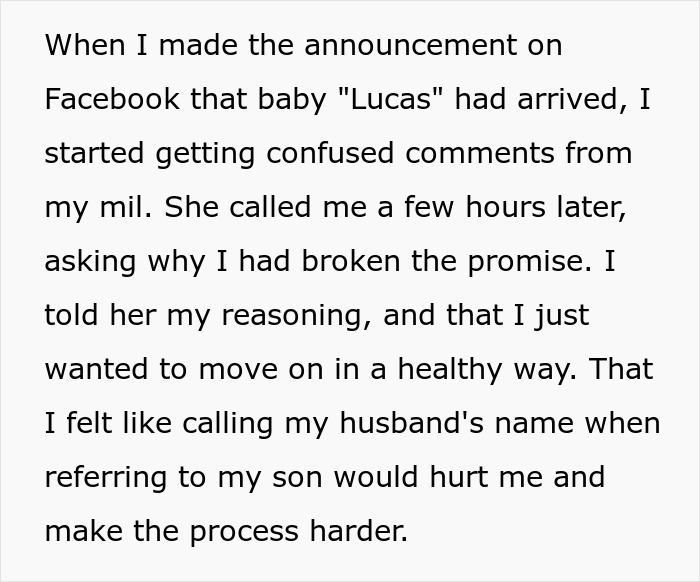
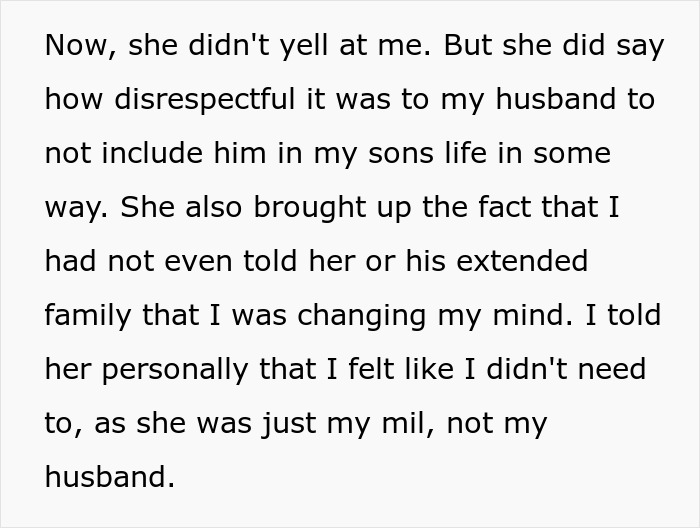
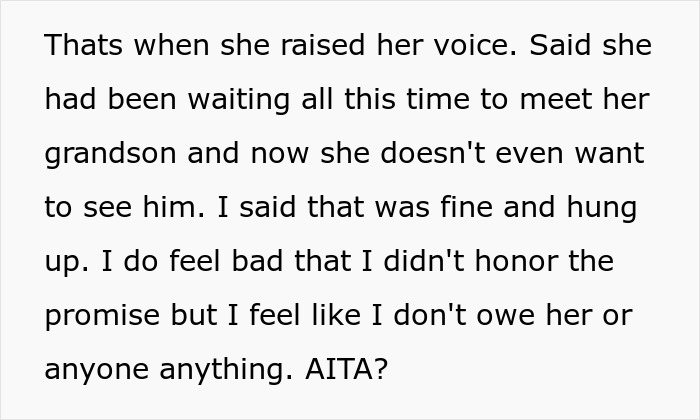
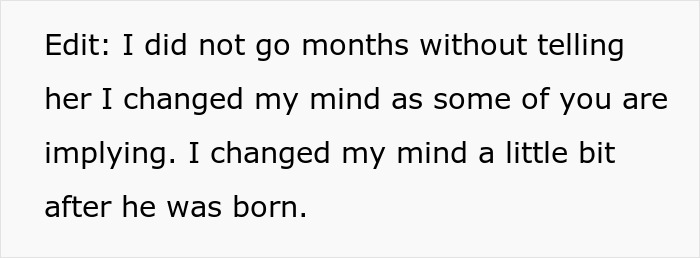
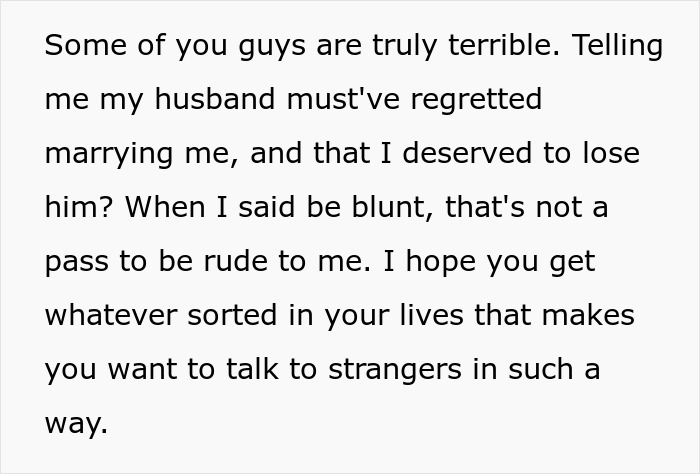
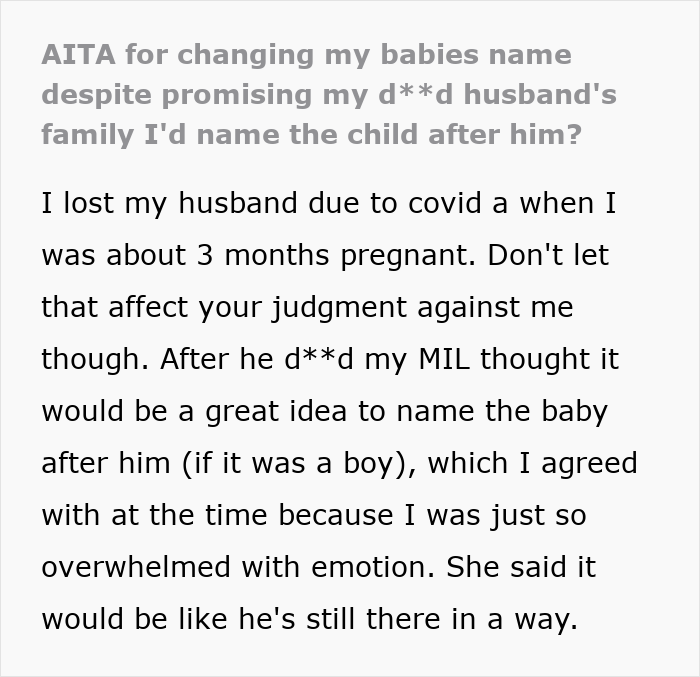
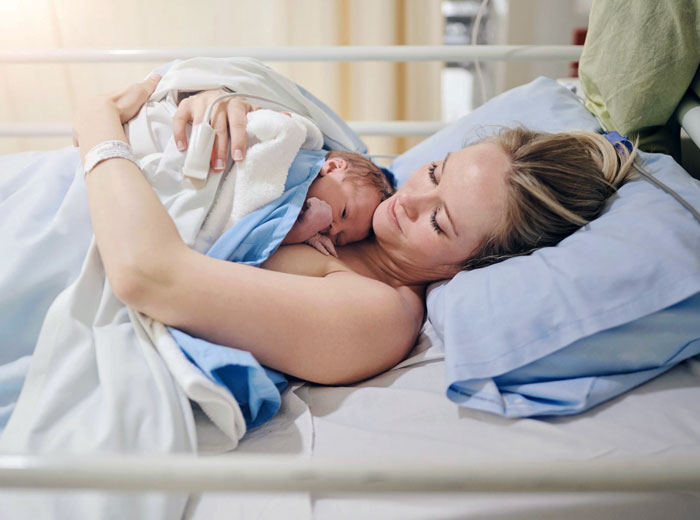
Unfortunately, this is exactly what a widow promised her mother-in-law that she would do, but when she changed her mind after the baby was born, she didn’t inform her late husband’s mom about a thing. This led to a huge conflict between the women and made her question whether she was wrong to do something like that.

The loss of a loved one can be a painful ordeal to go through, and experts explain that people might feel emptiness, despair, shock, guilt, and even regret after the experience. They might also struggle to move on from the situation, and remain stuck in their grief long after the person has left their life.
When it comes to widows, the National Council on Aging mentions that the psychological impact of grief can be so powerful that it can increase their risk of passing away as well. According to research, folks often face a 66% increased mortality rate within the first 90 days of losing their life partner.
This shows how powerfully folks are connected to those they’ve lost, and they might go out of their way to honor their late loved ones, like naming children after them. Rabbi Daniel Cohen notes that this has traditionally been a way to remember folks who have passed and make them part of the newborn’s life as they grow up.
Although this practice might provide comfort to some people, Kavita Panyam suggests it could have unintended negative consequences in certain cases. This could be because naming a child after someone who has lost their life could make them feel like they have no individuality and have to grow up in the shadow of someone who was so great.
Just like this widow found herself at a crossroads due to her mother-in-law’s promise, Marjorie Brimley mentions that other folks might also struggle to know how to appease their late partner’s family. She notes that ignoring what they have to say might bring peace, but it can also cost people the support they need. On the other hand, always trying to appease them could cost one their sanity.
According to Navigating Widowhood, people should try to remember that their in-laws are also grieving their child, which is why it’s important to go easy on them. Rather than going on the offensive or taking their words to heart, it may be best to listen to their feelings and find a compromise.
Another way to bridge the gap between you and your late partner’s family could be by just having an open and honest discussion with them. Experts from A Widow’s Might explain that this could lead to an added level of closeness between you all and make the relationship better.
It’s possible that both the woman and her mother-in-law behaved in such a way because they were still going through the grieving process. Who knows, maybe as time passed they were able to figure out their differences and focus on the brand new baby that came into their lives.
Who do you think was in the right in this story? We’d love to hear your perspective and any conflicting opinions.

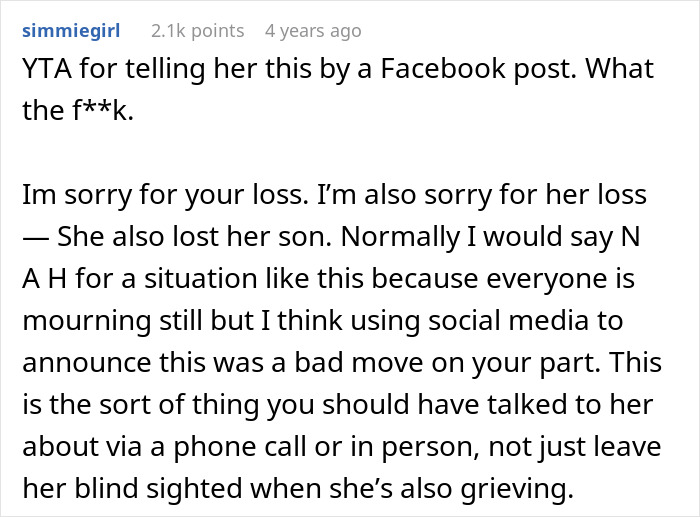
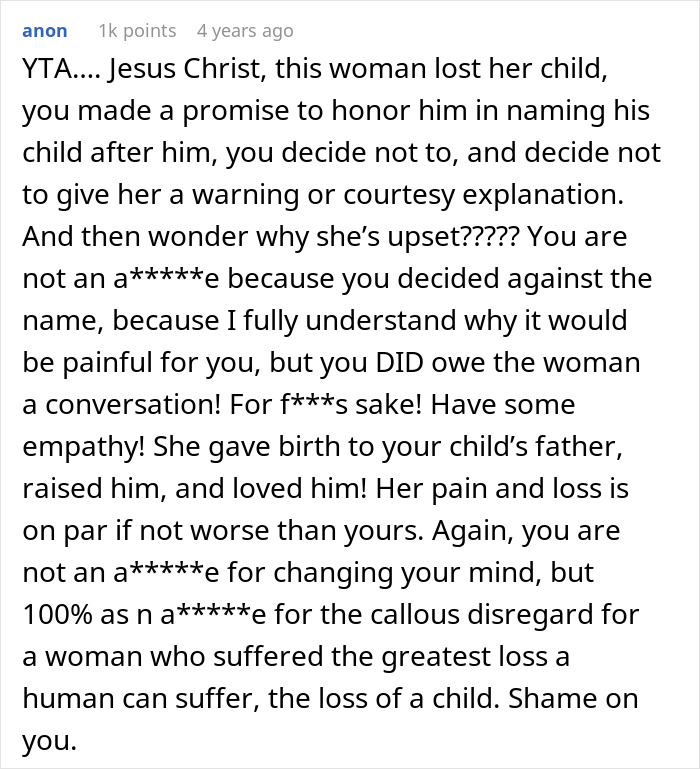
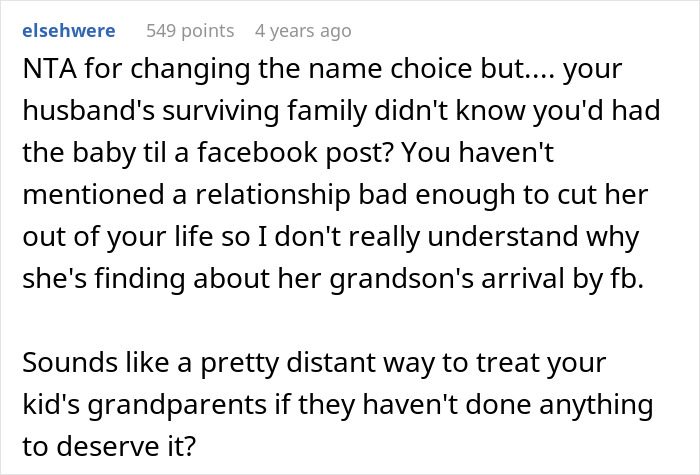
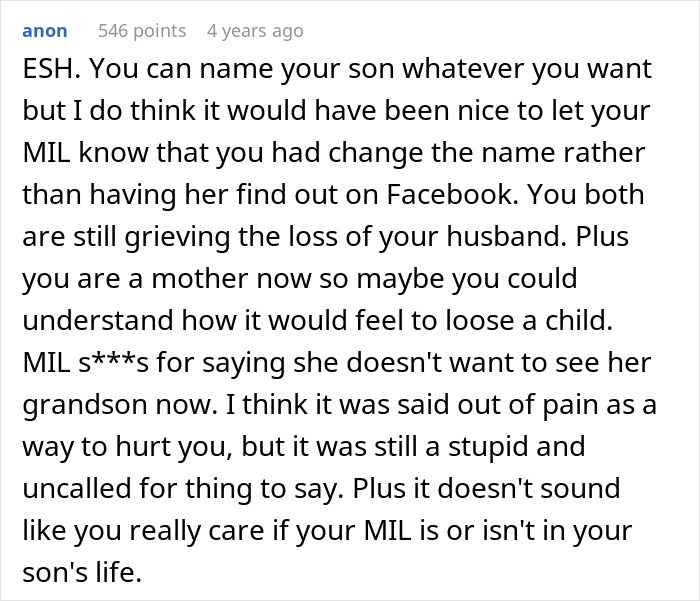
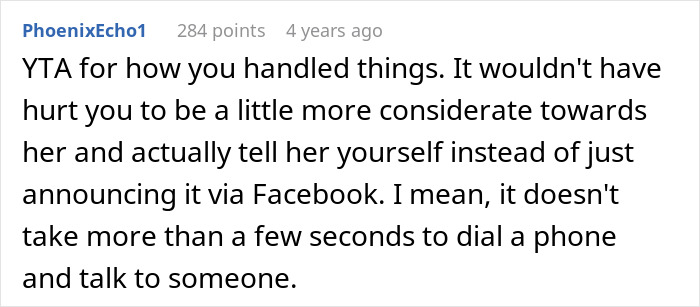
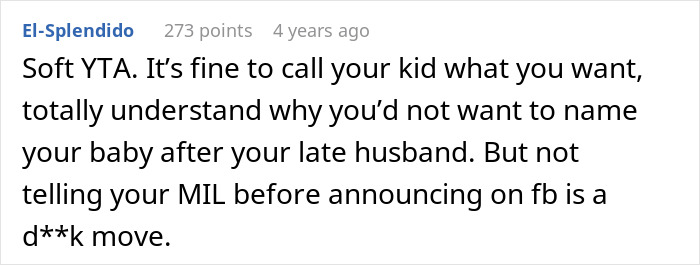
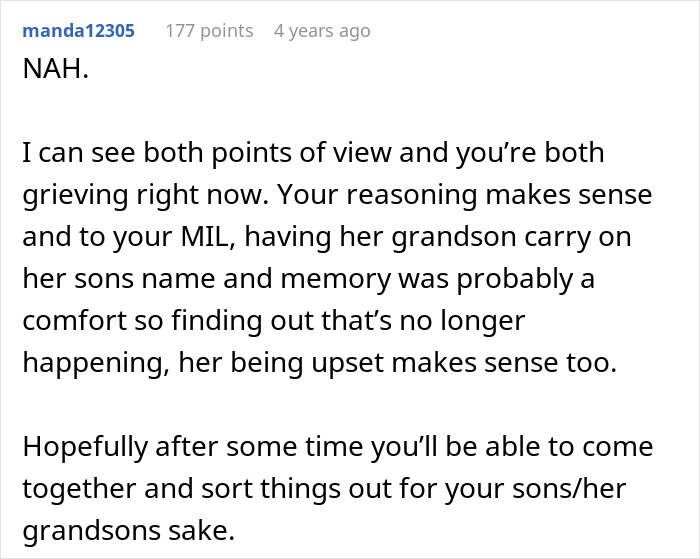
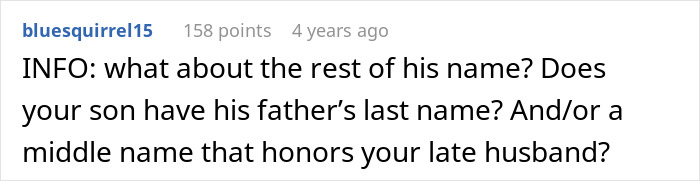


By entering your email and clicking Subscribe, you're agreeing to let us send you customized marketing messages about us and our advertising partners. You are also agreeing to our Privacy Policy.
Thank you! You've successfully subscribed to newsletters!


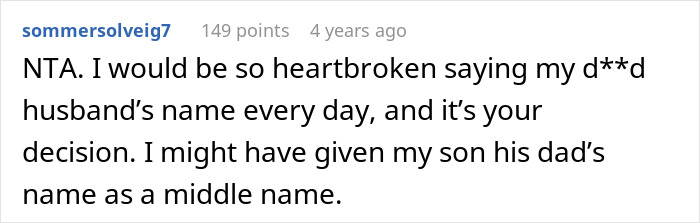
OP has the sole right to name her child as she sees fit. If she wanted to placate her MIL, maybe the late husband's name as a middle name? I lost my adult son to cancer last year, but I can't imagine naming someone else after him. It would be inexplicably hard. 💔

Since everyone has said everything on this topic already, I just want to help our Pandas learning English. The phrase “blind sighted” appeared in one of the comments; what was meant was “blindsided,” which is when you surprise someone in a bad way. For example: You go to make a bill payment and the money’s not there; your partner blindsided you by spending it on a motorcycle.

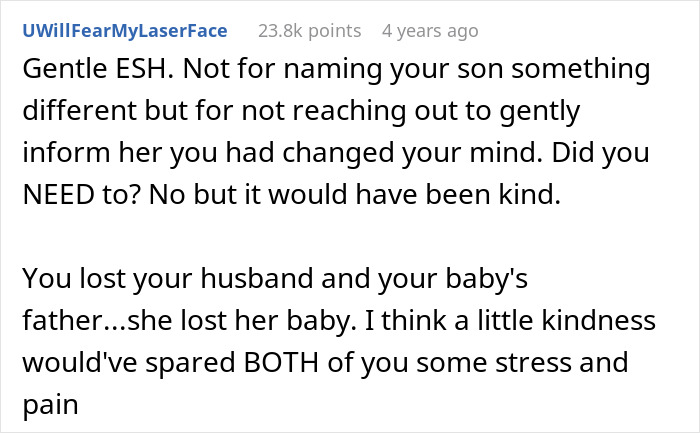
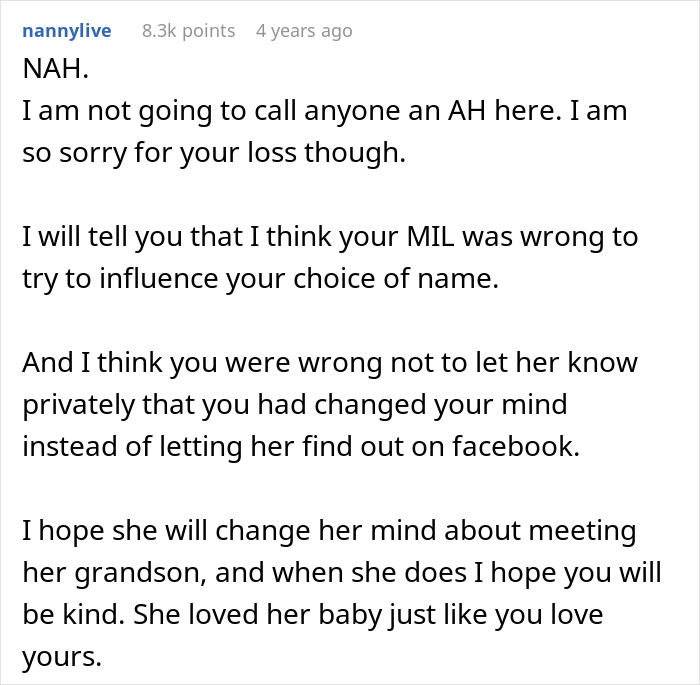
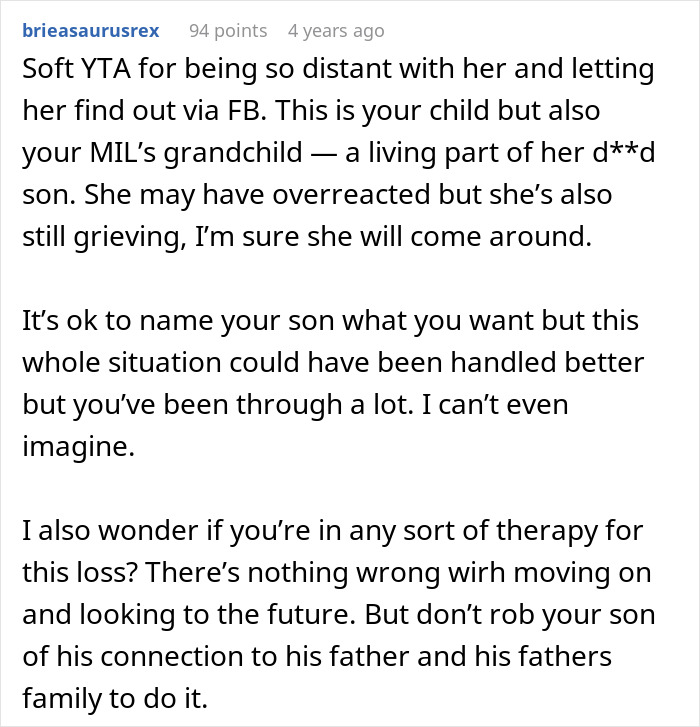
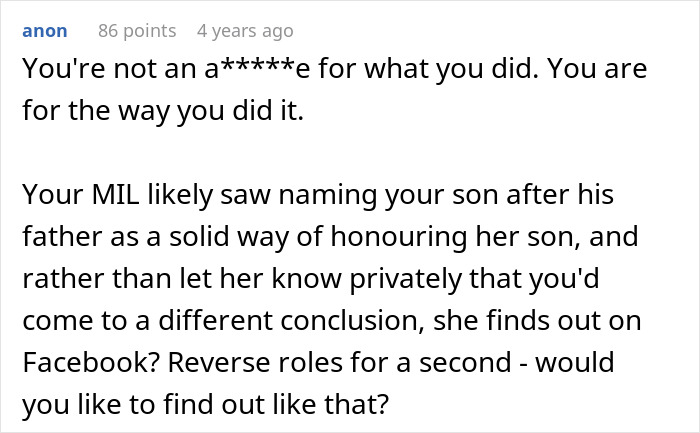
ESH. Op has the right to name her kid what she wants. Nevertheless, given the circumstances, she owed the MIL a head's up in person. "Surprise! I know we talked about naming your grandkid after your d**d son and my d**d husband, but I changed my mind. First you're hearing about it is on Facebook!" Is a s****y thing to say. (Yes, I know I'm paraphrasing, but it was a really ah way to go about breaking the news.) That being said, the MIL saying she didn't even want to meet her grandson is a horrible thing to say, even in the heat of anger.

I hope she meant it, because I think the baby's mother will take her at her word and make no further efforts to include her late husband's family in the baby's life.
Load More Replies... OP has the sole right to name her child as she sees fit. If she wanted to placate her MIL, maybe the late husband's name as a middle name? I lost my adult son to cancer last year, but I can't imagine naming someone else after him. It would be inexplicably hard. 💔
Since everyone has said everything on this topic already, I just want to help our Pandas learning English. The phrase “blind sighted” appeared in one of the comments; what was meant was “blindsided,” which is when you surprise someone in a bad way. For example: You go to make a bill payment and the money’s not there; your partner blindsided you by spending it on a motorcycle.
ESH. Op has the right to name her kid what she wants. Nevertheless, given the circumstances, she owed the MIL a head's up in person. "Surprise! I know we talked about naming your grandkid after your d**d son and my d**d husband, but I changed my mind. First you're hearing about it is on Facebook!" Is a s****y thing to say. (Yes, I know I'm paraphrasing, but it was a really ah way to go about breaking the news.) That being said, the MIL saying she didn't even want to meet her grandson is a horrible thing to say, even in the heat of anger.
I hope she meant it, because I think the baby's mother will take her at her word and make no further efforts to include her late husband's family in the baby's life.
Load More Replies...

















 No fees, cancel anytime









32
24