Get Premium
Dark mode theme is available exclusively for premium users. Learn more about the benefits of subscribing.
No fees, cancel anytime.

 Dark Mode Ad-Free Browsing Unlimited Content

 Ad-Free Browsing Unlimited Content Dark Mode
Join 1.2 million Panda readers who get the best art, memes, and fun stories every week!
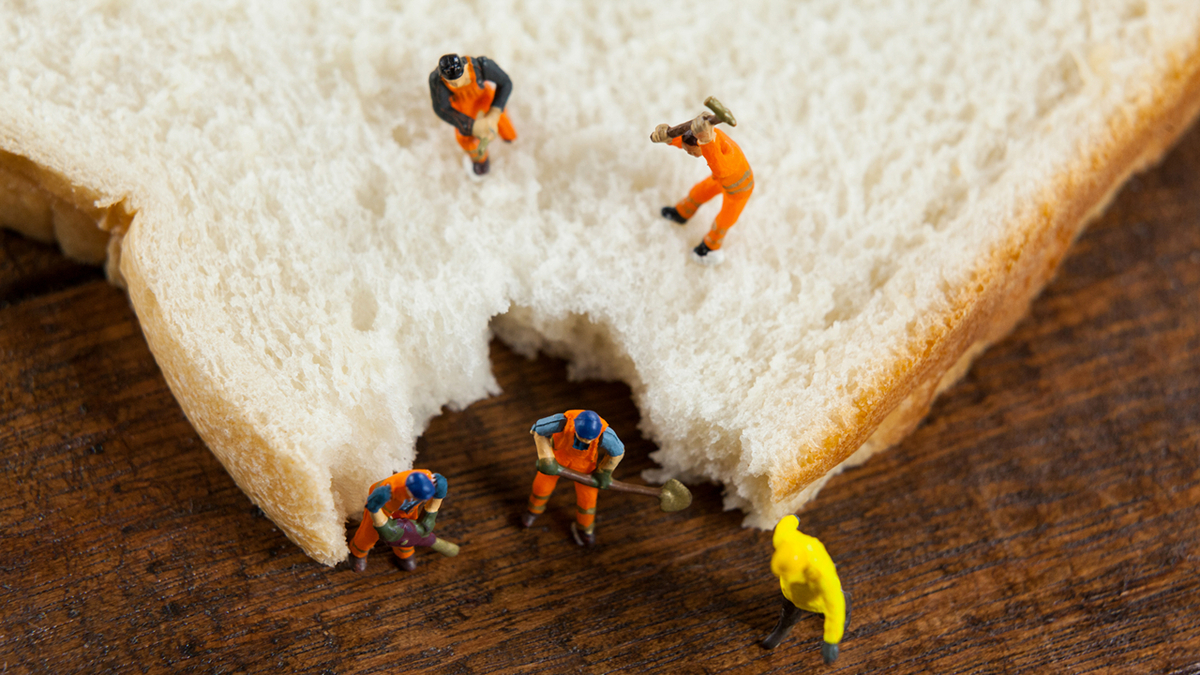
At any given moment, I have twenty mini plastic babies hidden around my house. No psychologist can adequately diagnose the unnatural amount of joy I feel when one of them pops up somewhere unexpected. I hide them in friends’ houses as a little breadcrumb trail of where I have been. If this were a coin or a thumbtack, it would be half as satisfying, but because it is a tiny plastic baby, everybody is delighted. Nobody knows why. Nobody questions it.
Even back when I was a novice writer surviving on a ramen and cheap vodka diet because I could not afford anything else, I was spending an irresponsible amount of money at the grocery store only to be rewarded with a mini grocery item. A miniature version of something I probably could not afford at full scale anyway. I stuck magnets on them and admired them every day on the door of my empty fridge. The irony runs extremely deep.
I am not alone in this, which is deeply reassuring. Hannah Lemon built an entire career as a miniature artist, creating tiny worlds of breathtaking detail that have attracted a devoted following of people who, on a visceral level, understand the specific appeal of something small and perfectly formed. Christian Hull, the Australian content comedian, spent a borderline insane amount of effort hunting down a mini ketchup, and in doing so accidentally launched a new chapter of his career, eventually taking his mini museum on the road.
They are the visible tip of a global obsession that has been bubbling under for decades and exploded into mainstream culture via blind boxes, unboxing videos, and the particular sorcery of seeing a full-size supermarket item reproduced at the scale of your thumbnail. The question is why. What is actually happening in the human brain when a tiny, perfectly detailed toaster short-circuits every rational thought and produces pure, uncut joy? Psychologists, economists, and the people who have built their lives around small things have some answers, and they are more interesting than you might expect.
 Exclusive Content Ad-Free Browsing Dark Mode Exclusive Content Ad-Free Browsing Dark Mode


































 No fees, cancel anytime