Get Premium
Dark mode theme is available exclusively for premium users. Learn more about the benefits of subscribing.
No fees, cancel anytime.

 Dark Mode Ad-Free Browsing Unlimited Content
 Ad-Free Browsing Unlimited Content Dark Mode
Join 1.2 million Panda readers who get the best art, memes, and fun stories every week!

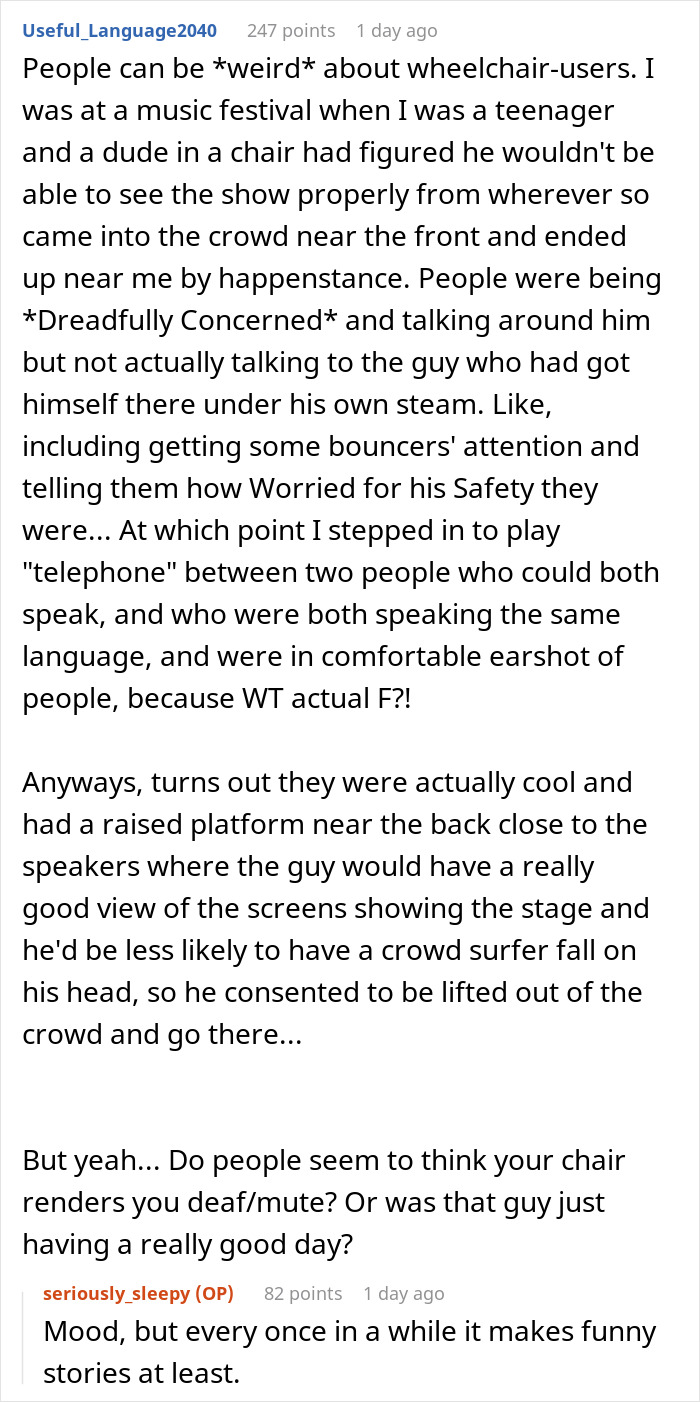
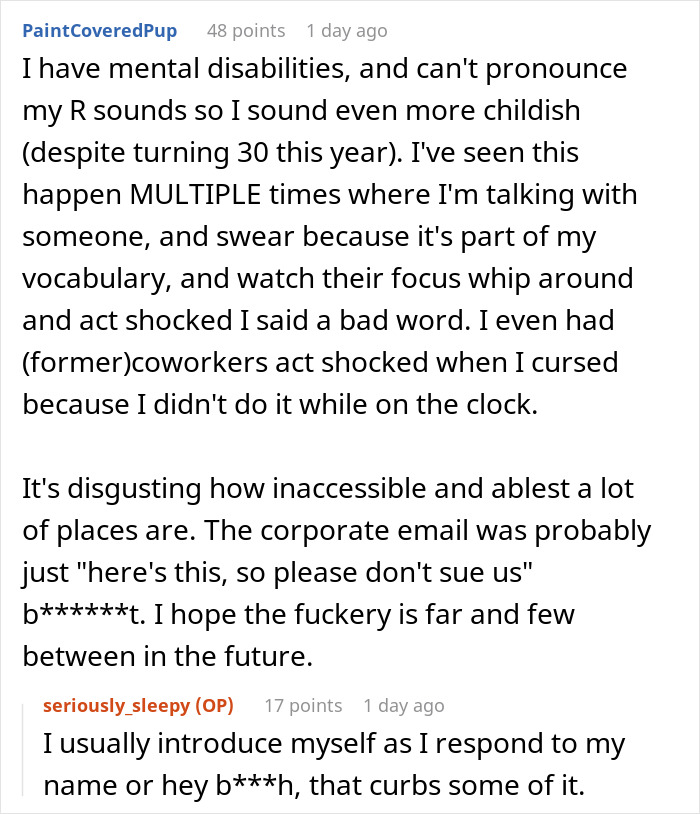
Disability discrimination isn’t always loud or obvious. Sometimes it disguises itself as a misunderstanding or a procedural concern. And on the odd occasion it gets even more disgraceful.
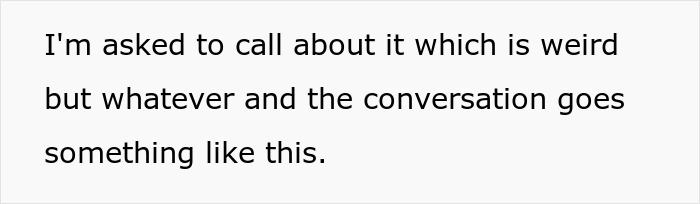
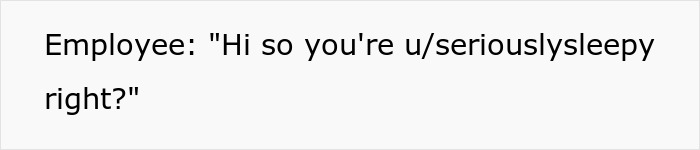
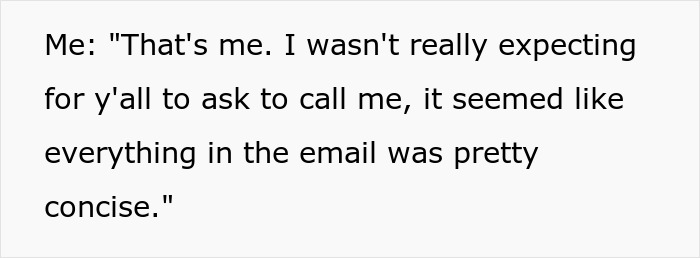
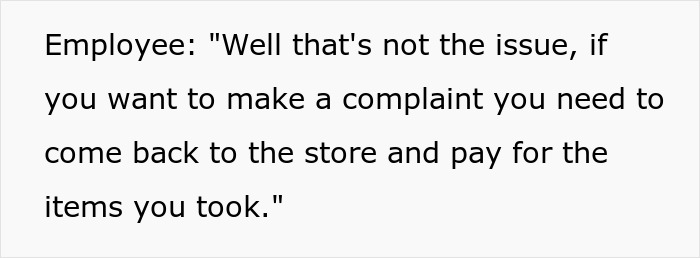
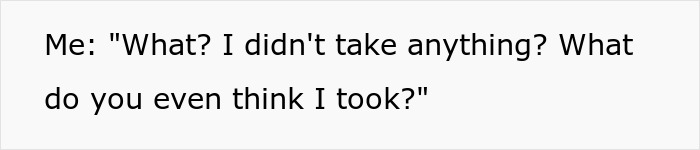
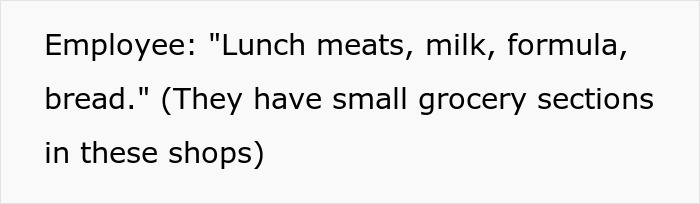
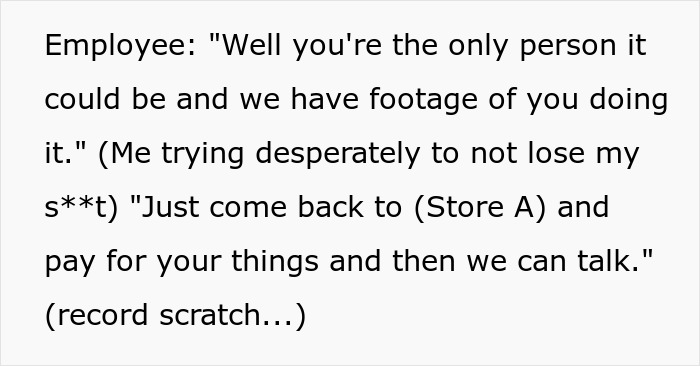
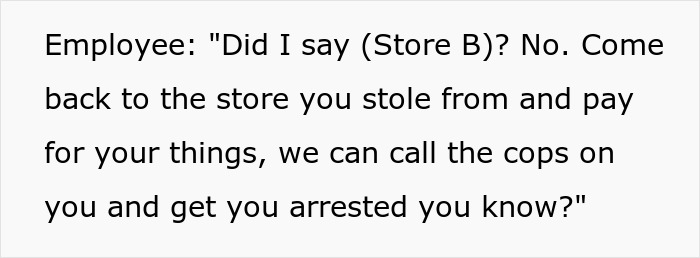
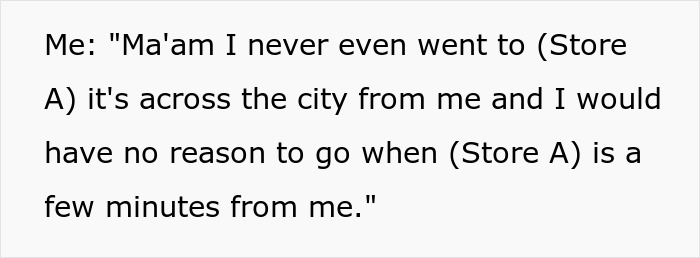
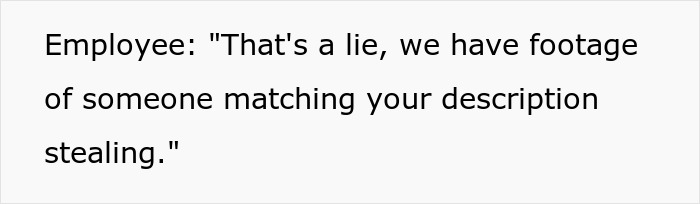
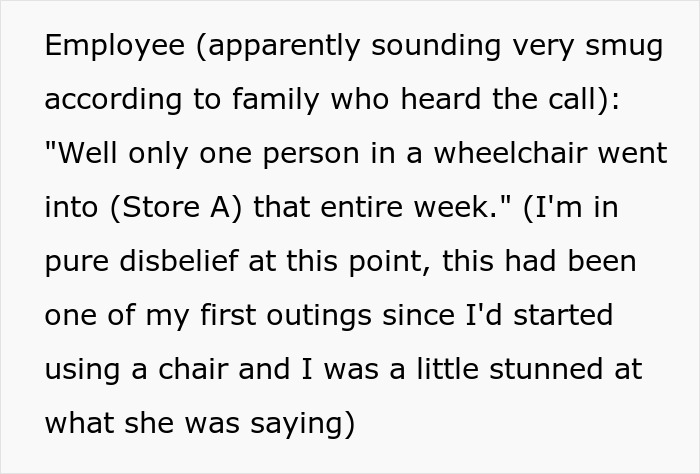
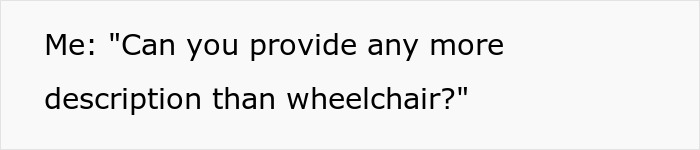
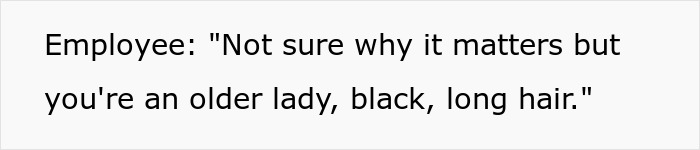
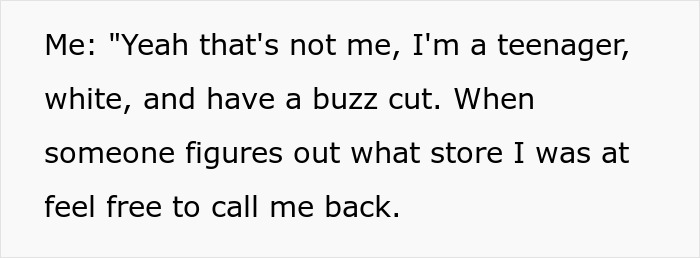
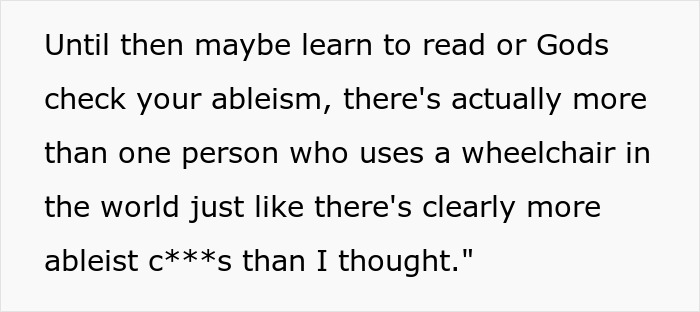
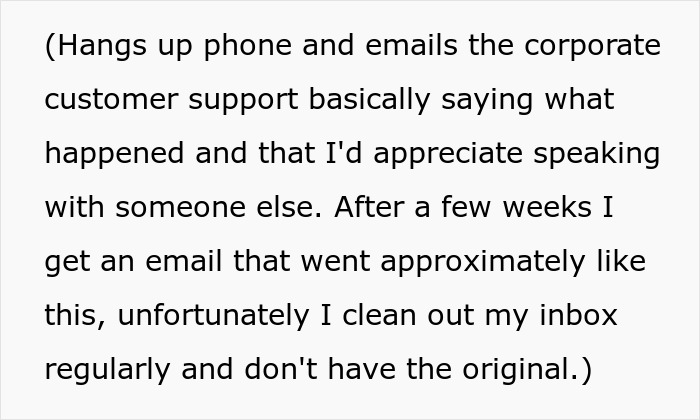
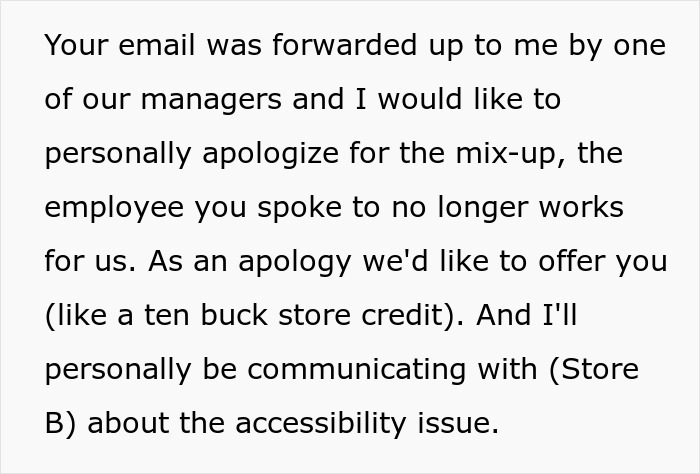
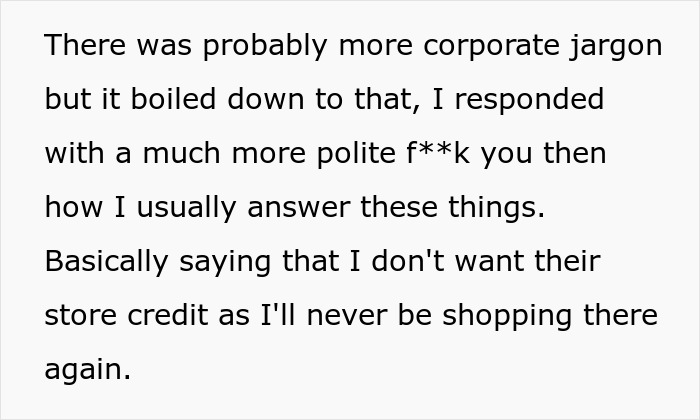
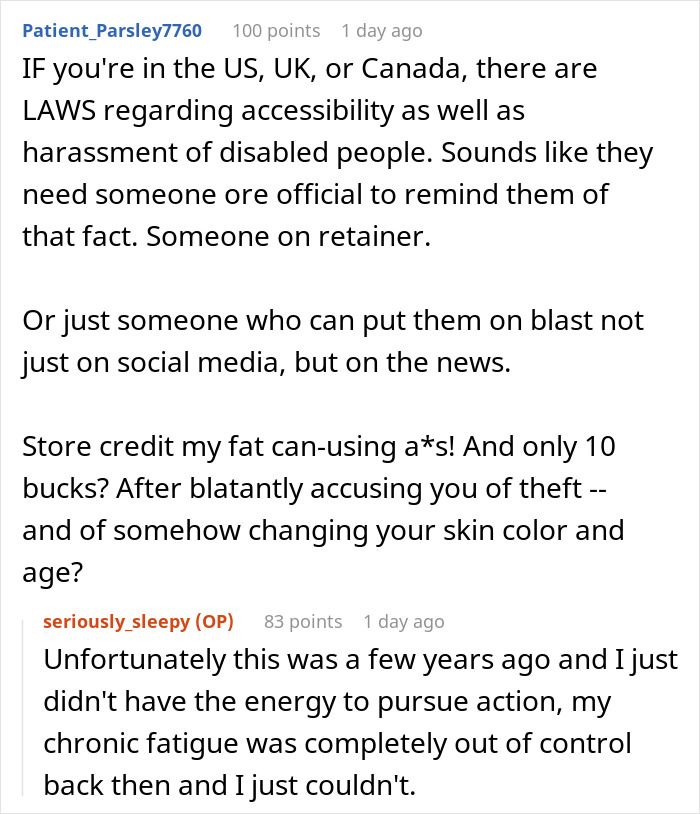
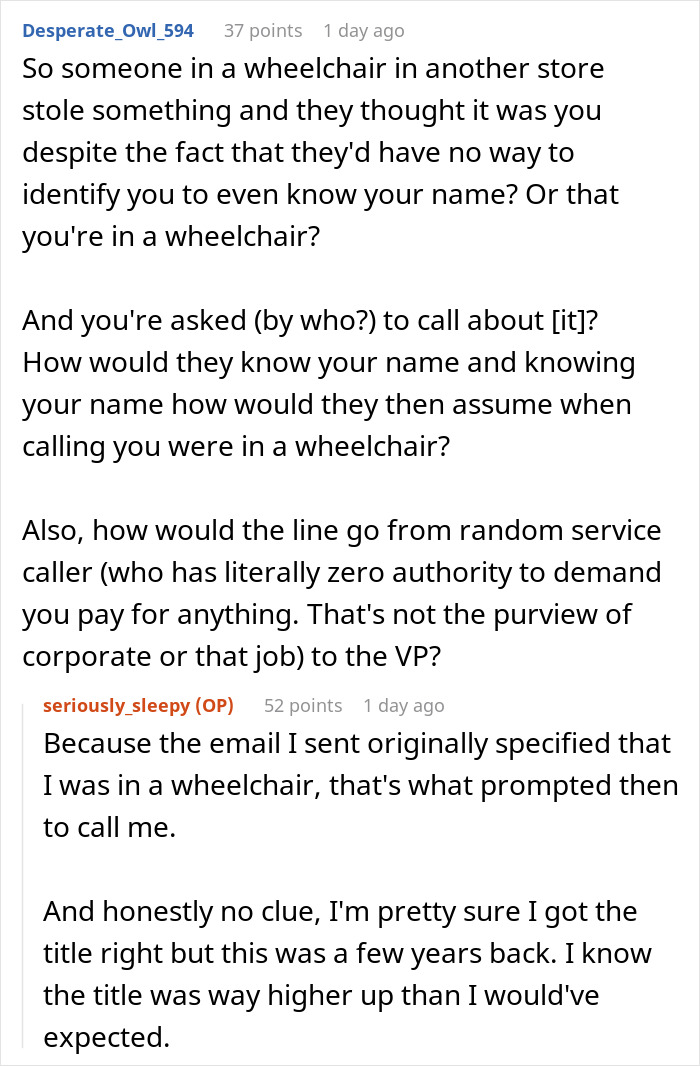
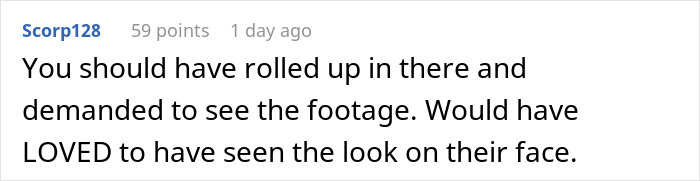
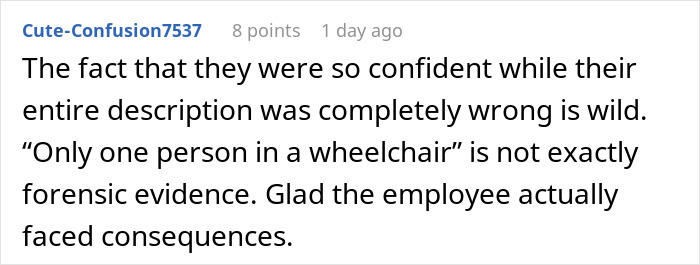
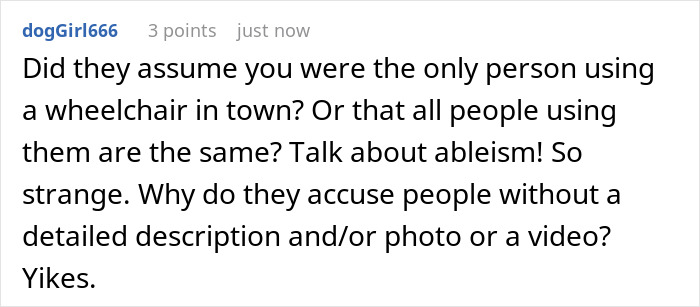
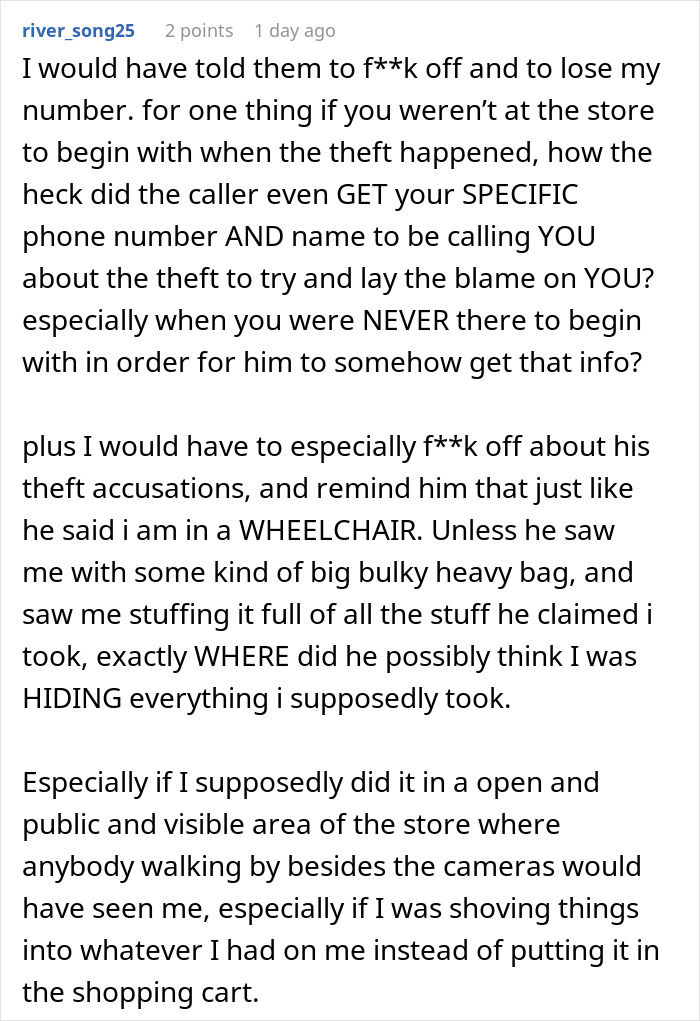
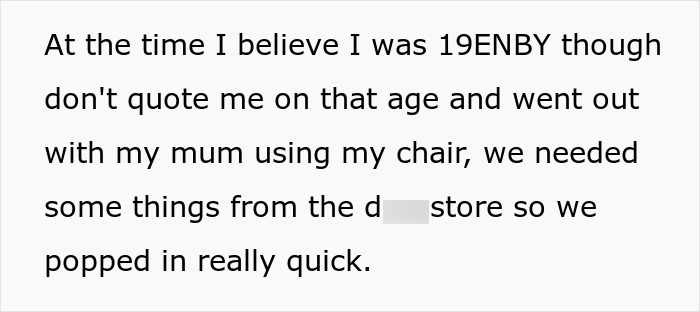
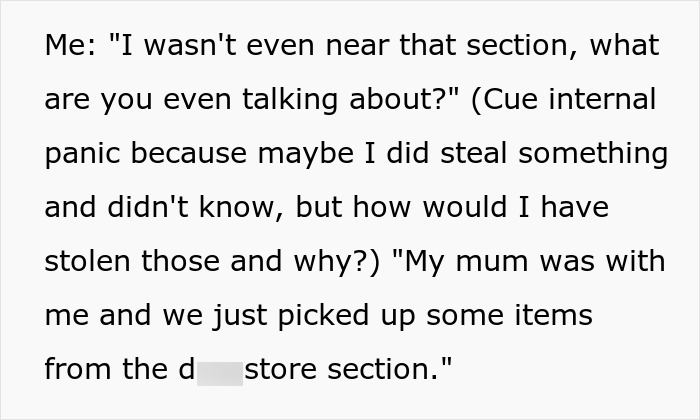
One teenager emailed a store to flag some accessibility issues with their aisle displays. The store called back, but instead of an apology, accusations started flying. The employee’s evidence was airtight, too. A wheelchair user had been seen in that store that week. That was it. That was the whole case.








According to Johns Hopkins Bloomberg School of Public Health, people with disabilities make up the largest minority group in both the United States and the world, with an estimated 27% of American adults living with some form of disability. That is more than one in four people, and the number grows when you factor in that most people will experience disability at some point in their lives through age, illness, or injury.
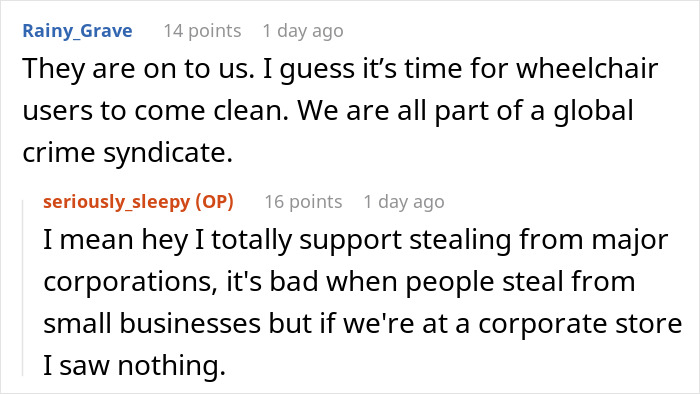
Wheelchair users are not a rare sight. They are everywhere, which makes the employee’s logic that only one wheelchair user could possibly exist in a given week not just offensive but mathematically absurd.
A YouGov study conducted a decade after the UK’s Equality Act 2010 found that 51% of disabled people feel existing legislation is not strong enough to protect their rights, and only one in five believe the current law does enough.
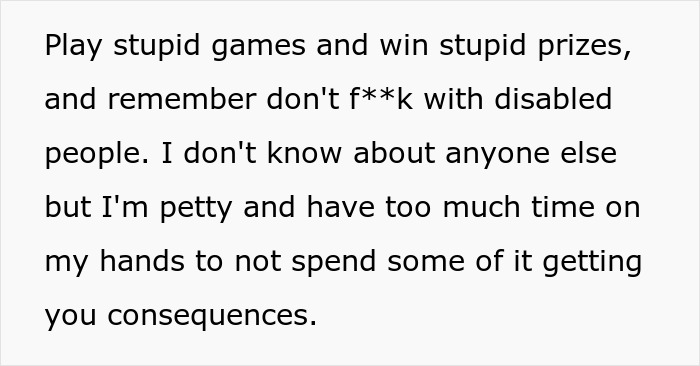
That gap between what the law says and what disabled people actually experience is not a small one. So good on this teen for trying to advocate for themselves and people in the same position as them.
The Robert Bosch Foundation’s Diversity Barometer found that social acceptance of people with disabilities has remained consistently high in surveys, which sounds encouraging until you look at the next statistic. One in four inquiries to the Federal Anti-Discrimination Agency concerns disability-based discrimination.
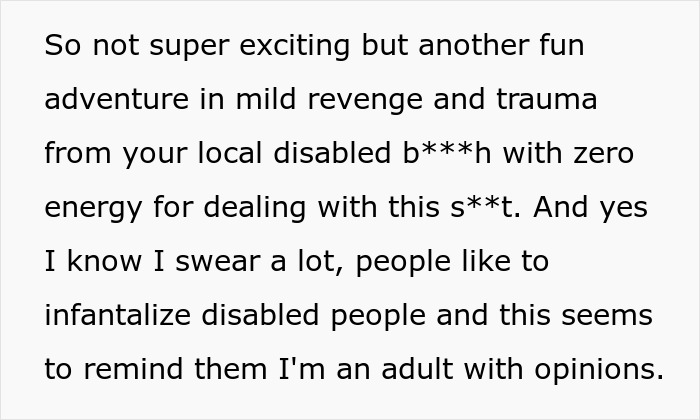
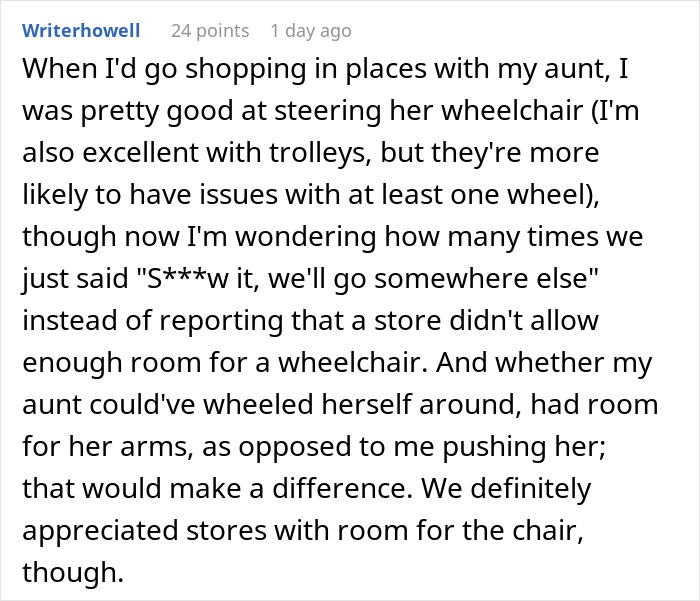
There is a huge discrepancy between what people say they believe about disability and how they actually behave when a wheelchair user visits their store. The employee who lost her job over this particular gap is a small but satisfying data point in the direction of consequences actually following actions.
What do you think we could do as a society to move away from this stunted way of thinking? Share your thoughts in the comments!























 No fees, cancel anytime










36
0