Get Premium
Dark mode theme is available exclusively for premium users. Learn more about the benefits of subscribing.
No fees, cancel anytime.

 Dark Mode Ad-Free Browsing Unlimited Content
 Ad-Free Browsing Unlimited Content Dark Mode
Join 1.2 million Panda readers who get the best art, memes, and fun stories every week!

Beginning a journey on the Annapurna Base Camp trek was a dream come true for me. The stunning beauty of the Himalayas, the magnificent landscapes, and the thrill of conquering the challenging trails were experiences that left an everlasting impression on my soul. As I reflect on my journey, I cannot help but consider the various factors that contributed to the success and enjoyment of this remarkable adventure. In this narrative, I will share the five significant factors that influenced my Annapurna Base Camp trek, with a particular focus on the cost factor.
Factor 1: Cost
Undoubtedly, the cost factor plays a crucial role in planning any trek. The Annapurna Base Camp trek is no exception. From the moment I decided to go on this expedition, I knew that careful budgeting in Annapurna trek would be essential. The cost of permits, accommodations, food, guides, and porters must be considered. While it is possible to undertake the trek independently, hiring a guide and porter can greatly enhance the experience and ensure safety. However, these additional services come at an extra cost. I learned that it is crucial to strike a balance between affordability and the level of comfort and support required.
Factor 2: Physical Fitness
Trekking to Annapurna Base Camp demands a certain level of physical fitness. The challenging terrain, high altitude, and long hours of walking make it essential to prepare yourself Sufficiently. Prior to Setting off on this trek, I engaged in regular exercise, focusing on fitness and strength training. I also made it a point to acclimatize by spending a few days in Kathmandu before starting the trek. Being physically fit made the journey more enjoyable and allowed me to fully appreciate the breathtaking scenery without worrying about fatigue.
Factor 3: Weather Conditions
The weather conditions in the Annapurna region are highly unpredictable and can significantly impact the trek. During my journey, I experienced a mix of sunny days, rain showers, and even snowfall. It is vital to plan the trek during the optimal seasons when the weather is relatively stable. Spring (March to May) and autumn (September to November) are considered the best times to undertake the Annapurna Base Camp trek. However, even during these seasons, one must be prepared for sudden changes in weather patterns and carry appropriate gear to tackle all conditions.
Factor 4: Altitude Sickness
Altitude sickness, also known as acute mountain sickness (AMS), is a potential hazard when trekking in high-altitude regions like Annapurna Base Camp. The risk of AMS increases as you ascend higher, and it can affect anyone regardless of age or physical fitness. To mitigate this risk, a gradual ascent is crucial, allowing the body to acclimatize to the decreasing oxygen levels. Hydration, proper rest, and listening to your body’s signals are essential to prevent and manage altitude sickness. It is advisable to include rest days in your itinerary to adapt to the altitude.
Factor 5: Trekking Permits and Regulations
Beginning the journey on the Annapurna Base Camp trek, it is necessary to obtain the required permits and adhere to the regulations set by the local authorities. The Annapurna Conservation Area Permit (ACAP) and the Trekkers’ Information Management System (TIMS) card are mandatory. These permits not only help in preserving the natural environment but also ensure the safety of trekkers. It is essential to research and understand the permit process well in advance to avoid any complications during the trek.
Final Words:
The Annapurna Base Camp trek is an adventure of a lifetime. It is an opportunity to immerse oneself in the grandeur of nature, challenge personal limits, and create lasting memories. Understanding and considering the factors that affect this trek, such as cost, physical fitness, weather conditions, altitude sickness, and permits, is crucial for a safe and enjoyable experience. By planning carefully and preparing adequately, one can embark on this incredible journey with confidence and fully embrace the wonders of the Annapurna region.
Image credits: myeveresttrip.com
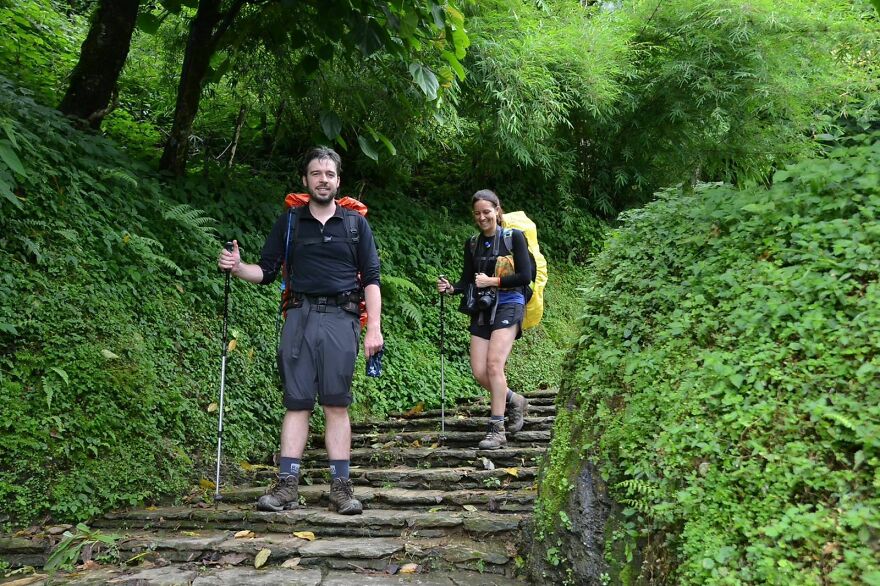
Two trekkers from My Everest Trip going on to trek.
Beginning a journey on the Annapurna Base Camp trek was a dream come true for me. The stunning beauty of the Himalayas, the magnificent landscapes, and the thrill of conquering the challenging trails were experiences that left an everlasting impression on my soul. As I reflect on my journey, I cannot help but consider the various factors that contributed to the success and enjoyment of this remarkable adventure. In this narrative, I will share the five significant factors that influenced my Annapurna Base Camp trek, with a particular focus on the cost factor.
Factor 1: Cost
Undoubtedly, the cost factor plays a crucial role in planning any trek. The Annapurna Base Camp trek is no exception. From the moment I decided to go on this expedition, I knew that careful budgeting in Annapurna trek would be essential. The cost of permits, accommodations, food, guides, and porters must be considered. While it is possible to undertake the trek independently, hiring a guide and porter can greatly enhance the experience and ensure safety. However, these additional services come at an extra cost. I learned that it is crucial to strike a balance between affordability and the level of comfort and support required.
Factor 2: Physical Fitness
Trekking to Annapurna Base Camp demands a certain level of physical fitness. The challenging terrain, high altitude, and long hours of walking make it essential to prepare yourself Sufficiently. Prior to Setting off on this trek, I engaged in regular exercise, focusing on fitness and strength training. I also made it a point to acclimatize by spending a few days in Kathmandu before starting the trek. Being physically fit made the journey more enjoyable and allowed me to fully appreciate the breathtaking scenery without worrying about fatigue.
Factor 3: Weather Conditions
The weather conditions in the Annapurna region are highly unpredictable and can significantly impact the trek. During my journey, I experienced a mix of sunny days, rain showers, and even snowfall. It is vital to plan the trek during the optimal seasons when the weather is relatively stable. Spring (March to May) and autumn (September to November) are considered the best times to undertake the Annapurna Base Camp trek. However, even during these seasons, one must be prepared for sudden changes in weather patterns and carry appropriate gear to tackle all conditions.
Factor 4: Altitude Sickness
Altitude sickness, also known as acute mountain sickness (AMS), is a potential hazard when trekking in high-altitude regions like Annapurna Base Camp. The risk of AMS increases as you ascend higher, and it can affect anyone regardless of age or physical fitness. To mitigate this risk, a gradual ascent is crucial, allowing the body to acclimatize to the decreasing oxygen levels. Hydration, proper rest, and listening to your body’s signals are essential to prevent and manage altitude sickness. It is advisable to include rest days in your itinerary to adapt to the altitude.
Factor 5: Trekking Permits and Regulations
Beginning the journey on the Annapurna Base Camp trek, it is necessary to obtain the required permits and adhere to the regulations set by the local authorities. The Annapurna Conservation Area Permit (ACAP) and the Trekkers’ Information Management System (TIMS) card are mandatory. These permits not only help in preserving the natural environment but also ensure the safety of trekkers. It is essential to research and understand the permit process well in advance to avoid any complications during the trek.
Final Words:
The Annapurna Base Camp trek is an adventure of a lifetime. It is an opportunity to immerse oneself in the grandeur of nature, challenge personal limits, and create lasting memories. Understanding and considering the factors that affect this trek, such as cost, physical fitness, weather conditions, altitude sickness, and permits, is crucial for a safe and enjoyable experience. By planning carefully and preparing adequately, one can embark on this incredible journey with confidence and fully embrace the wonders of the Annapurna region.
Image credits: myeveresttrip.com
Two trekkers from My Everest Trip going on to trek.
 No fees, cancel anytime



-4
0