Get Premium
Dark mode theme is available exclusively for premium users. Learn more about the benefits of subscribing.
No fees, cancel anytime.

 Dark Mode Ad-Free Browsing Unlimited Content

 Ad-Free Browsing Unlimited Content Dark Mode
Join 1.2 million Panda readers who get the best art, memes, and fun stories every week!

We still don't know so much about ourselves. Our brains, in particular, are still a mystery even to the most knowledgeable neuroscientists. Despite all the progress we’ve made, we still can’t explain everything.
But over time, we keep learning more about ourselves. And no, we’re not just talking about personal growth or personality traits; we're also talking about how our bodies actually work. Frankly, we are kind of creepy. And some people on Threads have even shared discoveries that made them see their own bodies a little differently, and here’s what they had to say.
This post may include affiliate links.
 That menopause isn’t just shifting hormones, it’s an entire endocrine system change.
The lack of research in women’s health is pathetic.
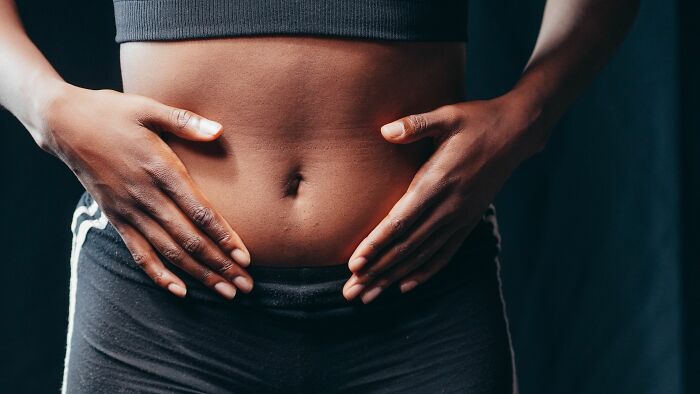 Here’s another amazing fact! Your liver is the only internal organ that can regenerate much of its lost tissue. Even after a large portion is surgically removed, it can grow back toward its original size. The human body is truly remarkable!
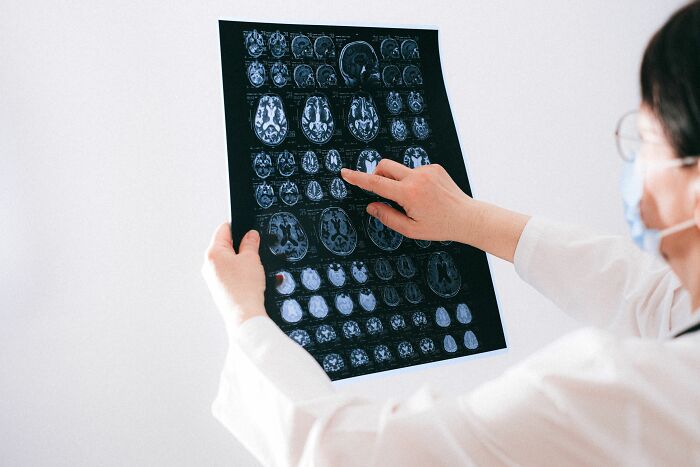 Ooh I have 2:
Recently scientists discovered that the brain stem and the forebrain (lobes) are made of genetically different materials. We essentially have 2 brains.
Also each time we access a memory, you are actually remembering the last time you remembered it, not the actual event.
Evolution is a fascinating thing. As humans evolve, we gain or lose certain traits based on our changing needs. For instance, about 35% of people are born without wisdom teeth, partly because our jaws have changed over time. These teeth are becoming less necessary, showing how our bodies continue to adapt to our environment.
Before cooking tools became widespread, our ancestors ate a rough diet consisting of roots, nuts, seeds, and raw meat. Naturally, chewing these foods required strong jaw muscles, and wisdom teeth provided extra grinding power. Today, our diets have changed dramatically, and we can even survive on liquids alone- funny how it works.
 You can temporarily get someone’s allergy from a blood donation!
I 100% think they should be monitoring that like they do what blood type it is!!!!!!!

Monitoring this may make sense if the allergy is life threatening however the typing of blood is absolutely medically necessary or you may k**l the recipient. I don't think they are on the same level of importance.
 The trauma your ancestors experienced can manifest in autoimmune disorders in you.

Not only autoimmune diseases. There's also a thing called transgenerational trauma.
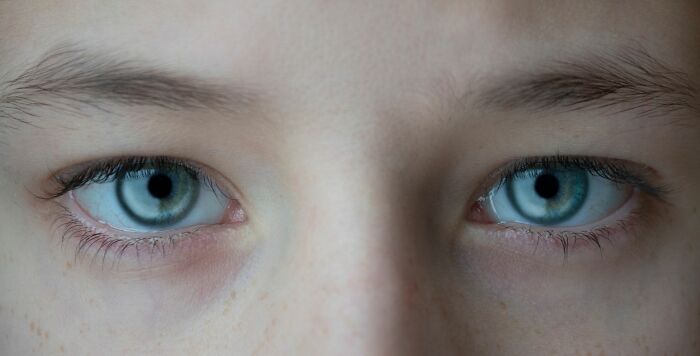 That little pink bit in the corner of your eye..it's the remains of a third eye lid called vestigial leftovers.
Similarly, if you have a particularly unique body, you might even be able to flex your tensor tympani! This tiny muscle in your ear can produce a deep, rumbling sound inside your head when flexed.
This doesn't necessarily mean it serves a physiological purpose like wisdom teeth once did. Instead, it comes down to neuromuscular control. Experts say about 16% of the population can trigger this reflex on command, like some people can wiggle their ears or raise one eyebrow. We're all just a little quirky.
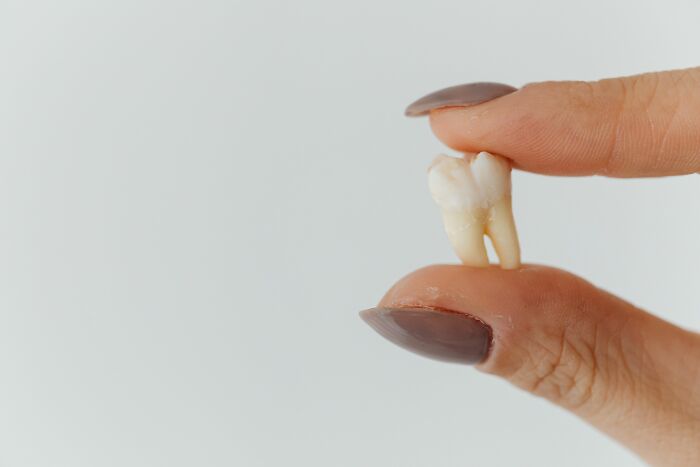 The brain has no pain receptors.
You can live with only one lung.
A tooth can restore your eyesight.
 Here’s another one: when you’re pregnant, you actually grow a whole new organ — the placenta — from scratch. Your body builds it, uses it as a life‑support system, and then discards it like it’s no big deal. Humans are wild.
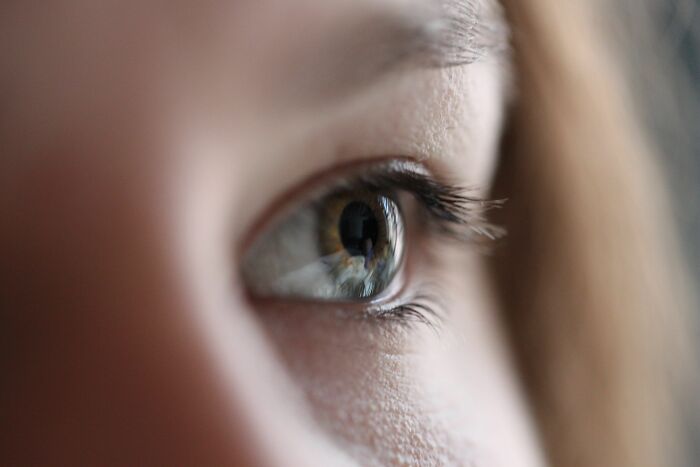 When you have cataract surgery, they put an artificial Lens in to replace the one you were born with.
It’s made of silicone or plastic. Goes in folded in half, and then unfolds inside your eye.
And no stitches afterwards. Not a single one.
 Unchoreographed dynamic stretching aka morning stretch with yawn, is called pandiculation and it provides pain relief, improved balance, stress reduction and more.
Many of these discoveries and changes have happened throughout history. Others arose because we didn't know any better. For instance, until the 17th century, medical science was still catching up, and some physicians believed the liver controlled the body's circulation.
Similarly, people once considered the appendix a useless piece of tissue. But later, researchers discovered it could serve as a safe house for beneficial gut bacteria. But these discoveries didn't happen overnight. As we do today, our ancestors had to learn more about the human body, but with far fewer resources at their disposal.
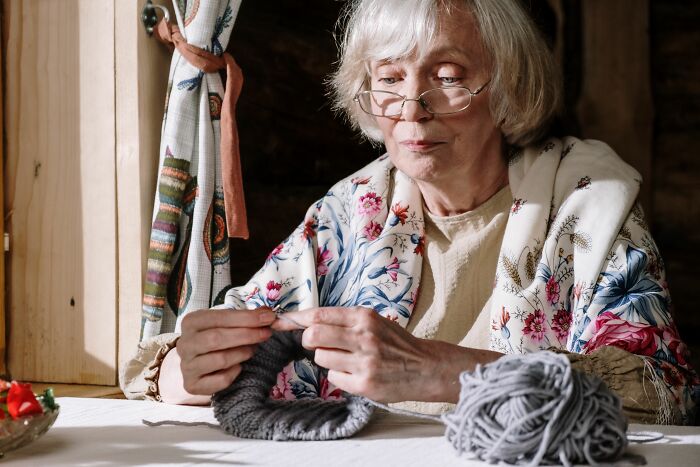 A woman, even as a fetus, already has all the eggs she ever will have. Therefore, she existed initially in her grandmother’s womb.
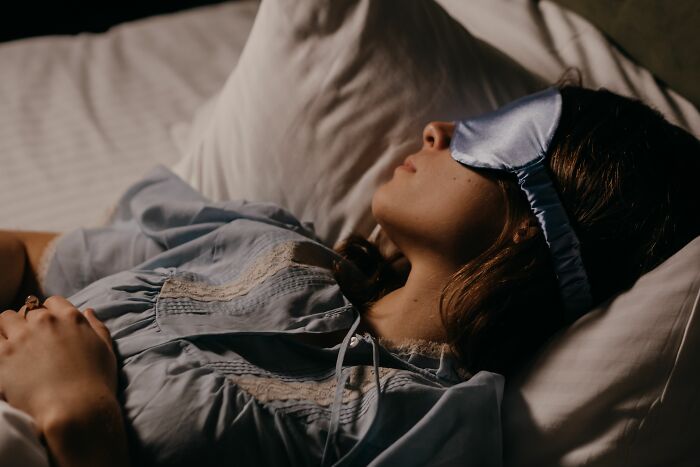 You have to pretend to sleep in order to fall asleep.

Pretending to be asleep works because behavioral mimicry (such as lying still and slowing your breathing) signals your nervous system to drop its guard and trigger actual sleep.
 You have little rocks in your inner ear and if they get knocked loose you'll get debilitating vertigo. Doctors fix it by rotating your head in particular way.
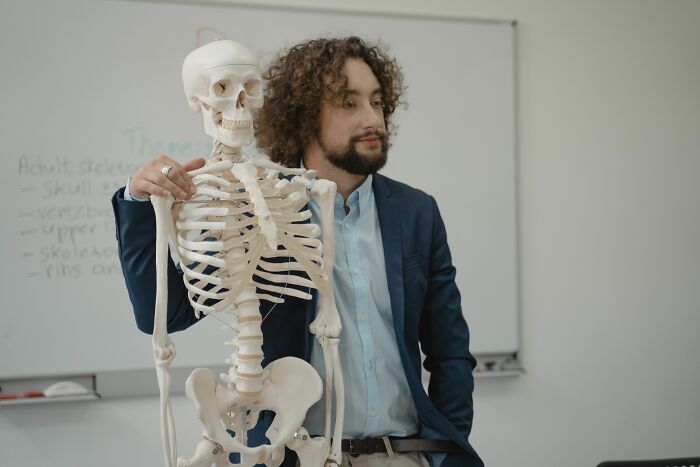 Because there are always pregnant people, the average number of skeletons in the body is more than 1.
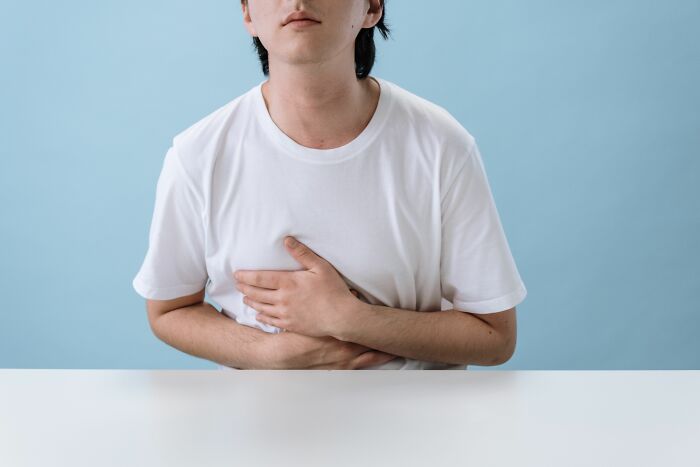 Rumbling sounds in your belly is called borborygmi.
Our genetic makeup also makes it difficult to understand our body's physiology. Funnily enough, researchers say that humans share around 99.9% of their DNA. However, that remaining 0.1% helps explain many of the physical differences between us, including height, eye color, blood type, and facial structure.
We're all born with a unique DNA combination, and medical researchers must account for these small genetic differences when studying the human body. Even so, we still discover people with unique traits that we never knew were possible.
 When you have a c-section, they sometimes they pull the whole uterus out and flop it on mom’s belly and then cut the uterus open and take the baby out. Then they close it and pop it back inside before sewing up the first incision. I had no idea until I was in the OR for one. Whew.
 The brain uses about 20% of the body's oxygen at rest, despite making up only about 2% of body mass.
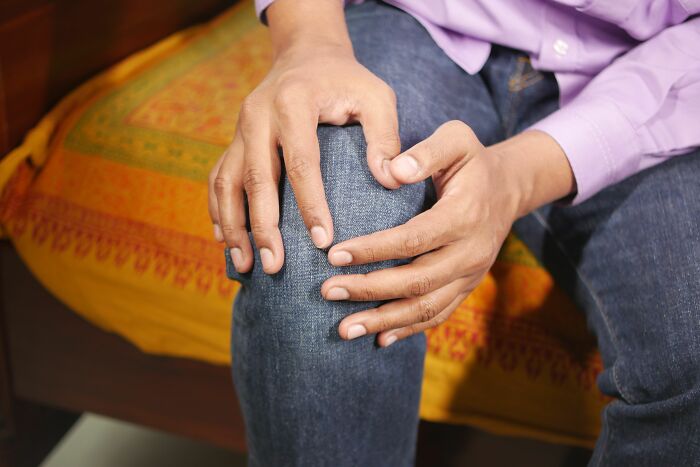 People aren’t born with knee caps (patellas). It’s cartilage at first, are gradually turns to bone (ossification).
 When babies are born, all the hormones that were raging in their mothers are raging in them as well. That can make baby girls get what looks like a period and both girls and boys may get breast tissue and even lactate.
And it’s not just genetics, but also the environment that shapes us. Our diet, climate, activity levels, sun exposure, and even injuries can change our bodies over time. So even if two people have similar genes, their bodies can develop differently, each showing unique characteristics.
But with all these facts laid out in front of you, which one shocked you the most? Or, better yet, do you know any other weird body facts that aren't on this list? Let us know in the comments below, Pandas!
Our lungs go all the way up to our shoulder. Don’t know why this surprised me. The anesthesiologist told me that when they put the central line in for my son’s heart surgery. When putting the central line in there is a chance of knicking the lung.
 When my Mom had her vericose veins removed she said they pulled em out like a spaghetti noodle.
 People who sneeze when exposed to bright lights (photic sneeze reflux) have faulty "wiring" in their brain.
 There’s only one bone in the human body that’s not connected to another bone-the hyoid bone-& it’s the most definitive way to detect strangulation post mortem.

Yes! It's located in the upper throat, right above the voice box & Adam's Apple, and it's incredibly difficult to break thanks to be surrounded by the incredibly strong neck muscles, so if a body has had the hyoid bone broken, it's almost guaranteed to have been a strangulation, because that's really the only scenario where the bone could experience enough force to break.
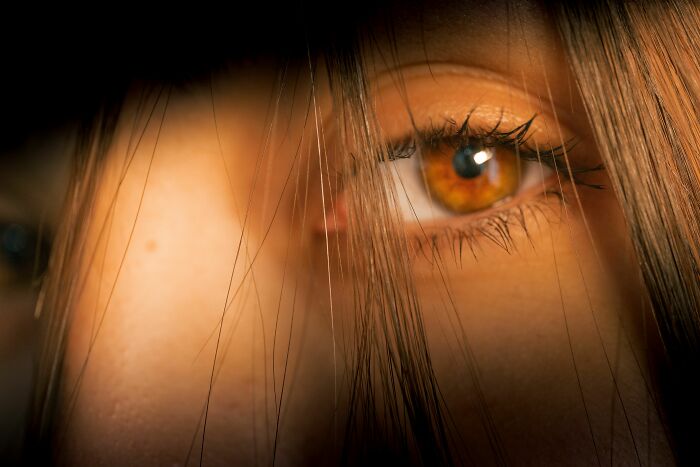 If you develop a thiamine deficiency, you can develop uncontrollably eye movements that impact vision and can't always be cured even after the deficiency is corrected.
 On rare occasion a woman can be pregnant and that pregnancy hides BEHIND her intestines so basically in her back.
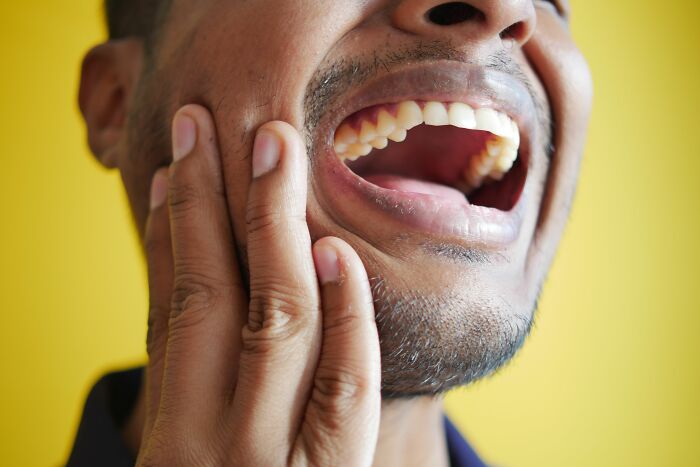 About 20-30% off all people are born without wisdom teeth, including me.
Young children can regrow a surprisingly complete fingertip, but only if the injury is beyond the base of the fingernail.

Not just young children, and by 'base' they mean the cuticle. When I sliced off the tip of my thumb diagonally through the nail, it grew back completely—leaving no scarring and no detectable trace of the injury. Edit: should have said I was in my 40s at the time, took a couple of months to grow back, a bit longer for the nail to fully cover it, and full sensation wasn't regained for a couple of years.
 The average amount of heartbeats in a lifetime is enough to go the distance to the moon and back, so when you say “I love you to the moon and back” it really means “I love you with every beat of my heart” and I just think that’s so sweet.
 Pregnant women can develop a type of diabetes that goes away once they give birth. Happened to me twice.
When I had my gallbladder removed the surgeon explained that the connecting tube kinda turns itself into a mini gallbladder so the liver still has support, which I thought was pretty cool.
My uncle had two double transplant surgeries. Man was out there with 5 kidneys and 3 pancreas.
A friend has just received a kidney donation, and yes, it was located in a 'new' space, which was covered by a tattoo. The surgeon not only added the kidney, but pattern matched the tattoo!
Artistry and genius.
Scientists discovered in 2020 that there are mucus secreting salivary glands called Tubarial Glands that are immediately adjacent to the adenoids near the opening of the eustachian tube in the ear. Up until this discovery, we had no idea these glands existed, and often accidentally removed or damaged them during tonsillectomy and adnoidectomy surgeries.
Some people have some or all of their internal organs situated on the other side of the body as opposed to the norm. If all organs are on the opposite side, it is called Situs Inversus Totalis. It affects around 1 out of 10k people. Usually organ functionality is not affected and sometimes those affected don’t even know about it unless they undergo visual examinations.
Some people are born with a little hole just in front of the upper ear rim. It's called a preauricular pit. Some of them have sinus tracts under the skin that can sometimes become clogged or even infected.
Some humans can live without a patella (kneecap). They can even run half marathons a couple of years after it has been taken out.
I learned this because I had gestational diabetes and my baby's blood sugar was on the lower side when she was born. Being in contact with their birthing parent can raise a babies blood sugar up to 15 points. So they had me feed her and then hold her chest to chest. Her blood sugar was perfect after that.
A heart pumps 300 litres of blood an hour. A blue whale is 27.000 + man that's a lot of blood.
There’s like a small percent of gout patients who have a severe reaction to allopurinol that results in their nails separating from their skin.
Many women's feet grow in size during pregnancy. I've had 2 children and mine grew a size during each pregnancy.
I’m gonna assume this isn’t common, since the doctors only have me as an example (but who knows, maybe others will chime in!) You can develop partial mouth numbness due to severe vitamin D deficiency. Once I upped my vitamin D, it went away!
You have balance receptors in your feet, eyes and ears. Take one away (touch your finger to your nose with eyes open, then close them) and you should be able to do both. If you can’t it may signal an issue.
If you only have one fallopian tube it can sometimes reach over to catch an egg released from the opposite ovary. I learned this while undergoing IUI and wondered why my doctor didn’t cancel my cycle when I ovulated on the “wrong” side (I was born with only one tube).
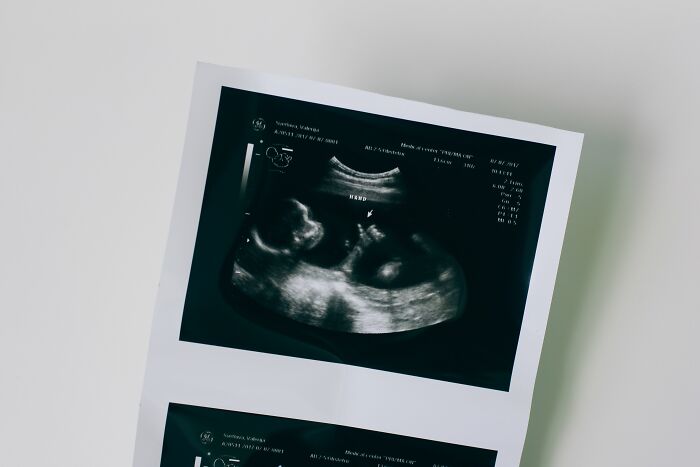 Amniotic fluid is fetus urine and the fetus drinks it.



































 No fees, cancel anytime