Get Premium
Dark mode theme is available exclusively for premium users. Learn more about the benefits of subscribing.
No fees, cancel anytime.

 Dark Mode Ad-Free Browsing Unlimited Content
 Ad-Free Browsing Unlimited Content Dark Mode
Join 1.2 million Panda readers who get the best art, memes, and fun stories every week!

39submissions
1week left
When God created earth, she made sure to give women enough strength to fight for their rights. You might have noticed I didn't say "he." And that, right there, was a very deliberate act of micro-feminism. It's a term that's become popular in recent years, as women all over take control with small but meaningful acts of resistance that laugh in the face of toxic masculinity and gender inequality. Many women have caught onto the fact that a little can go a long way. And instead of big shows of defiance, they're adding daily dashes of micro-feminism to their ammunition.
From holding the door open for a man, to using "she" when the gender of a person in power is not known, or refusing to move out of the way when a guy is in their path, women have been sharing the clever ways they support each other while schooling those that need to be taught.
Bored Panda has put together a list of the best acts of micro-feminism shared by people online. Keep trolling. Err, scrolling, upvote your favorites, and feel free to add your own ideas in the comments section below.
Click here & follow us for more lists, facts, and stories.
This post may include affiliate links.
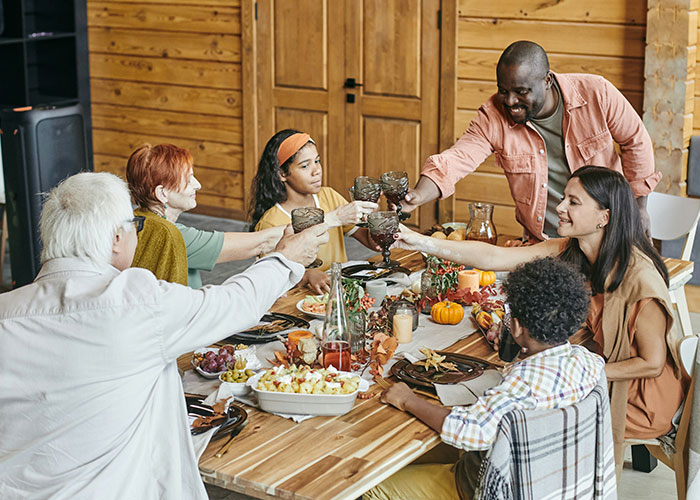 I’ve taught my sons to clear the table at big family-in-law dinners and help in the kitchen. I also throw shade at my husband if he doesn’t get up off his a*s. The best part is when it’s a small dinner, my father in law will be sitting there alone with no one to talk to.
We've come a long way in our fight for gender equality. But there's still a lot of work to be done. Instead of huge displays of resistance to push feminist ideals, many women are engaging in small acts that, together, can make a big change. These little actions are known as micro-feminisms. And the idea has been trending recently.
Last year, a woman called Ashley Chaney went viral on TikTok after revealing that she always addresses the women first whenever she emails a team. Her video opened the floodgates for others to share their own ways of choosing to empower girls—while, no doubt, annoying some guys.
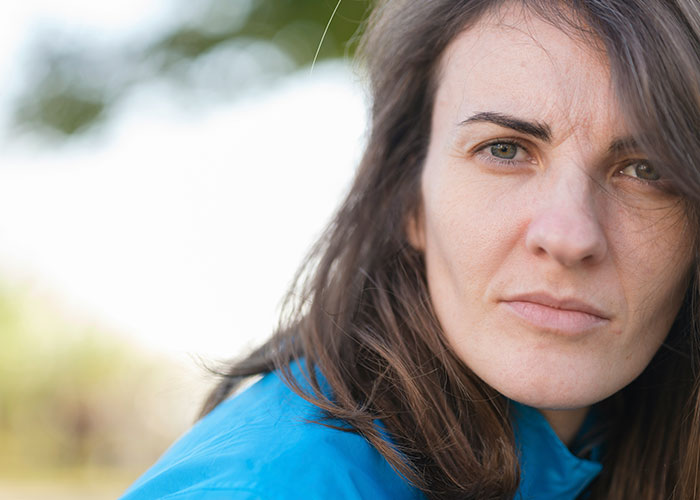 I don't smile/laugh at inappropriate jokes (often by older) men make. They usually are surprised and start explaining the joke and in doing that confronting how inappropriate it just is.
I think this does 2 things:
- have them think about the subject of the joke itself
- shakes their confidence. And probably they start thinking more before they speak.
"Examples of microfeminism include directing questions toward the women in the room first, not yielding to men on sidewalks and instead expecting that they yield to you, or referring to CEOs as 'she' first," explains The Everygirl founder Emma Ginsberg.
Acts of micro-feminism are considered low risk because they're unlikely to cost people their jobs or create "major backlash" like big forceful shows of feminism might. "It's effective and gentle, and I hope it will encourage others to see bias," says Alice Rose, a gender and psychology researcher from the University of South Australia's Centre for Workplace Excellence.
 If anyone judges me for getting medical advice from the internet I remind them that women weren’t included in medical trials until the late 1990s.
I have filled my brain with feminist facts.
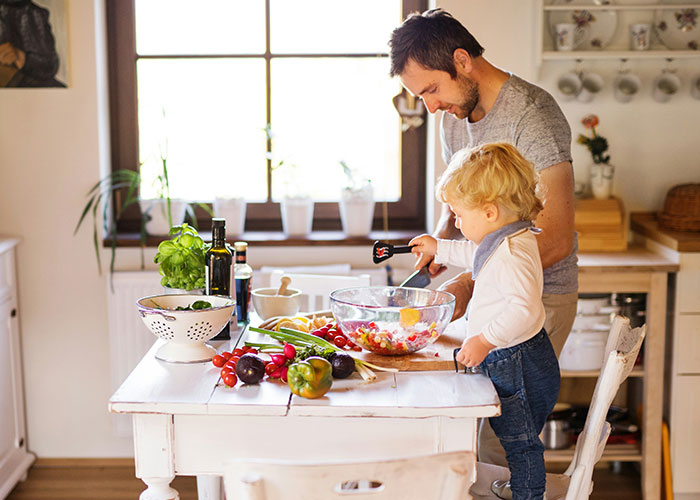 If a man proudly asserts that he did something that women do every f*****g day as a matter of course (childcare, meal preparation, laundry) I exclaim " Way to go! Just like a Big Boy! Good for you!"
If any man around me refers to household chores as "helping" I say "you meant 'taking care of my living space like a grown a*s man, right?'".

I REALLY hate it when men say that they "Babysit" their own children. I point out the stupidity in that statement. Then I laugh.
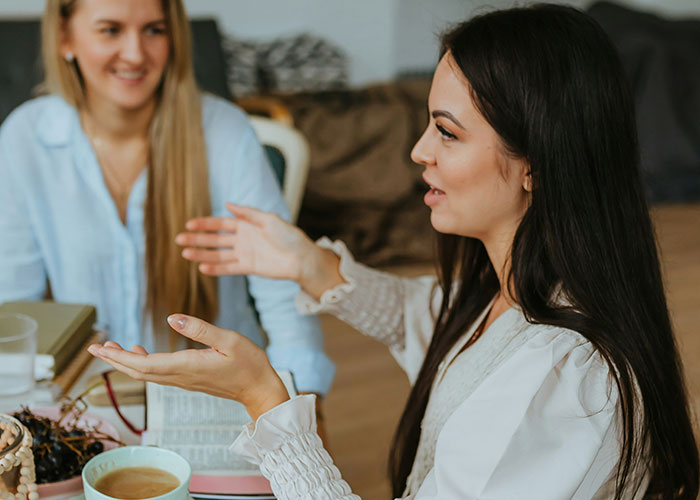 Not a woman but it irritates me to no end when one of the first things people say about my partner(wife) is how pretty she is.
I’ll using reply back with something like “their name, is really smart and funny too.” She is really pretty but that’s not why I decided to spend my life with her.
I also just introduce her by name. She’s a person not a possession and our relationship status and its social title is not a defining attribute.
Rose believes it's important that these micro acts remain just that: micro. "Anything too big of a push back could attract negative attention [for an individual]—we don't want that," the expert told ABC News. "There needs to be changes at a systemic level, they need to be done by people in groups, so people can stay safe while these goals are being achieved."
An assistant professor at the California School of Professional Psychology at Alliant International University, Danna Abraham, says she too has embraced micro-feminism as a form of defiance. One of the ways she does this is by hardly saying sorry. It might seem strange, but Abraham explains that one of the most noticeable manifestations of gender bias is how often women apologize, and a lot of the time, they don't need to.
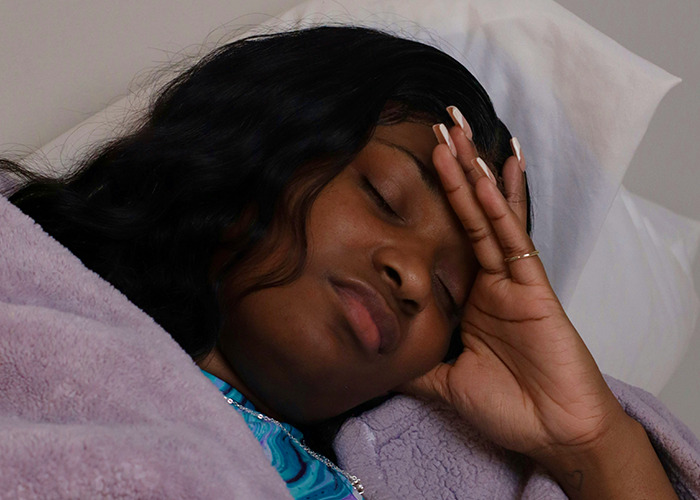 Wherever I get a cold, I go upstairs to bed without giving my husband a heads up for doing chores first. Just like- oh man time to rest. And I come down when I feel like it. Works for him, so now it works for me.
I won’t let the people around me refer to grown women as “girls.”
“But what about someone that’s like 20! Isn’t it weird to call them a woman?” If it’s that hard for you, the phrase “young lady” goes a long way. But there is no reason for you to say “there was a girl in the restaurant earlier” and be referring to a 40 year old woman. You don’t refer to men as “boys,” and for good reason.
“But with boys/men you can also use the phrase guy and there isn’t a female equivalent” okay too bad stop infantilizing women because words make you uncomfortable!!
"I’ve noticed a pattern among female colleagues and students: an inclination to apologize for things that don’t warrant an apology. In a study by Schumann and Ross (2010), the authors found that men apologize less frequently than women, even when confronted with similar offenses. This behavior highlights how societal norms and expectations can differ based on gender," she says. "Challenging these norms, even in small ways, can be a form of resistance."
Abraham suggests that before women start an email or a conversation by saying, “I’m sorry,” they ask themselves: Is an apology warranted?
I work as a tutor and whenever I call a family to make the first appointment with the student, I always call dad's number. It's funny when they try to remember their kid's schedule and figure out if Mondays at 3 will indeed work for them.
I gave a strict talking-to the other day to a young woman telling me she never thought she could/should have a home of her own since she’s single without kids. Not that she couldn’t afford it, just that it wasn’t — normal etc. Just planned on keeping on renting indefinitely … But why not, I said? Never lived with anyone else and now I’ve got a paid-off house in my 40s. All on my own.
You get that equity, sis. Don’t let either a man or absence of one steal your future financial security!
When getting Christmas presents for couples, I pick gifts that the woman would like because I’m 100% sure they are the ones planning, wrapping and signing the gifts on behalf of their husbands and families. Let’s be real, holiday magic is just women doing kinkeeping.
Abraham also makes a point of reclaiming her space in the world. "It’s said that one of the aims of patriarchy is to reduce women to nothingness," she explained. The expert says visual displays of patriarchy happen in broad daylight. All the time.
"In a crowded public space, I noted who gave the right of way when women and men approached each other. My findings were unsurprising: 99% of women moved out of the way to give men the right of way," said Abraham. "Since then, I’ve committed to never moving out of my way when walking in public spaces. Of course, I’m still courteous to people, but I refuse to let others claim my space."
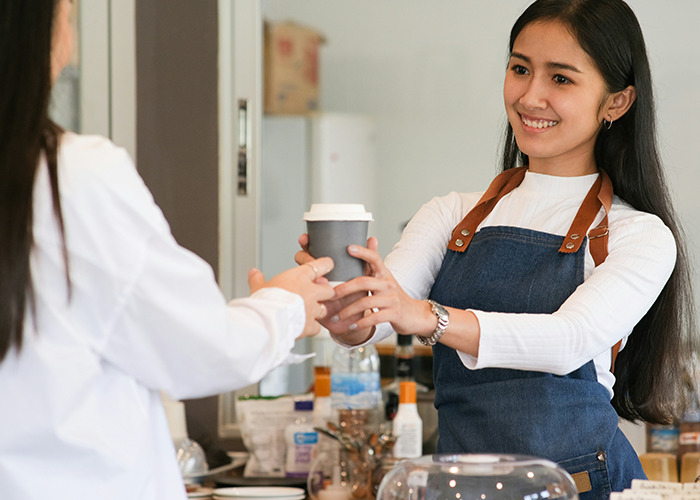 When I was a server and barista and a couple came in I’d maintain eye contact with the woman.
Experts argue that deploying acts of micro-feminism can actually help you—and others—at work. Professor emerita at RMIT's College of Business and Law, Sara Charlesworth, says one way to do this is by recognizing there are women in a room and making sure they feel heard.
Using micro-feminism to draw attention to inequality or sexism in the workplace can also help highlight the issues for those who may not be aware, she adds.
 When I shake hands with men I act surprised and comment on their firm handshakes.
My husband does my favorite though. He’s a pretty typical looking manly guy but I handle all the car stuff. Sometimes he’ll take the car for an oil change and when they try to upsell he’ll tell them “oh my wife just ordered filters - she’ll change them.” Or “my wife changed the spark plugs a few months ago, they’re good.” Or “oh I don’t know, I’d have to ask my wife she knows more about cars.” He says their reactions are priceless.
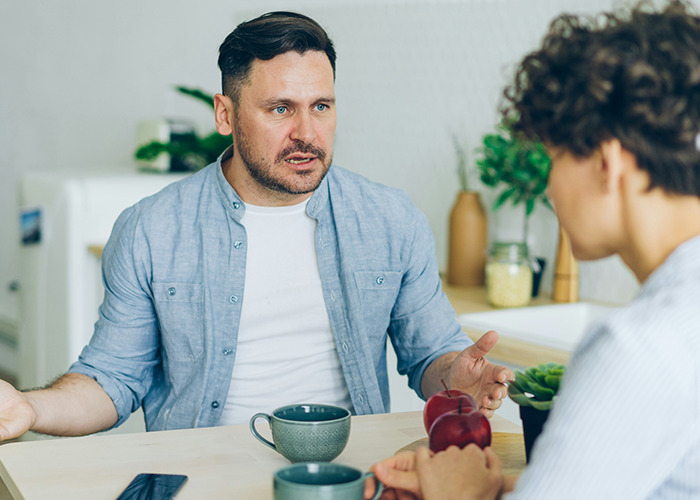 Every time a man interrupts me I interrupt him back and firmly say "I wasn't done talking"
not sure if that counts as micro but they are very shocked every time they immediately get interrupted back. Acting like they didn't just f*****g interrupt ME [laugh out loud].
 If I’m in a group and a man repeats what a woman said like it’s his idea, I’ll say, “Yes! Just like *she* said ” or something like that.
Meanwhile, Rose says that engaging in acts of micro-feminism is an opportunity to meet the three basic psychological needs of Self-Determination Theory: autonomy, competence, and relatedness.
"Acts of micro-feminism are a chance to exercise autonomy, build up confidence to be assertive and call things out, which leads to self-efficacy, and when you're supporting others in the workplace by speaking up on behalf of each other, that increases relatedness," the expert explains.
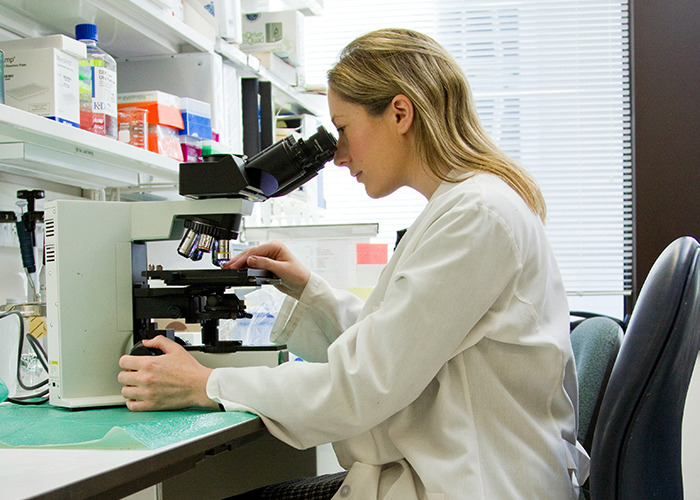 When making presentations at work I always use images of women for engineers, scientists, construction workers, etc. I try to use no images of men at all.
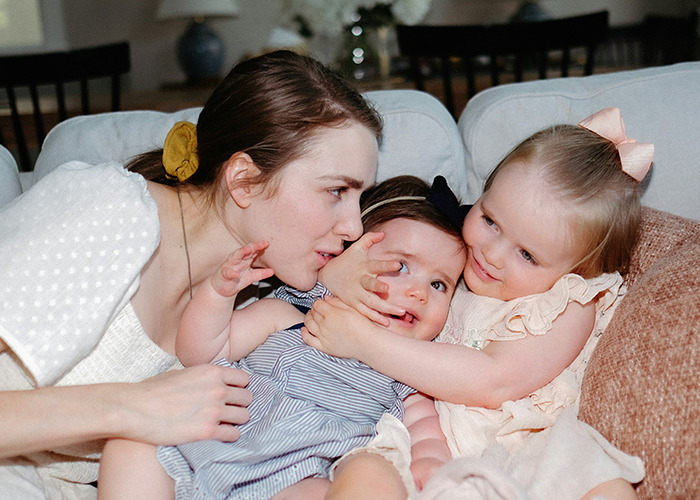 Offer to take pictures of moms and kids and just moms. When my mom died, there weren't many recent photos of her because she was always the one taking the pictures.
 Okay mine is kinda lame compared to the other ones. But I write novels with great female characters who will not take s**t from men 🤷🏻♀️.
Ginsberg believes that microfeminism is especially beneficial for those who want to engage with feminism, but find it dangerous, intimidating, or straight-up unrealistic to do so in a large-scale way.
"If you don’t want to post online, join protests, or run for office, microfeminist acts will be the bread and butter of your feminism," she says, adding that these actions plant seeds for broader justice for women from the ground up.
"After all, a single action, like telling a male coworker to not interrupt a woman while she is speaking, can shift that person’s actions for years to come," explains Ginsberg. "Reminding yourself and others that fighting systemic sexism starts on a person-to-person level is essential because it’s what sparks hard conversations."
Keep scrolling for some of Ginsberg's micro-feminism ideas...
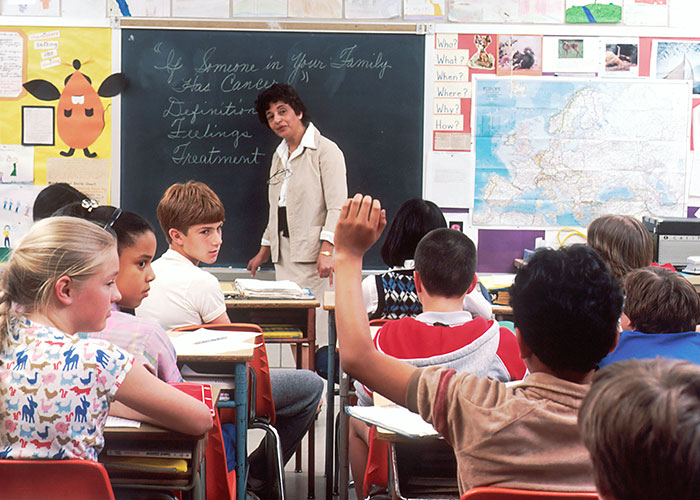 I teach and if my kids say 'policemen' or 'firemen' by default, i explain to them why 'police officers' or 'firefighters' should be used instead. I also gently correct any stereotypes that come up (e.g. if someone says 'boys shouldn't cry', i'll explain that we're all human and it's perfectly natural and healthy to cry when upset). I hope these little lessons stick, even if it's in small ways!
 At trivia, whenever there’s a question about sports and doesn’t reference a specific league, I’ll ask if it’s men or women’s sport instead of assuming that he’s talking about the men’s league.
Ginsberg says there are many ways you can incorporate micro-feminism into your daily life. For example, if a man interrupts you or another woman, interrupt them back, or simply continue speaking, call out men who take credit for a woman’s idea, don’t step to the side when approaching men on the sidewalk, ask for people’s pronouns when you meet them, address women in the room before men, if you have nothing to apologize for, don’t immediately say “sorry,” put a woman’s name before a man’s, or refer to a couple as “wife and husband,” and since “guys” is often used as a gender-neutral term, use “girlies” gender-neutrally, as well.
 * Playing “Patriarchy Chicken” when walking in public places.
* Firmly asserting my space on airplanes when a rando next to me tries manspreading.
* Continuing to speak when a man tries interrupting me — I act as if I can’t even hear him — and taking my time to finish what I was saying.
* Always addressing envelopes with the woman’s name first when sending cards, etc.
* When at gatherings such as holiday parties, I don’t drift off to the kitchen or go into automatic service mode for the men.
 Dude who was taking care of my dog now and again was rather sexist and condescending, so I stopped going to him and sent him a message explaining exactly why. Caused quite an inconvenience for me but I had to stand on principle.
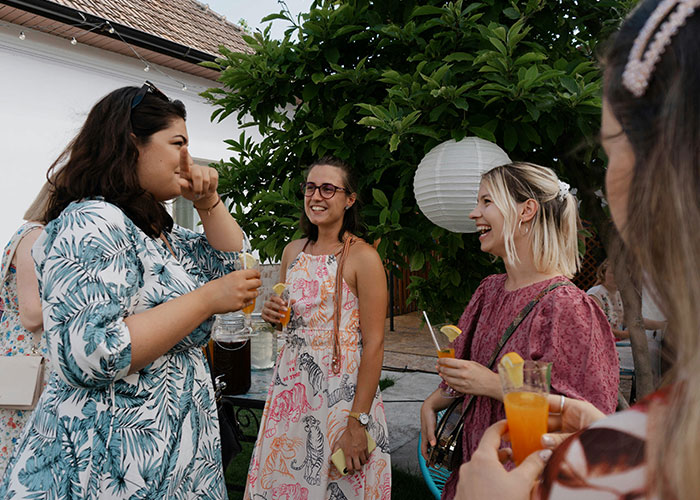 When I’m out at a party always looking out for girls who are alone. One time I clocked this girl who was standing by herself and didn’t look comfortable so I talked to her and brought her to my group of friends. We need to look out for each other 100%.
 I hand the man the to go box to p****** up their food and not the woman at the table. It's almost funny how befuddled some men get.
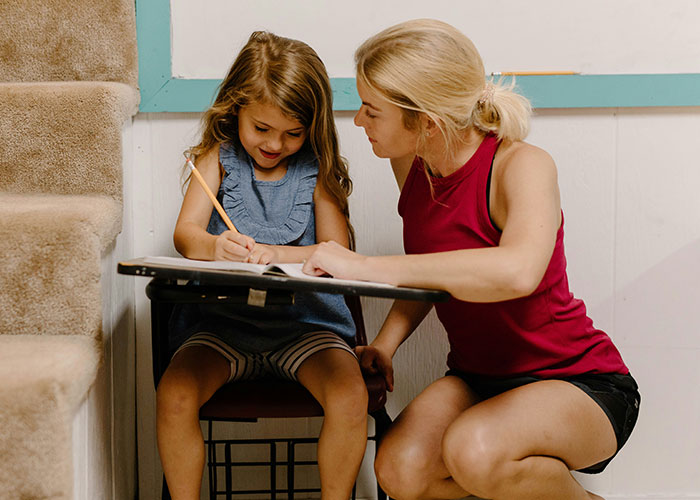 This is really minor, but when talking to children about nature, I use she as the default pronoun. That dragonfly is so fast, where do you think she's going? I saw a raccoon outside, how far away do you think she lives? Etc, etc.
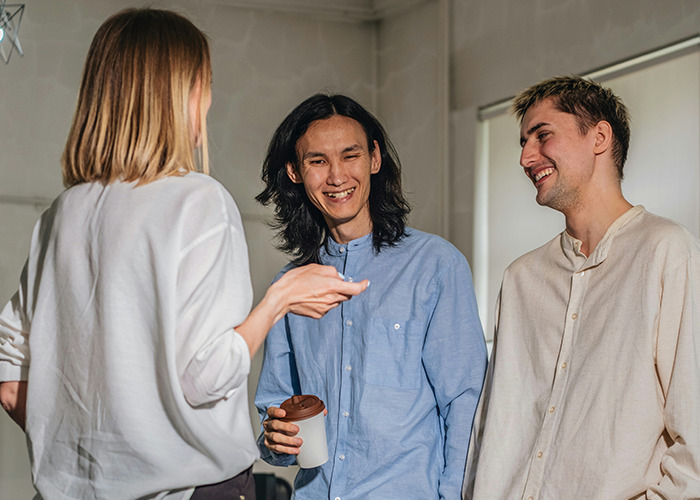 I call every single person on the planet “girlfriend.”
When people (okay men and boys, obviously) make a stink about it I say: “Oh I just use it to mean everyone. Like how we know that ‘all men are created equal’ means everyone.”.
You might also like: 49 moments people realized they were dating or married to a fool


















 No fees, cancel anytime