Get Premium
Dark mode theme is available exclusively for premium users. Learn more about the benefits of subscribing.
No fees, cancel anytime.

 Dark Mode Ad-Free Browsing Unlimited Content

 Ad-Free Browsing Unlimited Content Dark Mode

Join 1.2 million Panda readers who get the best art, memes, and fun stories every week!
Today’s young fashion lovers, yes, even Gen Z, are all about comfort, with oversized streetwear, relaxed silhouettes, and clothes that look effortlessly cool. But they’re also having plenty of fun looking to the past, bringing back early-2000s Y2K pieces, preppy vintage layers, retro accessories, and all sorts of throwback styles. Because let’s be honest, fashion has a funny way of coming back around. What was considered outdated a few decades ago can suddenly become the trend everyone wants to wear again.
Today, we’ve gathered some of the coolest, most unusual, and downright fascinating garments and accessories from the past. From beautifully crafted pieces to wonderfully strange styles you probably wouldn’t see on the high street today, there’s plenty here to admire, question, and maybe even take inspiration from. So get comfortable, Pandas, and keep scrolling through these fascinating pieces of fashion history—you might just find your next vintage obsession.
This post may include affiliate links.
Whether you’re a serious fashion lover or someone who mostly throws on whatever is clean, let’s agree on one thing: keeping track of fashion trends can be exhausting. One minute it’s low-rise skinny jeans, then oversized sunglasses are everywhere, followed by velour tracksuits, denim miniskirts, peplum tops, and whatever else comes back. It can feel like we’re constantly swimming through a sea of trends, trying to figure out what’s actually fashionable and what has somehow escaped from someone’s old wardrobe. And the funny thing is, a lot of what we consider “new” isn’t new at all. Fashion has always loved a good comeback. Because, let's be honest, vintage fashion never really disappears—it just waits for its next moment.
But go back far enough and fashion starts getting a whole lot more interesting. There are entire books dedicated to documenting what people wore in different eras. One fascinating example is Vintage Fashion: A Sourcebook by Nicky Albrechtsen, a wonderfully comprehensive reference featuring more than 1,000 garments from the 1920s through the 1980s. It works as both a visual history and an identification guide for collectors, designers, historians, and anyone who enjoys looking at clothes and thinking, “People actually wore that?” And that book covers only a small portion of fashion history.
So, let's go even further back and look at some garments and accessories that show just how creative, dramatic, practical, and occasionally downright strange fashion has been over the centuries. Take chopines, for example. During the 16th and 17th centuries, wealthy women in Venice wore these towering platform shoes, which could make the wearer look several inches taller. And while modern platform shoes are usually about making a fashion statement, chopines had a rather practical purpose, too.
According to the Metropolitan Museum of Art, they helped keep the wearer's feet, shoes, and expensive clothing off the wet, dirty streets. Of course, practicality wasn't their only selling point. Chopines also became a way of displaying wealth and social status. The taller and more elaborate the shoe, the more noticeable the wearer could be. Some examples were incredibly high, with historical accounts describing chopines that reached around 20 inches. That's basically walking around on miniature stilts while wearing an elaborate gown. Somehow, people made it fashionable.
Another historical fashion detail that can seem surprisingly strange today involves children's clothing. For centuries, young children of both genders commonly wore dresses or gowns until they were around six or seven years old. It wasn't necessarily about making a fashion statement. Dresses were simply practical for young children, especially for changing clothes and toilet training. Even the colors we associate with boys and girls haven't always meant what they do today. In fact, pink was once considered more appropriate for boys, while blue was viewed as the softer, more delicate choice for girls.
A 1918 article in Ladies' Home Journal even recommended pink for boys because it was considered the stronger and more energetic color, while blue was described as more delicate and dainty. The familiar pink-for-girls and blue-for-boys convention only became firmly established much later, particularly around the middle of the 20th century. So, the next time someone claims that those color associations are some kind of timeless tradition, history would like a word. Apparently, our supposedly universal fashion rules are a lot more recent than we think.
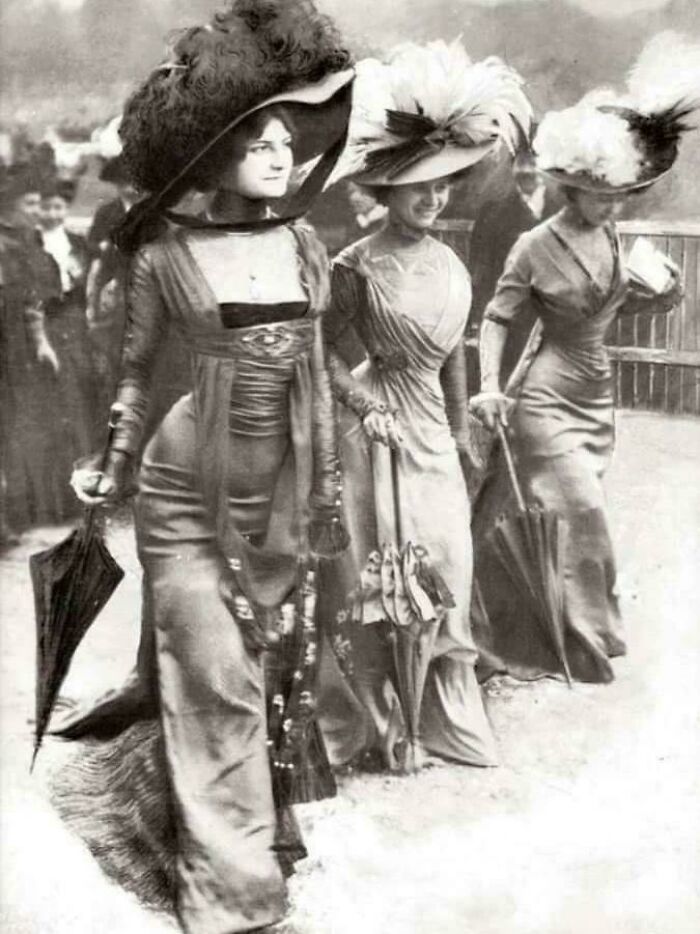
But changing ideas about fashion didn't stop there. Then there was the hobble skirt, a trend from the Edwardian era that really makes you wonder how far people were willing to go for fashion. These long skirts were deliberately narrowed around the lower legs, sometimes so tightly that the wearer could take only tiny steps. And yes, the name was pretty literal: women wearing them had to hobble along. The trend became particularly popular in the years before the First World War, even though it was widely ridiculed and not exactly known for being easy to walk in. Some versions were reportedly so restrictive that women could take steps of only a few inches. Imagine being late for an appointment and realizing your outfit physically won't let you hurry. The style eventually disappeared, but it remains one of the clearest examples of fashion choosing appearance over practicality.
Designer Paul Poiret is often credited with popularizing the hobble skirt, though an unusual real-life inspiration may have inspired the idea. In 1908, Mrs. Hart O. Berg reportedly tied her skirt around her ankles during a flight with Wilbur Wright to stop it from billowing in the wind. She apparently left the makeshift tie in place after the flight and walked away with the restricted silhouette still intact. Whether that moment directly inspired the hobble skirt is difficult to prove, but it certainly makes for one of the more entertaining stories in fashion history
Of course, not every historical fashion trend was completely impractical. Some garments became iconic precisely because they were useful. The trench coat is a great example. In the early 20th century, Burberry was asked to develop a lightweight, weather-resistant coat for soldiers. The resulting design was practical enough for military life but stylish enough to eventually escape the battlefield and become a staple of civilian wardrobes. The coat featured details such as shoulder epaulettes, which allowed officers to display their rank. And because enlisted men weren't permitted to wear trench coats in the same way, the garment quickly developed an association with status. Civilians also began buying them, attracted by the combination of practicality, sophistication, and, during wartime, a sense of national pride.
The National Army Museum notes that trench coats remained popular after the First World War, as many former officers continued wearing their wartime coats in everyday life. The design also returned to military use during the Second World War. But it was Hollywood that really helped transform the trench coat from military equipment into an enduring fashion icon. Films such as Casablanca helped cement that instantly recognizable image of a sharply dressed character standing dramatically in the rain, looking like they definitely have a mysterious backstory.
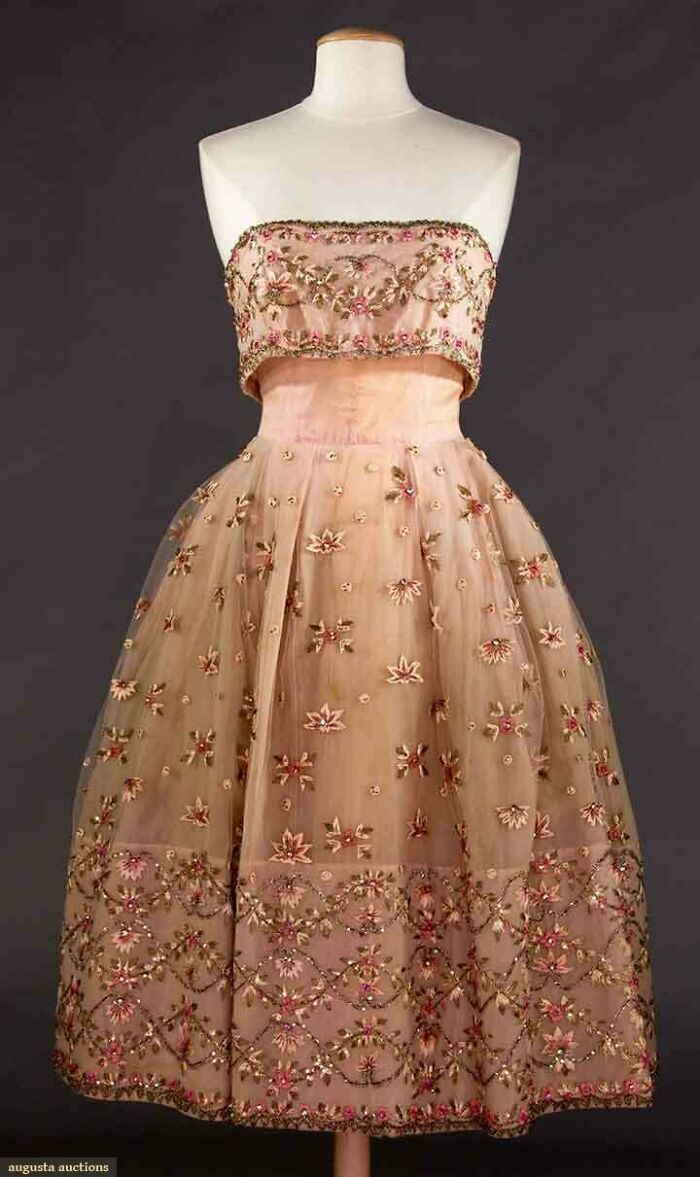
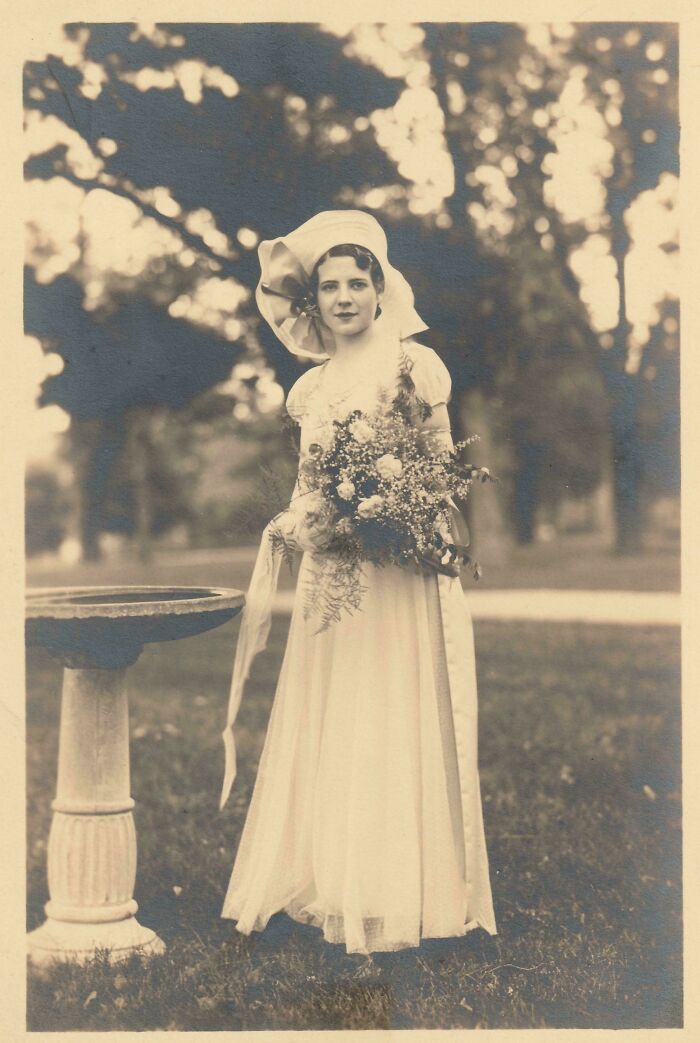
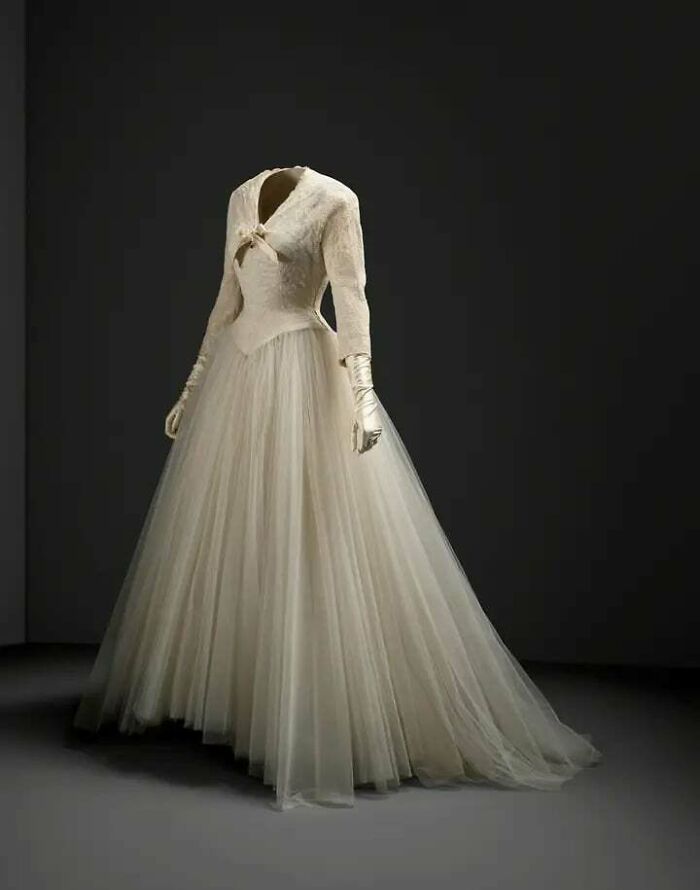
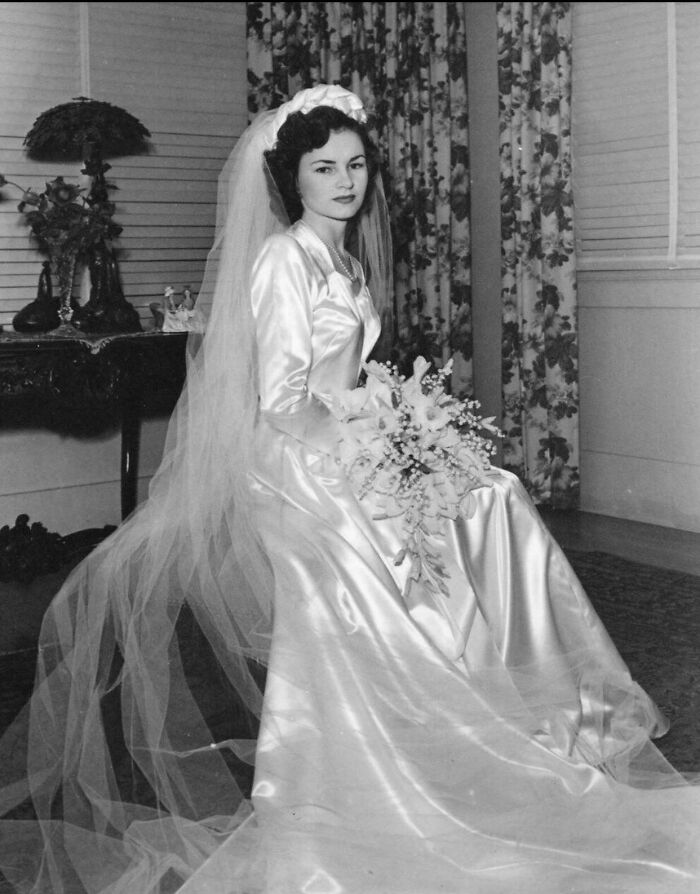
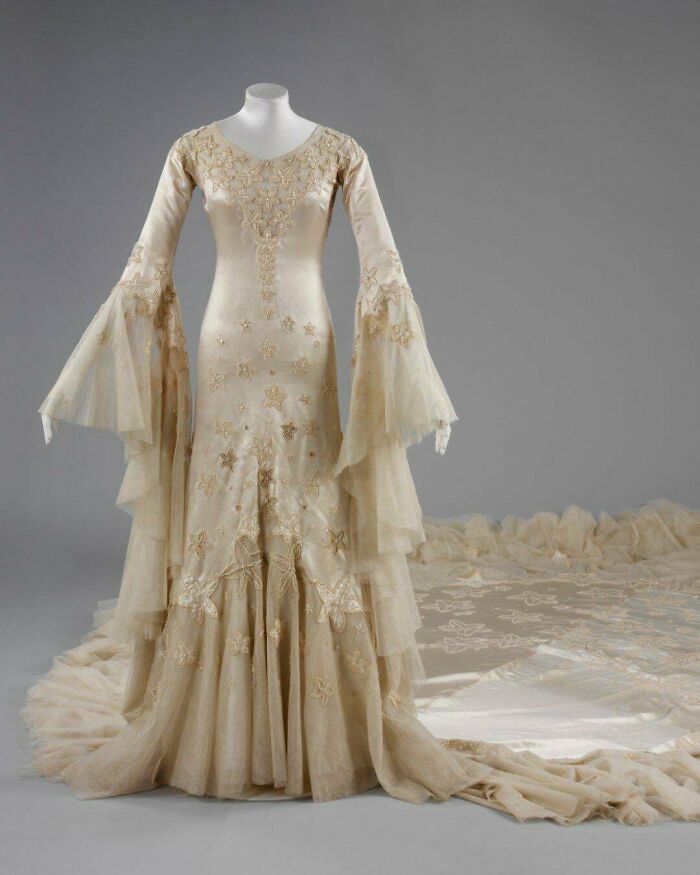
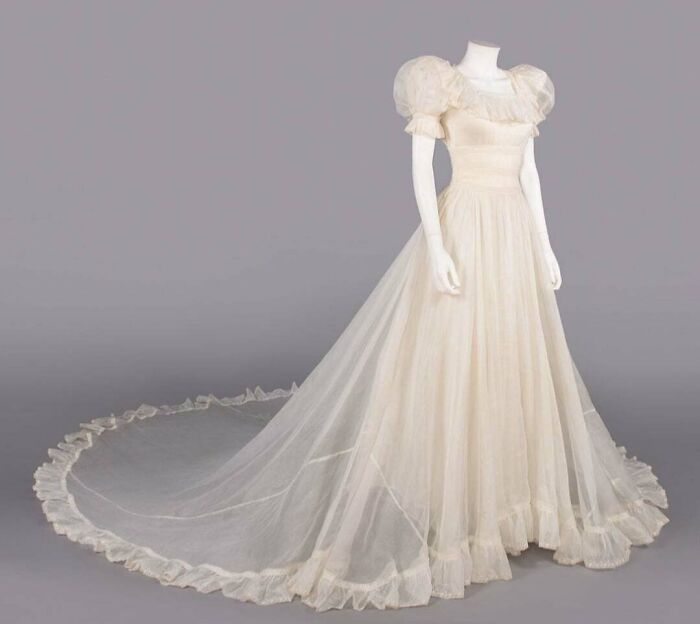
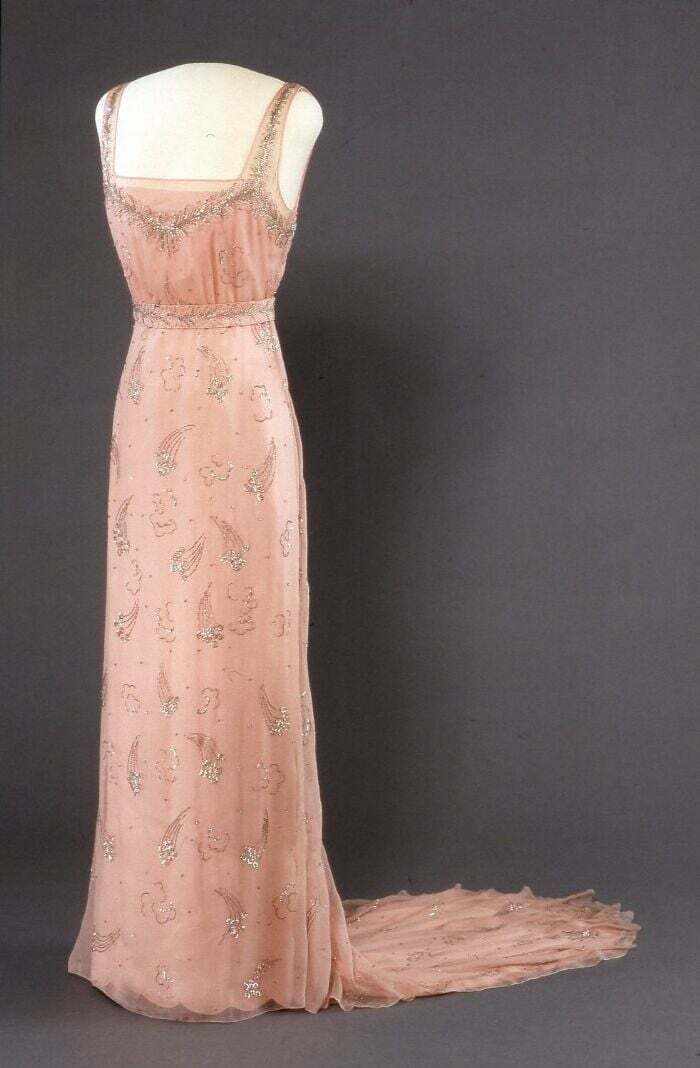
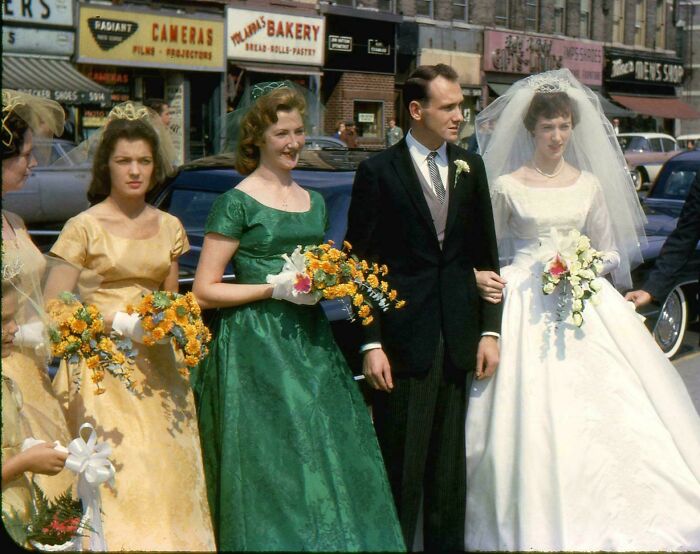
Peg married my grandfather Lloyd exactly 90 years ago today. She lived from 1912-1972 and Lloyd from 1911-1966. I know nothing about the dress except she was from Lexington KY married in Indianapolis IN on May 15 1935.
And then there’s the codpiece, which might win the award for one of history's most unforgettable pieces of men's fashion. Originally, it was a practical flap attached to the front of men's breeches to cover the opening between the legs. But as the fashion evolved, codpieces became increasingly prominent, padded, decorated, and exaggerated. By the 15th and 16th centuries, some codpieces had become so elaborate that they were essentially impossible to ignore. What began as a functional garment detail had transformed into a very deliberate display of masculinity, status, and fashion. Looking at some surviving examples today, it’s hard not to wonder how anyone managed to have a completely serious conversation while wearing one.

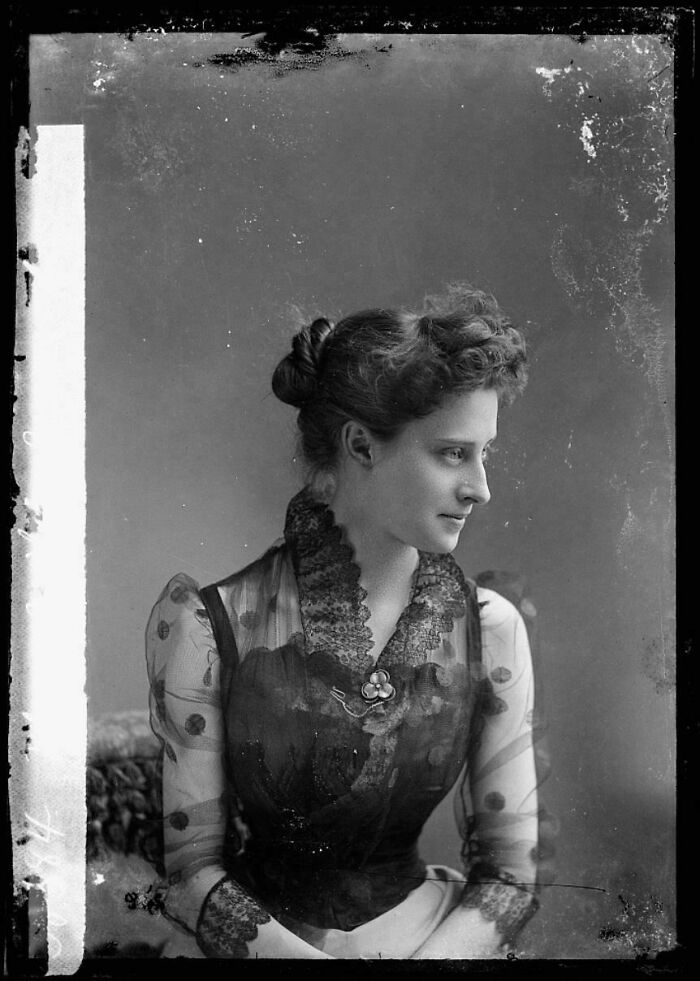
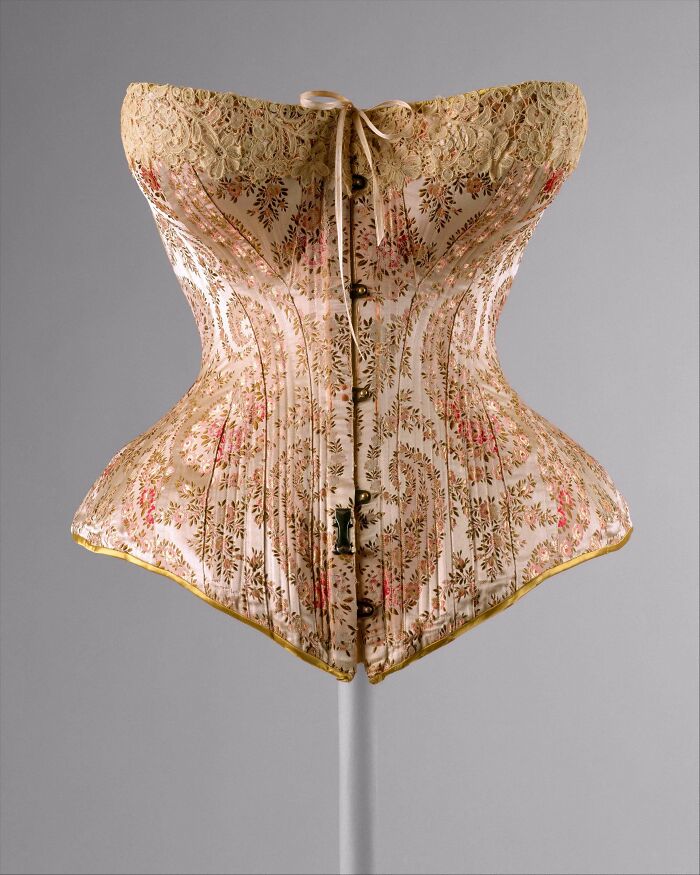
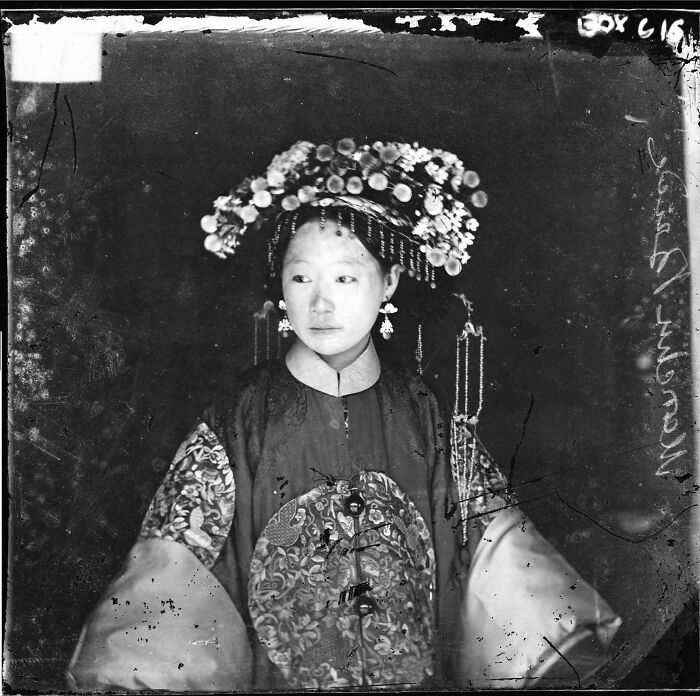
Their waists 👀 👀 It is.. actually not unbelievable what they put themselves through, seeing what modern human is still willing to do in name of fashion and looks, but still...
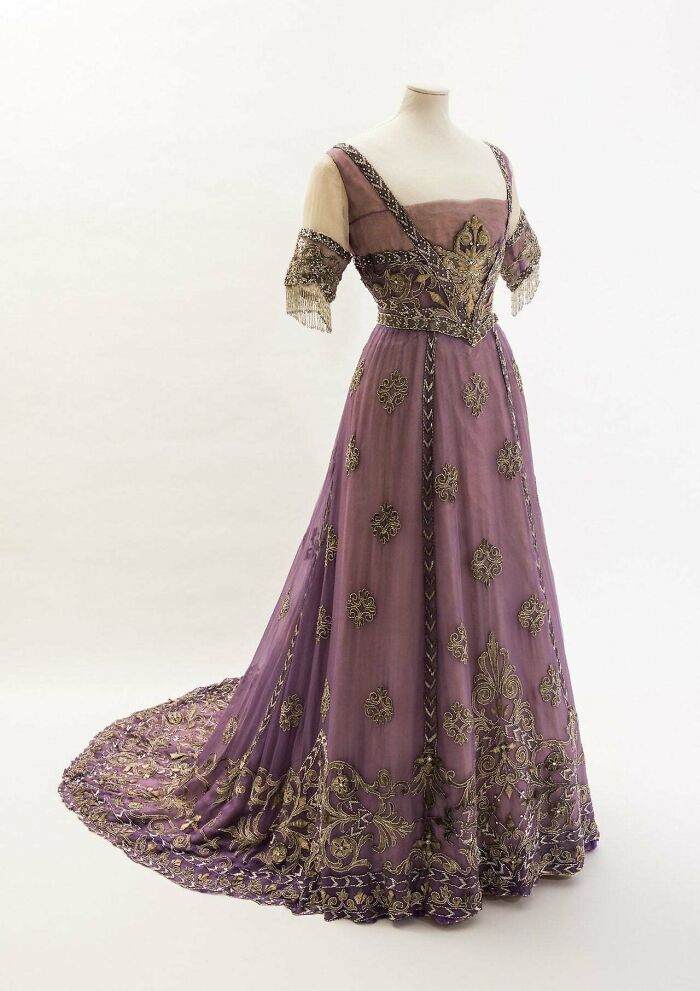
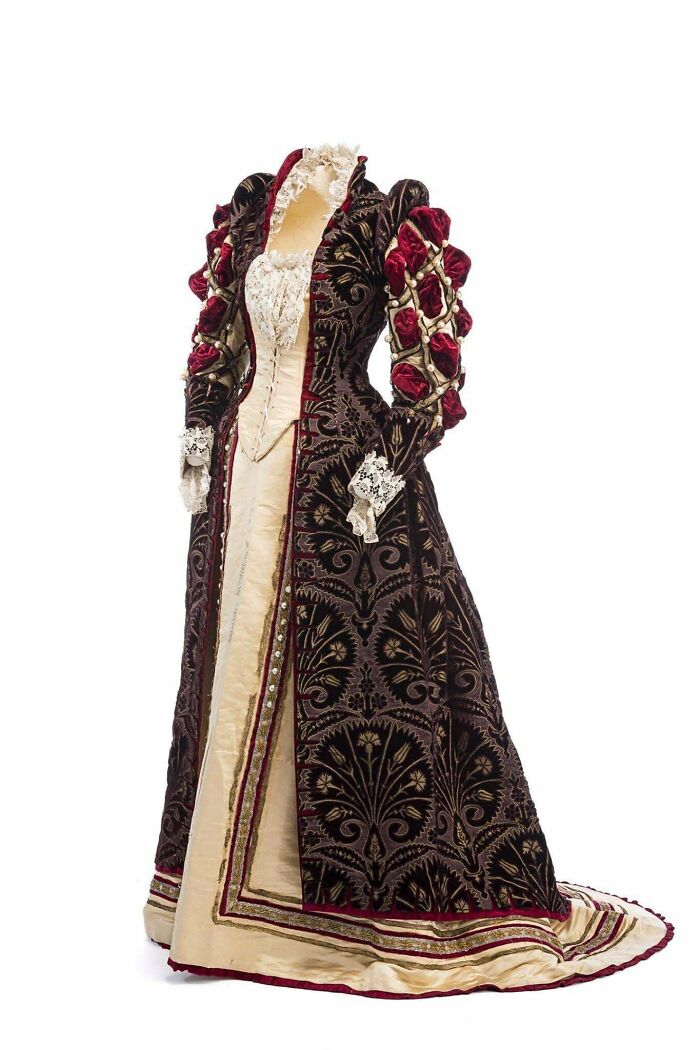
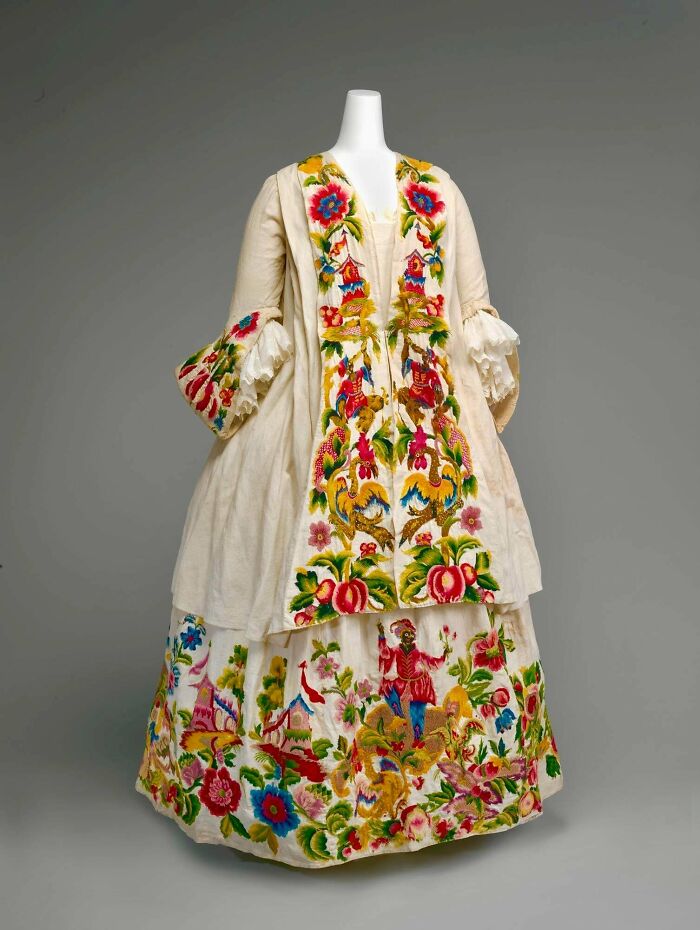
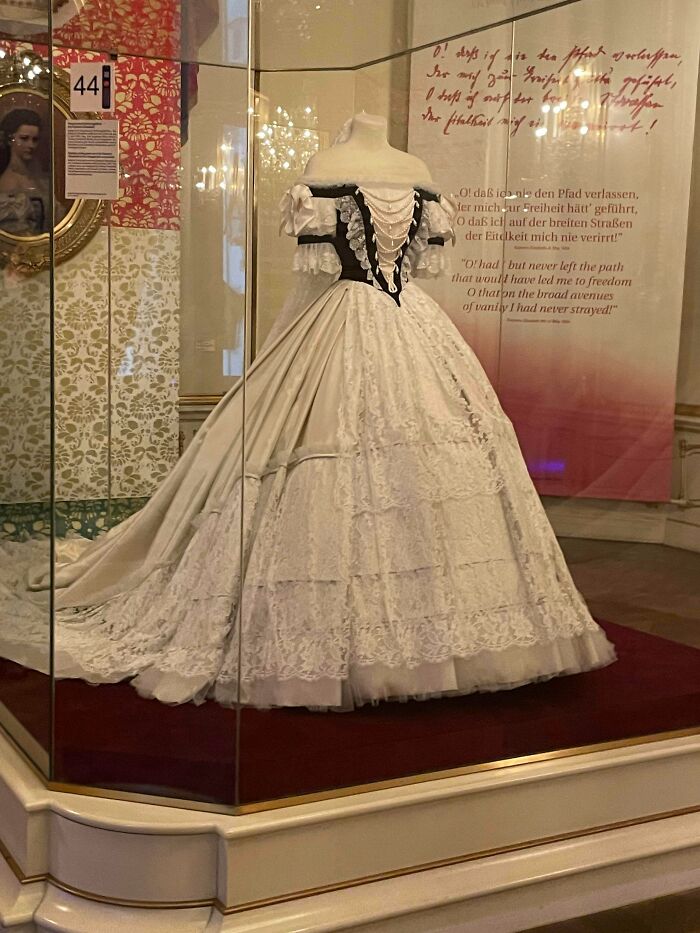
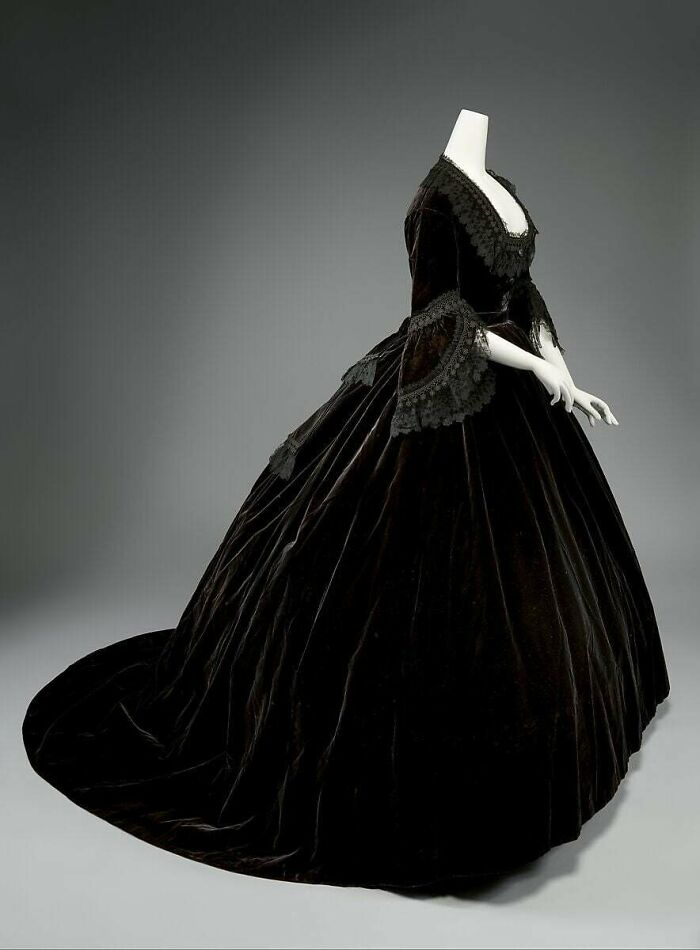
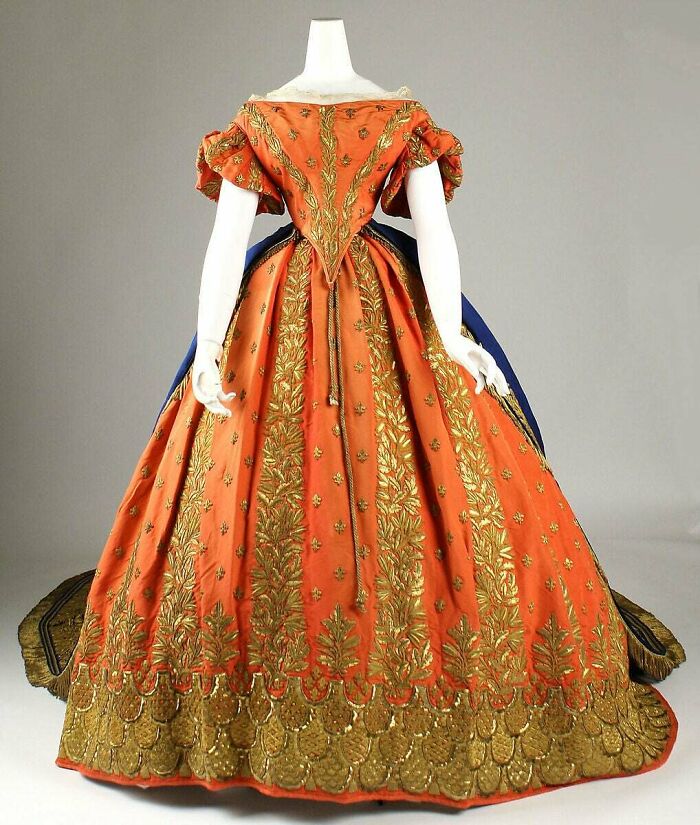
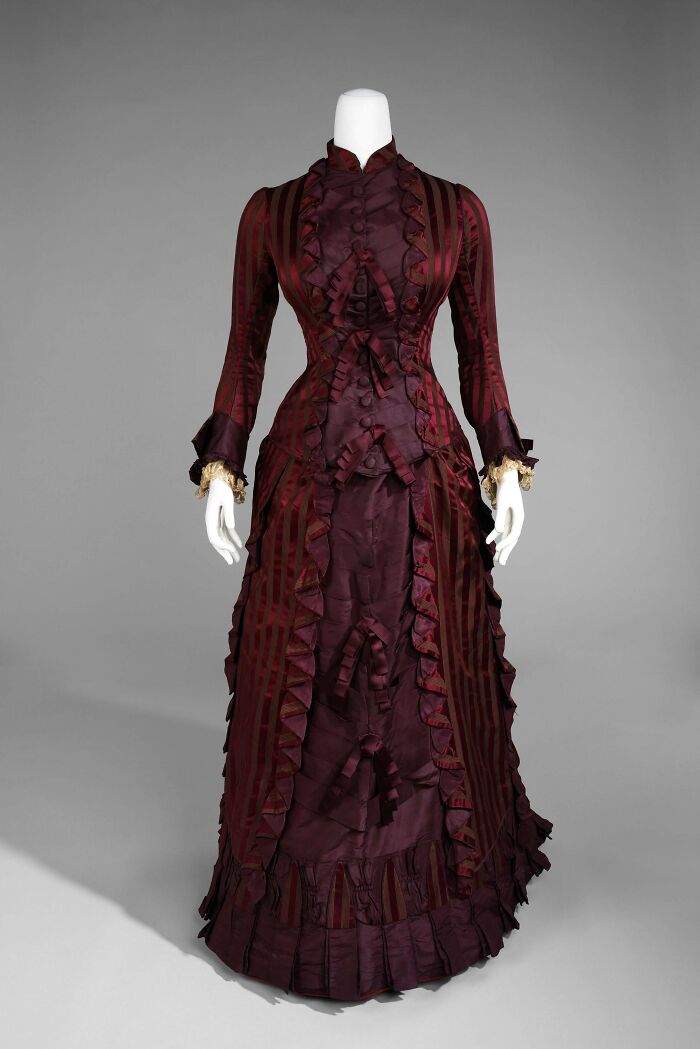
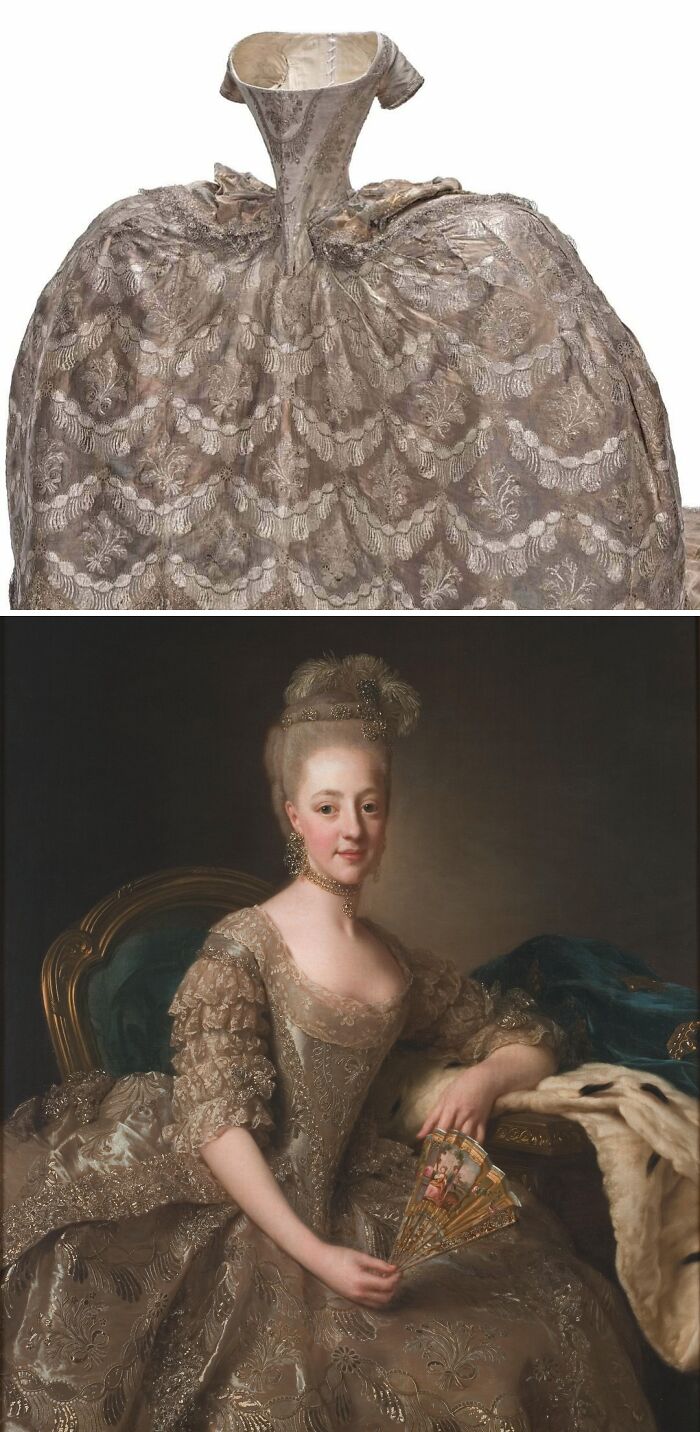
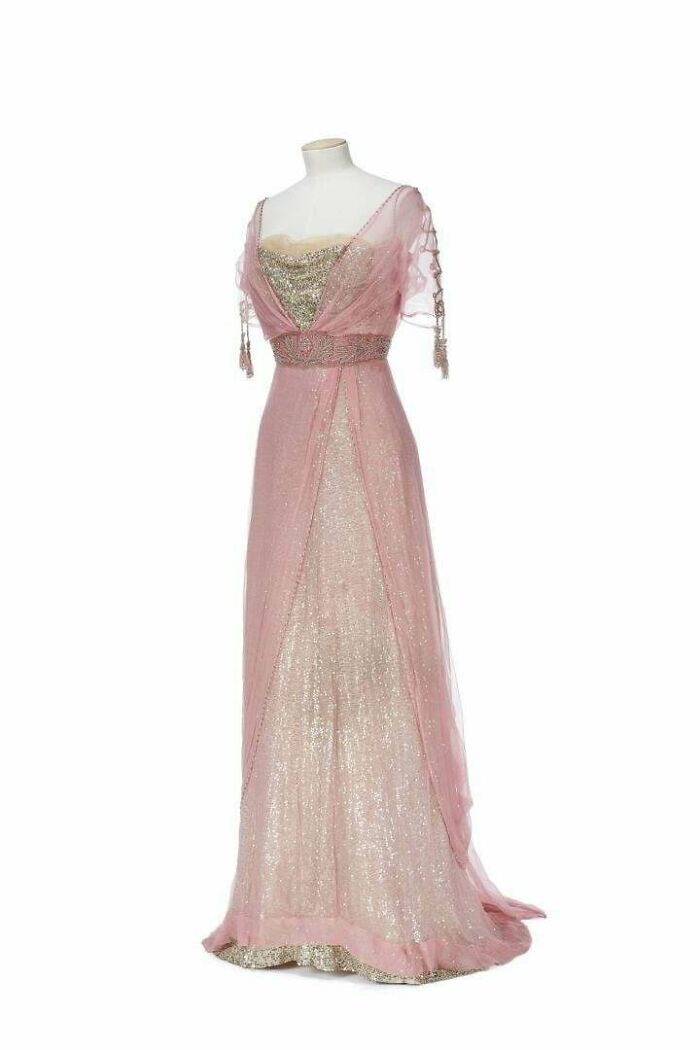
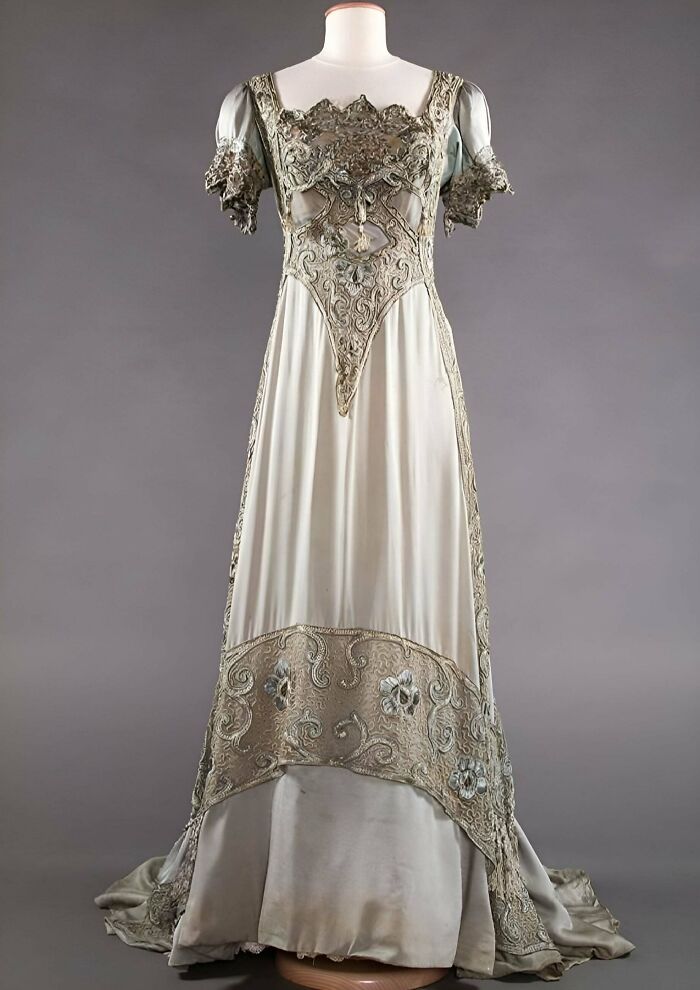
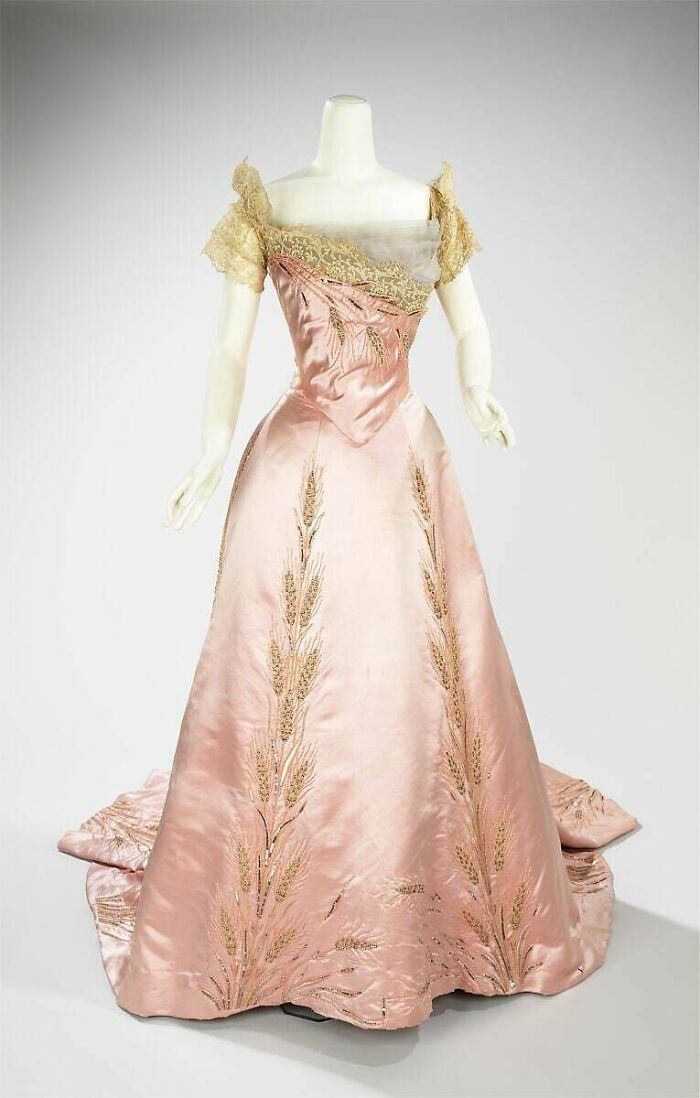
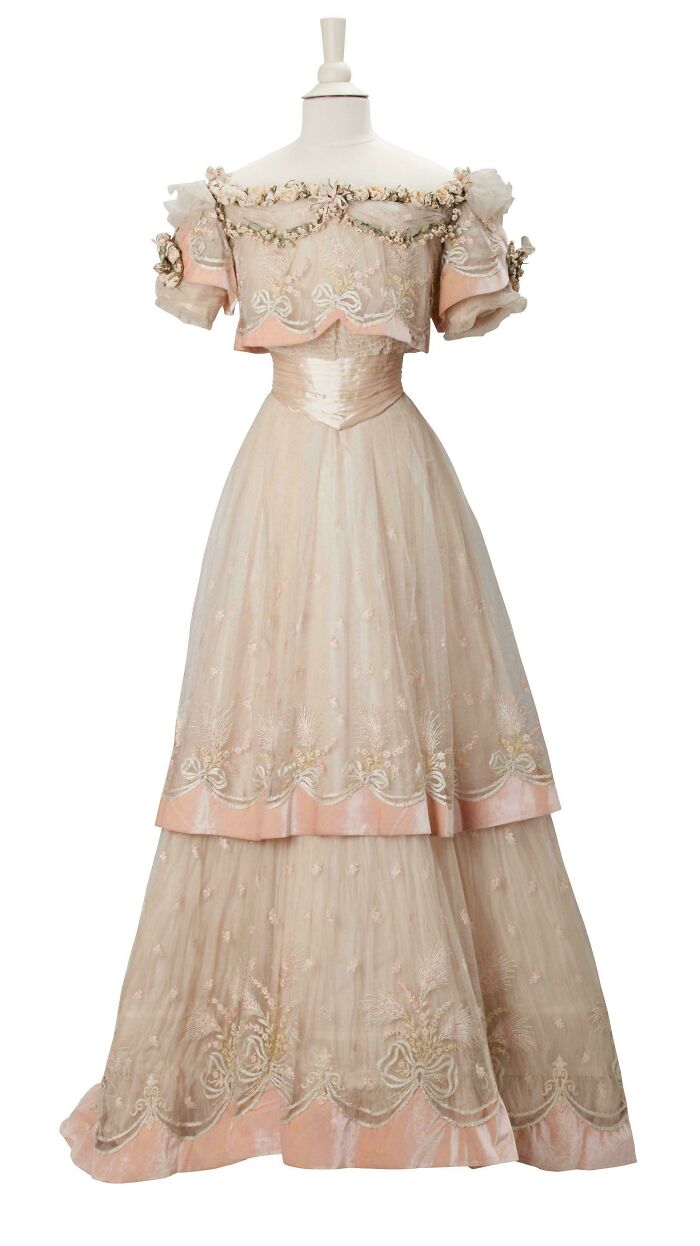
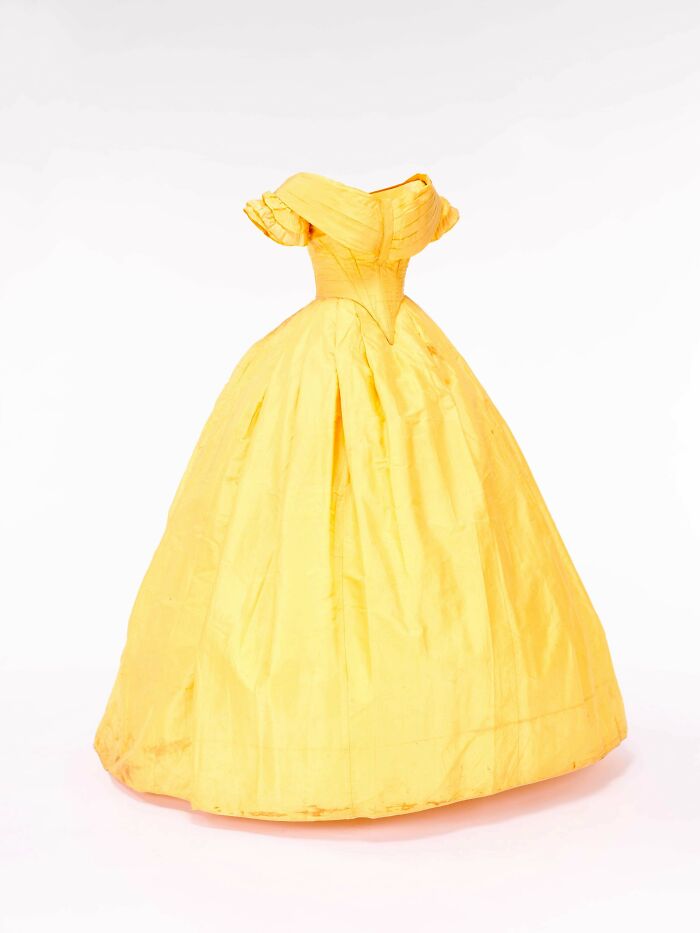
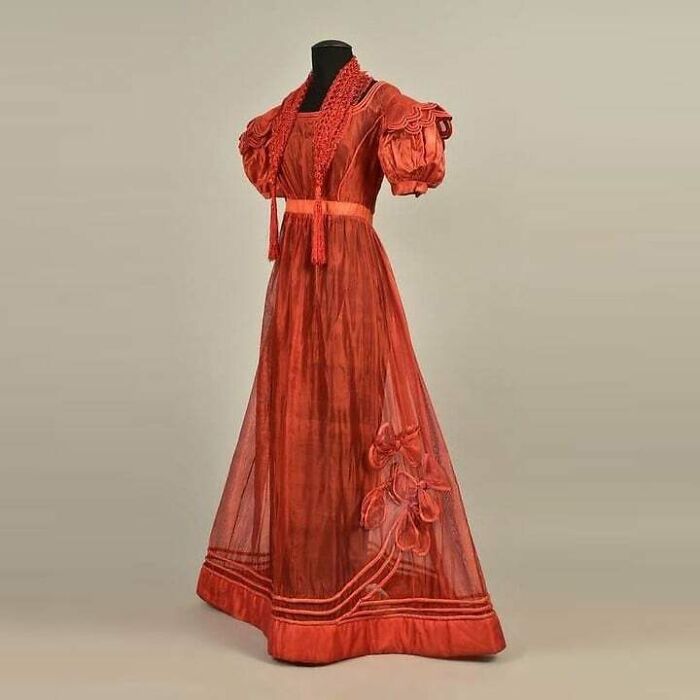
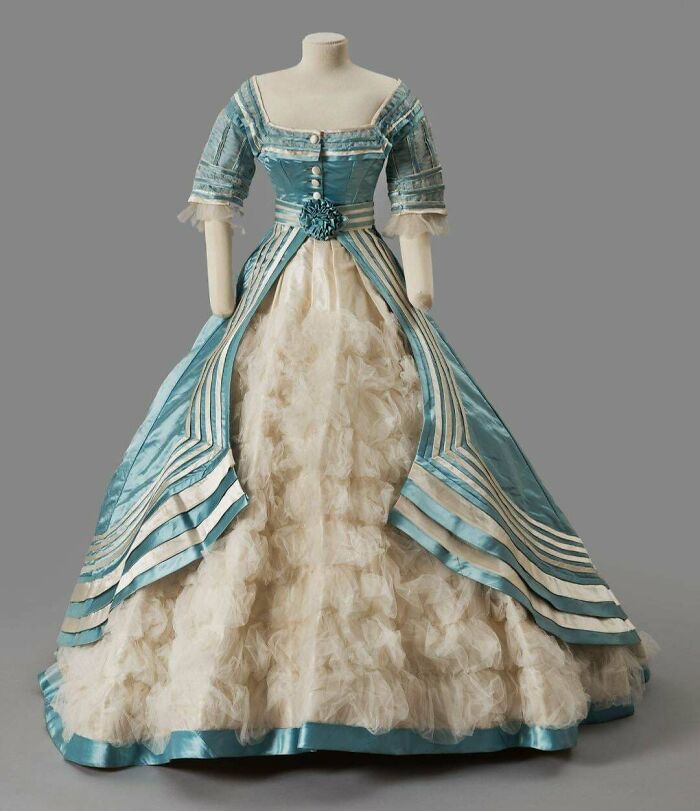
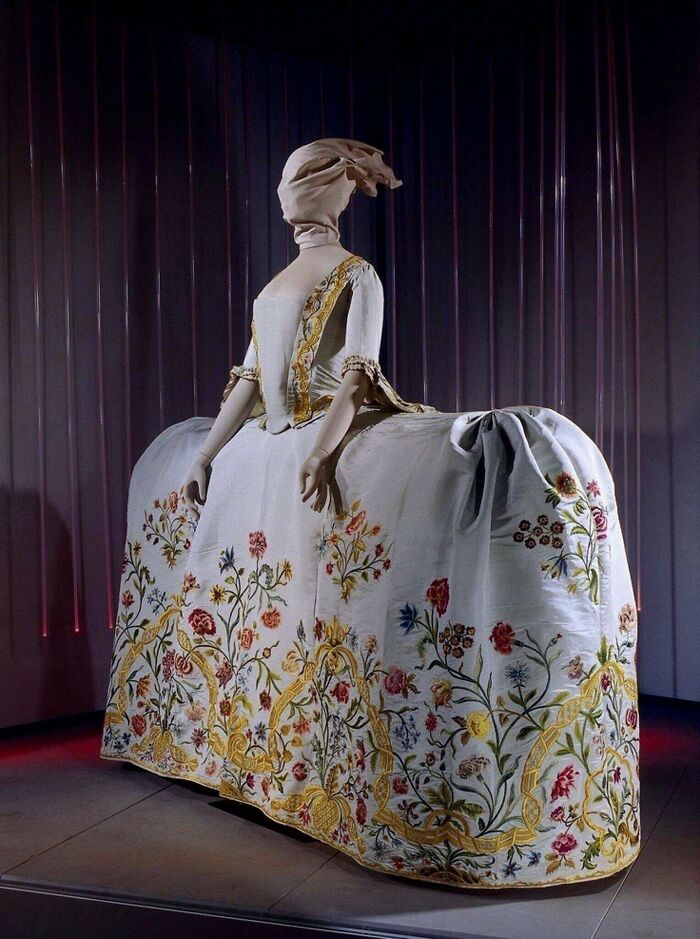
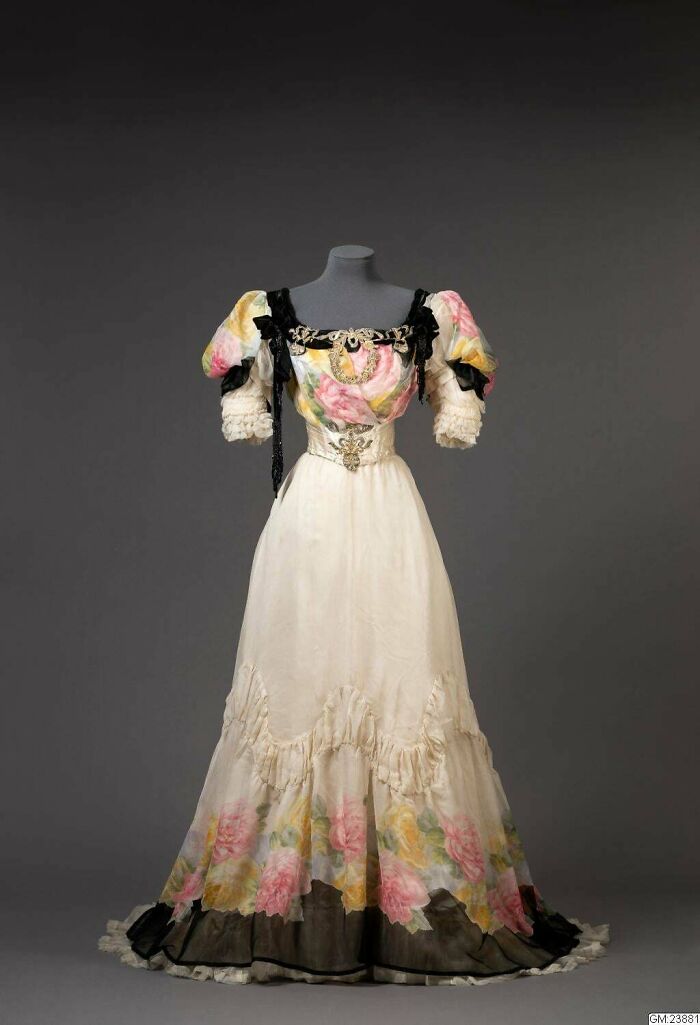
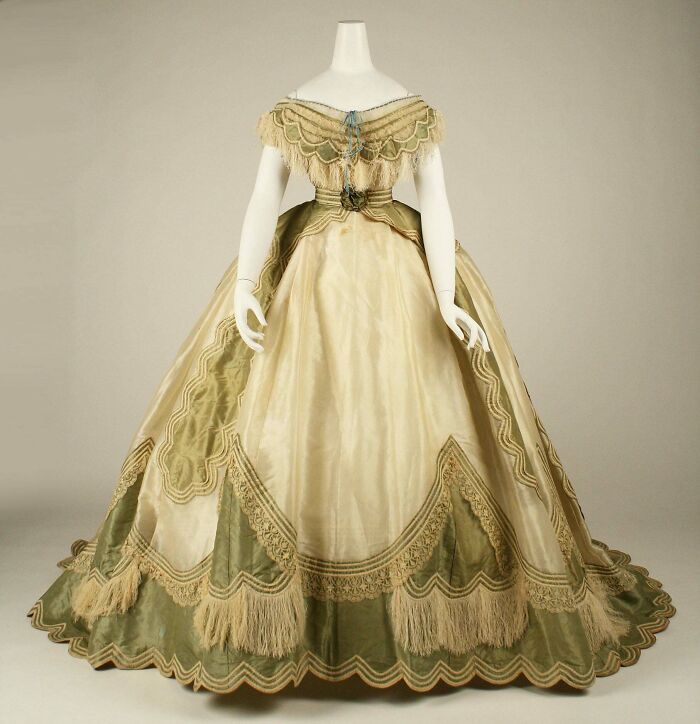
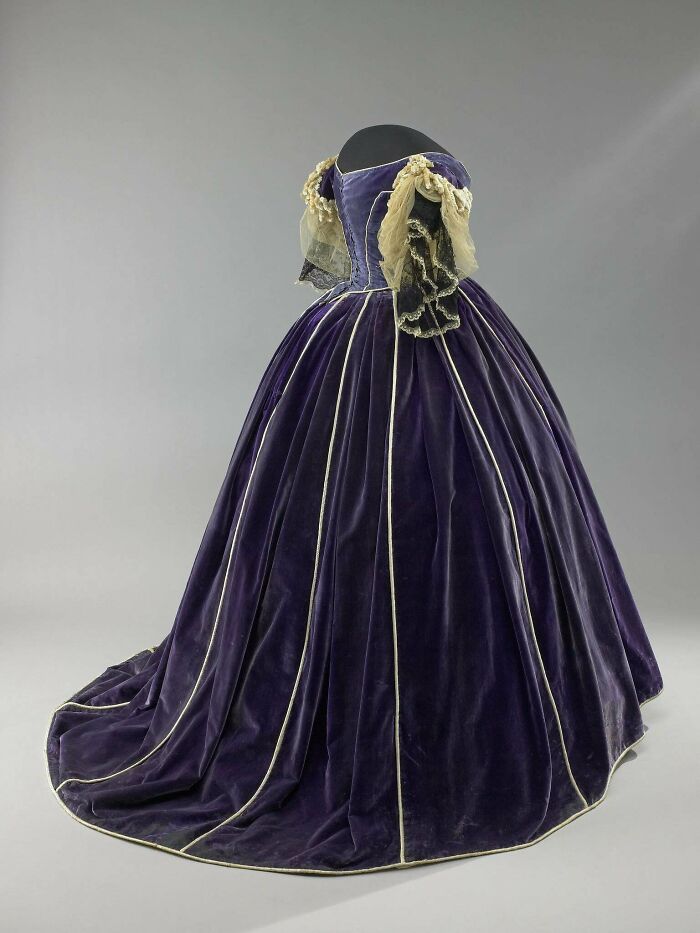
This dress was made in Paris by Alexandrine Goujon. It came with two bodices,an evening bodice and a receiving bodice. While none of these styles were set in stone I believe it’s a receiving ensemble because of the length of the skirt/train. It would be impractical.
And that's really the fascinating thing about looking back at fashion. Clothes have never simply been about looking good. They have been used to show wealth, social position, gender, occupation, practicality, cultural identity, and even personal ambition. Sometimes they protected people from the elements, sometimes they made movement unnecessarily difficult, and sometimes they apparently existed mainly to make a very bold statement.
That's what makes today's collection so much fun. These garments aren't just pieces of clothing—they're little snapshots of the people, priorities, and cultures that created them. So, Pandas, get comfortable and keep scrolling through these fascinating pieces of fashion history. You might discover a style you absolutely love, a trend you desperately hope never returns, or even a little inspiration for your next vintage-inspired outfit.

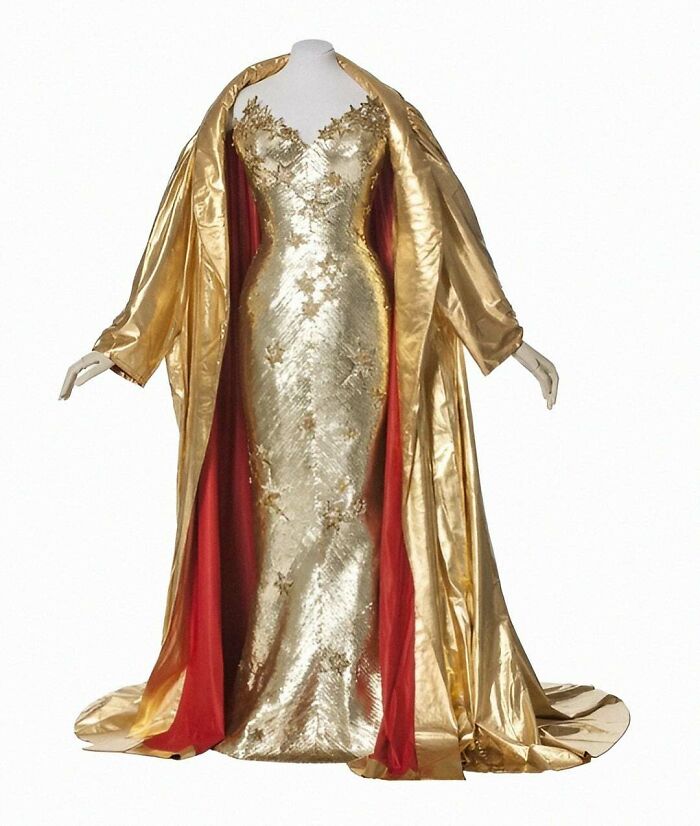
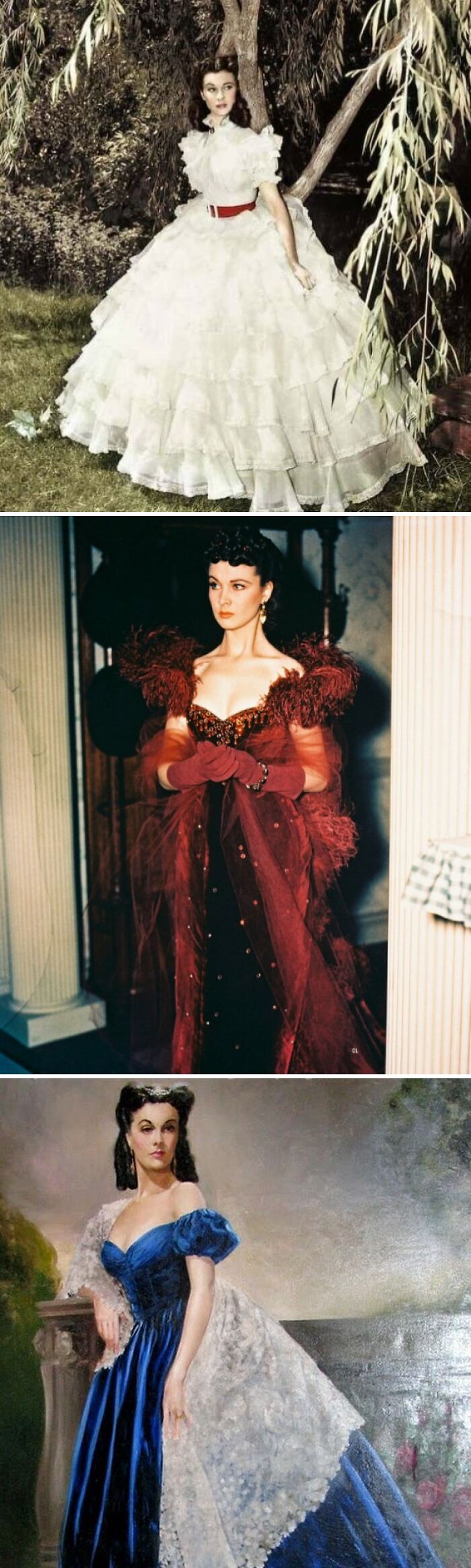
The costumes for the character of Scarlett were stunning. Where’s the famous “curtain” dress?
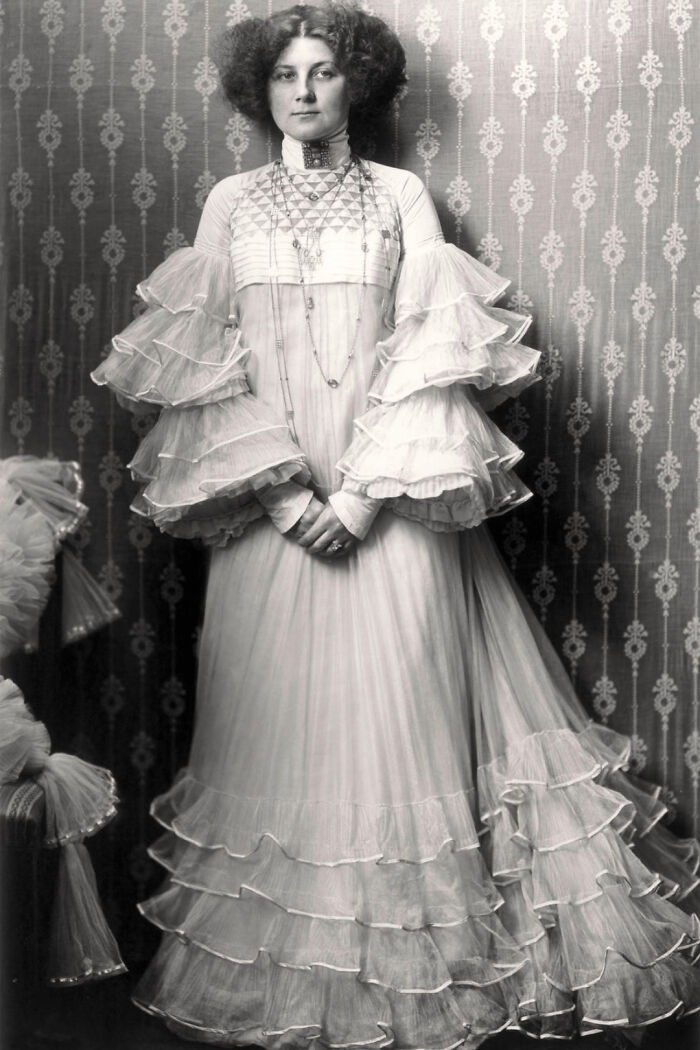
That thing with rounding the upper back, almost slouching, is such a model pose and I dont quite get why?

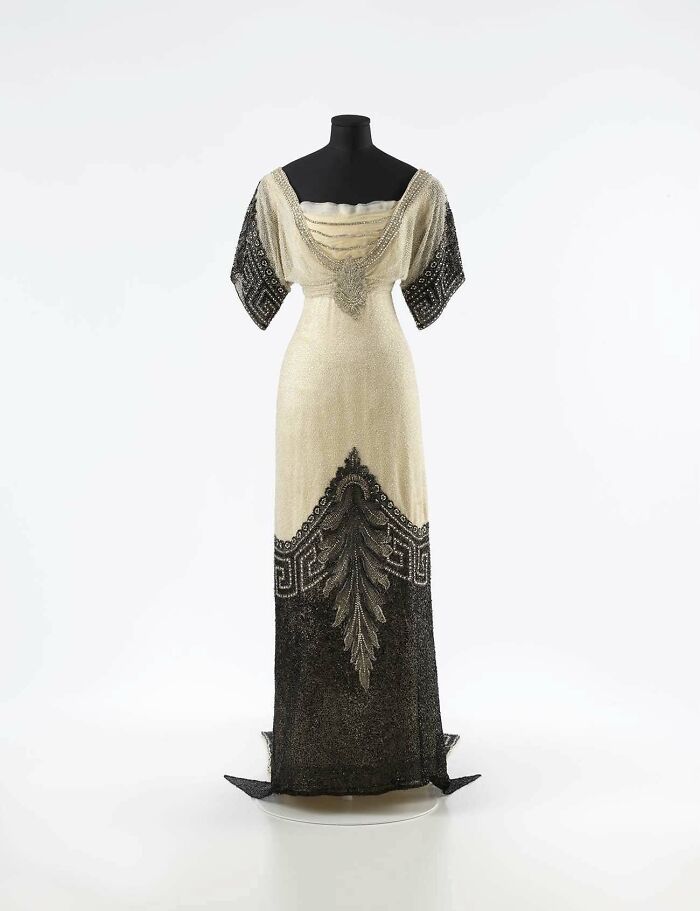
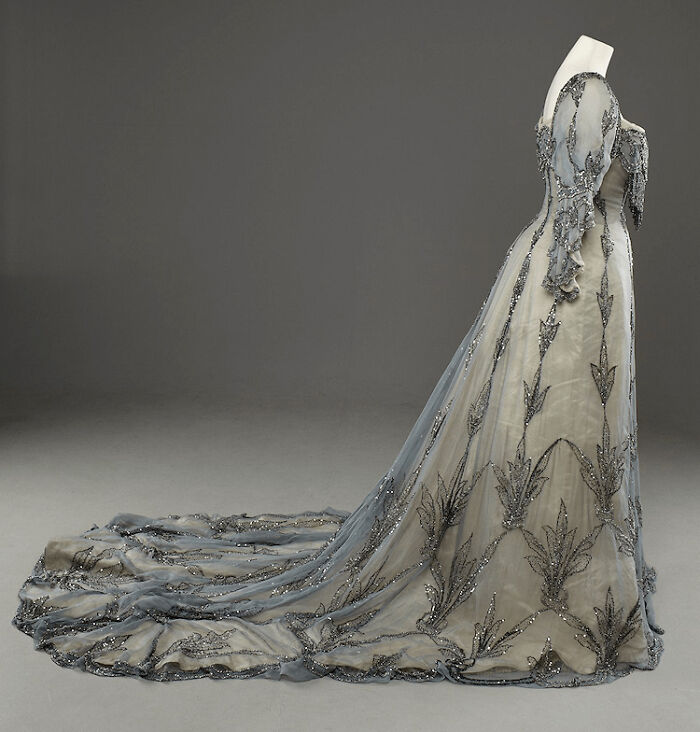
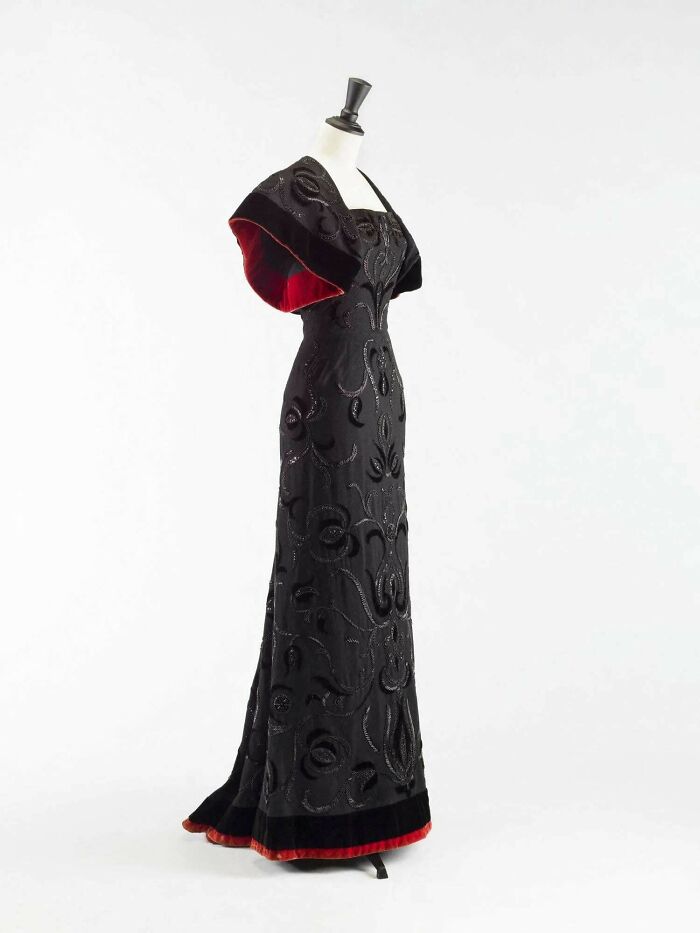
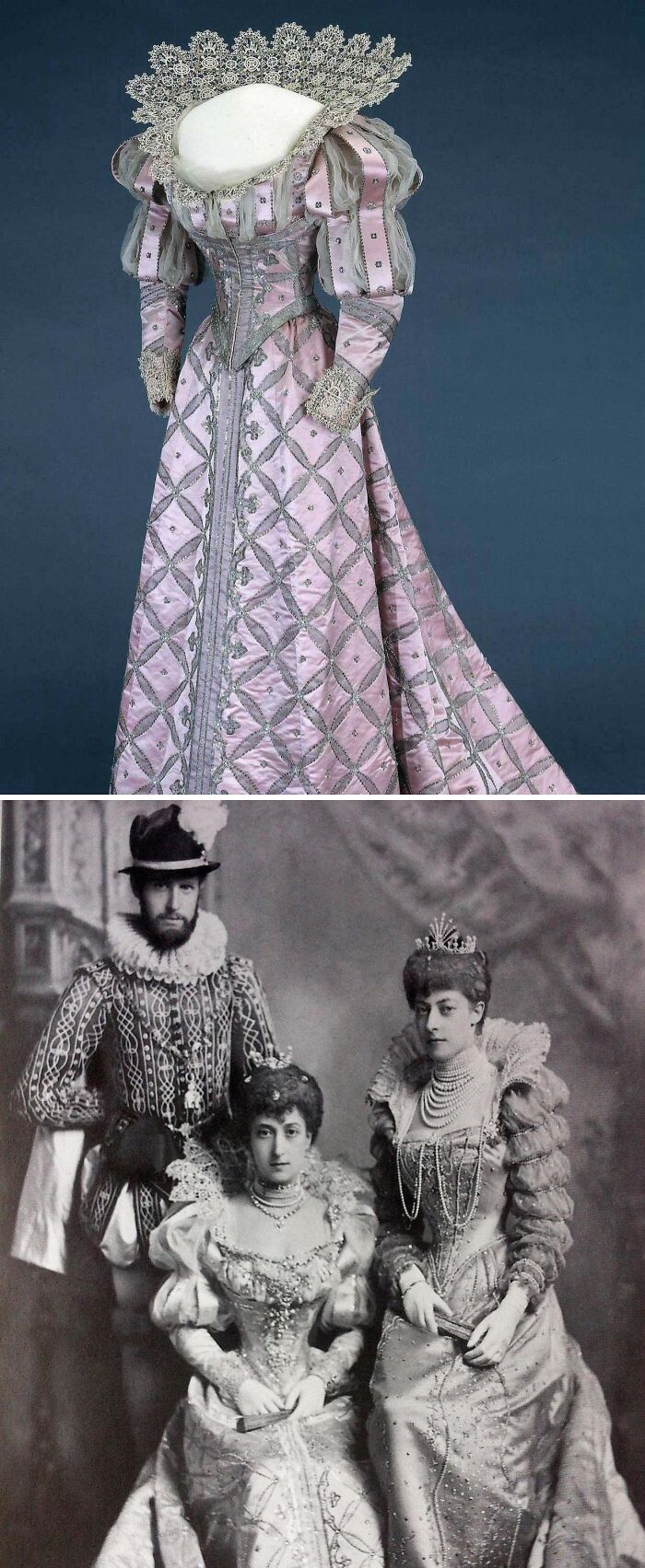
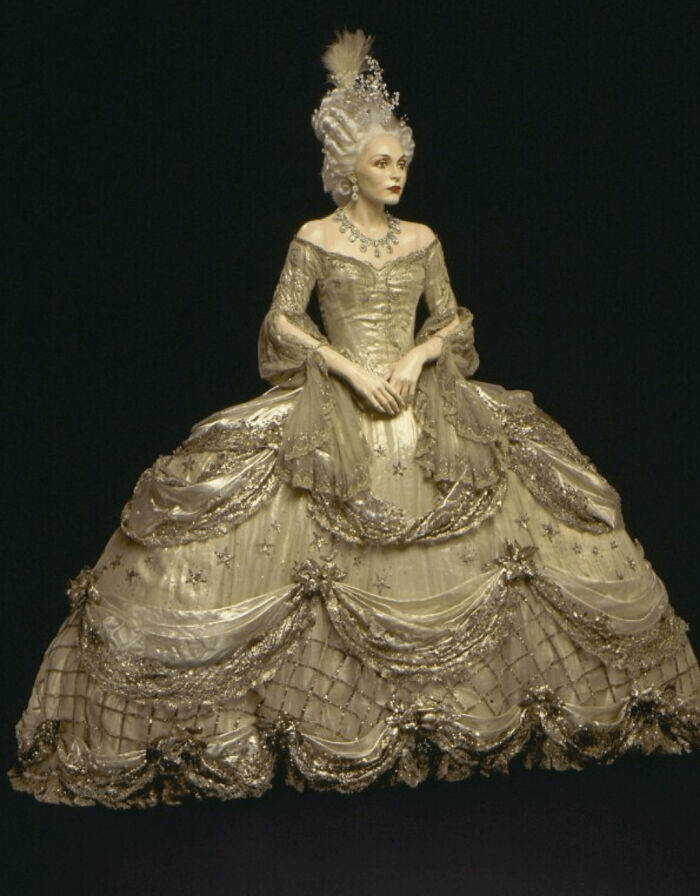
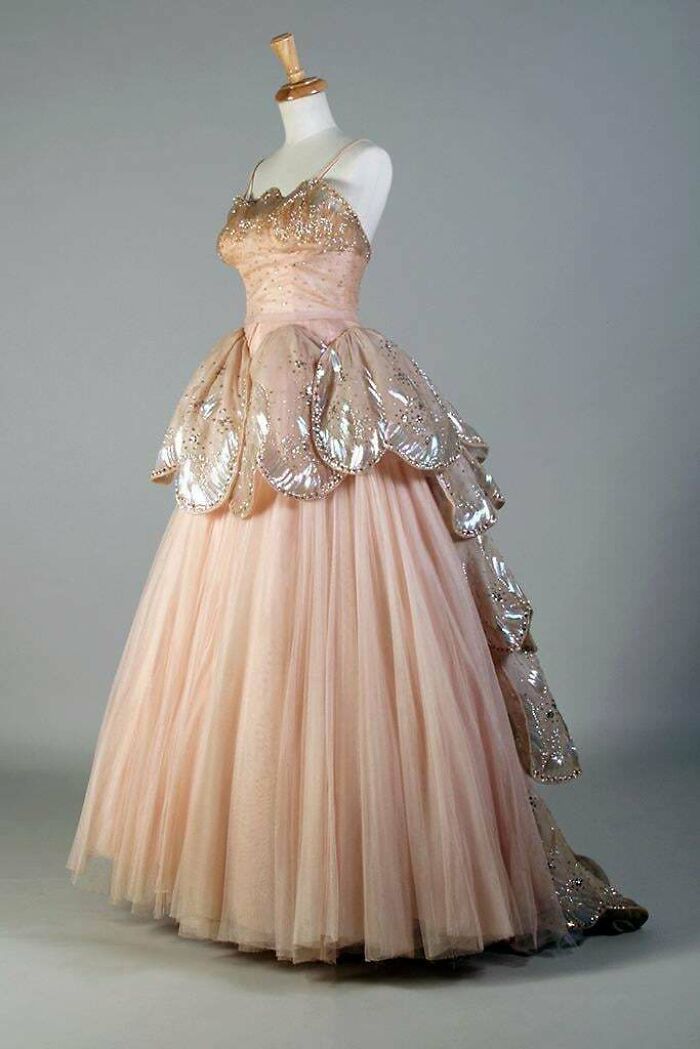
The House of Worth definitely knew how to make flattering, beautiful dresses.

anyone else thinking of the Carol Burnette "Gone with the Wind" skit where she's wearing curtains with the rod still in place?

A time of elegance and not trashy as seems to be prevalent nowadays.

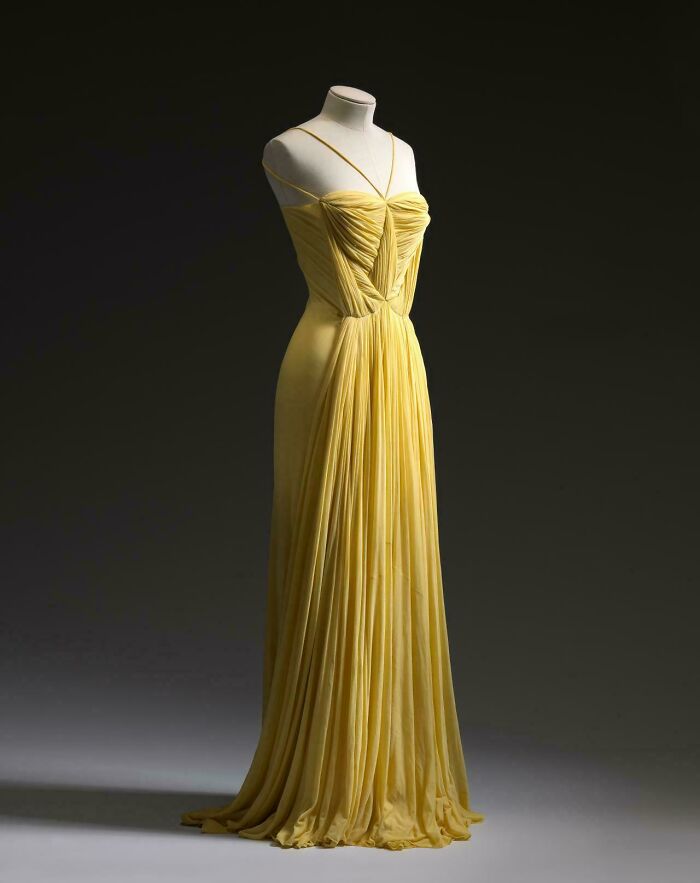
You could not wear that type of dress if you had any kind of bust. It wouldn't hang right.
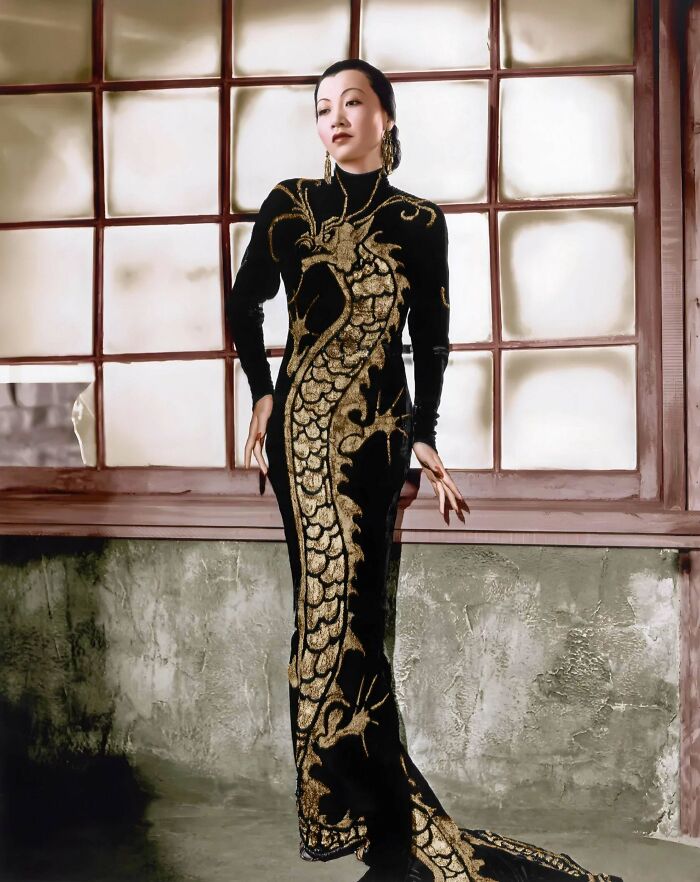
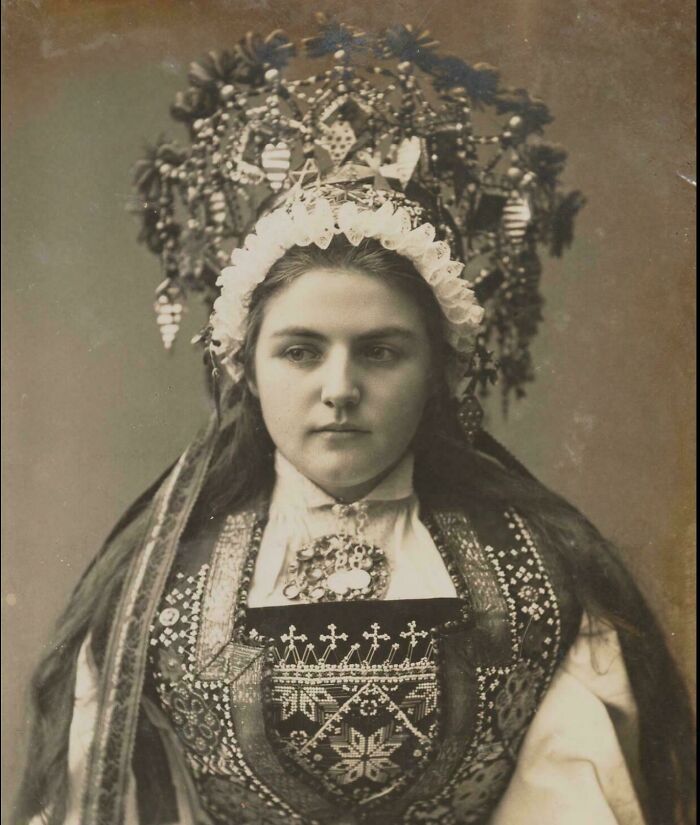
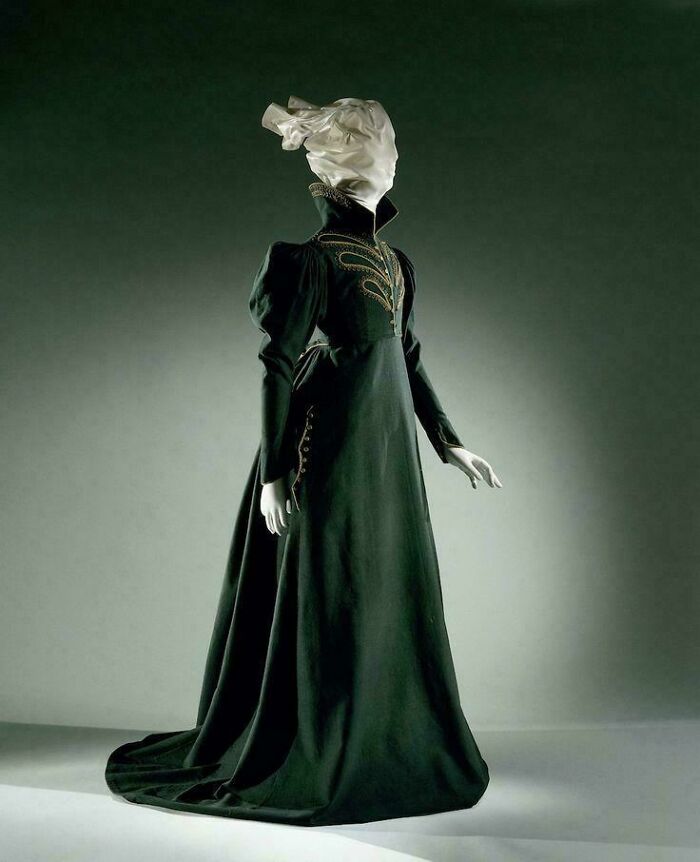
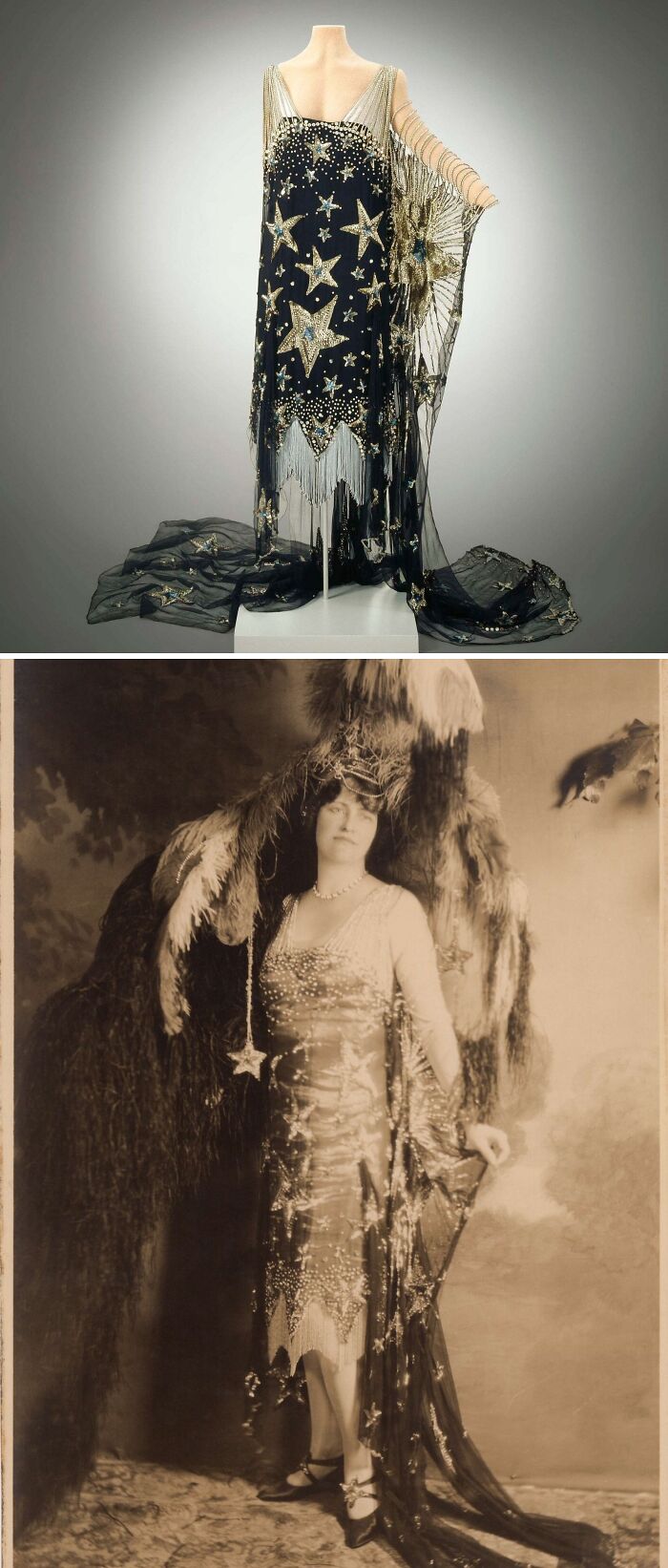
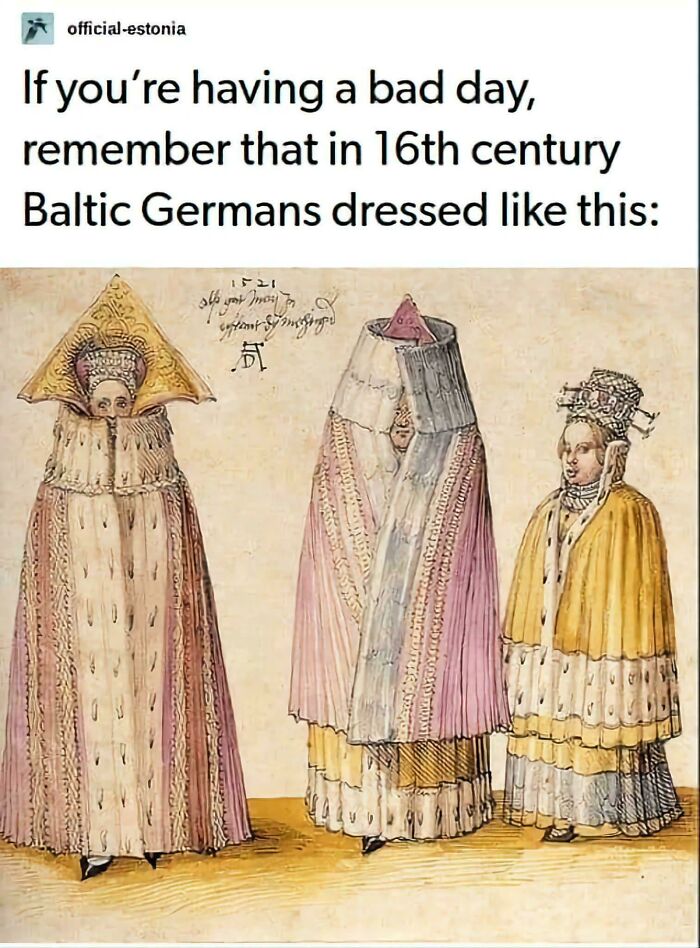
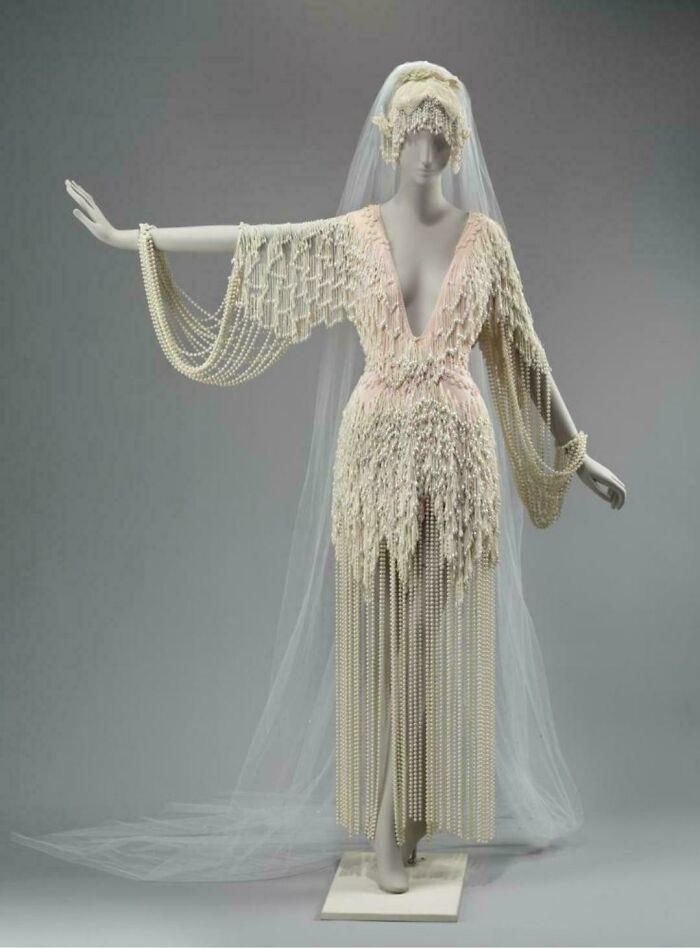
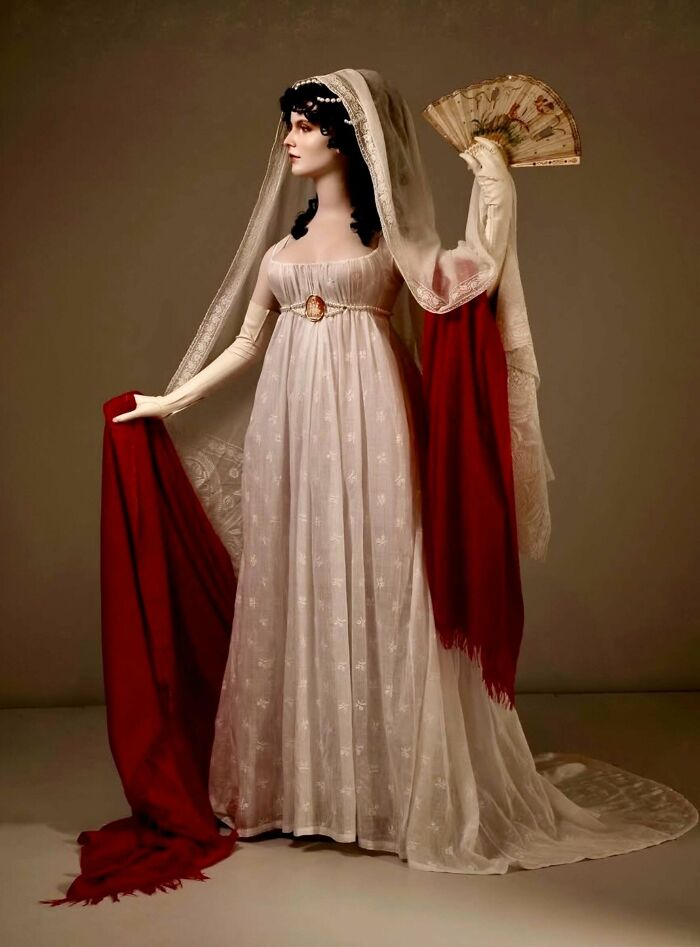
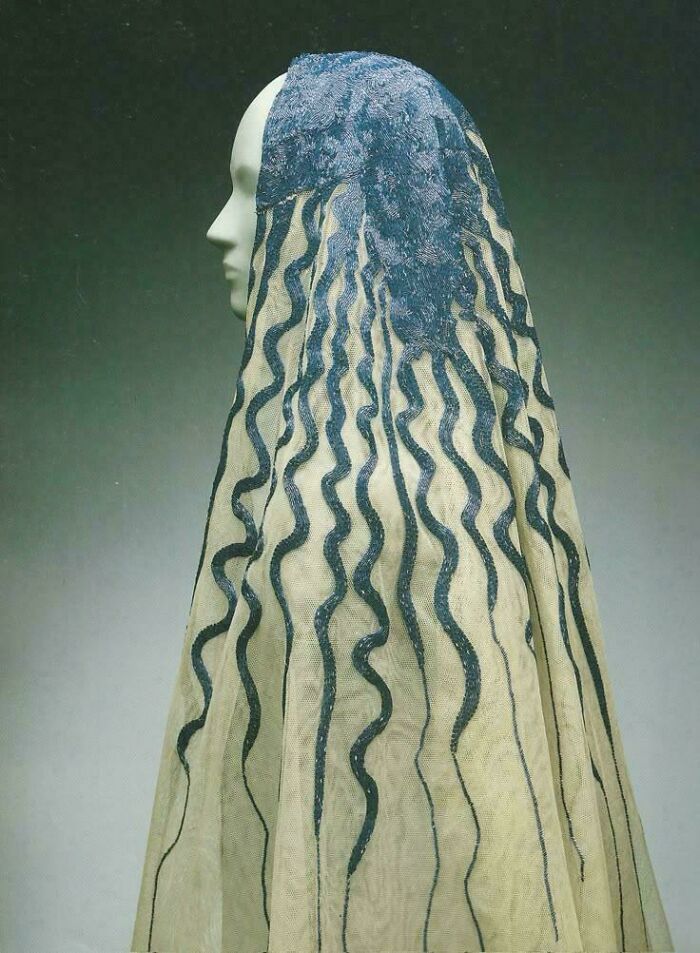
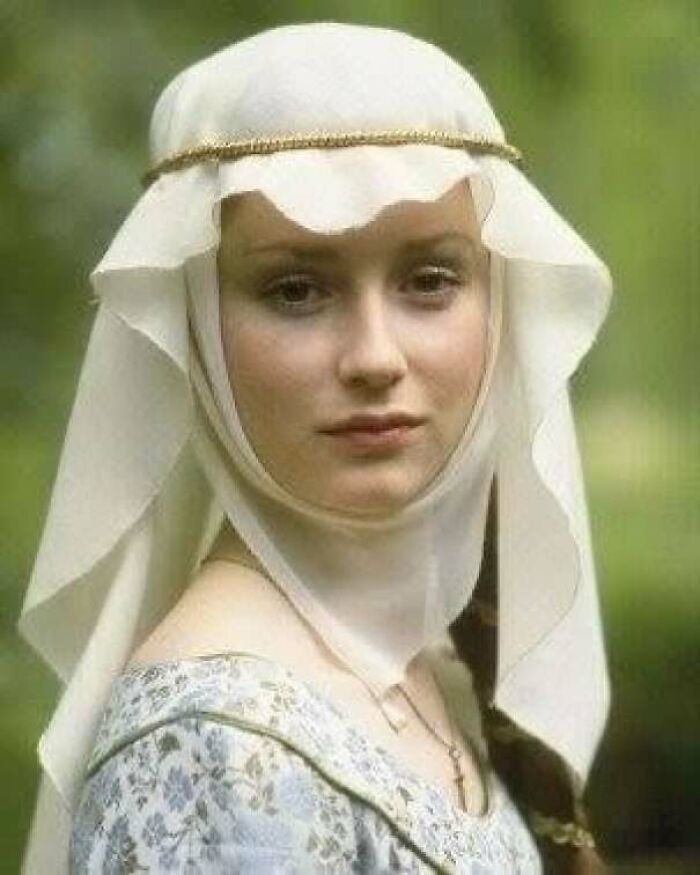
What the heII is on her head? Is that all headdress, or is a cape included?

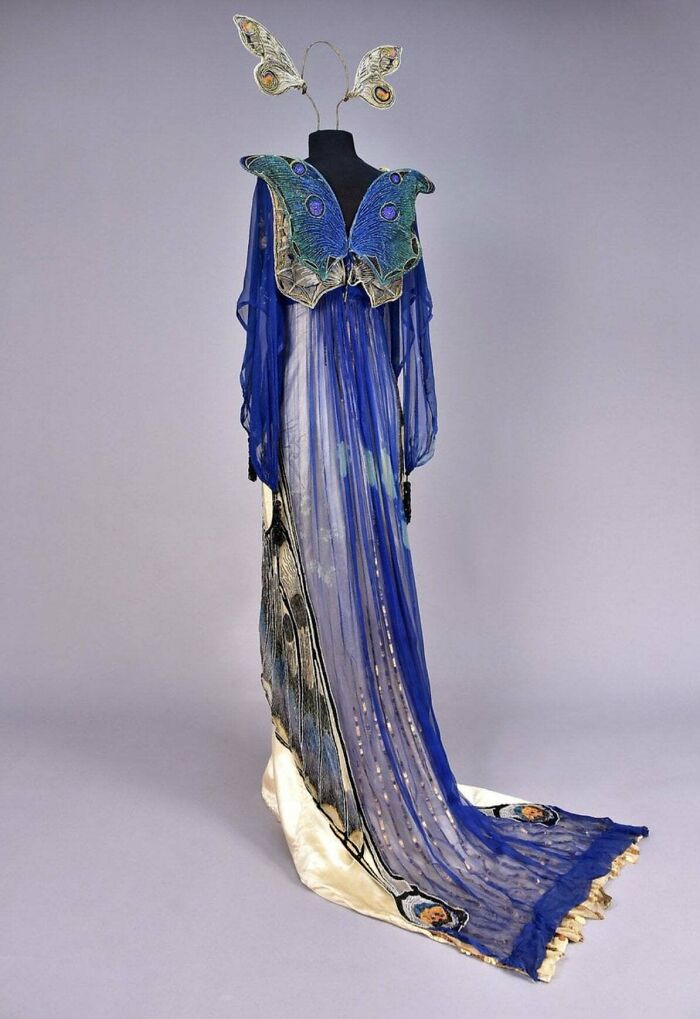
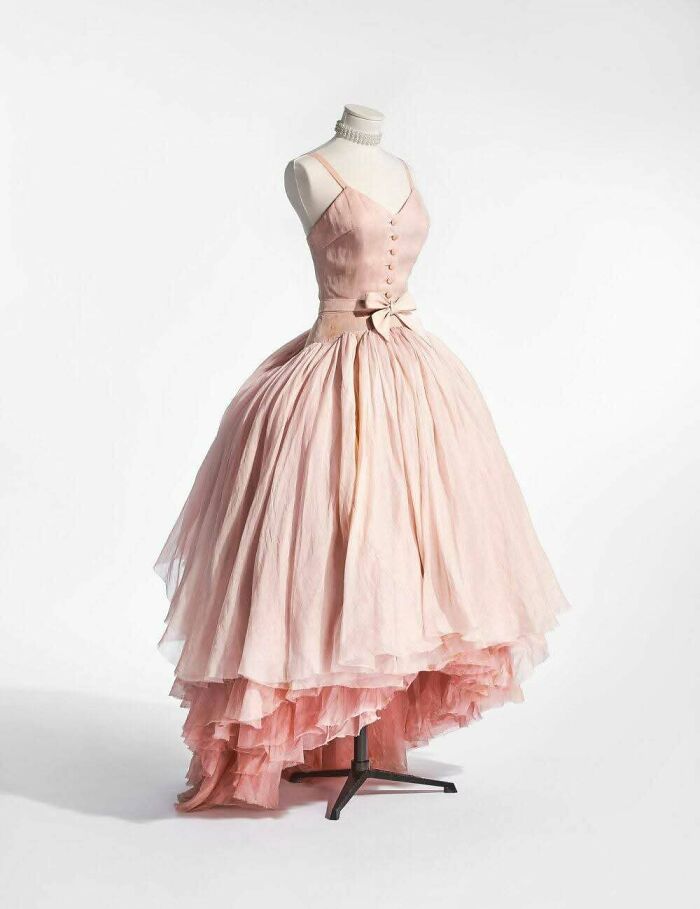
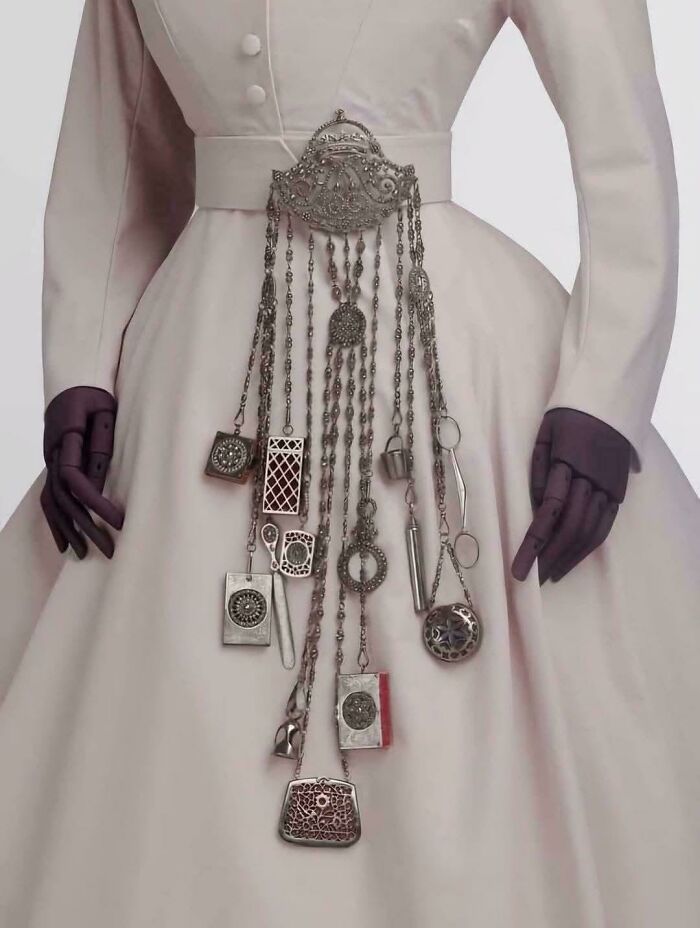
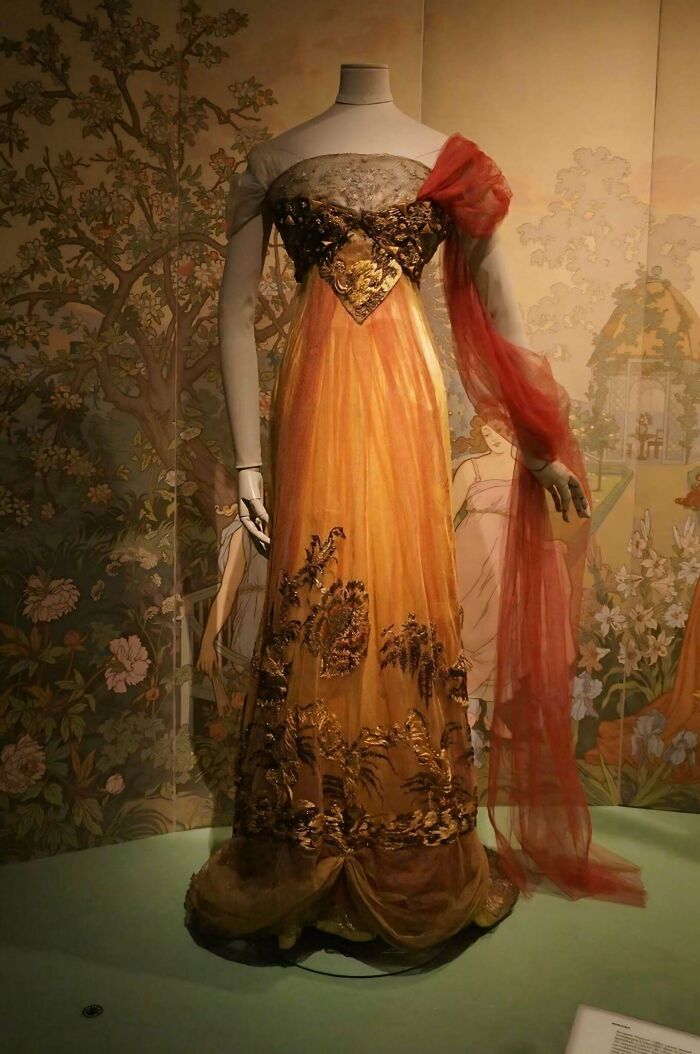
I love most of the dress but I don't know what that thing on the front of the bodice is!
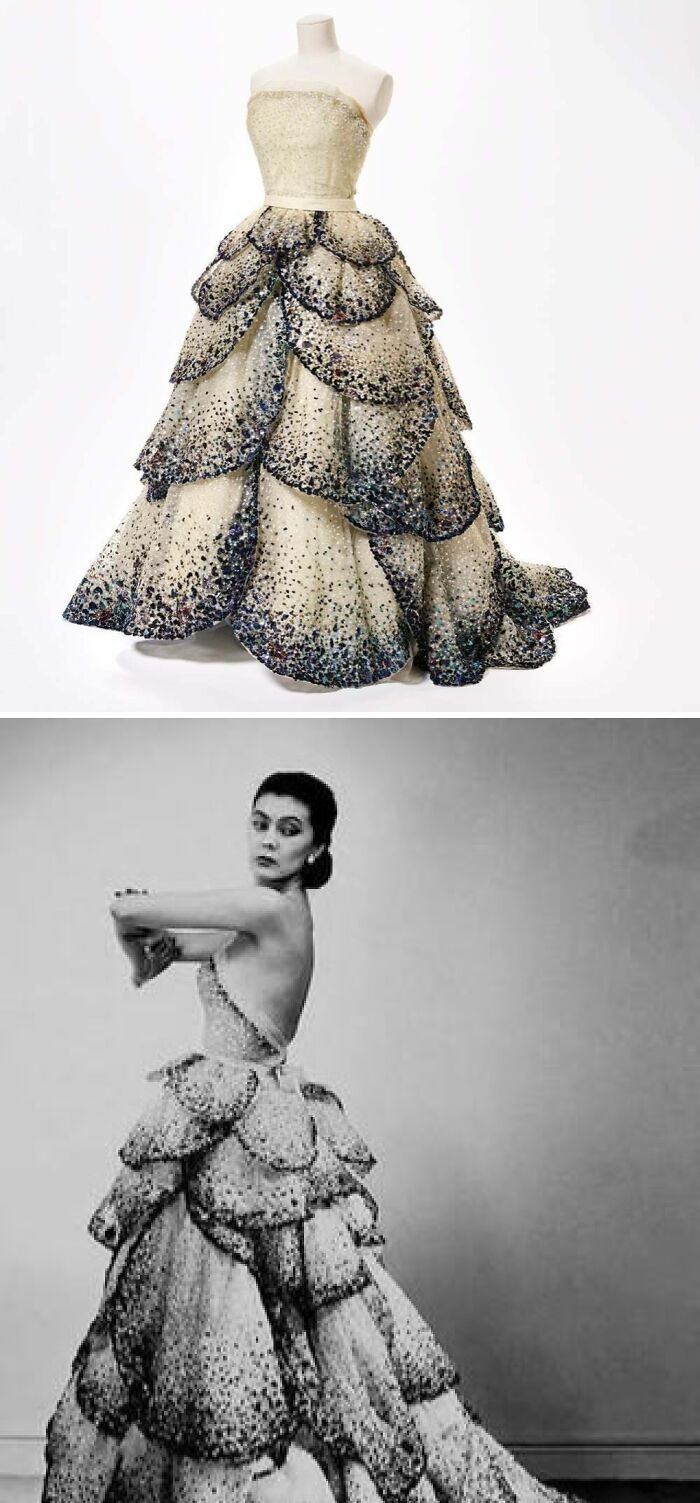
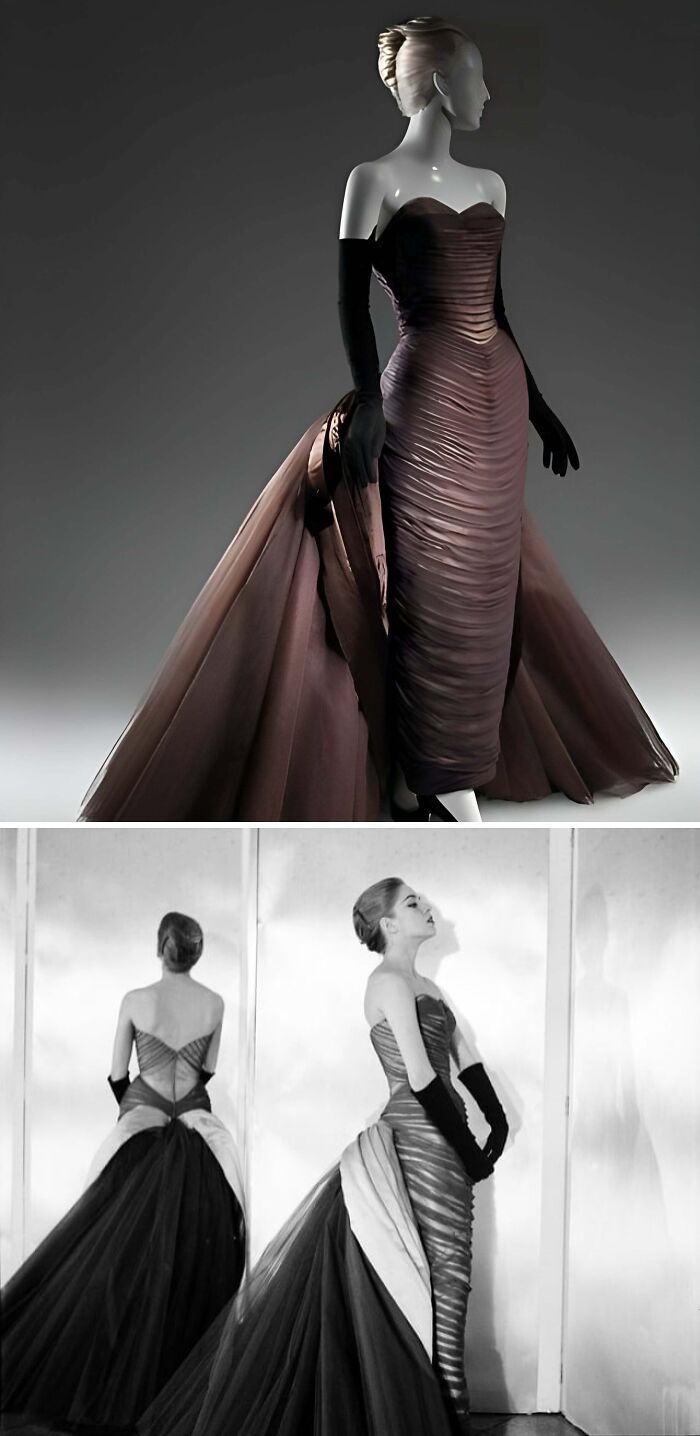
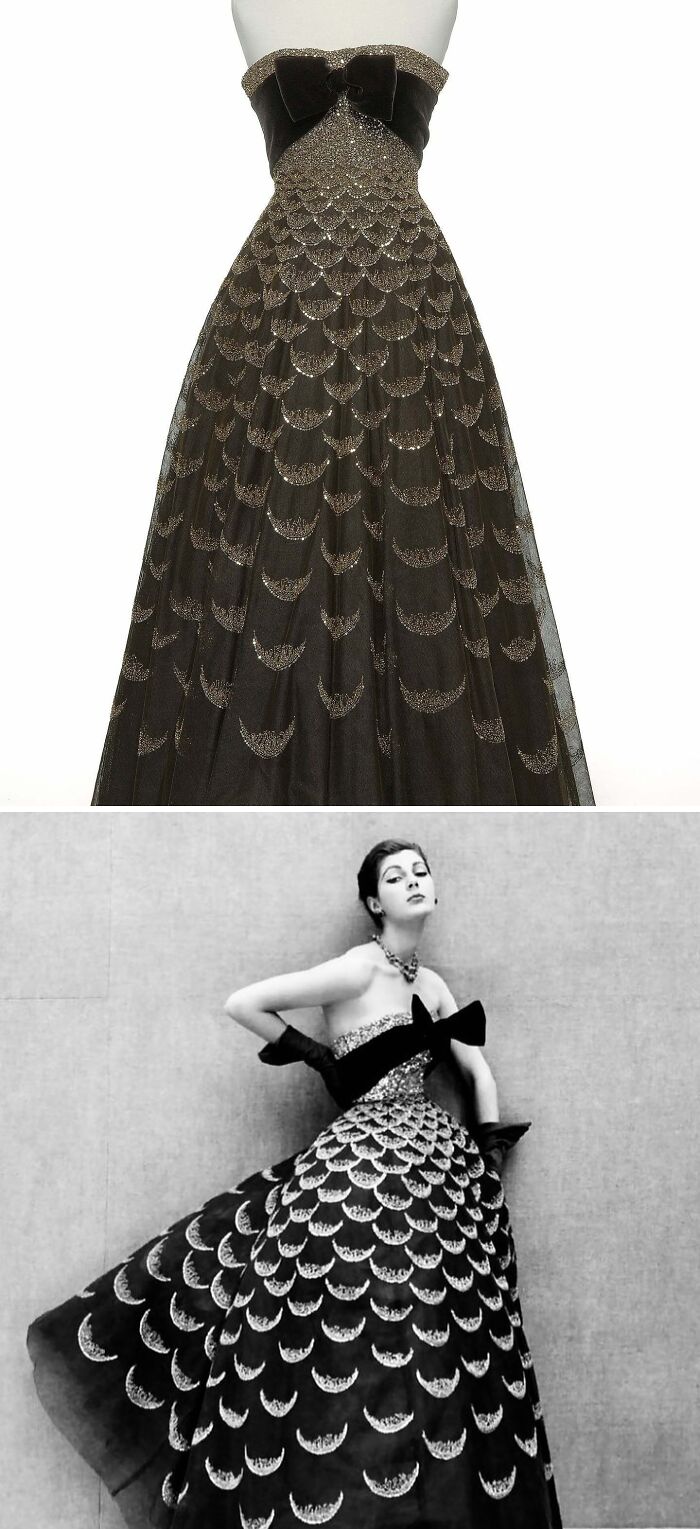
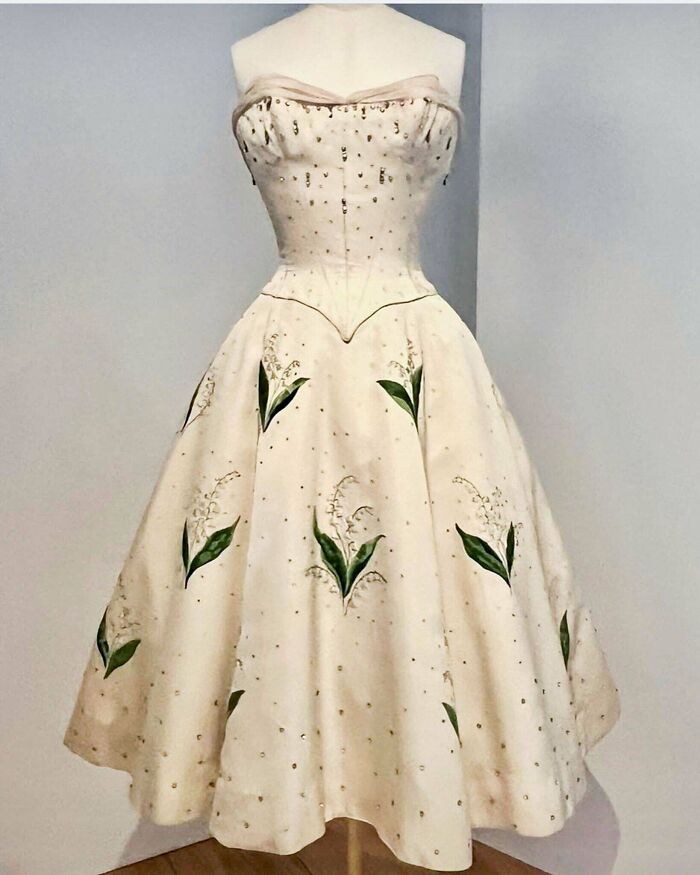
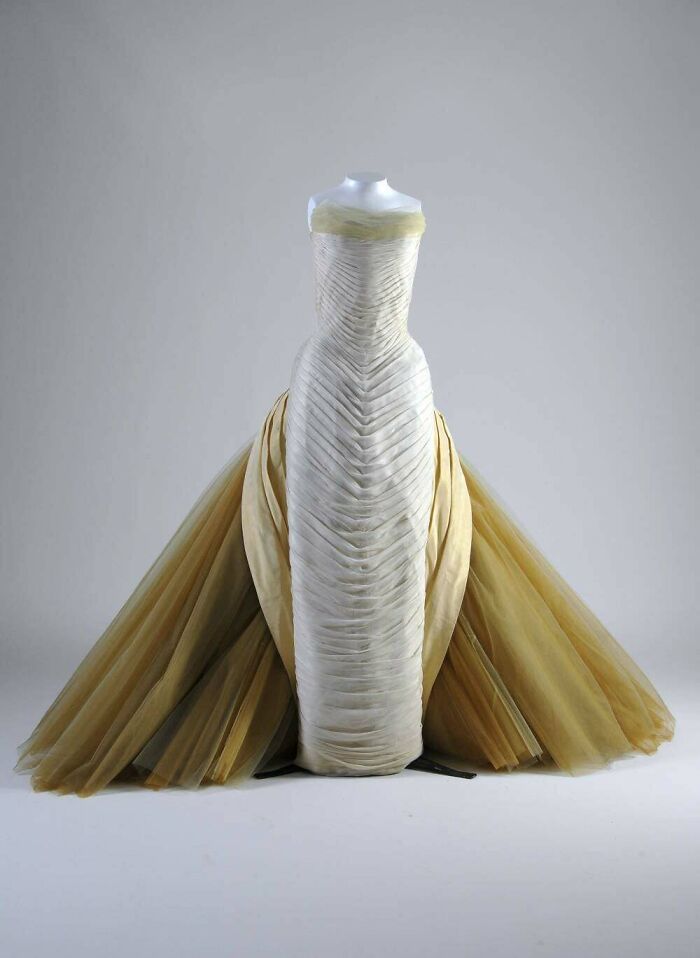
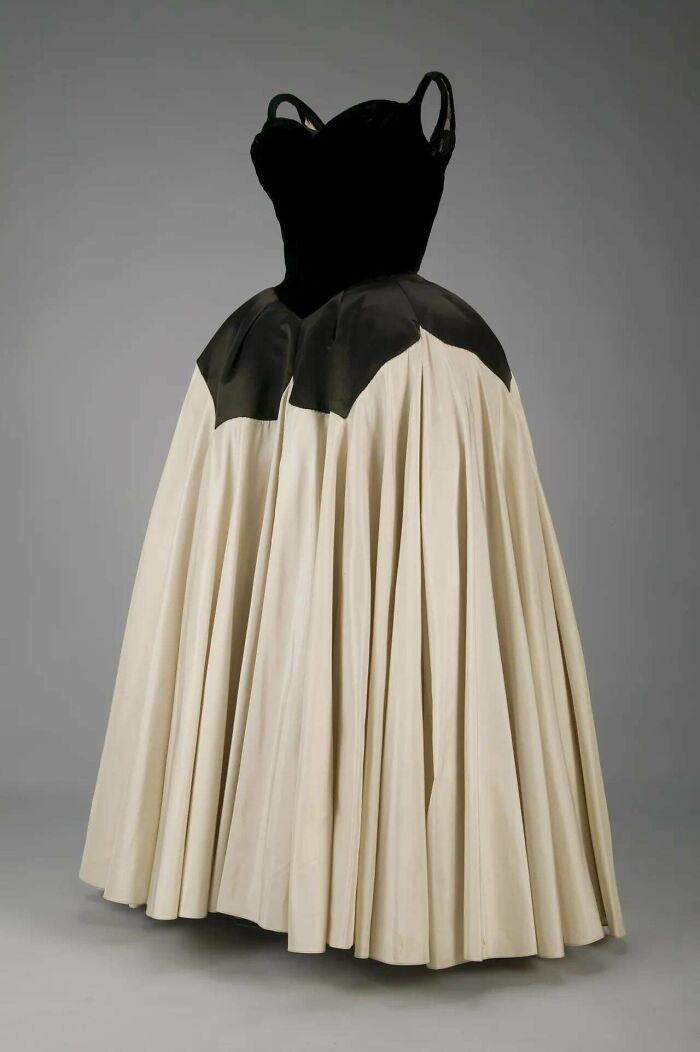
James designed this dress for New Yorker Millicent Rogers in 1949. Two year later the design appeared in Vogue magazine, when it was photographed by Horst and included in James's "black and white" collection. James described the dress as a "curving stem of black velvet above petals of black satin, above 25 yards of blowing, billowing white taffeta." He revived the design in 1958, as a ready-to-wear dress for the junior market. Worn by donor Mrs. Harvey Byron, Jr. neé Kathleen Whitcomb.

The title currently says these fashions would absolutely break the internet.... How? Why?

Because if someone wore something like those today, everyone would stare and take pictures, those pictures go viral with everyone shocked. Boom - internet broken
Load More Replies... The title currently says these fashions would absolutely break the internet.... How? Why?
Because if someone wore something like those today, everyone would stare and take pictures, those pictures go viral with everyone shocked. Boom - internet broken
Load More Replies...




















 No fees, cancel anytime