Get Premium
Dark mode theme is available exclusively for premium users. Learn more about the benefits of subscribing.
No fees, cancel anytime.

 Dark Mode Ad-Free Browsing Unlimited Content
 Ad-Free Browsing Unlimited Content Dark Mode
Join 1.2 million Panda readers who get the best art, memes, and fun stories every week!
In today’s digital world, most of us have, at some point, tweaked a photo or two. Maybe you’ve bumped up the brightness on a sunset, added a filter to smooth out a rough day, or just tried to make things look a little more “aesthetic” than reality actually allowed. And honestly, there’s nothing wrong with that. The problem starts when editing quietly turns into rewriting reality altogether.
And speaking of that fine line between “harmless edit” and “are you serious right now?”… welcome to the “Untrustworthy Poptarts” subreddit. This corner of the internet is basically a hall of fame for posts that make you pause, squint, and go, “yeah… that didn’t happen.” From dramatic claims like trying to tip $10,000 to a delivery driver to wildly specific “this totally happened to me” moments that feel suspiciously cinematic, these posts have the internet collectively raising an eyebrow. Safe to say, people aren’t buying it, and honestly, we’re right there with them. Scroll on and enjoy the chaos.
This post may include affiliate links.
The digital world is a wild place, and these posts highlight how some people go out of their way in the pursuit of online attention and clout. And oftentimes, it’s harmless, but things get a lot more serious when that same creative storytelling starts masquerading as actual news.
When misleading info begins to circulate, it stops being a joke and starts shaping how we see the world, fueling confusion and even influencing real-life decisions. The reality is that we’ve all fallen into the habit of turning to the internet for everything, from celebrity gossip to major global events. It’s become so easy to just scroll and trust what we see at face value, almost assuming that if it’s on our feed, it must be true.
According to Statista, social media plays a major role in how false information circulates online. Even though it has consistently been one of the least trusted news sources since 2016, more than 50% of internet users across 23 countries still rely on social networks to stay updated. This dependence is especially strong among younger users, who spend more time online and are therefore more frequently exposed to misleading or unverified content. The issue became even more visible during the COVID-19 pandemic, when rapid information sharing often outpaced fact-checking.

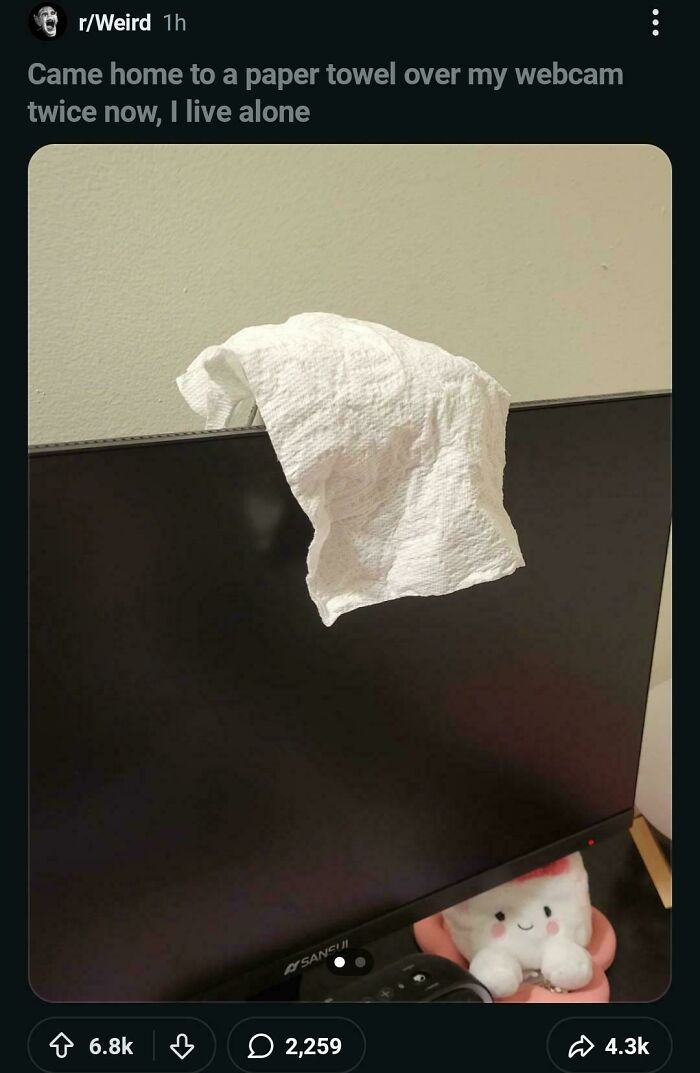
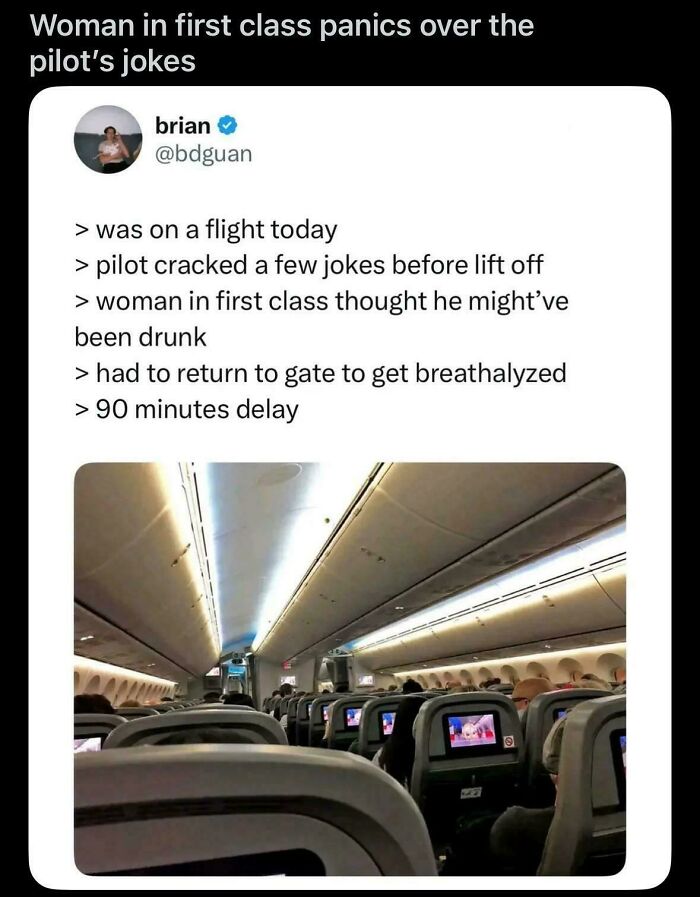
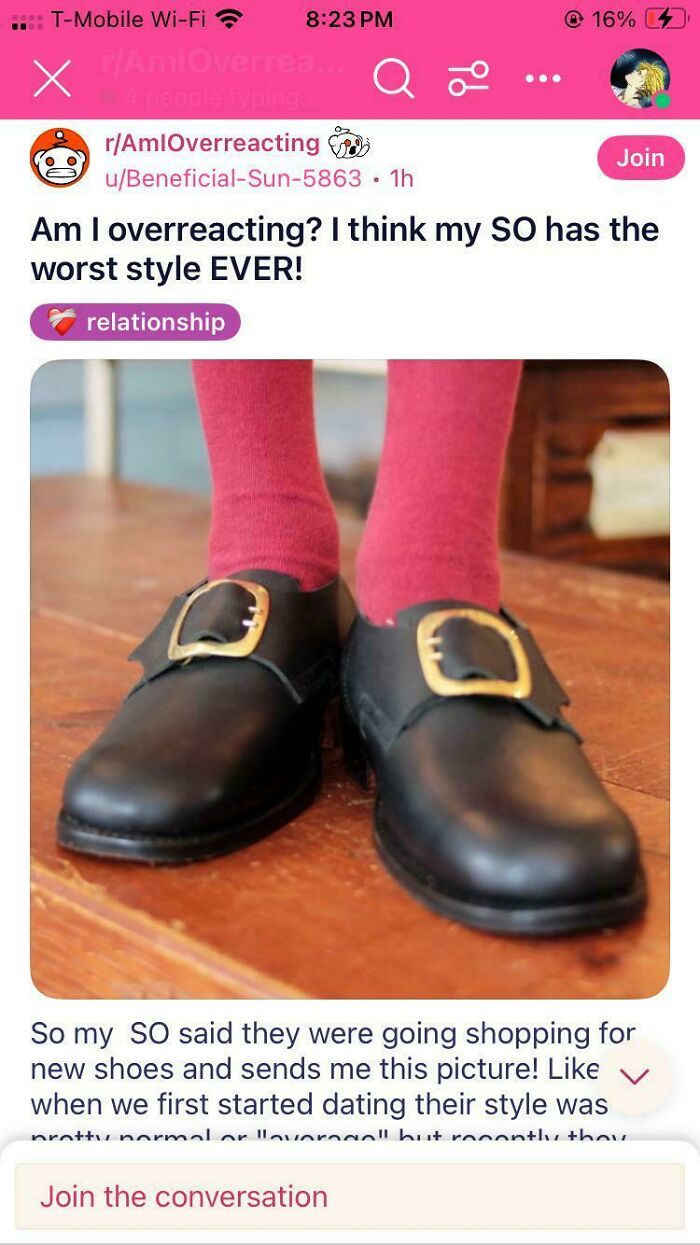
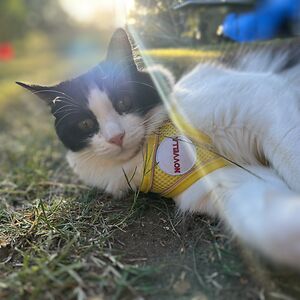
She may have been taking a particularly satisfying dump for all you know.

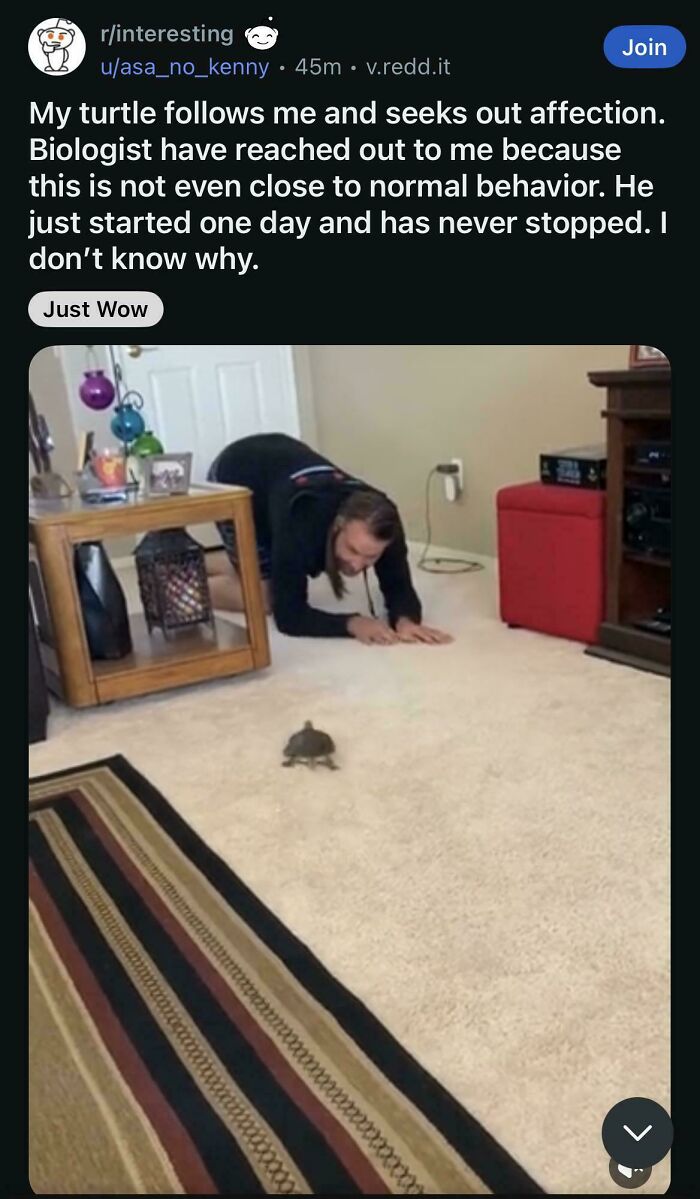
Reptiles literally don’t make oxytocin so they have no mechanism for feeling love or fondness, no matter how much we want to state that they can. But they can become familiar with people, feel safe in their company, associate them with food, etc. So they still can ‘enjoy’ company, or not mind it, but they are not seeking out affection as that doesn’t mean anything to them.

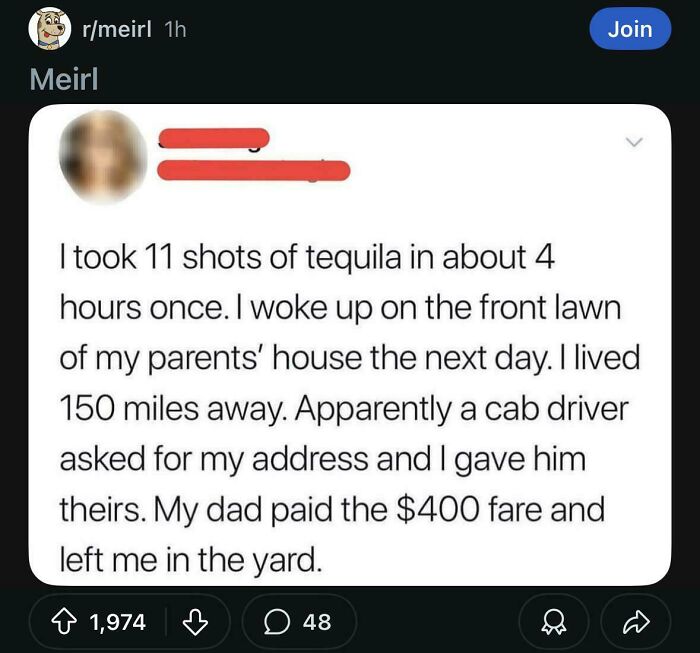
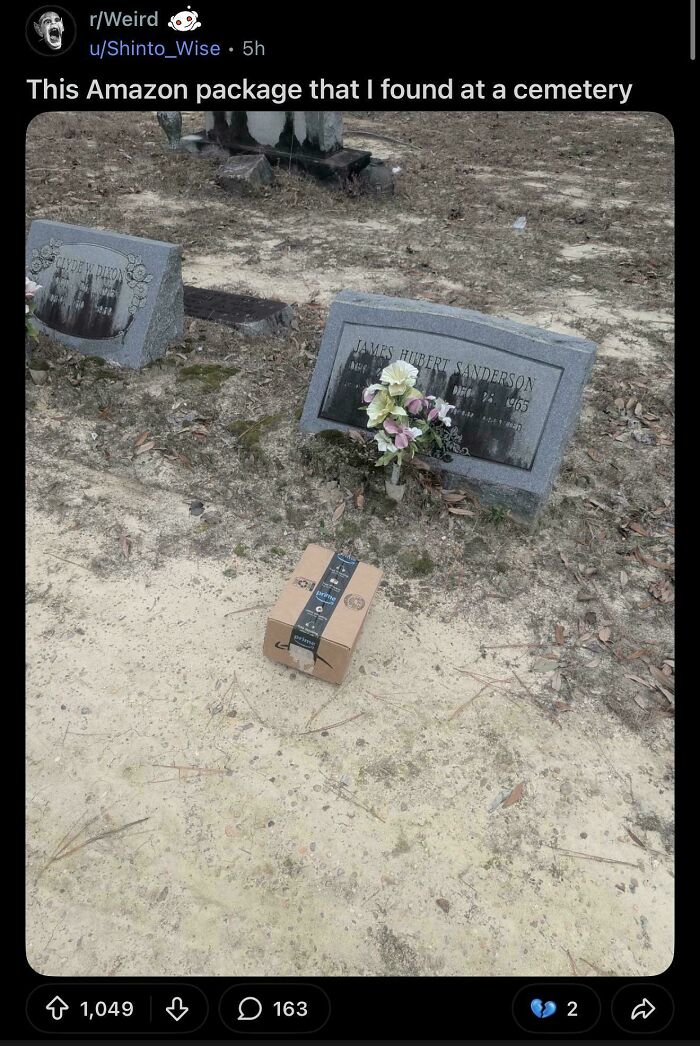
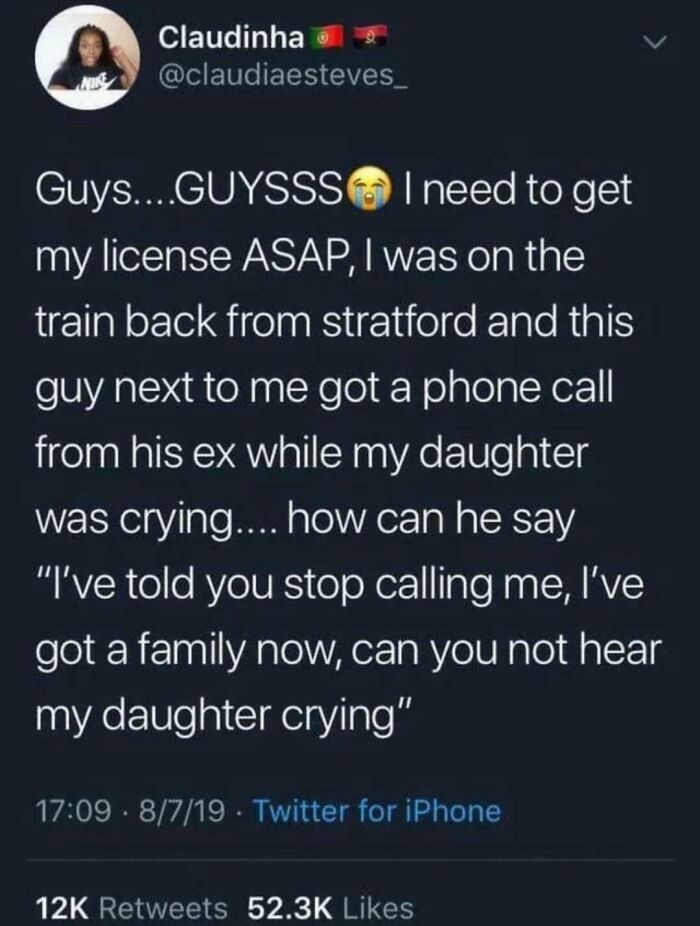
Really? A local taxi would take you hours of driving time away from the usual zone of likely fares, to a destination with no guarantee of payment? Sure.
As highlighted by the BBC, fake news doesn’t always look the same. Sometimes it begins as deliberate disinformation, created with the intent to mislead or influence. Other times, it spreads as misinformation, when people unknowingly share content they believe to be true. This can happen through misquoted or misunderstood reports, content designed purely for clicks and engagement, narratives built to promote certain viewpoints, or even jokes and parody posts that are mistakenly taken as fact. In every case, the result is the same — confusion that spreads quickly.
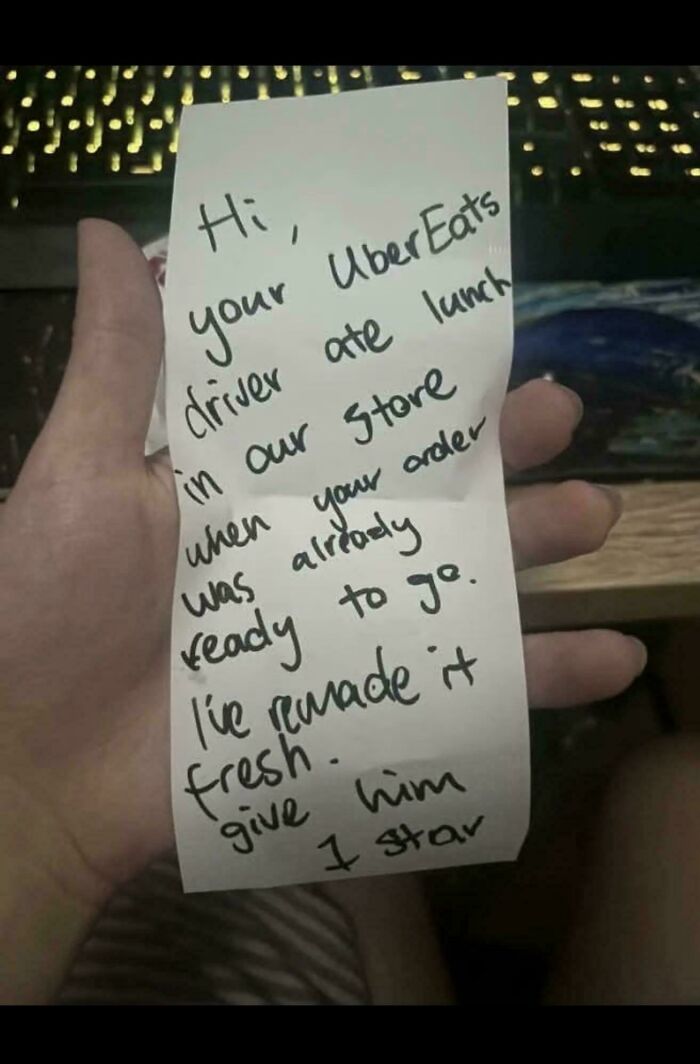
I believe this. An uber driver once picked up my order then disappeared. When dispatch called he told them he had a "family emergency." Sure, family emergency so urgent you just had to stop and get my food on the way.
What makes this issue even more concerning is how fast false information travels. Research shows that on platforms like X (formerly Twitter), misleading content can spread up to six times faster than factual reporting. On top of that, nearly 70% of users struggle to tell the difference between real and fake news, often influenced by sensational headlines or emotionally charged content. In a space where attention moves faster than verification, truth often struggles to keep up.
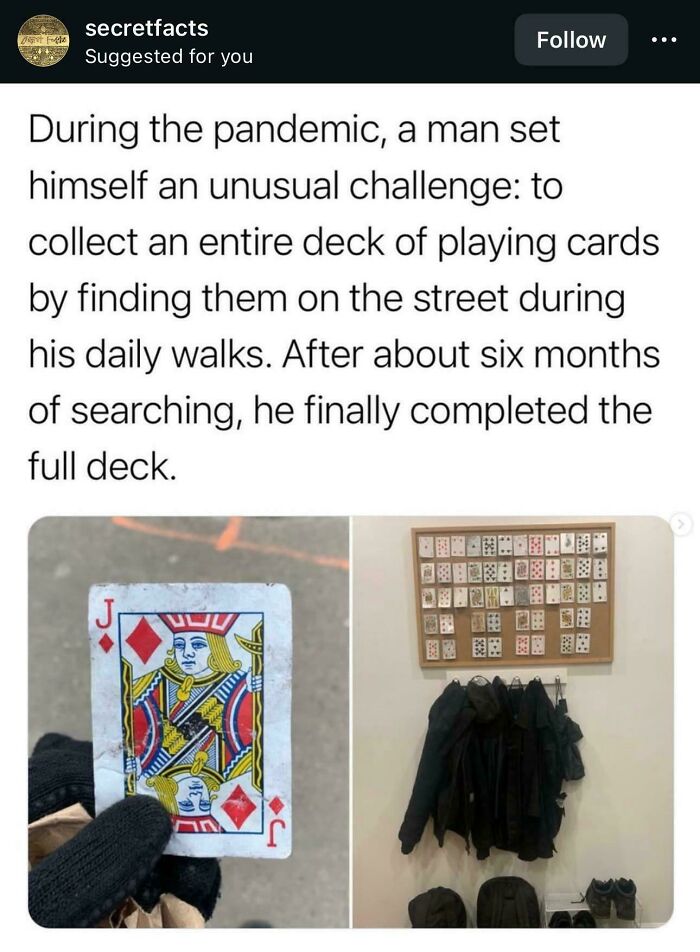
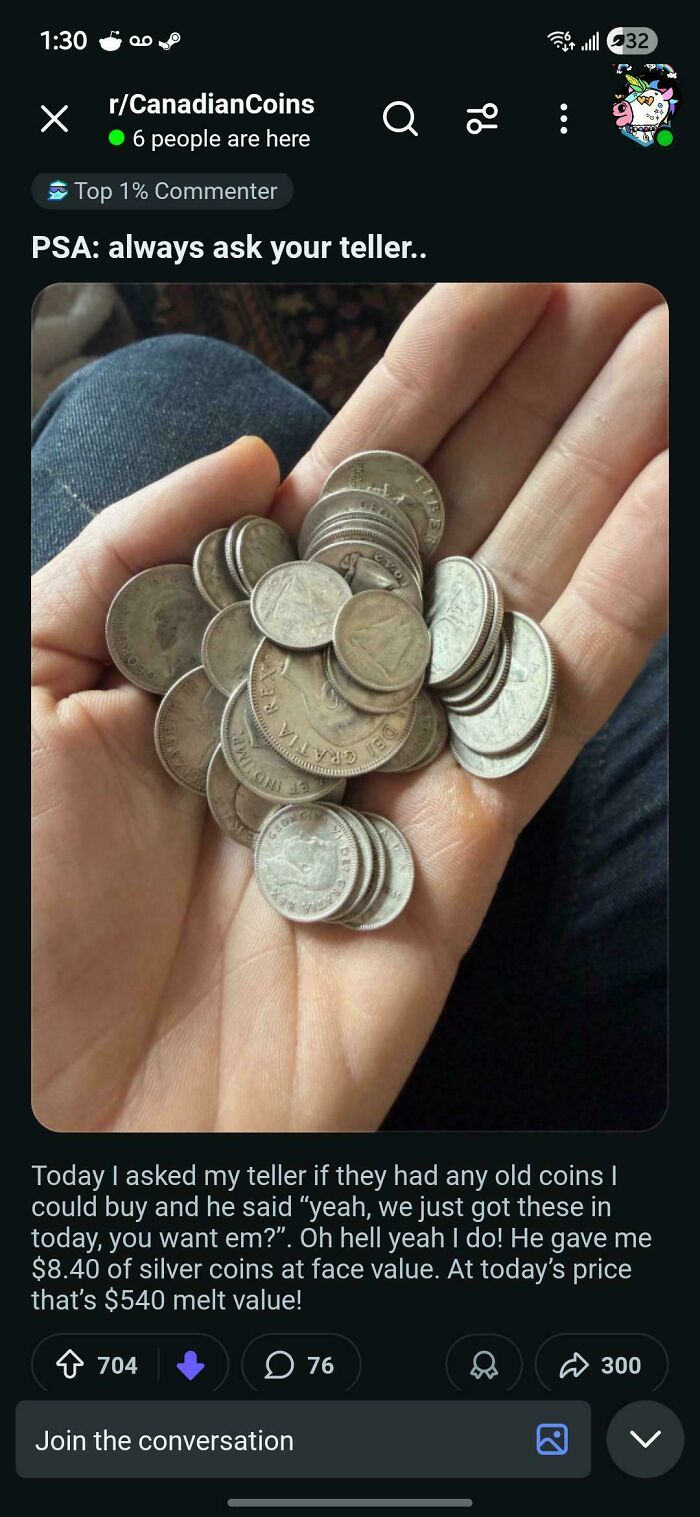
I once decided to keep all the money I found on the pavement for a year and then donate it to charity. At the time I lived and worked in London, so maximum chance for finding maximum money, I’d have thought. I found about 76p in total. So I call this pack of cards in six months story highly dubious
The concern around misinformation is not limited to one region or demographic — it is a global issue. A study by the Pew Research Center found that a median of 72% of adults across 25 countries consider the spread of false information online a major threat to their nation. Around 21% view it as a minor concern, while only 5% say it is not a threat at all. These numbers highlight how deeply this issue is felt across different societies, regardless of geography or income level.

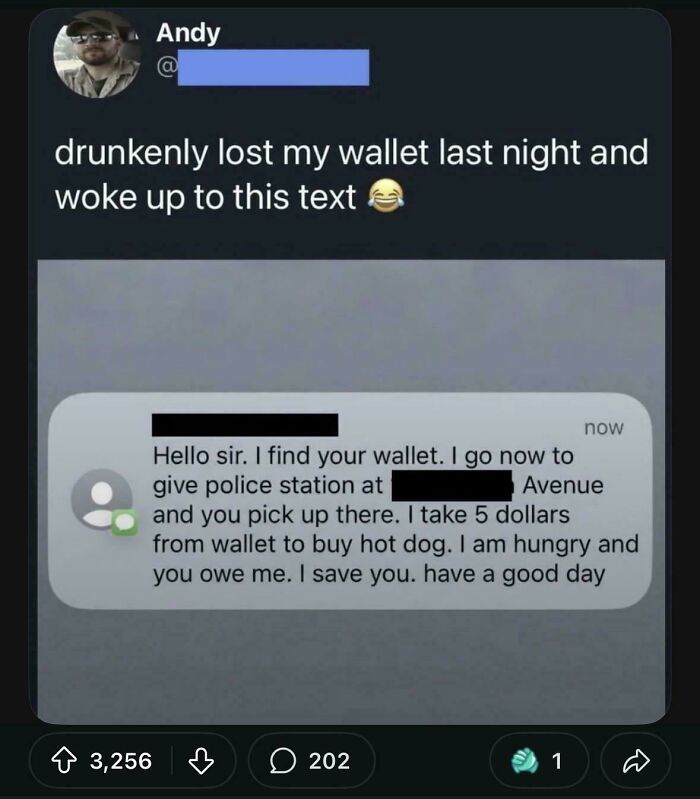
I lost my wallet and the person called the number on a friend's business card that was in it. She refused a reward. So, it is, indeed, possible.
Interestingly, age also plays a role in how this threat is perceived. In countries such as Argentina, Australia, Canada, Japan, Kenya, Poland, Sweden, and the United States, adults aged 50 and above are more likely than younger people to view misinformation as a serious concern. However, in places like Brazil and Turkey, younger adults are more likely to see it as a major issue — even though older respondents in these countries are somewhat less engaged with the question overall. These differences show how the perception of online truth varies across generations and regions.

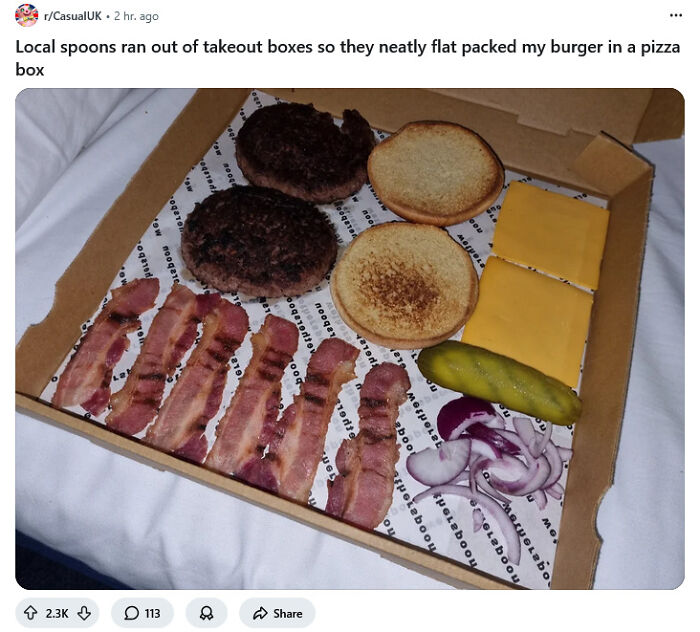
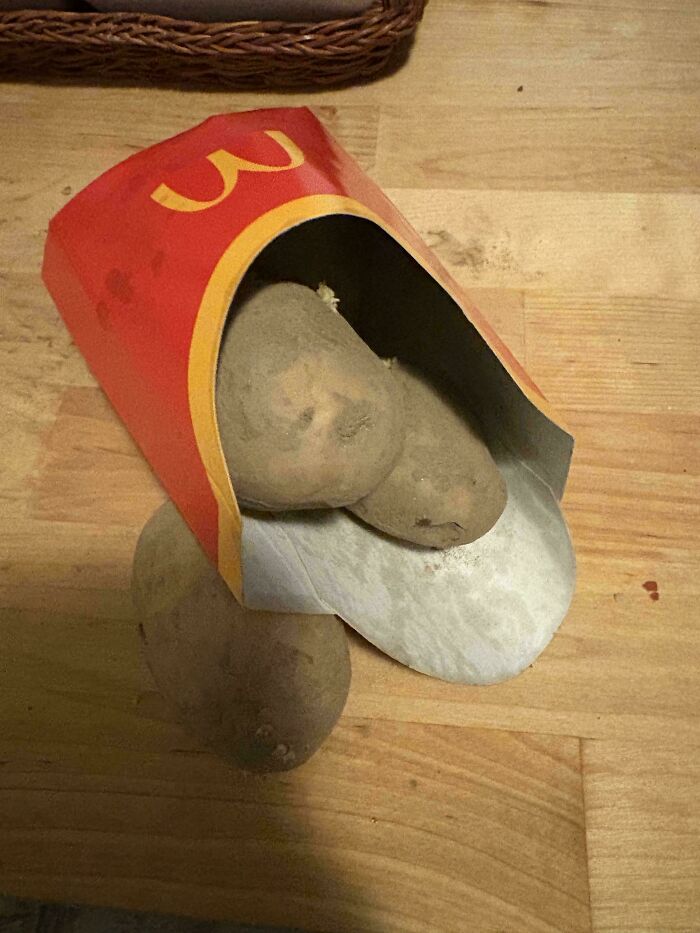
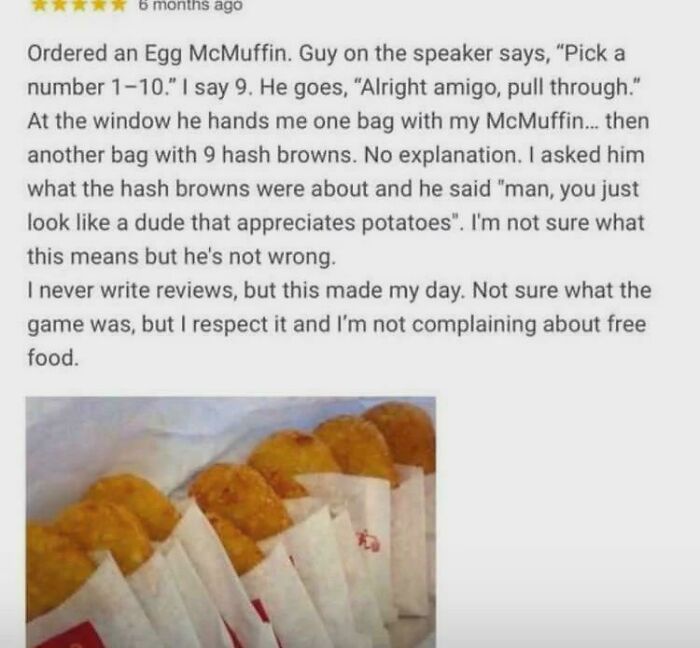
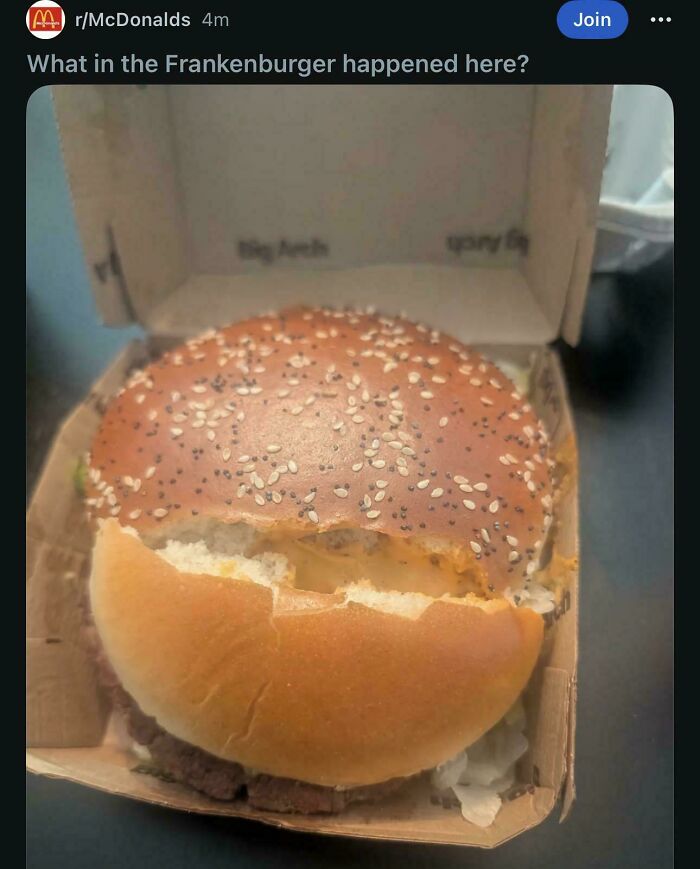
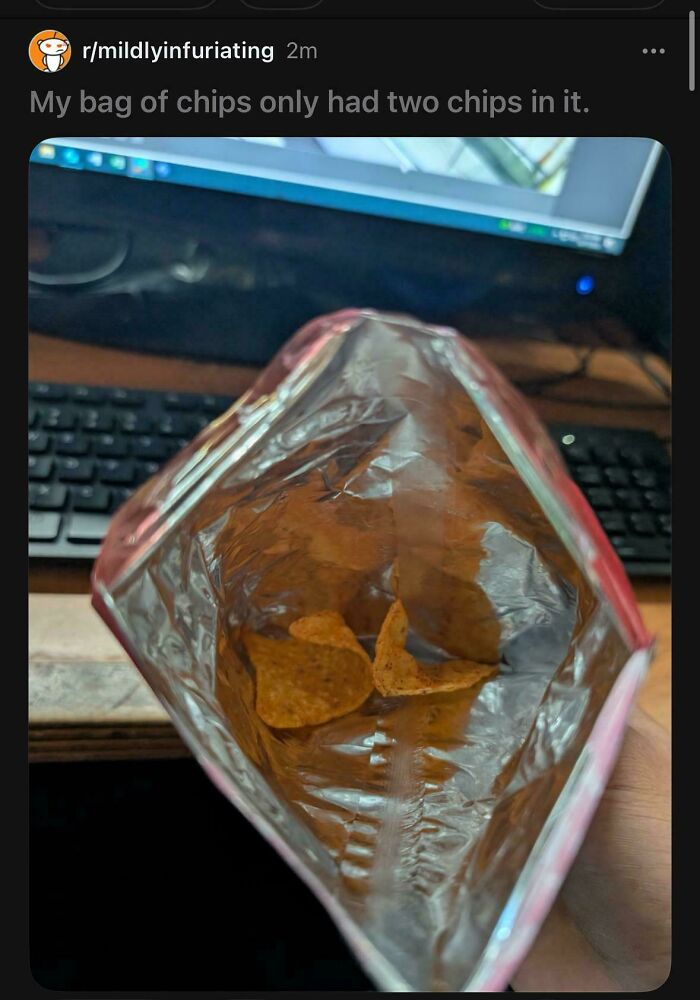
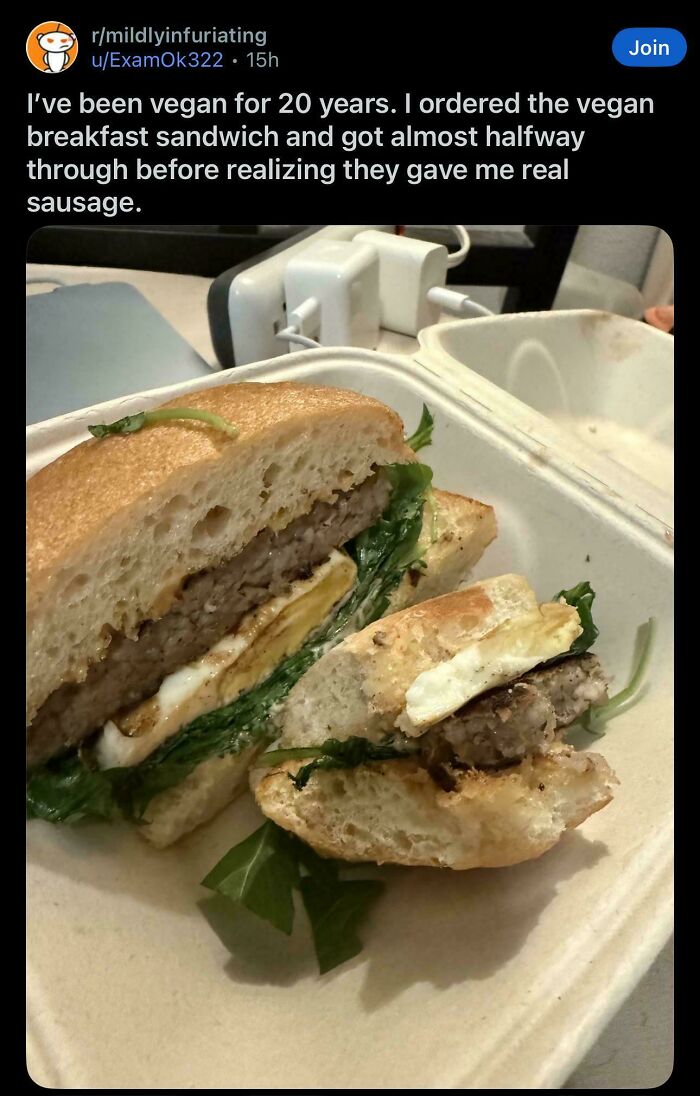
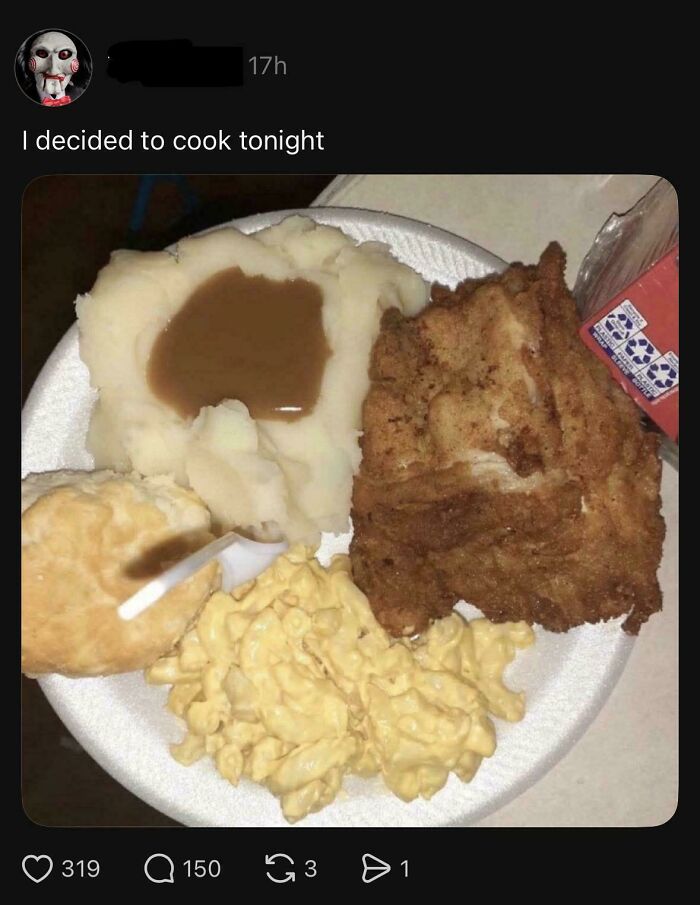
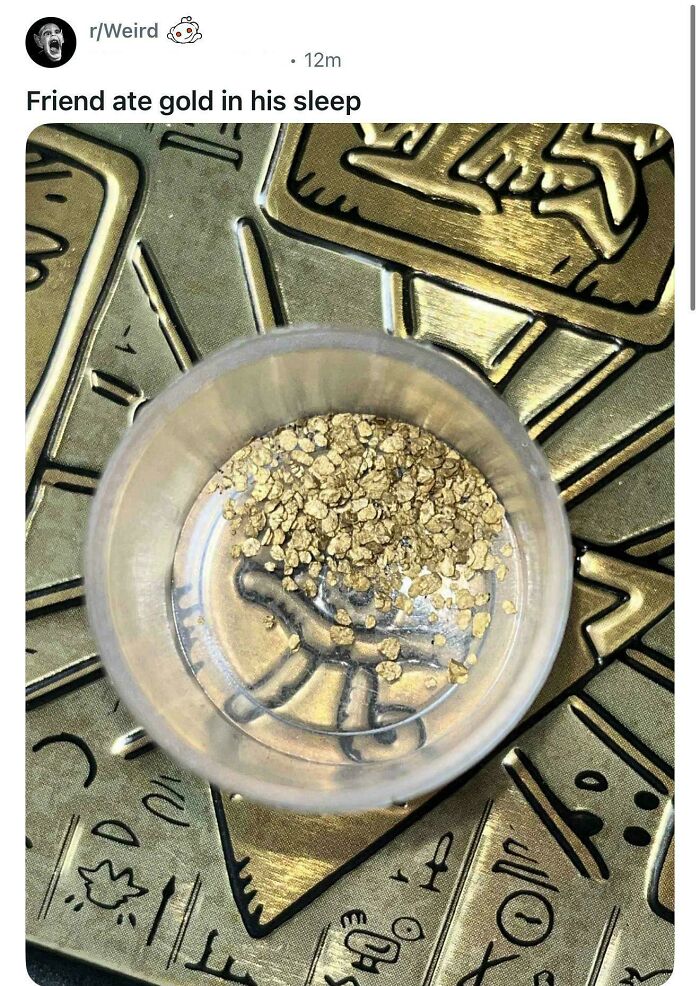
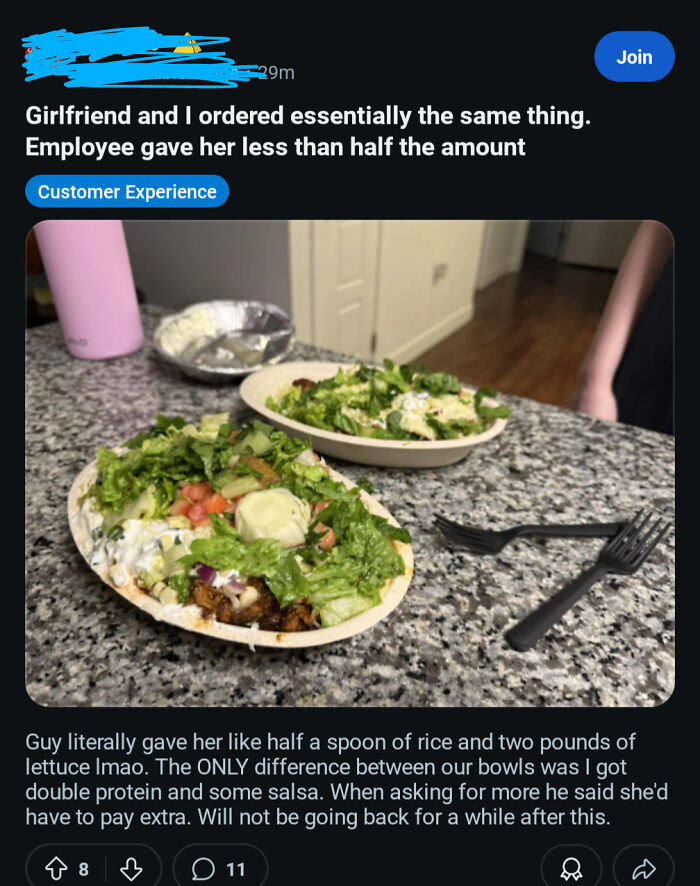
You can see the grease from the fries they ate before putting raw potatoes in there.
Thankfully, there are simple but powerful ways to navigate this information-heavy world more safely. One of the first steps is to slow down and question what you see instead of reacting instantly. Checking the source of information, reading beyond attention-grabbing headlines, and understanding who wrote the content can make a huge difference. It also helps to look for bylines, verify whether the author is credible, and search for supporting evidence or citations used in the article before trusting or sharing it.

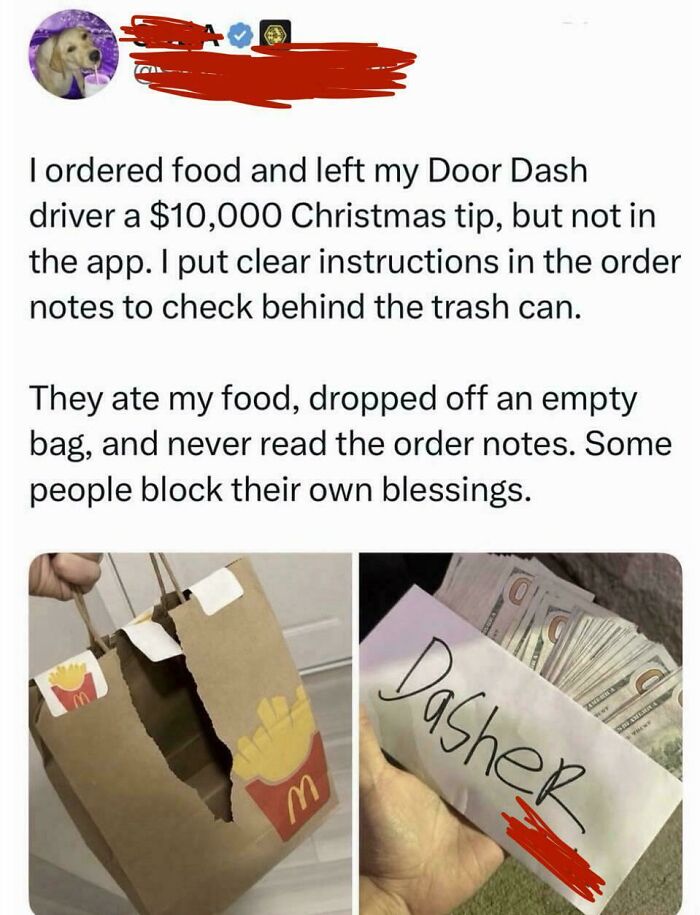
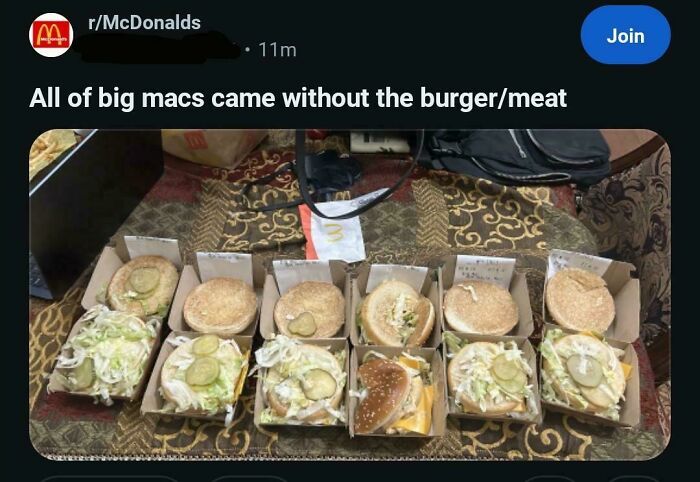
I used to do this sort of thing randomly while doing breakfast at McDs as they food sits too long and would need to be binned
Ultimately, in a world where information spreads in seconds, responsibility matters more than ever. Being mindful of what we read and share is not just about protecting ourselves, but also about preventing misinformation from reaching others. A small pause before believing or forwarding something online can make a meaningful difference — helping create a digital space that is a little more thoughtful, and a lot more truthful.
And when it comes to posts like these, the internet thankfully has its own way of pushing back. There are communities and users who actively call out suspicious claims, break down exaggerated stories, and question what doesn’t quite add up. While not every post is dangerous, this constant back-and-forth reminds us that not everything online deserves automatic trust, no matter how convincing it looks at first glance. Well, which one of these posts made you stop and go, “Okay… that doesn’t sound right”?

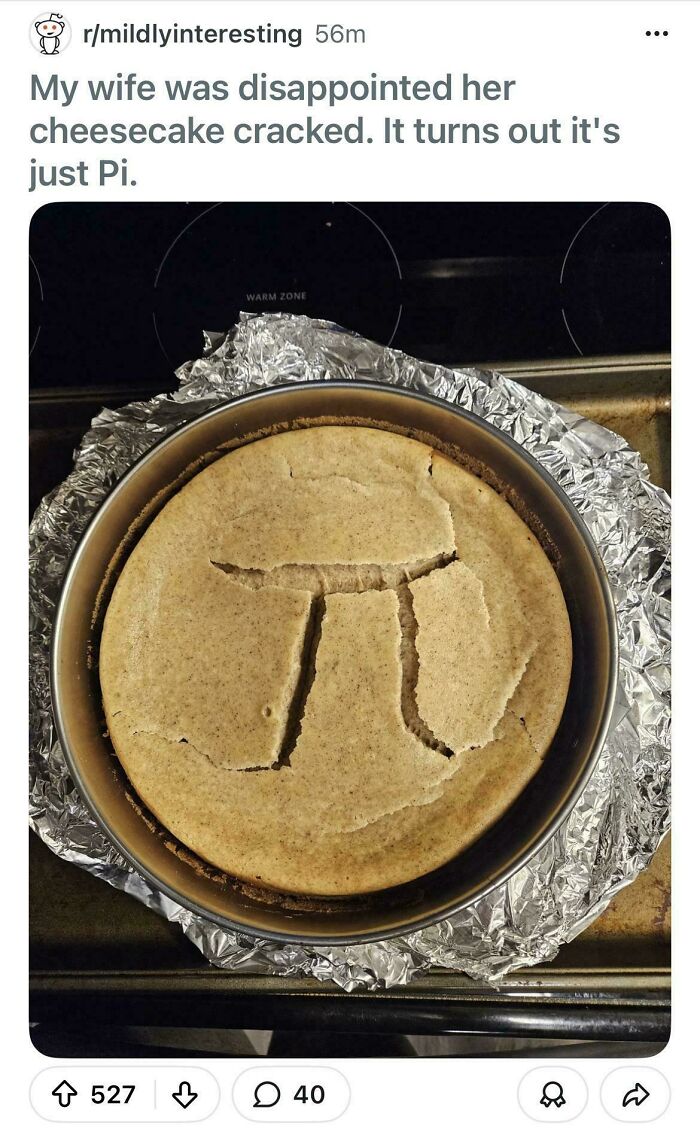
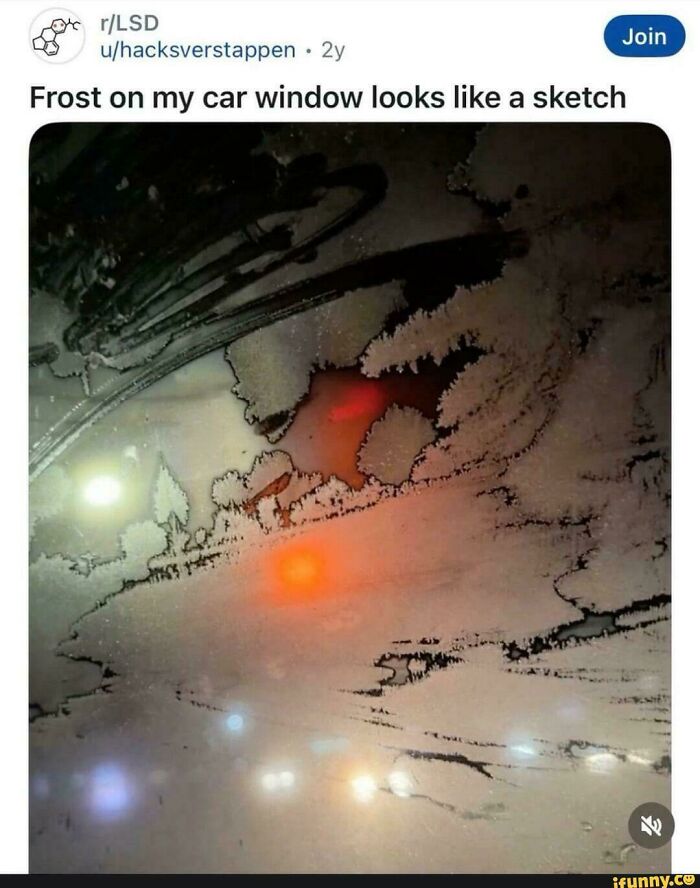
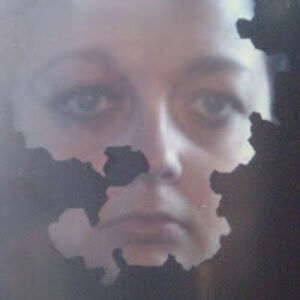
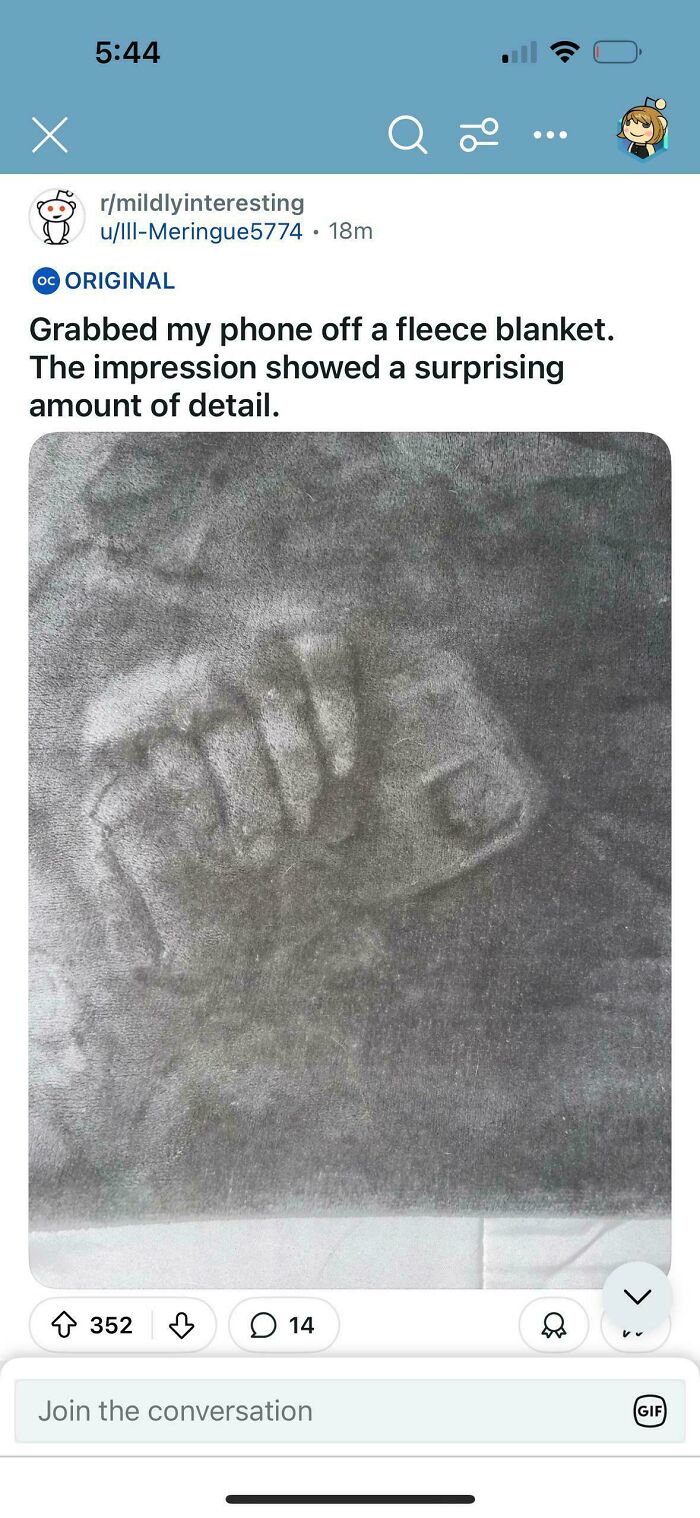
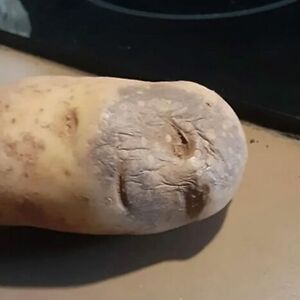
I see frost do this on windows every winter. It is possible. It's not actually that distinguishable of an artwork. Just pareidolia.

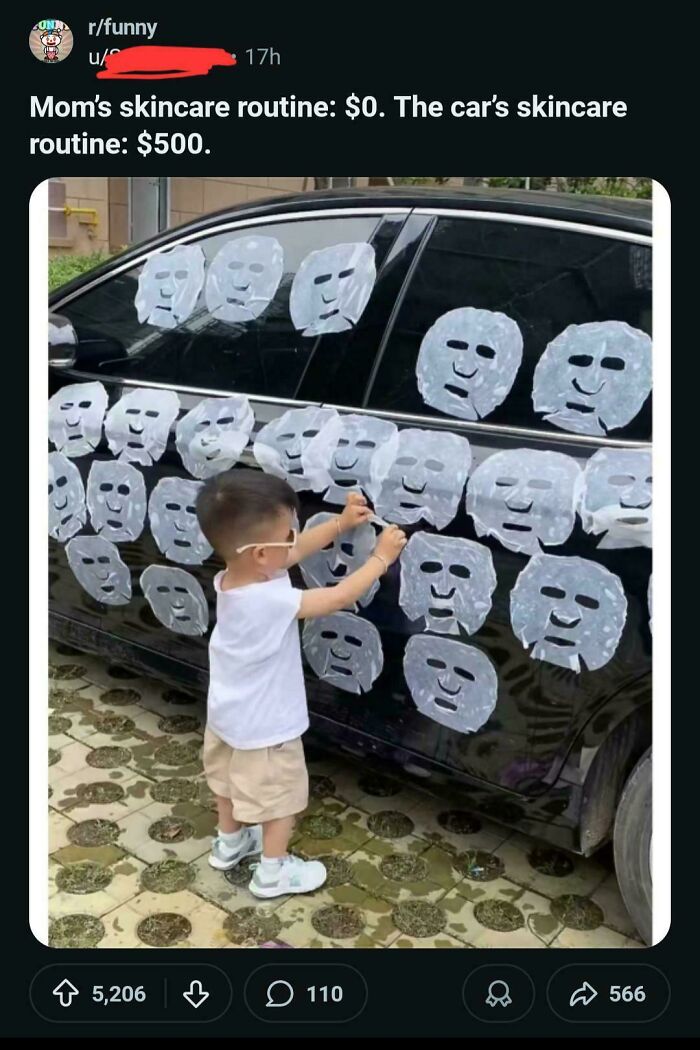
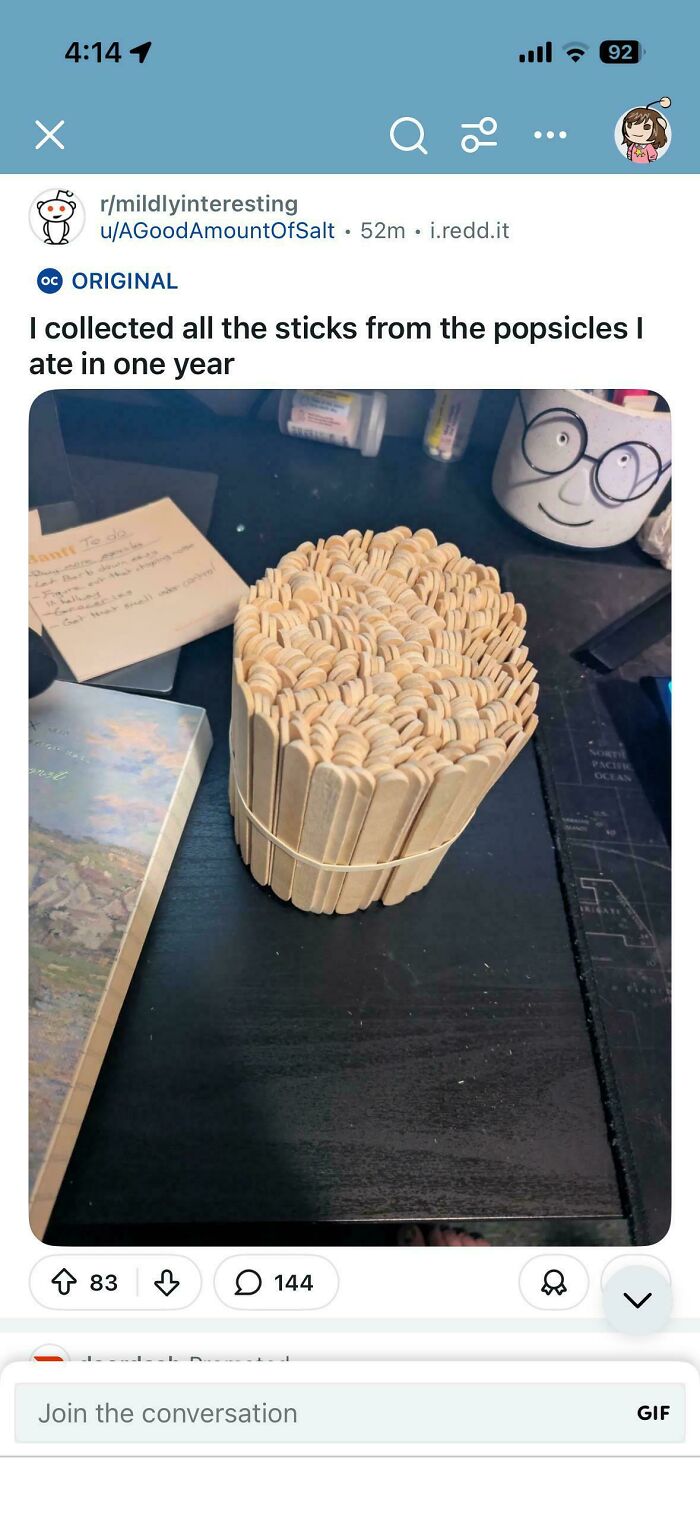
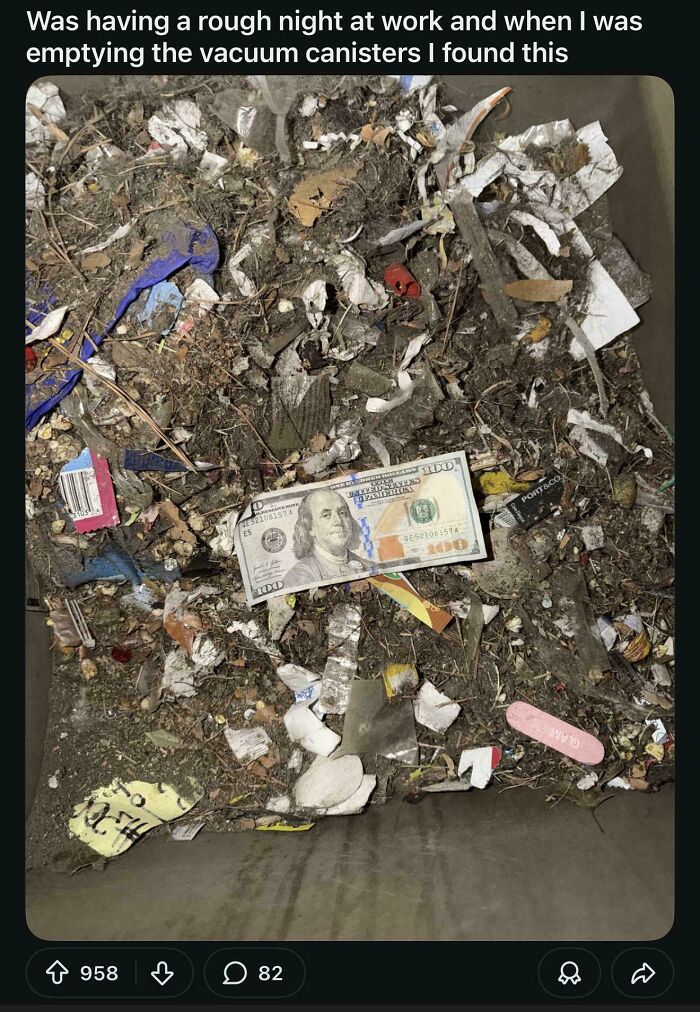
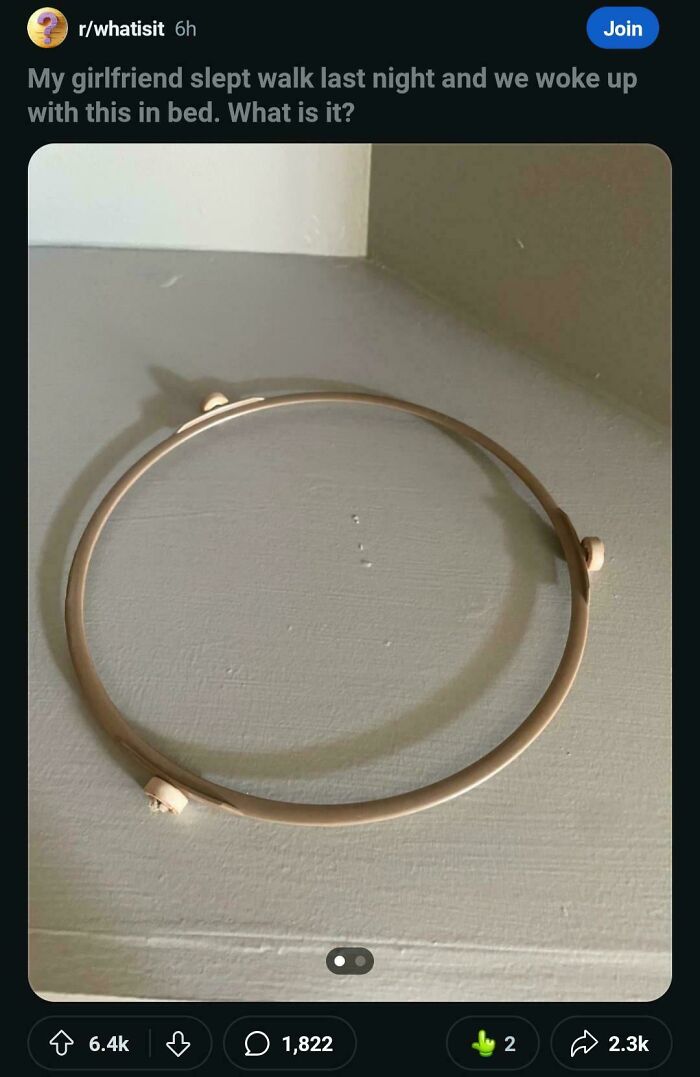
You have VERY clean, non-adhesive dust where you work. Why do you even need a vacuum cleaner?

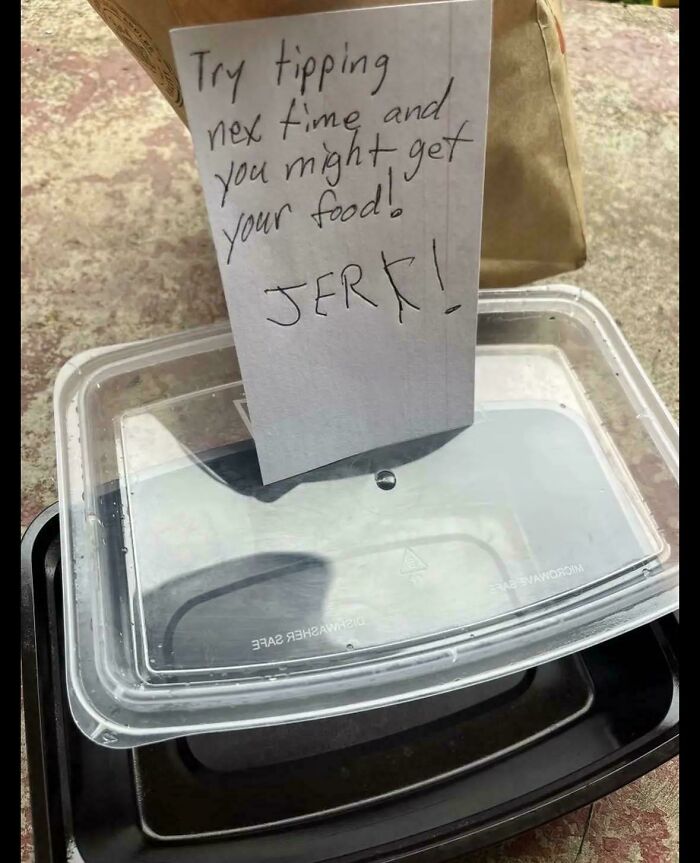
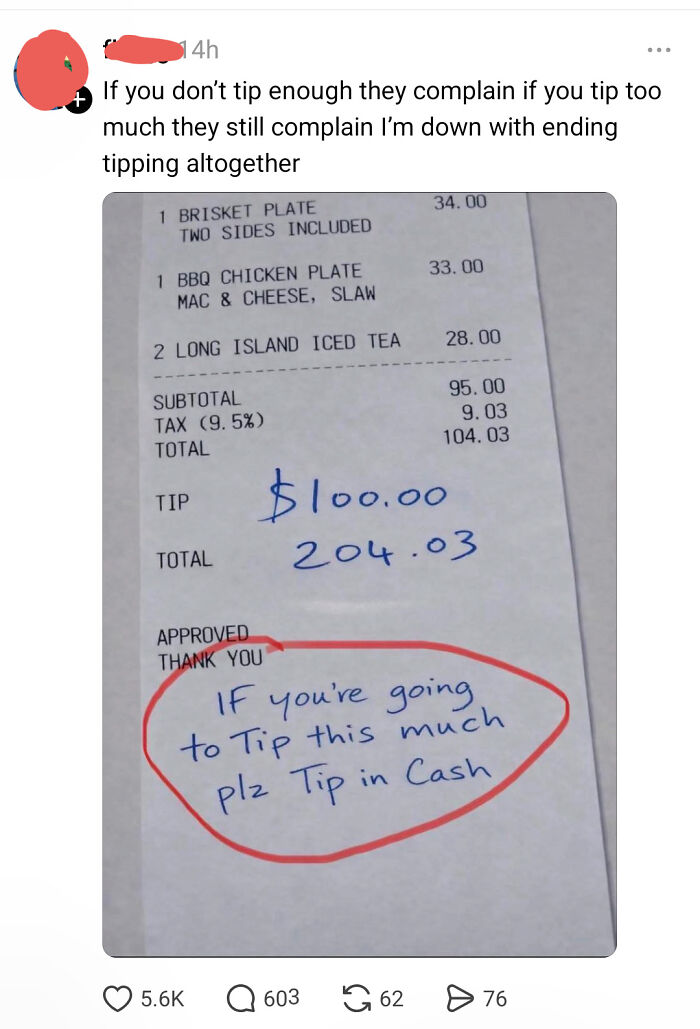
The server wanted it in cash to pocket it. Card tips show in nightly reports and usually get pooled, at least around here.

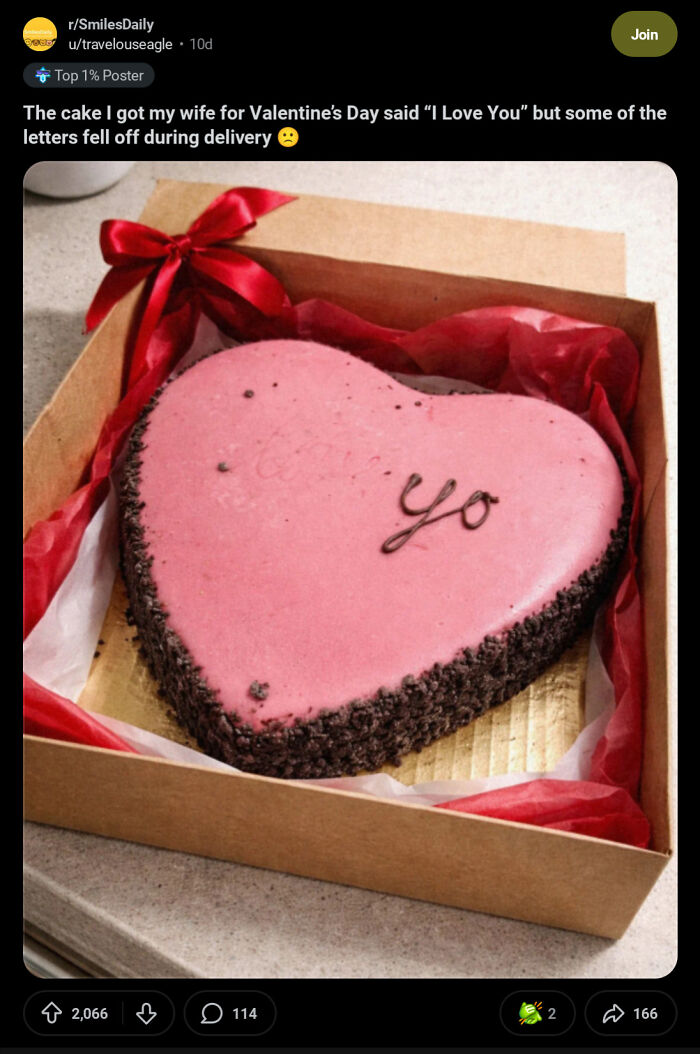
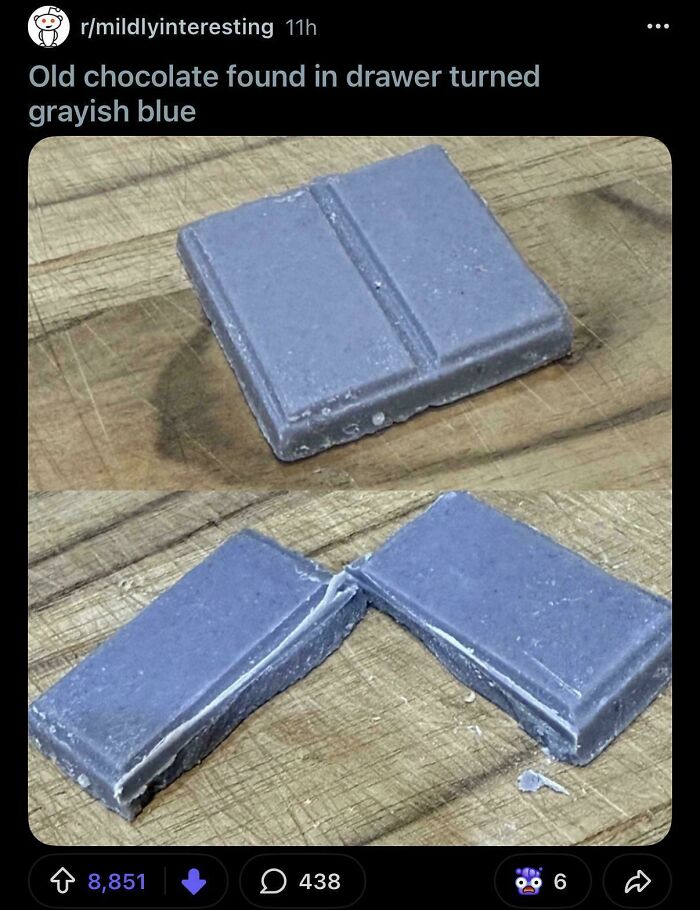
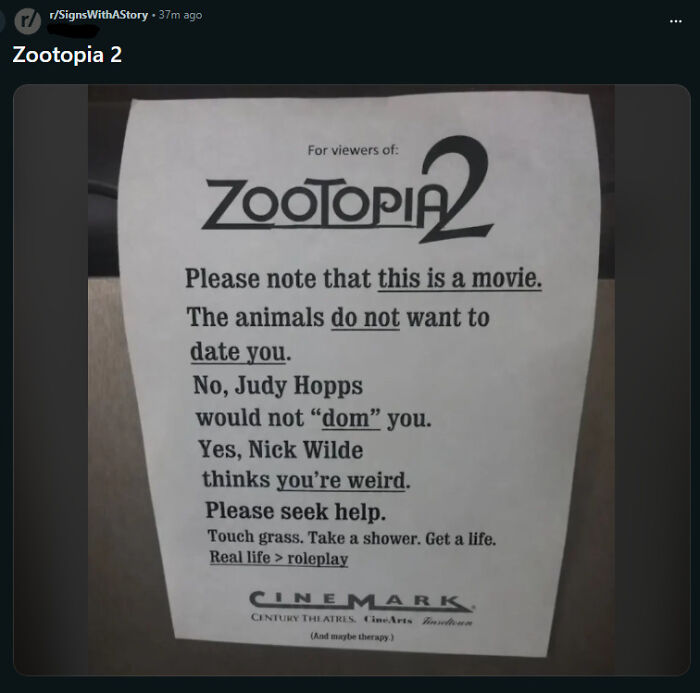
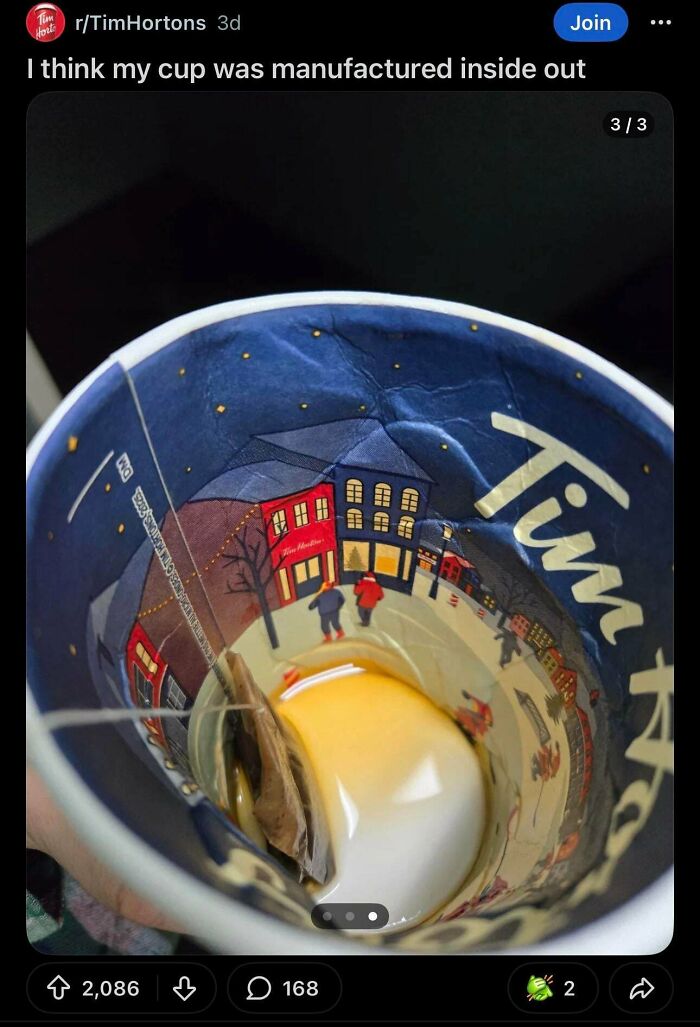
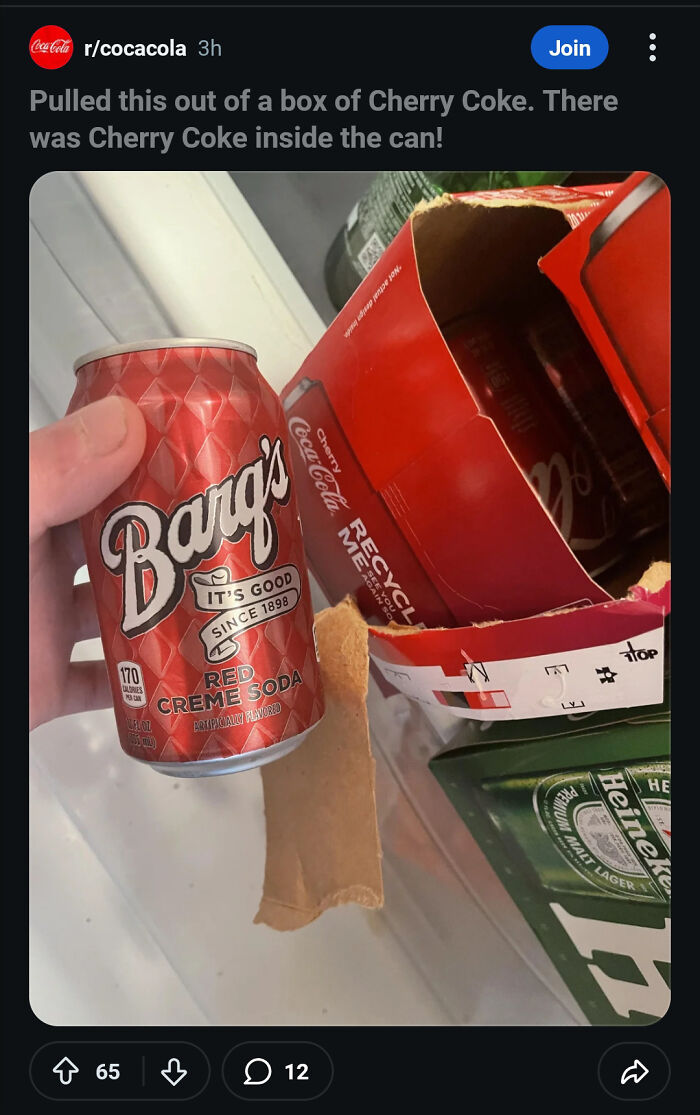
You can see the cut line in the paper, it's also not perfectly aligned with the other side & finally, you can see writing near the cut line.
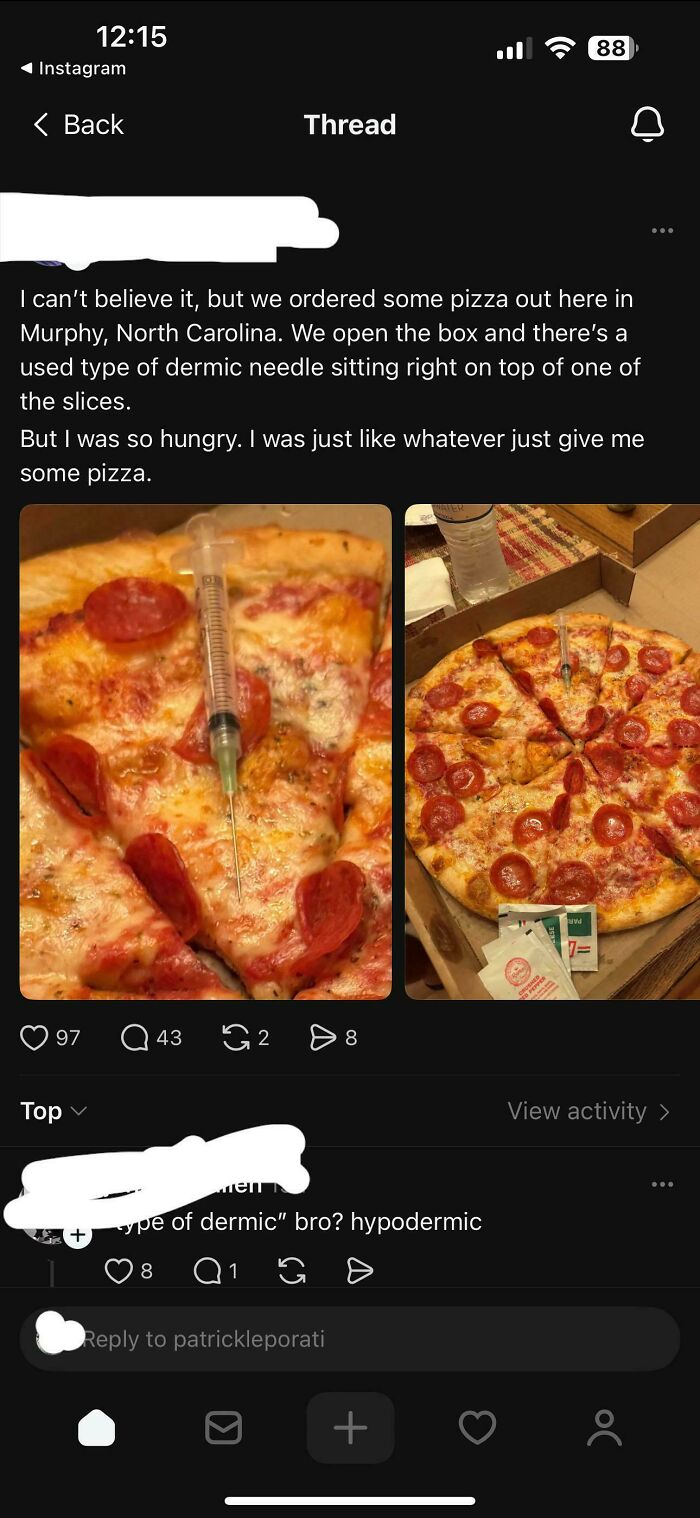
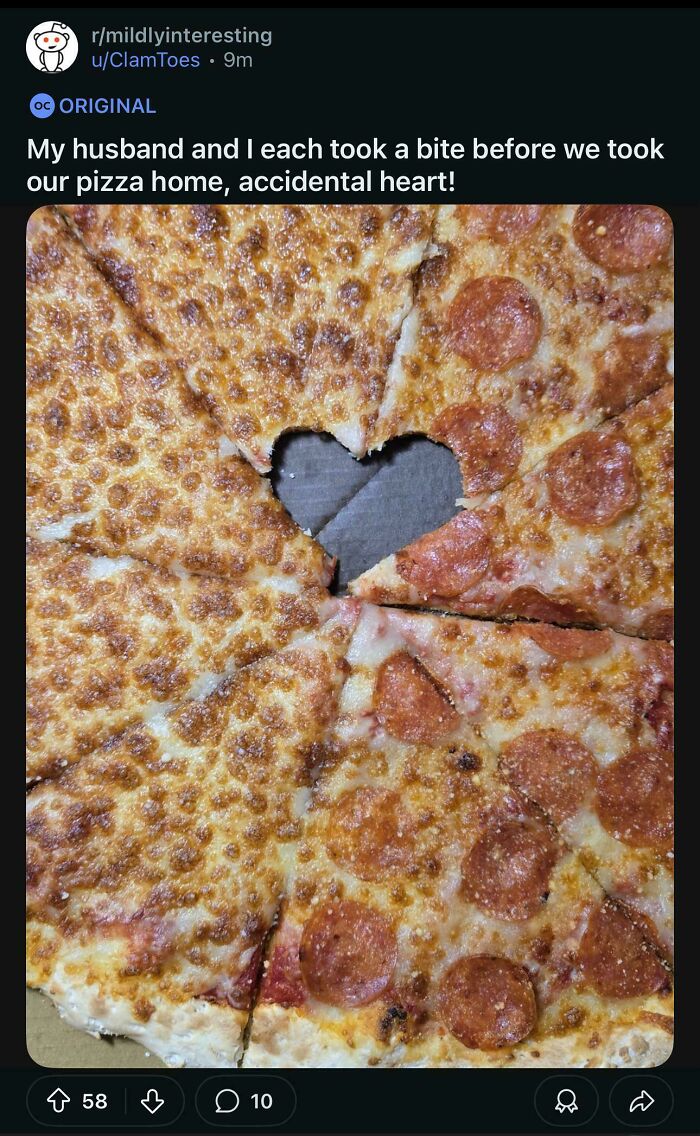
Ah yes. Bc during my long day at the pizza shop I like to shoot up and then bring the syringe out to place in the pizzas.

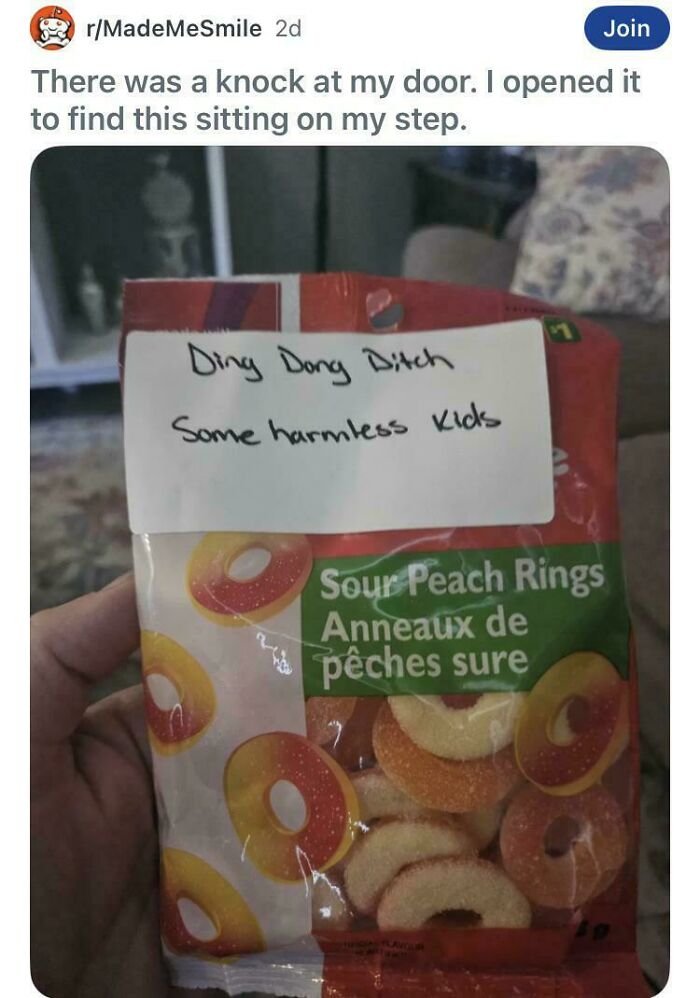
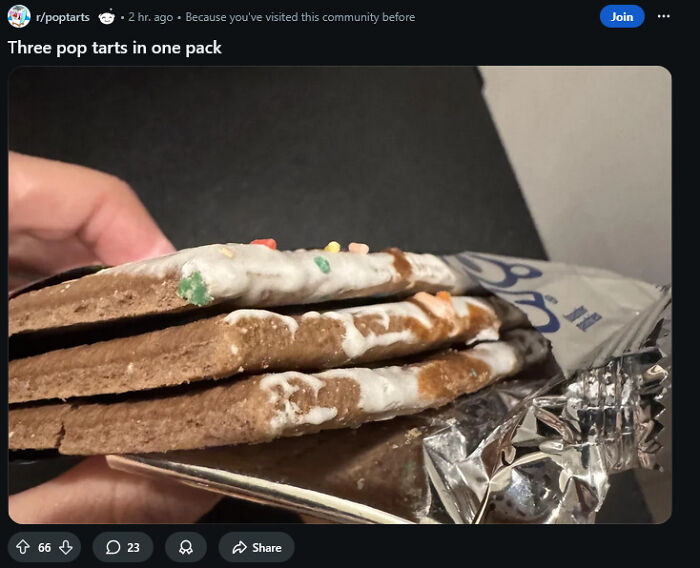
I've had that happen. Sure, it was after I ate the rest of them but still.
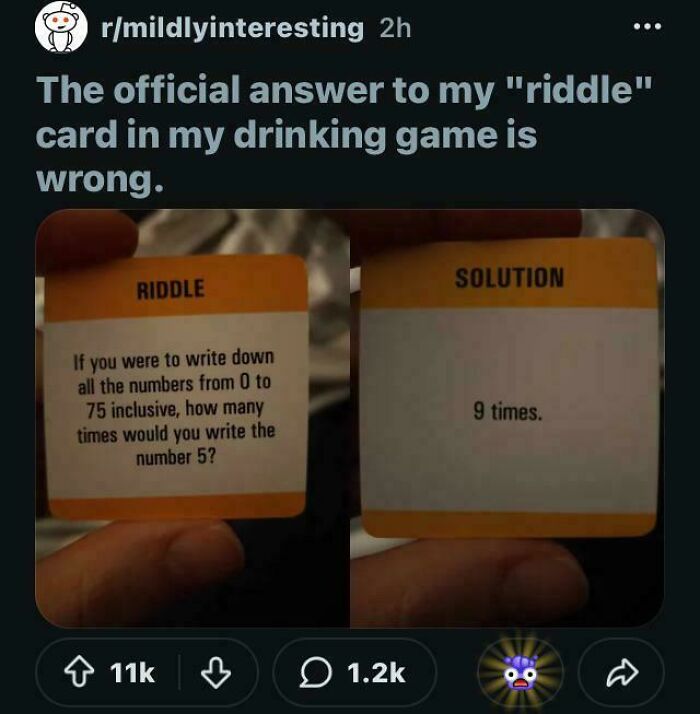
Pedantic answer: once. It asked for “numbers” and you’d write the number “5” once. What you’d write many times is the digit “5”. Even more pedantic answer: you’d use the digit “5” an infinite number of times because it didn’t specify whole numbers.
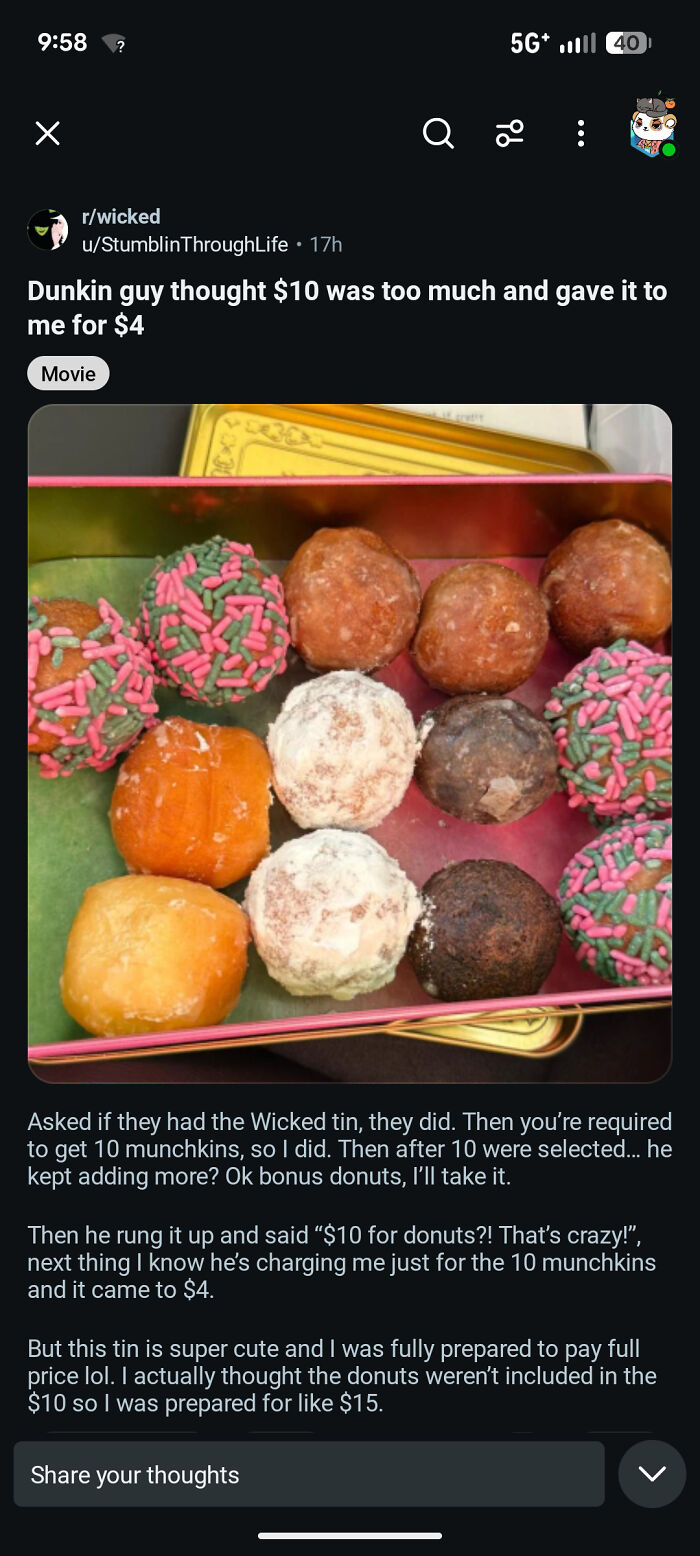
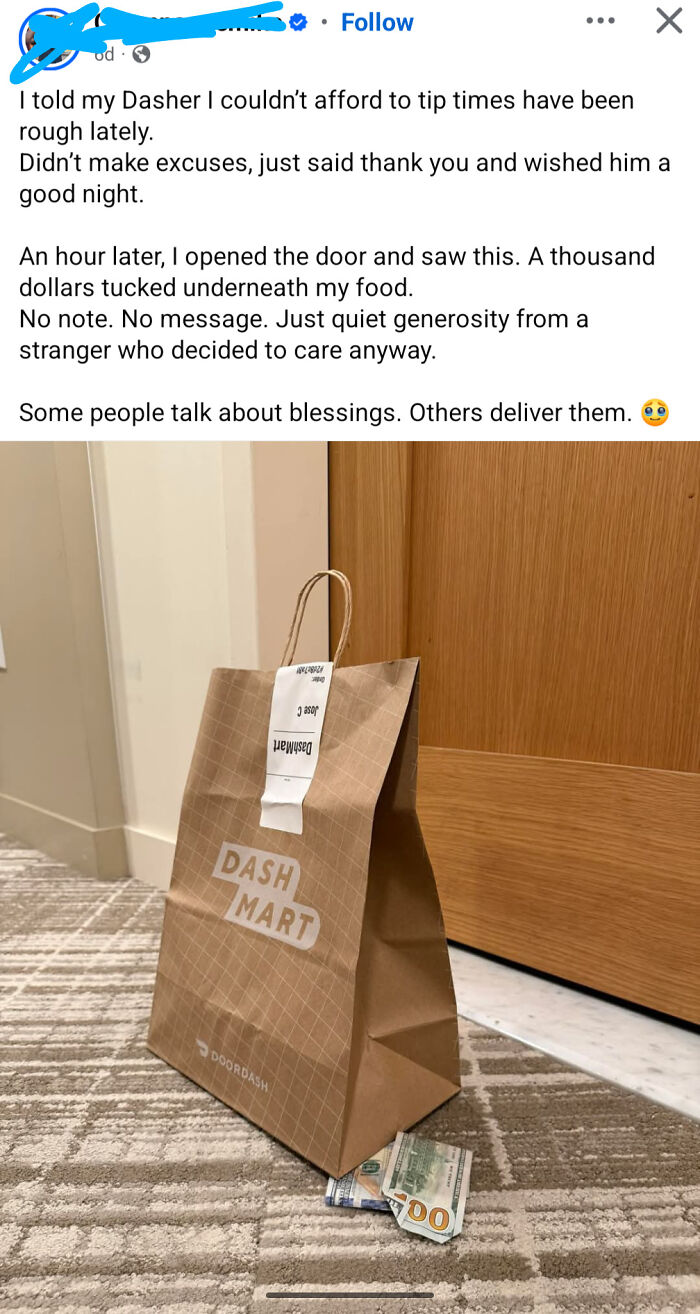
Yeah. This never happened. And if you can't afford the tip you can't afford door dash. No one is feeling sorry for you bc you door dashed and then ripped the driver off.

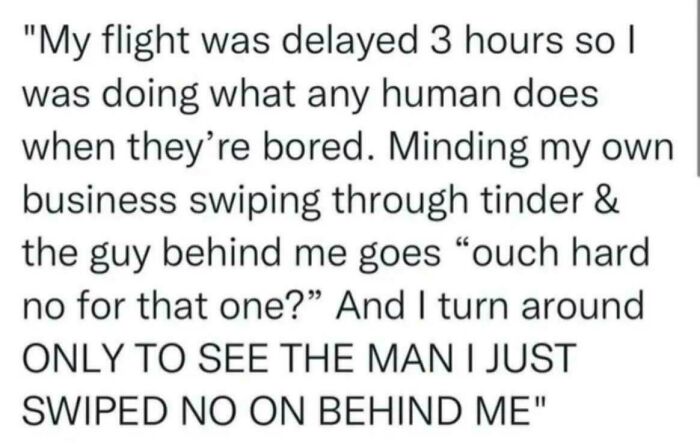
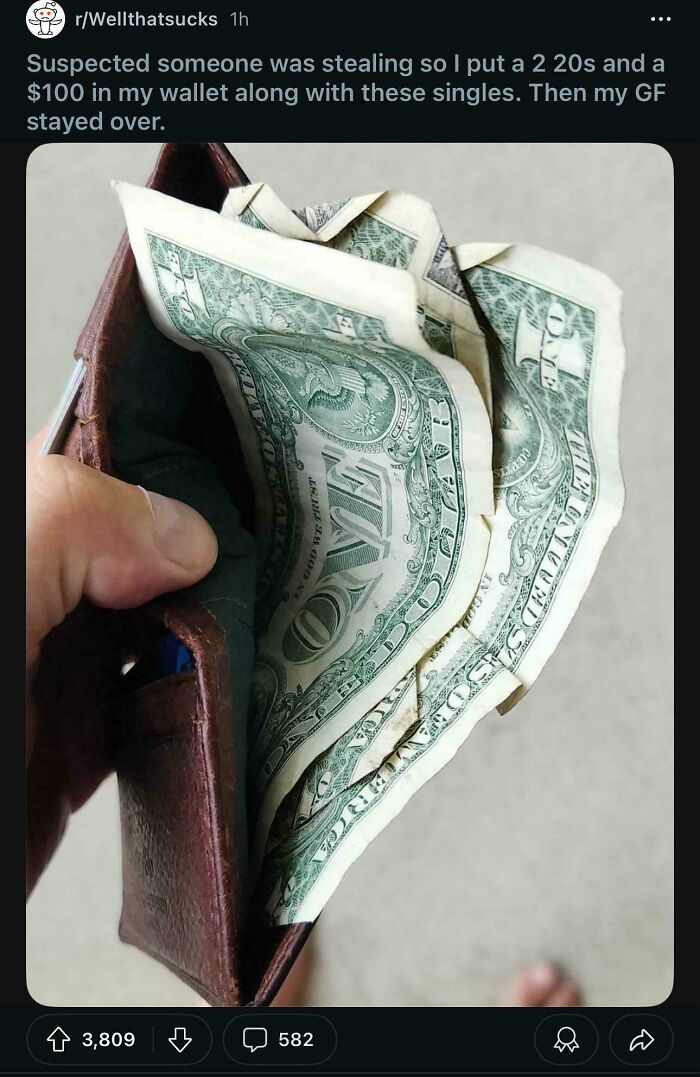
Thats not a " girlfriend", thats a " lady of the night" ( bargain rate)
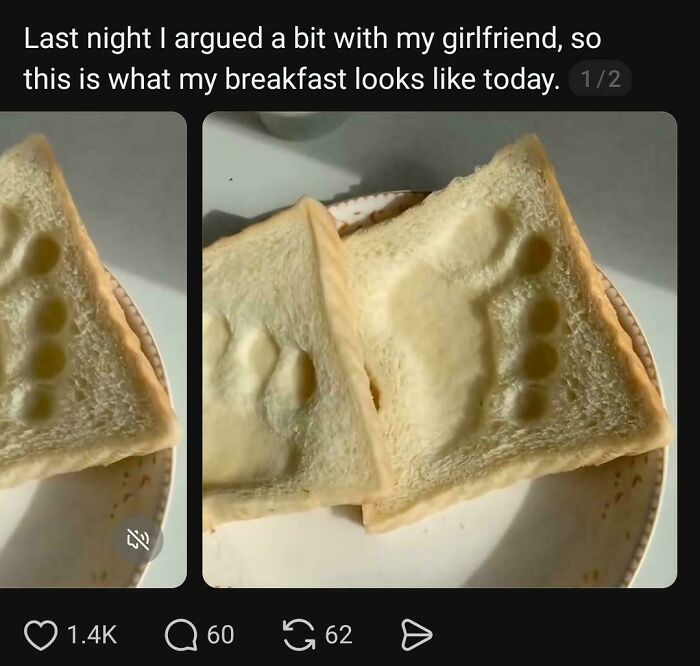
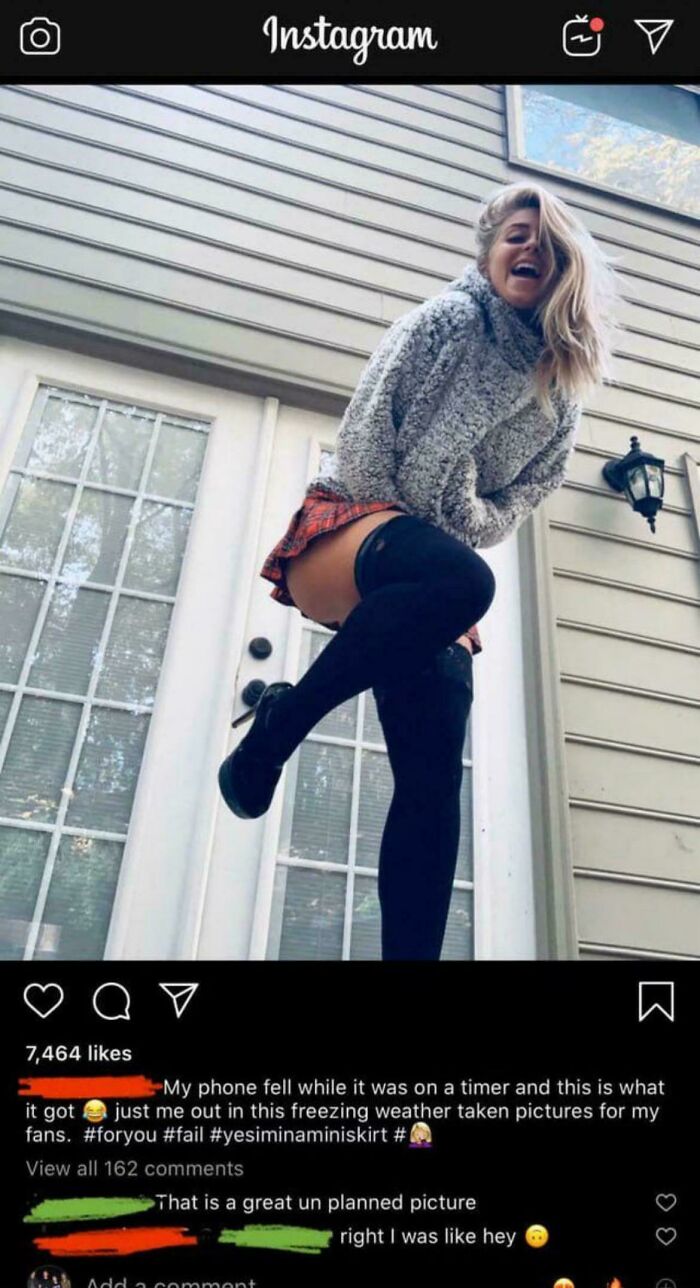
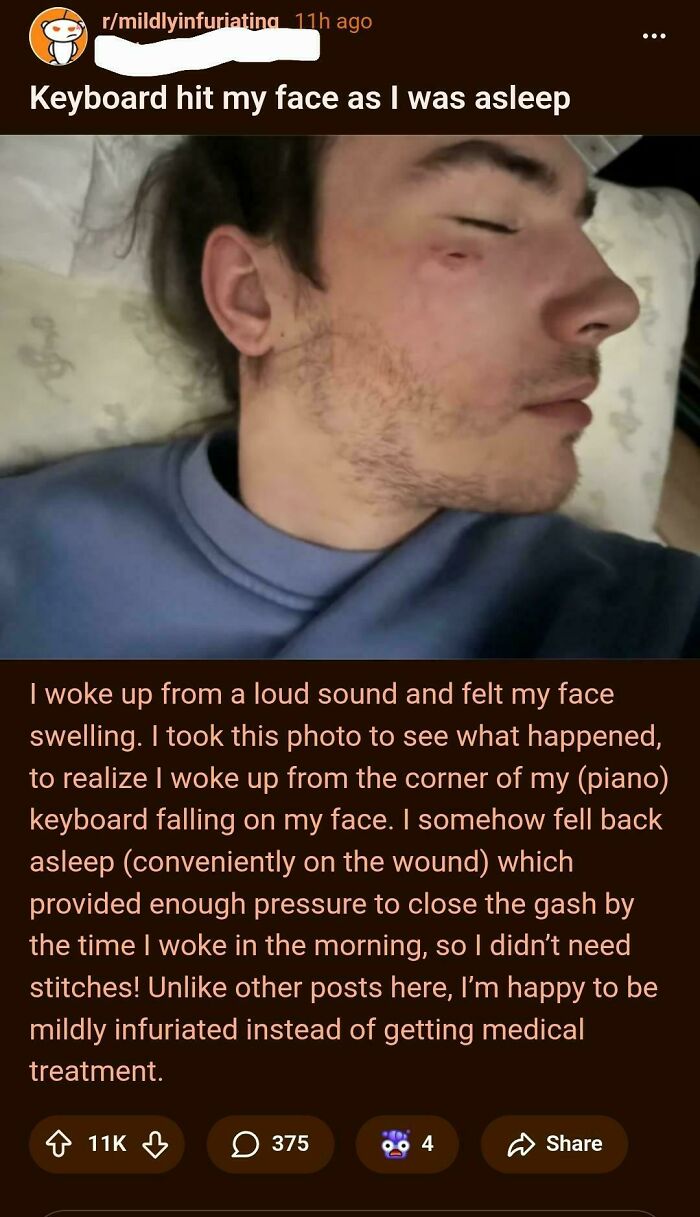
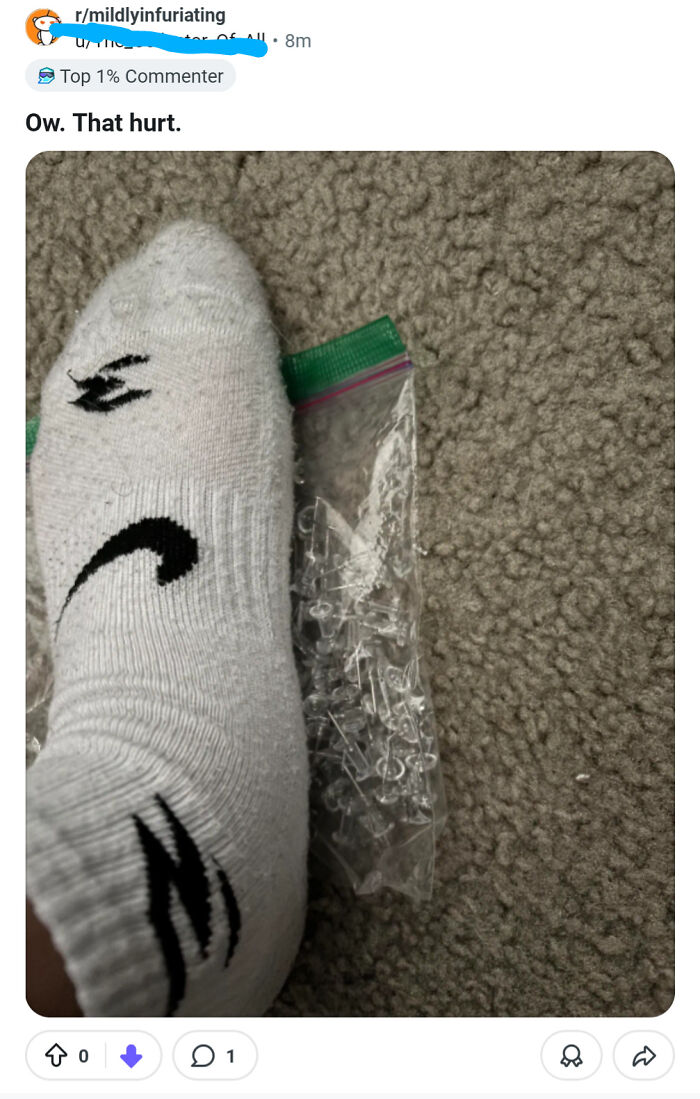
It hurt so much that you left your foot on it until you could conveniently take a picture.

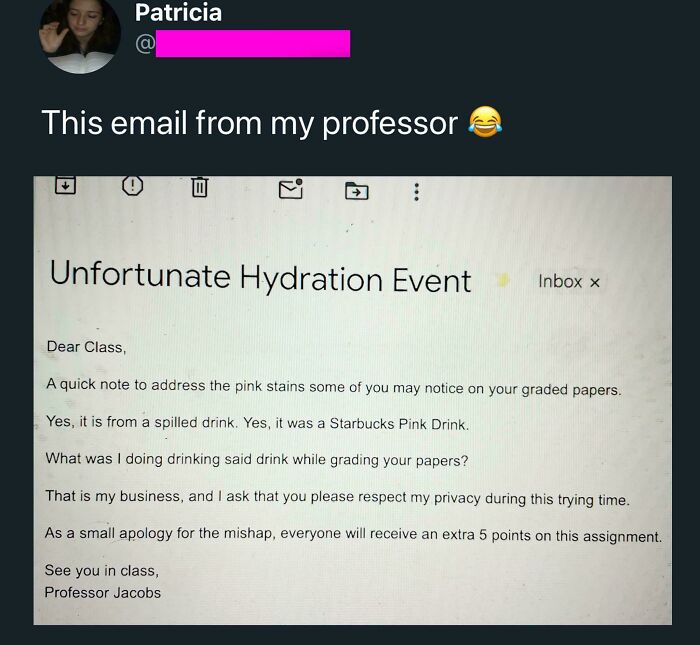
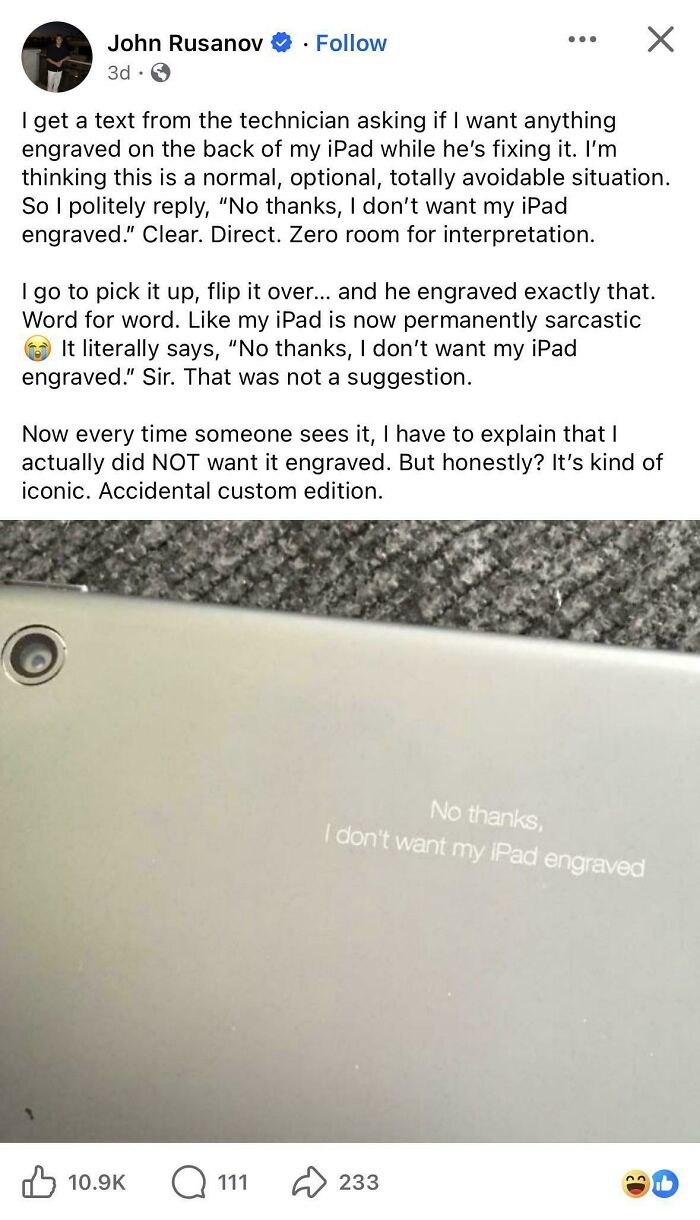
100% guaranteed, someone bought a new iPad and thought it would be funny to input “No thanks, I don’t want my iPad engraved” into the field, after selecting free engraving. Repair NEVER asks if you want engraving. Word of advice: actual personalization, such as “property of”, your actual name or any variation thereof reduces value. This kind of thing might reduce value or might forge a connection.

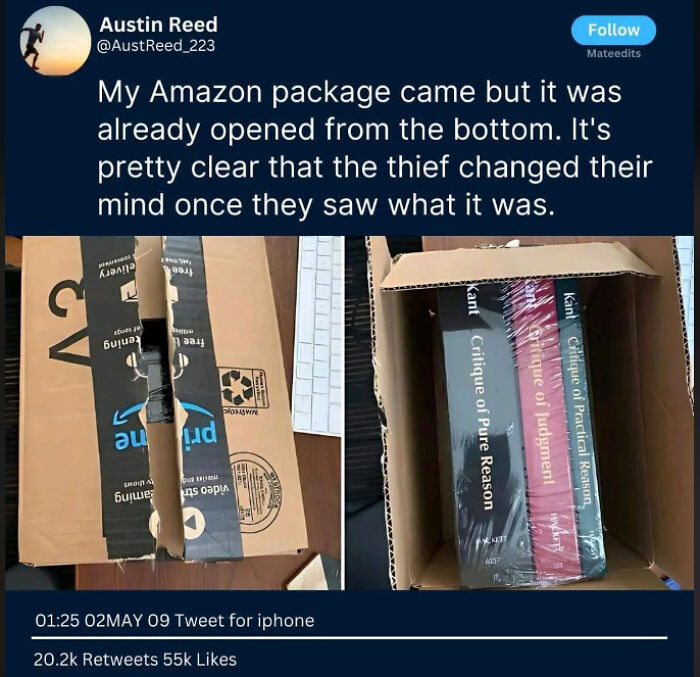
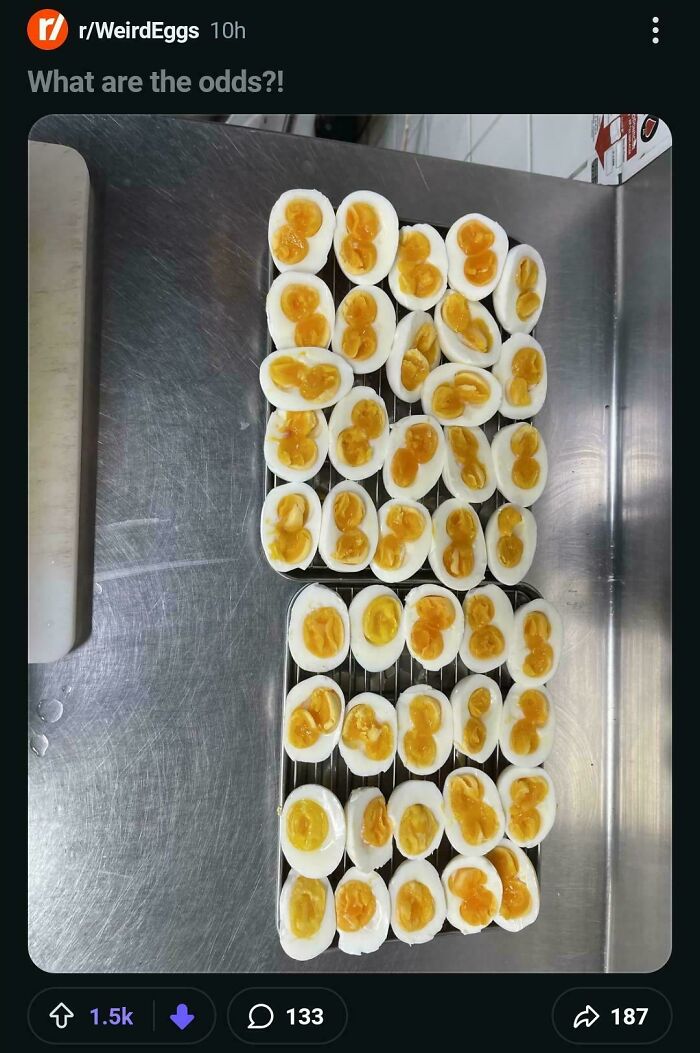
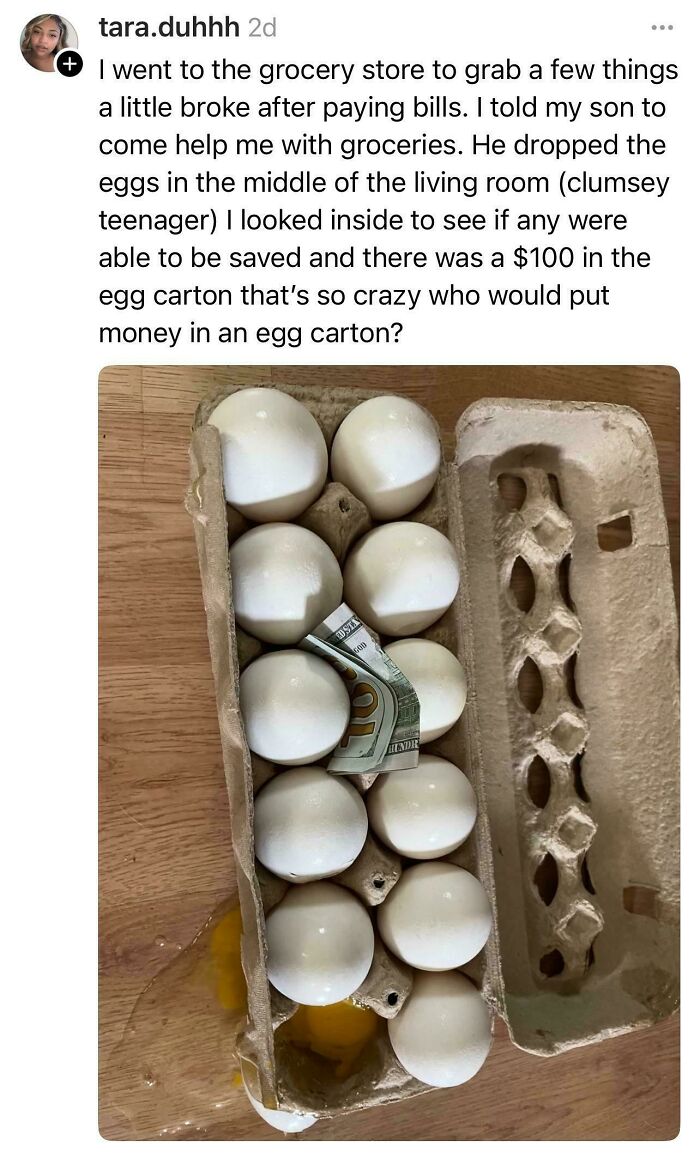
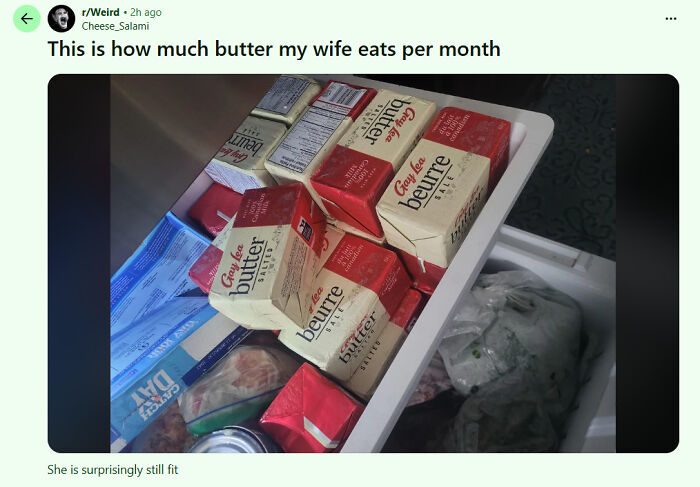
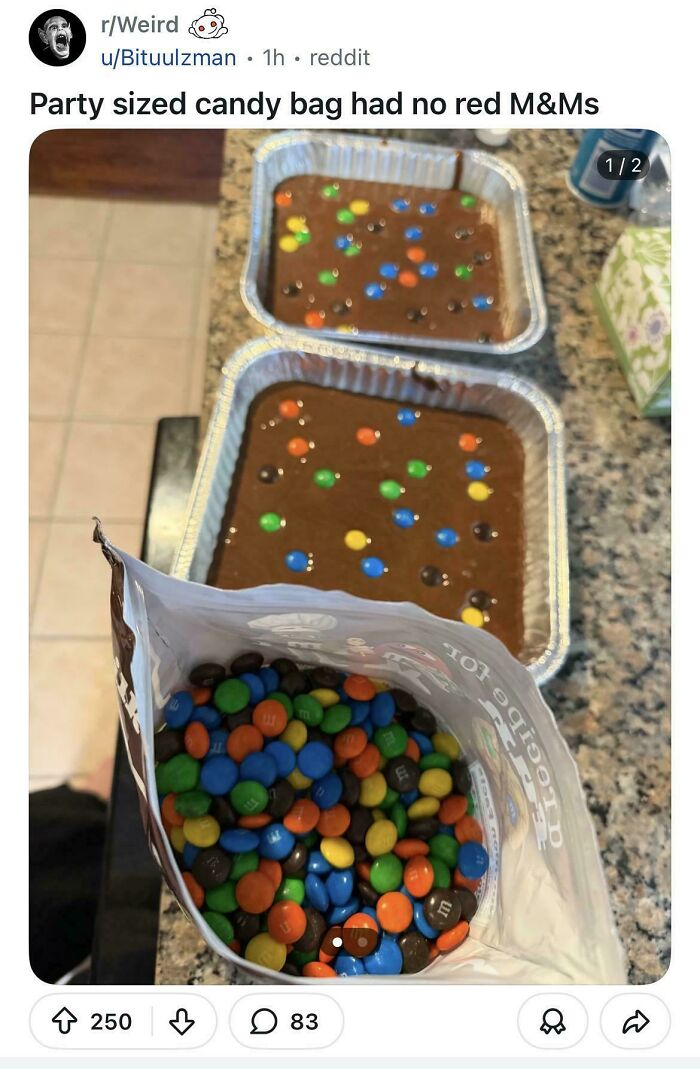
Umm 🤔 am I the only one who checks the eggs before I buy them?
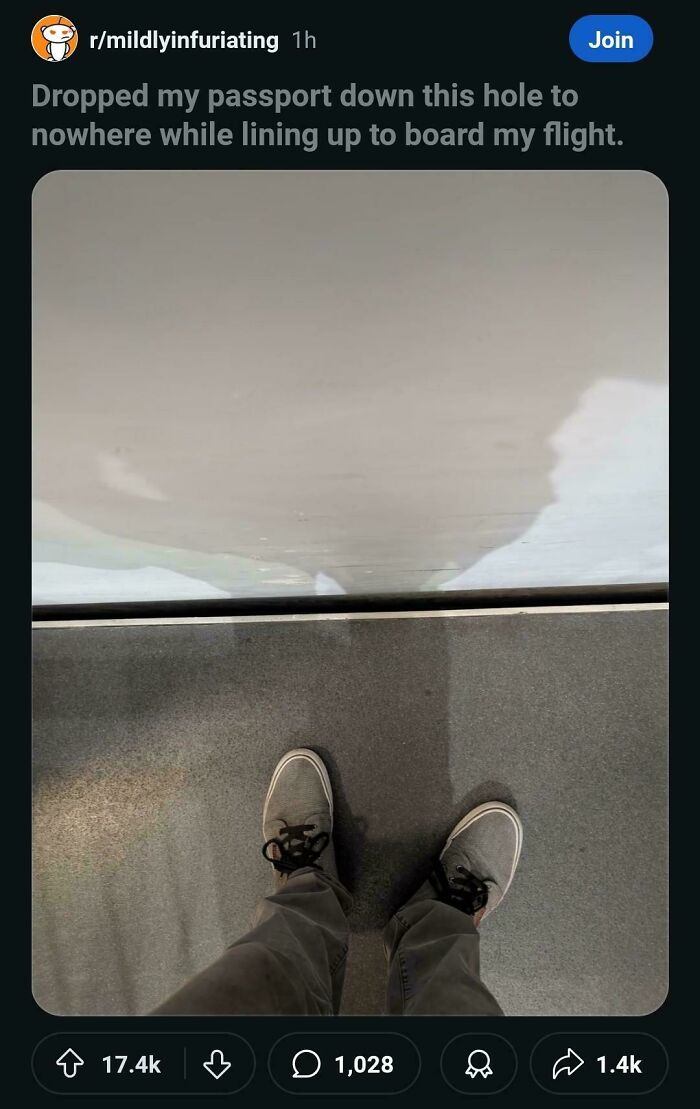
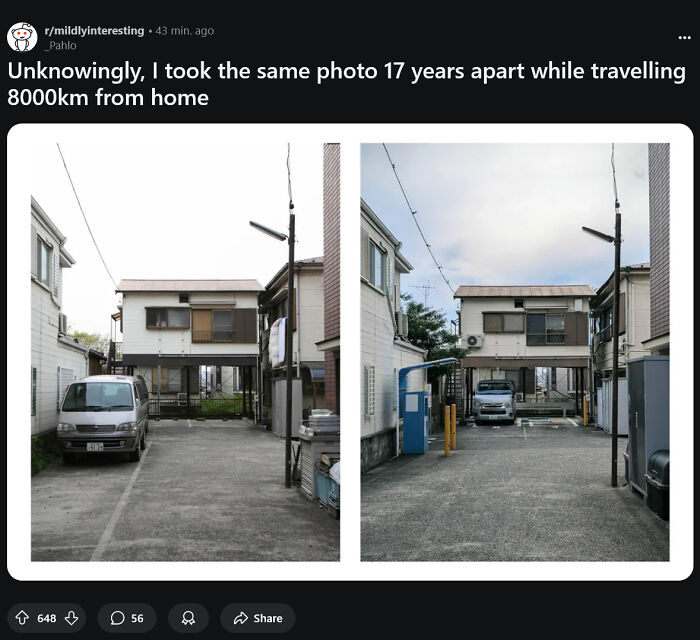
Ah yes. These are the beautiful types of photos I always like to take when I'm away on long trips.

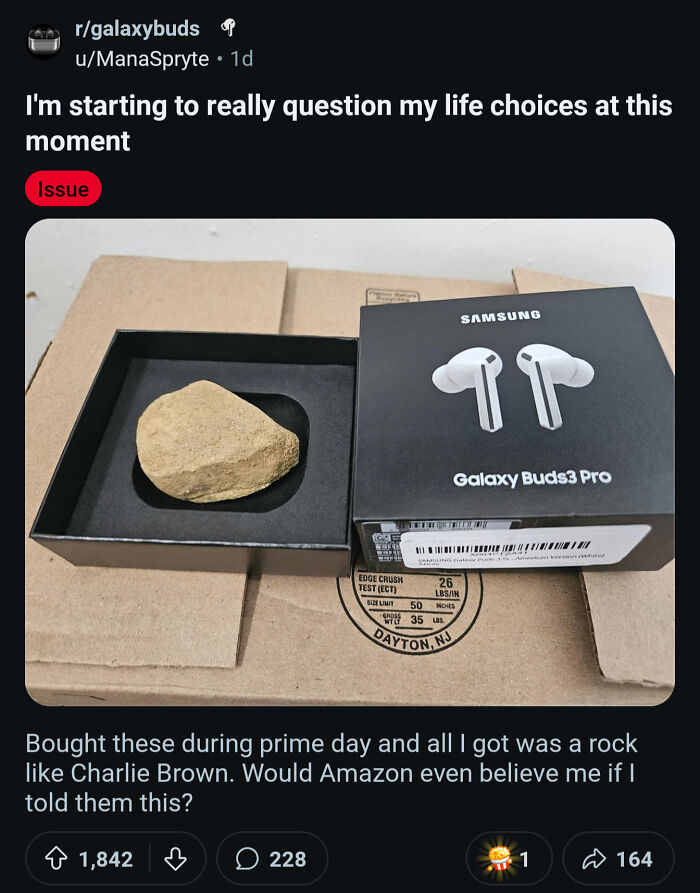
No. No, they would not. No one noticed that a pair of earbuds weighed 12 pounds?
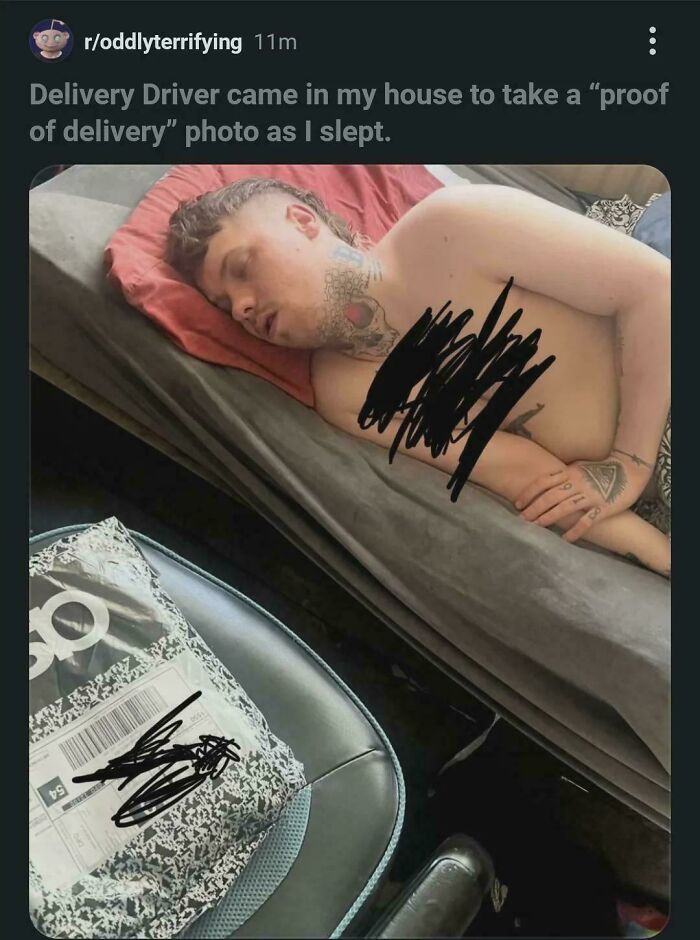
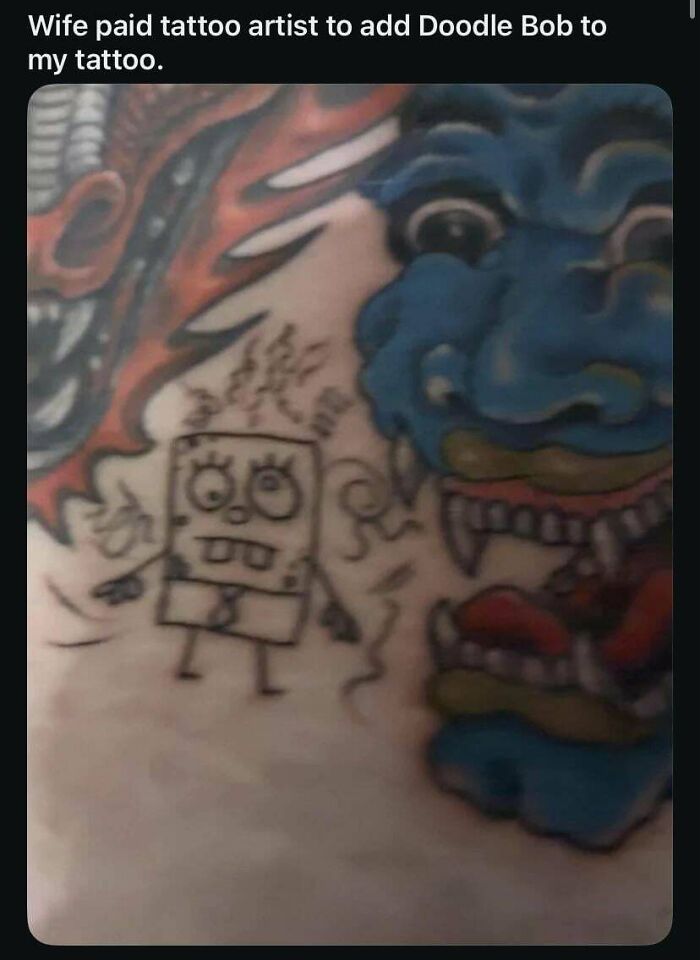
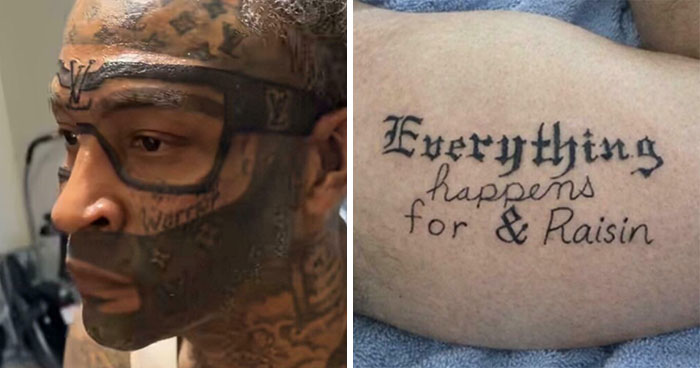
No tattoo artist would risk their livelihood and business by tattooing something on someone that the person didn't consent to.


This article is dumb. Granted, there are a few obvious fakes in here, but the rest are like, "THis iS uNuSUaL sO iT mUsT bE FakE !1!"


This article reminds me of telling anything to my ex, who would scream "it's fake!" whenever she came across anything mildly unusual or coincidental. It was exhausting.

She musta been a Panda. The number of people here who like to scream “It’s fake because I’ve never heard of this before/it’s impossible that someone can be this stupid/reasons” here is really soul-crushing. I suspect they’ve been held captive in closets for most of their lives. 😞
Load More Replies... This article is dumb. Granted, there are a few obvious fakes in here, but the rest are like, "THis iS uNuSUaL sO iT mUsT bE FakE !1!"
This article reminds me of telling anything to my ex, who would scream "it's fake!" whenever she came across anything mildly unusual or coincidental. It was exhausting.
She musta been a Panda. The number of people here who like to scream “It’s fake because I’ve never heard of this before/it’s impossible that someone can be this stupid/reasons” here is really soul-crushing. I suspect they’ve been held captive in closets for most of their lives. 😞
Load More Replies...











 No fees, cancel anytime