Get Premium
Dark mode theme is available exclusively for premium users. Learn more about the benefits of subscribing.
No fees, cancel anytime.

 Dark Mode Ad-Free Browsing Unlimited Content
 Ad-Free Browsing Unlimited Content Dark Mode
Join 1.2 million Panda readers who get the best art, memes, and fun stories every week!
There’s nothing wrong with keeping your inner child alive by playing dress-up every now and again… Except when you’ve been given clear instructions not to attend an event in costume.
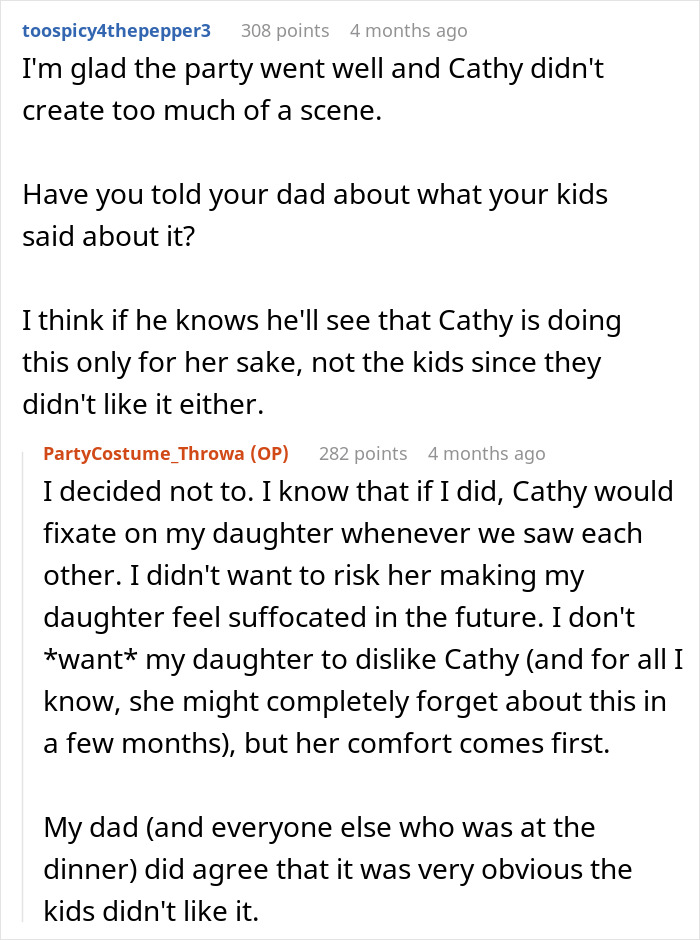
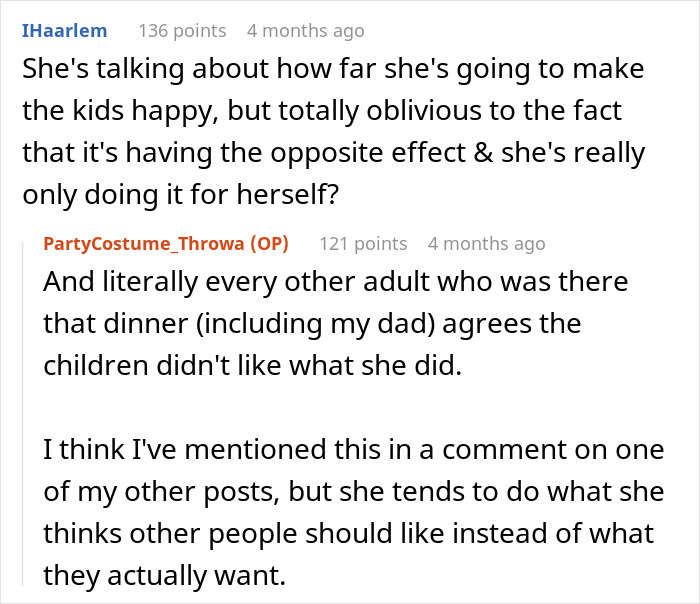
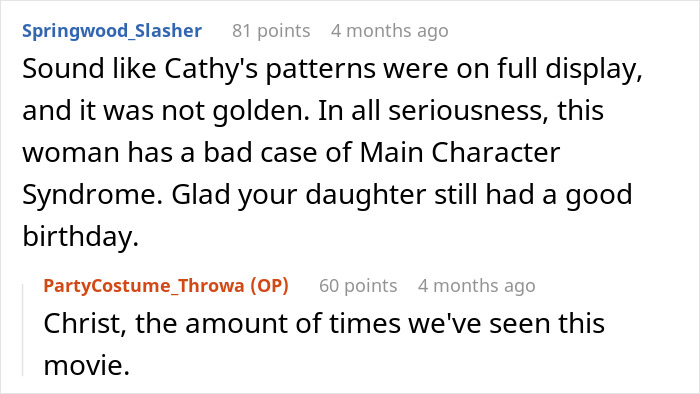
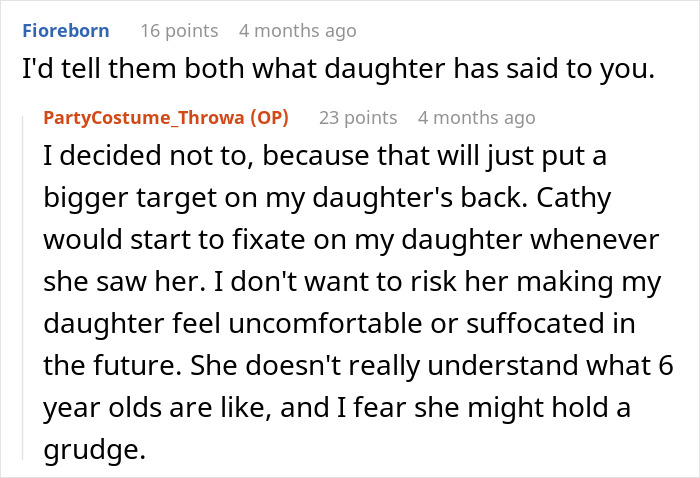
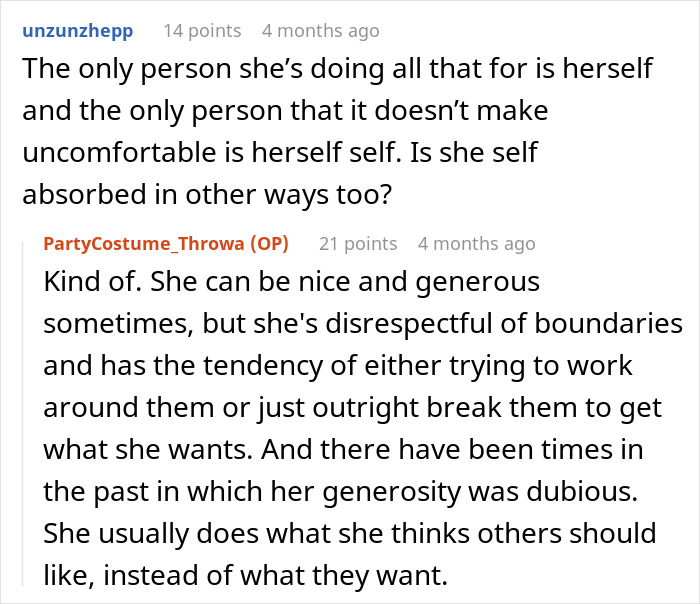
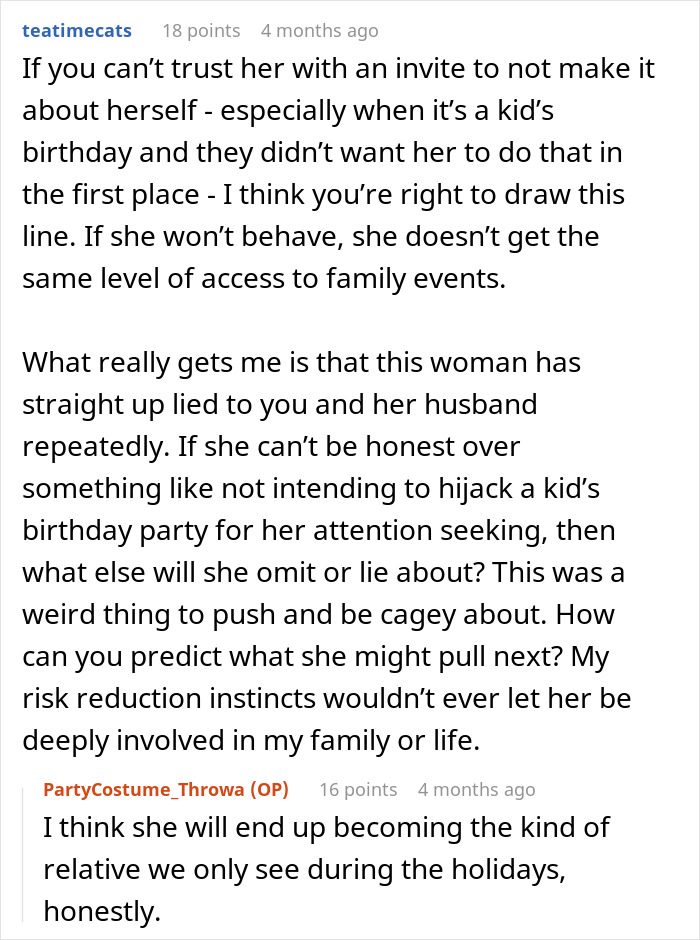
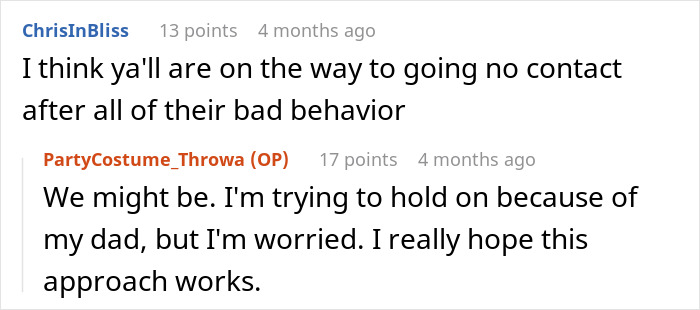
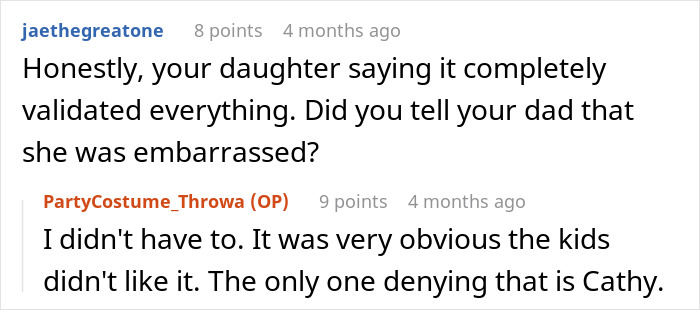
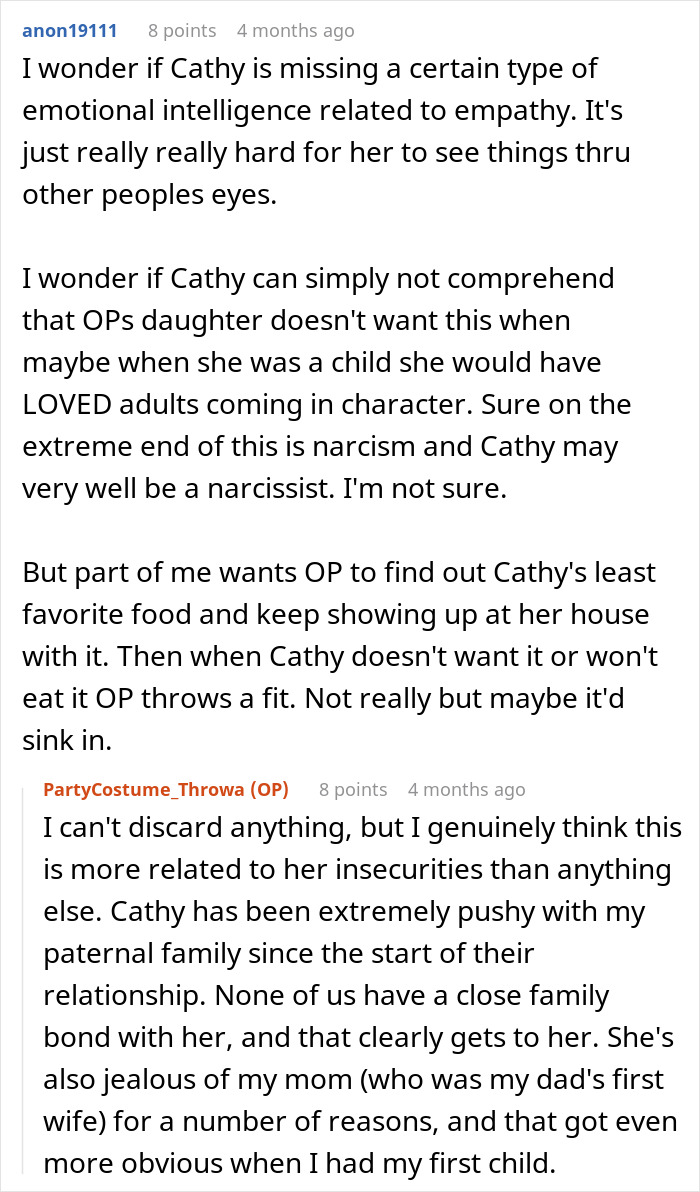
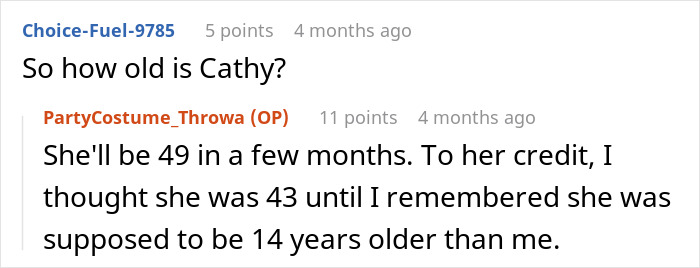
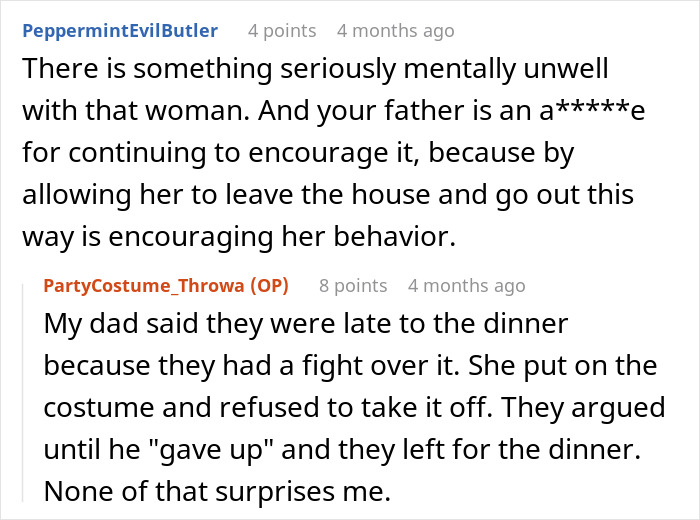
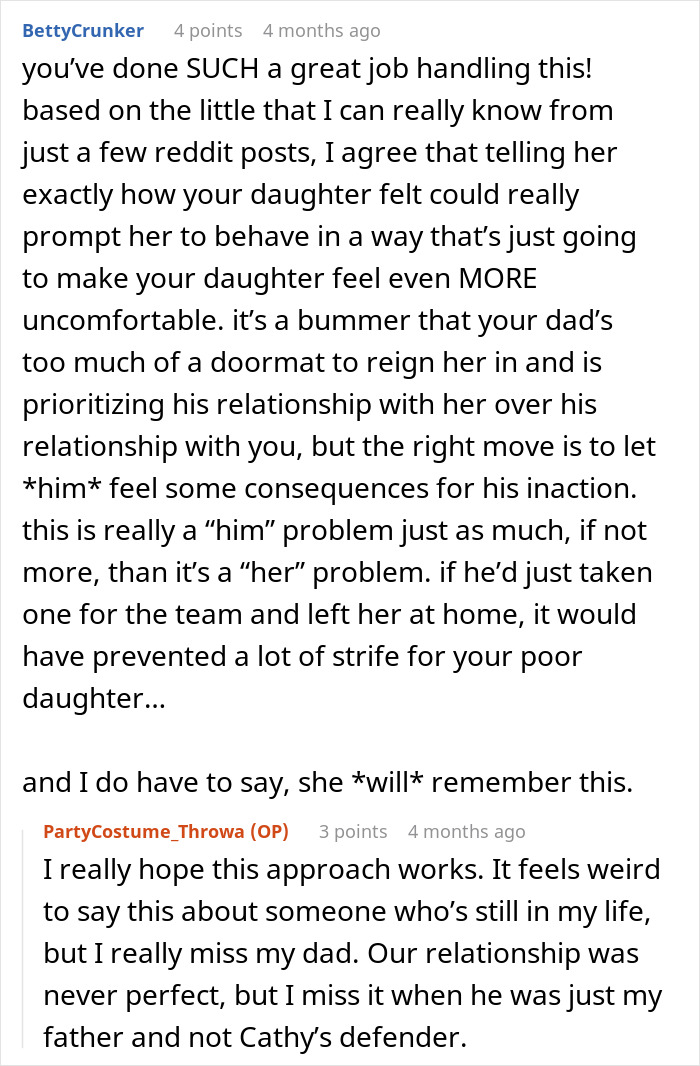
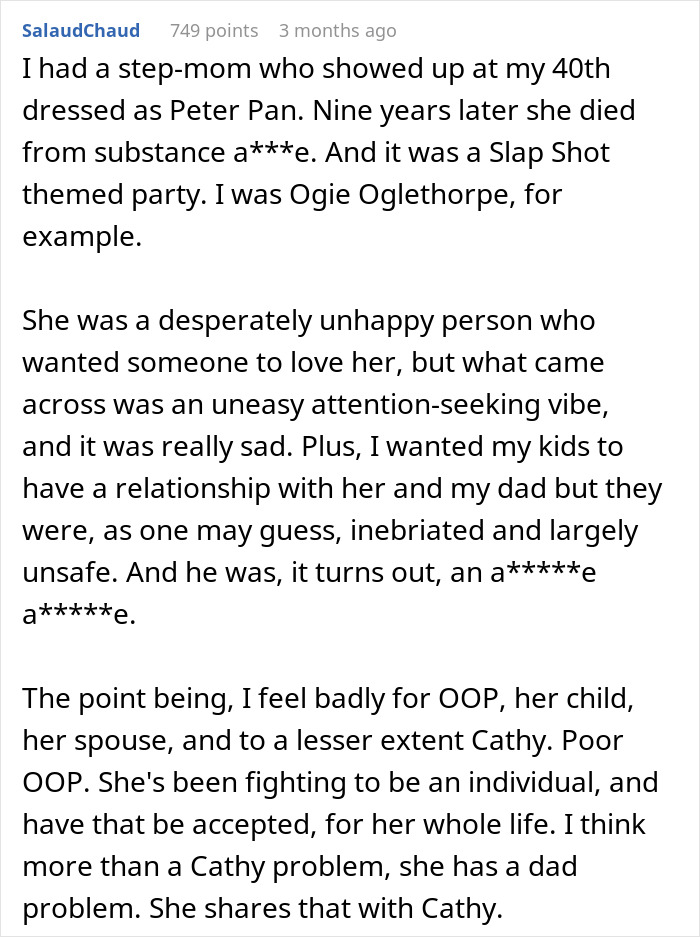
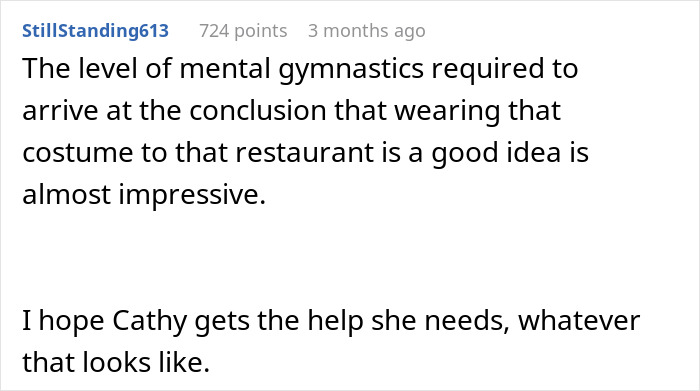
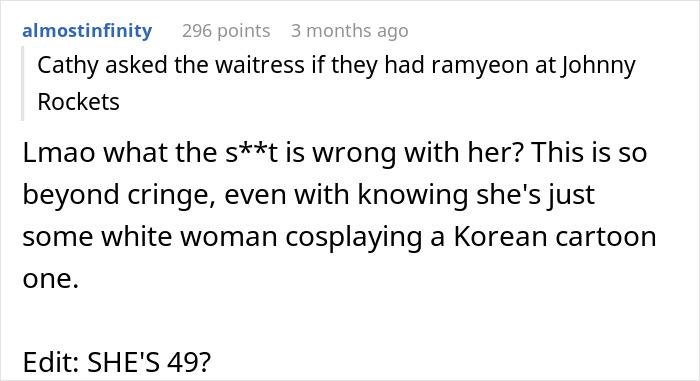
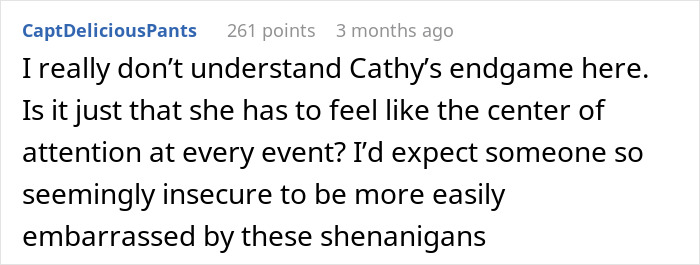
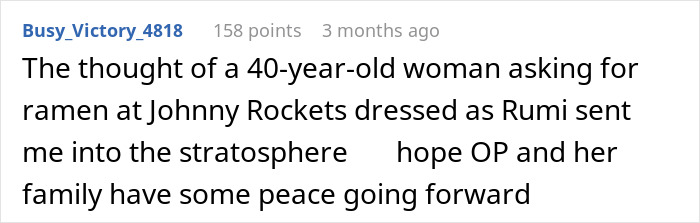
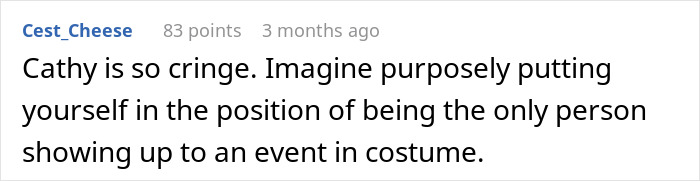
An outraged mom has told how her stepmother rocked up as Cinderella at the tail-end of her kid’s 6th birthday party. She then tried to pull an even more bizarre stunt the following year, despite being told to keep it tidy. When the cosplay-obsessed stepmom ended up getting banned from the party, she took her antics to a local restaurant. Needless to say, it didn’t end well.
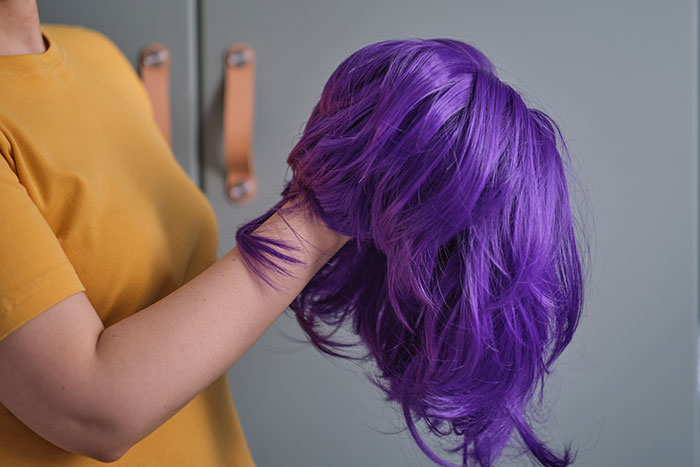
Image credits: fotojv/Envato (not the actual photo)
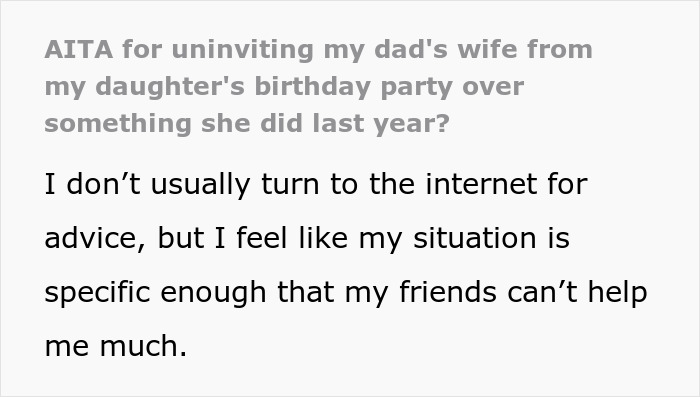
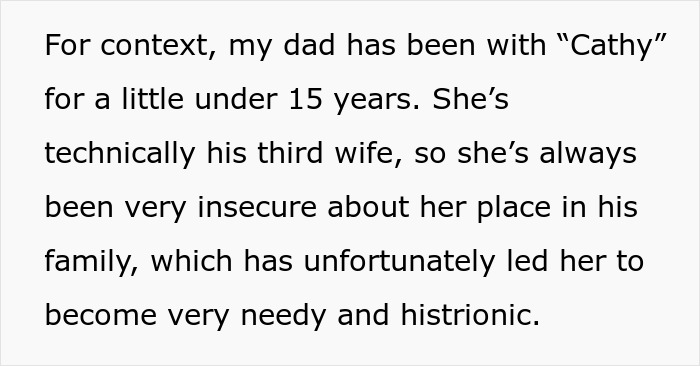
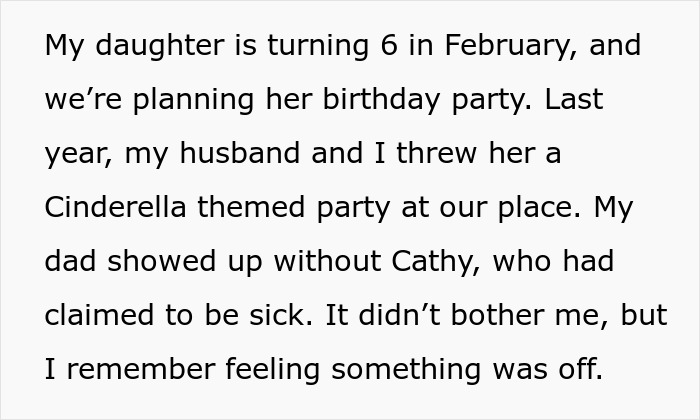
Image credits: africaimages/Envato (not the actual photo)
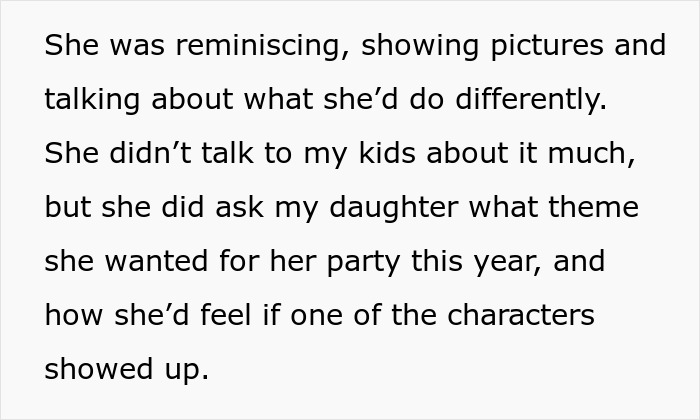
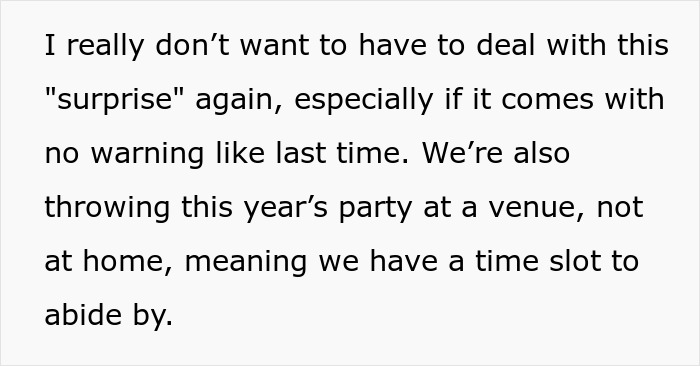
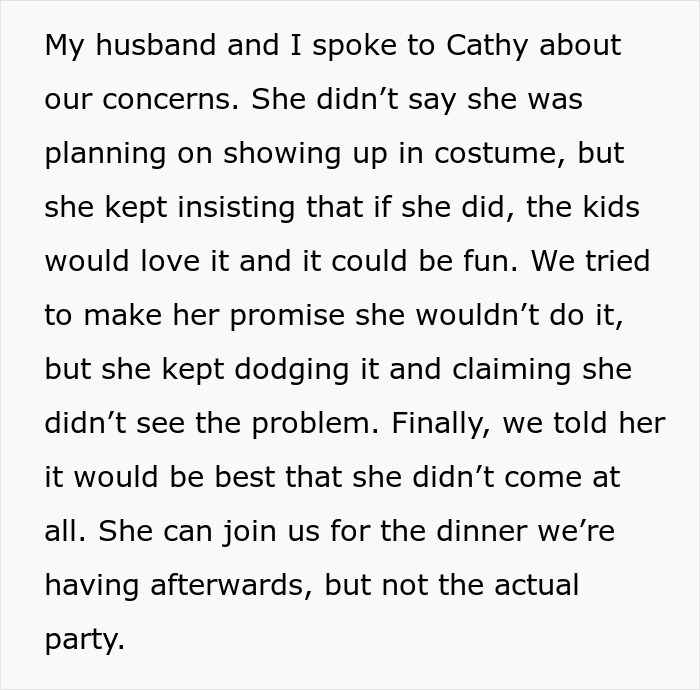
Image credits: PartyCostume_Throwa
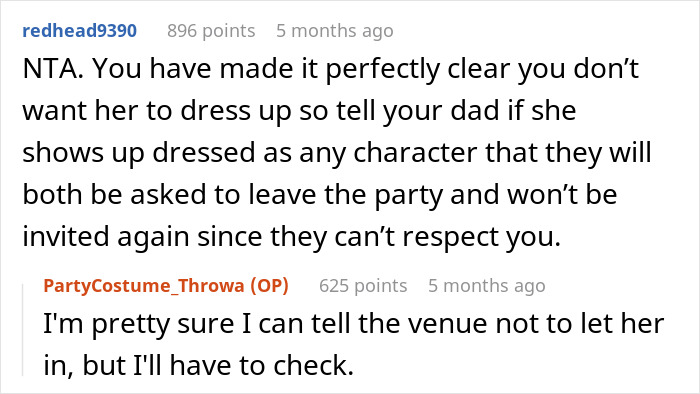
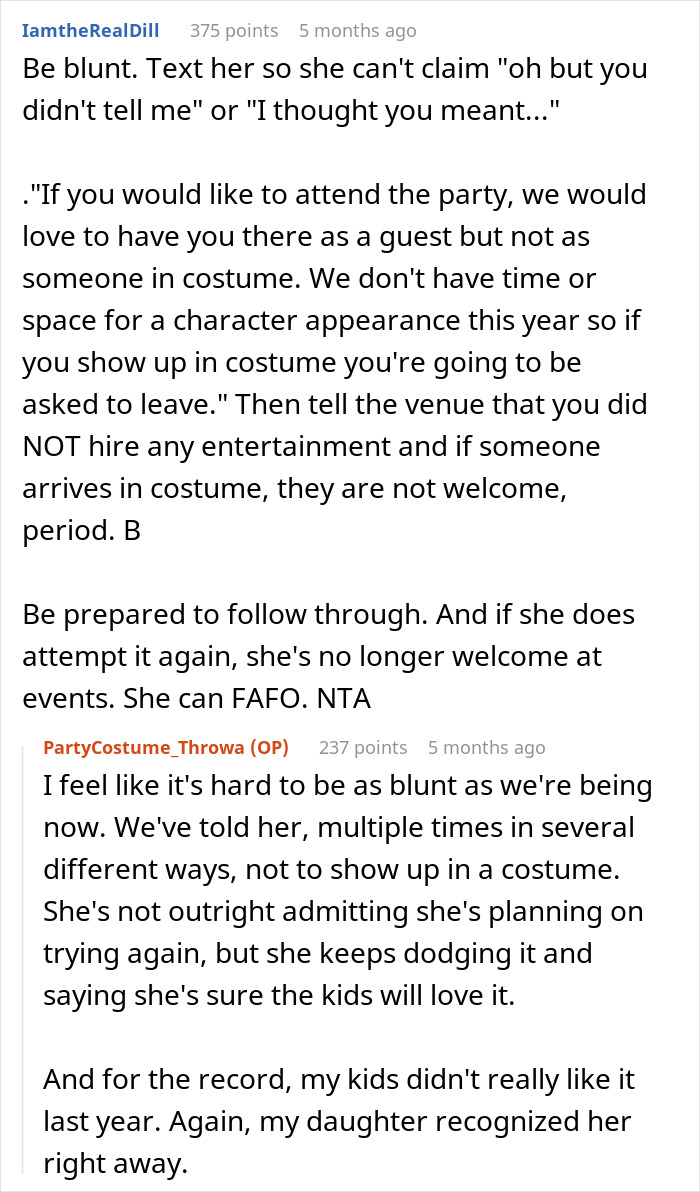
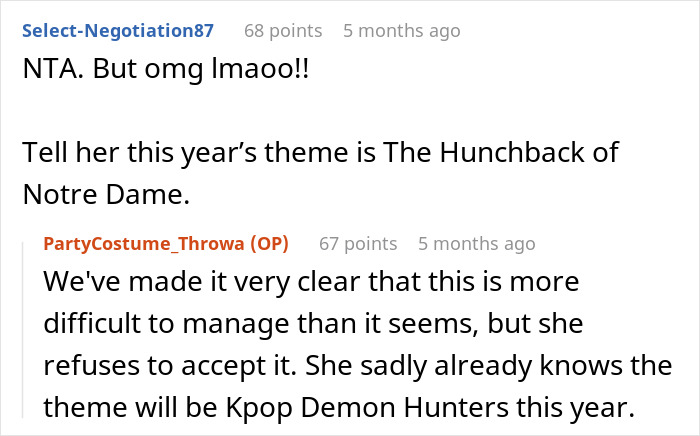
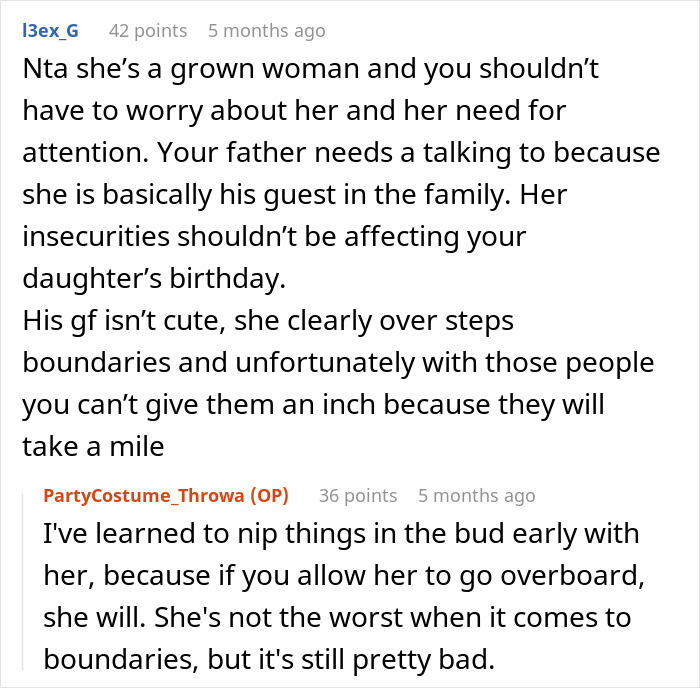
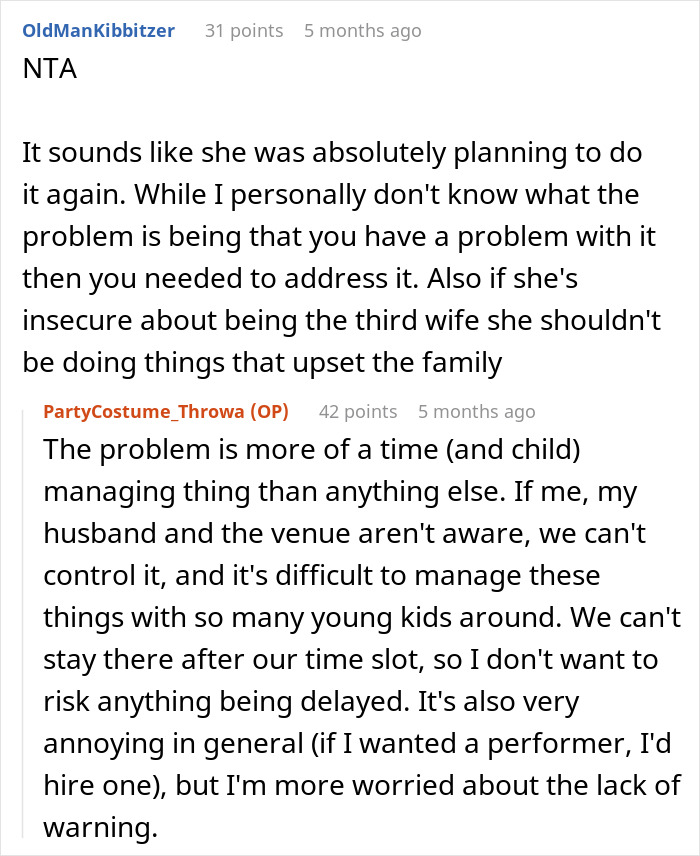
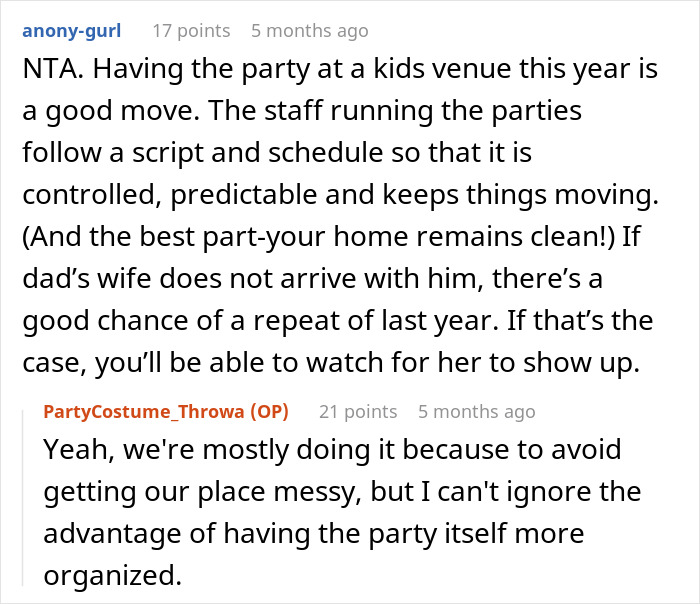
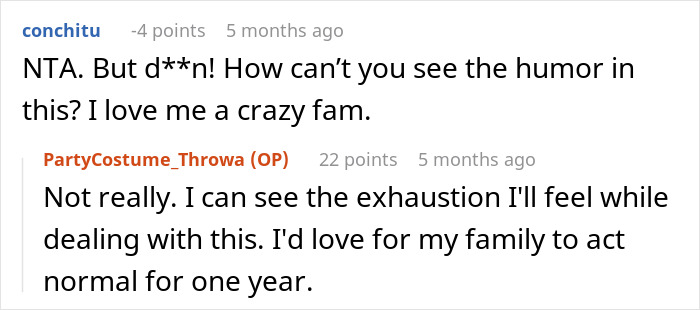
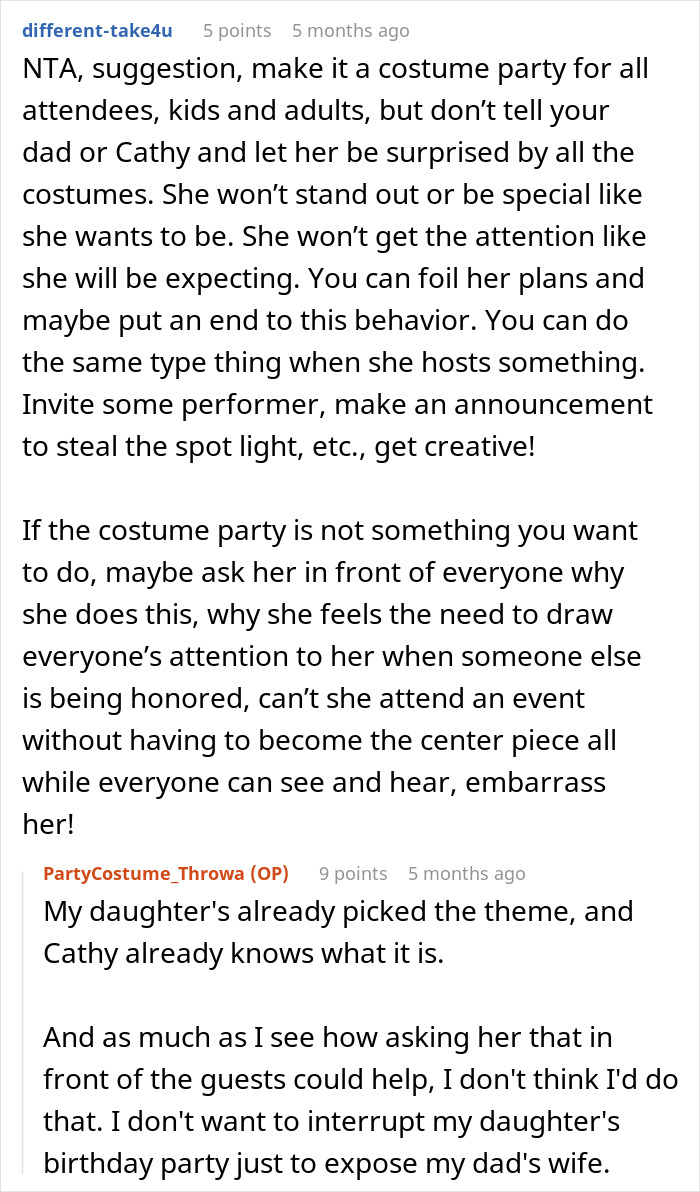
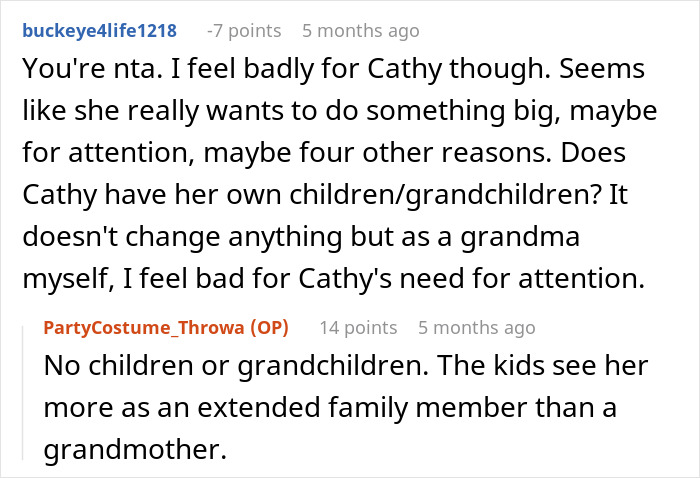
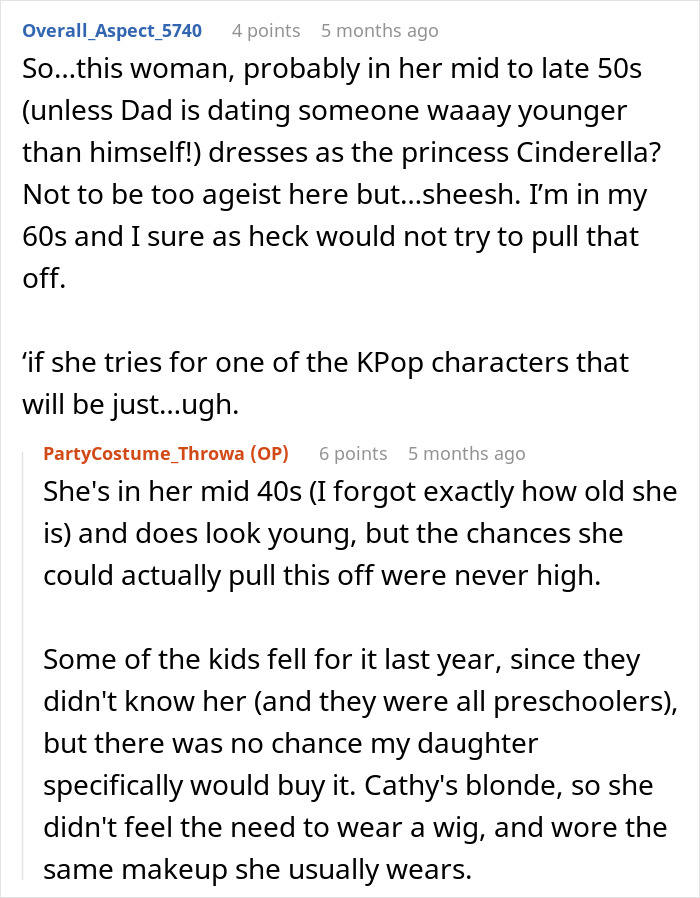
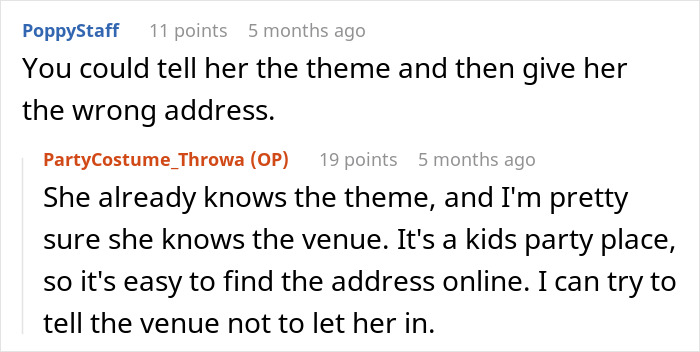
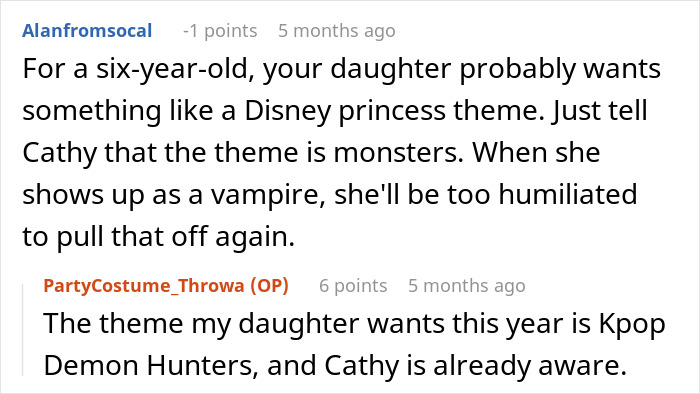
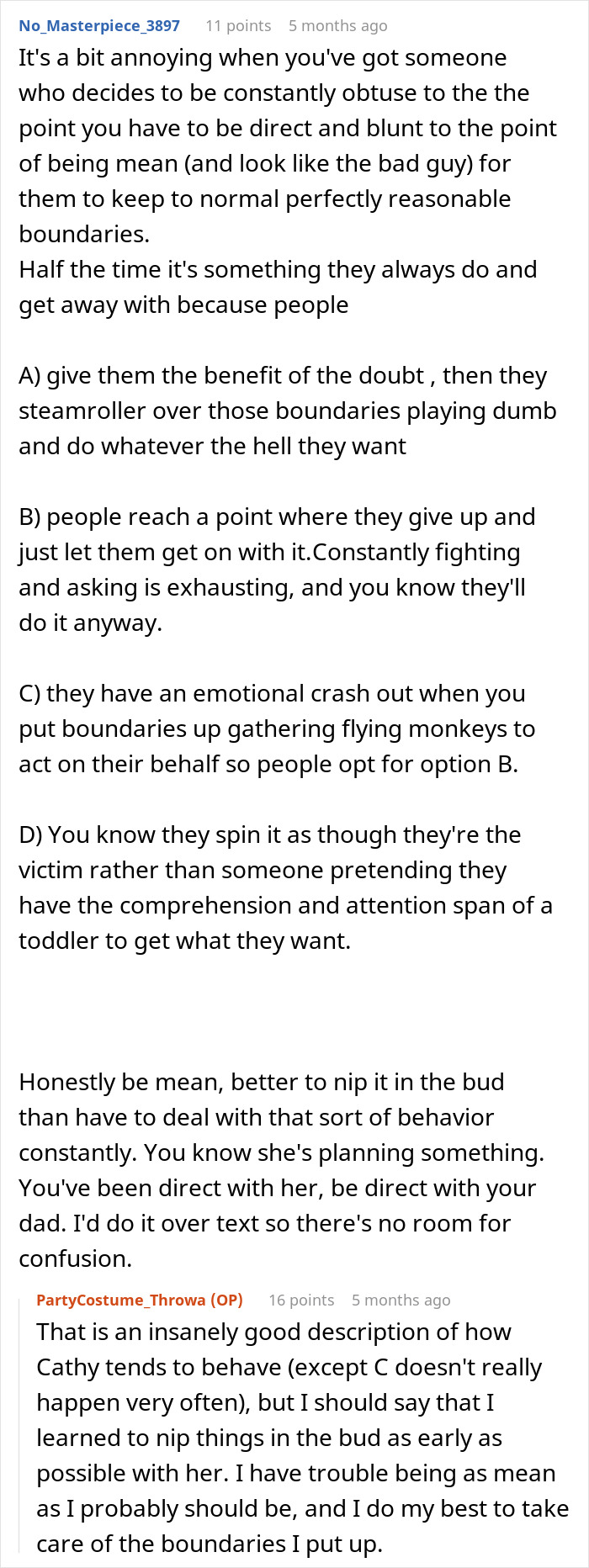
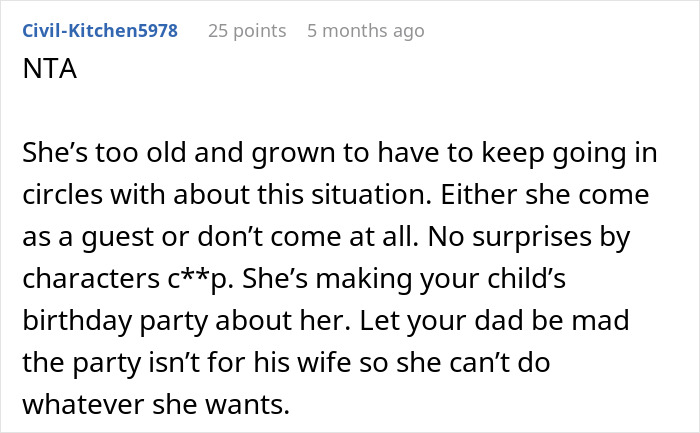
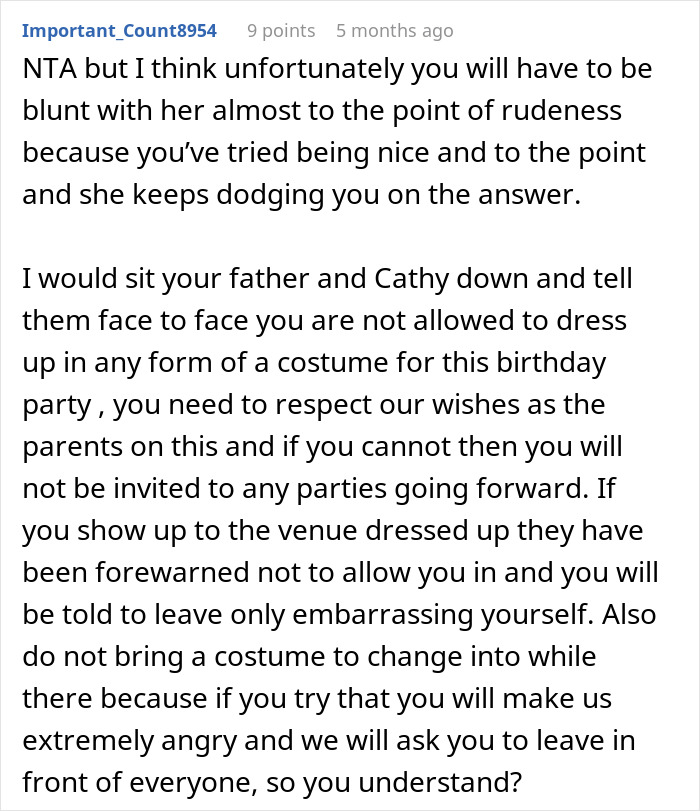
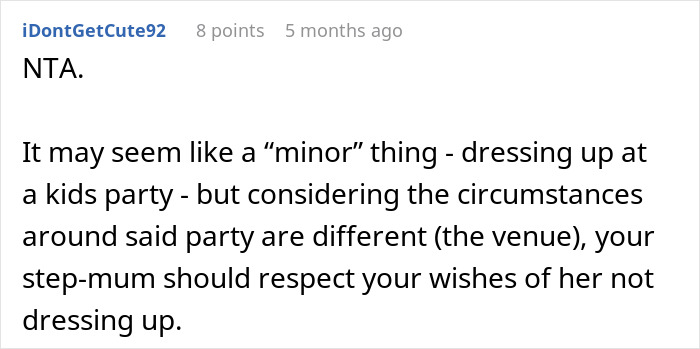
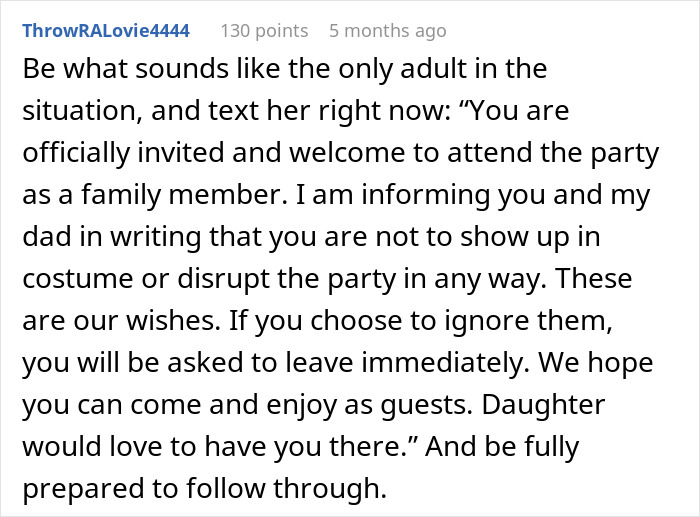

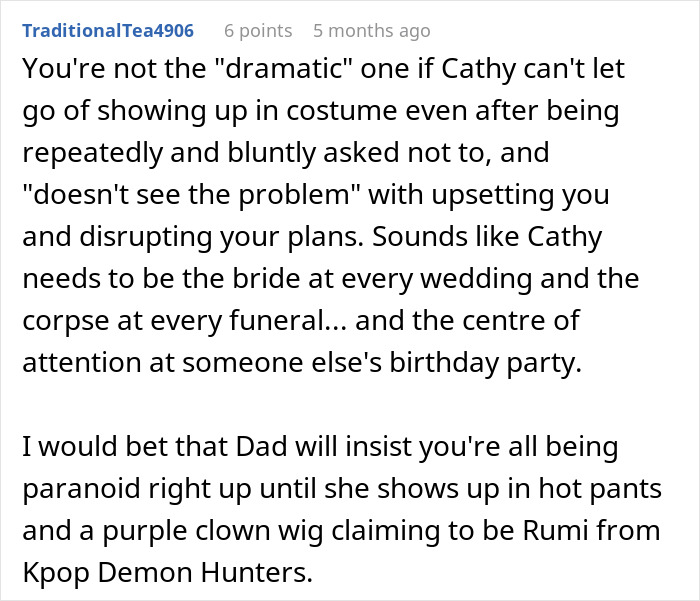
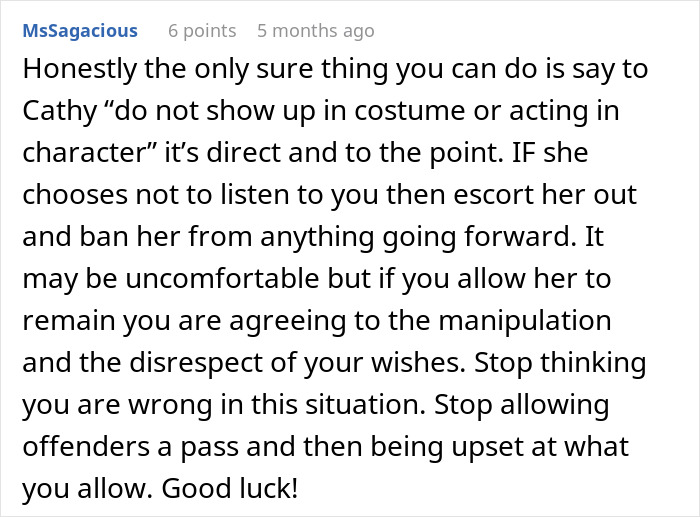

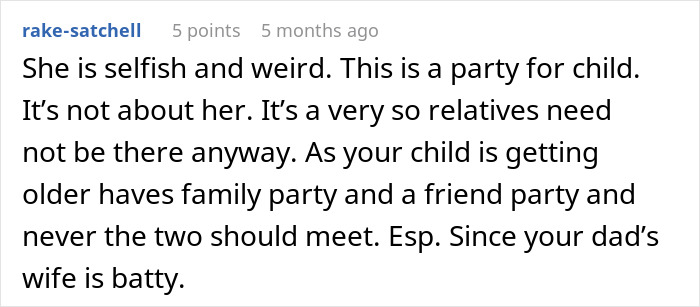
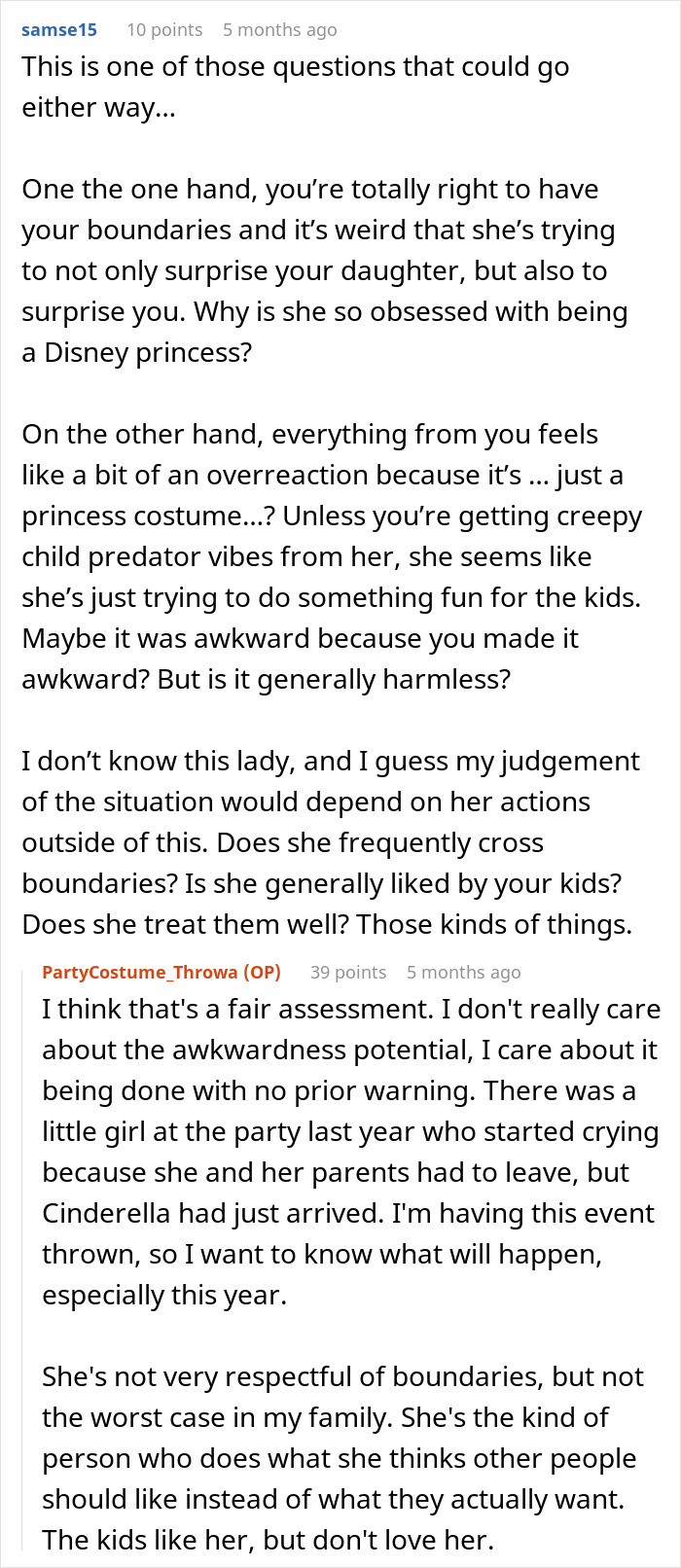
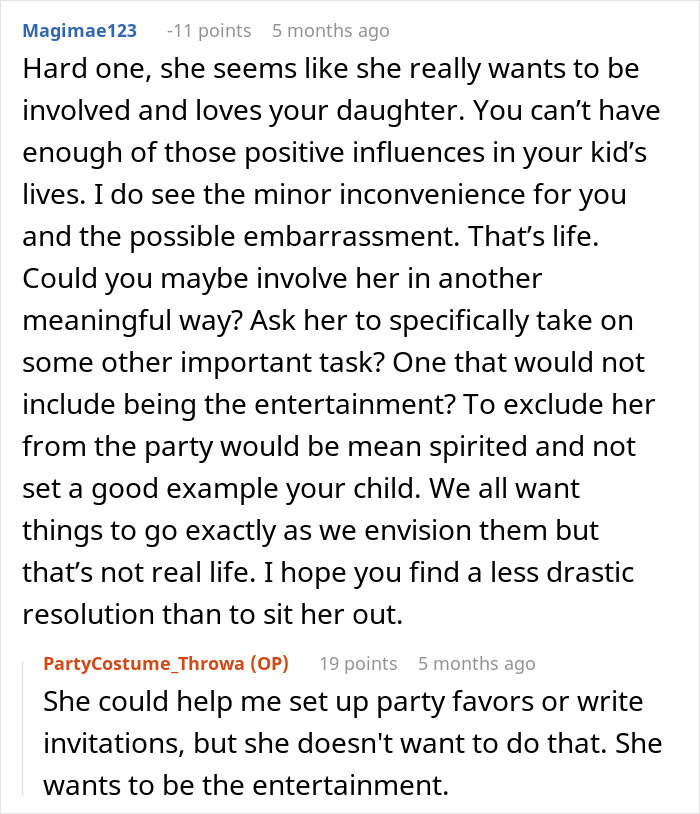
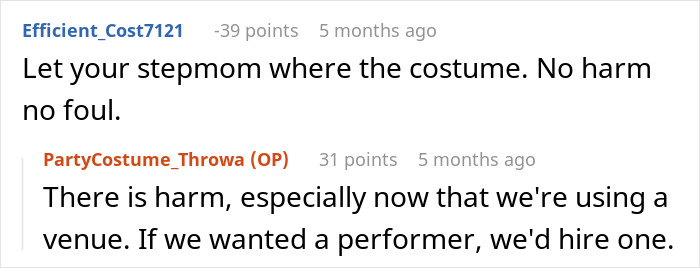
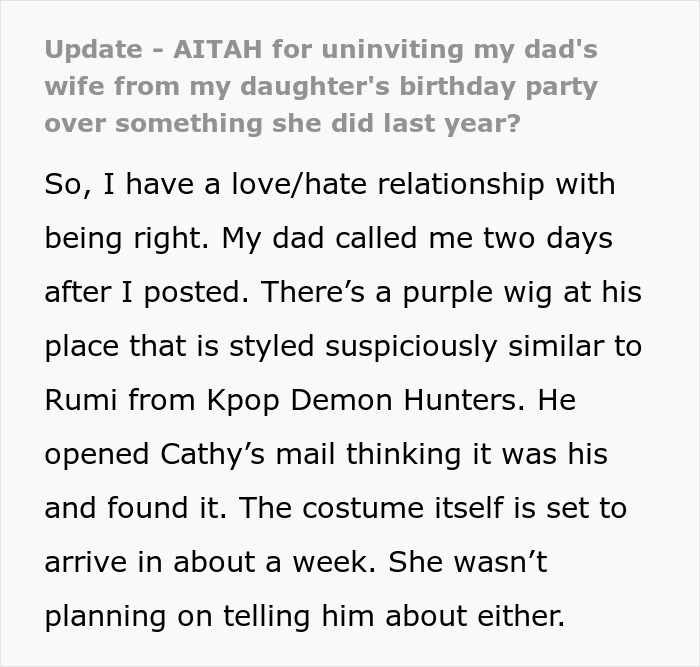
Image credits: katyatsiganok/Envato (not the actual photo)
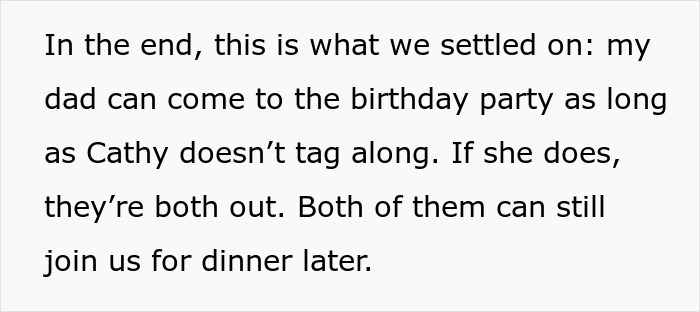
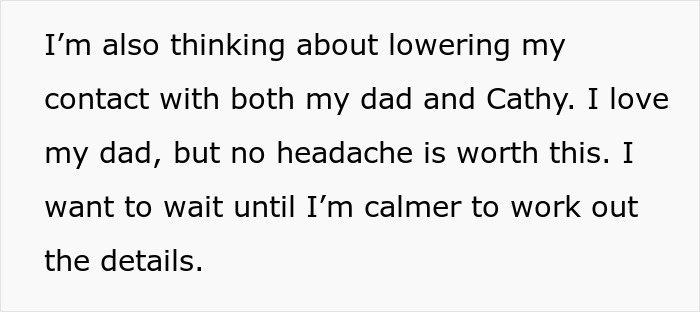
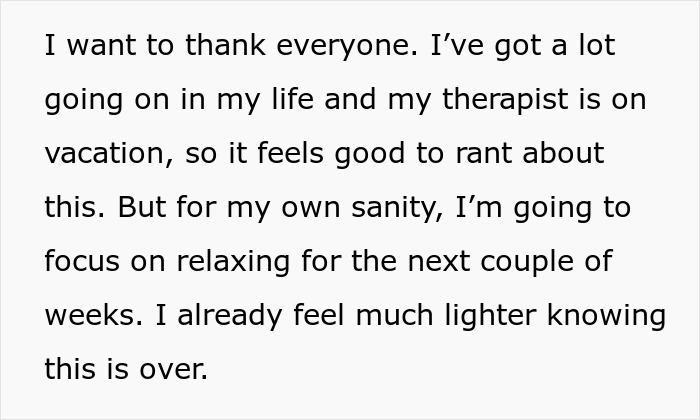
Image credits: PartyCostume_Throwa
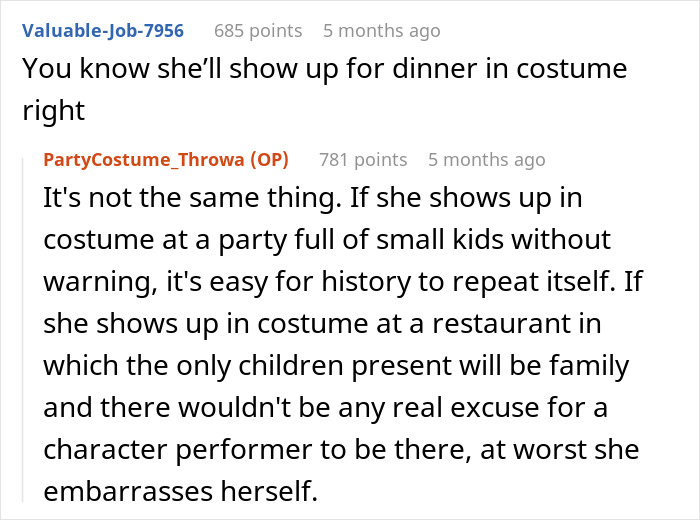
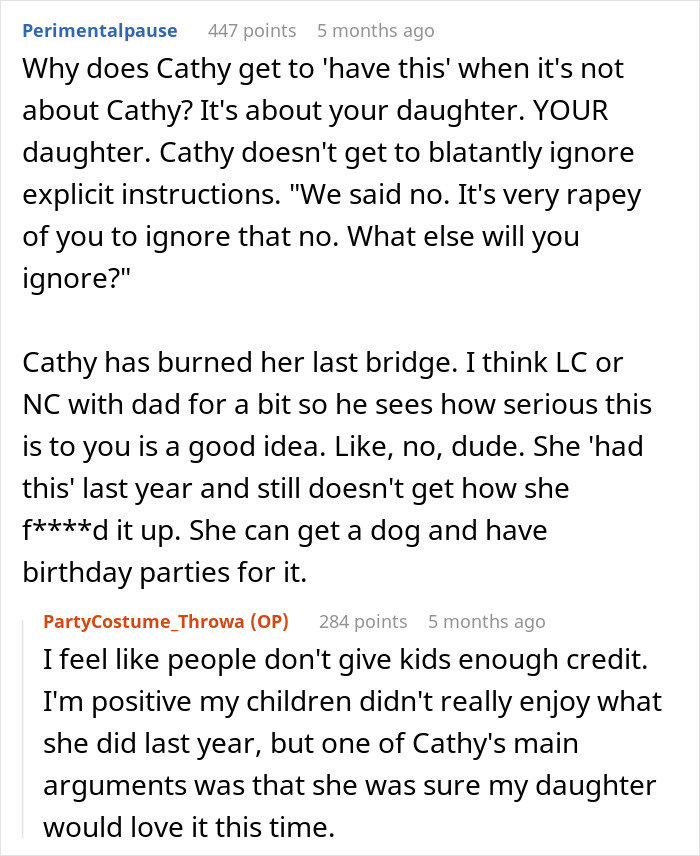
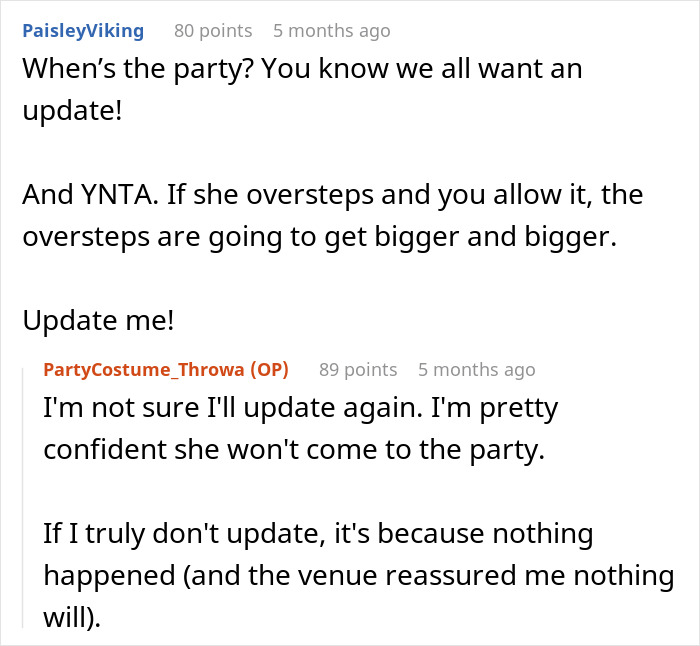
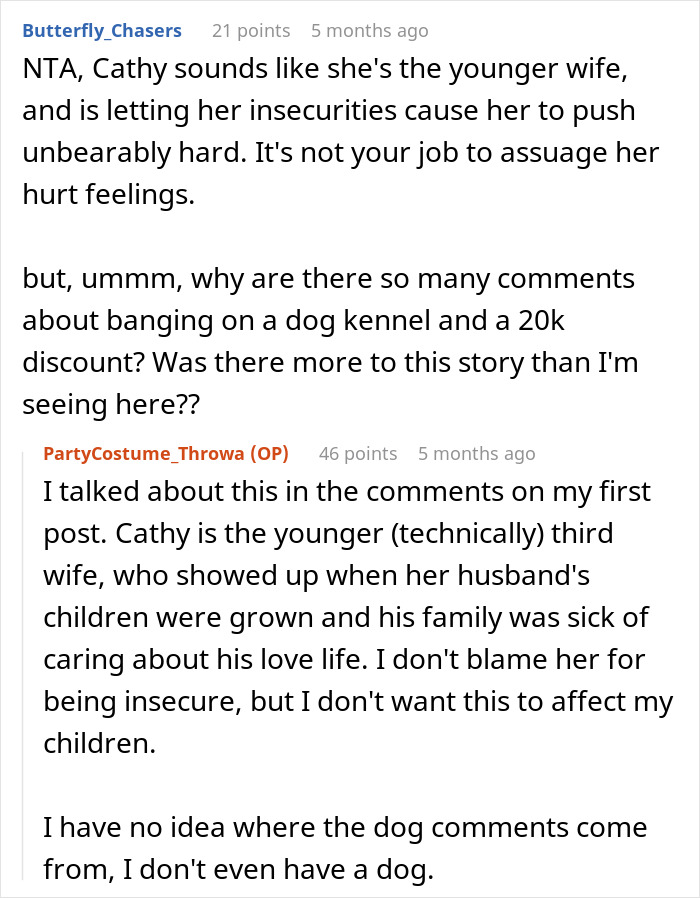
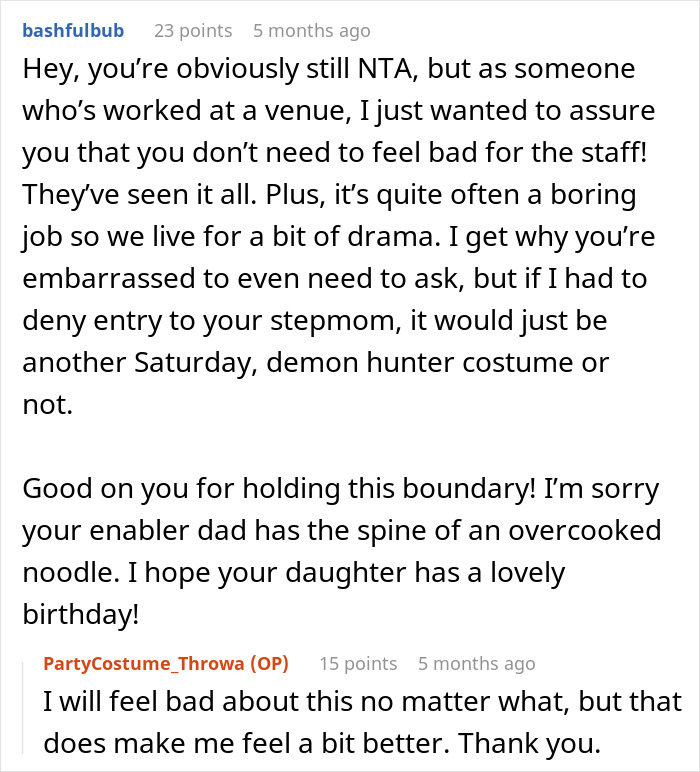
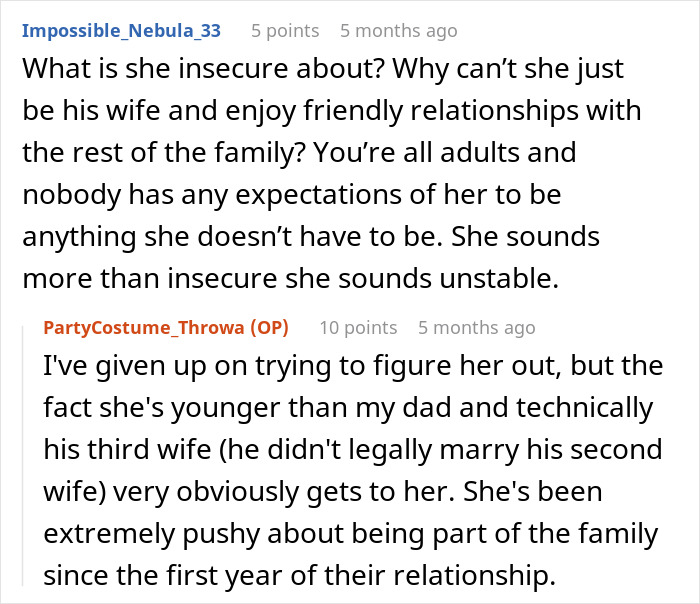
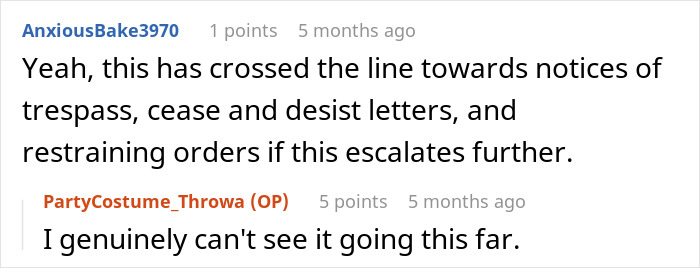
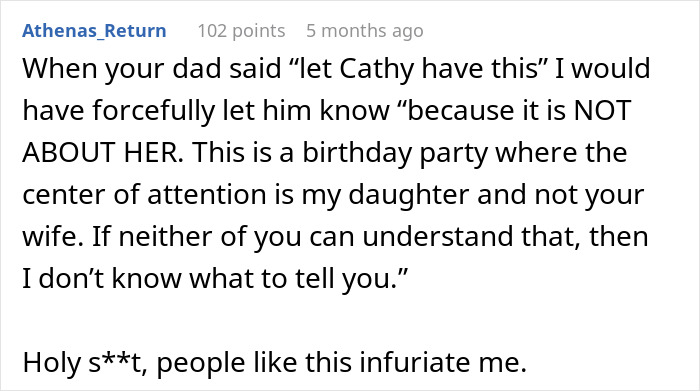

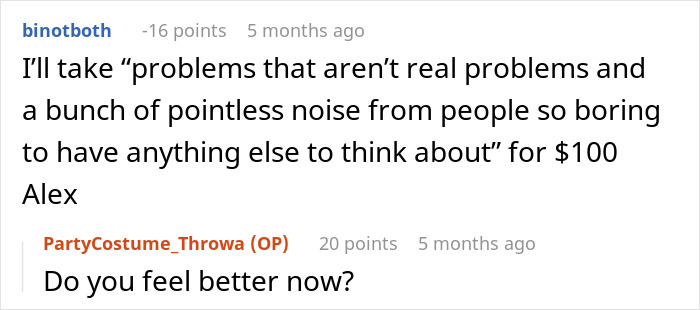
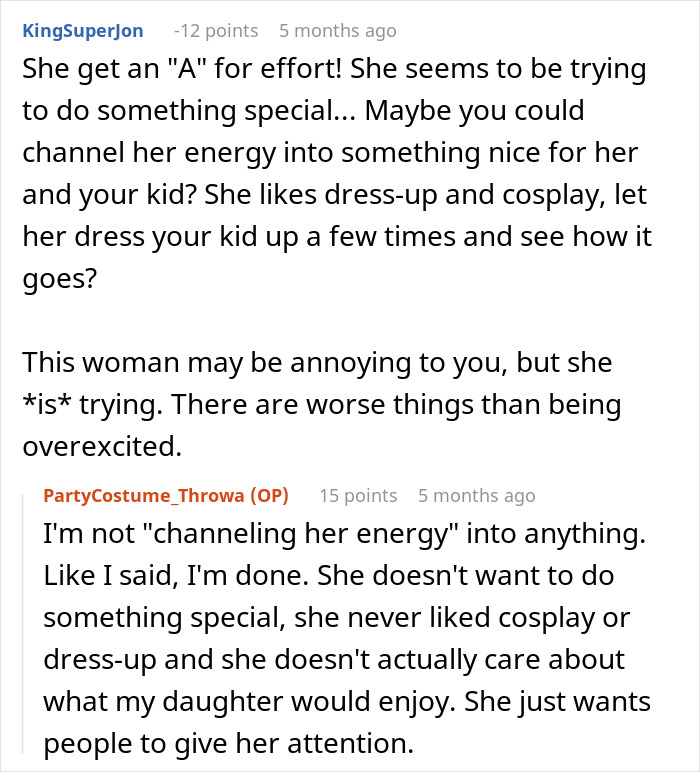
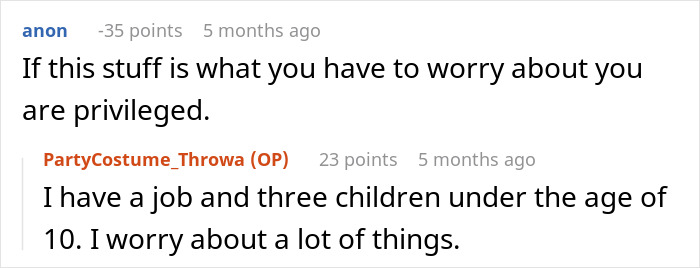
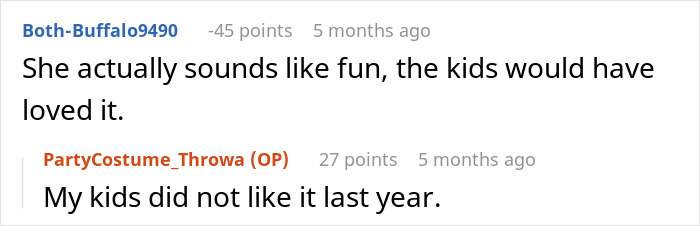
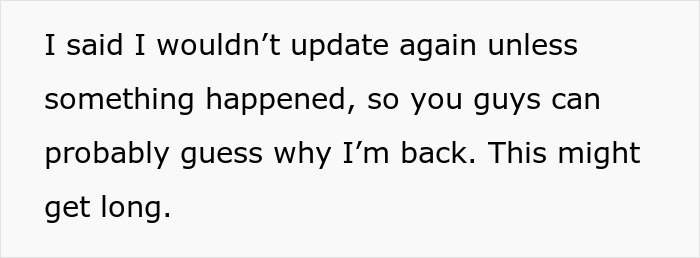
Image credits: yavdat/Envato (not the actual photo)
Image credits: seventyfourimages/Envato (not the actual photo)
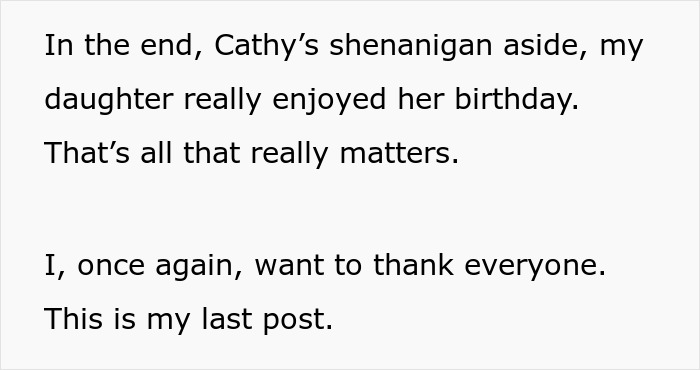
Image credits: PartyCostume_Throwa
Some find it fun. Others find it weird. But experts say it can be healthy for adults to dress up in costume every now and again. Changing how we look can change how we feel and behave. It’s something psychologists call “enclothed cognition” — the idea that clothing doesn’t just signal identity, it shapes it too.
“We might feel more confident in a suit, more focused in activewear, or more playful in costume. The clothes we choose send cues to both our brain and others about who we’re being in that moment,” explains the team at Australia’s Peaceful Mind Psychology.
We’re wired to play dress-up from childhood. It’s one of the ways we learn about the world. Donning a superhero cape, a fireman suit, or a nurse’s uniform helps kids explore different roles, values, and emotions in a safe, imaginative way.
As adults, “dressing up gives permission to experiment with identity outside the expectations of our everyday roles,” say the experts. It also allows us to reveal more of our authentic self.
Image credits: Zinkevych_D/Envato (not the actual photo)
“When people feel anonymous or less recognisable, social self-consciousness drops. We stop worrying quite so much about how we’re being perceived, and our behaviour loosens,” reveal the psychologists. They add that it’s liberating to let go of the work persona, the parent persona, the polite-in-public persona, and “try on something more playful, bold, or even absurd.”
Interestingly, some experts believe that the costumes we pick can reveal a lot about our mental health or psychological issues.
“People who pick scary costumes are conquering fears from childhood. People who dress like politicians enjoy provoking conflict. Those who portray nuns, priests, school teachers and librarians are shy and unapproachable,” reads a posts published on the U.S. Army website. “Cops, firefighters, doctors, cowboys and heroes desire to be taken more seriously. People who choose storybook or cartoon characters like Snow White and Sponge Bob want to recapture the innocence of youth.”
But the Peaceful Mind Psychology team says that not every costume has to have a deep meaning.
“Our choices can sometimes reflect inner wishes, values, or emotions,” they explain. “A costume might express who we want to be — brave, powerful, funny, elegant — or simply let us play with contrast, like the gentle person who chooses to be a villain.”






By entering your email and clicking Subscribe, you're agreeing to let us send you customized marketing messages about us and our advertising partners. You are also agreeing to our Privacy Policy.
Thank you! You've successfully subscribed to newsletters!


I'm a cosplayer in my 40's, and Cathy was definitely out of line. I love dressing up, I have no problem going out in costume. He ll I went to one of my best friends weddings dressed as The Doctor. But the difference is, the wedding was Dr Who themed, and both the bride and groom were aware of, and Approved, beforehand. They loved it, because it was their decision. I would NEVER show up to a non-costume party in costume without permission. My other friend got married, and I wore a suit and tie. As I always say, "Maturity is knowing when it is OK to be immature."

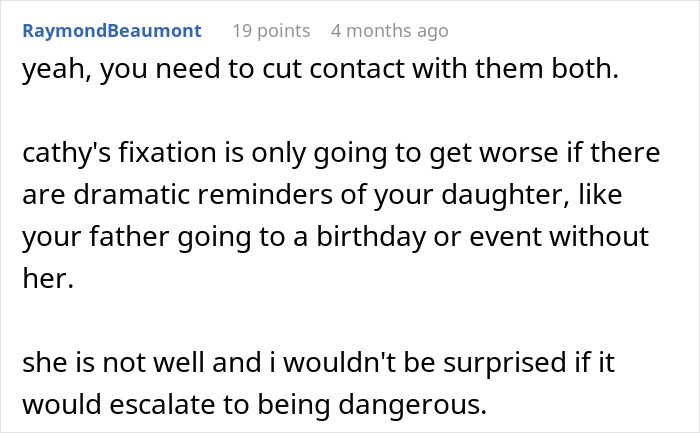
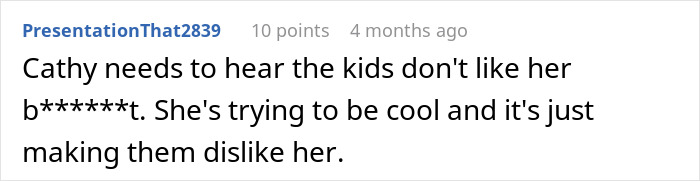
I really like your saying. Cathy's problem is that she's attached to an image as the "fun" adult. I suspect that she doesn't attend cosplay events, since she wouldn't be "unique".
Load More Replies...
I'm a cosplayer in my 40's, and Cathy was definitely out of line. I love dressing up, I have no problem going out in costume. He ll I went to one of my best friends weddings dressed as The Doctor. But the difference is, the wedding was Dr Who themed, and both the bride and groom were aware of, and Approved, beforehand. They loved it, because it was their decision. I would NEVER show up to a non-costume party in costume without permission. My other friend got married, and I wore a suit and tie. As I always say, "Maturity is knowing when it is OK to be immature."
I really like your saying. Cathy's problem is that she's attached to an image as the "fun" adult. I suspect that she doesn't attend cosplay events, since she wouldn't be "unique".
Load More Replies... 






 No fees, cancel anytime






33
25