Get Premium
Dark mode theme is available exclusively for premium users. Learn more about the benefits of subscribing.
No fees, cancel anytime.

 Dark Mode Ad-Free Browsing Unlimited Content
 Ad-Free Browsing Unlimited Content Dark Mode
Join 1.2 million Panda readers who get the best art, memes, and fun stories every week!
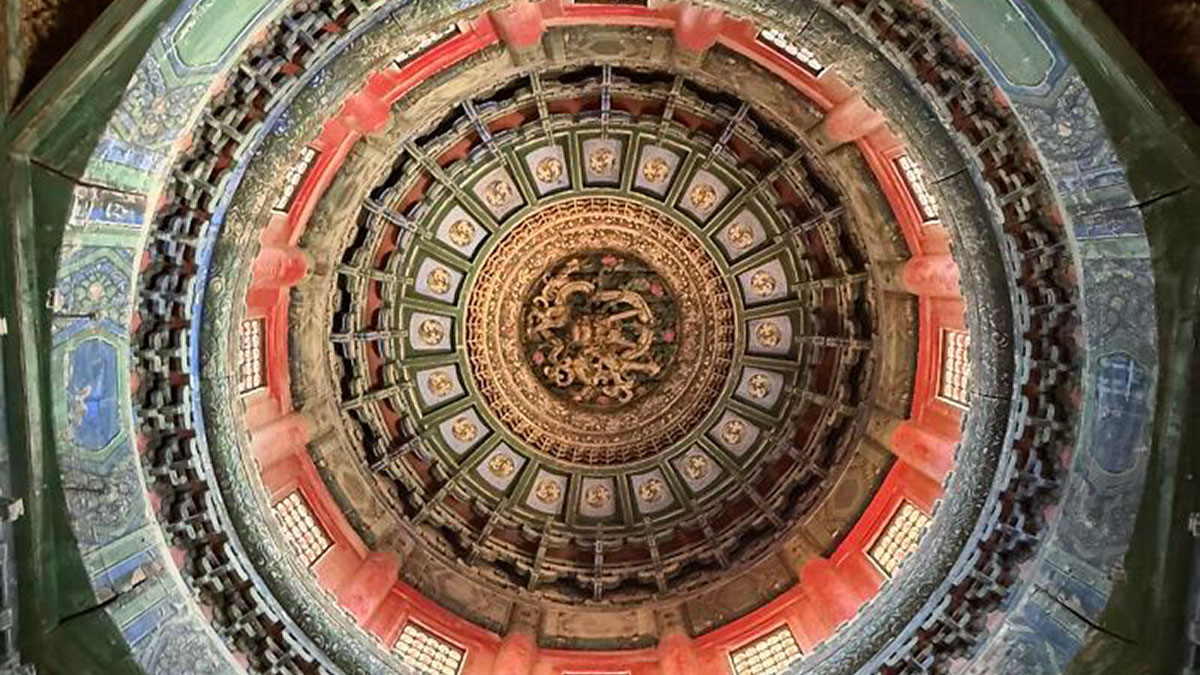
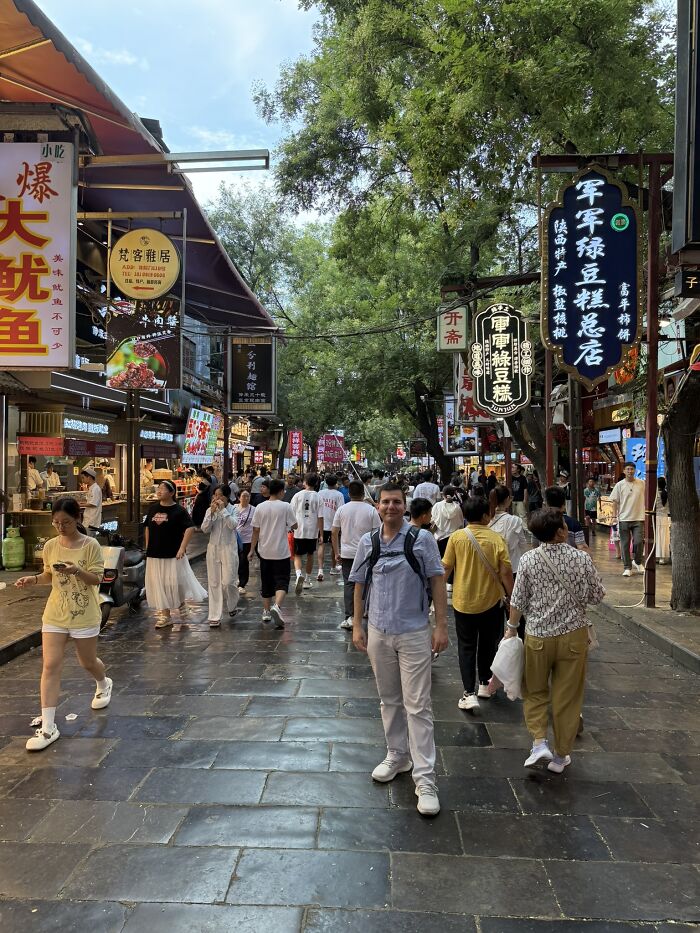
China is often described through superlatives. It's home to some of the world's oldest civilizations, the largest high-speed rail network, futuristic megacities, ancient imperial capitals, snow-capped Himalayan peaks, and landscapes that seem almost impossible to believe exist outside fantasy films. Yet despite its global prominence, it remains one of the least understood destinations for many independent travelers, who often imagine it as difficult to navigate or culturally impenetrable.
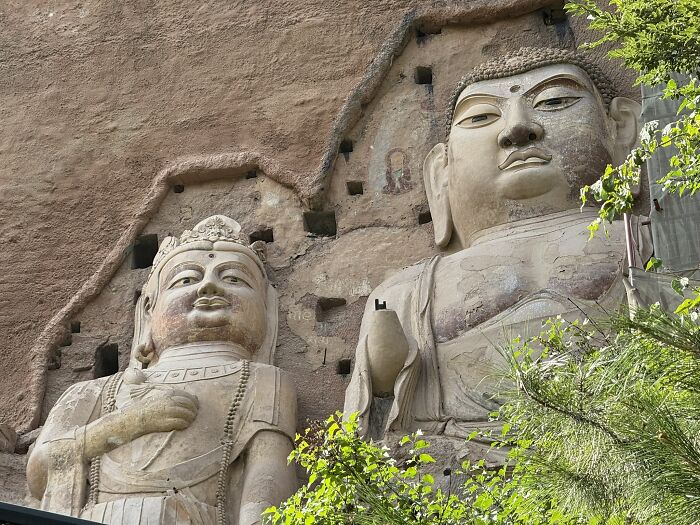
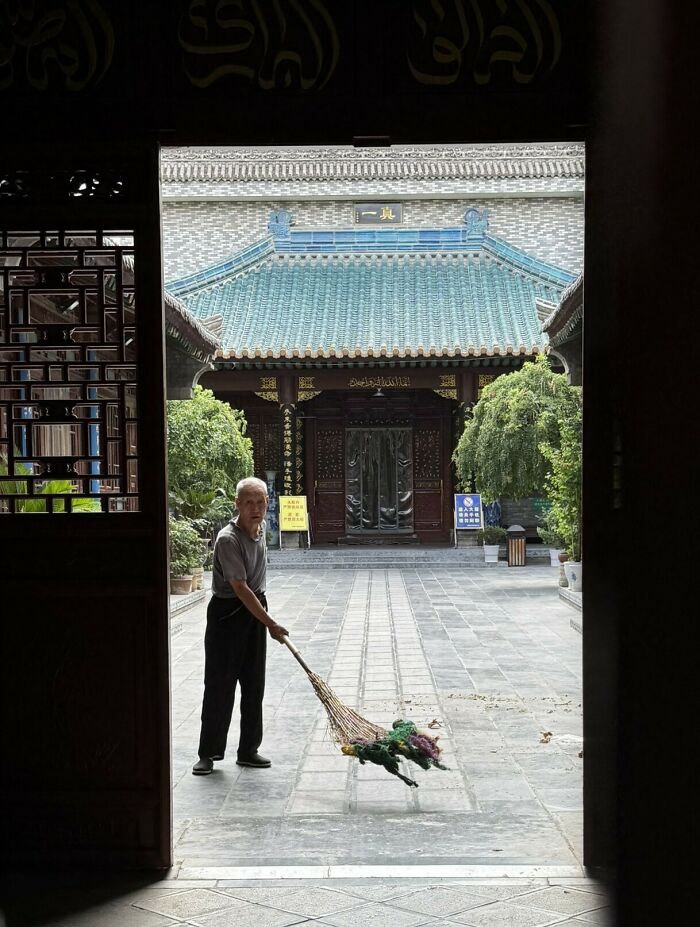
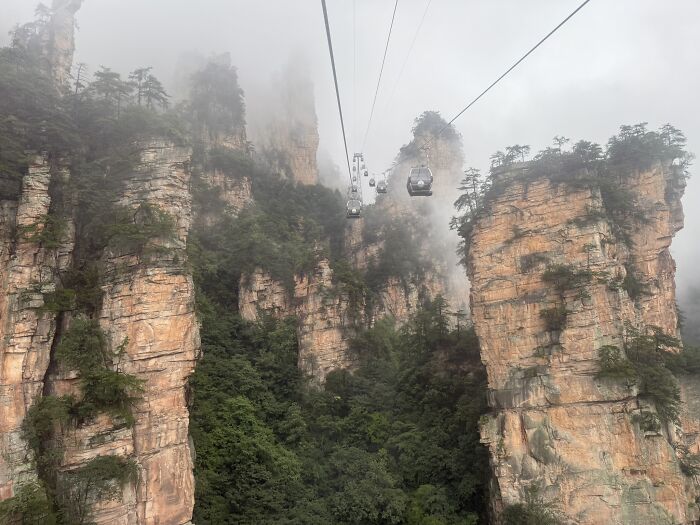
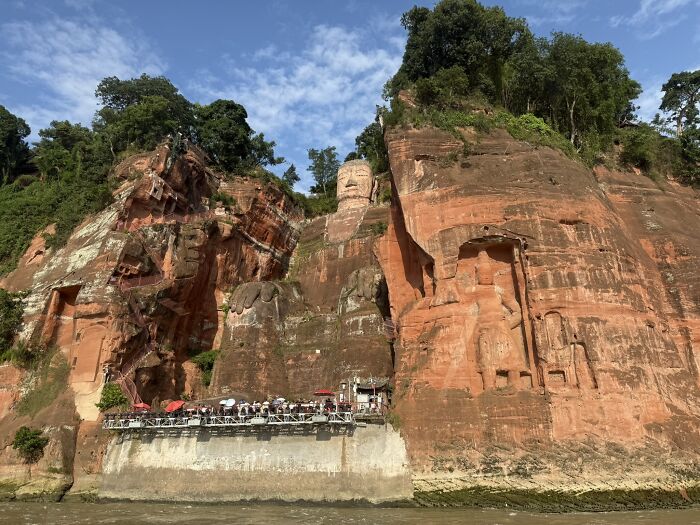
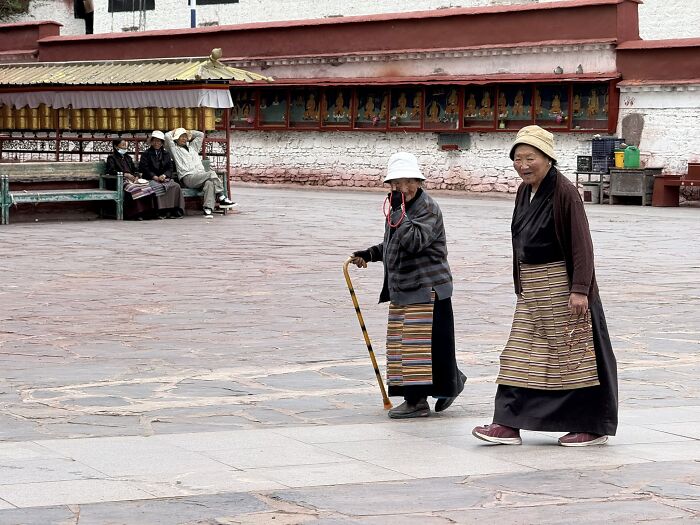
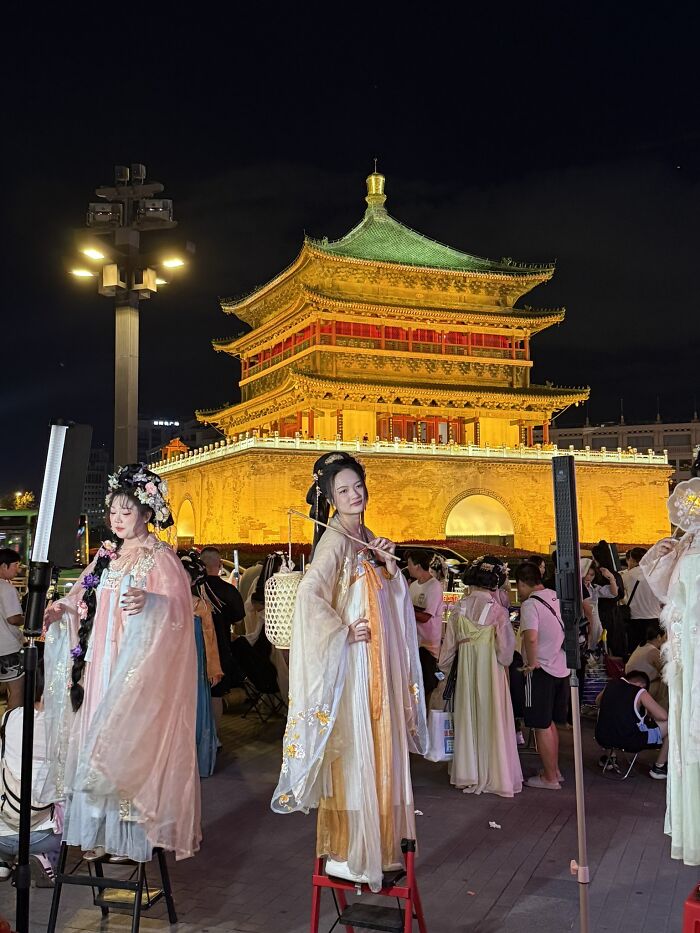
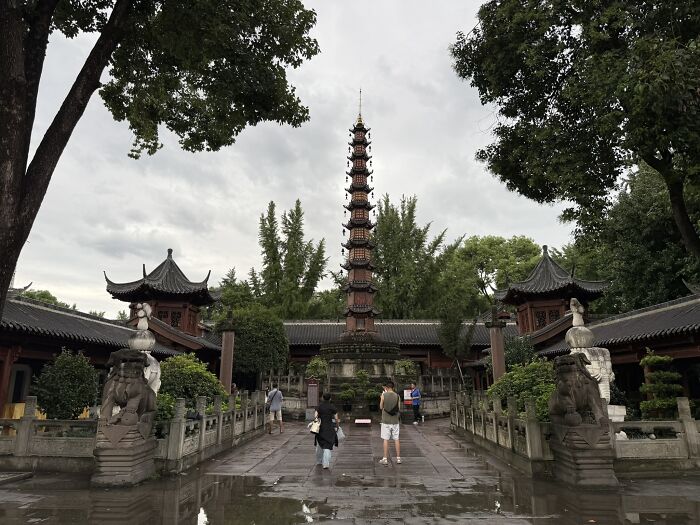
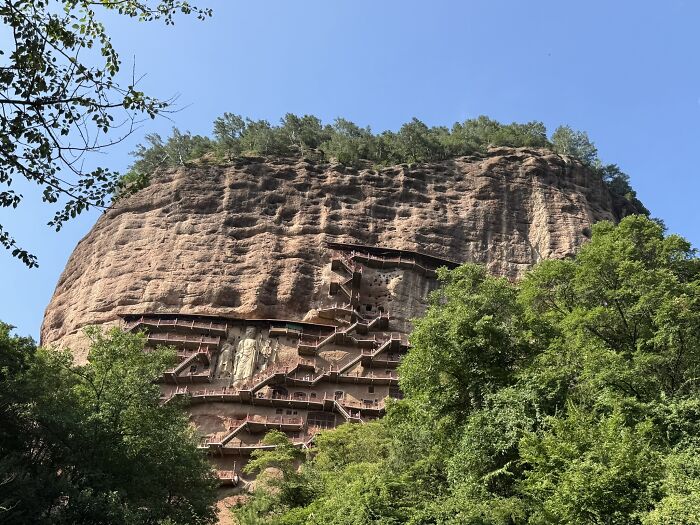
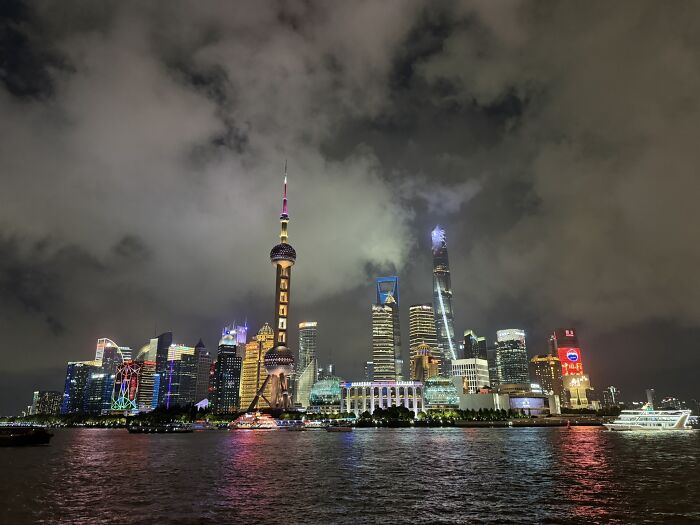
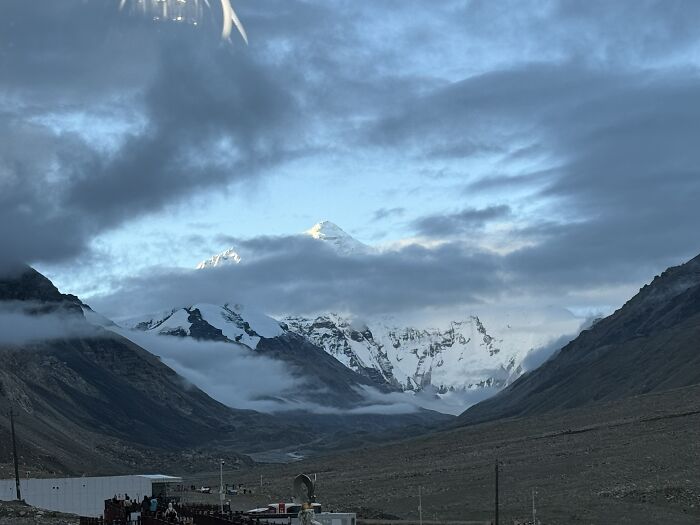
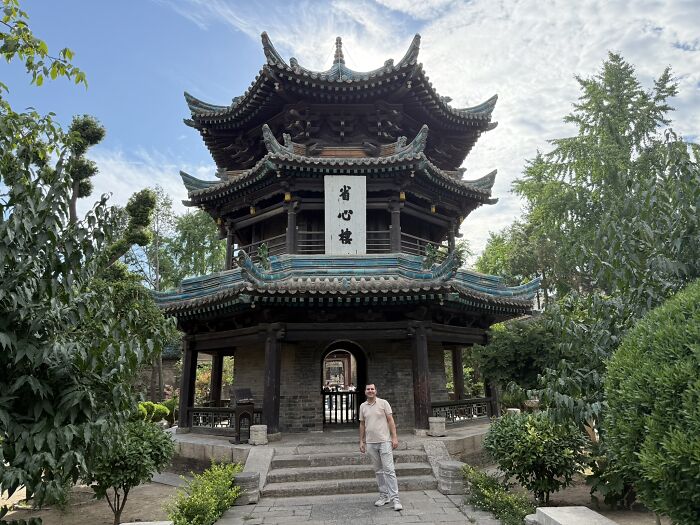
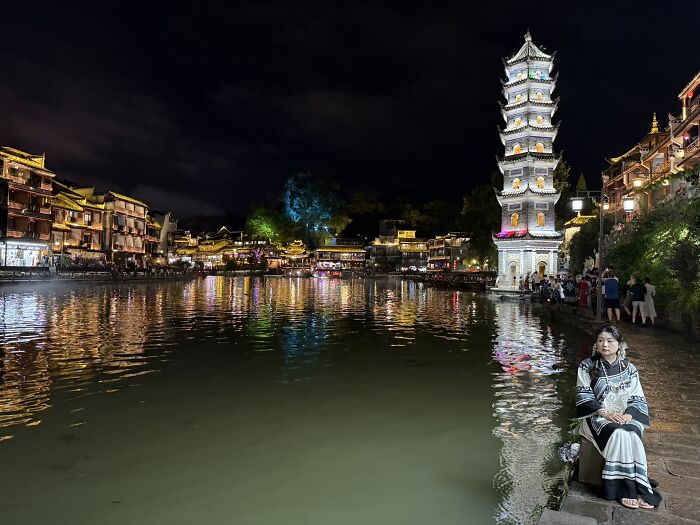
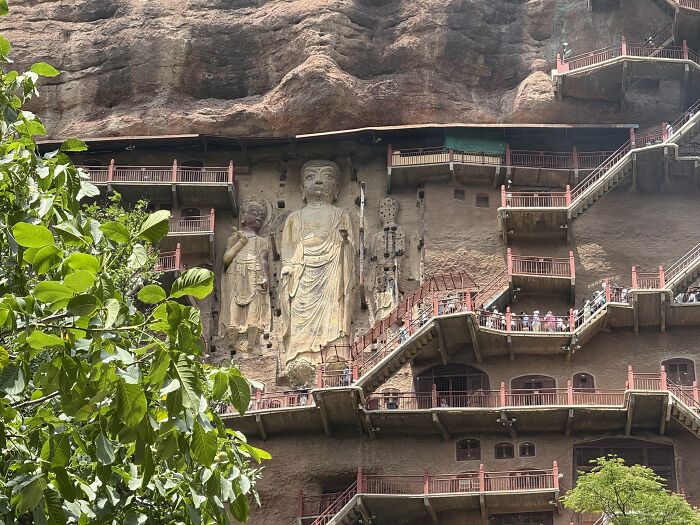
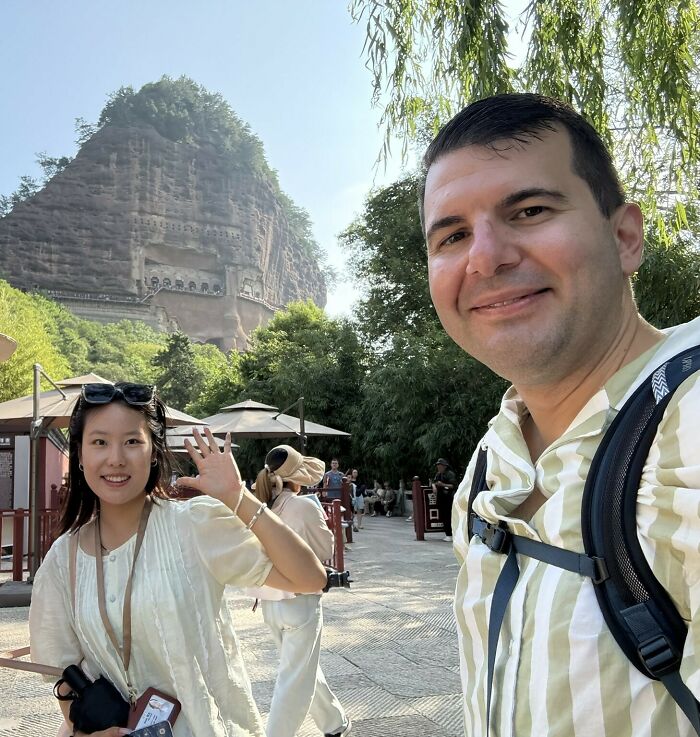
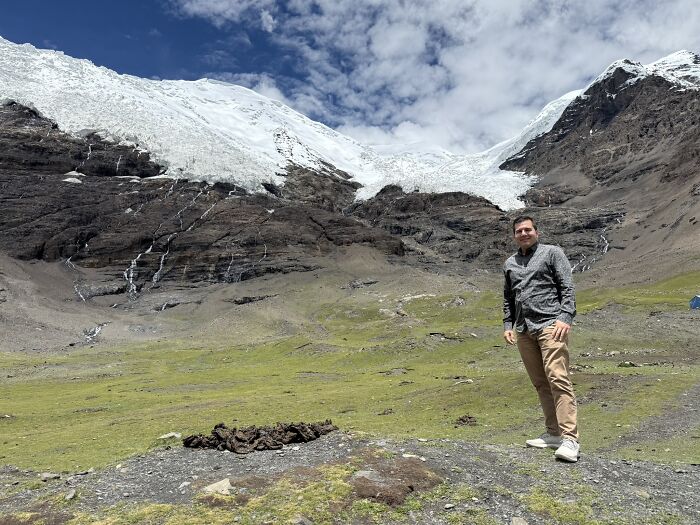
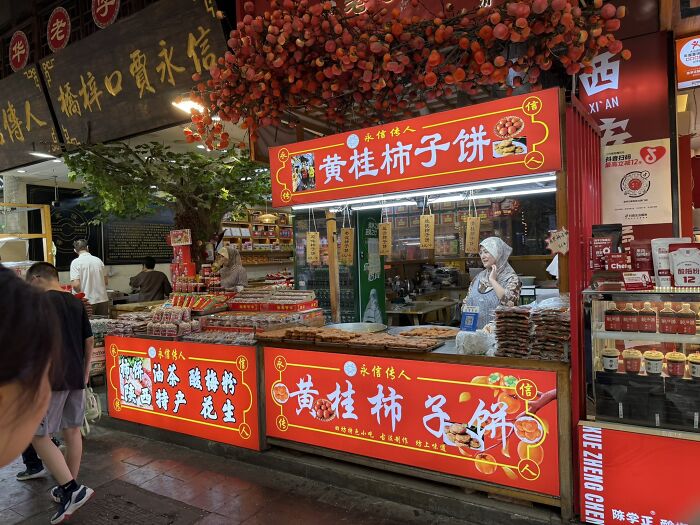
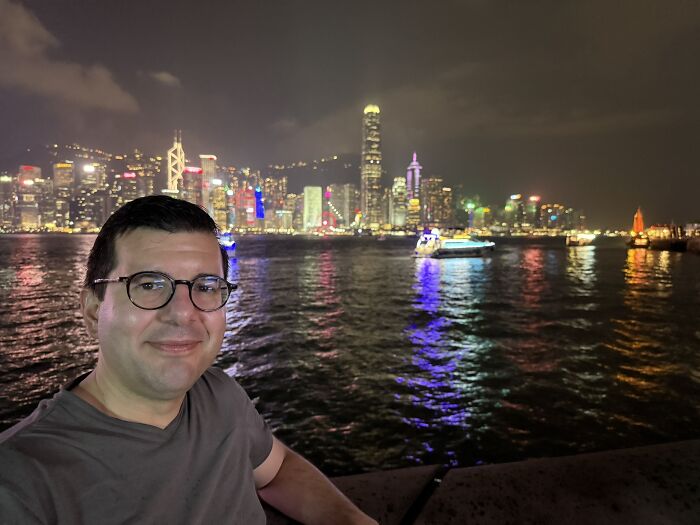
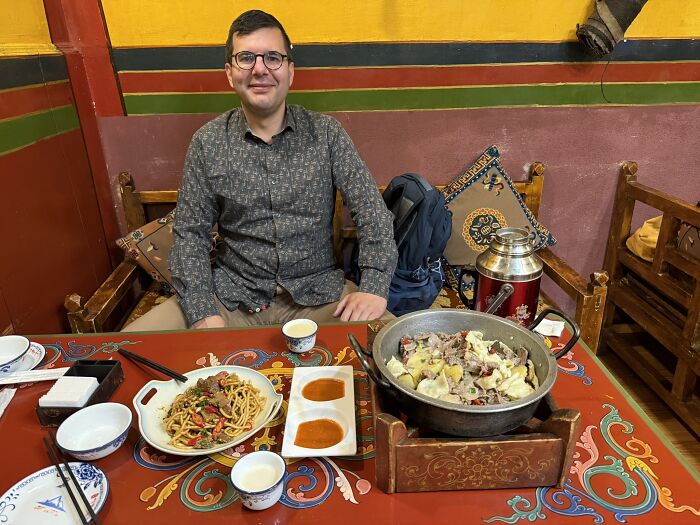
For Panos Papadongonas, founder of Unusual Nomad and a traveler who has explored nearly 70 countries, a journey across China challenged nearly every expectation he had before arriving. Over several weeks, he traveled from the monumental avenues of Beijing to the ancient streets of Pingyao, the Buddhist grottoes of Gansu, the Tibetan Plateau, the mist-covered sandstone pillars of Zhangjiajie, and the glittering skyline of Shanghai. Rather than revealing a single, easily defined country, the trip unfolded as a series of remarkably different worlds, each with its own history, landscape, rhythm, and traditions. By the end of the journey, what had initially seemed like one destination felt more like several countries connected by one border.
More info: unusualnomad.com | Instagram | tiktok.com | youtube.com | Facebook
This post may include affiliate links.
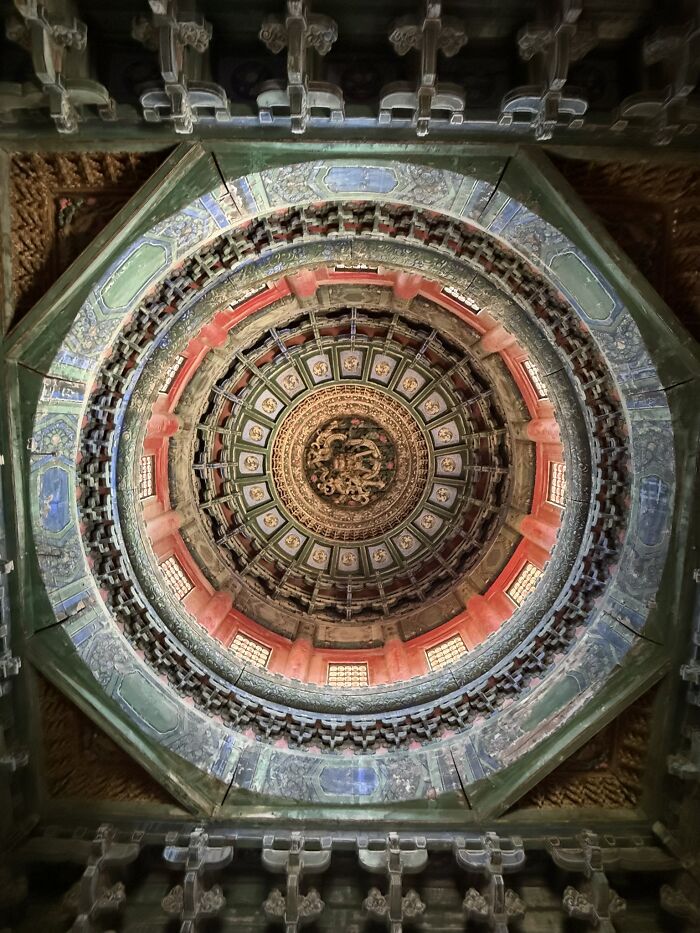
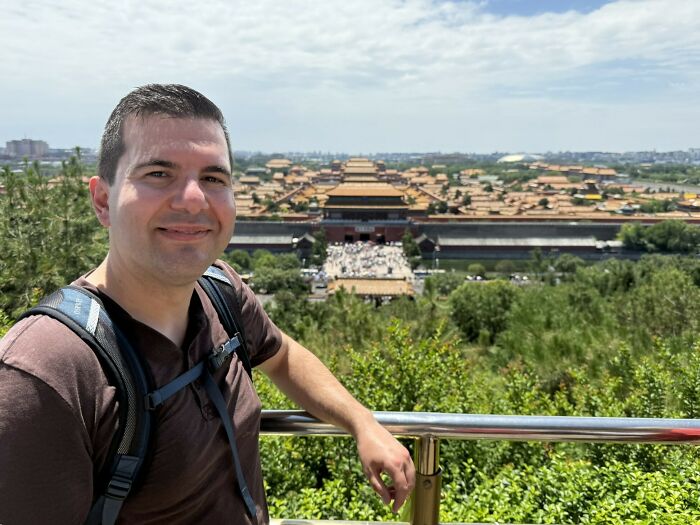
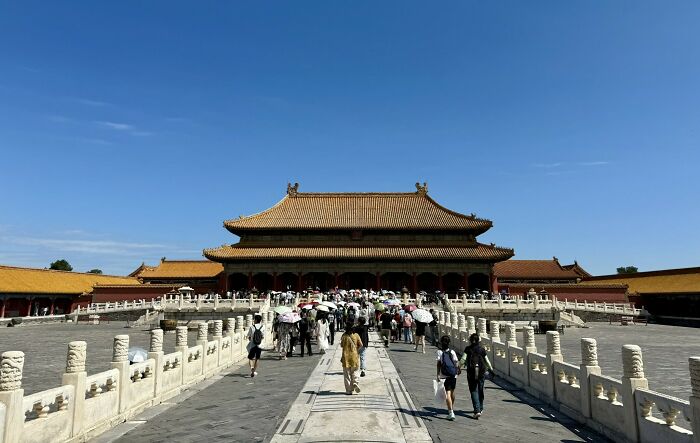
Beijing was the first place where the country's immense scale became impossible to ignore. It wasn't simply the size of the city, but the way space itself had been designed to communicate power. Walking through the Forbidden City, Papadongonas found himself moving through one vast courtyard after another, each separated by monumental gates that seemed to stretch endlessly toward the horizon. "The Forbidden City did not feel like a palace you simply walk through, but like power turned into architecture: one gate after another, one courtyard after another, every axis designed to make you feel small," he told in the interview with Bored Panda.

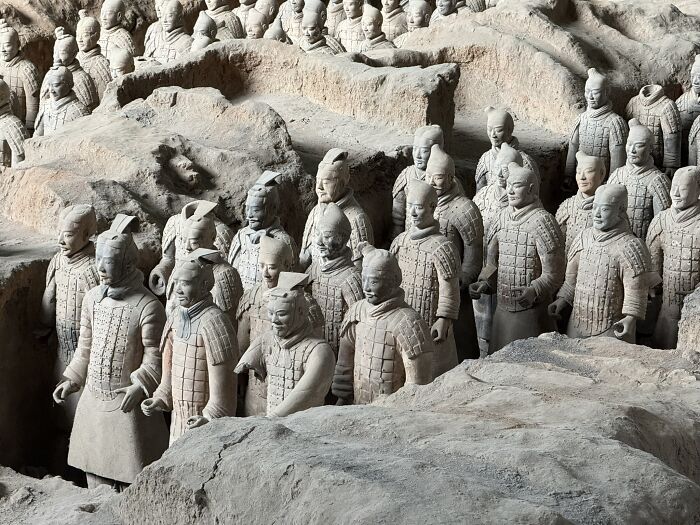
Seen it. So far they've excavated a man made canyon and that is merely a fraction of what's there.
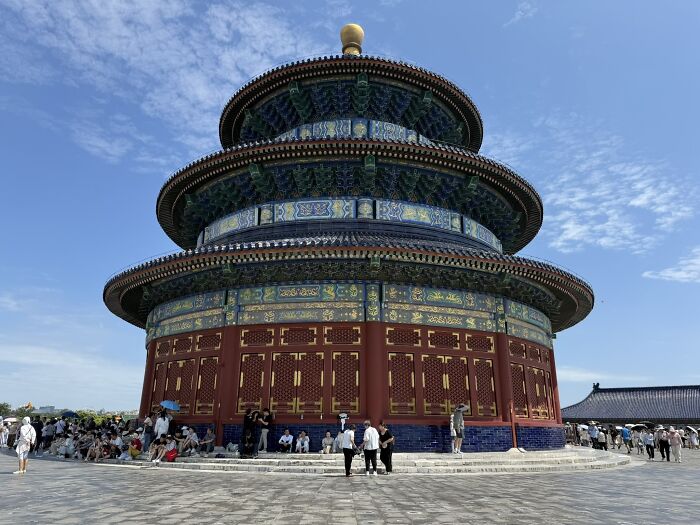
Only a short distance away, however, another side of Beijing revealed itself. At the Temple of Heaven, imperial grandeur gave way to everyday life. Instead of crowds rushing between monuments, parks filled with older residents dancing, stretching, practicing tai chi, playing cards, and chatting beneath the trees. It was a side of the capital he hadn't anticipated. "I had expected imperial monuments. I had not expected the city's public spaces to feel so lived in."
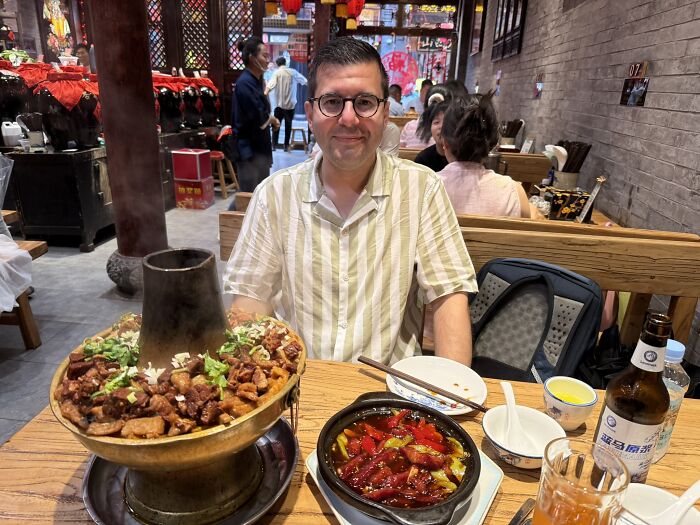
Some of his favorite memories from Beijing came not from famous landmarks but from unexpected encounters. Curious to try donkey meat, Papadongonas visited Wangpangzi, a modest local restaurant where two Chinese men sitting nearby noticed the foreign visitors and enthusiastically invited them to share a drink. Despite speaking very little of each other's language, conversation flowed surprisingly easily. "It was a small moment, but it stayed with me because it was spontaneous: no tour, no performance, just a fun exchange between strangers over something I never expected to eat in Beijing."
Even the Great Wall, one of the world's most photographed landmarks, managed to exceed expectations. Having seen countless images throughout his life, Papadongonas wondered whether it was still possible to experience it without preconceived ideas. Standing on the Mutianyu section, watching the wall snake across the mountain ridges, quickly answered that question. "Some places survive their own fame," he said. "And this was one of them."

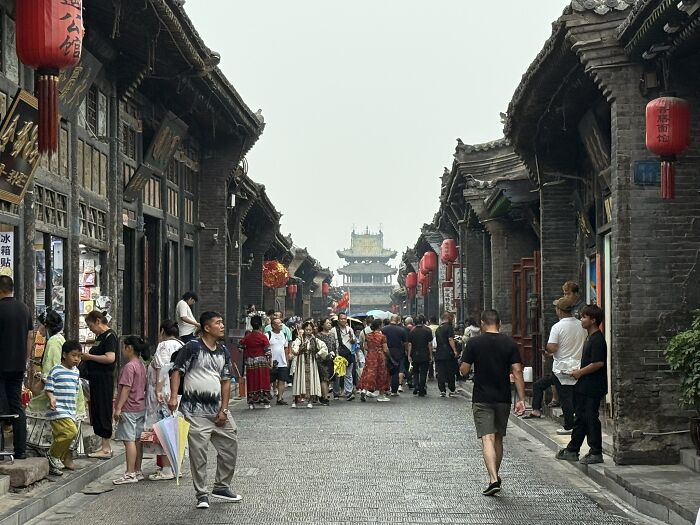
Leaving Beijing aboard one of China's high-speed trains marked another shift in the journey. While the country's rail system felt strikingly futuristic, many of the places it connected seemed rooted in an entirely different era. Nowhere was that contrast more evident than in Pingyao, where life continues behind centuries-old city walls lined with narrow lanes, traditional courtyard houses, and glowing red lanterns.
For Papadongonas, Pingyao marked the moment when China became far more layered than he had imagined. "It was the first time I felt the trip stretch beyond the expected China of big capitals, famous monuments, and modern skylines," he said. "The country suddenly felt layered: fast trains outside the old walls, slow streets inside them."

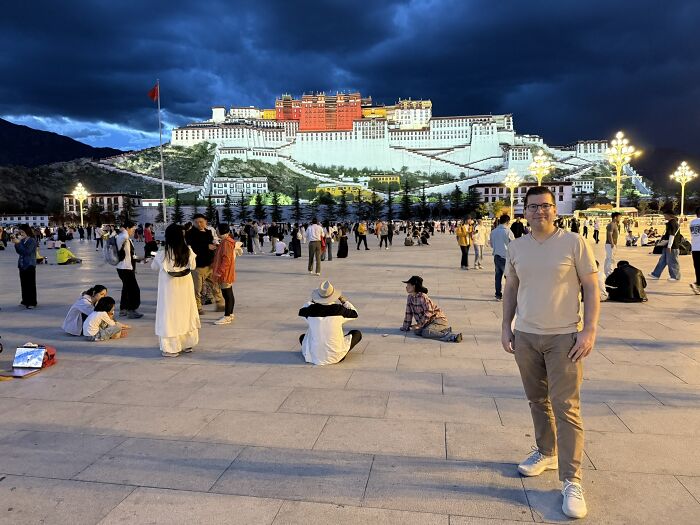
Striking photo, both beautiful. I imagine much more so when the tourists go home for the night .🌙 The glowing temple in the quiet darkness of moonlight would be memorizing
Having visited nearly 70 countries, he was used to finding a destination's rhythm after a few days. China never really allowed that to happen. Just when one place began to feel familiar, the next introduced a completely different landscape, history, or way of life. By the time he left, it was clear that the country's greatest surprise wasn't any single place, it was how much variety could exist within one journey.

The hill is all the earth removed from the moat around the Forbidden City.
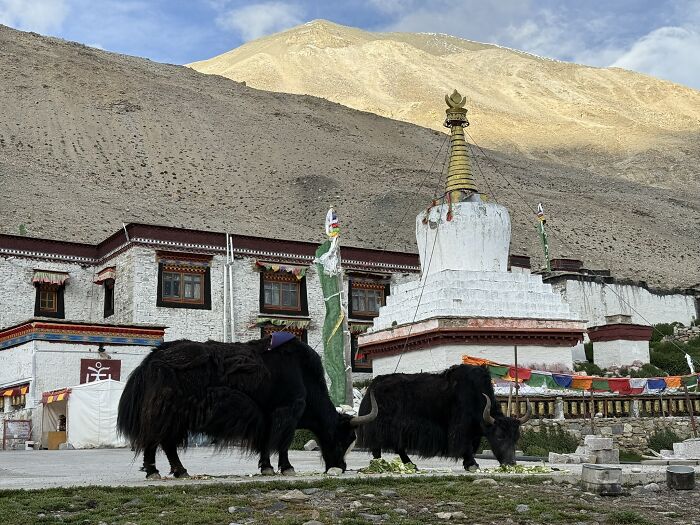
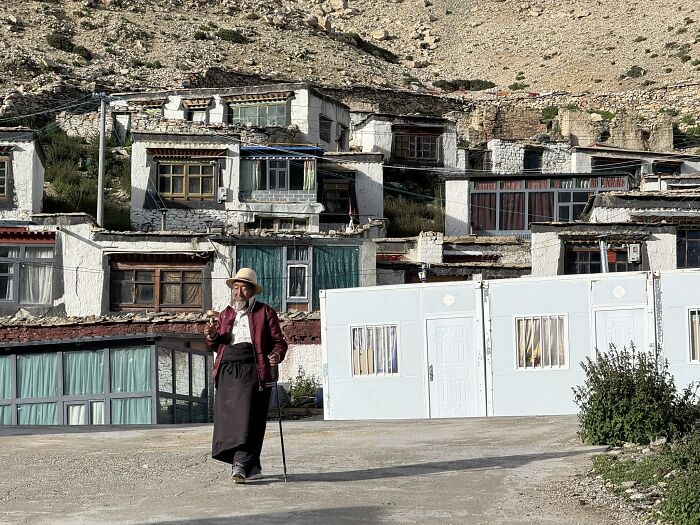
Surprised a monastery isn't in better condition. They are the ones helping the poor and underprivileged not being part of that population.

It has nothing to do with this person's photos, but... I think a lot of Tibetan people would like to argue that Tibet is NOT part of China. As would the Taiwanese people as well. Historically those were two autonomous nations and both are trying to become autonomous again. China itself is, of course, not even remotely "a single, easily defined country" because it is so vast. The different regions have drastically different cuisines due to the availability of food and crops - northern China has wheat-based dishes, while the south has a rich history of seafood dishes. The central and western regions were historically good for grazing, so they have beef and mutton. There are so many different cuisines just within one country!

Generic nonsense. There is a contrast here however: a contrast between these sweet farty-tarty shotsband the fate of the Uyghur, of the dissidents, of the indentured or of the unregistered children of the one child policy. It's a horrible place. The fact that they make cheap phones and sneakers doesn't change that.
It has nothing to do with this person's photos, but... I think a lot of Tibetan people would like to argue that Tibet is NOT part of China. As would the Taiwanese people as well. Historically those were two autonomous nations and both are trying to become autonomous again. China itself is, of course, not even remotely "a single, easily defined country" because it is so vast. The different regions have drastically different cuisines due to the availability of food and crops - northern China has wheat-based dishes, while the south has a rich history of seafood dishes. The central and western regions were historically good for grazing, so they have beef and mutton. There are so many different cuisines just within one country!
Generic nonsense. There is a contrast here however: a contrast between these sweet farty-tarty shotsband the fate of the Uyghur, of the dissidents, of the indentured or of the unregistered children of the one child policy. It's a horrible place. The fact that they make cheap phones and sneakers doesn't change that.






































 No fees, cancel anytime