Get Premium
Dark mode theme is available exclusively for premium users. Learn more about the benefits of subscribing.
No fees, cancel anytime.

 Dark Mode Ad-Free Browsing Unlimited Content
 Ad-Free Browsing Unlimited Content Dark Mode
Join 1.2 million Panda readers who get the best art, memes, and fun stories every week!
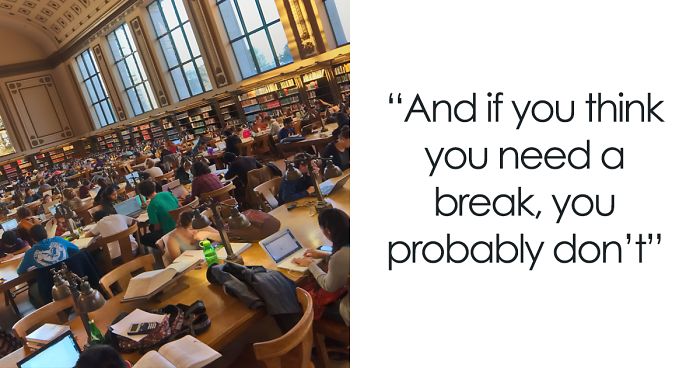
When it comes to studying many of us might say we spend a lot of time doing so when in reality most of the time is spent scrolling on social media or taking naps every 15 minutes. On the other hand, some of us get too invested in student life with all-night parties and consequently skipping classes. Even though these distracting breaks are not the most efficient way to get things done, not many of us know how to work smarter to get the best possible results. So since a new school year is upon us and everyone has a bit of beginning semester motivation, we want to share some genius tips on ‘how to study like a Harvard student.’
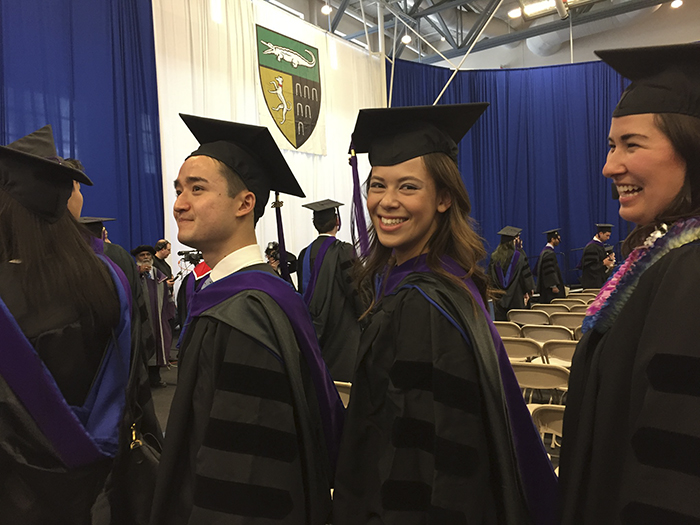
These studying tips were written by a Sophia Chua-Rubenfield, a Yale and Harvard graduate student, as well as the daughter of a writer Amy Chua who is also known as ‘The Tiger Mom.’ Sophia was raised using the tiger parenting technique which pushes children to be as academically successful as possible. Clearly, the philosophy works, as Sophia recently became a doctor of Law at Yale law school.
Scroll down to read Sophia’s tips on how to study effectively to succeed, and don’t forget to tell us what you think in the comments!
Image credits: Amy Chua
Image credits: Amy Chua
Image credits: Harvard University
Image credits: Harvard University
Image credits: Pexels
Image credits: Paseidon
196Kviews
Share on Facebook

I'm doing accounting and was having difficulty understanding certain concepts of the development of the SEC and organizations that monitor business and financing. So my husband sat down and pretended to be the student and had me teach him what I'd learned. It was awesome because I realized there were areas of what I was studying that I had skipped over or forgotten. It helped me to identify weak spots in what I was learning and allowed me to make a list of what I needed to go over again. He asked questions..I looked up the answers. God I love this man and his cleverness.

You're a lucky gal, Carol, he seems like an amazing man :)
Load More Replies...
I dont agree with the no underlying. I have a visual memory so this helped me a lot. I just used different colors for different things: authors and people in orange, dates in blue, concepts in pink etc. That would give me an easy to remember picture of the page
I'm doing accounting and was having difficulty understanding certain concepts of the development of the SEC and organizations that monitor business and financing. So my husband sat down and pretended to be the student and had me teach him what I'd learned. It was awesome because I realized there were areas of what I was studying that I had skipped over or forgotten. It helped me to identify weak spots in what I was learning and allowed me to make a list of what I needed to go over again. He asked questions..I looked up the answers. God I love this man and his cleverness.
You're a lucky gal, Carol, he seems like an amazing man :)
Load More Replies... I dont agree with the no underlying. I have a visual memory so this helped me a lot. I just used different colors for different things: authors and people in orange, dates in blue, concepts in pink etc. That would give me an easy to remember picture of the page
































 No fees, cancel anytime











341
37