Get Premium
Dark mode theme is available exclusively for premium users. Learn more about the benefits of subscribing.
No fees, cancel anytime.

 Dark Mode Ad-Free Browsing Unlimited Content
 Ad-Free Browsing Unlimited Content Dark Mode
Join 1.2 million Panda readers who get the best art, memes, and fun stories every week!
28submissions
Finished

In his wonderfully rich book Medieval Bodies: Life, Death and Art in the Middle Ages, Dr. Jack Hartnell shows that the era wasn't as ignorant or stagnant as we often assume but acknowledges that, at times it was pretty wild. Feeling sad? Come get your blood drawn.
However, a few hundred years later, we still don't have all the answers. Far from it. When Reddit user Immediate_Hair_3393 asked all health professionals on the platform to share the questions that are still puzzling us, they were flooded with responses!
Click here & follow us for more lists, facts, and stories.
This post may include affiliate links.
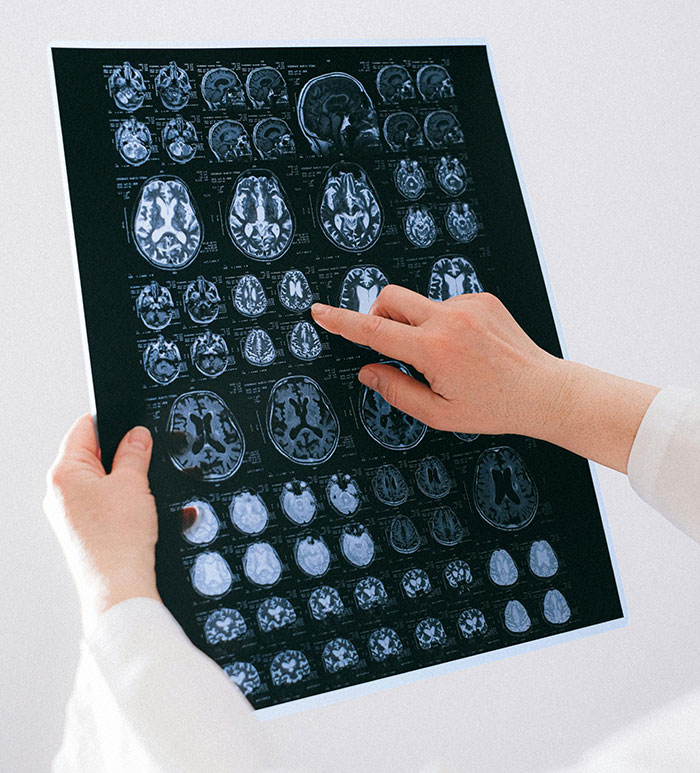
 How basically any of medical science works in relation to women and their bodies - almost all the data is based on men, and a lot of it almost exclusively.
We asked Iris Gorfinkel, M.D. who is a general practitioner, medical researcher, and the founder of PrimeHealth Family Practice and Clinical Research, to share her thoughts on the topic, and she told Bored Panda, "If I had one wish, it would be that the world unifies to fight the globe's biggest issues."
"This takes a lot of cooperation and it is a big wish to fight climate change, the loss of ecosystems, to begin understanding that the animal world is not separate from the human one. All of our health—the humans', animals', and plants'—is actually interlinked."
 One of the frustrating, but not so secret things in medicine is that racial differences exist and they can't be discussed in today's climate.
There are differences in d**g efficacy, growth, disease susceptibility or immunity just about everything.
It's preventing personalized treatments. AI can now pretty accurately guess someone's race and s*x from a single view chest xray so things may change.
People always think of this as a negative but in reality it should be approached like family history being super relevant for cancer or heart disease surveillance.
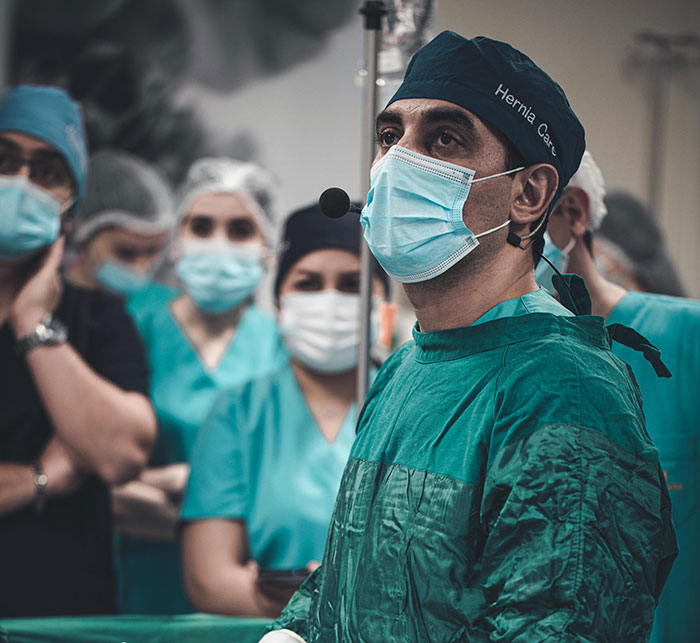 I’m an anesthesiologist. We still don’t really know why inhaled volatile anesthetics like sevoflurane, the principle anesthetic agent used to maintain general anesthesia, work. We kind of have an idea of maybe how it happens, but really we don’t know
It’s commonly said in my field that whoever figures this out will win the next Nobel prize in medicine
According to Gorfinkel, "If we're to prevent the next pandemic or if we're to successfully fight antibiotic resistance and make sure the world has food and that food is safe, it cannot be done without cooperation."
"This integrated approach is not something new; it's under the World Health Organization's One Health plan," she said.
 The Gut Microbiome: While it's well-known that the gut plays a huge role in digestion, researchers are discovering just how much our gut bacteria affect other parts of our health, like mood, immunity, and even brain function.
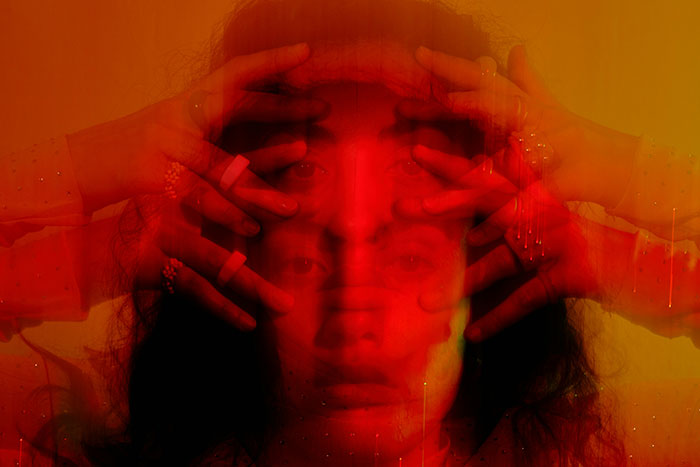 One of the few ABSOLUTES in medical science is that nobody born blind has ever developed schizophrenia.
While health, food, water, energy, and environment are all wide topics with sector-specific concerns, the WHO highlights that our collaboration across sectors and disciplines does contribute to addressing health challenges such as the emergence of infectious diseases, antimicrobial resistance, and food safety and promote the health and integrity of our ecosystems.
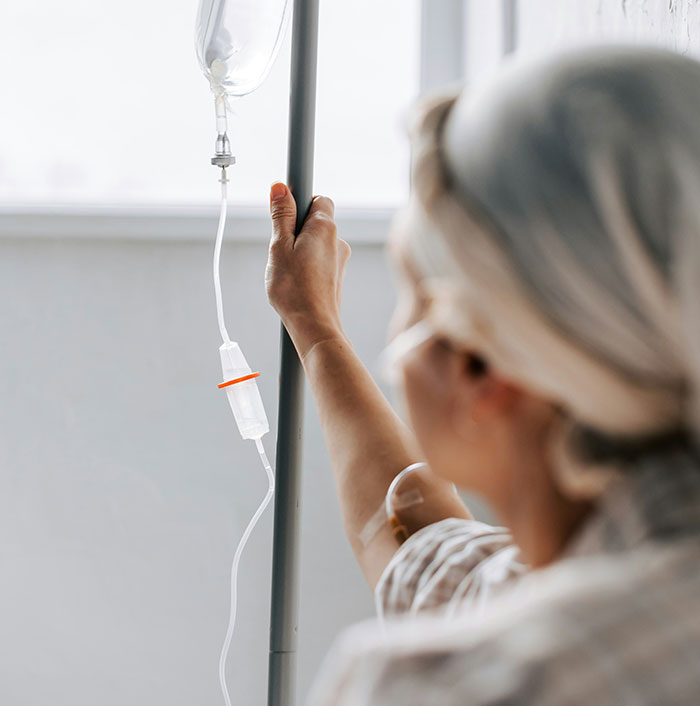 It’s not cancer. It’s cancer(S) and every specialized and stem cell (undifferentiated pluripotent cell) is at risk of mutating into something that doesn’t stop multiplying.
The cancer of a specialized gland cell is called adenocarcinoma.
The cancer of a skin cell is called squamous cell carcinoma.
The cancer of a melanocyte is melanoma and so on.
So anytime someone says, “they’re hiding the cure for cancer” they are being magnificently ignorant.
-Pathologist.
 I had a lecturer at medical school say "half of medicine is made up, we just don't know which half".
 One I didn't see mentioned: we apparently don't know precisely *how* our bodies can distinguish gas from p**p. We have some ideas, we know there are a ton of nerve endings in the area, but the precise mechanism of our bodies telling our brains "this is a [gas], let loose" isn't really understood.
What blows my mind is, it's distinct enough that we even pass gas while asleep. That difference must be wired DEEP!
By linking humans, animals and the environment, the One Health program aims to address the full spectrum of disease control – from prevention to detection, preparedness, response and management – and contribute to global health security.
The approach can be applied at the community, subnational, national, regional, and global levels and relies on shared and effective governance, communication, collaboration and coordination. One Health makes it easier for people to better understand the co-benefits, risks, trade-offs, and opportunities to advance equitable and holistic solutions, so if there's a way to answer the questions we see on this list, it's this.
 Not a doctor, but the amount of ¯_(ツ)_/¯ I got from doctors when I asked questions during my treatment for breast cancer was astounding. That's not to imply they were useless or didn't know what they were doing, I just asked a lot of questions lol.
Me: Why do I need to take Claritin before chemo?
Nurse: It helps with bone pain.
Me: Oh, that's interesting, why is that?
Nurse: Nobody knows!
Me: What's the cording I'm experiencing in my arm following my mastectomy?
Physical Therapist: Nobody actually knows what it's made of or where it comes from!
Me: Why am I suddenly unable to eat gluten following my cancer treatment?
Gastro Doc: Trauma, probably?
Having cancer really made it clear to me that so much of the human body is still a mystery!
 Allergies, spefically food allergies . And why do adults develop them after never reacting to them before?
 Had a pathologist tell me that the interesting part of his job wasn't finding out how someone died, it was seeing everything that can be wrong with someone, so many life threatening or life altering, horrible things that a person can have going on and still be alive.
Good friend died of pneumonia (he was too busy at work, couldn't afford to take time off), he kept using OTC meds for the symptoms.
He died unattended, so the coroner had to get involved, they did an autopsy. His body had cancer in three different places, he never stopped.
Dude was old-time tough.
 Doctor here. Off the top of my head, here's a few deceptively big ones:
1) We still aren't exactly sure how anesthesia works. We just know it causes certain effects, and they are useful so we use it.
2) psychiatry is still shockingly infantile in our understanding of human disorders. It's constantly in a state of flux, we don't understand a lot about the meds we currently use, and the diagnostic criteria for disorders still changes as we realize "hey maybe all these behaviors aren't the same source disorder". It's incredibly hard to diagnose when the criteria is largely based on self report and subjective observations.
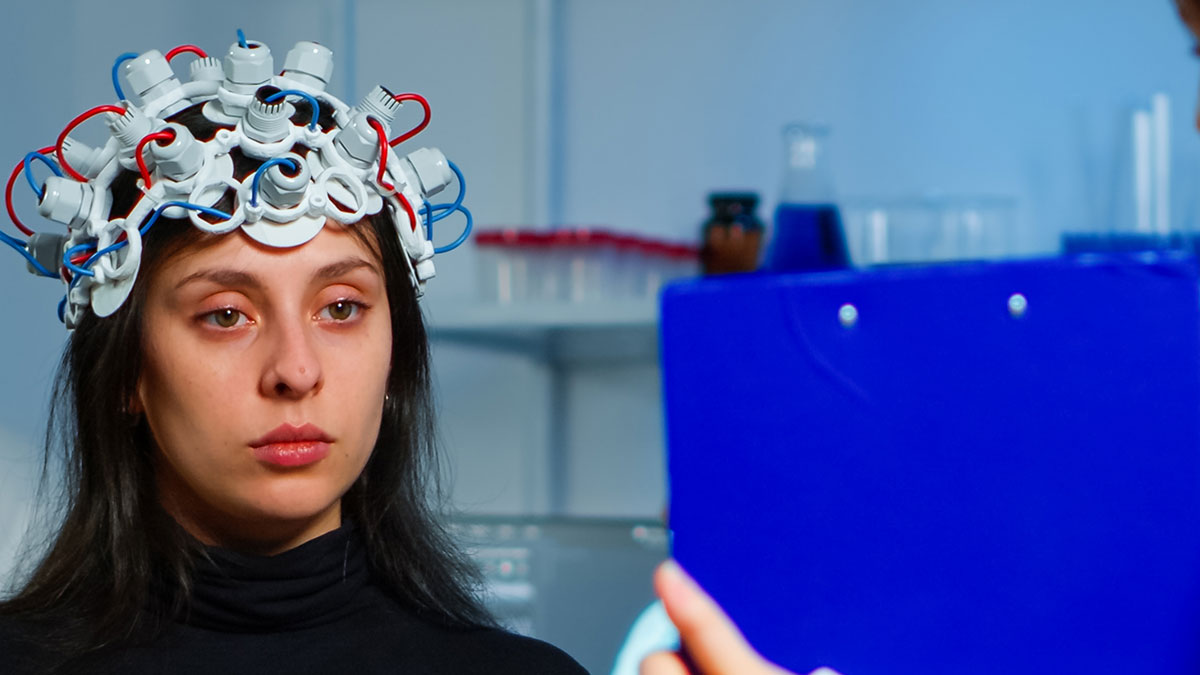
3) To a lesser degree than #2, neurology is still learning a lot. It's further because you can observe more objective findings in neuro than psych, but we still struggle a lot with how brains function.
4) Immunology. Don't even ask me, because no one knows really.
5) yawns. Still guessing on why that happens too. There's some theories, but that's the best we got.
 Not MD but PhD, right now we are working on the connection between our intestinal microbiome and neuropsychiatric disease and brain aging. For instance, people with inflammatory bowel disease are more likely to develop dementia and experience co-morbid anxiety and depression, but we dont know why.
 The placenta is the only human organ grown for a specific purpose then discarded when it is no longer needed.
 "Unexplained Infertility"
...is the actual name, of an actual diagnosis, given to my wife and I, because according to every test, based on what modern medical science knows about fertility, we're fine. We *should* be able to conceive. "All the numbers are right." We probably even would be able to conceive, either of us, with different partners. But no one knows why the two of us can't, *together*. And it happens to far more couples than anyone talks about. But the only diagnosis we all get, is "unexplained infertility".
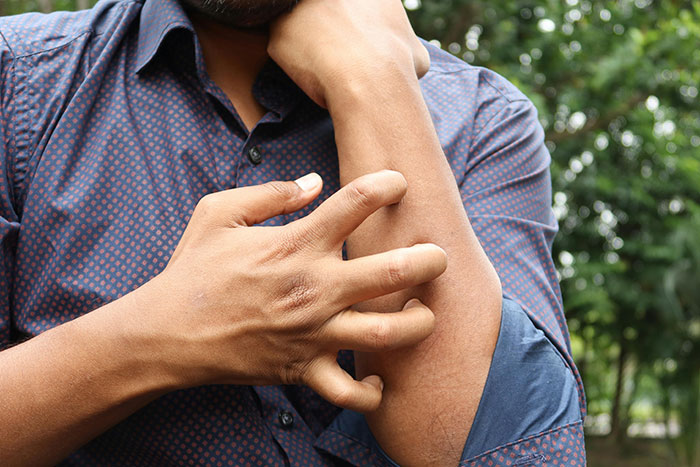 I’m a derm. We don’t know what exactly causes itching, like the molecular pathways for it. That’s why it can be so hard to find a good treatment when a patient comes in for itchy skin.
 Not a doctor but I study cell and molecular biology. The immune system is wildly complex and right now feels as though we’re staring down into Mariana’s trench.
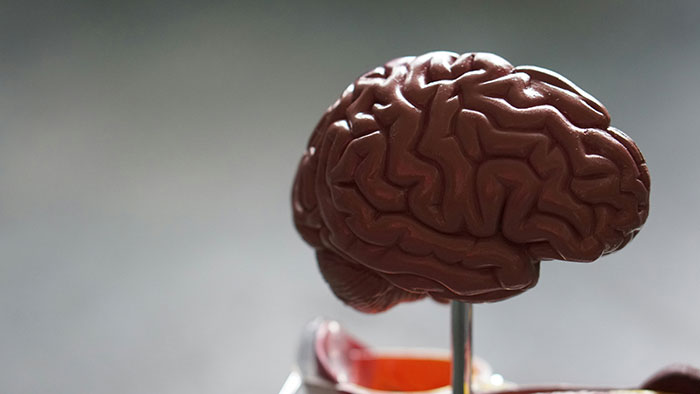 The brain and especially how it governs our actions and personality.. Why do some people commit crimes like r**e and m*rder despite knowing the consequences while others would never do such things? Why do some people require multiple chances for ‘rehabilitation’ while others live their entire lives ‘right’? We don’t know the answers. It annoys me to no end when some people while chime in and claim “everyone can be rehabilitated” as if we actually know what that even means and how it works.
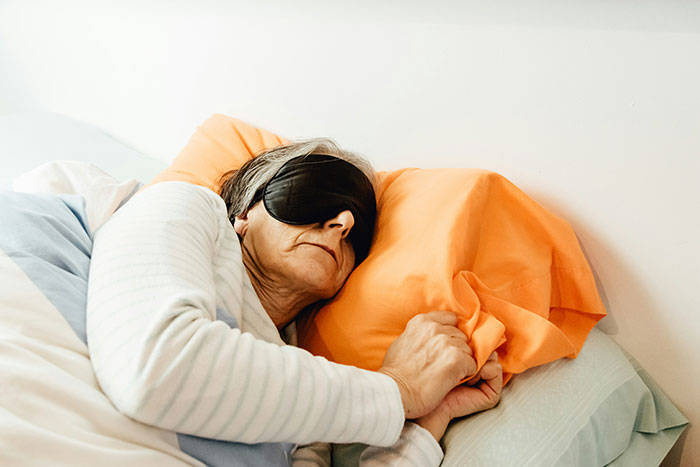 I'm a sleep specialist. While we do have some good theories about some of the functions of REM as far as how it affects the brain and health, we still don't fully understand the purpose of dreaming. Like, why do we dream at all and why do dreams have a narrative instead of random incomprehensible imagery? Unfortunately this is unlikely to even be solved.
 I’m a nurse, not a doctor, but in school I learned that when in vitro fertilization was being pioneered, scientists were unable to create an embryo from the combination of s***m and egg. It wasn’t until they added female secretions in that they were able to produce viable embryos, and they don’t know what role those secretions play in the process.
This was about 15 years ago, so if anyone has new information on the topic I’d love to hear it!
 We don't know the precise mechanism by which B12 deficiency causes nerve damage. We know that it happens, but not why.
(Many medical things are like that - easily observed and proven cause and effect, but complex and unclear mechanisms. Much of biology is still a black box to us. Neurological stuff in particular is full of this - lots of "we definitely know damage here causes effect XYZ, but not why.").
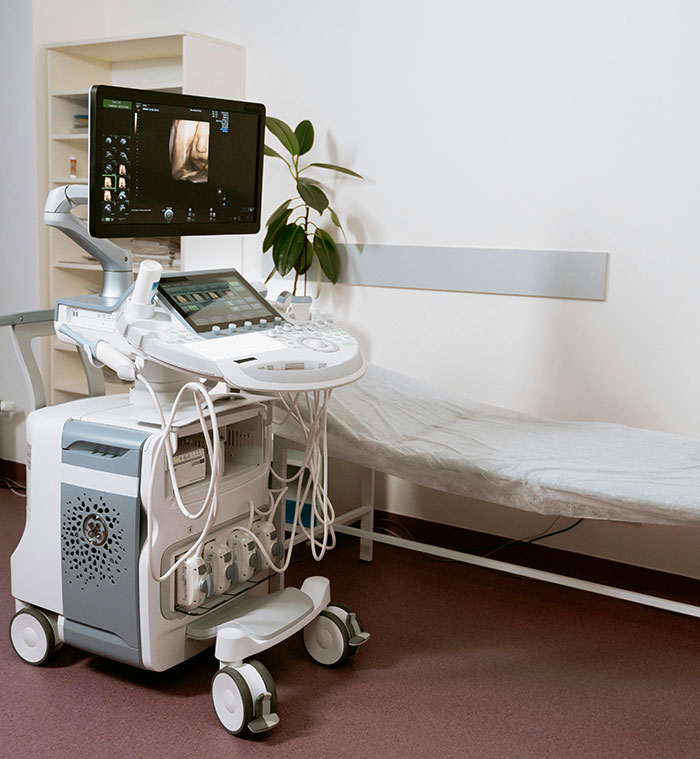 Apparently we know next to nothing about fibroids, which like 75% of women have at some point in their lives. That's great, considering that the largest one removed was 100 lbs- so not exactly a minor issue.
There are theories about different hormones and what things put you at higher risk, but aside from having surgery to have your existing ones removed, there is basically no information on what you can to do prevent them from coming back.
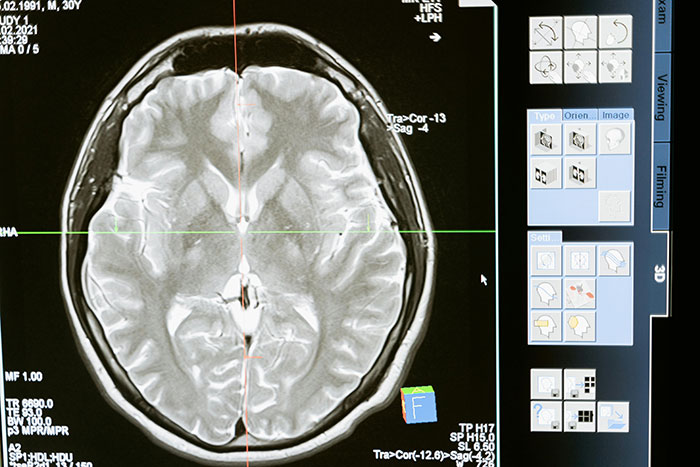 The biggest one I want solved
How we remember things, how does our memory work?
Some headway has been made at MIT but it hasn't been completely c*****d yet.
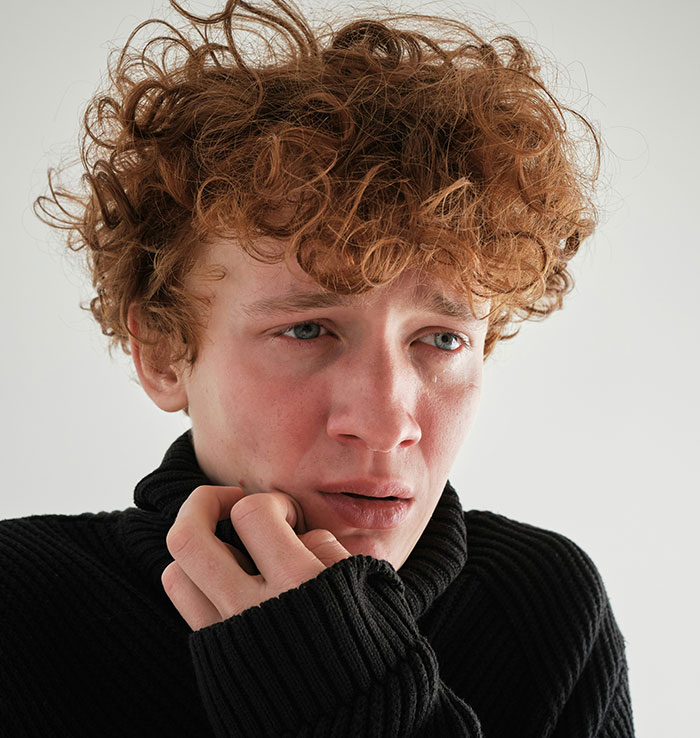 The “uncanny valley” fear. Why are humans unnerved and/or afraid of things that sound like, mimic, look like or act like humans but aren’t human?
Think of seeing human shaped shadows, dolls, robots, animals walking on 2 legs vs their usual 4, AI… it’s fascinating how we all have that feeling about some of the same things.
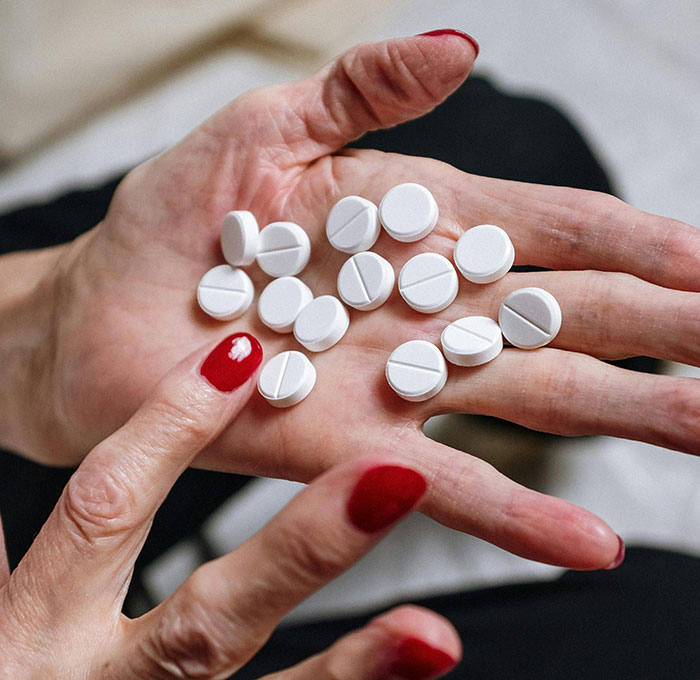 I have a very niche answer. We don’t know what is supposed to naturally bind to the area that benzodiazepines work at.
Benzodiazepines, BZD, are medications like Xanax and Valium. They produce anti-anxiety effects. And they have a very distinct chemical shape to fit into the BZD site in a group of five proteins. But we don’t know what is supposed to go there. Many medications are analogs of naturally binding molecules that we copy and then use to create an effect. The BZD site is for something, we just don’t know what.
 Not a doctor but a speech pathologist - we still don’t fully understand what causes people to develop a stutter. We know there’s sometimes a genetic link and that some children do it as a developmental stage that they grow out of. It’s very difficult to treat.






















 No fees, cancel anytime