Get Premium
Dark mode theme is available exclusively for premium users. Learn more about the benefits of subscribing.
No fees, cancel anytime.

 Dark Mode Ad-Free Browsing Unlimited Content
 Ad-Free Browsing Unlimited Content Dark Mode
Join 1.2 million Panda readers who get the best art, memes, and fun stories every week!
29submissions
1week left
Researcher Roy Amara was an American futurist who famously coined the following adage, which eventually became Amara's Law: "We tend to overestimate the effect of a technology in the short run and underestimate the effect in the long run."
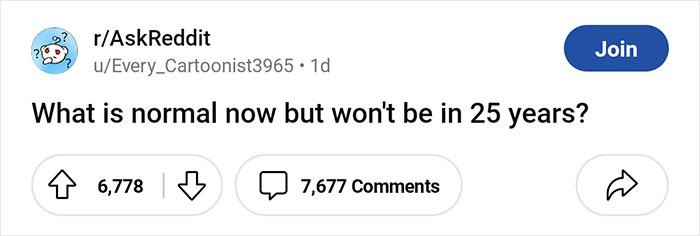
Expanding on the notion, Reddit user Every_Cartoonist3965 made a post on the platform, asking everyone, "What is normal now but won't be in 25 years?" and people immediately started sending in their answers.
Continue scrolling to check out the most popular ones and set a reminder to come back here after a quarter of a century — we'll know if there are any Nostradamus successors among us.
Click here & follow us for more lists, facts, and stories.
This post may include affiliate links.
We managed to get in touch with Every_Cartoonist3965, whose real name is Pierre, and they were kind enough to tell us more about their now-viral post.
"I had seen multiple posts asking 'What was normal 25 years ago but isn't now?' and began wondering how people would answer a similar question in 25 years, so I asked it 'in reverse,'" the Redditor explained its roots to Bored Panda.
"I haven't had the time to read through all the comments, but I already saw a lot about things on paper or material that will all be online later (think CDs, DVDs, books, and so on)," Pierre added.
"Also, I saw the answer 'being heterosexual' very often. I have to say that I disagree with this; I have absolutely no problem with non-heterosexual people, but I don't think heterosexual people won't be normal in 25 years, simply because, biologically speaking, they're the majority."
"Many other popular comments revolved around fears of AI, including people losing their jobs because of the technology."
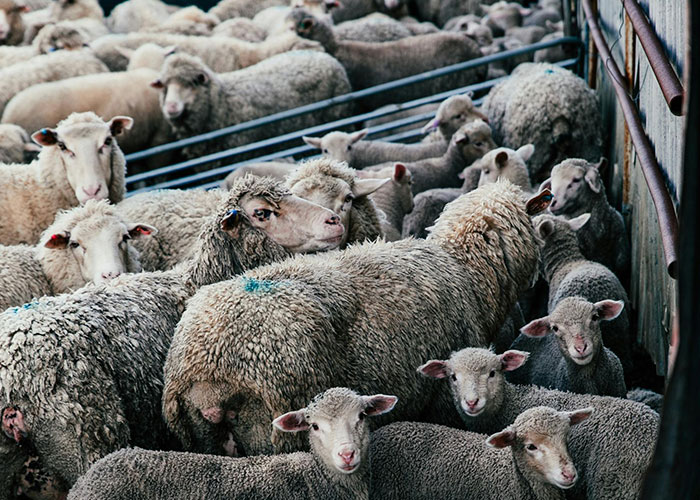 Hopefully, animal abuse and neglect. I feel like we're moving really slow, but every once in a while there's a big change for the better.
 Affordable college. Most degrees don’t need students to be in a brick and mortar building, I hope in 25 years the cost of college is significantly cut down.
The Book of Predictions is a 500-page anthology from the 1980s, assembled by the same people who gave us The People's Almanac. It's a simple conceit: they asked various experts and sci-fi types (with the occasional psychic or spoon bender) to imagine the next 50 years.
But if there's anything that the publication has proved, it's that humans are really bad at seeing the future. "All of the predictions are wrong," writer Paul Ford highlighted in his review of the book.
"Every now and then someone writes something like 'By 2000 you'll be able to listen to any album in a record store through a data service,' and you can squint and see Spotify. Or someone else describes wrist phones ... [But] when you aggregate hundreds of predictions, the result is a special, concentrated kind of wrong. Everyone was trying their best, and everyone missed. And these 40-year-old predictions don't seem wrong in the fun, steampunk way that, say, late Victorian predictions of personal blimps or hot-air-ballooning robots might seem wrong. They're just saggy middle-aged predictions."
 Young adults having the ability to read and write. Gen Z is functional, but Gen A seems to be severely behind in their academics and they don't care.
"People could imagine a future for their disciplines, a future with wars, a future on Mars, or a future with laser dentistry. What no one could see was the potential of all the layers of infrastructure coming into being right around them," Ford explained, concluding that the real vision lies in seeing connections.
Wondering about flaws in our collective perception, Pierre, the Redditor who started this thread, thinks that "climate change is a really big topic, which a lot of people seem to underestimate. They are like 'Oh, the Earth is warming up a bit, that's okay,' but if we want a livable world for a few generations behind us, we really need to change things."
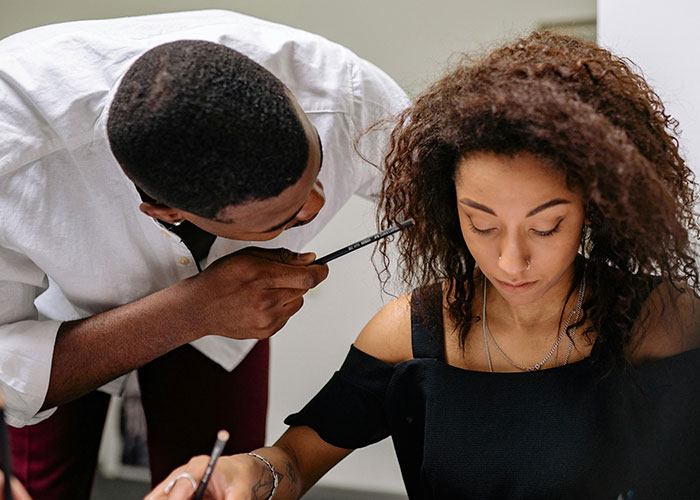 Hopefully workplace abuse. 💪 f*** blind following in the workplace, especially unethical or common sense immoral actions.
In general, Americans aren't optimistic about the nation's future, either. A 2023 survey by the Pew Research Center found at least two-thirds of the nation believes that by 2050, the US will become economically weaker, less important in the world, and more politically divided. A 2023 Wall Street Journal-NORC survey discovered that nearly 80% of Americans do not expect life for their children’s generation to be better than it has been for them.
 We’re slowly seeing paperwork die out in hospitals as nurses. I often think about down the line when employees will think it’s crazy I worked when they still used paper. Everything is online now.
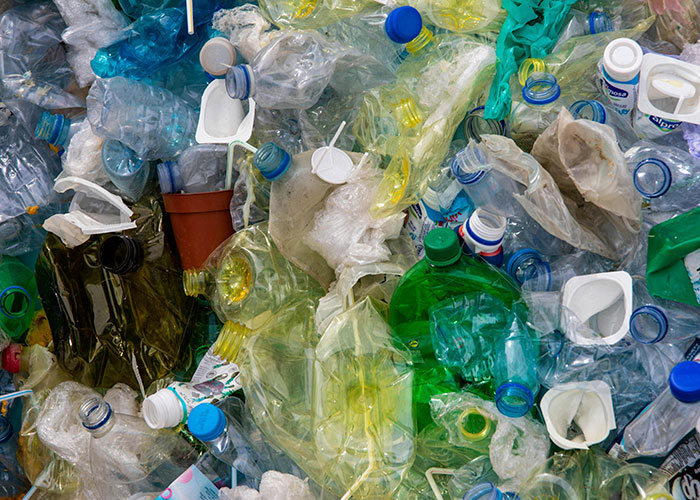
 The sad: glaciers and snow during winter The good: single use plastic and 5 day work week The pessimistic: civilization The optimistic: nuclear threat
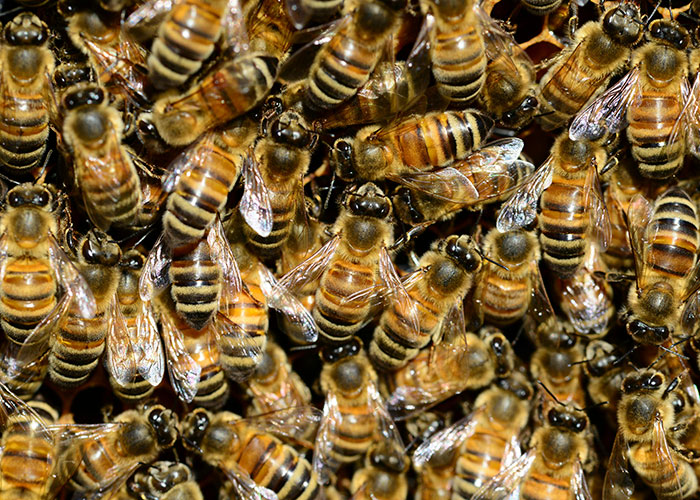 Probably a lot of the insects and wildlife around you, basically anything that doesn’t thrive by eating trash the way raccoons and crows do. Even if not every species goes extinct, we may soon live in a world where few have ever actually seen a butterfly, dragonfly, ladybug, toad, firefly, etc. simply existing outside. Just like how many of us today have never actually looked up and seen a sky full of stars and the Milky Way, thanks to light pollution.
You might also like: 68 People Share Bizarre Facts They’ve Learned That Are Actually True








 No fees, cancel anytime