Get Premium
Dark mode theme is available exclusively for premium users. Learn more about the benefits of subscribing.
No fees, cancel anytime.

 Dark Mode Ad-Free Browsing Unlimited Content

 Ad-Free Browsing Unlimited Content Dark Mode

Join 1.2 million Panda readers who get the best art, memes, and fun stories every week!

Mary Shelley’s 1818 gothic novel Frankenstein follows a scientist who assembles a creature from various body parts in pursuit of his ideal creation.
Centuries later, a similar concept has entered the dating world through a troubling pattern known as “frankensteining.”
The term refers to attempts to mold a romantic partner into someone who matches personal expectations rather than embracing their individuality.
Although such efforts may initially stem from a desire to strengthen the relationship, they can gradually give way to frustration and unrealistic demands.
Texas-based marriage and family therapist Sara Sloane recently explored how this behavior develops, why some people feel compelled to reshape their significant others, and what drives them to repair an unhappy relationship rather than move on.
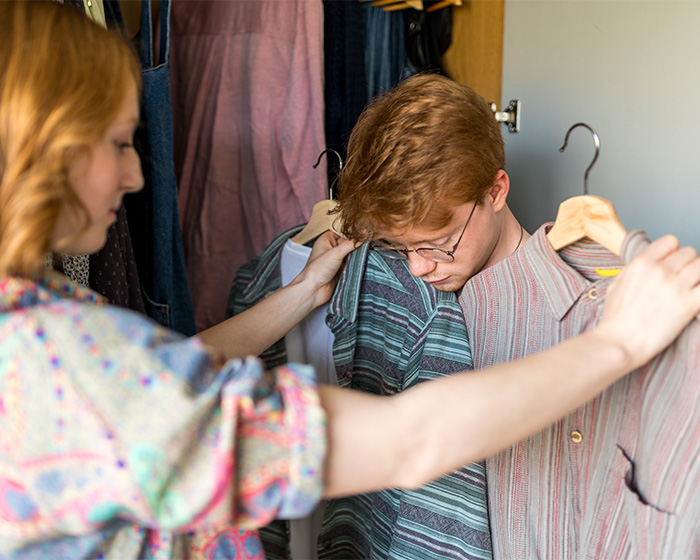
Frankensteining can take many forms, from pressuring a partner to change their dressing style or appearance to insisting they adopt different hobbies and everyday habits.
Sloane explained that the behavior can be difficult to recognize, particularly when someone believes they are simply helping their partner become a better version of themselves.
“One easy to notice if you are frankensteining your partner is if you are thinking, ‘If they would (fill in the blank), it would be so much better,” the therapist said.
She noted that people often engage in frankensteining because they become attached to their partner’s potential rather than accepting who they are in the present.
“A lot of people Frankenstein their partner as part of wishful thinking, bringing to life their ideal partner,” she said.
The therapist added that the pattern often emerges as the “new relationship energy wears off and you begin to notice things that feel less than optimal in your new partner.”
“Rather than breaking up and risk having to start over completely,” in such cases, Sloane explained, “it can feel easier to Frankenstein your partner into something that fits your ideal.”
According to the therapist, recognizing the difference between compromise and control is essential to preventing frankensteining from damaging a relationship.
Compromise allows both partners to make adjustments while retaining their individuality. By contrast, repeatedly pressuring someone to change their appearance, personality, or interests to satisfy another person’s preferences can undermine their agency.
Sloane emphasized that accepting differences is crucial to maintaining a healthy connection.
“The best way to avoid frankensteining your partner is to allow them to maintain their autonomy,” she stated.
“Allow them to be different than you, or different than your ideal.”
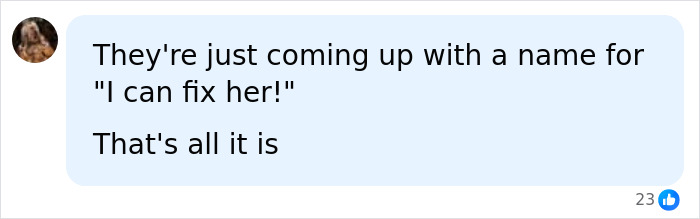
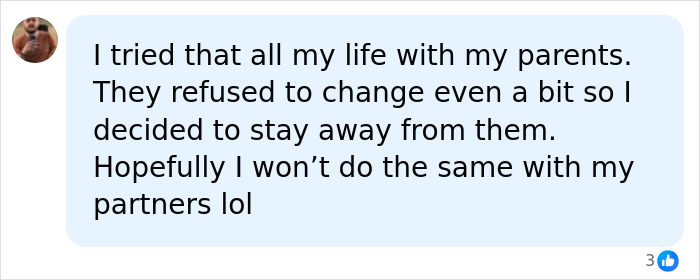
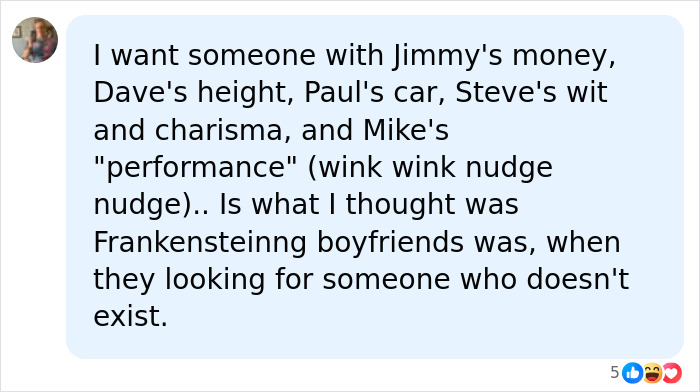
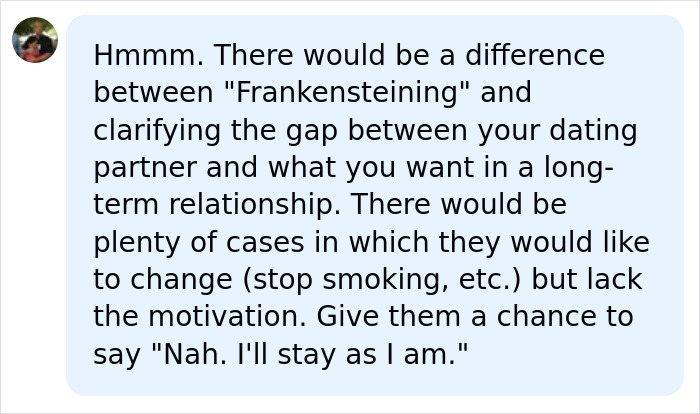
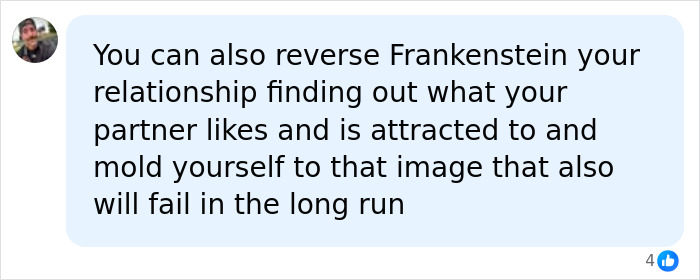
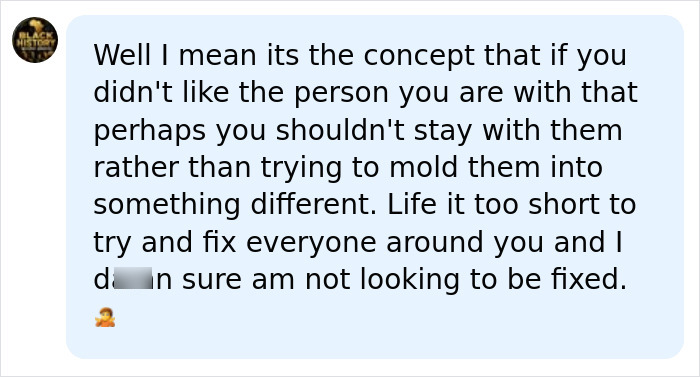
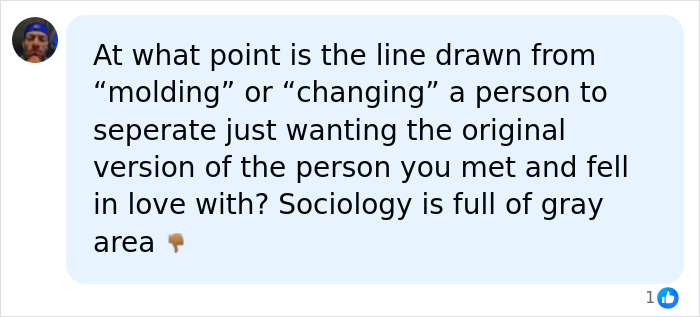
Some X users questioned whether the behavior needed another dating-related label, and others pointed out how familiar the concept sounded.
“Are we just making up terms now?” one person asked.
“In my day we called this ‘keeping a chameleon,” another added.
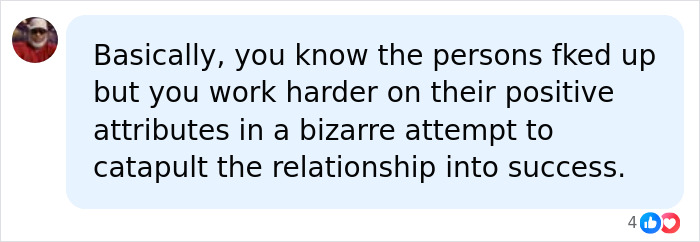
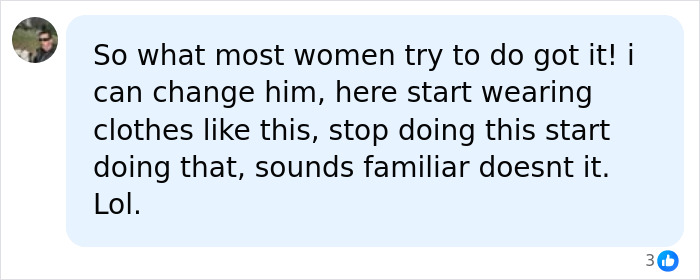
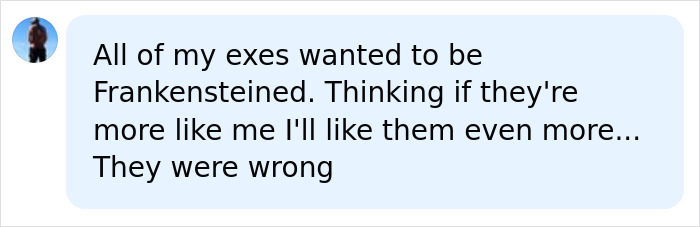
Others turned the discussion into a gender debate, suggesting that women had been practicing the behavior for centuries.
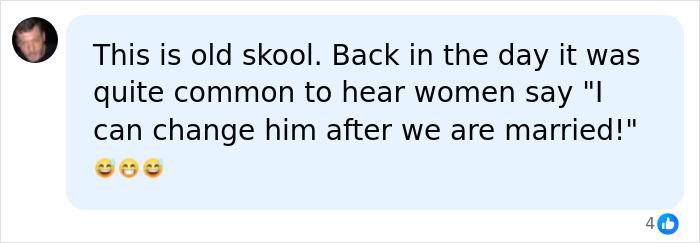
“You mean what every woman that ever was in a relationship has done,” one person commented, while another quipped, “I can change him after we are married!”
Meanwhile, a separate user appeared tired of the seemingly endless stream of dating terminology, writing, “There’s a new one every week. I’m just gonna be over here lonermaxxing.”
The discussion also reminded one user of a classic Hollywood musical.
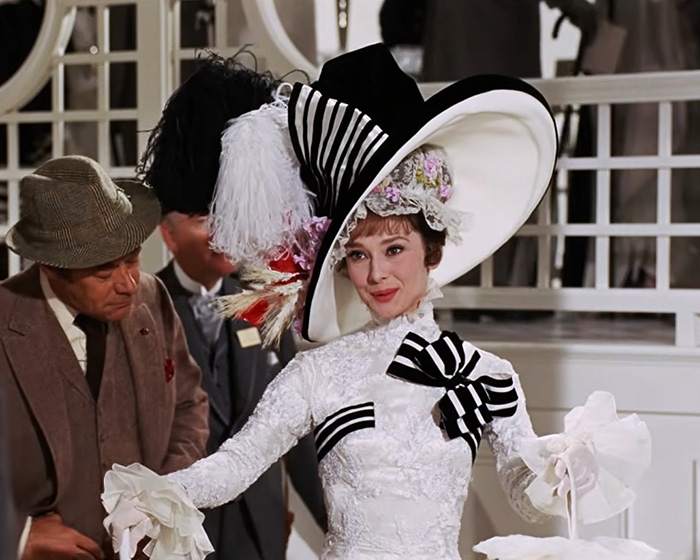
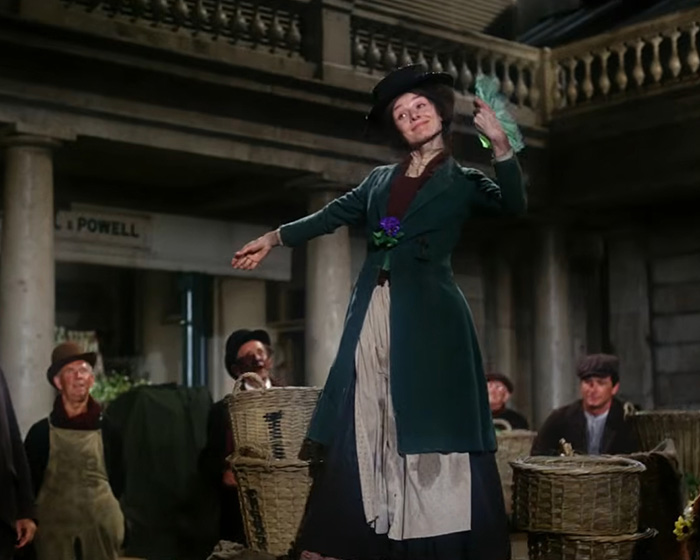
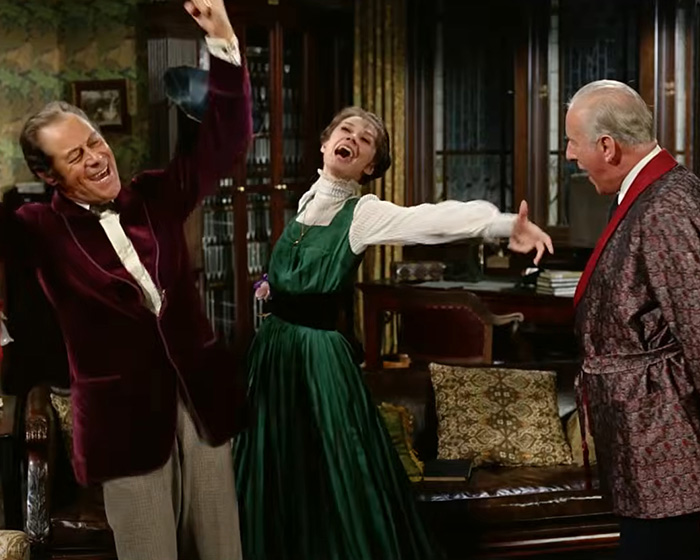
“Have you not seen My Fair Lady?” they asked, referencing the 1964 movie.
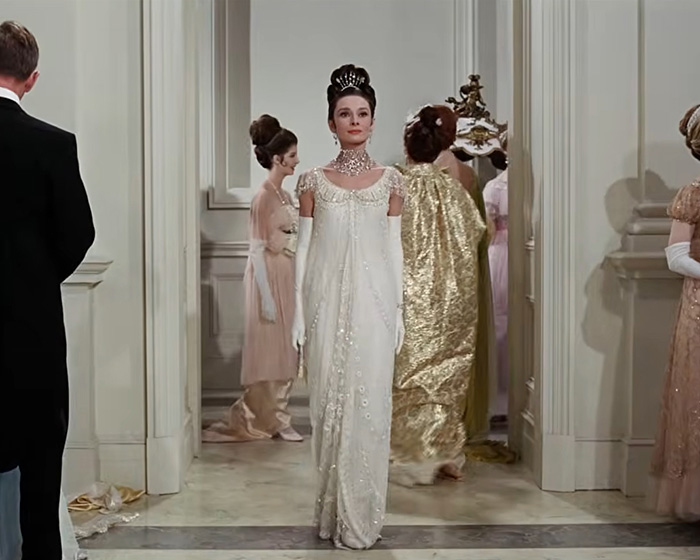
In My Fair Lady, a professor attempts to transform a working-class woman into someone who can pass as a member of high society.
The story follows Eliza Doolittle, a flower seller in London whose strong Cockney accent sets her apart from the upper classes.
Henry Higgins, an expert in phonetics, believes that a person’s speech determines how society perceives their social standing.
Following a bet with his friend, Colonel Pickering, he sets out to transform Eliza’s speech and manners.
Eliza agrees to the lessons because she hopes to improve her circumstances and find work in a respectable flower shop. She eventually succeeds in passing as a member of the high class.
For Higgins, however, the experiment comes at a cost.
He becomes so absorbed in his project that he often treats Eliza as a subject to be transformed rather than an individual with feelings and ambitions of her own.
Eventually, Eliza confronts him over his behavior, asserting her independence and right to make her own choices.
The comparison between the film and frankensteining did not convince everyone, however, with one netizen arguing that the two situations were significantly different.
“Eliza was not becoming someone else just to romantically please a man,” they argued.

By entering your email and clicking Subscribe, you're agreeing to let us send you customized marketing messages about us and our advertising partners. You are also agreeing to our Privacy Policy.
Thank you! You've successfully subscribed to newsletters!




























 No fees, cancel anytime




















30
0