Get Premium
Dark mode theme is available exclusively for premium users. Learn more about the benefits of subscribing.
No fees, cancel anytime.

 Dark Mode Ad-Free Browsing Unlimited Content
 Ad-Free Browsing Unlimited Content Dark Mode
Join 1.2 million Panda readers who get the best art, memes, and fun stories every week!
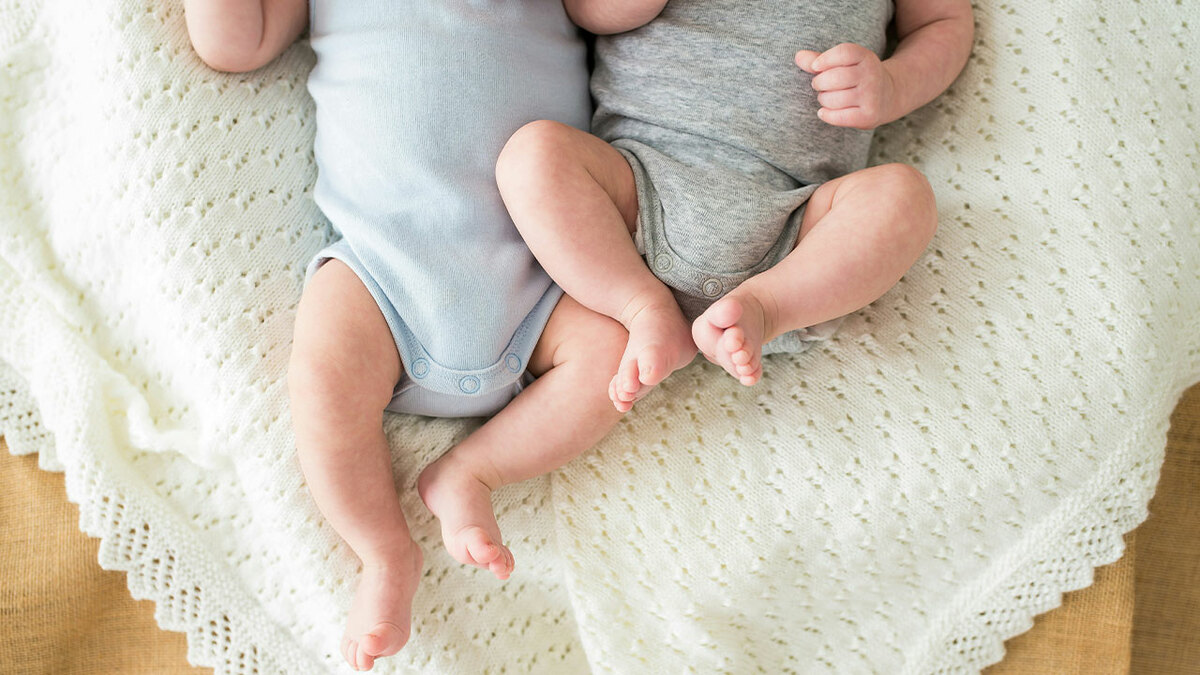
When a couple turns to surrogacy, the expectation is usually that an embryo is transferred to the surrogate, the pregnancy progresses, and eventually the intended parents welcome their baby.
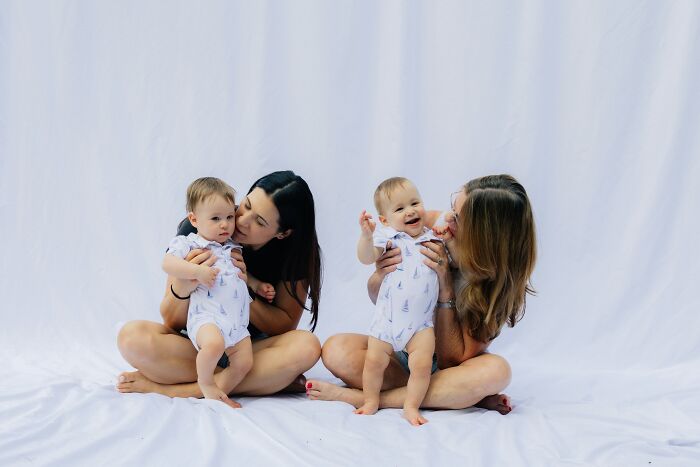
However, one Queensland couple found themselves in a situation that was anything but straightforward after their surrogate became pregnant with twins who turned out to have two completely different sets of biological parents.
The unusual case began in September 2024, when a couple identified as BNJ and DRJ entered into an altruistic surrogacy arrangement with a woman identified as DZ. The couple had been unable to conceive because of a medical condition, so in April 2025, an embryo created through IVF was transferred to DZ.
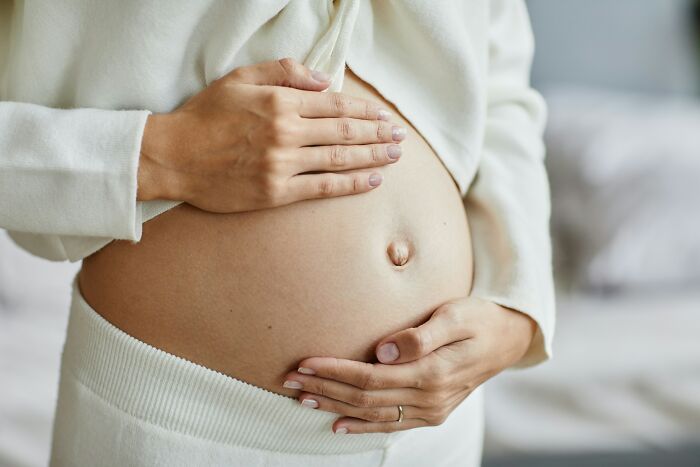
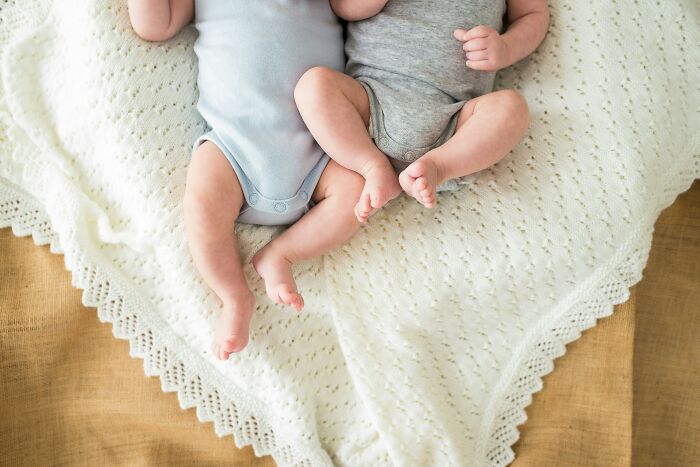
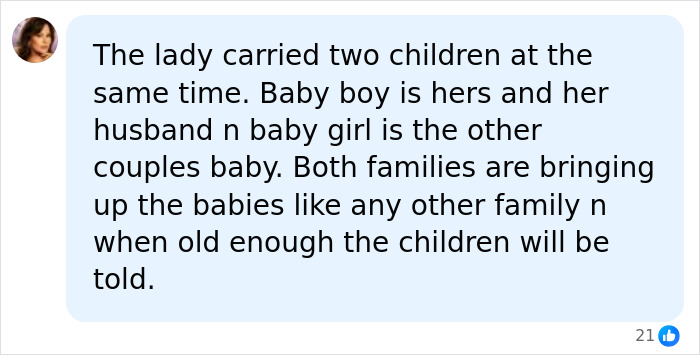
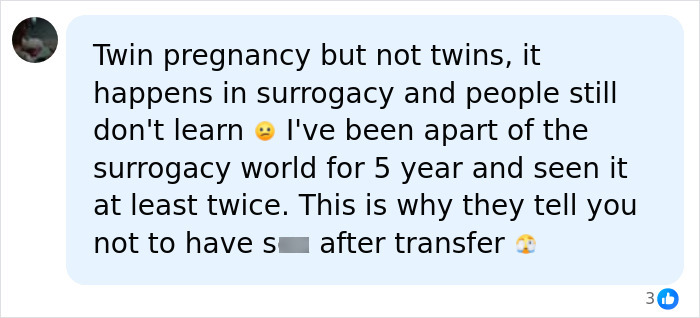
Two weeks after the embryo was transferred to the surrogate, an ultrasound delivered an unexpected surprise: there were two babies. At first, everyone assumed both babies had resulted from the IVF process. Genetic testing, however, revealed something far more unusual. The baby girl was biologically related to BNJ and DRJ, as intended. The baby boy was not.
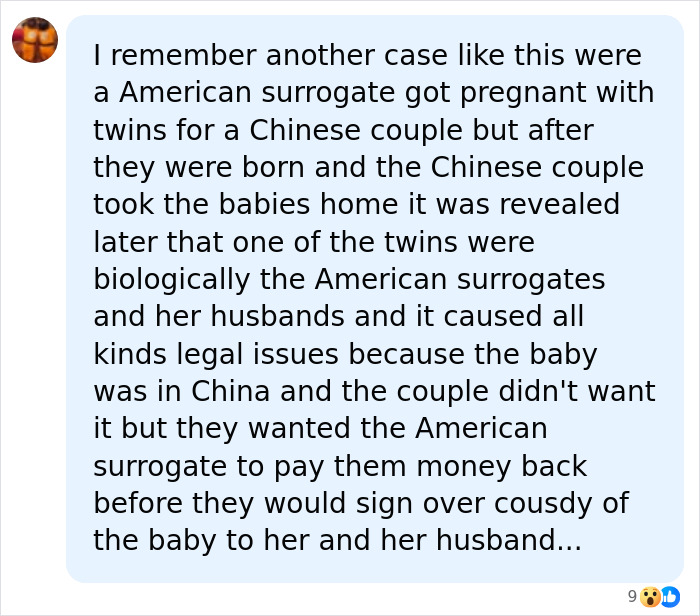
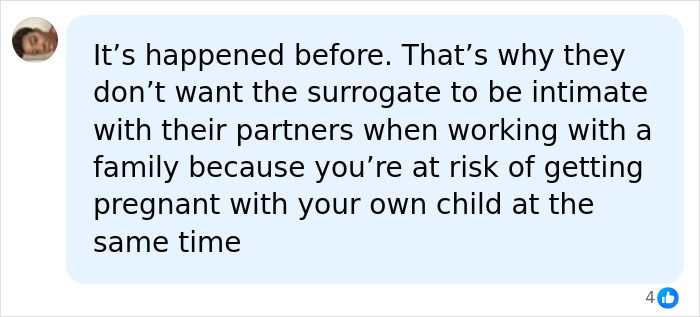
Instead, he was biologically related to DZ and her husband, FZ. According to the court judgment, the boy had been “conceived separately to the… embryo implantation process, and without medical assistance”. In other words, while one baby came from the embryo transferred during the surrogacy arrangement, the other was conceived naturally.
It made for a particularly unusual family situation, but apparently not a particularly contentious one. The baby boy and girl have been raised separately since their birth by their respective biological parents, and there was no dispute between the families about who the children belonged to. The complication, however, came from Queensland’s surrogacy laws.
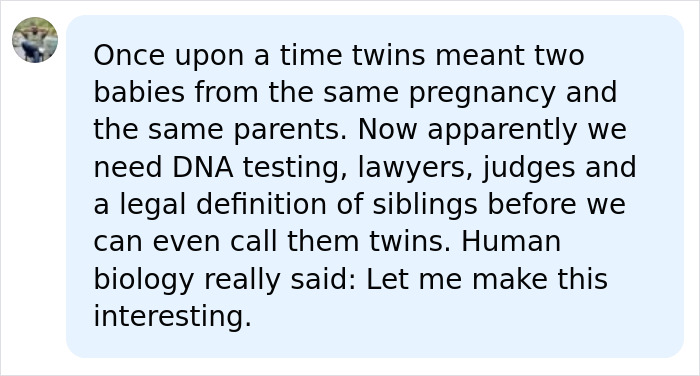
Under the state’s Surrogacy Act, “birth siblings” cannot be separated in the event of a multiple birth. So while the families themselves had seemingly worked out their arrangements, the legal system still had to determine whether the two babies actually counted as siblings under the legislation. That question eventually landed before Judge Jodie Wooldridge at the Children’s Court of Queensland.
The court heard that although the babies could technically be described as gestational twins, they were not “birth siblings” for the purposes of the Surrogacy Act. Their different biological origins meant they had not actually been conceived through the same process.
Surrogacy and family lawyer Stephen Page explained the distinction, saying that “the fact that the children were conceived separately means that they were not born as a result of the same pregnancy, and therefore they were not birth siblings, as defined in section 24 of the Surrogacy Act”. The case also involved an independent counselor, who assessed the arrangements and the potential impact of raising the babies separately.
The families said they intended that the children would “grow up knowing one another” and would be given an age-appropriate understanding of their place within the wider family network. The counselor ultimately found that, assuming both babies were raised in stable and nurturing families, the available research did not support the idea that separating the twins from birth would, by itself, cause psychological harm.
There was also an important human element to the situation. The court judgment noted that although DZ and FZ had not intended to conceive the boy, that was not to suggest the child is anything other than loved and wanted. Ultimately, Judge Wooldridge ruled that, “in the unique circumstances presented by this case”, the babies were not birth siblings under Queensland’s surrogacy laws.
So, biologically speaking, these two babies began life in the same pregnancy but belonged to two different families. Legally speaking, that distinction turned out to matter quite a lot. What do you think? Should biological connection determine whether children born together are considered siblings? We would love to hear from you!




















 No fees, cancel anytime













32
0