Get Premium
Dark mode theme is available exclusively for premium users. Learn more about the benefits of subscribing.
No fees, cancel anytime.

 Dark Mode Ad-Free Browsing Unlimited Content
 Ad-Free Browsing Unlimited Content Dark Mode
Join 1.2 million Panda readers who get the best art, memes, and fun stories every week!
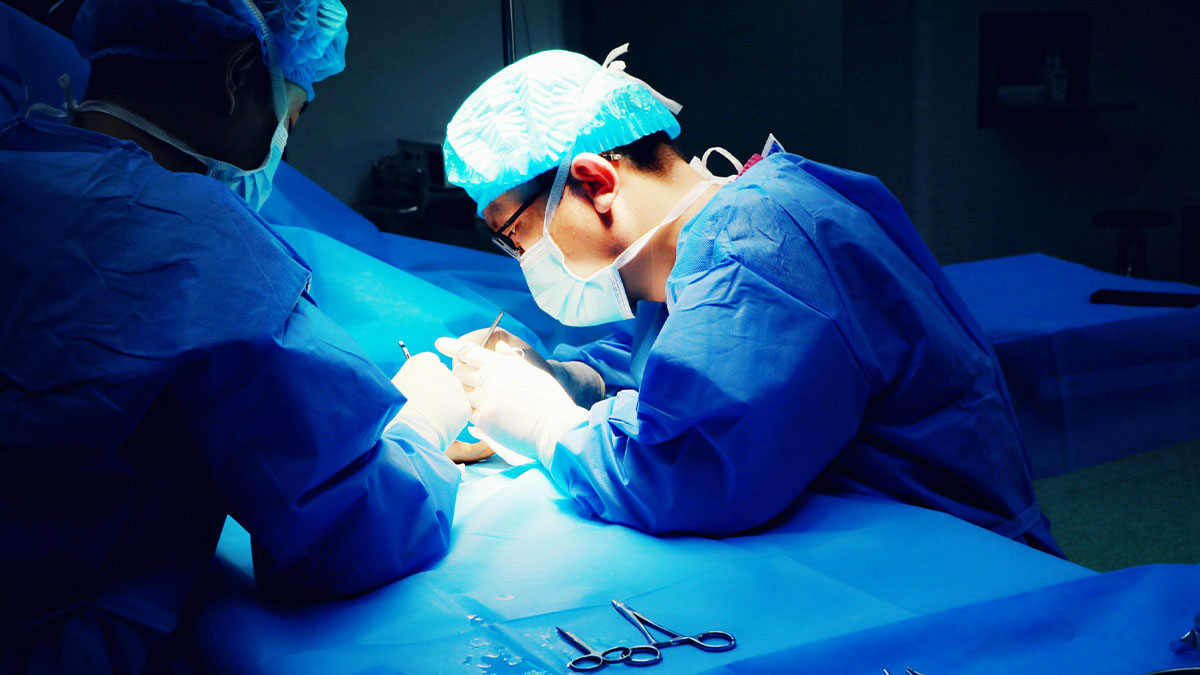


The human body is absolutely incredible. And even when you think you know everything there is to know about biology and anatomy, there’s always something that is bound to surprise you. Though, not all surprises are pleasant, and some are downright bizarre.
In a fascinating thread on AskReddit, some surgeons opened up about the weirdest facts they know about the human body. It’s the kind of stuff they usually don’t share with anyone. We’ve collected their most intriguing and educational insights to share with you.
Warning: some of these facts can be a bit disturbing and make you queasy. Make sure you’re not eating or drinking anything as you scroll down.
This post may include affiliate links.

 There aren't many occasions I get to share this.
A colostomy is when the intestines are hooked to an open port on the skin, bypassing some portion of the lower digestive tract. There's a lot of reasons this might need to be done, and for shorter or longer durations.
Some people have colostomy bags for years, and this is where things can get very interesting. You see, your r****m produces mucus to help smooth your movements along. Even if there's no passengers on the train, your body keeps greasing those tracks (I don't know anything about trains).
And since there's nothing to move the mucus, it just kinda hangs out. Sometimes for years. Sometimes for decades.
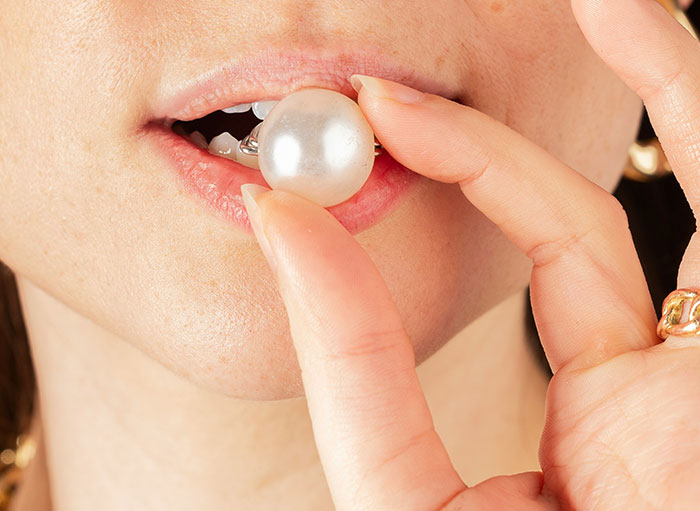
And in that time, it becomes something like a human pearl. By roughly the same mechanisms that pearls are formed in oysters. They can be very uncomfortable for patients depending on their size and location, its not a super uncommon problem and its fixable.
I've seen two that were roughly the size of baseballs. Those two flew completely under the radar until we tried to hook the plumbing back up, no pain or discomfort.
One of them I saw cut open, it looked like a jawbreaker with layer upon layer of what in the f**k. They're dense, hefty, with a little give near the skin.
So yeah, humans can make pearls.

Can we talk about how the picture has a pearl to the lady's mouth... and we are talking about pearls coming from the lower intestine...
 It's not exactly unknown fact , but ...
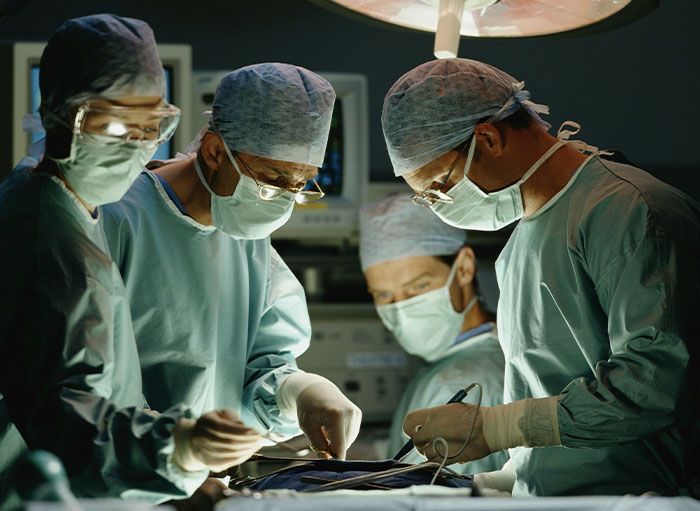
The brain can shift during surgery.
Even when the skull is fixed in place, the brain is soft and mobile—almost like firm tofu.
The brain has no pain receptors. Although it processes pain signals from other parts of the body, the brain itself cannot feel pain.
That’s why during certain brain surgeries (like awake craniotomies), patients can be fully conscious without feeling pain—even while their skulls are open and brain tissue is being stimulated or removed.
I have most profound conversations with people while I am picking their brains. Literally. I also get a lot of "last confessions " during these surgeries, and it's definitely awkward a bit when I have to meet their spouses or other family members 😂
But probably my most interesting experience was when I heard full on Vivaldi Winter during surgery played by the patient. It turns out he was a professional violinist from Austria. It was brilliant.
Funny experience was when an elderly lady who literally was undergoing life saving surgery shaded me for my life choices - because operating room is no place for a proper lady and I should have babies. She was brilliant - she was so keen on her opinion even while I was the one operating on her 😂😂
The brain pulsates in sync with your heartbeat.
It's a rhythmic, constant movement - it's actually BEAUTIFUL.
Real brain tissue is softer, more fragile, and surprisingly watery. It can be torn or injured just by suction or light pressure.
But what I admire and am astonished the most is that
every person’s brain is wired differently. Actual locations of speech, movement, or memory can vary person to person. That's why we do brain mapping during surgeries. It's pretty cool , like exploring unknown... And shows how unique humans are.

Well, that gave an entirely new meaning to "let me pick your brain for a bit".
 I am a scrub nurse and I can smell when the surgeon has cut into the uterus because the blood smells different. It smells like period blood. I mentioned it once and all my male colleagues (including the surgeon) can’t tell but all the women in the room were like yep, i can always tell when we are in the uterus.

Being a surgeon is a prestigious, well-respected, and lucrative career that helps countless people in need. However, it definitely isn’t a path meant for everybody. Doing this kind of work requires years of dedicated education, nerves of steel, steady hands, and enough resilience to weather a poor work/life balance.
The Royal College of Surgeons of England explains that if you want to be a surgeon, here are some of the qualities and skills you ought to have:
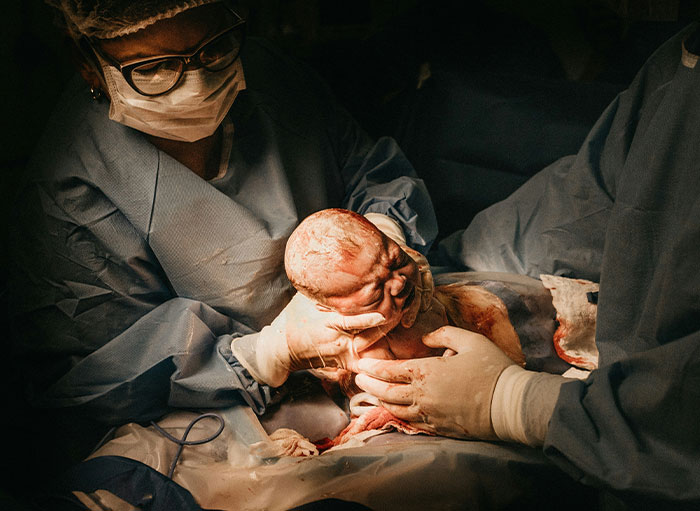 Surgical nurse. Sometimes when babies are really wedged into the pelvis I have to go up through the v****a to push the baby back in. At the same time, the surgeon is going into the C-section incision with their hand to pull the baby’s head out. It gives me the heebie jeebies when our fingers meet inside from two separate holes.
 I'm not a surgeon (medical scientist), but one interesting thing is that the Skene's and Bartholin's glands (female lubrication glands) are both named after men, so modern anatomical education is encouraging people to call them paraurethral and vestibular glands instead.
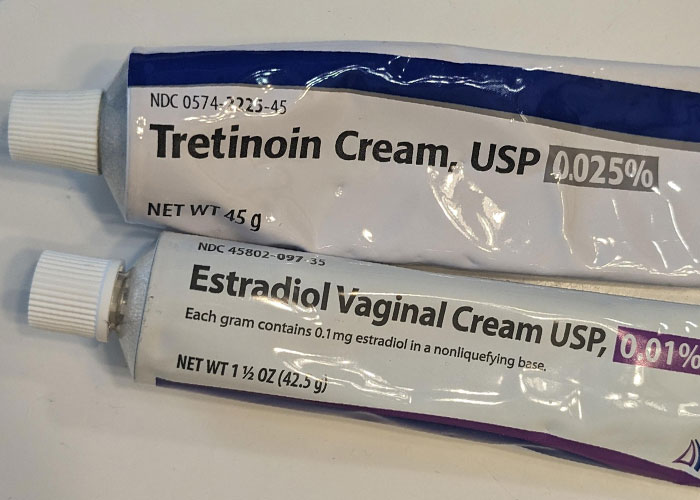 Not a surgeon, but a perinatal and neonatal nurse.
I knew almost nothing about menopause until recently. I was horrified to learn that the clitoris and labia can atrophy (shrink and become fragile and dry) very significantly, resulting in anorgasmia. This can be prevented and at least somewhat reversed with vaginal estradiol.
That atrophy is part of GSM, genitourinary syndrome of menopause, which affects the v****a, urethra and urinary meatus, and external genitalia. The tissue atrophy increases susceptibility to UTIs, which can be life threatening in older people.
$60/year worth of vaginal estradiol can prevent all sorts of pain, suffering, and death. But when women complain of vaginal dryness, they often just get told to use lube, which offers no protection from GSM.
What’s more, as a surgeon, you should also:
Meanwhile, a recent survey of 1,620 healthcare professionals found that, out of the 4,760 qualities and 4,374 shortcomings, the top 3 qualities of truly great surgeons are: dexterity (54% of all respondents noted this), meticulousness (18%), and empathy (also 18%).
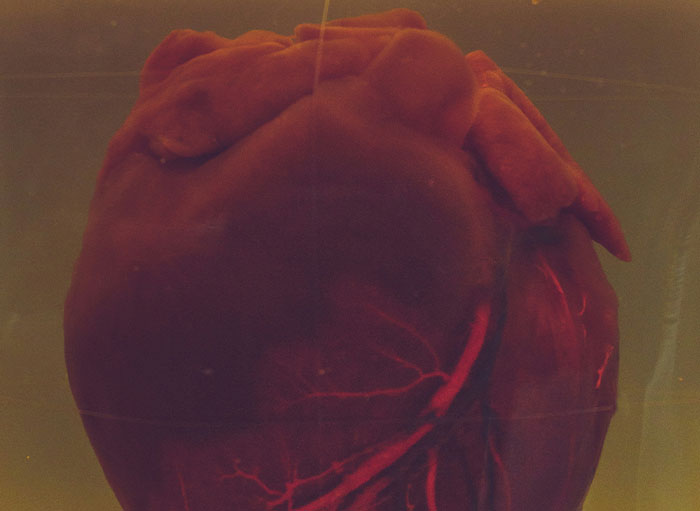 Holding a beating heart is continually the most humbling and incredible feeling. Really makes you appreciate the spontaneity, strength, and fragility of life. This muscle is just banging away under your palm for no apparent reason, keeping time all on its own. And even though it kinda feels like a fish just consistently/steadily flapping its tail in your hand, it represents this person's whole life and is strong enough to handle decades of high blood pressure, fat, sugar, exercise, fear, love, and all the other things you throw at it.
Also lungs are kinda squishy when they're inflated, like a thicker wet balloon, but are really mushy and very slightly sticky when they're deflated, like an airy playdoh or unbaked focaccia dough.
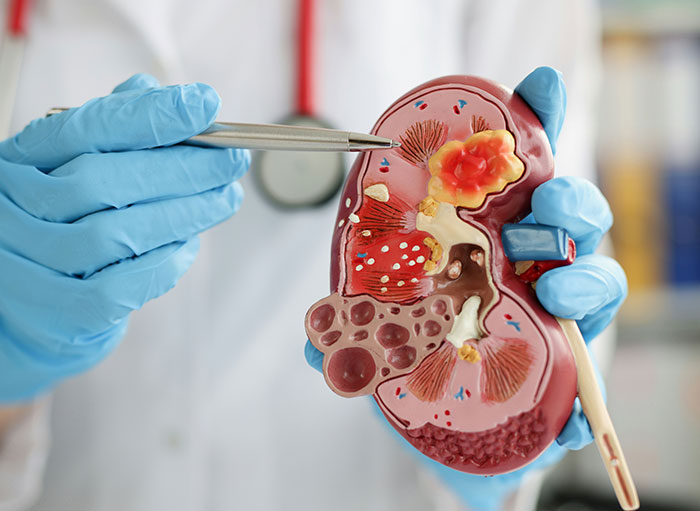 During organ transplantation, when a donor liver or kidney is totally hooked up, it starts filtering immediately. The more waste that needs to be cleared, the faster the urine or bile comes out.

An old boyfriend donated a kidney for his older brother 35 years ago. Before he was admitted to UCSF we had watched a kidney transplant on tv. It was fascinating, the kidney is completely clean and white and when it is attached correctly the surgeon will know immediately as the blood fills it up.
 Not a surgeon or a dr, but when studying medicine in undergrad, I shadowed many doctors across numerous sectors of the medical field to determine which area I wanted to go into. (Spoiler alert - ended up not-going to medical school after all).
One of my rotations was with a wound care doctor, mostly related to bed sores that develop when a person lays in bed for too long. One particular patient had a sore directly on his a*s check, and it was so pronounced and developed that you could see his pelvic bone in the middle of the sore.
For some morbid reason, I asked if I could touch his a*s bone lol. Both the patient and the doctor agreed to it, and come to find out - he no longer had feeling in the area and could not feel me touching his bone. When wounds on the body deteriorate to that level, it also damages the nerve endings (meaning you could literally have a gaping wound/hole in your body and not even feel it). Gives me heebie jeebies.

Somebody definitely wasn't taking care of that person and turning them like they should have.
Which of these surgeon stories and anatomy facts intrigued you the most, Pandas? Do we have any surgeons or medical professionals in the audience today? Do you have any similar stories of your own?
Is anyone here considering a career in medicine? If so, what’s driving you? Let us know what you think in the comments at the bottom of this post.
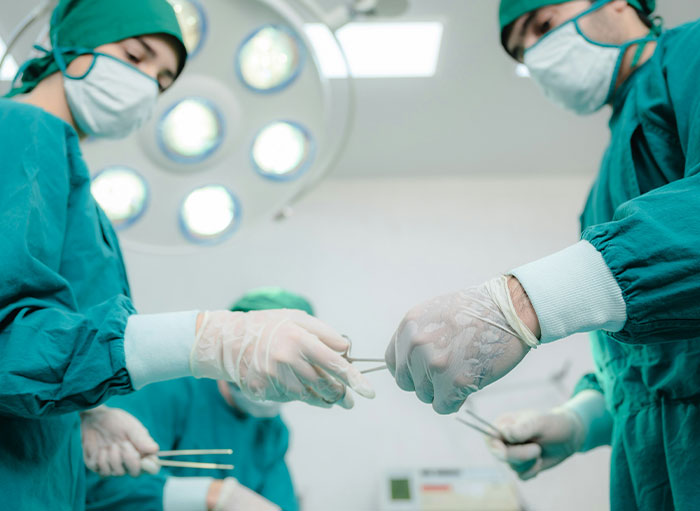 When you get bowel surgery of any kind, there's some degree of stool (poop) or succus (digested food before it turns into poop) that will invariably spill or get into the incision. It's not uncommon for me to do a hemorrhoidectomy and have to rinse the stool off the incision before I suture it closed. Remarkably, a touch of antibiotics during the case and rinsing the incision with saline is almost always enough to prevent an infection.
Now when your colon perforates at home and you try to tough it out for a few days before coming in half dead, you're gonna have a bad time. And if you survive you'll get a colostomy (poop bag out of your belly) like that other surgeon talked about.
Also, I've smelled a lot of horrible things in my tenure. Ruptured infected cysts, dead feet, stagnant vomit... NOTHING is worse than dead colon.
PSA please for the love of God, don't put off your colonoscopy. Start at 45 years old or 10 years before the age your first degree relative got colon cancer.
Lots of colon cancer in my mother's family and my PCP had me start doing them at 47 and have to do it every 5 years. I've had 3 so far and they have all been clear.
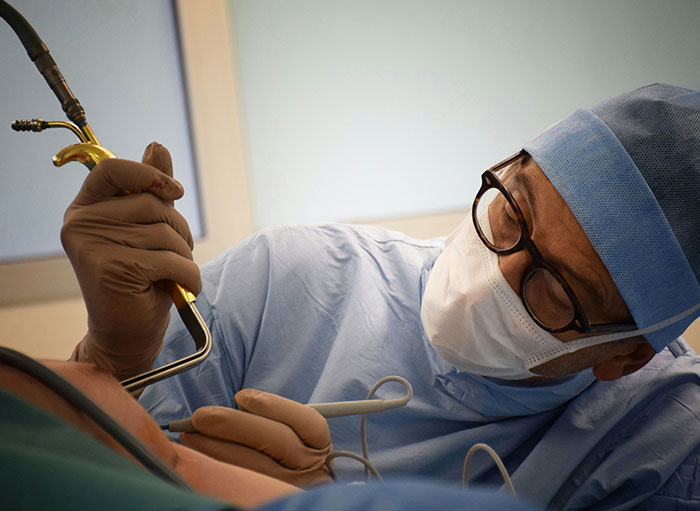 Not a surgeon but a nurse. If you transplant a heart in a baby or little kid it will grow with them.
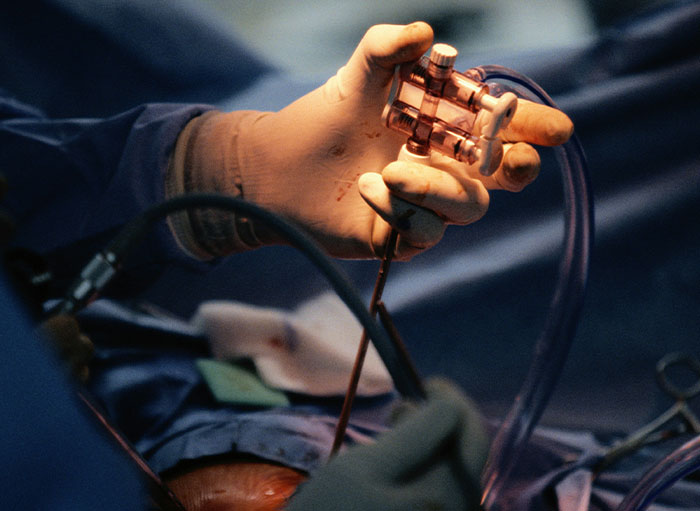 Most people do not routinely clean their belly buttons. I’ve pulled worse things from belly buttons than I have from rectums.
Fat makes my job 10x harder (and your risk 10x higher).
Your organs don’t feel pain when I cut or burn into them.
You almost never have to “get the bullet out.”
Operating is literally fun. Especially on the robot.
Burning tissue smells like a steakhouse. And so I usually think about food. Stool and pus and dead bowel smells like 2 day old roadkill on a hot humid day. And yet I still think about food.
Leaving a dirty wound gaping wide open has a zero chance of infection. Suturing said wound closed is a guaranteed infection. It’s opposite of logic.
The OR staff are usually chatting idly about anything and everything not related to you or your surgery.
I almost ALWAYS have music on in my OR, and most other surgeons I know do too. Everyone’s got an OR playlist.
We do not care about or comment on what you look like naked.
Most employment models these days are salary based, and there’s little financial incentive for me to operate on you. I don’t get kickbacks from device or d**g companies. I have no say in billing practices or what you’re billed.
I tell my kids that I have the coolest job in the world because I get to cut people open and fix them, but they could care less.
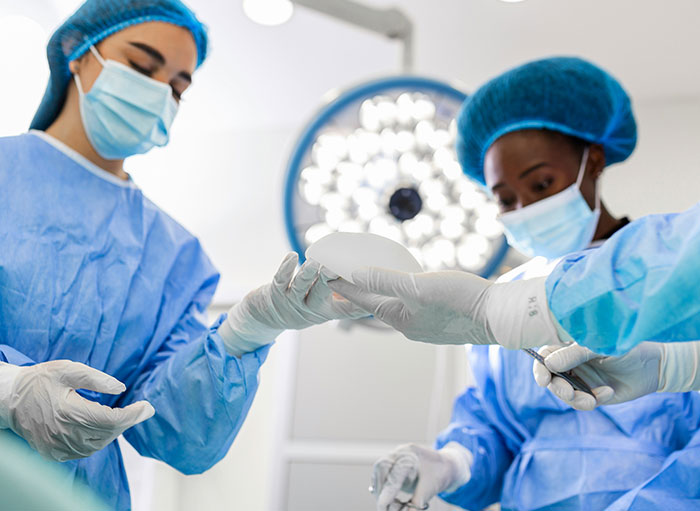 1) I remember being in medical school during my surgery rotation and thinking, I can see secret, inside parts of this person they will never get to see. It’s their liver, but they don’t know what it looks like. And I do. I thought that was pretty magical.
2) if you are getting any kind of orthopaedic surgery, there is probably some poor med student trying valiantly to hold your leg/arm at the perfect angle for the surgeon for an extended period of time and wishing they had lifted more weights because they also have to hold it in a way that maintains sterility and usually this means they are holding an adult humans’ entire dead weight of leg as far away from their own body as possible. I remember wishing I was swole.
3) When they are releasing a frozen shoulder, they full on just crank the s**t out of your shoulder. It looks quite violent. One surgeon told me shhh shhh shhh listen… CRSSHHHH goes the person’s shoulder and the surgeon sighed in satisfaction and said, man, I love that sound. It was a horrible sound.
4) Orthopaedics is basically human carpentry, with literal power tools. The blood gets everywhere. I would walk out of the OR with blood on my forehead that had managed to get over top of my clear visor.
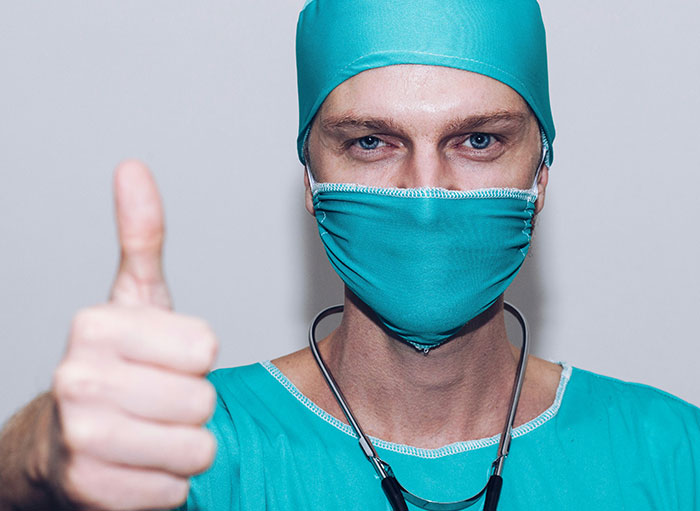 Peeling a cyst out of an ovary with your hand is super satisfying. Better than peeling the protective clear plastic off of your new TV screen. But we don't take out cysts through a big incision hardly ever anymore, it's all laparoscopic for the most part now, so I don't get to do it much.
 Obligatory, not a surgeon, but I spent 6 years as a scrub nurse on the OT, and I have a 15+ year career as a senior RN. I have seen and worked in most specialised areas.
I am constantly amazed by how tough the human body actually it. The body can take way more abuse and neglect than you think it can. Things that you'd be absolutely certain would k**l a person can be recovered from.
But don't f**k with the delicate balance of electrolytes. You can rip off every limb, break every bone, rip out or shoot holes through most organs (so long as you stop the bleeding in time), there are even guidelines on how to, over several hours, do CPR on a person who has not had a heart beat for the best part of an hour due to extreme hypothermia, I've even seen an abdominal aorta accidentally cut clean in half and the person lived. But take a bit too much potassium, and you're a goner.

I love those "humans are space orcs" posts where hypothetical alien researchers are thoroughly shocked at how much damage can human body take and still live.
 Surgeon here
Patients with hope, humor, or gratitude tend to heal more steadily.
Those with negative emotions often show slower recovery and more complications.

Do the negative emotions cause the low recovery and extra complications, or do the low recovery and extra complications cause the negative emotions?
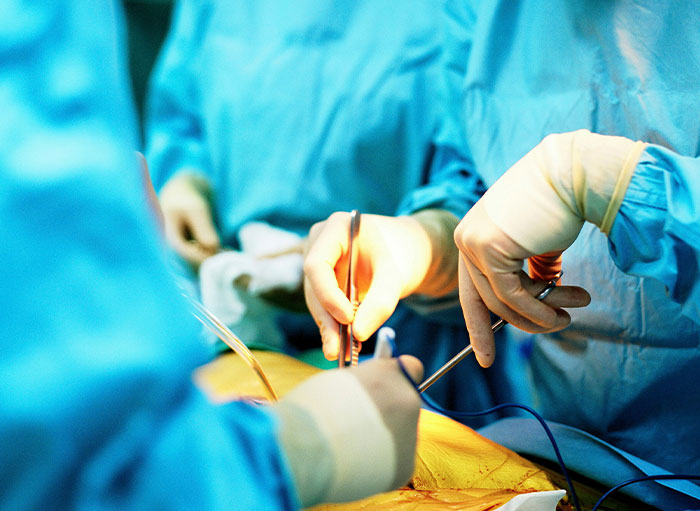 Not a surgeon but I’ve scrubbed into abdominal surgery before to hold organs out of the way. With intestines, you can basically pull them out, then plop em back in and they just…. kinda sort themselves out. You can also feel peristalsis if you’re holding them.

I had to look up the word peristalsis. Per Merriam-Webster: successive waves of involuntary contraction passing along the walls of a hollow muscular structure (such as the esophagus or intestine) and forcing the contents onward
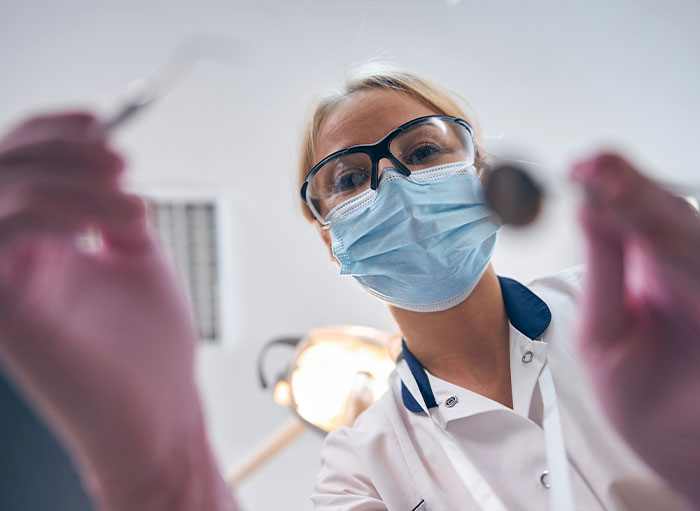 Dentist here. I still find great satisfaction when the last periodontal ligament fiber breaks while pulling a tooth. Holding the tooth in your forceps and looking into a clean boney socket 😌
Imagine taking out an ingrown hair, or finally popping that pimple. But so much better.

Fun fact: Dentists have an abnormally high s*****e rate and this post isn't make that fact any harder to believe.
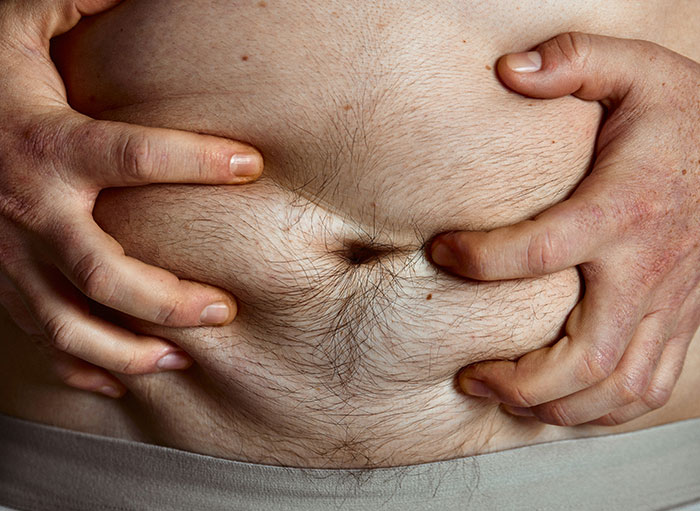 Surgeon.
Interesting facts about the human body most people don’t know:
-women tend to carry more fat under the skin, men tend to carry more fat around their organs in their belly
-when your arteries are diseased from smoking, diabetes, they form plaques which then try to heal by pulling calcium out of your bones and putting it into the walls of the arteries. Very diseased arteries feel like pieces of chalk they are so hard from all the calcium.
-you have about the right number of arteries, but you have more veins than you really need. Veins serve as a reservoir for extra blood, in addition returning blood to the heart after oxygen delivery.

That's why women feel smoother and softer to the touch. (fat under the skin(
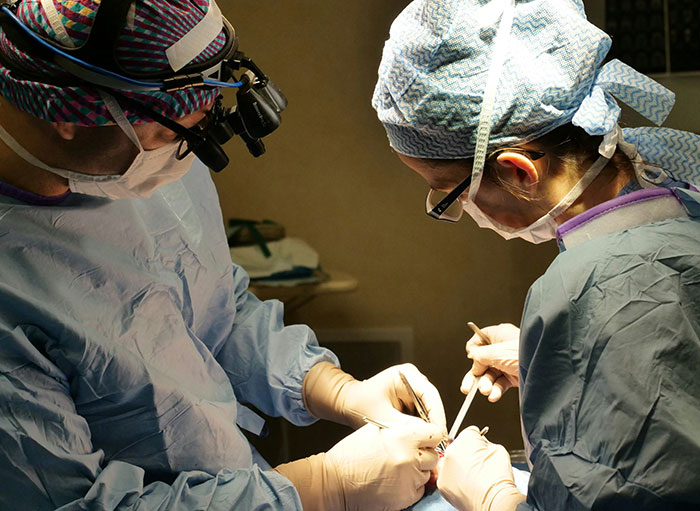 Thin patients almost always do better surgically as less intra abdominal fat makes the surgery more precise and nothing beats precision when it comes to surgery. The few times I've operated on marathon runners... it was absolute bliss
Edit 1: since loads of people have asked this... high muscle mass but lower body fat is still far easier for intra abdominal surgery compared to high body fat content. If you are a body builder we may have to go through more muscle to access your peritoneal/abdominal cavity but after that the surgery will still be easier and allow for more precise dissection.
Ideal muscle mass level... think Brad Pitt in fight club and less the rock. But I'd pick both over a very obese patient any day of the week. Hope this helps.
I've heard it's because hospitals outright refuse overweight / obese cadavers so doctors in training only practice on skinny bodies all the time. So as if it wasn't enough already, we're discriminated against even after death 🙃
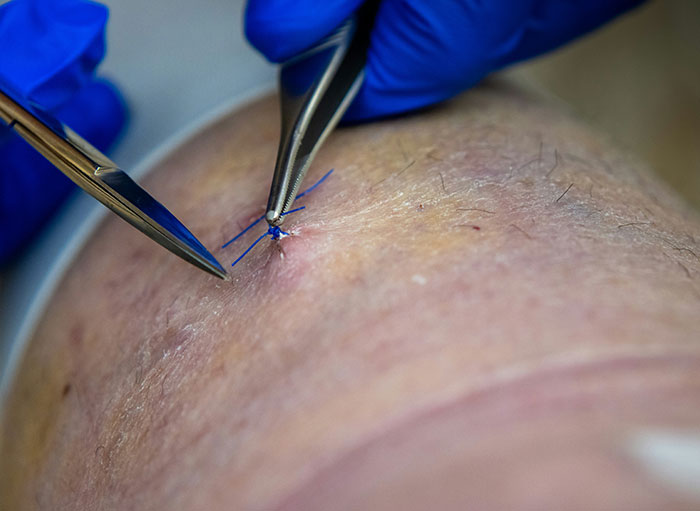 During knee replacement they completely dislocate your knee, put the knee cap to the side, and start measuring and cutting. During tibia replacement part assists help push the tibia forward so you can apply components accurately.
During hip replacement the entire hip is dislocated, and if it’s old posterior approach, your femoral head is sticking out of the wound at like 45 degrees, roughly.
When you get a joint replacement revision, all bets are off. Freaking forget it. There is so much pulling, hammering, drilling. If it’s a hip you can lose so much blood you need a transfusion.
During abdominal surgery if you are reconnecting a patient’s colon, the surgeon will stick a special instrument up your butt to staple the r****m to the intestine. Yes staple.
I've watched different surgeries on Discovery Health Channel several years ago and I couldn't watch orthopedic surgeries because of what they have to do.
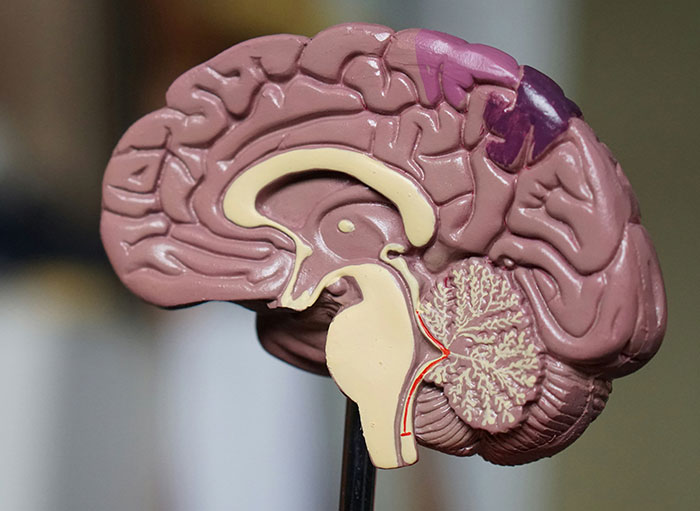 Brain doesn’t hurt. During awake craniotomies once the bone is off and the outermost protective layer (duramater) of the brain is open, there’s no pain.
Also, healthy brain has the consistency of fatty jello that was taken out of the fridge an hour too early and hasn’t fully set yet.
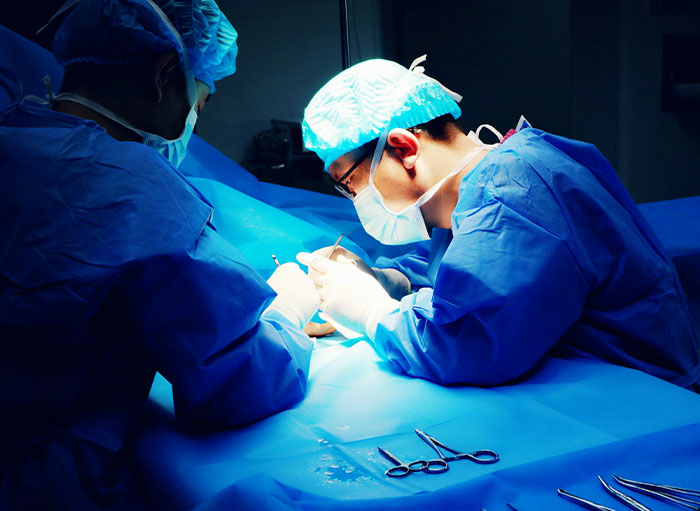 When you palpate the liver with your hand it feels . . . really nice. Smooth, slippery, and a perfect consistency.
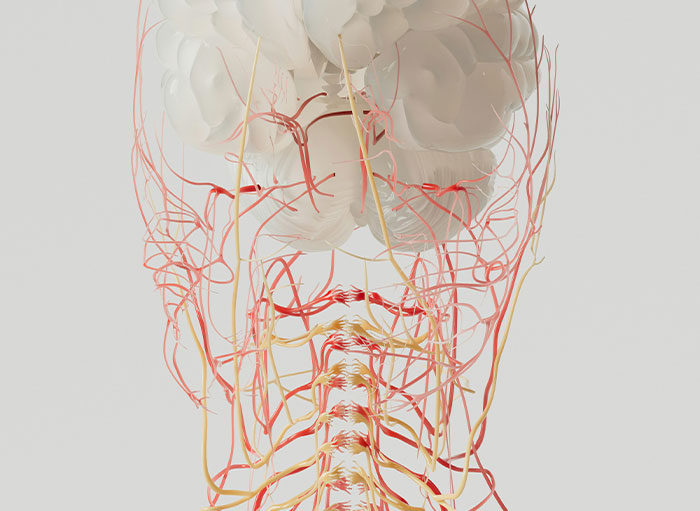 When operating on a living person, spinal nerves look (and act) just like spaghetti. Have to use a smaller suction and be careful or else you’ll slurp them up and it gets annoying to try to not continuously capture them in your suction.

My greatest paranoia was assisting, using a microscope and doing spine. Suction can do a lot of damage. Always suction on the cottonoid, whether it was brain or spine.
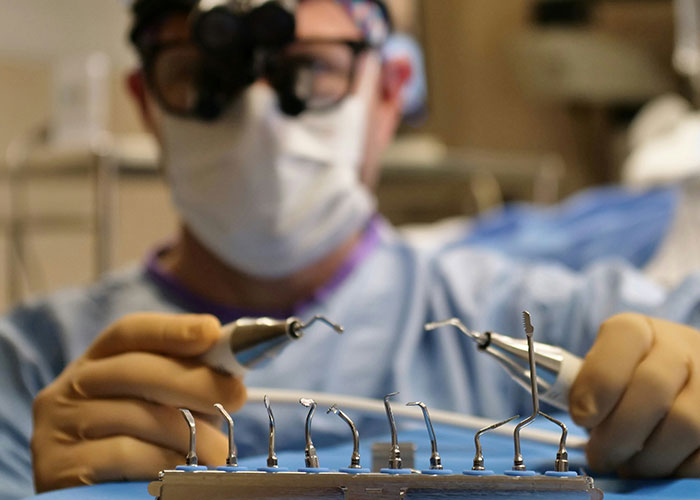 Surgical tech here. My main specialty is Neuro surgery and the amount of bones I have to crunch up is quite a bit. Nothing like holding a chunk of your spine(Facet) and using a ronguer to crush it up. Surgeon takes bone out and we crunch it up and mix it up with some biologics and put it back into your disc space(TLIFs mainly) Think of it like screws and rods in your back. Its like almost like bone glue. Also we have a bone mill that looks like a food processor and it grinds up your bones pretty small.

Yep, I had a spinal fusion with a carbon fiber cage and a bone graft taken out of my hip. A later xray showed a hairline fracture in my hip from the donor site.
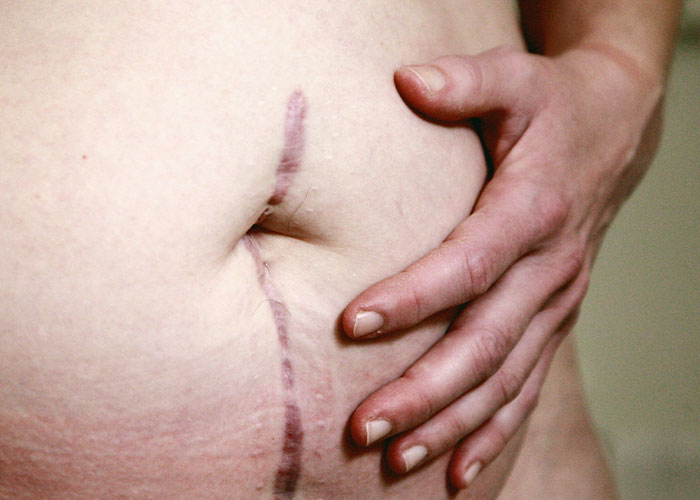 I want to know why no one prepares you for the gas you experience with abdominal surgery. It truly sucks.

I was informed of this after my first C-section. I was told that when they close you up, air gets trapped in that area. I was told to leave the bed ASAP and walk out the air. It was embarrassing until I saw how many other c-section patients were walking and farting in the corridor.
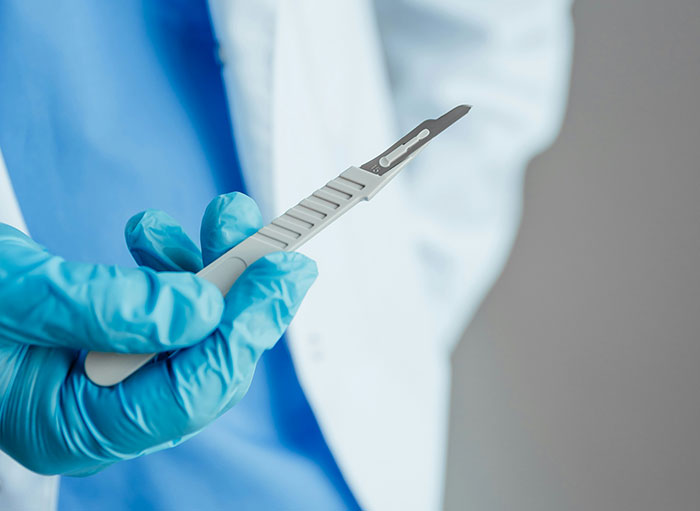 Skin is surprisingly tough. Using a new scalpel blade, you need a fair amount of force to make an incision. Before my first opening, my med school attending warned me about not using enough force: “No hesitation marks!”.
RN here. Organ donation patients while technically declared "brain dead", must be kept alive through a ventilator, meds or whatever is needed until organ harvest is finished. There's no guaranteed way to know if there's even the slightest hint of awareness or not even if paralyzed. Watching one of these is one of the most humbling experiences to how frail we really are.
At the stage I'm a vegegetable, they can take whatever body parts are still of use. Yeet that organ out! 😁 Yes, I'm a registered donor.
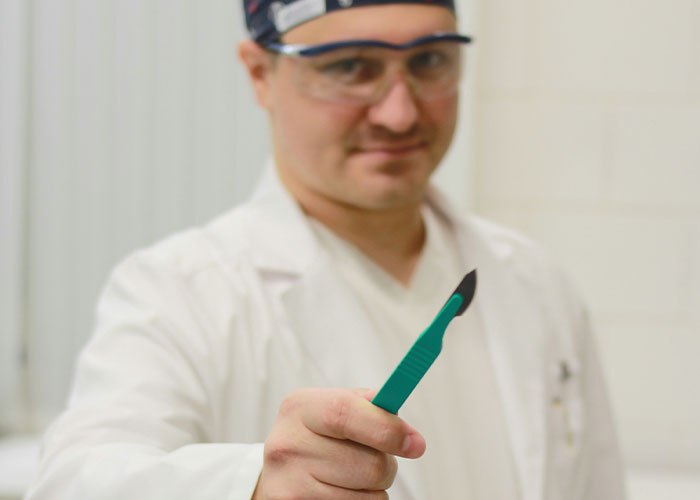 The surgeon (Urologist) told me pre-surgery that testicles are basically engineered for easy removal, so that’s a thing…..

In cases of testicular cancer, they are removed through the groin not the s*****m. As a female farmer I was surprised to learn that.
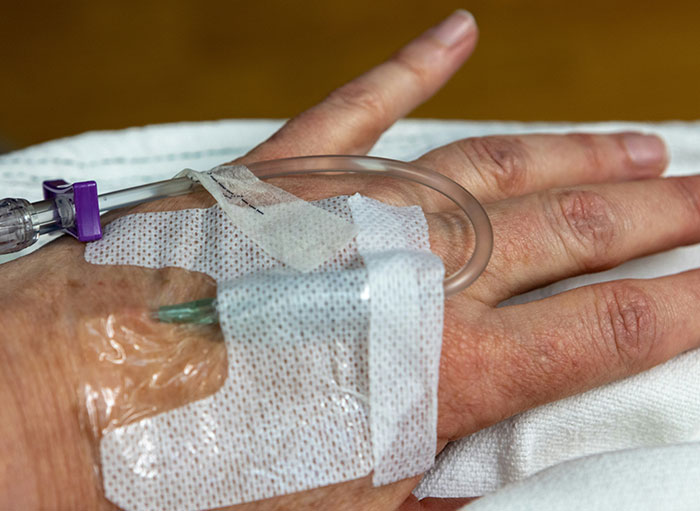 Im not a surgeon but I used to work as a surgical tech so I have seen some stuff. The plaque removed from a carotid artery felt like a pencil eraser.
Intestines are super slippery
Cautery on fat smells like sort of like funky corn chips
I've seen different sizes and colors of gallstones, some like black pebbles about the size of a quarter....like handfuls of those in one patient.
Handing off the pannus in a panniculectomy was one of my most favorite things to do, so freaking satisfying and it felt like passing off Simba from the Lion King.
I scrubbed at least 75 cesarean sections and not once did intestines come out, im not sure if people on here are confusing the uterus or placenta for intestines? Trust me OBGYNs have zero business handling your intestines.
Ovaries can develop what is known as Dermoid cysts, which can grow hair, teeth, and bone inside.
Some people have sparkly earwax.
Was an ear nurse. Suctioned ~12,000 ears. At first I thought it was actual glitter that people had in there but eventually realised it's natural.
Obligatory: I am not a surgeon, I was a lifeguard at Waterpark and later moved to guard at a lake.
I had to get into the water to perform a spinal for a woman who hit her head on a metal bar on a slide. Nobody really goes into much detail on just how fragile your spine is. Everyone experiences back pain, but it can never be stressed enough that all it takes is one fall, one bump, one rough car ride, and you could become paralyzed, or live with permanent back pain. It is seriously super possible to break your spine with a simple slip. If you can walk, or if you can run, take full advantage of that fact, cause it can be taken away in a single moment.

Broke my back pushing a cart of stock at my retail job, thankfully not too badly, but it was extremely painful. Someone else, 25 years layer, broke their back putting a stick of plastic storage crates/totes onto a bottle shelf on tje store. Backs can be broken easier than we imagine.
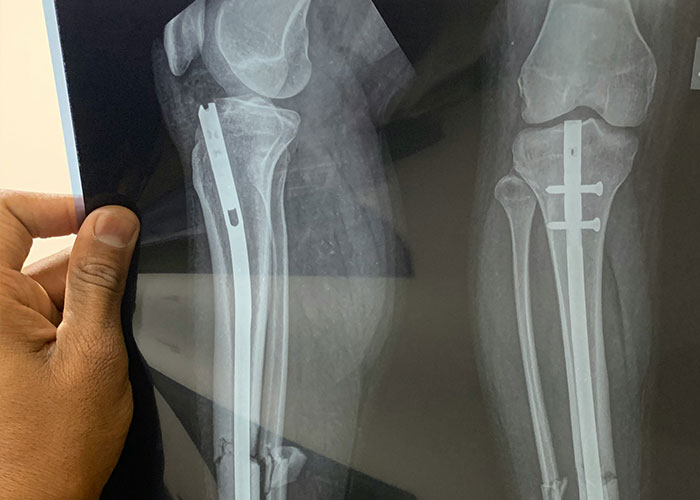 During a knee scope, orthopedic surgeons will fill the knee joint with saline to expand the working space and help with visibility. With all that water, it turns out that adipose tissue (aka, fat) looks like little fluffy white sparkly clouds, like something that you'd find a unicorn hopping around on.
The intestines are so long that we have to pack them in like spaghetti during surgery, and sometimes they seem almost impossible to fit back in.
Took care of a bowel postop patient whose intestines were so swollen they couldn't be fit back in. The surgeon ended up slicing open and sewing in an IV bag as a "window" until the swelling went down.
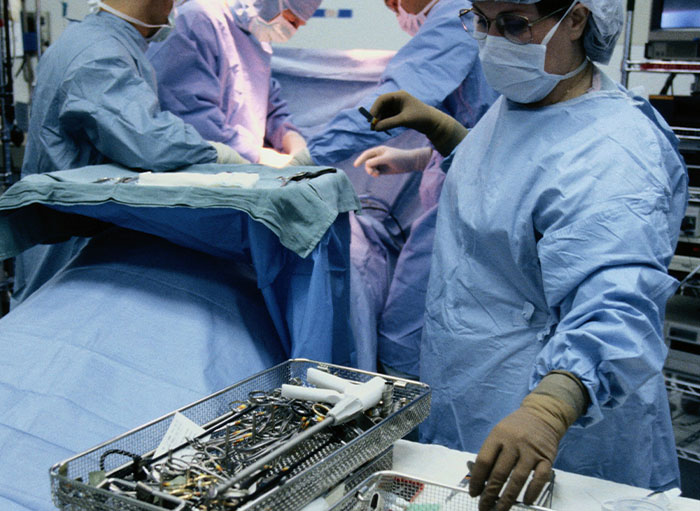 Nurse here.
I don’t work in the OR, but I used to do wound care.
Certain kinds of chronic wounds may be wider and/or deeper than the opening in the skin would lead you to believe.
When caring for them the wounds need to be measured by length, width, and depth. They are also assessed for being undermined (think about running your tongue between your teeth and lips) or tunneled (purse your lips and stick your tongue out). This is often done with a gloved finger.
The feeling of putting part of your hand inside a human that way, and feeling the warmth is, to me, unpleasant. I don’t know how surgeons become accustomed to it.
Exposed bone that’s being eaten away feels like rough concrete. Healthy periosteum (bones exterior and joint cartilage is smooth and slick.
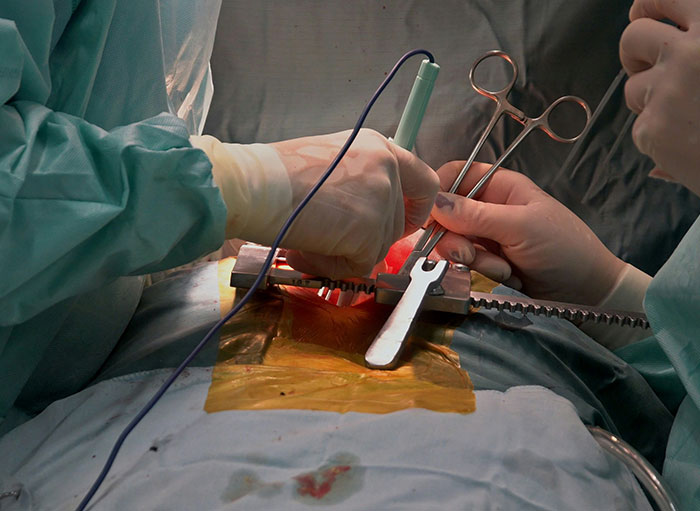 Not a surgeon but when you have an autopsy your tongue is pulled backward and out your chest through your Y incision.

Okay so I googled it, as everything is technically attached yes the tongue is removed as described. If you have a strong gut you can see the picture as described.
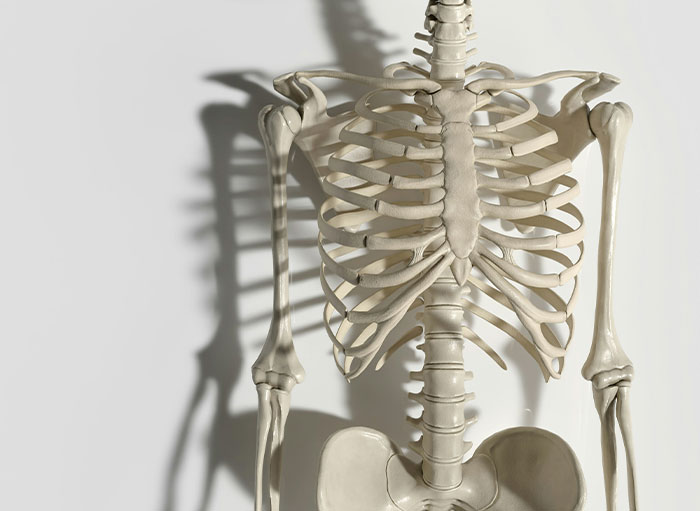 Surgery nurse here, ortho.
I did ortho oncology for years. Bone tumors that were always positively malignant looked scaled, like fatty fish skin.
Also, for kids, when doing a femur-tibial replacement, it seems to disrupt the growth rates and their affected foot grows at a much slower rate than the other, if not stopping entirely. They’d have 2 different sized feet moving forward.
 Paramedic here. I’ve never had a more intimate experience with anyone than when someone has received a trauma they are about to die from and you know it and they know it and then they do.
I could never m****r someone but like. I get it.
I am an Ex Emergency Medical Technician and agree with this, what was really sad when they told me to give a message to their Relatives and see their faces light up for a minute before I passed the message on.
 Not a surgeon, but humans can roll their eyes (no not pitch your eyes, rotate about the iris). The muscles for this are essentially vestigial, since we evolved from prey animals with eyes on the sides of the head—meaning they needed to roll to focus when the head moves up and down. To this day, if we tilt our head up and down, our eyes “roll” slightly in response (think airplane pitch vs roll). There are very creepy videos of this with head mounted cameras on YouTube.

Huh, apparently (maybe?) I can voluntarily move these vestigial muscles? Here's a link to a video of me "wiggling" my eyes. I've been able to do it since I was a kid. It looks similar to other videos of what OP is describing: https://imgur.com/a/lakota-s-vibrating-eyes-y8qguff
Not a surgeon, but an Addictions Therapist. I have a few "fun" but not so fun facts I learned from my field.
The human body never ceases to amaze me with how much it can take. Heavy drinkers have insane tolerance levels. Like BAC levels way over what would k**l a non-drinker. I am talking over .70, which equates to being 9 or 10 times the legal limit. These are people that are polishing off gallons of Vodka per day. (Vodka is the drink of choice that I have found to be the most common out of this group. Usually because it is cheap.)
Another "fun" fact, heavy alcoholics can also experience what we call reverse tolerance, which is when heavy drinkers transition from having a sky high tolerance to feeling drunk off of less alcohol. This is because the liver becomes so damaged over time that it begins to fail. Untreated, it will cause death.
Yet another "fun fact" is that your risk for a*******n increases if you have had bariatric surgery, especially after the first year or two. There could be a lot of reasons for this including trading a food a*******n for an alcohol or d**g a*******n. (This is called a cross a*******n). Many people that struggle with weight loss are also more likely to have pre-existing Depression, Anxiety, and a negative self-image. Also, the stomach is smaller, and absorbs quicker, allowing alcohol to enter the blood stream faster. It is becomes very easy to o******e from smaller amounts of alcohol. I will never forget a client I had where his a*******n became so severe that he would pour alcohol down his feeding tubes. He was in his 60s, but looked much older. This guy was a walking miracle. He had been hit by a bus, survived a motorcycle accident, had a few heart attacks and strokes, and beat cancer three times. The guy must have been half robot with the amount of metal pins and rods holding him together. When I knew him he had a tube in place because he had developed throat cancer from chain smoking and they had to put a hole in his neck so he could eat. It was a regular occurrence that we would find him passed out and he would go to the hospital to get his stomach pumped. He was a beautiful but tortured soul and always said it was a cruel irony that he had survived so much because he did not want to live. I hope that he is at peace wherever he is now.

Your metabolism also skyrockets. Many (15!) years before I got it done I went to a concert with a friend who was 18 Mos. post-surgery. I used to live with her, and during the height of my binge drinking, she could still easily put me under the table. She had two drinks at that show and was three sheets. Hilarious. She had me drive us back to my place. We got back and talked for a while, and I could HEAR the sobriety coming back into her voice, it happened that steadily and quickly. (I'm now nine months post surgery and haven't yet touched a drop. But then, I quit altogether in 2021. Still want to experiment with the metabolism though...)
At 25mmhg, your body overrides the control of your external a**l spincter (the one you use to voluntarily poop, there is the internal component that relaxes involuntarily) and then...you poop yourself.
It's a protective mechanism to keep you from perforating your bowels.
I remember this fact from when I had anatomy in 2014 as an undergrad.
Not a surgeon but during medical school rotations had a patient with a sacral ulcer we took to the operating room to debrief (get rid of necrotic tissue).
I remember noting the patient had a small oozing ulcer on the front of their thigh and mentioned this to the surgeon.
Proceeded to flip patient over and start the surgery. Surgeon asked me to start but I was going a bit slow so he grabs the scalpel and starts digging around with it, realizes there’s a lot of give and starts using his hand and next thing you know the hand is coming out of that thigh ulcer we’d seen at the start.
This patient had a bmi of 60 with cancer going through treatment. Apparently they were so immunosuppressed she was masking necrotizing fasciitis that had eaten through her perineum.

This took me a moment to figure out. A sacral ulcer is positioned near the base of the spine, so the búttocks region. This surgeon manage to pass their hand from the buttock region down into the thigh. I don't want to think hard enough to figure out how the perineum comes into this
Surgeon and sonologist.
As in other not so suspected areas, is possible to accumulate solid debris (detritus, blood clothes, etc) in the s*****m and eventually form "pearls" (a.k.a scrotal pearls or scrotolith).
I'll never be able to read Lovecraft again. All monoliths have been permanently ruined and replaced by scrotoliths, and nothing will ever fix that intrusive thought from popping in there...
So when they make an incision on you they use a scalpel to get a nice clean cut through the skin to minimize scarring.
But cutting through the fat and visera with a scalpel can be a bit messy as edges will bleed.
So they use what is called a bovie-tip, which is like essentially a very hot soldering iron that will cut and cauterize at the same time.
There is a lot of smoke and the smell of freshly burned human is, not particularly pleasant but not that offensive either.
Pulmonary/ icu physician/ not a surgeon but work closely with thoracic surgery especially when it comes to lung transplant. Your native lungs receive blood flow from two
Sources: your pulmonary arteries (which blood passes through en route to the lungs to receive oxygen) as well as your bronchial arteries (which come off the aorta). If you need/receive a lung transplant, current standard of care is that only the pulmonary artery circulation is reconnected and the transplanted lungs lose all bronchial artery blood flow. It is miraculous that these lungs are able to survive on this single source of blood flow!! I will say that this strategy may be evolving given the high rate of rejection in lung transplant and some small observational studies which show benefit in re-anastaomosing the bronchial artery circulation as a mean to decrease risk of chronic rejection.
As a surgical tech, I've had to nudge students awake that we're assisting in surgery.
Not a surgeon, but have photographed numerous surgical procedures. I’m always impressed by how “construction”-like tools are used on live people. For example, replacing a hip involves a huge drill, hammering in a joint with a sledgehammer, sawing off the head of the thighbone, etc. It’s as violent and loud as you might imagine.
Not a doctor, but I found this out from my surgeon after he operated on me:
Apparently you don't really have to put organs back in place after a surgery, within reason. Like obviously don't put intestines up by the throat or something but as long as all the organs are generally in the right area they kind of schlorp back to their correct places after a while.
I found this out because my laparoscopic surgery became very invasive after my surgeon found out that a tumor was growing around a major blood vessel. Apparently he had to kind of shove my intestines and kidney out of the way while removing the tumor.
Also, apparently during those kinds of surgeries you get bloated with air and you have to spend a week farting it all out.
For some abdominal surgeries, they fill you with air to make it easier for the lap tools to get between stuff. The gas is ridiculous for 3-5 days.
The human brain feels a bit like tofu when touched, and it's so delicate that it can begin to lose shape under its own weight if not properly supported.
From this article I have gathered the we are all at least 70% soybean.
When dividing the pancreas with an energy device like a Bovie or a harmonic scalpel, to me, the burnt pancreatic parenchyma smells some what like peanut butter.
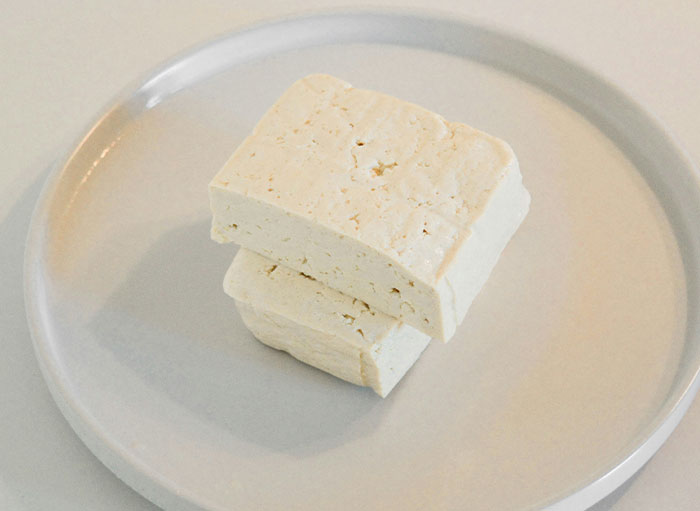 Baby livers feel like tofu.
Not a surgeon, but a pathologists’ assistant. A fair number of people have splenules or “baby spleens”. They can be congenital, or become established after trauma.
My dad had to have his spleen removed after a car accident many decades ago (his spleen was damaged in the accident.) I wonder if his body established a splenule or two afterwards! We didn't have him autopsied after he died in 2021 (there was no need to) so I guess we'll never know XD
The human body can still reflexively move or twitch during surgery even when fully anesthetized, which can be unsettling if you're not used to it.
Not a surgeon but a pathologists' assistant. Renal (kidney) tumors tend to be the prettiest in my opinion lol they're commonly a nice golden yellow color.
Roux en Y gastric bypasses are probably a terrible hack job that future surgeons will look on in horror. There is a role for the Billroth for subtotal gastrectomies, but a Roux en Y for weight loss is a terrible idea. Do a sleeve with a SADI. If your surgeon doesn’t know what a SADI is, get the f**k out.
(An aside; all surgeries carry risk. But, there is a cluster of the “brutal triad” as my team has come to know them: RYGBs who have chronic pain, chronic nausea, and limited PO intake. We haven’t seen this in a sleeve pt, now ~800 of them with at least 5 years follow-up at our institution. It’s interesting as nothing is removed with a RYGB, only a rerouting.).

































 No fees, cancel anytime