Get Premium
Dark mode theme is available exclusively for premium users. Learn more about the benefits of subscribing.
No fees, cancel anytime.

 Dark Mode Ad-Free Browsing Unlimited Content
 Ad-Free Browsing Unlimited Content Dark Mode
Join 1.2 million Panda readers who get the best art, memes, and fun stories every week!

It’s not easy to navigate a blended family. While these relationships can grow really close, sometimes even feeling just like the relationship between a biological parent and child, they can also come with added expectations. Well, added financial expectations.
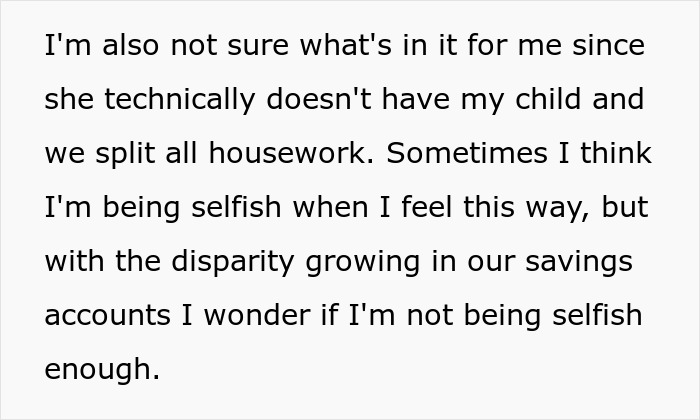
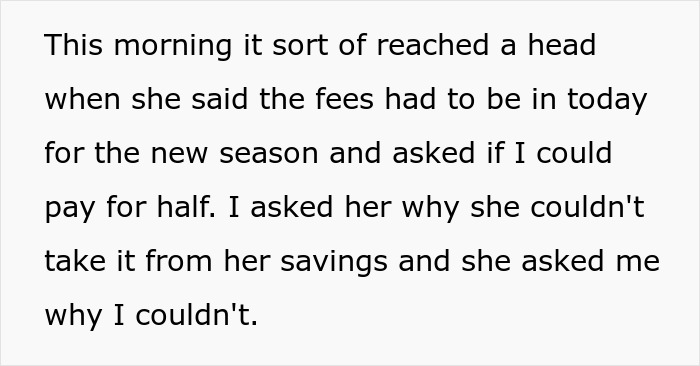
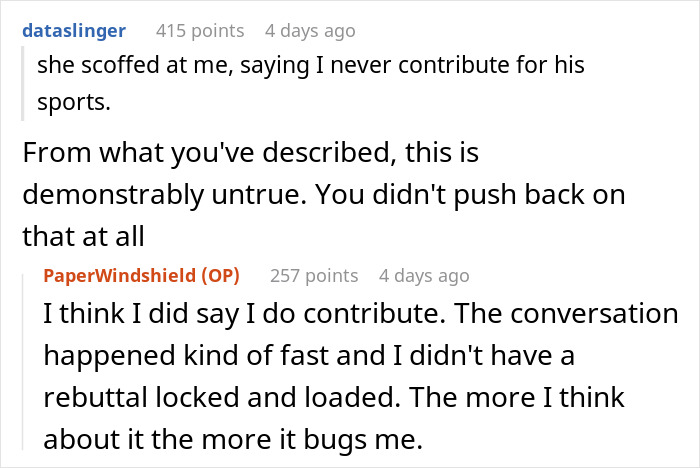
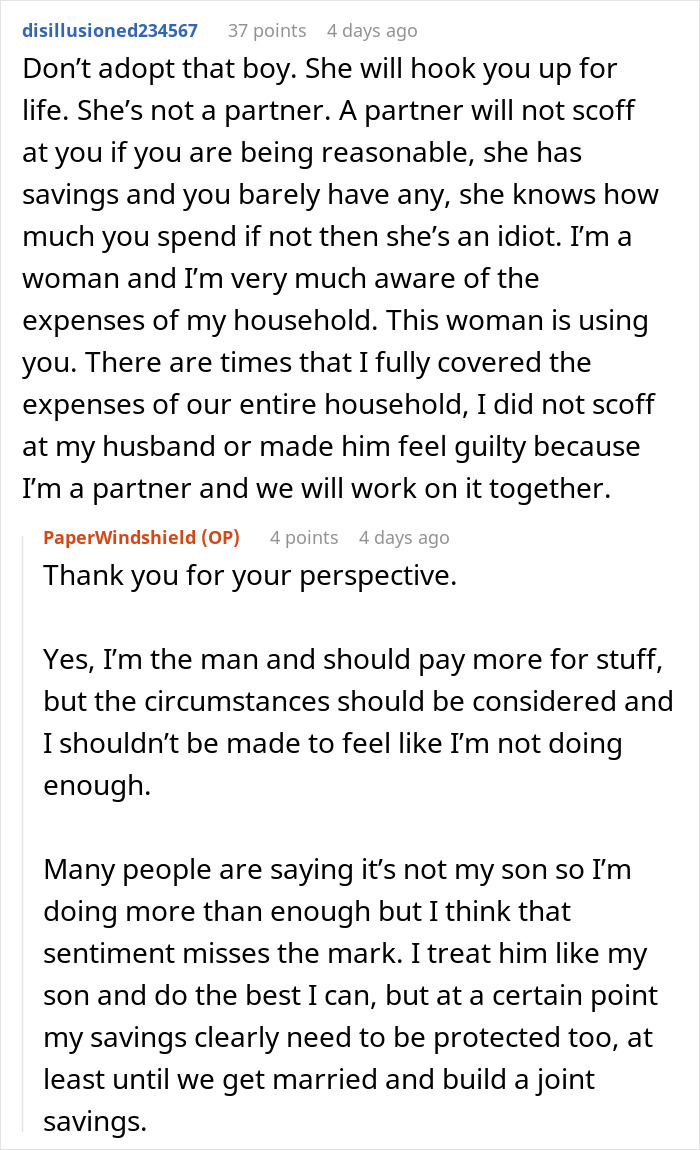
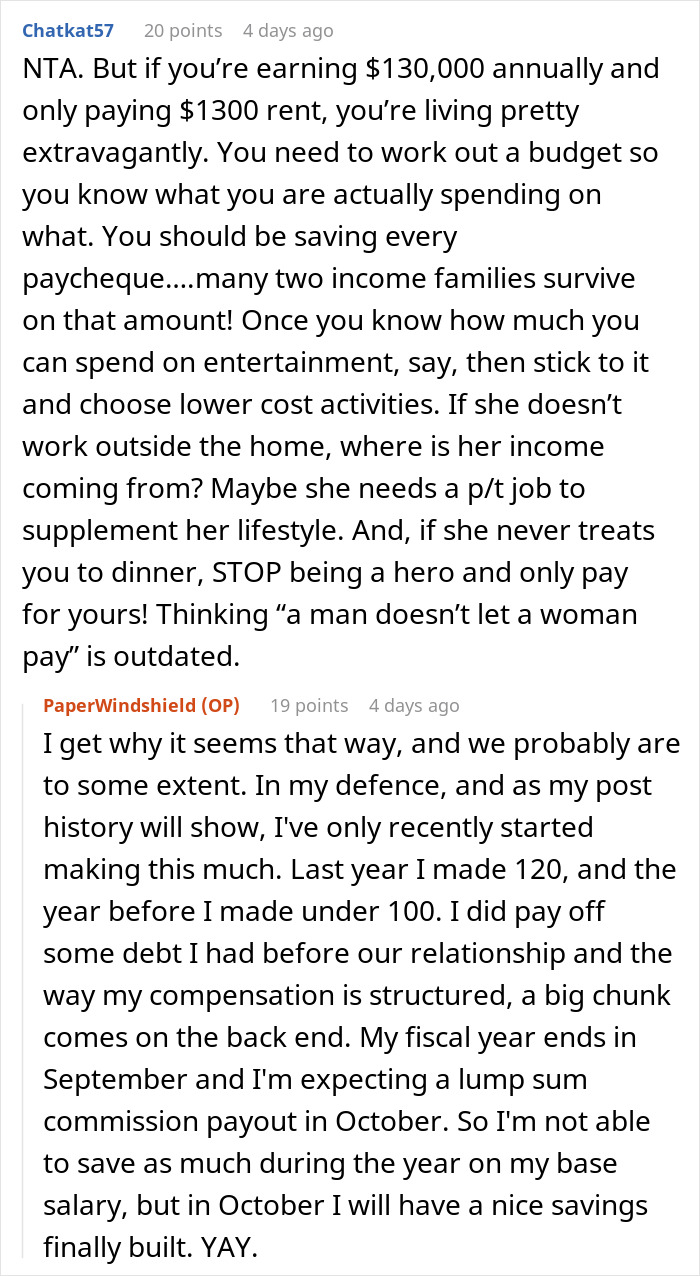
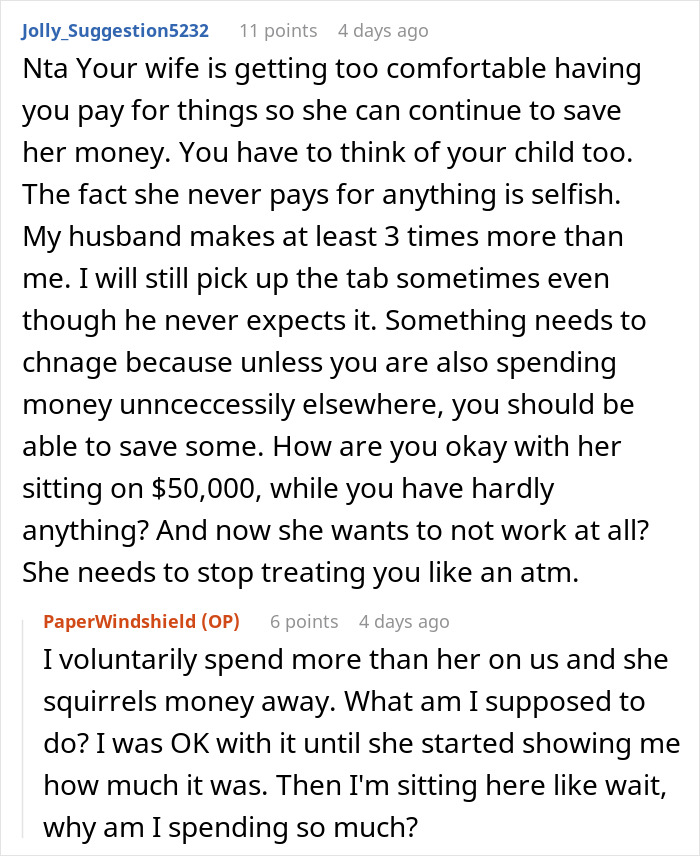
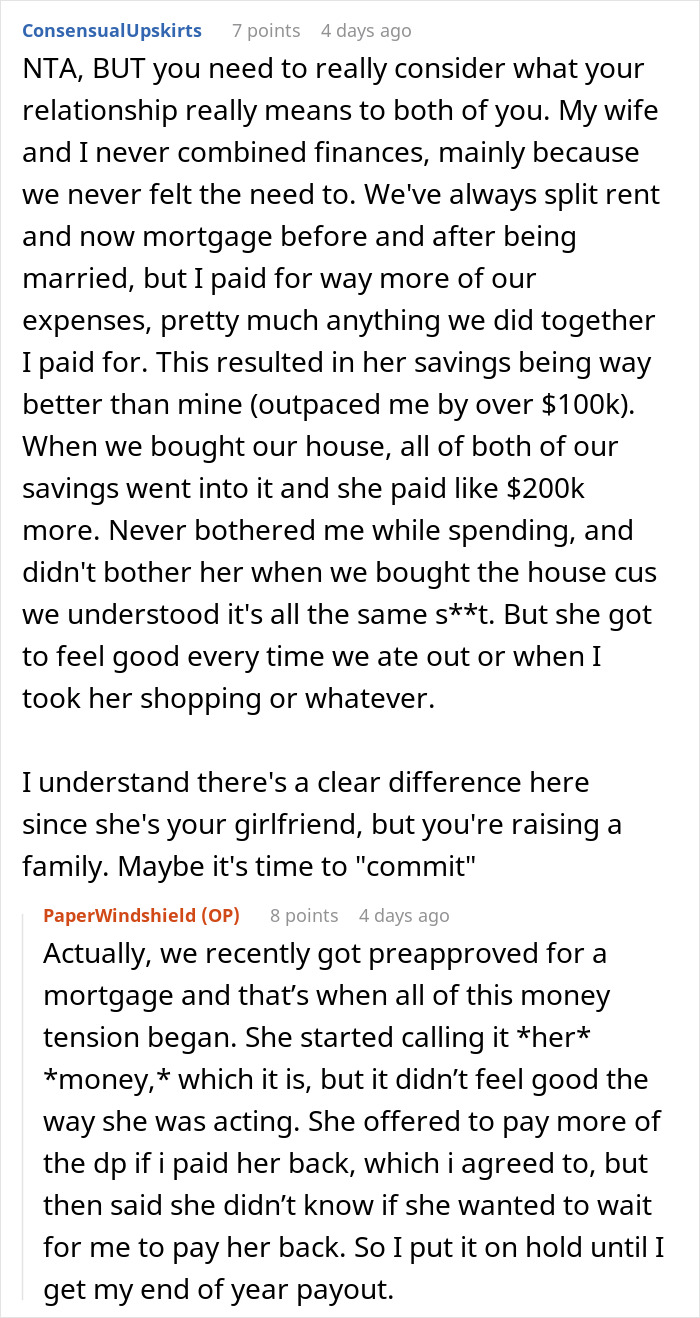
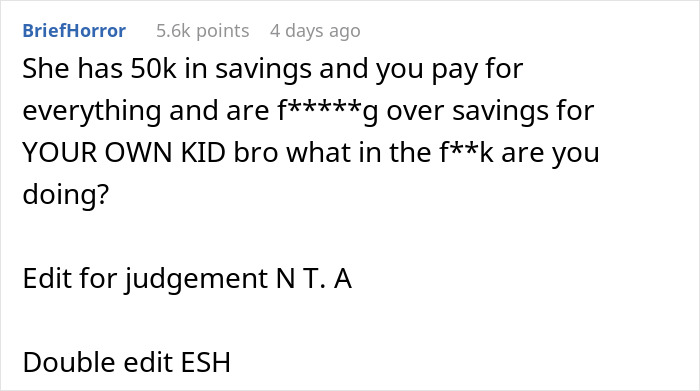
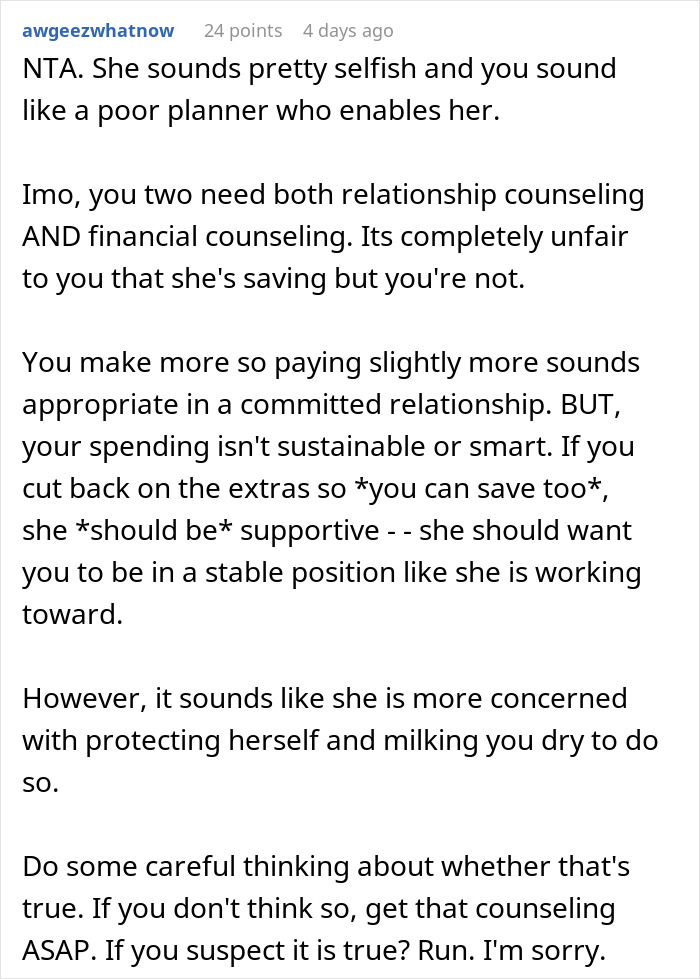
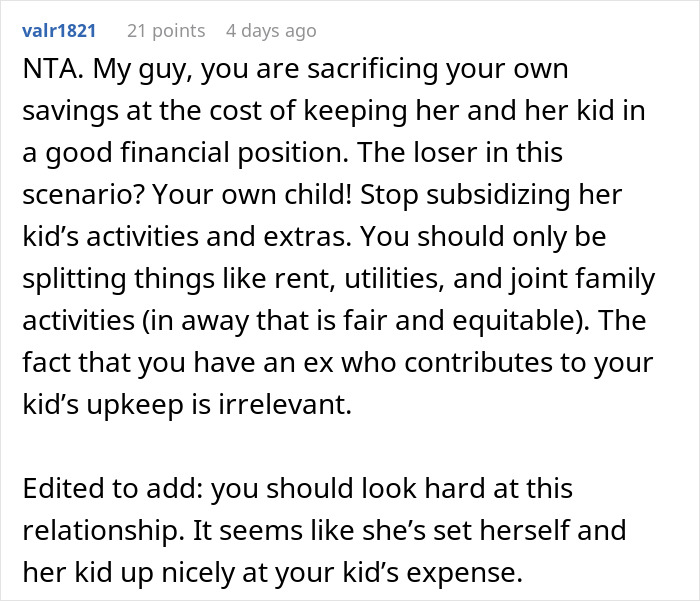
Take today’s story, for instance. A man who has been with his partner for seven years shared on r/AITAH that the financial expectations regarding his stepson are now straining their relationship. As he explains, he covers most of the household expenses because he earns more than his girlfriend, but she also expects him to pitch in for her son’s sports fees — even though he has very little money saved, unlike her.
Unfortunately, the boy’s biological dad is no longer around, so the man is also feeling added pressure to step up, and here’s what everyone had to say about it.
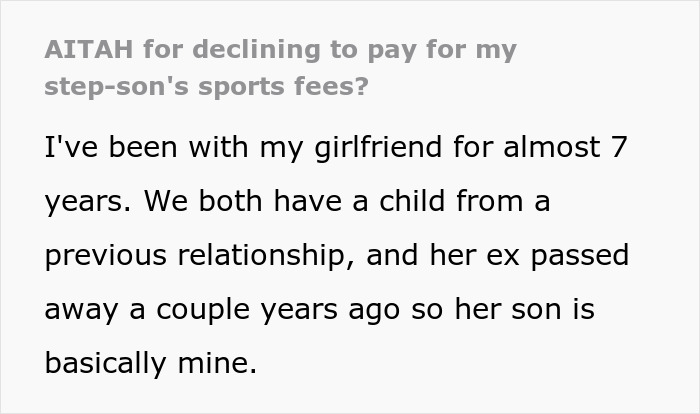


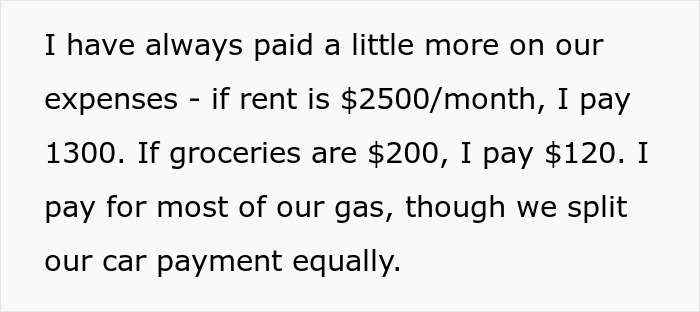
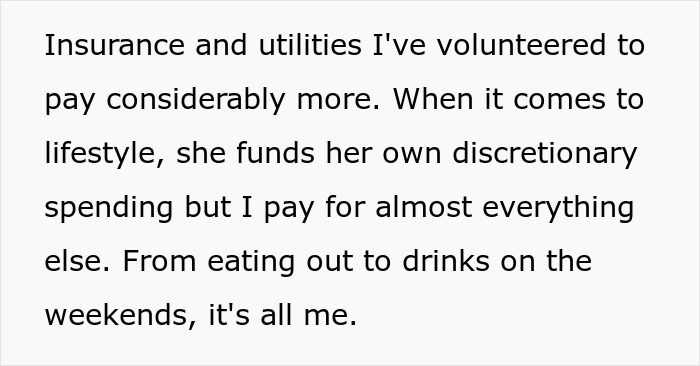

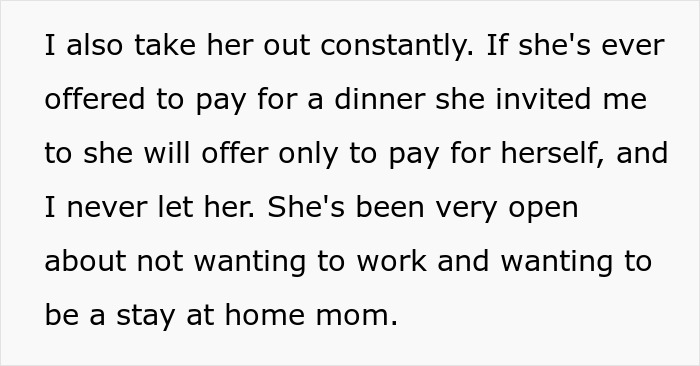


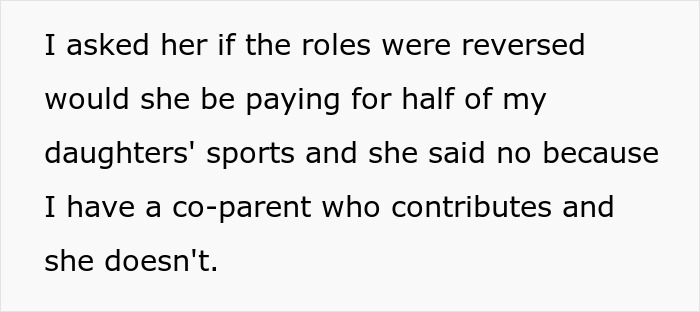

While the two of them should have established a structured financial plan from the moment they moved in together, the girlfriend, who aims to be a stay-at-home mom, also needs to understand that, according to researchers, relationship satisfaction requires some form of mutual economic benefit. If she wants to be a stay-at-home mom, doesn’t have any biological children with him, and keeps her savings separate, then the arrangement may be a little unfair.
What they should instead do, according to financial planning experts, is consider a three-pot system. This would require the two of them to keep their personal accounts for things like income, individual debt, and the kids’ extracurricular expenses, while also keeping one joint household account. They could then contribute to this account in proportion to their incomes. Shared expenses like utilities, groceries, and even dates could then be paid for from this account.
Finally, the two of them need to agree on the difference between voluntary gifts and baseline obligations. If they both want to contribute to each other’s kids’ lives in any financial way, then that should be seen as a gift, rather than an expectation. Ultimately, though, this is hardly the only story in which blended families stir up drama. So if this is a topic you enjoy, you can check out more family-related articles here.
















By entering your email and clicking Subscribe, you're agreeing to let us send you customized marketing messages about us and our advertising partners. You are also agreeing to our Privacy Policy.
Thank you! You've successfully subscribed to newsletters!


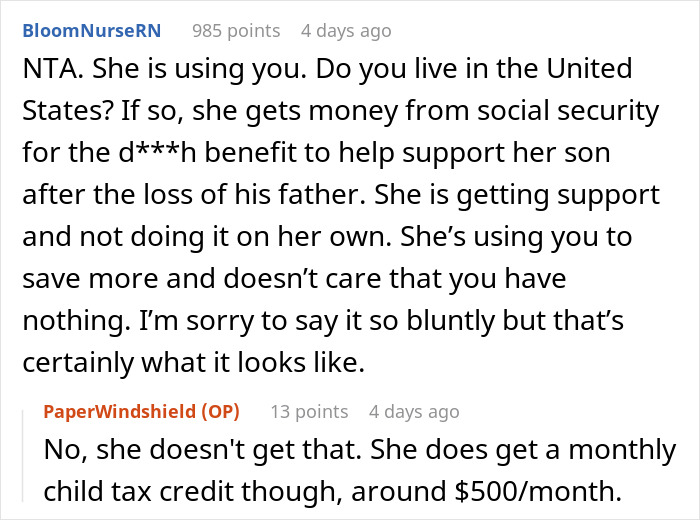
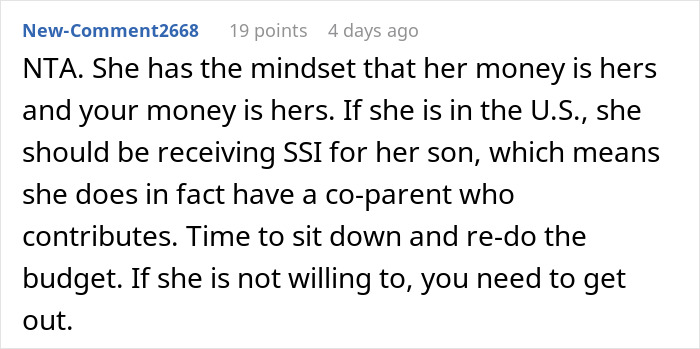
They're not even married, why do they know how much the other has in their account? And she wants to be a SAHM? That's stupid. Without a marriage certificate she had no rights if he leaves her. If I were him I'd rethink continuing with this relationship, or at least make her pay for her own kid. She gets $500 a month extra, she needs to find a way to make it work. And walk out on her if she tries to quit her job.

Choice #5: break up with her. She's a Greedy Gussy. No amount of discussion will change her mind. "Your money is also MY money + I want to be a SAHM."
They're not even married, why do they know how much the other has in their account? And she wants to be a SAHM? That's stupid. Without a marriage certificate she had no rights if he leaves her. If I were him I'd rethink continuing with this relationship, or at least make her pay for her own kid. She gets $500 a month extra, she needs to find a way to make it work. And walk out on her if she tries to quit her job.
Choice #5: break up with her. She's a Greedy Gussy. No amount of discussion will change her mind. "Your money is also MY money + I want to be a SAHM."


































 No fees, cancel anytime










33
5