Get Premium
Dark mode theme is available exclusively for premium users. Learn more about the benefits of subscribing.
No fees, cancel anytime.

 Dark Mode Ad-Free Browsing Unlimited Content
 Ad-Free Browsing Unlimited Content Dark Mode
Join 1.2 million Panda readers who get the best art, memes, and fun stories every week!
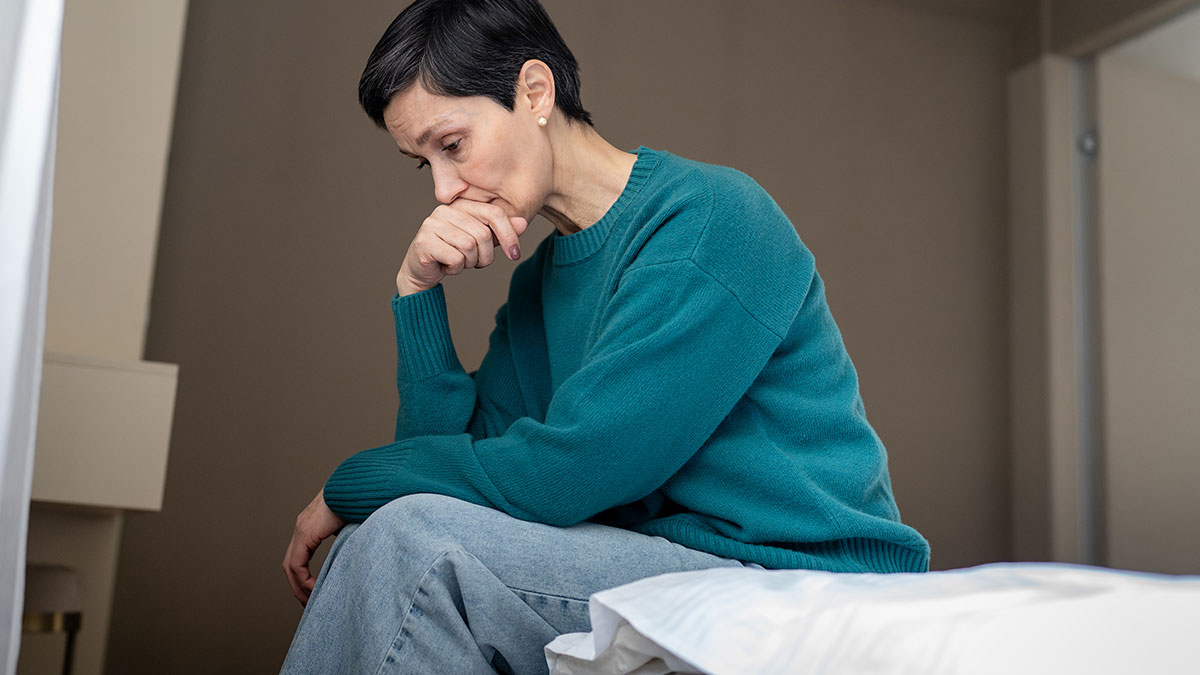
For anyone thinking about having a baby, it’s not just about deciding when to try or how many kids you’ll have.
You have to consider all the logistics — the finances, the sleepless nights, and all the little ways your life’s going to change.
Then there’s these uncomfortable questions that might flood your mind: What if something goes wrong? What if your baby has health problems? Complications during birth, or a condition you weren’t expecting?
Those thoughts can keep any prospective parent awake at night, including this woman who recently opened up about her fears online.
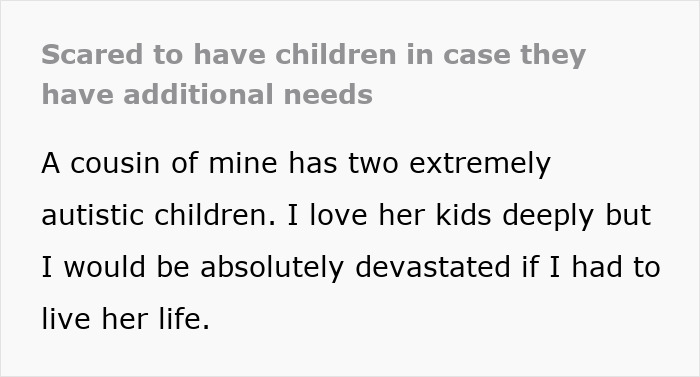
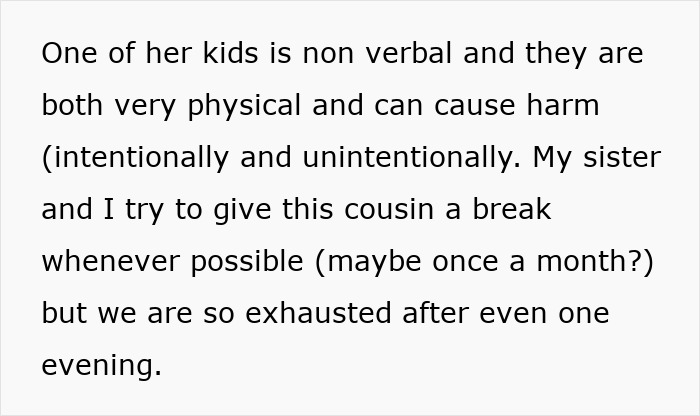
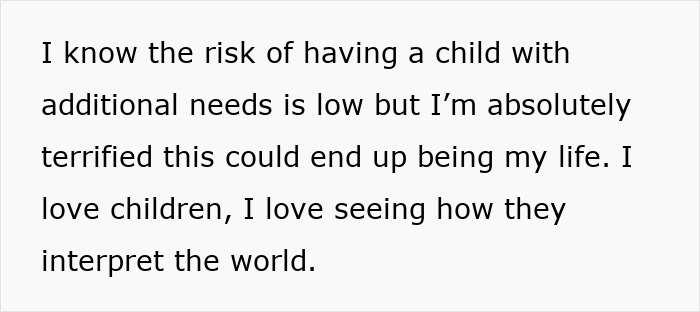
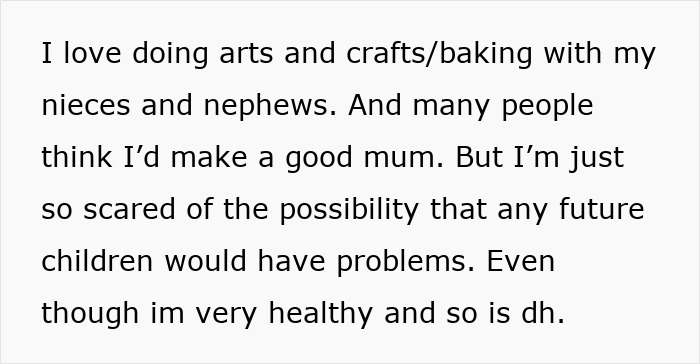
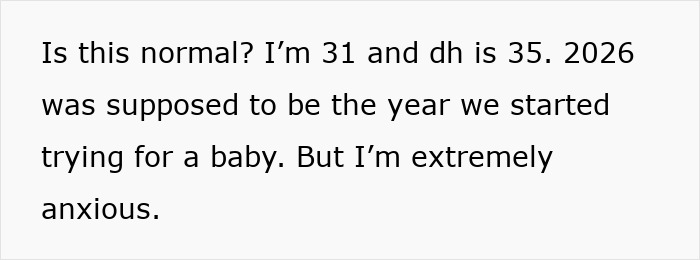
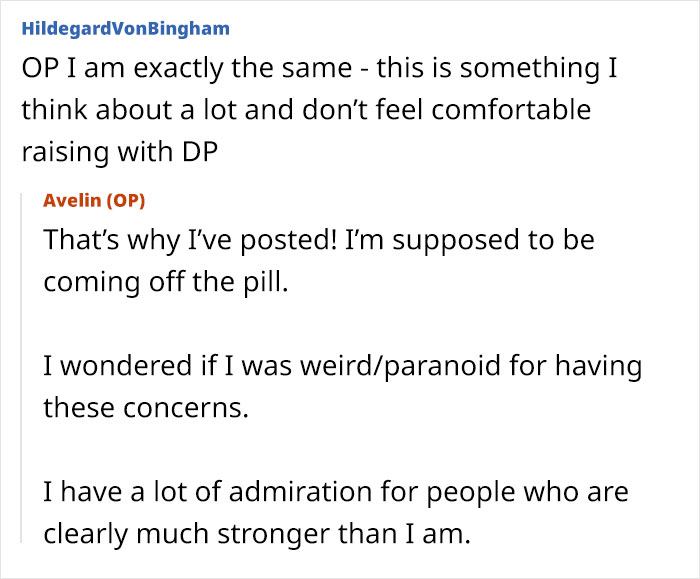
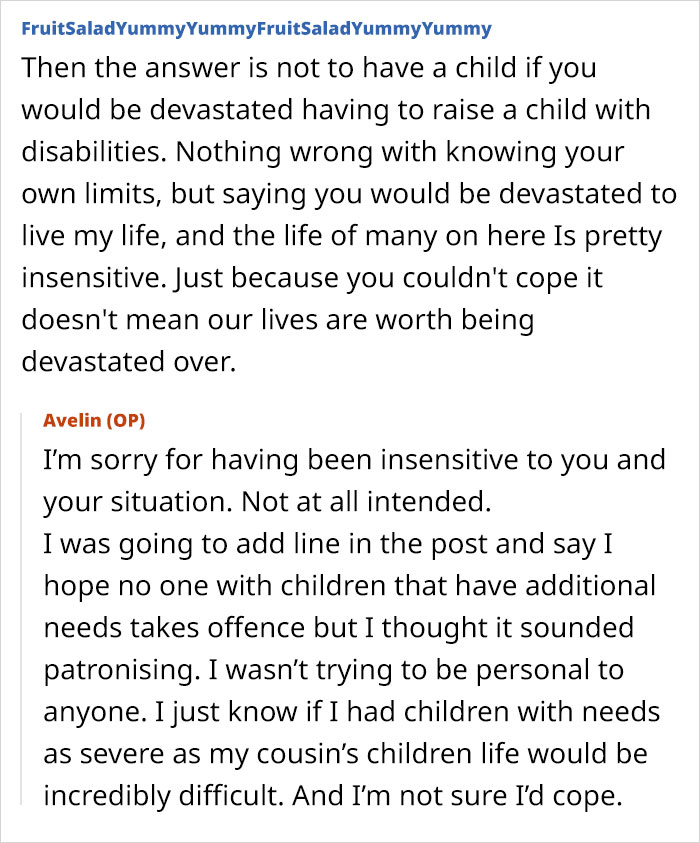
She shared that she’s scared of becoming a mother after seeing the daily struggles her cousin faces raising two autistic children.
Read her story to find out why exactly she’s having these concerns, and how many others share the same worries.
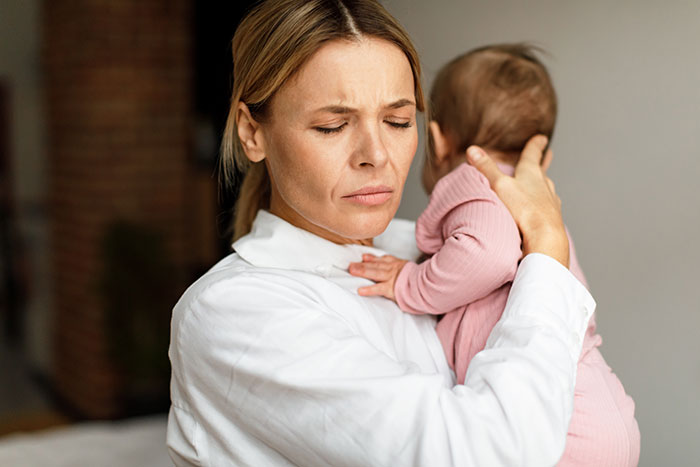
Image credits: Dimaberlin/Envato (not the actual photo)
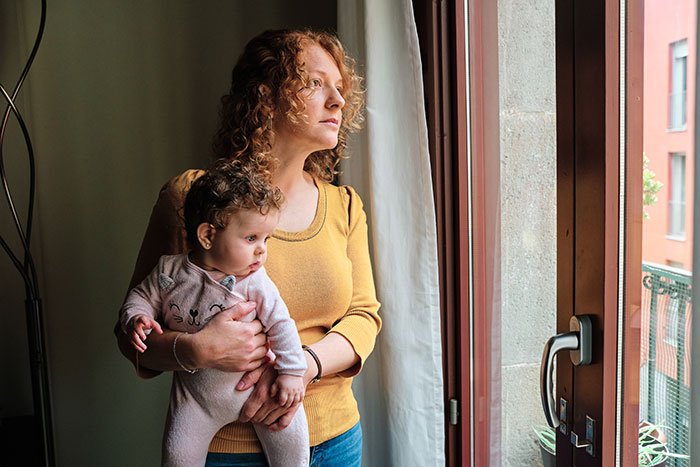
Image credits: Yannamelissa/Envato (not the actual photo)
Image credits: Avelin
No one expects more therapists in their phone call log than play‑date invites when they imagine their future family.
For parents of children with conditions like autism, the reality can be physically and emotionally demanding. And not to forget the financial burden that comes with extra medical appointments, special education meetings, and complex therapies.
Research shows that about 50% of mothers of children with autism experience elevated levels of depression over time, significantly higher than mothers of neurotypical children.
“Being the parent of a child with special needs is inherently challenging every day. It is a prototypical example of chronic stress,” says Elissa Epel, PhD, professor at University of California, San Francisco, and senior author of the study.
Image credits: Prostock-studio/Envato (not the actual photo)
“We already know from this sample that mothers with more depression tend to have signs of faster biological aging, such as lower levels of the anti-aging hormone klotho and older immune cells, on average,” Epel adds.
Self-blame and guilt among parents of autistic children is also very common. It can make depression even worse in mothers.
If you’ve seen a parent caring for a child with special needs up close, you might recognize the nuance — profound love mixed with true exhaustion. Some days feel like a marathon with no finish line.
It’s not just about the time, money and energy. It’s the constant mental load of planning, advocating, and sometimes fighting for the support your child needs.
Biases and prejudices that exist around disability can make parenthood feel even heavier.
For many prospective parents, these fears feel real because autism isn’t rare, it affects millions of families.
The Centers for Disease Control and Prevention (CDC) data shows that about 1 in every 31 US children has been diagnosed with autism spectrum disorder (ASD). That’s roughly 3.2% of children based on data for 8-year-olds.
Actor Kellie Bright recently spoke about the “constant battle” of raising a child with autism.
She said having a child with special educational needs means “nothing comes easily,” and described daily life as a fight — from getting the right support to simply being heard.
“It’s a battle all the time,” she said, adding that the lack of understanding and help leaves many parents feeling completely exhausted.
Image credits: alvarogonzalez/Envato (not the actual photo)
It’s not unusual for parents to think about what raising a child with complex care needs would mean for their relationship, their finances, and their future.
If your heart is set on becoming a parent, there’s an incredible amount of love and meaning that comes with bringing a tiny human into the world.
Research shows that many mothers of children with autism also report high levels of emotional closeness and positive interactions with their children.
But being a special needs parent means you have to go above and beyond what other parents may do.
There are also ways to navigate these fears.
Some couples go for pre-pregnancy genetic counseling to reduce anxiety and get clear information about risks.
Others consider different paths to parenthood altogether, including adoption, as a way to grow their family in a way that feels right for them.

By entering your email and clicking Subscribe, you're agreeing to let us send you customized marketing messages about us and our advertising partners. You are also agreeing to our Privacy Policy.
Thank you! You've successfully subscribed to newsletters!


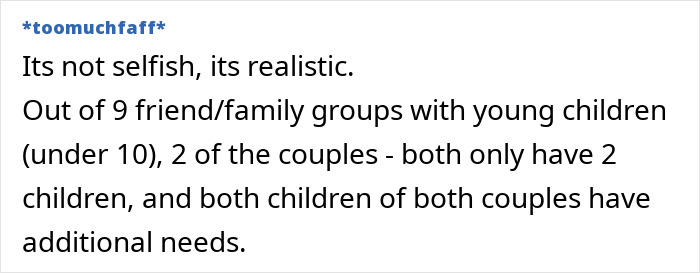
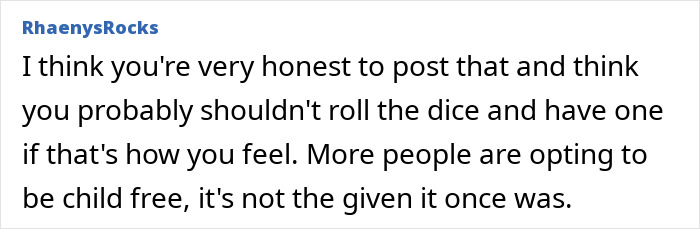
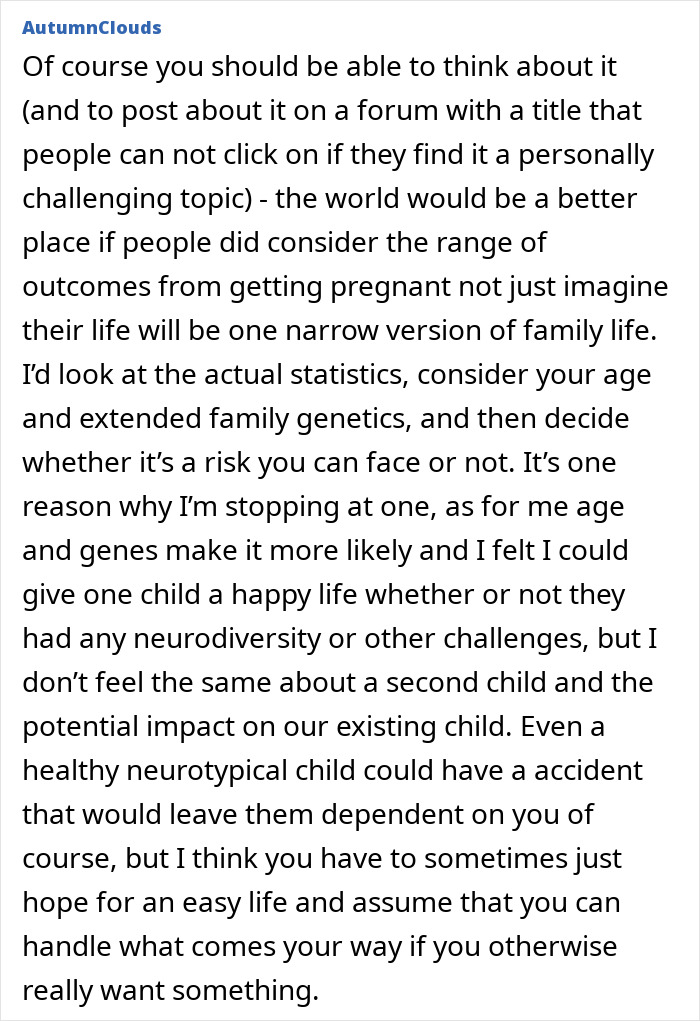
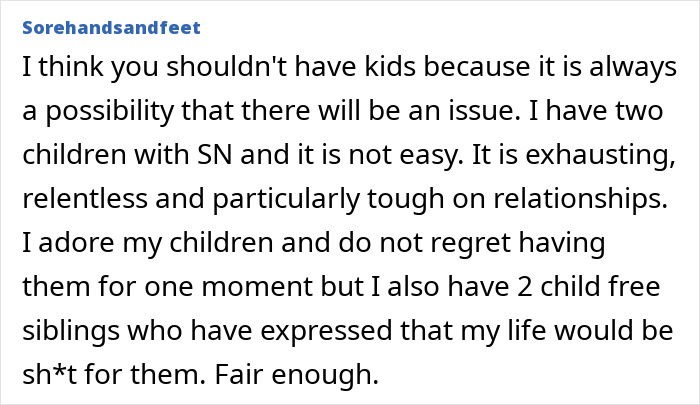
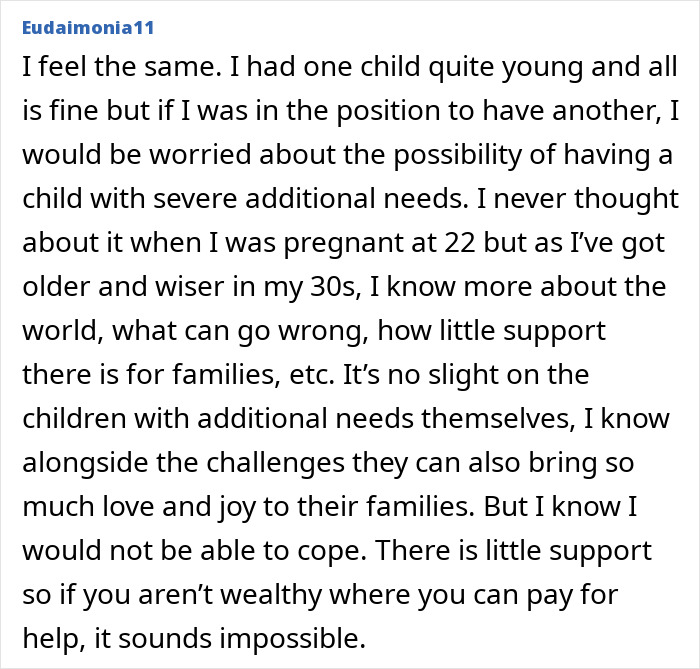
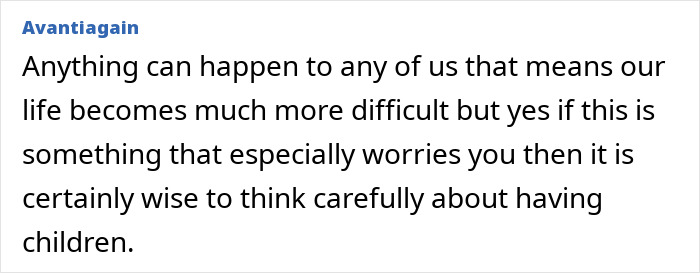
What if her partner has an accident and ends up needing constant help? Would she feel devastated or just left him? I'm not judging - life is brutal and s**t can happen anytime. Her life can become absolutely miserable with our without children. Having said that - nobody should have kids if they have doubts.

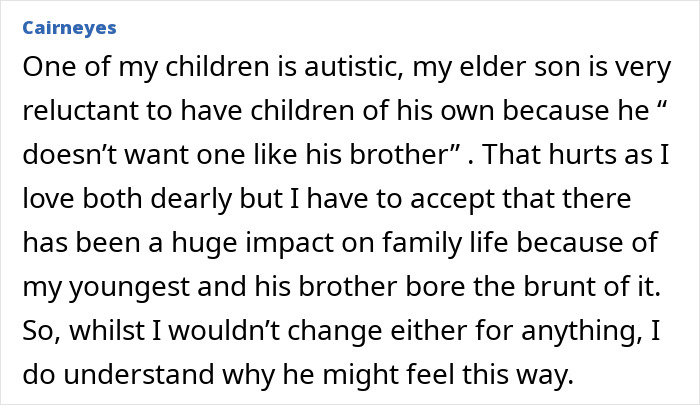
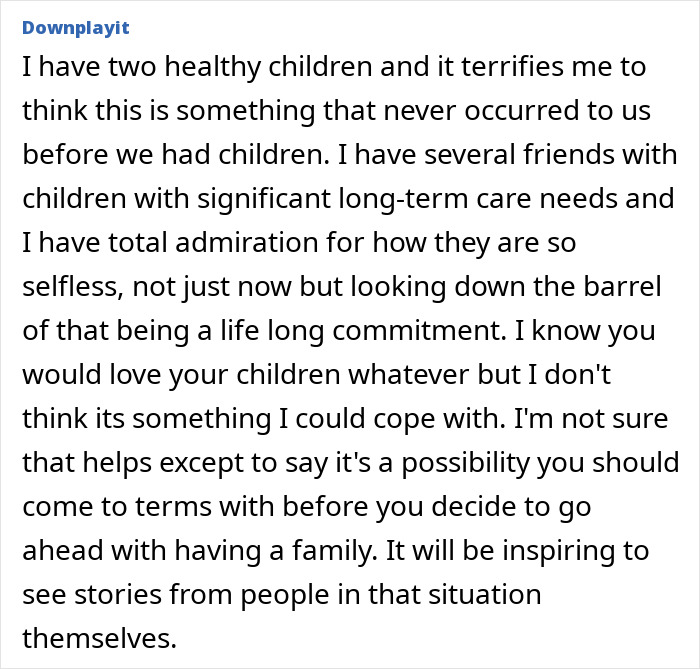
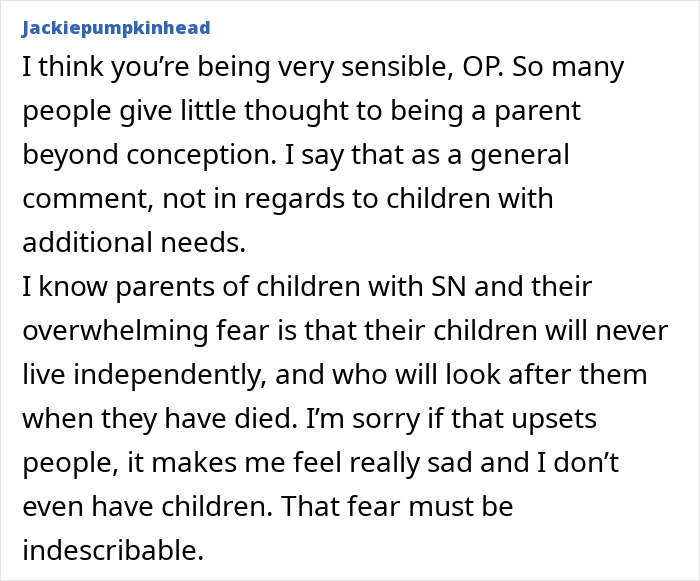
Having known a family with a severely mentally challenged child, and another with a severely autistic child, I know I couldn’t deal with it. Their kids will never be independent. They will always be a constant source of worry, especially as the parents age and have to make care decisions for their children. I couldn’t handle it, and I know it. Yet another reason why I decided I would never have children.
What if her partner has an accident and ends up needing constant help? Would she feel devastated or just left him? I'm not judging - life is brutal and s**t can happen anytime. Her life can become absolutely miserable with our without children. Having said that - nobody should have kids if they have doubts.
Having known a family with a severely mentally challenged child, and another with a severely autistic child, I know I couldn’t deal with it. Their kids will never be independent. They will always be a constant source of worry, especially as the parents age and have to make care decisions for their children. I couldn’t handle it, and I know it. Yet another reason why I decided I would never have children.












 No fees, cancel anytime









32
6