Get Premium
Dark mode theme is available exclusively for premium users. Learn more about the benefits of subscribing.
No fees, cancel anytime.

 Dark Mode Ad-Free Browsing Unlimited Content
 Ad-Free Browsing Unlimited Content Dark Mode
Join 1.2 million Panda readers who get the best art, memes, and fun stories every week!

25submissions
1week left

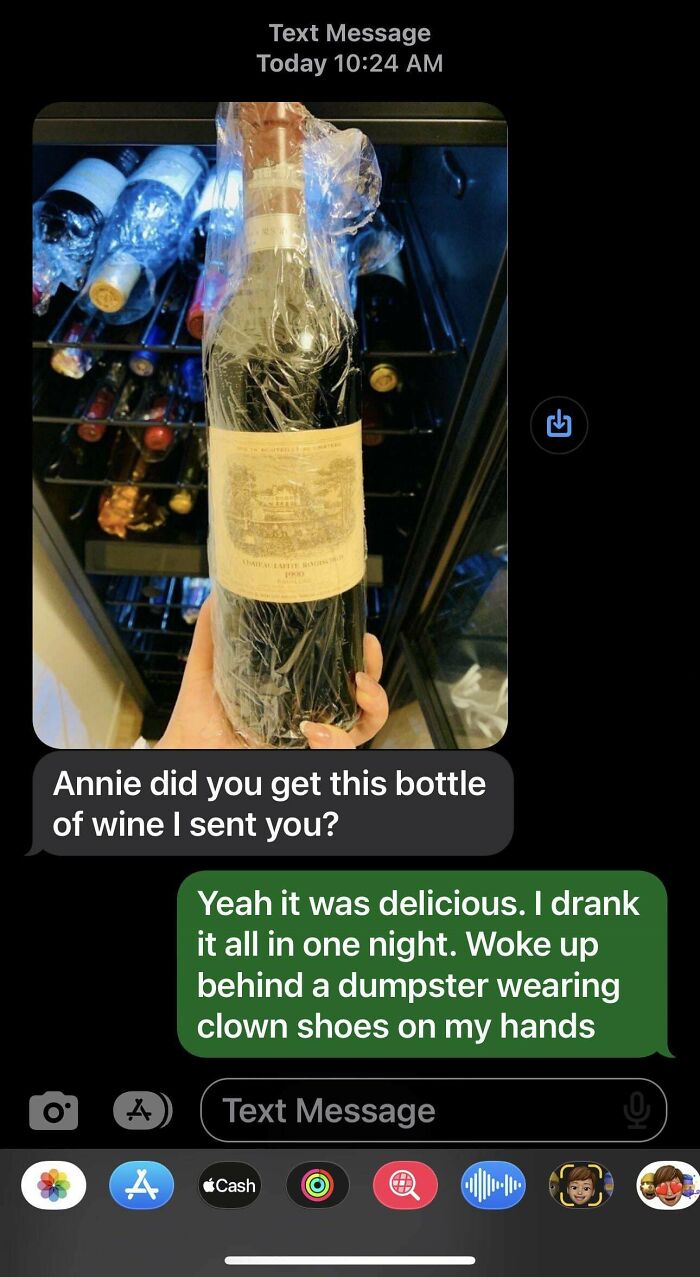
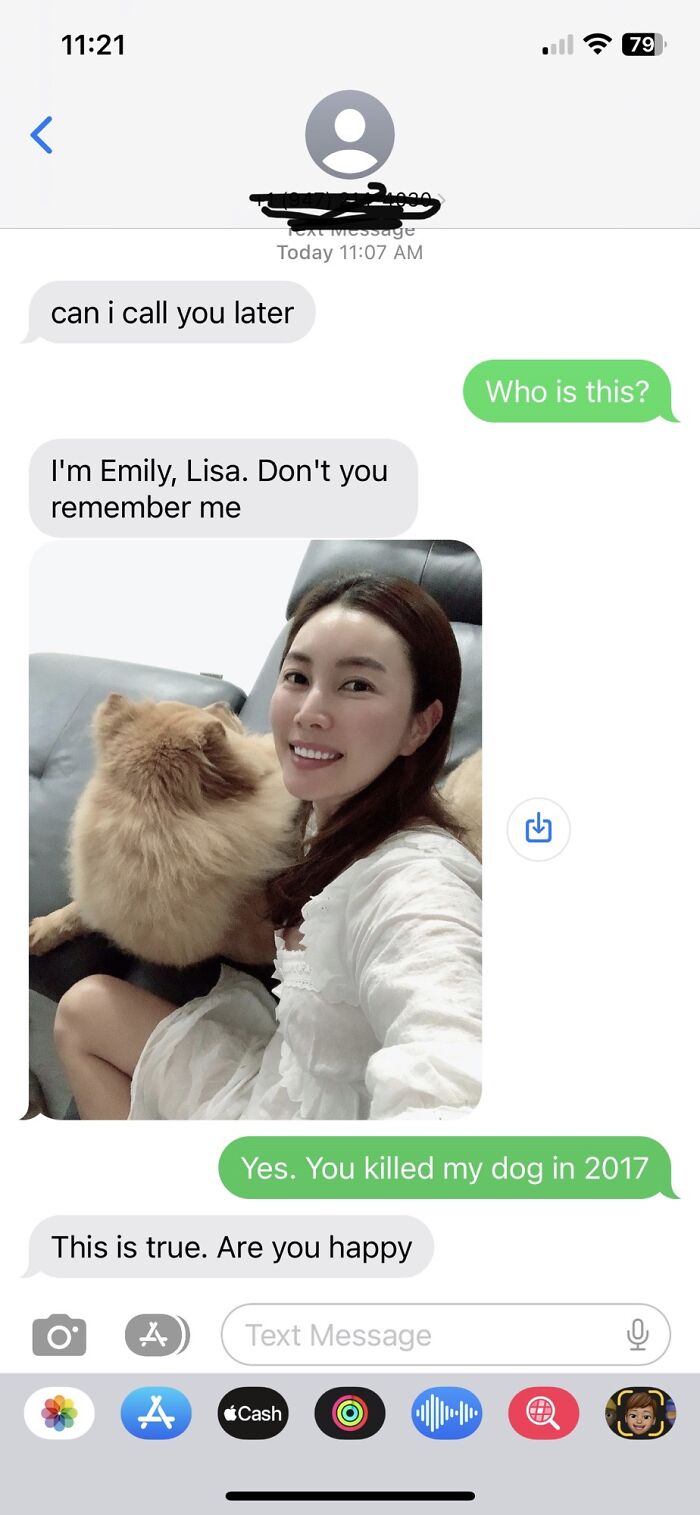
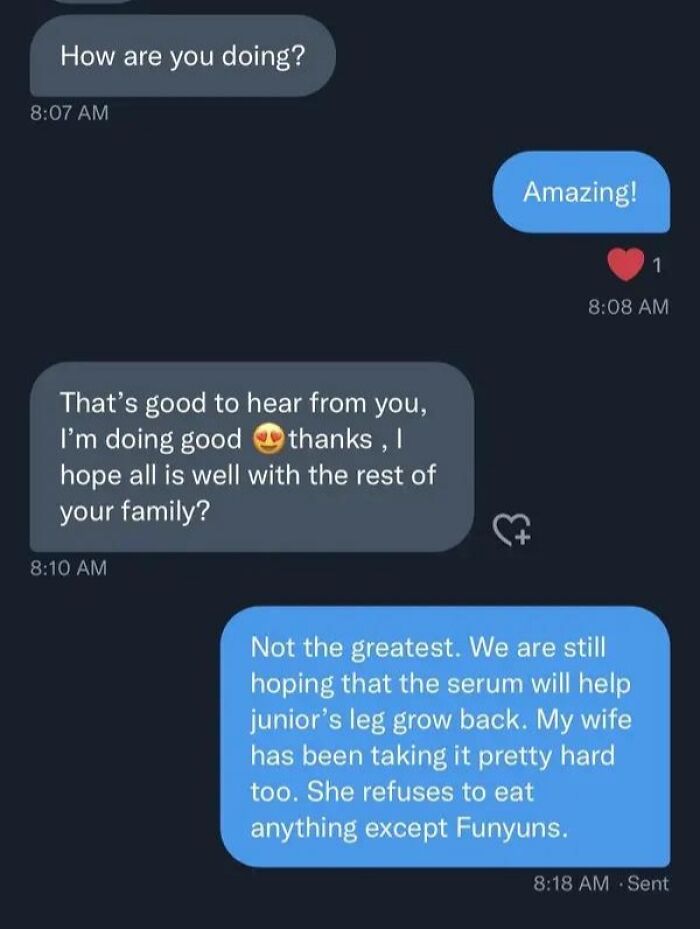
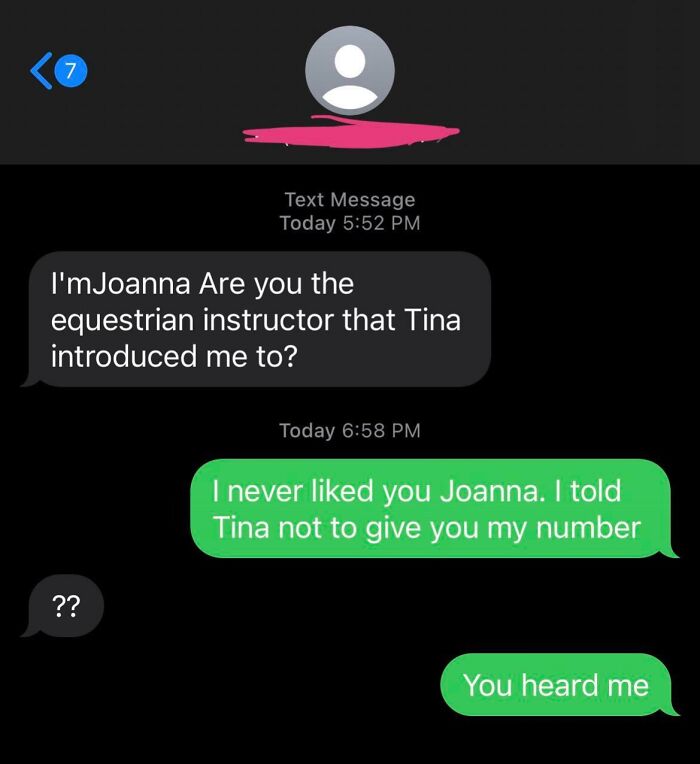
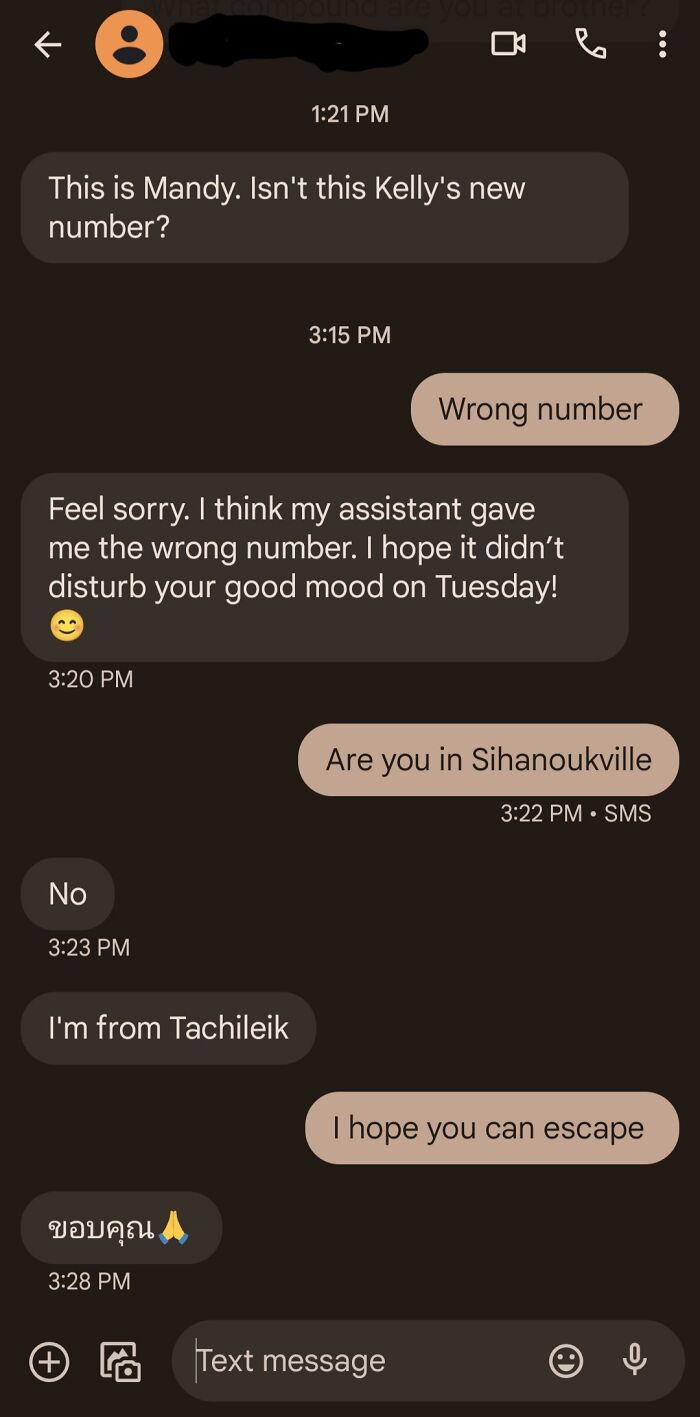
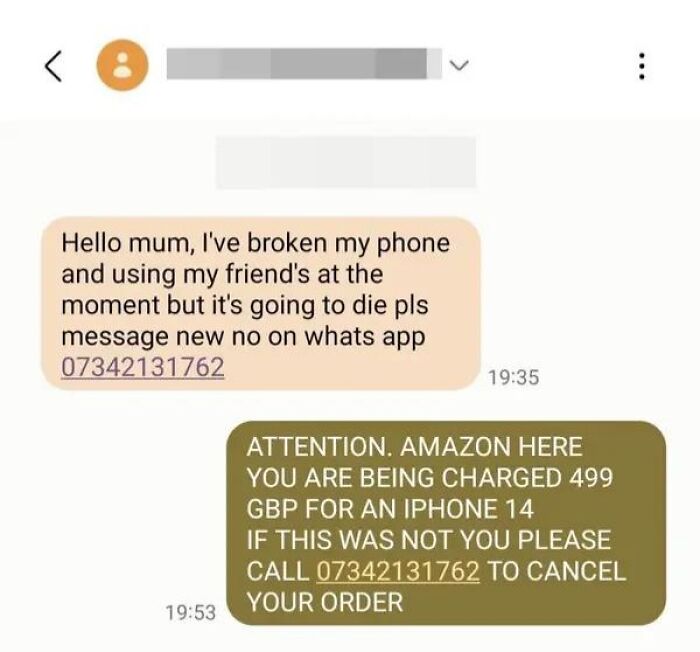
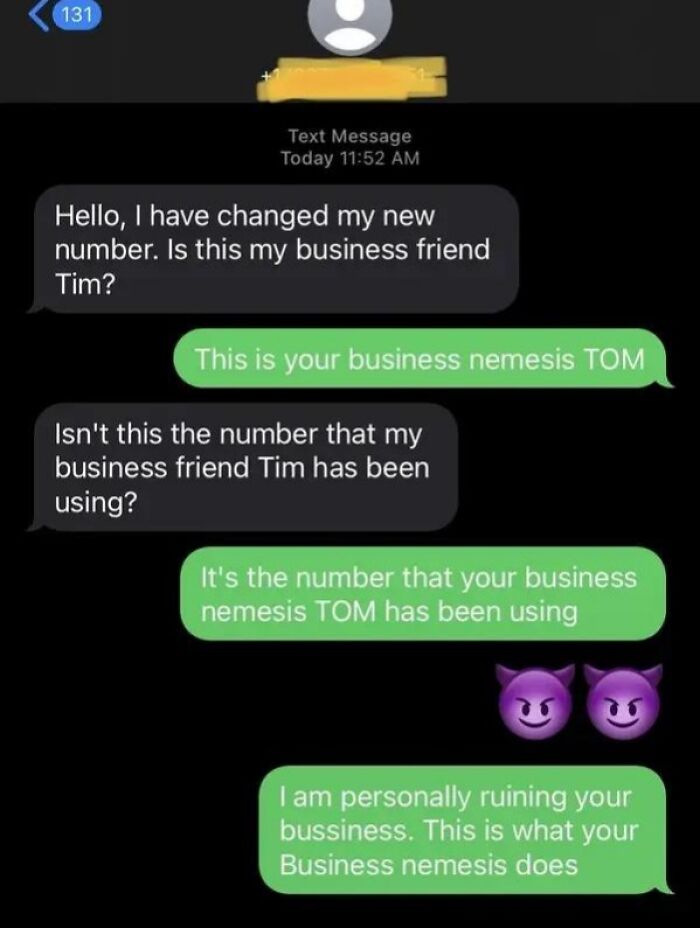
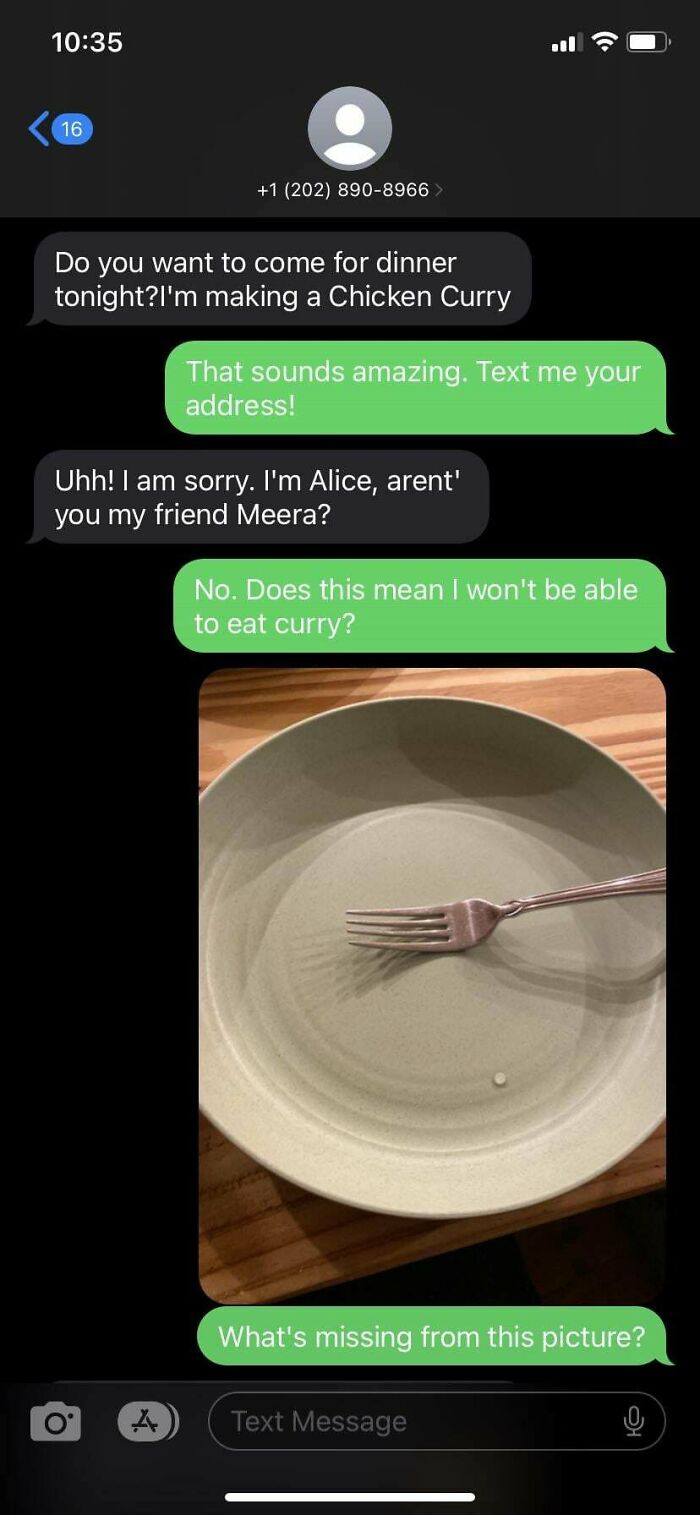
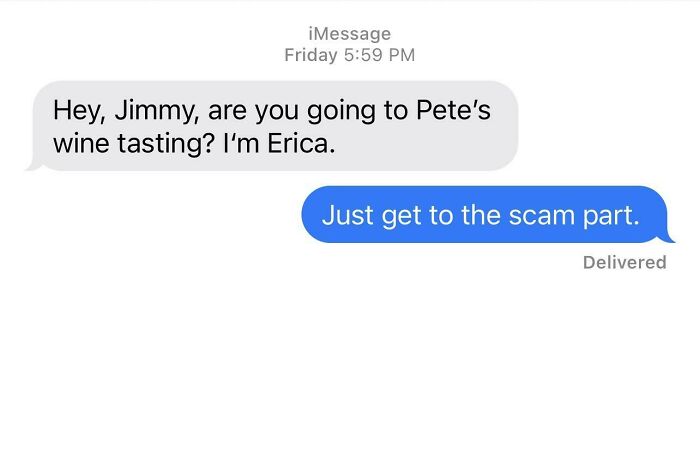
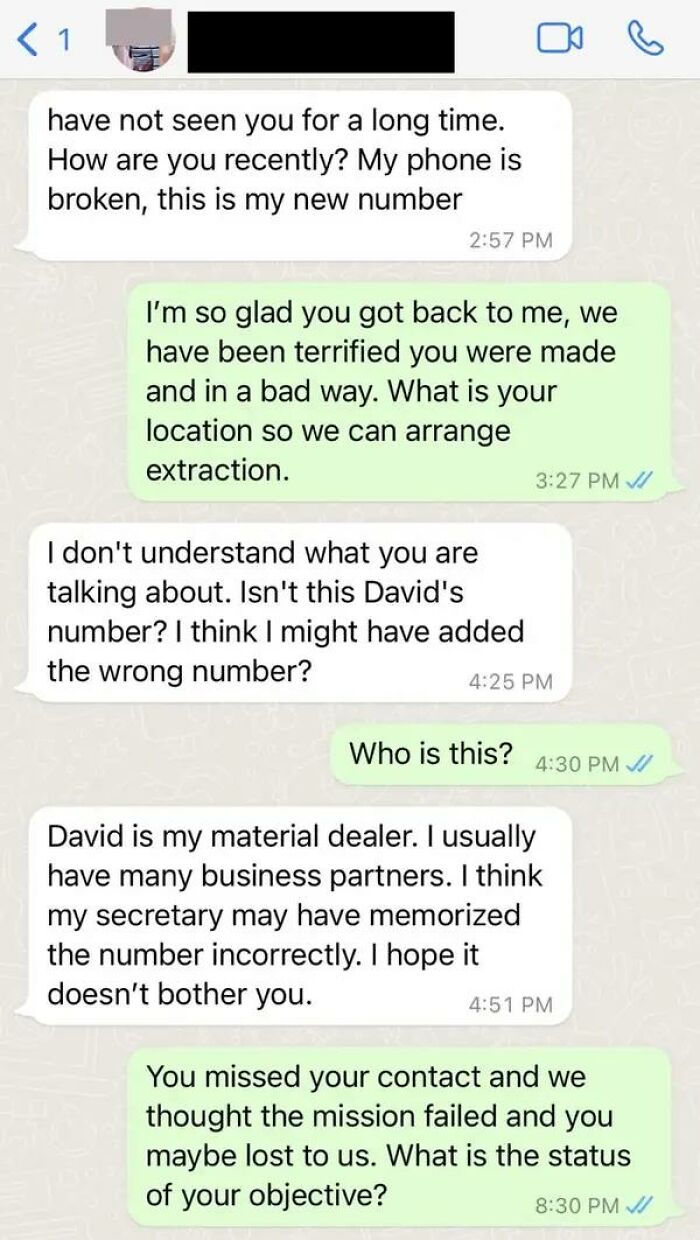
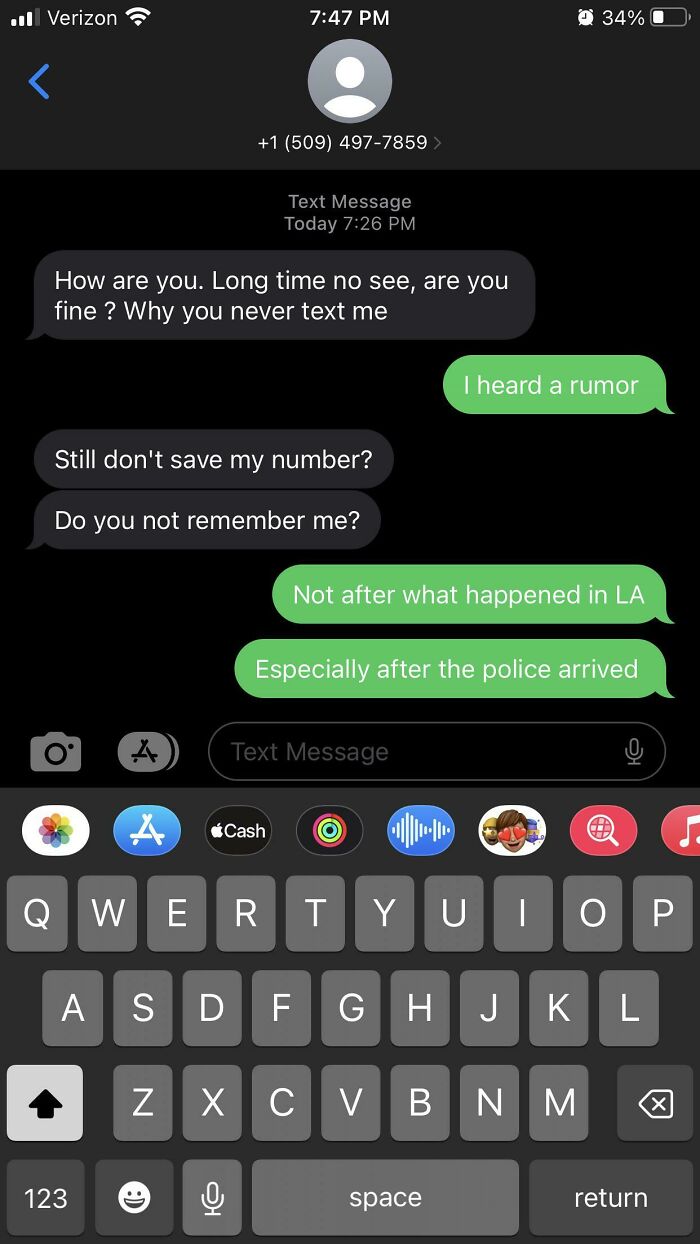
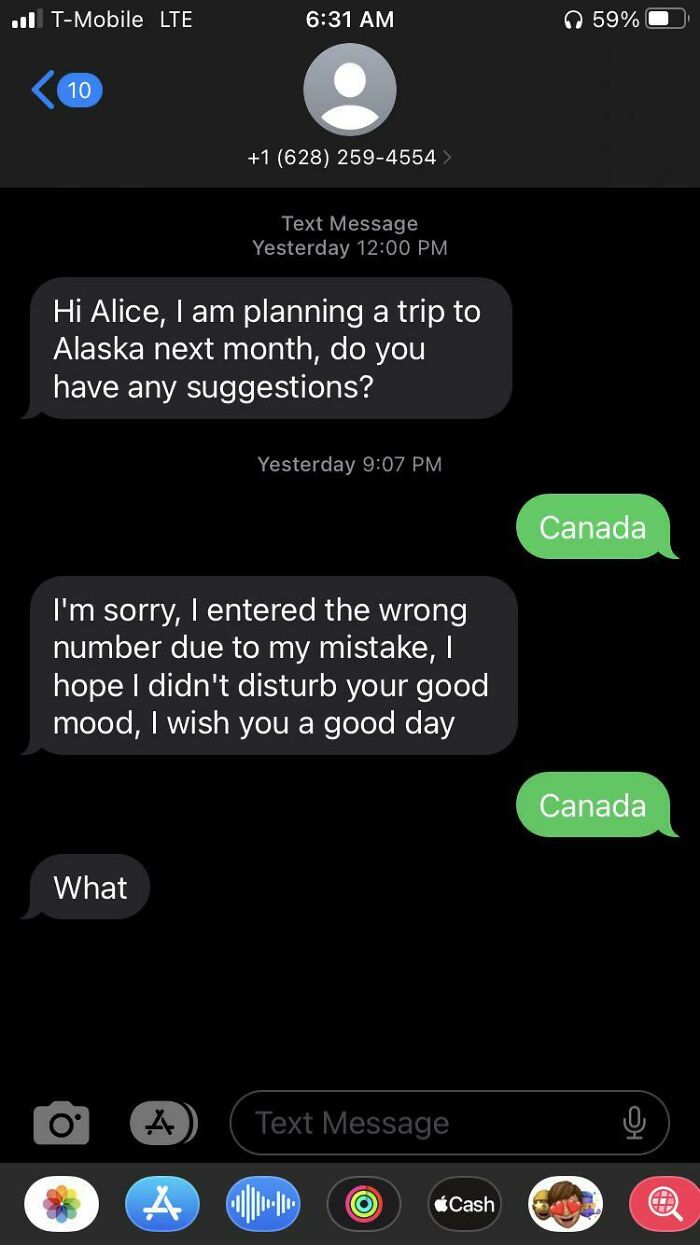
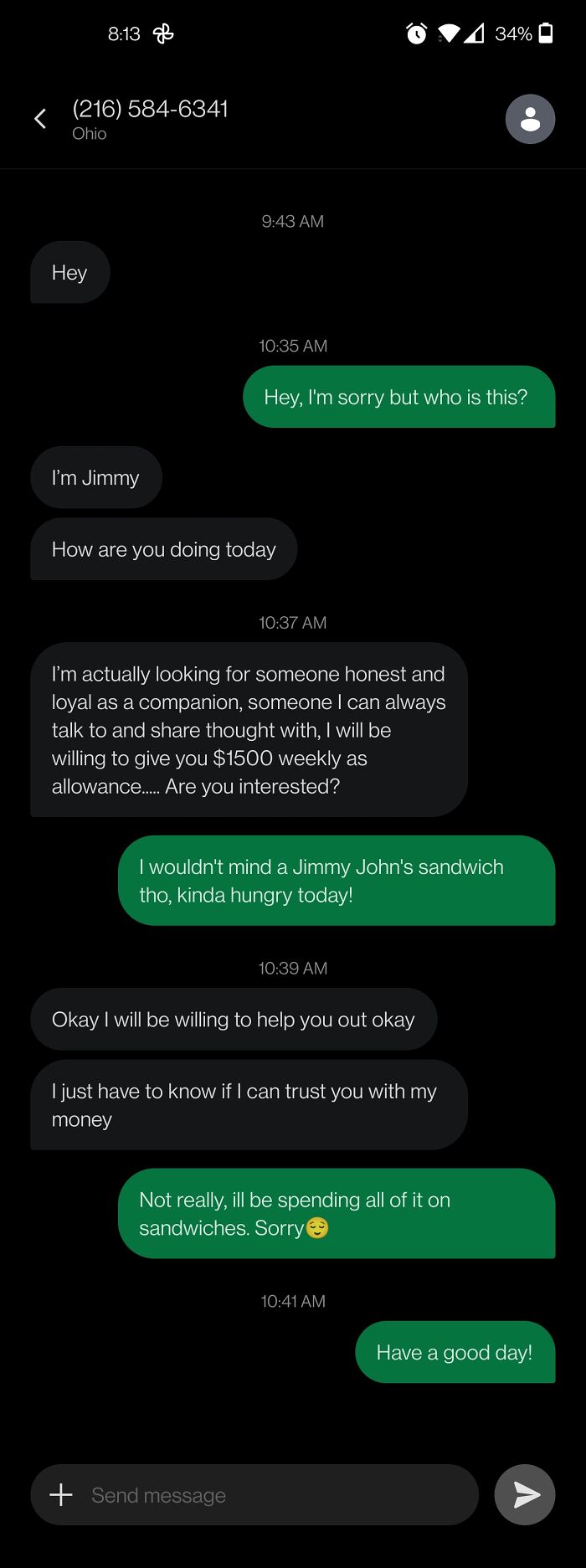
From strange texts, and surprise “you have won!” messages to people impersonating everything from bank representatives to loved ones, internet scammers are constantly trying new tricks to steal your hard-earned money. Fortunately, there are some folks out there who really should not be messed with.
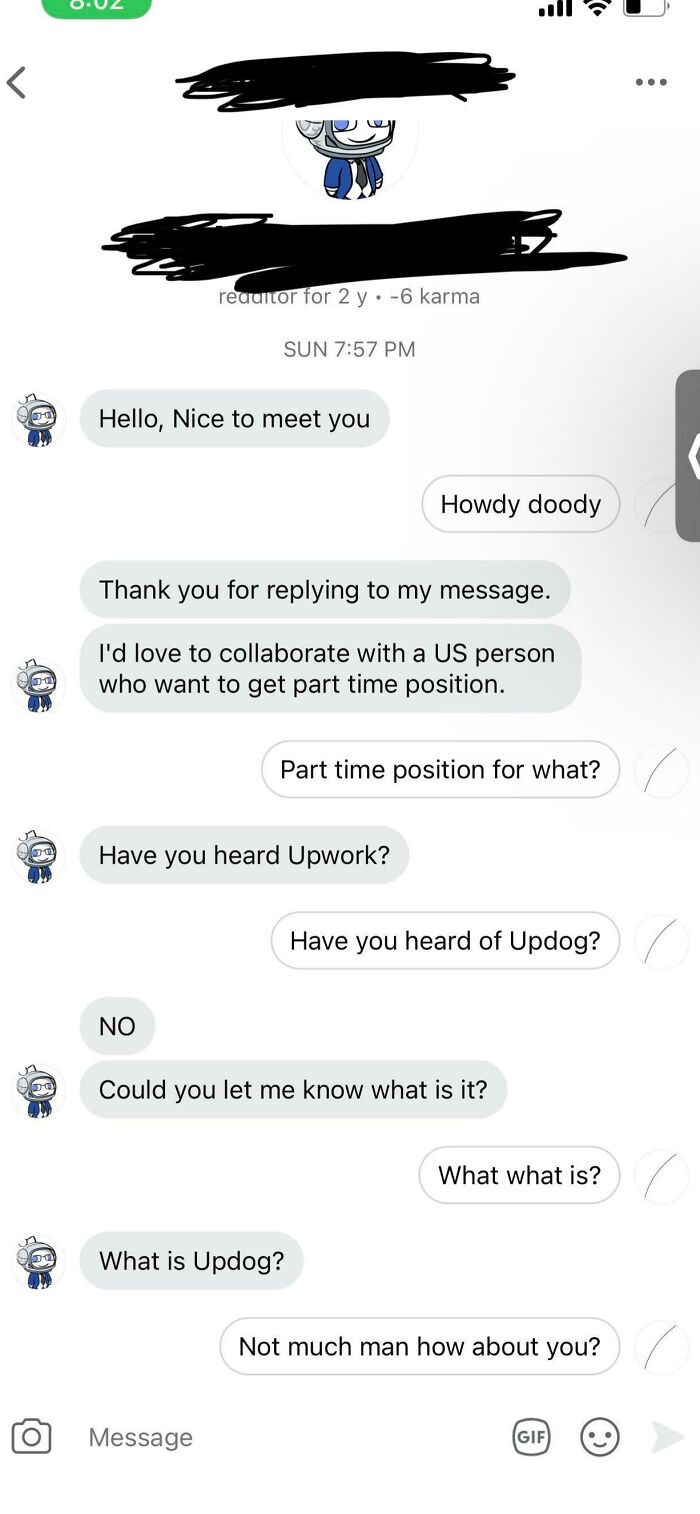
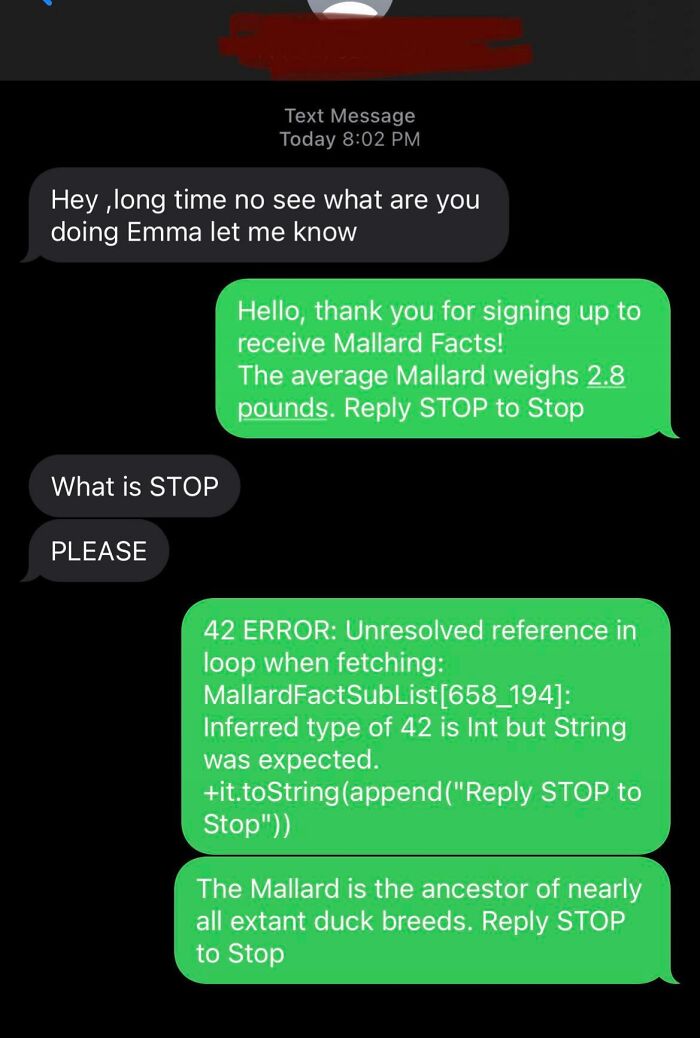
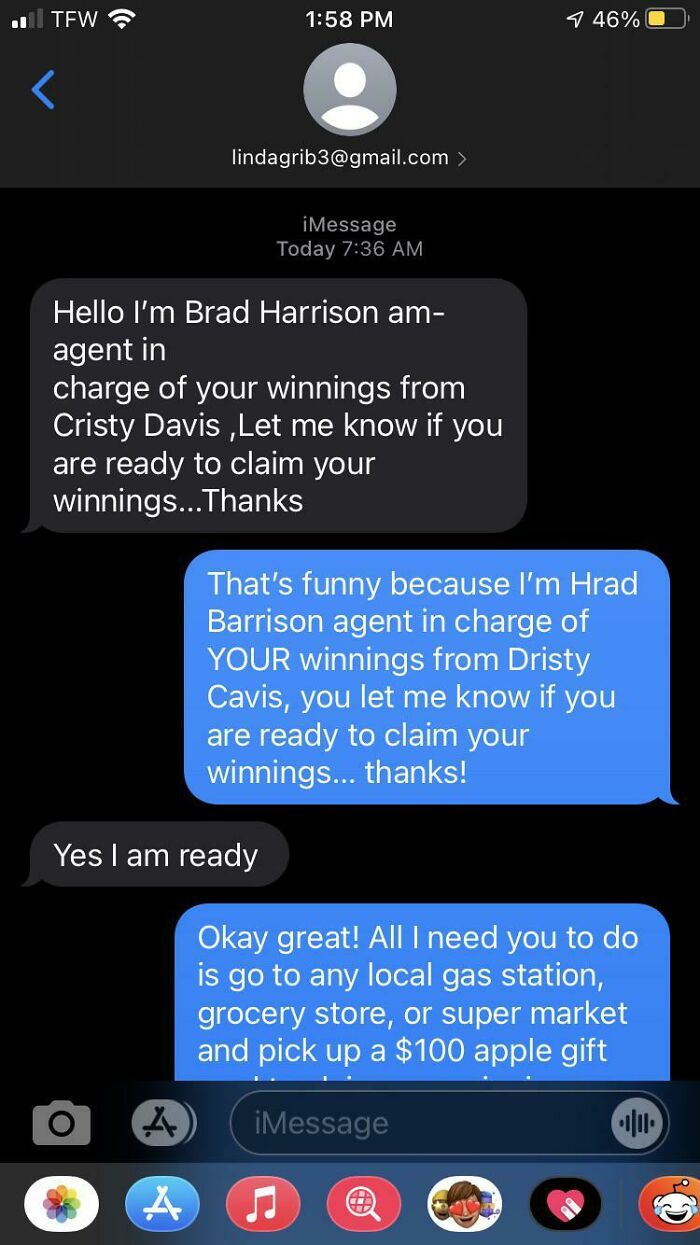
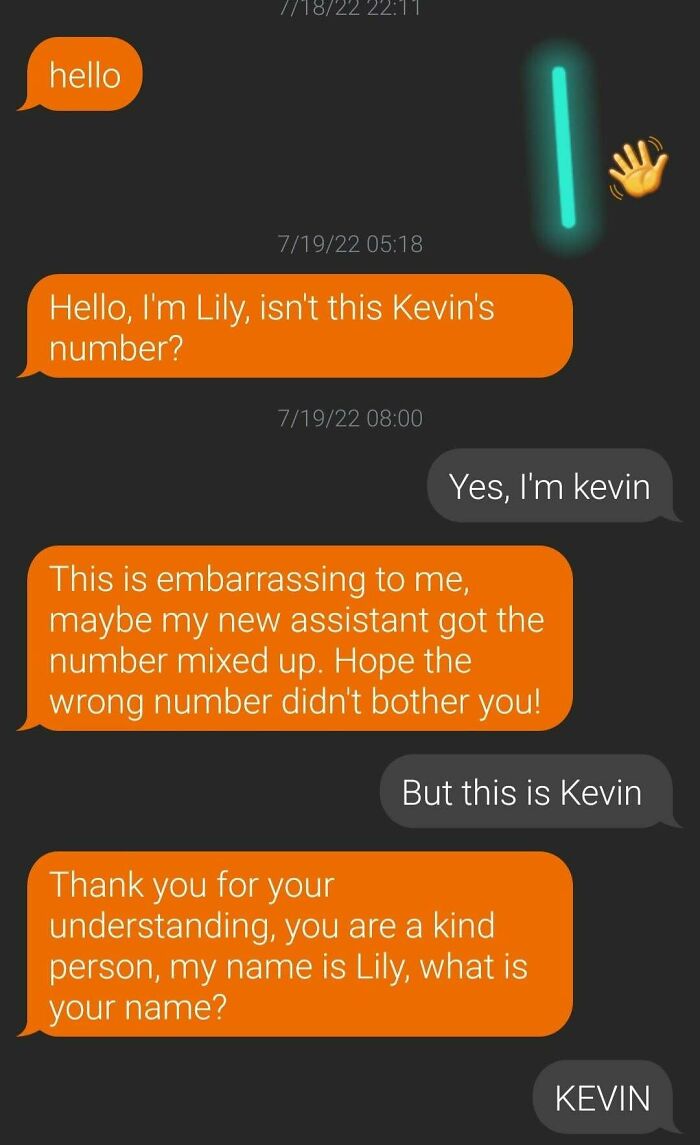
The “Scambait” internet community shares the best examples of people getting back at and wasting the time of online scammers. So get comfortable, prepare to take some notes, and be sure to upvote your favorites.
Click here & follow us for more lists, facts, and stories.
This post may include affiliate links.
While these examples are quite funny, as it’s always enjoyable to see bad things happen to bad people, it’s best to be safe when in any way coming into contact with scammers. While many are, apparently, too dumb to do honest work, there are very clever, manipulative, and insidious folks out there.
So it can be helpful to understand some basics of protecting yourself online and in life. In general, most places like banks, government offices, and social media sites will never reach out to you first. If someone calls you out of the blue, claiming to be a representative of your bank, it’s best to simply drop the call.
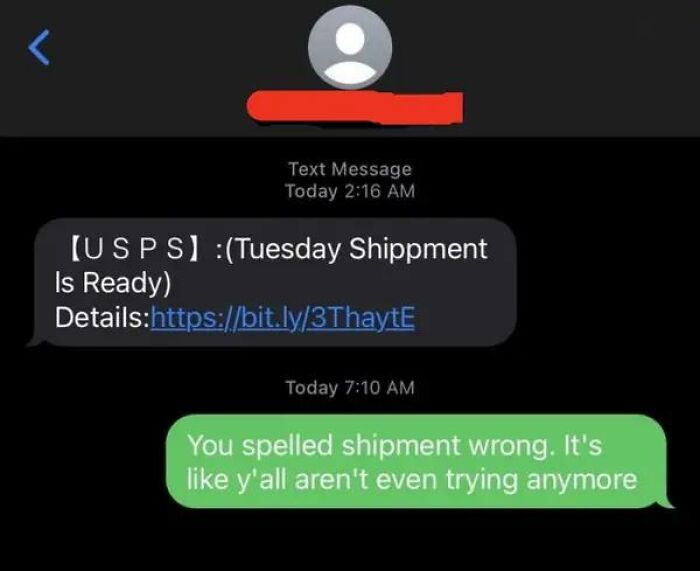
Given the fact that most of us hate phone calls anyway and might not even respond to a person we know, scammers have switched to texts and email. You may have already experienced getting a text message claiming to the postal service or a delivery company that claims to need you to “update your address” on some sketchy link.
The long and short of it is, don’t click on any links you aren’t sure about. Unfortunately, while most emails will flag suspicious, unsolicited messages, scammers have taken to hacking or impersonating people on social media, then using this trust to get people to click on dangerous links.
This particular strategy is called phishing. In short, the idea is to trick or manipulate a person into clicking a link to a visually harmless website, which in fact allows them to access sensitive information. Sometimes the goal is simply identity fraud, but it’s also been used in larger ransomware attacks, where institutions such as banks and hospitals are blackmailed.
Sometimes, the cybersecurity teams of larger organizations will even test how likely their employees are to fall to phishing attempts. They will make fake emails and attempt to solicit clicks or information from workers. So if you have had to sit through a cybersecurity seminar at your workplace, there is a solid chance it’s because someone did not pass this test.
Fortunately, avoiding phishing just means not clicking on a link. As with so many other things in life, just think twice, or even thrice if you have time. Even if the source seems legitimate, try to get confirmation through a third party. If your IT manager is emailing you to “reset your password,” perhaps text them or, even better, ask them in person if it’s really them.
And even when the source seems legitimate, always think about the questions you are being asked. Most companies don’t randomly start asking you for your banking or credit card information unless you are literally making a purchase. There are almost no cases where anyone will ever need your login information.
Similarly, no one at Google, Apple, or Microsoft will call you over a “virus” on your device. They do not have the time and inclination to fix it even if there is legitimate malware on your computer. Similarly, too-good-to-be-true “investment opportunities” simply do not exist. These are just scams.
You might also like: 39 annoying restaurant customers getting shamed online


































 No fees, cancel anytime