Get Premium
Dark mode theme is available exclusively for premium users. Learn more about the benefits of subscribing.
No fees, cancel anytime.

 Dark Mode Ad-Free Browsing Unlimited Content
 Ad-Free Browsing Unlimited Content Dark Mode
Join 1.2 million Panda readers who get the best art, memes, and fun stories every week!
Have you ever met a "know-it-all"? That one person who has an opinion about everything, regardless of their actual expertise. They're the ones who'll suddenly drop historical tidbits that seem to come from a parallel universe where facts take a backseat.
They’re the ones who’ll correct your pronunciation of quinoa at every party, followed by a lecture on its nutritional values. But you know what’s more fun than listening to them interject every conversation with an air of authority?
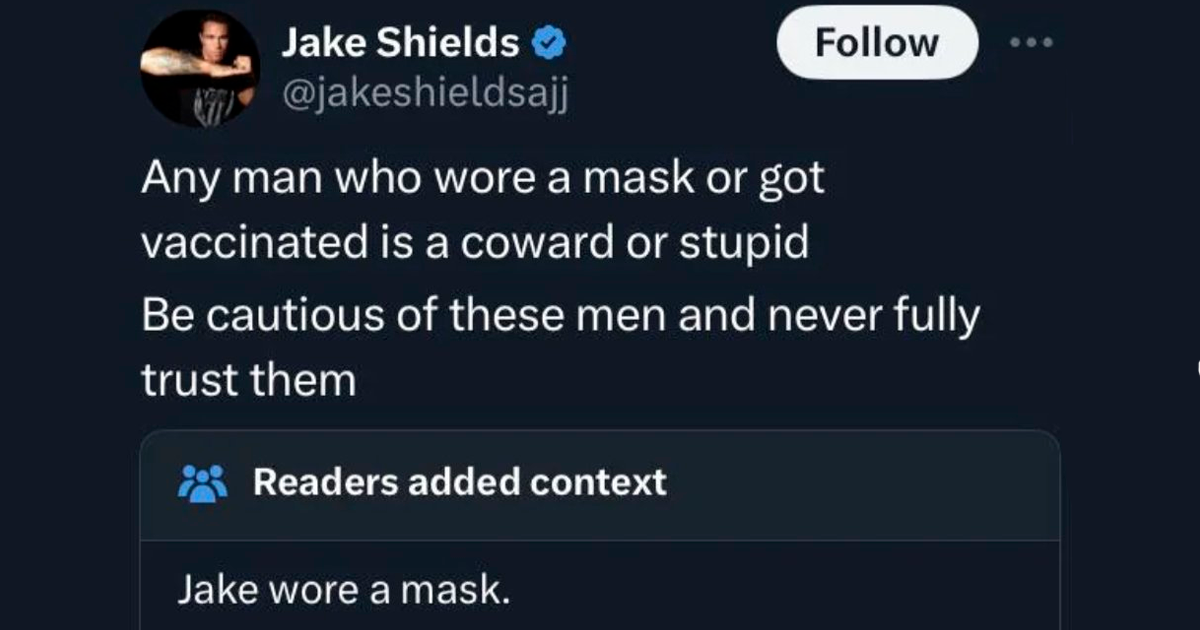
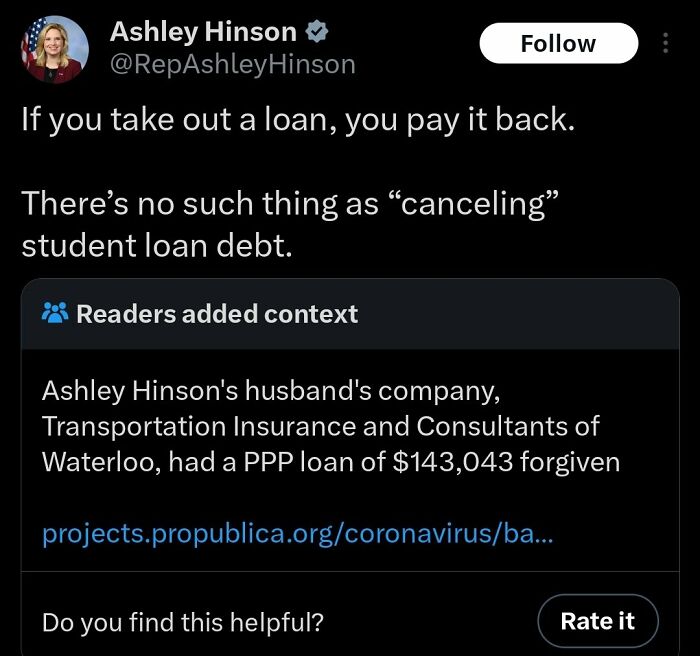
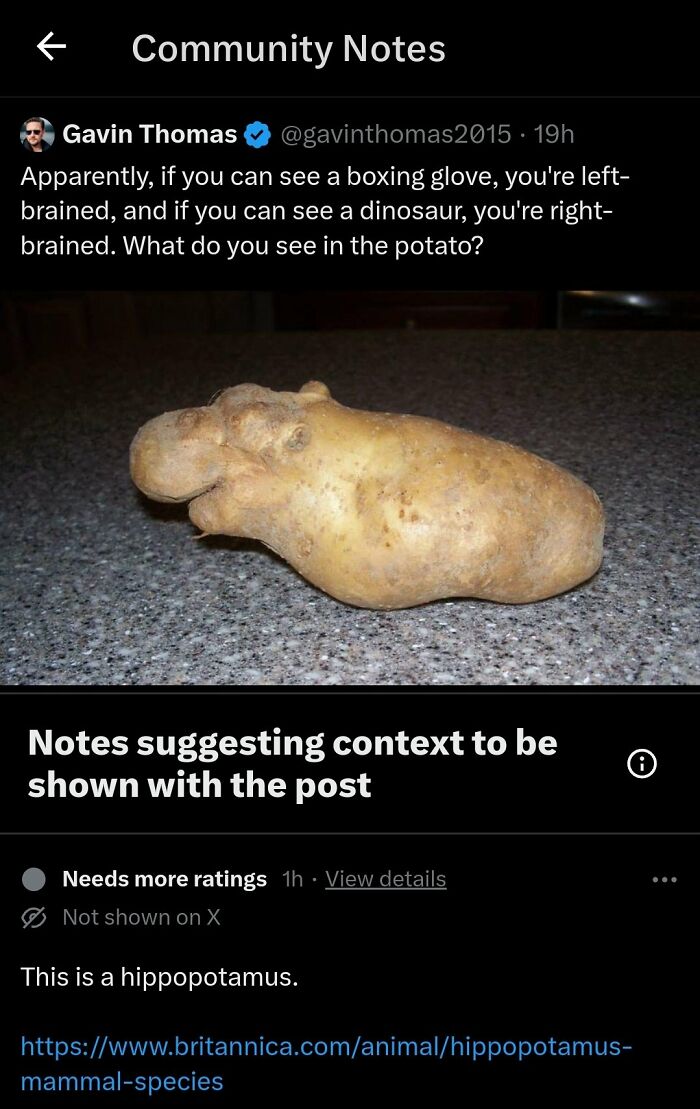
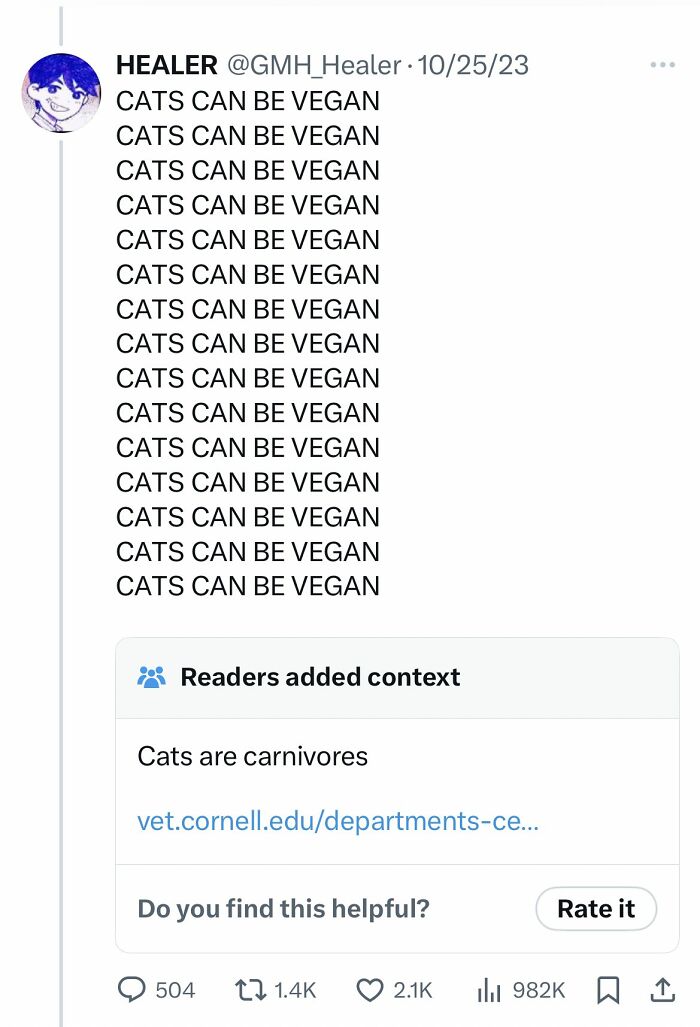
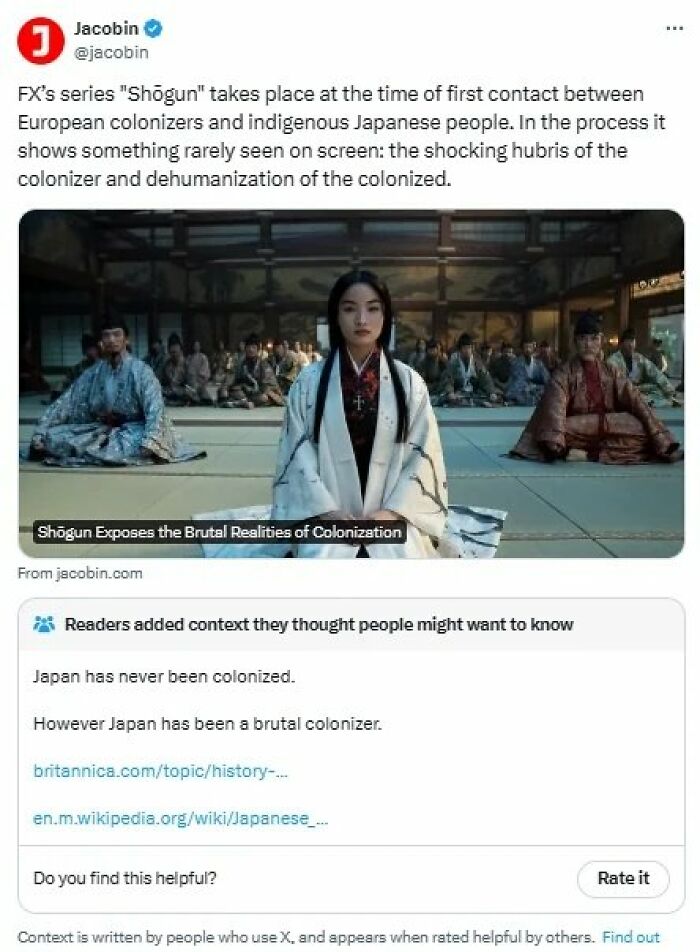
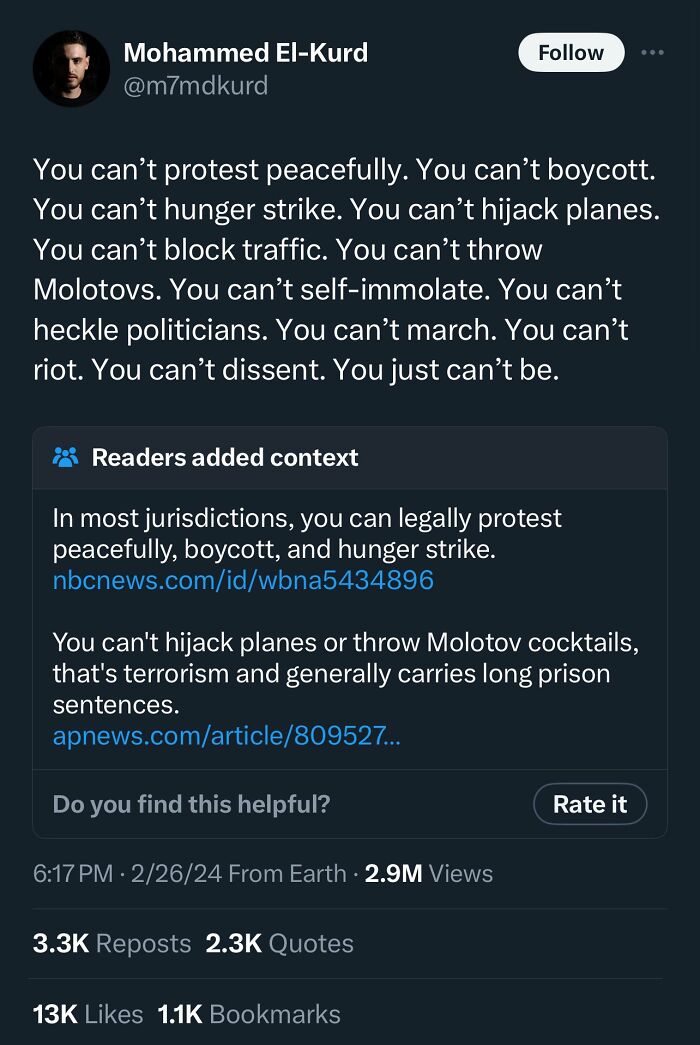
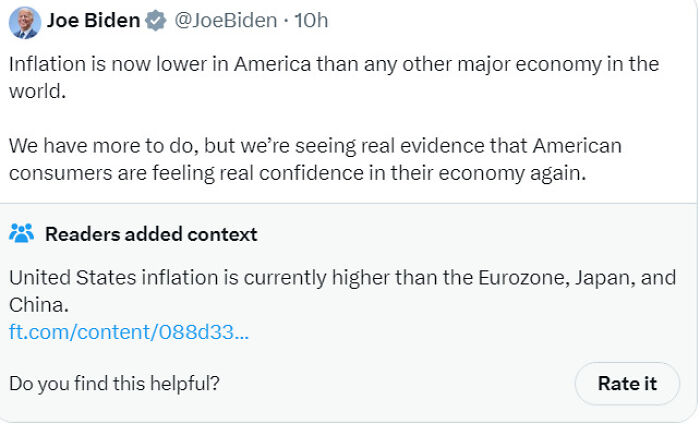
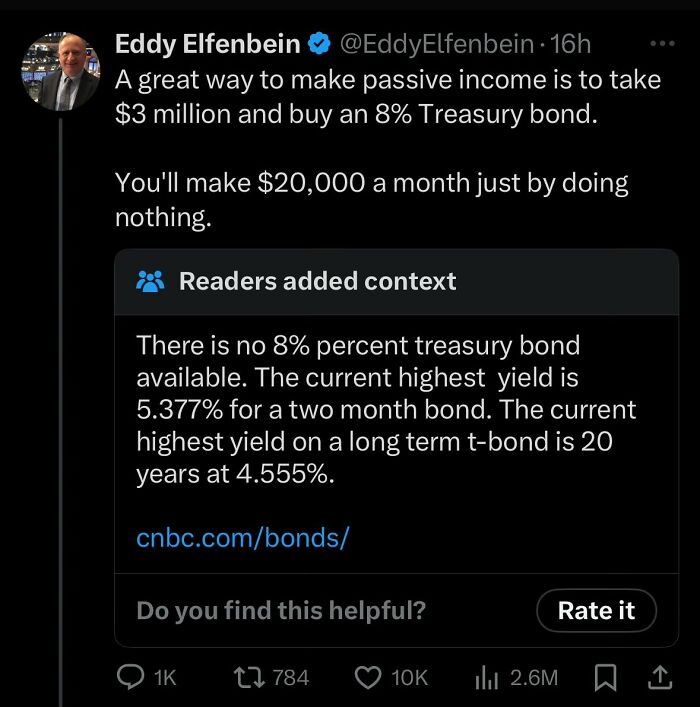
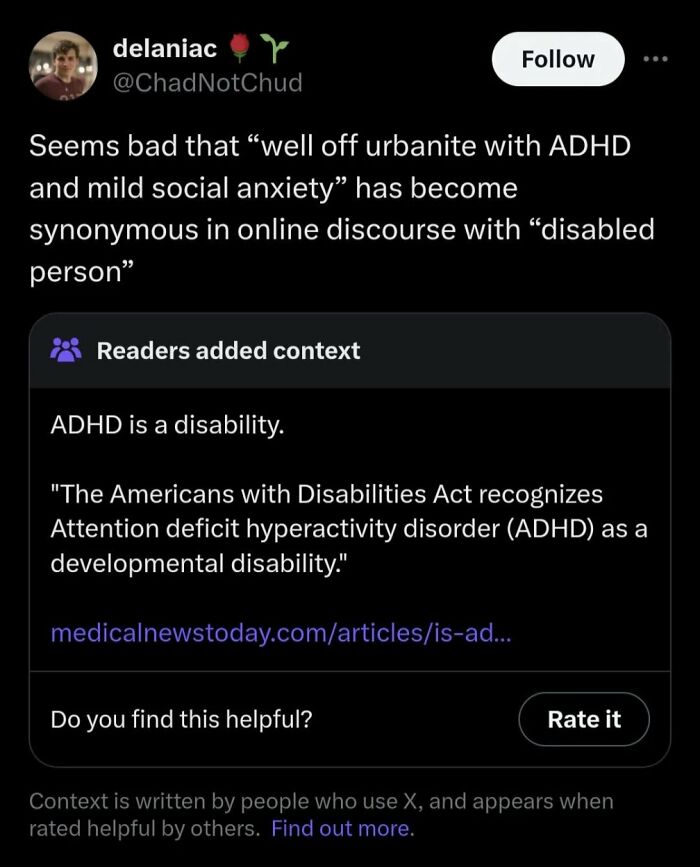
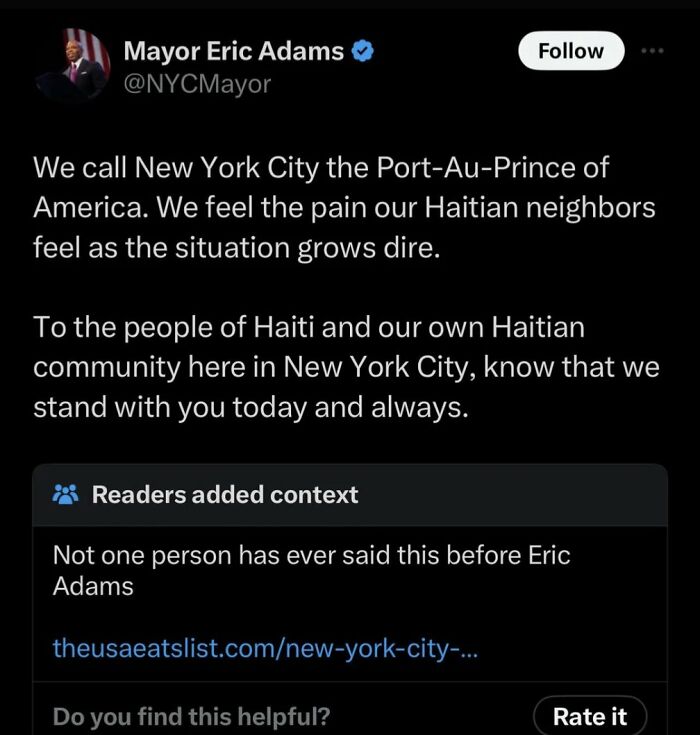
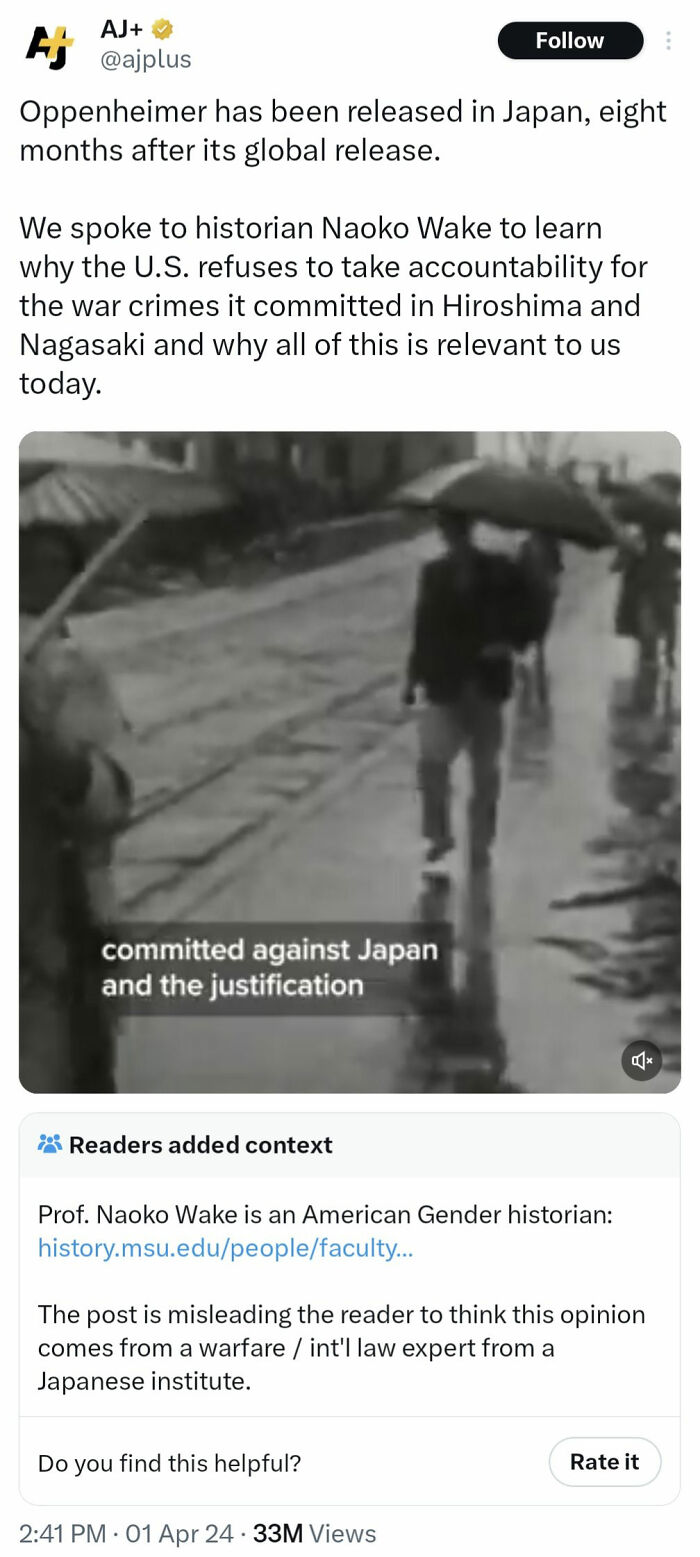
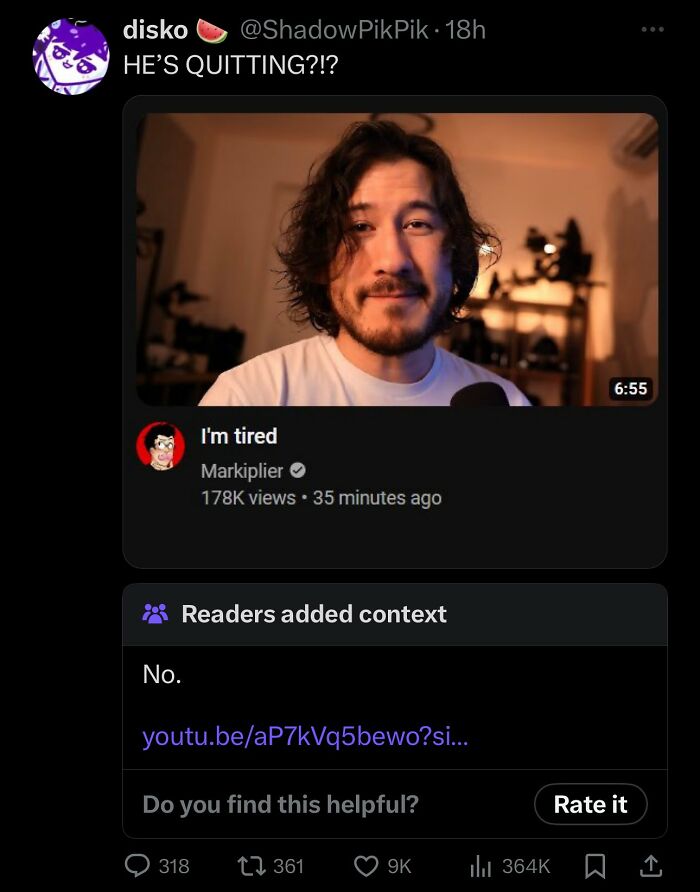
Witnessing someone humble them. Especially when it’s done in a savage manner. Just like these posts where people are roasting individuals for their ignorant opinions.
Click here & follow us for more lists, facts, and stories.
This post may include affiliate links.
Wanting to understand the reason behind a "know-it-all" persona, Bored Panda spoke to Gurpal Kaur, a Counseling Psychologist at Shridhar Life School, “A 'know it all' attitude often arises from a deep need for validation or control, stemming from underlying insecurities.”
She said, “Individuals may use their perceived knowledge to assert superiority or shield themselves from feeling inadequate. Past experiences of praise for intelligence can also reinforce this behavior. Understanding the complex motivations behind this persona requires a thorough examination of the individual's personal history and social dynamics.”
Kaur, who is also a couples therapist, emphasized how such an attitude can significantly impact relationships. “Firstly, they can create feelings of resentment or frustration in others, as individuals may feel invalidated or belittled by the constant need for one-upmanship. This can lead to communication breakdowns and a lack of mutual respect within the relationship.”
“Moreover, such attitudes can hinder genuine collaboration and problem-solving, as the 'know it all' individual may be less open to considering alternative perspectives or solutions. This can lead to a sense of disconnection and alienation within the relationship, as the other person may feel undervalued or marginalized.”
Such individuals may prioritize being right over building emotional connection. “This can create a dynamic of power imbalance and undermine the foundation of the relationship. Overall, 'know it all' attitudes can strain relationships by fostering feelings of resentment, undermining effective communication, and eroding trust and intimacy. Addressing these attitudes requires a willingness to cultivate humility, empathy, and openness to others' perspectives.”
Dealing with know-it-alls can be tricky but patience is the key, Kaur said, “One approach is to listen patiently, acknowledge their knowledge, but politely offer your perspective or ask questions to steer the conversation in a more collaborative direction. If that doesn't work, sometimes it's best to simply let them have their moment and move on.”
“Know-it-alls often seek validation and recognition to compensate for underlying insecurities. Understanding this, you can approach them with empathy and patience, validating their knowledge while gently redirecting the conversation to promote mutual learning and collaboration. Additionally, setting boundaries and assertively expressing your own expertise can help establish a balanced dynamic.”
If their behavior sometimes triggers feelings of frustration or inadequacy, it's important to recognize and address them constructively. “One approach is to focus on internal validation rather than seeking approval from others. Remind yourself of your own worth and expertise, and don't let the know-it-all's behavior undermine your confidence. Additionally, practicing mindfulness techniques such as deep breathing or visualization can help manage stress and maintain a sense of calm during interactions with know-it-alls.”
It’s especially challenging to deal with such individuals in an office setting. Imagine someone providing you with inaccurate information at work. This could result in errors and miscommunications that affect company projects. A know-it-all person can hinder the team's ability to work together towards common goals.
When dealing with a know-it-all coworker, it's wise to choose which conversations are worth engaging in. Rather than getting into a debate, a simple reply like "Thank you for the information" ensures you avoid unnecessary conflict. Not only does this help maintain professionalism, it also keeps the focus on productive interactions.
While pitching ideas or attending meetings with such colleagues, you should be prepared with solid facts. Always double-check your sources and ensure your information is accurate. For instance, you can bring statistics to support your points. The more prepared you are, the less opportunity they will have to challenge you.
Nancy Collamer, a career coach and author, was quoted saying, "If 'Mr. Know-it-all' tries to dominate the conversation, you'll have documented evidence to share with the group. Being well-prepared minimizes the chance of the know-it-all taking over the discussion." This proactive approach guarantees that everyone's contributions are valued.
You might also like: 50 ‘Weird Facts’ About The World That Might Give You A Fresh Perspective




































 No fees, cancel anytime