Get Premium
Dark mode theme is available exclusively for premium users. Learn more about the benefits of subscribing.
No fees, cancel anytime.

 Dark Mode Ad-Free Browsing Unlimited Content
 Ad-Free Browsing Unlimited Content Dark Mode
Join 1.2 million Panda readers who get the best art, memes, and fun stories every week!
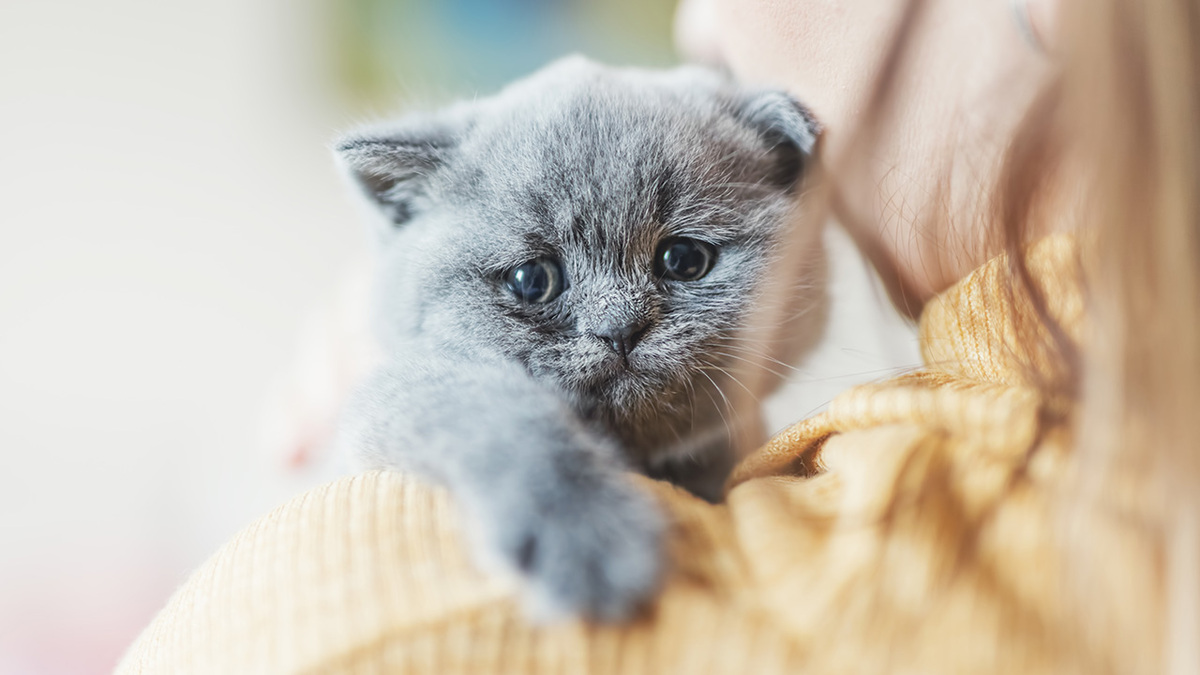
While it might be a stretch to say that people really see their pets like their children, that doesn’t mean pet owners don’t care or aren’t fiercely protective. So doing anything with a roommate’s pet, particularly when they don’t know about it sounds like a rather dumb idea.
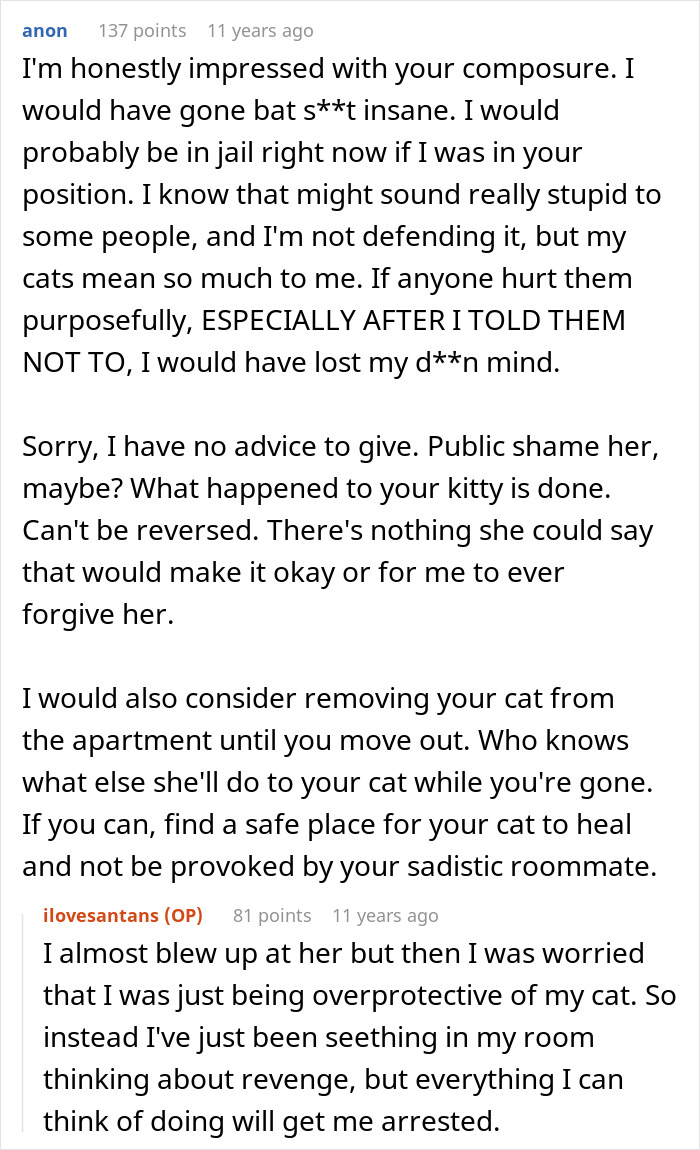
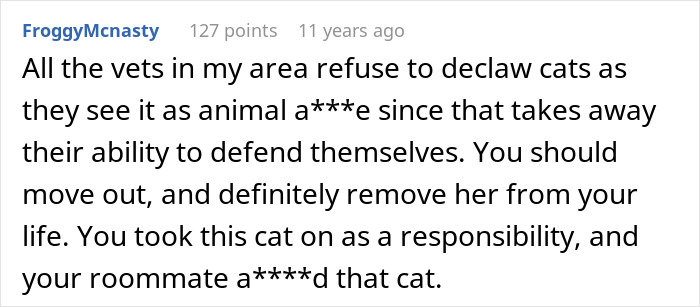
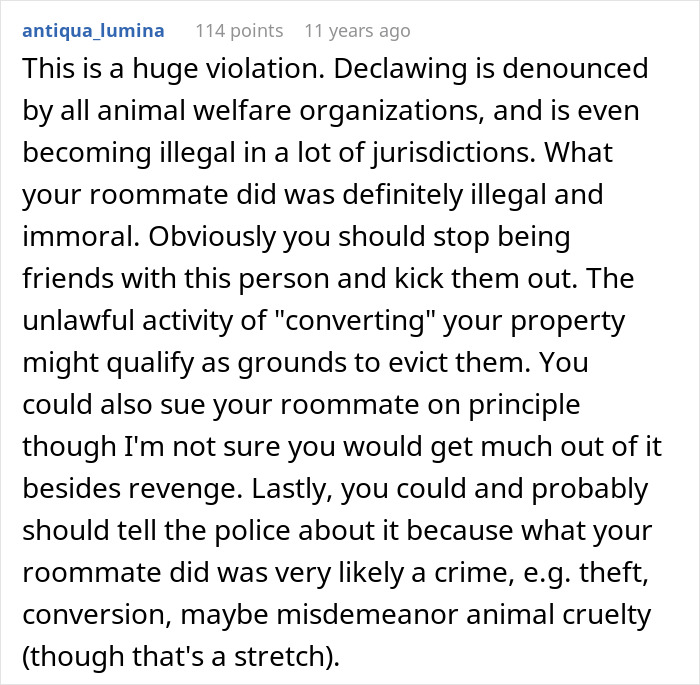
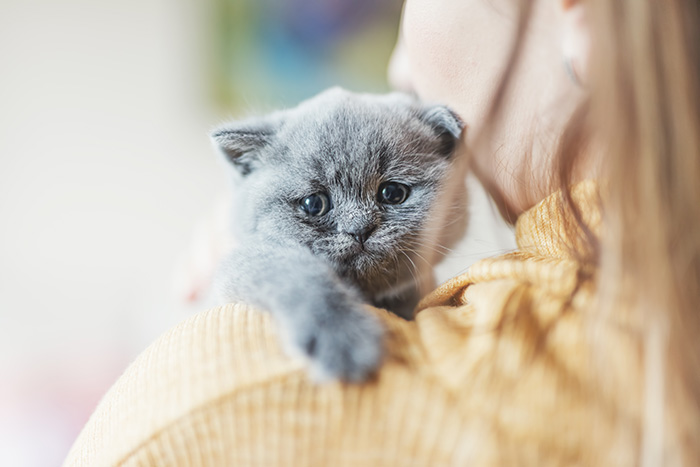
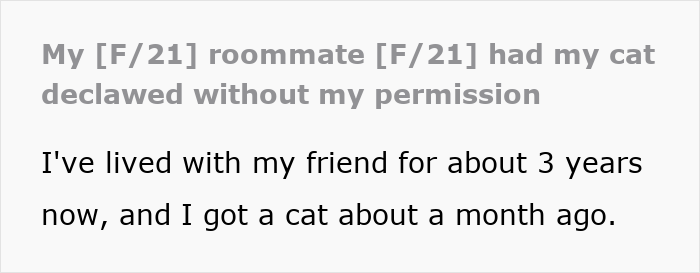
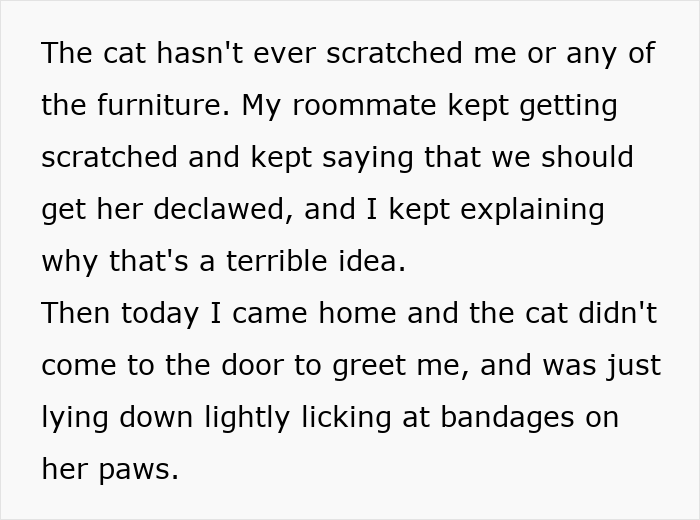
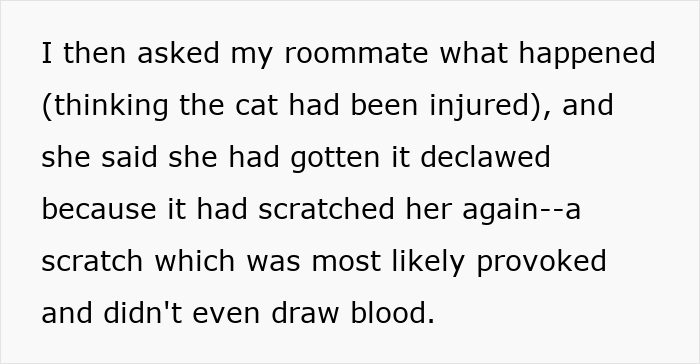
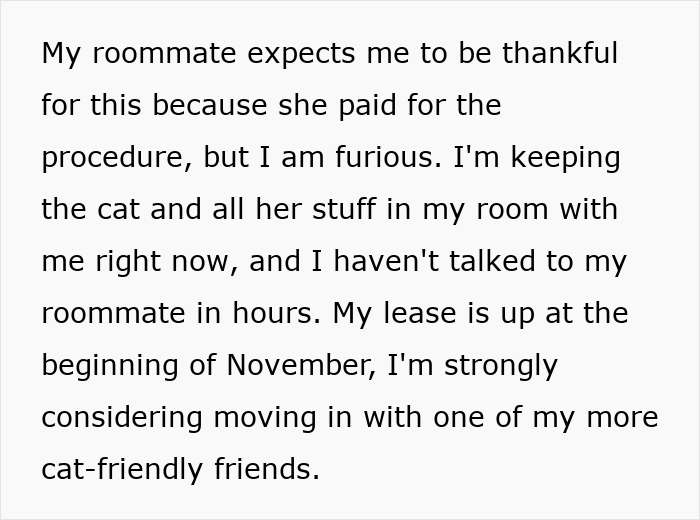
A woman turned to the internet for advice when she discovered that her roommate had declawed her cat without her permission. To add insult to injury, the roommate seemed convinced that the woman would actually be grateful that she did her this important service for free.
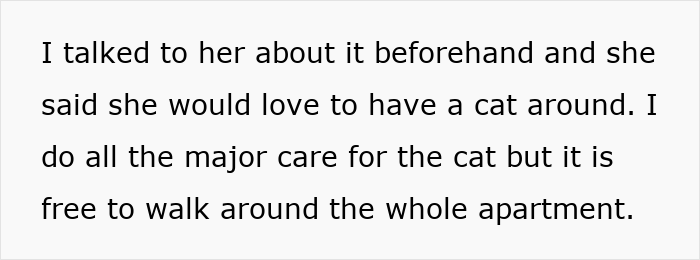
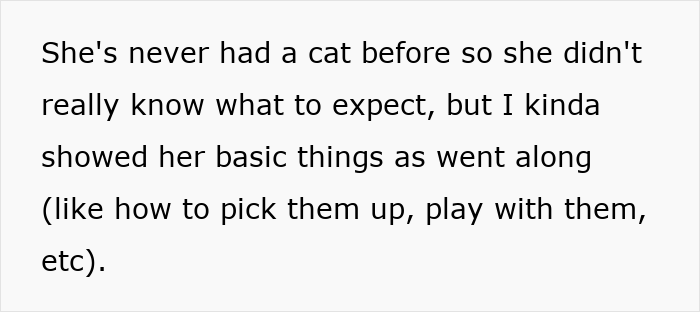
Shared homes run on small, unspoken agreements, and a pet adds one most people never spell out. This story shows what happens when one housemate treats a yes to the cat’s arrival as a yes to everything that follows. Saying she would love having a cat around was permission for the cat to live there. It was never permission to make decisions about the cat. A Curve magazine piece on sharing a home with pets suggests owners think through what roommates may do with an animal, from feeding to playing to taking it outside, and notes that many conflicts can be avoided by stating limits early. Surgery sits so far past that list that it barely needs saying. It belongs to the owner.
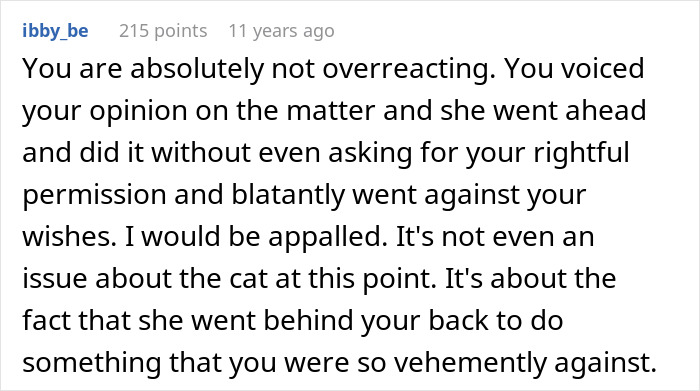
The expectation of thanks is the part many readers will keep circling back to. Paying for something can feel generous from the inside, especially after a few scratches and a sincere belief that a fix exists. Declawing was also a standard solution for years, so it is plausible that the roommate absorbed it as ordinary cat wisdom. Still, a gift is something the recipient has not already declined. When someone has said no more than once and the action goes ahead anyway, the payment reads less like generosity and more like a way to make the decision final. That pattern is what people usually mean by entitlement, an assumption that one person’s discomfort outranks another person’s clearly stated limit.
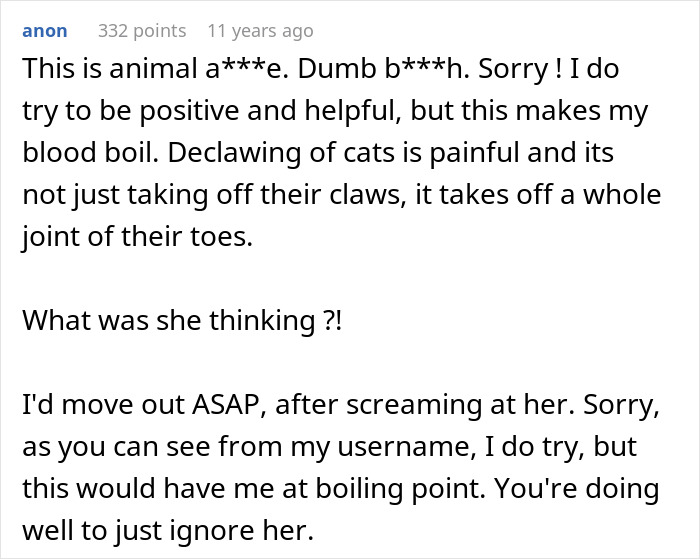
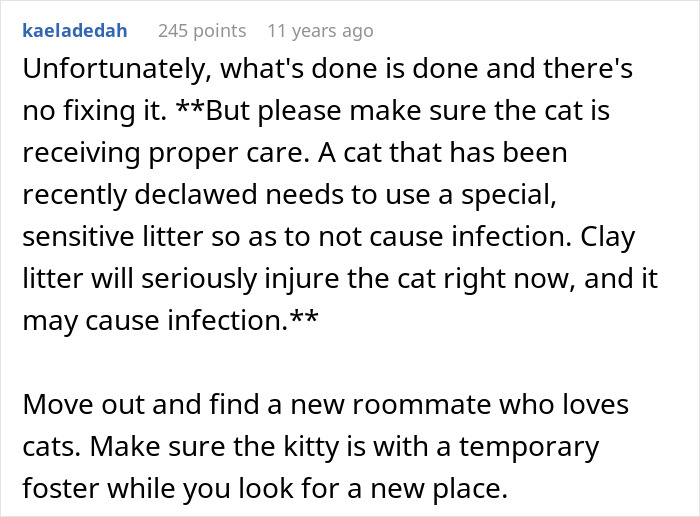
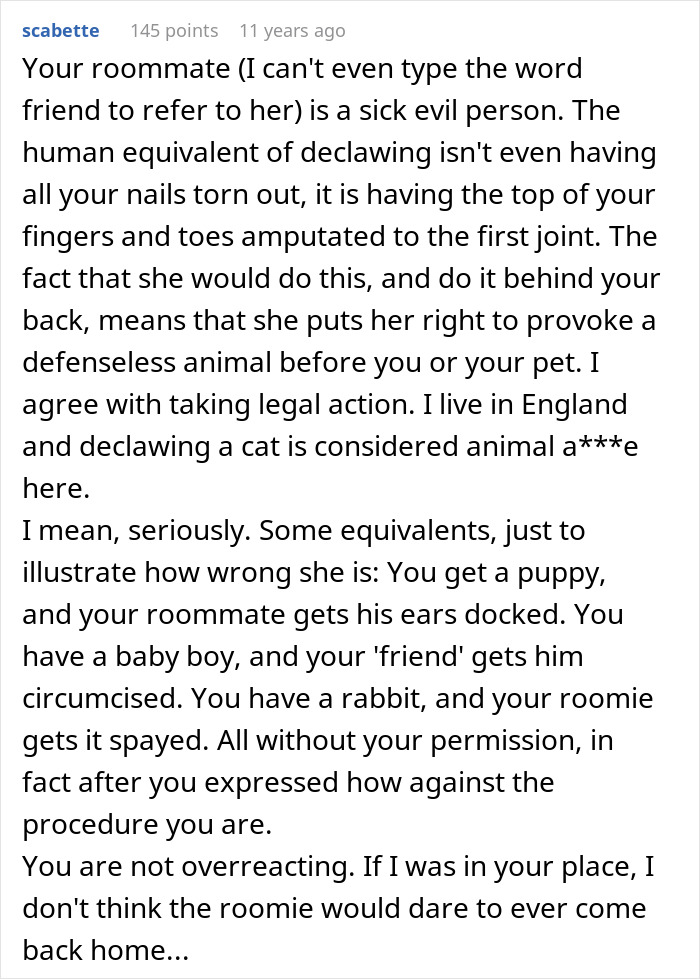
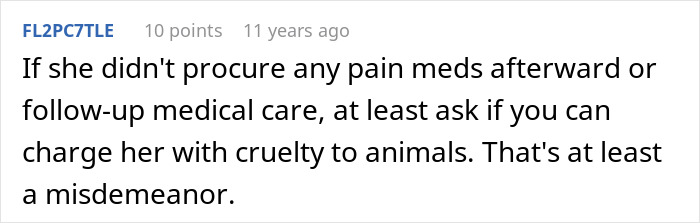
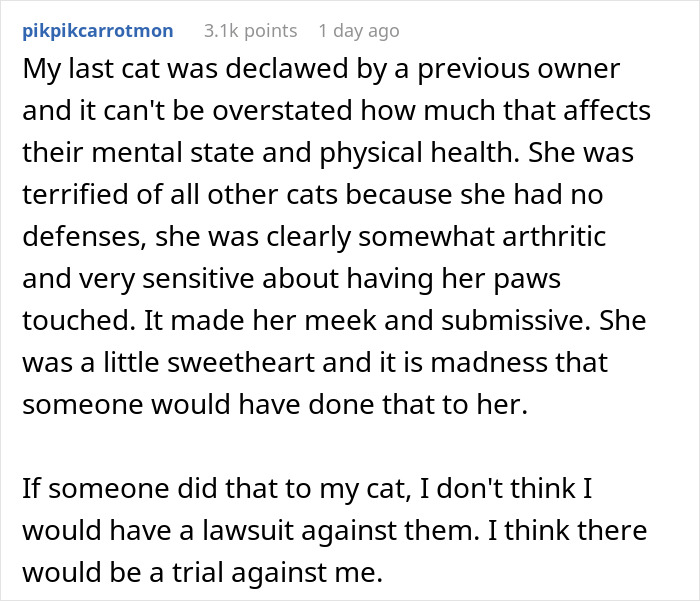
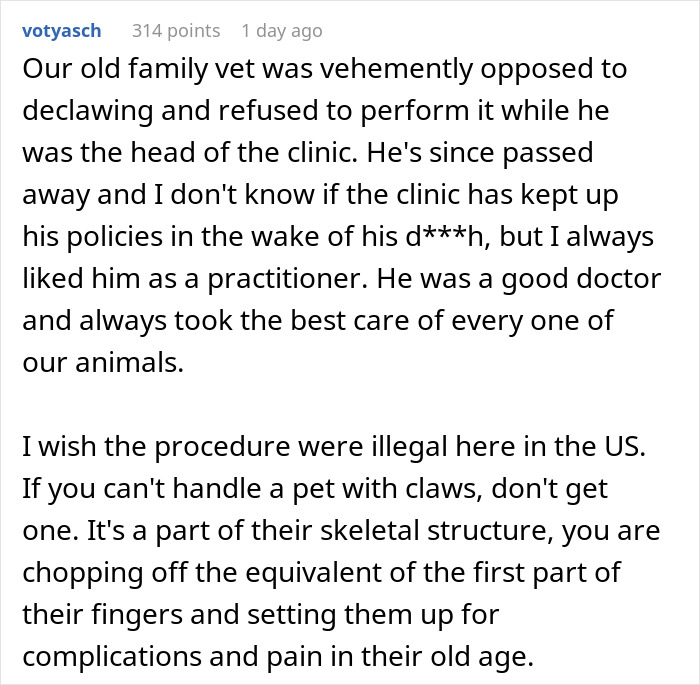
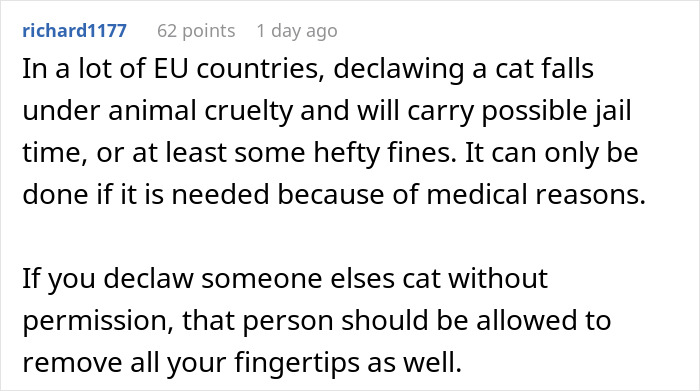
The animal welfare facts are fairly consistent across veterinary and shelter sources. The American Veterinary Medical Association discourages declawing as an elective procedure and describes it as a surgical amputation. The Humane Society of Utah adds that it can change how a cat walks, balances and jumps, and that some cats develop lasting pain or arthritis later. In fact, it’s banned in six states and the District of Columbia, which limit the surgery to medical need. Elsewhere it remains legal, so the question is less whether a clinic would do it and more whose call it was.
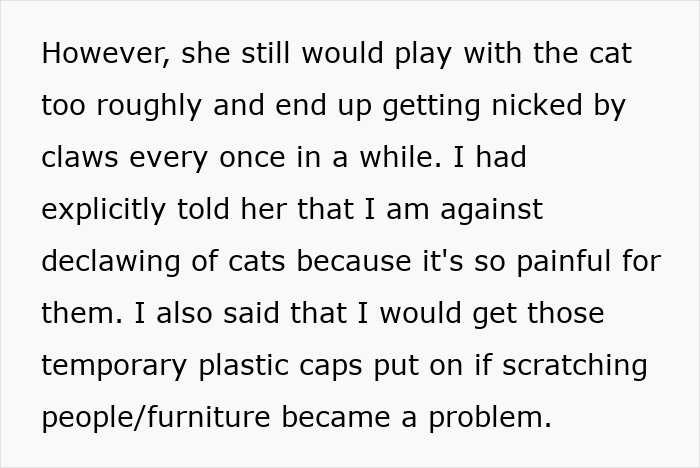
The scratches themselves have a more ordinary explanation. The ASPCA’s guidance on cats who play rough advises against encouraging cats to play with hands or feet and suggests toys as the outlet instead. When play gets rough, claws tend to come out, and the usual fix is a change in play habits. Soft caps, offered here as a backup, were not yet in use, which is a gap some readers may raise. Even so, caps wear off on their own and surgery cannot be undone.
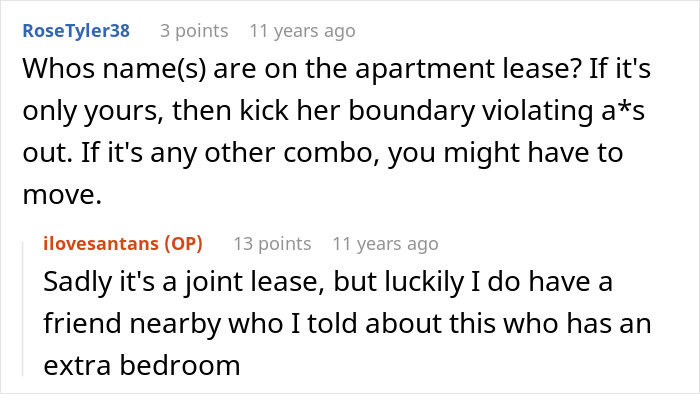
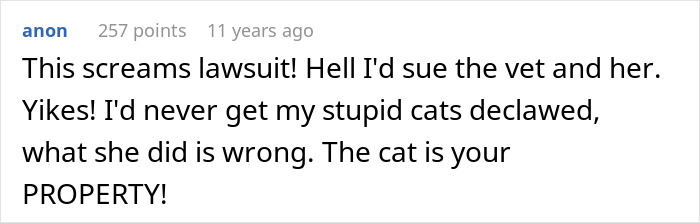
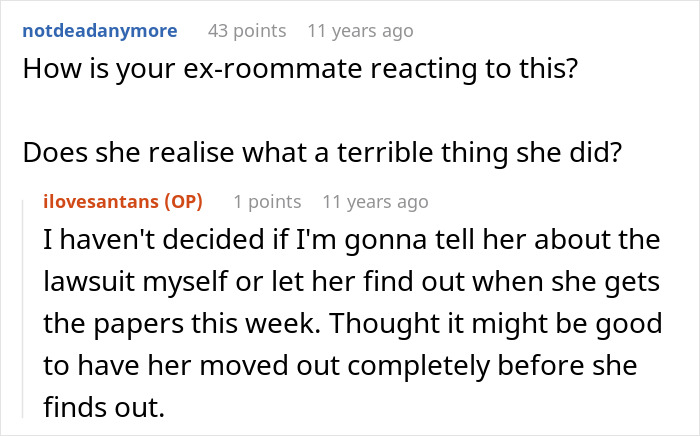
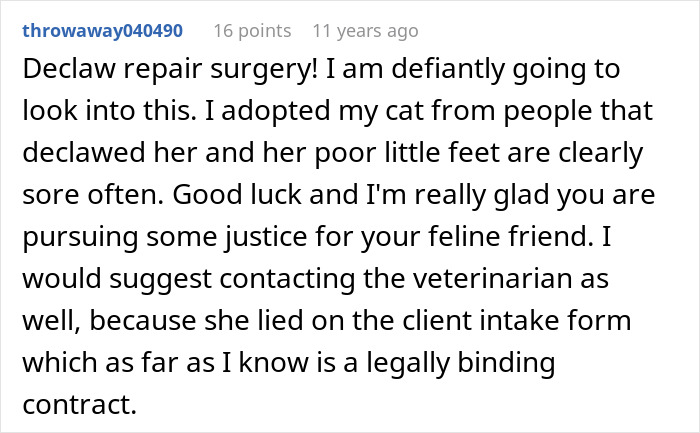
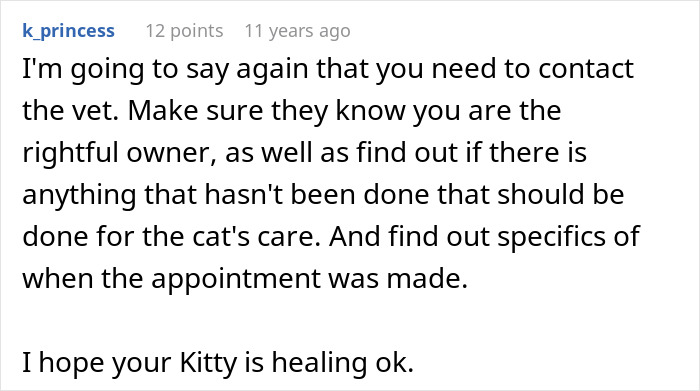
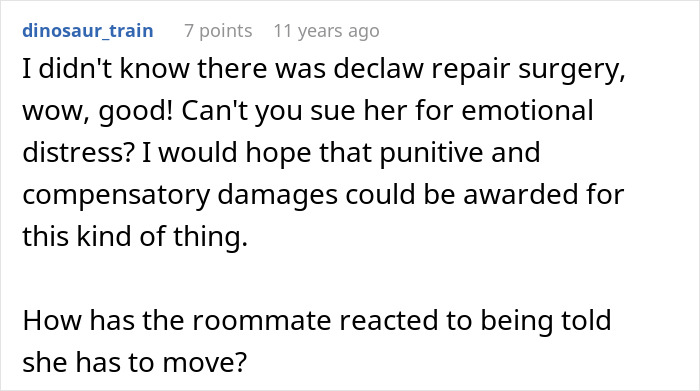
Readers who have faced something similar may wonder about the practical side. In most places pets count as property, so one adult authorizing surgery on another adult’s animal can raise questions that go beyond a bad afternoon. It could be worth asking the clinic what paperwork was signed and who was listed as the owner, and a local attorney or small claims office could explain the options. This is not legal advice and rules differ widely, but writing down what happened is a sensible step whatever comes next.
Underneath it all sits a difference in how two people see animals. For one, a cat is a household member with needs that deserve protection even when that is inconvenient. For the other, a cat’s body appears to be something that can be adjusted when it causes friction. That difference helps explain why the question of moving out has less to do with scratches than with trust. If one housemate has shown that a stated limit can be overridden, the other has reasonable grounds to wonder where the next override might come from.
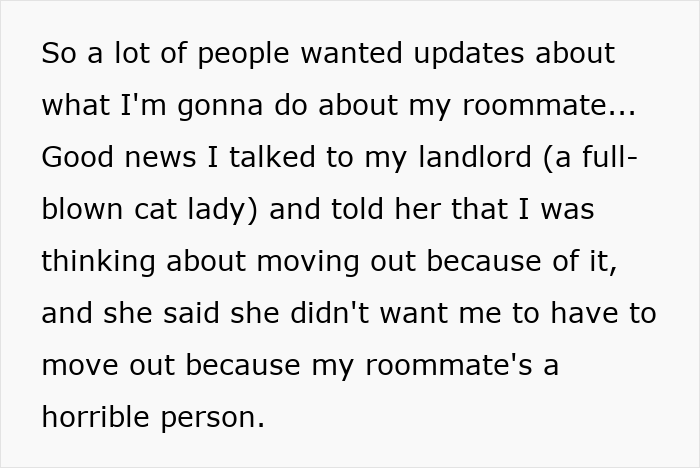
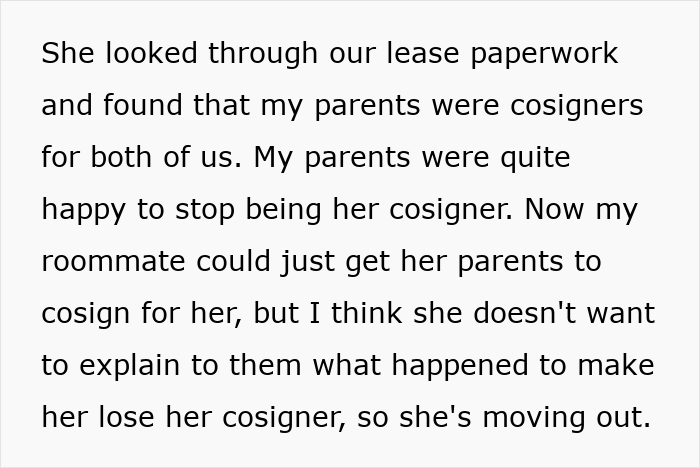
Reasonable readers will land in different places. Some will say a lease ending in November makes moving on an easy call. Others will say one serious conversation, plus a written agreement covering handling, play, medical decisions and costs, is worth trying first. Both paths make sense, though the second only works if the roommate can acknowledge what happened, and an expectation of gratitude suggests that point has not arrived yet. For anyone sharing a home with a pet, the broader lesson is simple. Ask before acting, write down the limits, and remember that paying for something is not the same as being allowed to do it. If you are curious what happened next, you’re in luck, as she later posted an update.










By entering your email and clicking Subscribe, you're agreeing to let us send you customized marketing messages about us and our advertising partners. You are also agreeing to our Privacy Policy.
Thank you! You've successfully subscribed to newsletters!

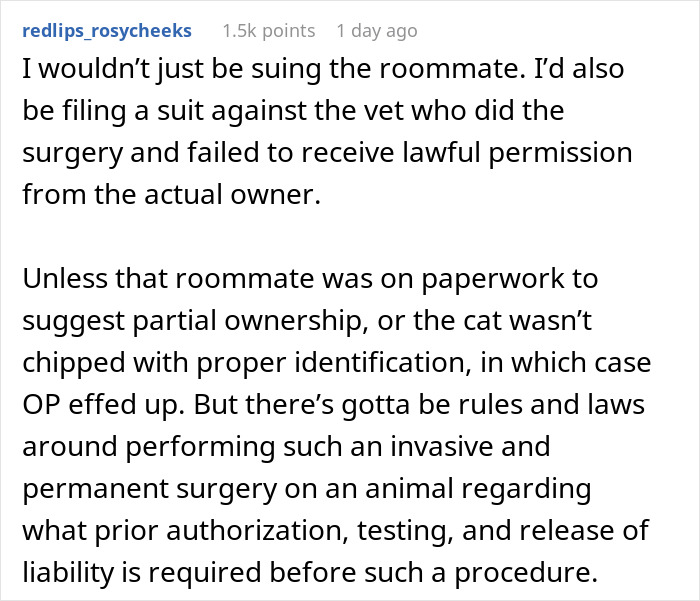
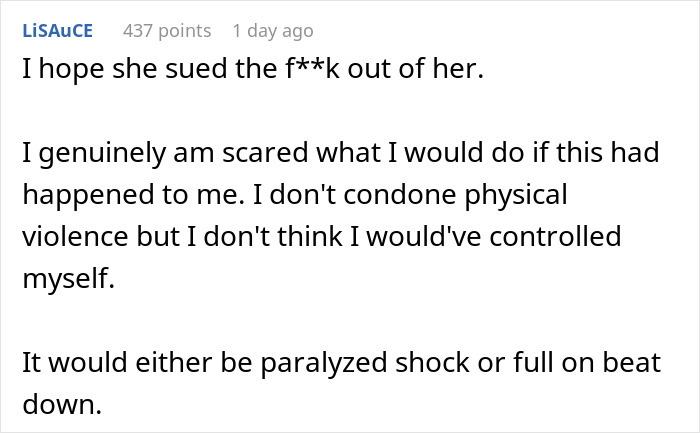
I don't think I would seriously be able to keep my cool if a roommate/family member took one of my cats to be declawed. I know I would at least be entertaining little brain-movies of approximating "declawing" the person by chopping the first joint off of all of their fingers. OP's cat isn't even MY cat and I am PƗSSED at this! I also share my secondhand rage-hate for the vet's office that willingly declawed a cat AND apparently didn't do their due diligence and confirm that the roommate was the cat's owner and/or had permission from the actual owner for such a major, debilitating surgery (plus most vets require bloodwork days prior to surgery to ensure the cat is healthy, so roommate probably took it in for that, too.)

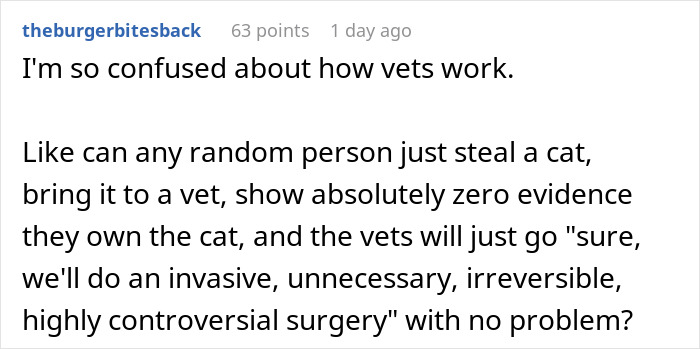
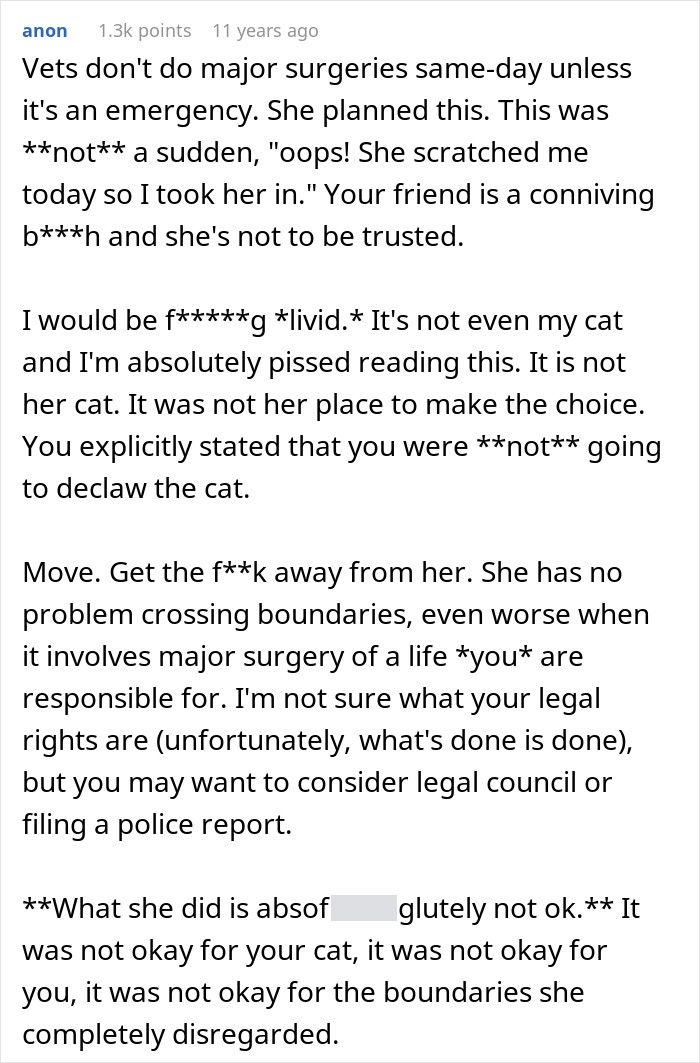
Exactly, you don't just stroll into a vet's surgery with a cat and ask to have it declawed while you go have a cup of coffee. As someone else said, this had to have been planned in advance.
Load More Replies...

I would go even further: I wonder why the veterinarian agreed to perform such a procedure, which is nothing short of mutilation.
Load More Replies...
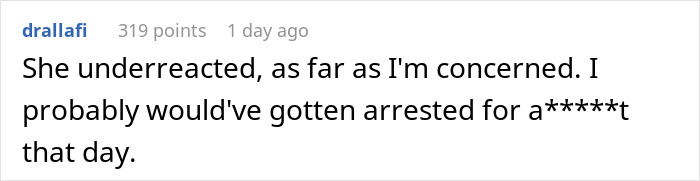
"Everything I couold think of will put me in jail" Nah, the OP was with me all day when the crime happened Mr. Officer
I don't think I would seriously be able to keep my cool if a roommate/family member took one of my cats to be declawed. I know I would at least be entertaining little brain-movies of approximating "declawing" the person by chopping the first joint off of all of their fingers. OP's cat isn't even MY cat and I am PƗSSED at this! I also share my secondhand rage-hate for the vet's office that willingly declawed a cat AND apparently didn't do their due diligence and confirm that the roommate was the cat's owner and/or had permission from the actual owner for such a major, debilitating surgery (plus most vets require bloodwork days prior to surgery to ensure the cat is healthy, so roommate probably took it in for that, too.)
Exactly, you don't just stroll into a vet's surgery with a cat and ask to have it declawed while you go have a cup of coffee. As someone else said, this had to have been planned in advance.
Load More Replies... I would go even further: I wonder why the veterinarian agreed to perform such a procedure, which is nothing short of mutilation.
Load More Replies... "Everything I couold think of will put me in jail" Nah, the OP was with me all day when the crime happened Mr. Officer



































 No fees, cancel anytime







35
6