Get Premium
Dark mode theme is available exclusively for premium users. Learn more about the benefits of subscribing.
No fees, cancel anytime.

 Dark Mode Ad-Free Browsing Unlimited Content
 Ad-Free Browsing Unlimited Content Dark Mode
Join 1.2 million Panda readers who get the best art, memes, and fun stories every week!
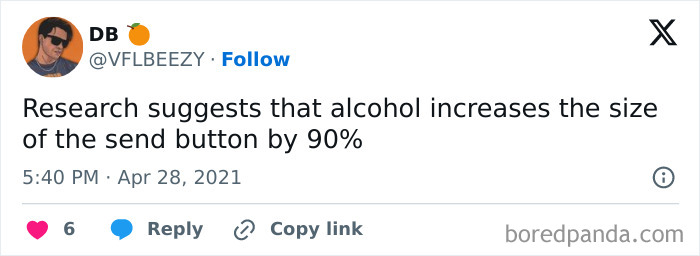
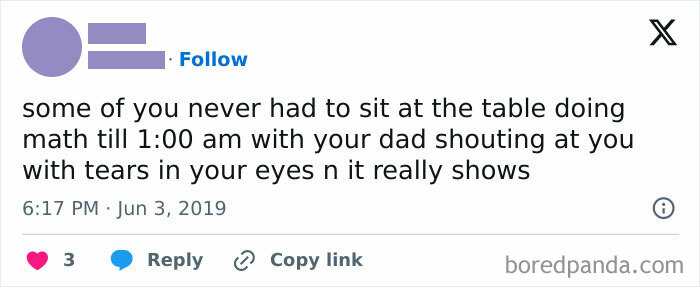
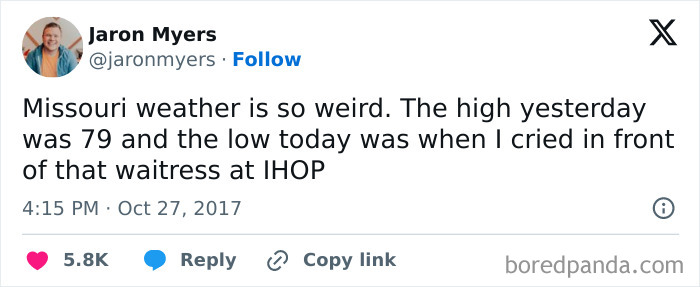
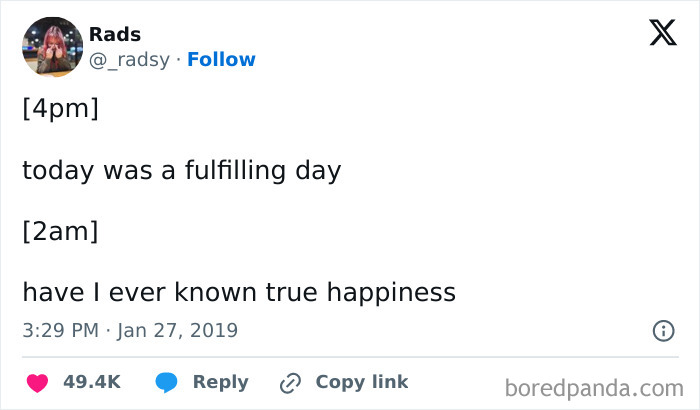
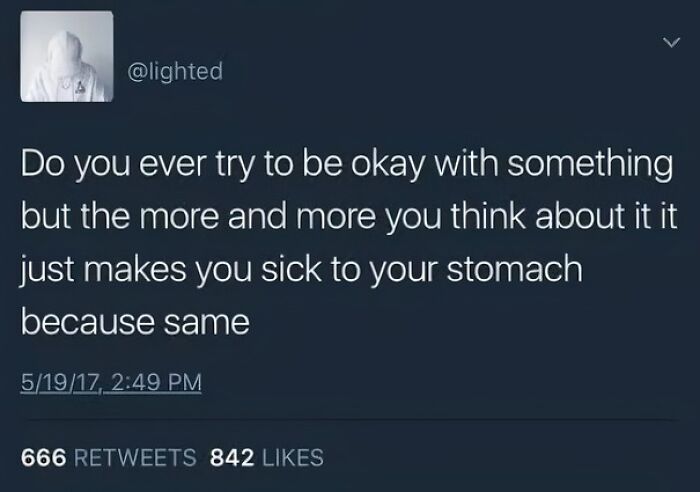
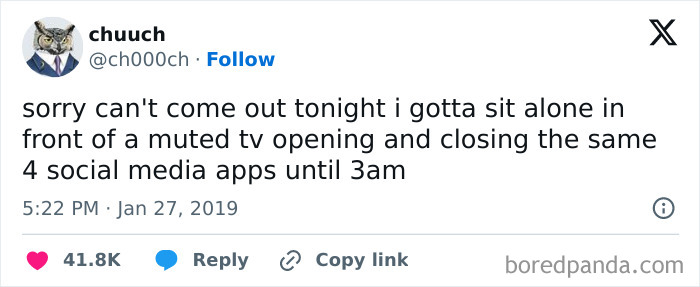
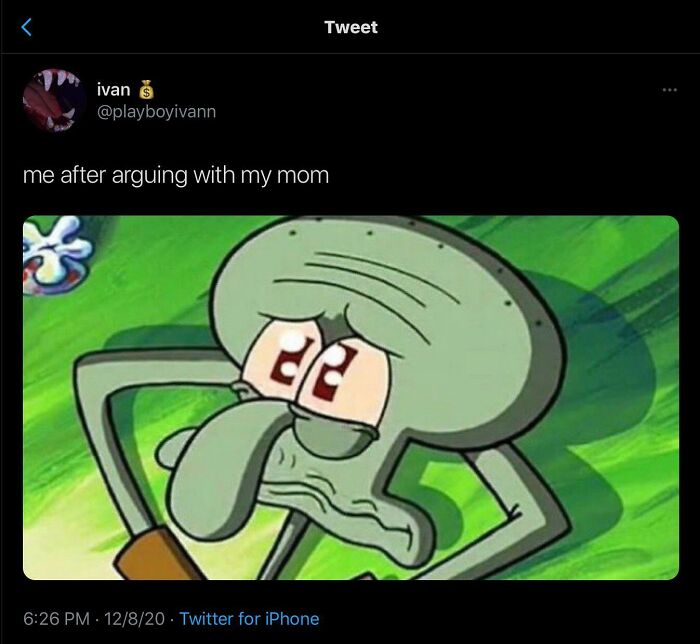
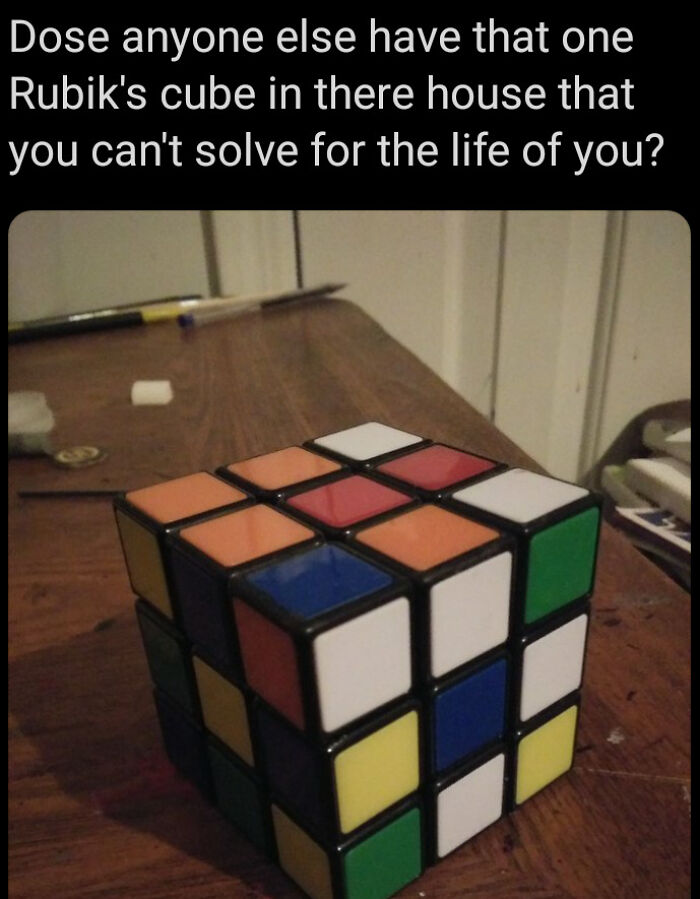
There are times in life where it’s pretty easy to feel very, very alone. The truth is, while social media can leave people feeling out of touch, online content and memes have a way of revealing that we, as humans, often have a lot more in common than one might think.
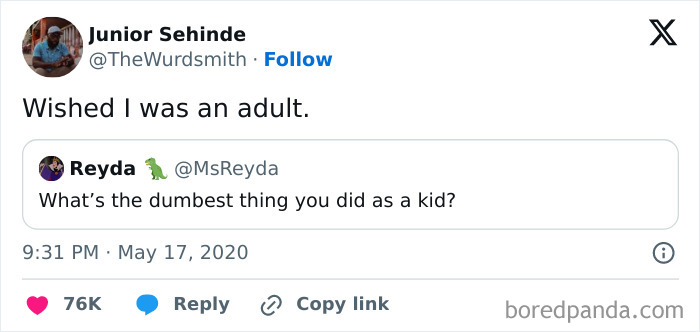
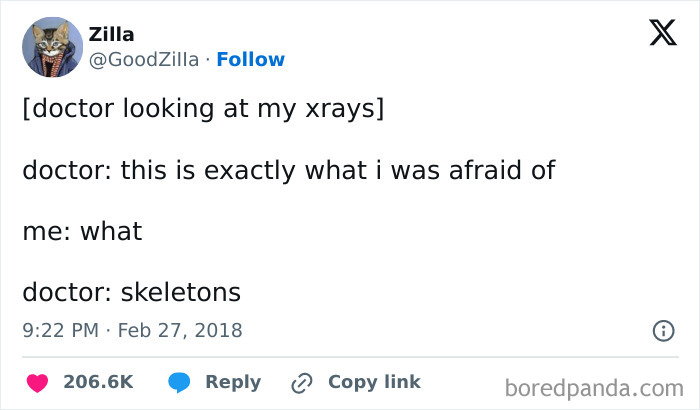
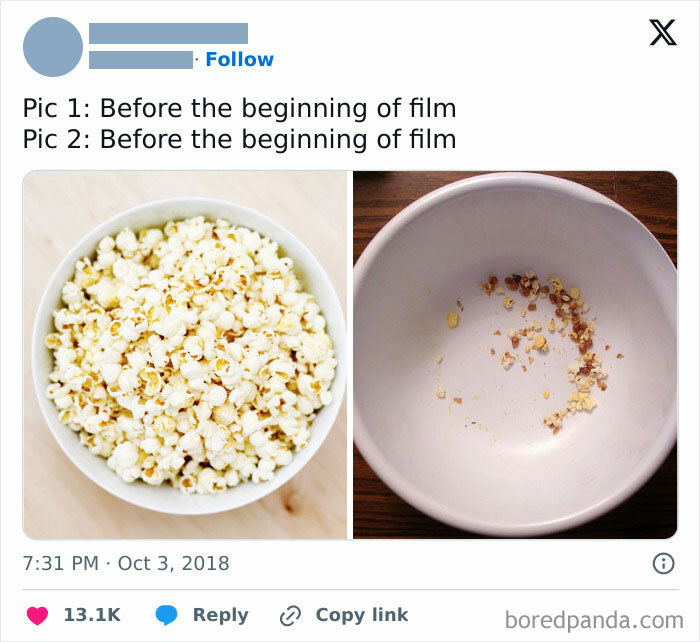
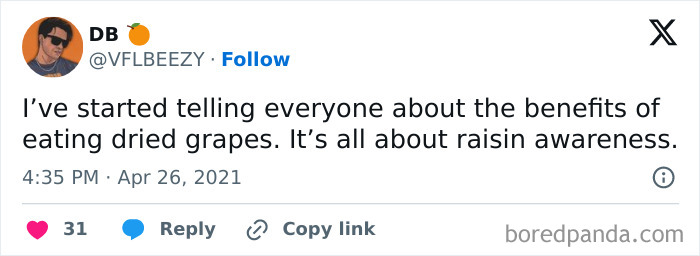
The “Relatable Tweets” internet page shares the posts from X (that name didn’t age well, did it) that sum up the human experience. From suggestions that deep down all of us agree with, to elusive emotions that, finally, someone put into words. We got n touch with Signy Sheldon, PhD, Associate Professor of Psychology to learn more about empathy. So get comfortable as you scroll through, upvote your favorites and be sure to share your thoughts in the comments below.
This post may include affiliate links.
Bored Panda got in touch with Signy Sheldon, PhD Associate Professor, Department of Psychology at McGill University and she was kind enough to share some thoughts and insights into the concept of empathy. After all, without it, relatability becomes a tad difficult. In general, we were curious about what causes humans to feel empathy.
“Empathy is a really important response to another person’s distressful situation and it comes about when we understand the emotions that a person is feeling at that time – we understand their mental state. This understanding is critical because it helps motivate us to help that person in need,” she shared.
“The situations that make us feel empathy towards another person are those that we can understand the emotional toll on that individual. For instance, if you know what it feels like to lose a parent, you are going to be more empathic to a person going through a similar situation,” she shared with Bored Panda. This is perhaps why most groups feel the need to create memes about their own community.
“However, this empathic response is going to be driven by how much you see yourself in that person. We tend to be more empathic to people that we feel are more alike than us.” At the same time, there are people out there who don’t seem to have any empathy or compassion for others so we wanted to hear her thoughts on how this happens.
“People can appear to lack empathy if they don’t understand the emotional experience of another person, either because they haven’t gone through a similar situation or can’t even imagine what that experience is like,” she shared with Bored Panda. Unfortunately, this sort of thing is a lot more common than one might think.
So we also wanted to know what people can do to cultivate empathy in their own lives. “The basis of empathy is being able to understand another individual's mental experience during a time of distress – how are they feeling and what are they thinking? Our research has shown that our episodic memory system, one that allows us to both remember our own past experiences, is fundamental for reaching this understanding and cultivating empathy.”
“So, if you want to cultivate empathy, you would want to engage in episodic memory. You can do this by recalling having experienced something similar in your own past to what a person is currently experiencing, say a bad break-up. Trying to bring that memory to mind in detail, and reflect on how you felt in your past memory.”
“What is really important is that we can use episodic memory to engage empathy, even if we don’t have a similar experience to what someone is going through. This is because we can use our episodic memory system not only to help remember the past but also to build imagined hypothetical events. Once we create these events in our minds of what another person is currently experiencing, we can simulate what they are going through and this will lead us to empathy.”
“A lot of the research on empathy has suggested that people have more empathy for others that they are similar to, so a great tool to help us become more empathic is to look at the commonalities between you and a person in distress rather than focus on the differences,” she shared. So, when in doubt, always try to focus on what is relatable, not what sets you apart from others.
You Might Also Like: People share 30 things they did wrong for years before learning the right way
































 No fees, cancel anytime