Get Premium
Dark mode theme is available exclusively for premium users. Learn more about the benefits of subscribing.
No fees, cancel anytime.

 Dark Mode Ad-Free Browsing Unlimited Content
 Ad-Free Browsing Unlimited Content Dark Mode
Join 1.2 million Panda readers who get the best art, memes, and fun stories every week!
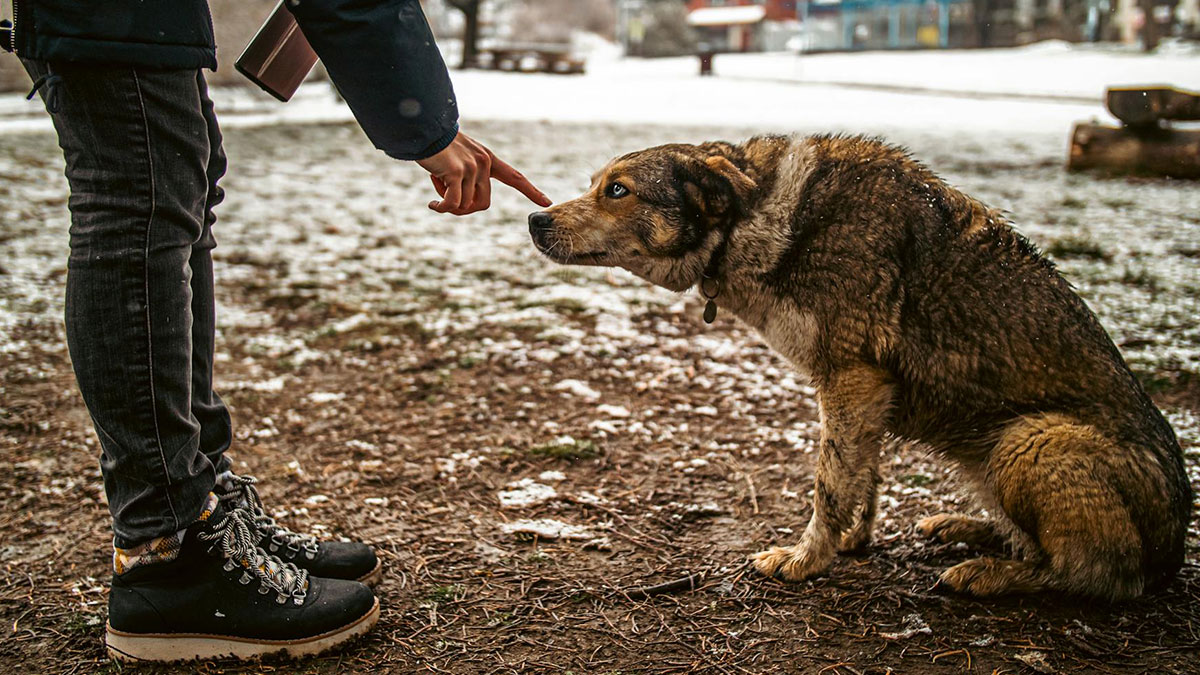
Meeting someone new is always a bit of a gamble because you don’t really know who they are until something small, almost forgettable, suddenly says a lot more than they intended. It could be a casual comment, a strange habit, or the way they treat someone they think doesn’t "matter". And just like that, your mental note-taking system kicks into overdrive.
Is this normal, or are we witnessing a walking warning label in human form? According to netizens, it turns out there are plenty of tiny red flags that people swear reveal way more about a person than they’d ever admit out loud, and once you notice them, you apparently can’t unsee them.
More info: Reddit
This post may include affiliate links.
 For other men, speaking derogatorily to me about women. I might laugh and act like it’s nothing depending on the remark, but I instantly lose respect for them and want to avoid them. I’ve never met a guy that did that and was still worth a s**t.
Edit: To the comments calling me out as a an enabler or having no backbone and conviction in my morals, I hope you fight your irl battles with as much presumption and high moral standing. I can see how I could’ve worded it better, as I was thinking of work situations where it was people that I had to just roll my eyes with. Because when I confront people, it never comes across as calm or civil. I’ve gotten fired for standing my ground on issues with this before. You think men like that can be taught with words? You think they act in good faith? I’d be happy to handle it with violence, but that’s not a way to stay a productive member of society or provide for my family. I feel foolish being this upset off a reddit comment, but I don’t appreciate having my character attacked by people who don’t know me.
Human judgment tends to form much faster than we realize, often within seconds of meeting someone. Psychotricks explains this through a process known as thin-slicing, where the brain rapidly extracts meaning from brief behavioral cues like tone of voice, facial expressions, and body language.
This instinctive scanning system evolved as a survival tool, helping people quickly assess whether someone was safe or potentially dangerous. While this rapid pattern recognition can sometimes be surprisingly accurate, it is also heavily shaped by past experiences and unconscious biases, which means early impressions can easily be distorted even when they feel certain.
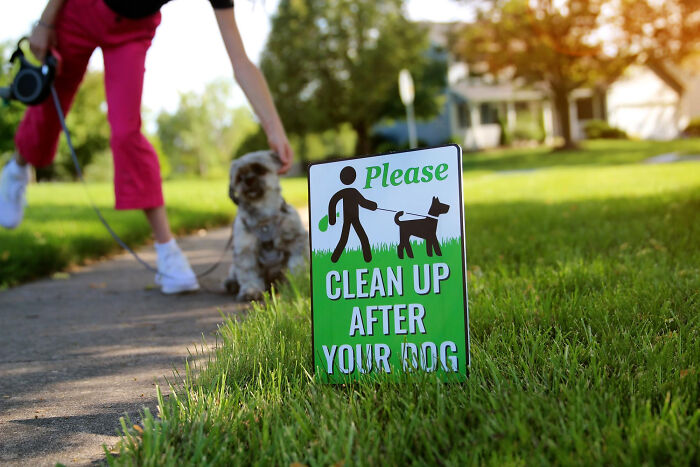 They don’t clean up their dog’s s**t in public places.

Every now and then I will have my p**p bags in my p**p bag holder. And then I get to the last one. And my dog does an extra p**p. In cases like this I usually try to find something around to pick the p**p up with. Or knock on a nearby house door and ask for a plastic bag. But I have had to leave a p**p behind.
 They casually mock or dismiss other people''s feelings as "overreacting" or "too sensitive"without even trying to understand.

Yet come within a yard of their soft spot, and they leap thirty feet in the air screaming.
Once those initial impressions are formed, we tend to look for confirming patterns in how people behave, especially in small, everyday interactions. Simply Psychology highlights that traits linked to low empathy or antisocial tendencies are often not obvious in major actions, but instead show up in subtle, repeated behaviors.
Things like dismissing someone’s emotions, poor listening during conversations, or reacting inappropriately to vulnerability can gradually signal emotional disconnection. These patterns don’t necessarily point to a clinical condition on their own, but they do reflect how consistently someone struggles to engage with others’ feelings in normal social situations.
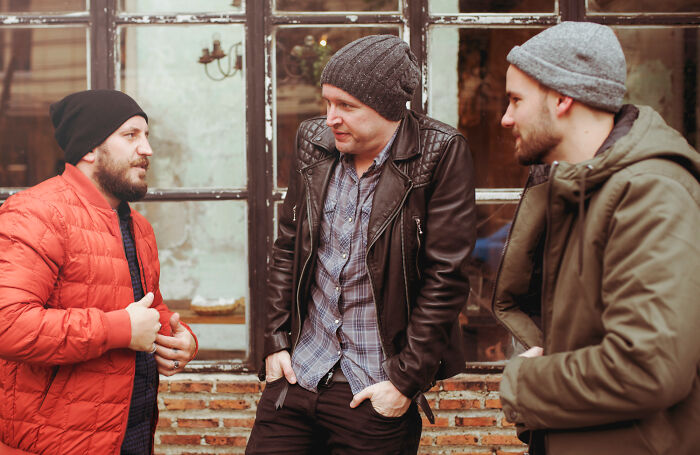 How they talk about people who are homeless, a******d, or been to prison.
 Being rude to the wait staff. But maybe that’s not a “small” red flag, actuakky.
 Always finding a way to turn the conversation back to themselves no matter the situation/topic/group.
Actually, you can have a lot of fun with these people. Act all interested and impressed. Then start asking them questions about themselves that very gradually become more and more absurd. It's entertaining if they figure out what's going on and also if they don't.
What makes these small behaviors so revealing is that they often happen when people are not actively trying to manage their image. Cottonwood Psychology notes that in low-pressure, low-stakes moments, people are less likely to consciously perform or filter themselves, which allows more automatic traits, like empathy, patience, or selfishness, to surface naturally.
These repeated micro-actions build a kind of behavioral "trail" over time, where things like how someone treats others without an audience or how they respond when there is nothing to gain can gradually form a clearer picture of their underlying character and values.
 Selfishness. When they are only concerned about their own time, needs, feelings and wants. They don't care how much they hurt or disrespect you as long as they get what they want in the end.
 They don’t return their shopping carts.

There were 5-6 of them at my apartment house a good mile away, people used them to bring their groceries from their car to their apartment on the second or third floor. But it was karma, for the grocery store had moved out if the area and now we have to go elsewhere. So I don't feel bad about it.
This is also why ignoring early warning signs can become problematic. As Psychology Today points out, genuine red flags are often dismissed because people hope context or personality will explain them away. However, consistently overlooking these signals can slowly erode emotional boundaries and self-esteem, especially when subtle harmful patterns continue unchecked.
In many cases, initial gut reactions already pick up on something important, but optimism bias leads people to second-guess themselves. Recognizing and taking those early impressions seriously, rather than rationalizing them away, can be key to maintaining healthier relationships and avoiding long-term emotional strain.
 Slightly weird one but if somebody is a gambler that’s always a red flag for me.
 They bring "foreigners" into the conversation somehow as if to blame them for everything.
 People who casually and consistently break small rules or do small but objectively bad things, and don't understand when it makes other people uncomfortable or get annoyed and try to justify it through a bunch of word-salad.
Every time I've encountered someone like that, they've turned out to be either extremely dishonest and untrustworthy, or in the worst cases, it was them "testing" limits to see what other bigger-- and much worse-- things they could get away with. *("Oh, I can get away with breaking all these little rules at work... so I'll just actually steal money from the register next time and try to blame it on someone else!")*.
At the end of the day, I think it’s not really about catching people being "good" or "bad", instead it’s about the small, often overlooked patterns that quietly reveal how someone moves through the world. It might be the way they treat people when there’s nothing to gain, how they handle frustration, or how they talk about others when they’re not around, these tiny moments can say more than any grand gesture ever could.
Of course, everyone has off days and imperfect habits, and not every quirk is a character flaw in disguise. However, as many netizens point out, certain behaviors tend to show up again and again when someone lacks basic empathy or respect. Keep reading and decide for yourself which ones feel like harmless quirks, and which ones feel like signs you shouldn’t ignore!
 Casually lying about something.

Once you lie to me, more than once, you will lose all credibility with me for good.
 Small thing might be joking about a person's stature, or gait, a speech issue, an unusual facial feature. That's been a stay away red flag for me.
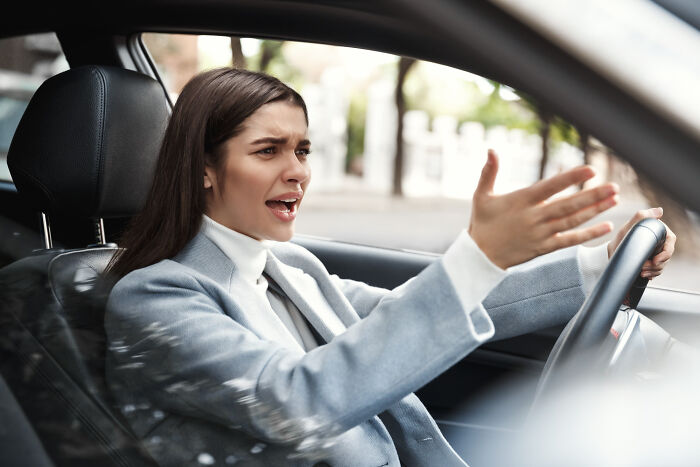 Road rage. More like a big red flag actually. Shows they're reckless, unsafe, impatient, and cannot be trusted.

Lacking emotional regulation is tied into overall intelligence & intellect. Road ragers not only lack emotional regulation, but also impulse control. There’s also a sense of entitlement, being that they think they’re in the right and need to either enforce law or punish the lawbreaker who offended them. In other words, road ragers are dangerous people overall. That’s a huge red flag.
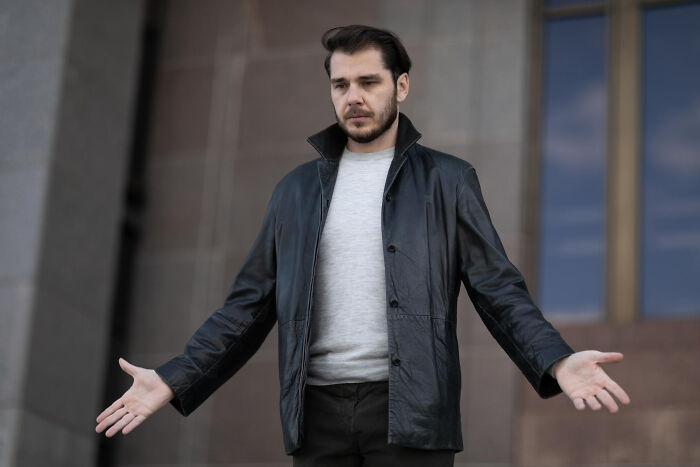 Lack of empathy.
 When they talk about a love interest in superficial terms e.g.. He has a nice car, big house etc.
 Treating children or family like s**t in public.
If they treat them like shït in public, imagine how abūsive they must be in private.
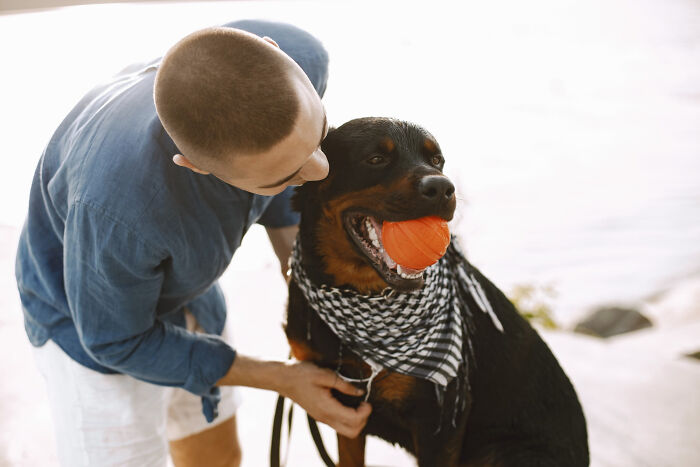 If my dogs avoid them, it’s a huge red flag xD.
I’m currently wearing a tshirt that says, “My dog and I talk shīt about you” which exemplifies this exact sentiment. He tells me when people suck by using his super dog senses. I give him love, treats & immense gratitude, with plenty of “good boy”s for sharing his insight.
 Habitual gaslighting of others when there’s any sort of pressure on them.
Habitual labelling of slightly annoying behaviours with technical terms that you only vaguely understand the meaning of.
 Laughing at someone else’s pain.

 Their tone changes based on who they are speaking to.
Someone may be disrespectful to one person they view as below them but respectful to someone else they view as above them.
 Making fun of people's religious expressions.
I already knew they were bad people but making fun of a family for quietly praying at a restaurant was my last straw.
Praying quietly before a meal is certainly nothing to laugh about. Telling me that Donald Trump is God's chosen instrument on earth certainly is.
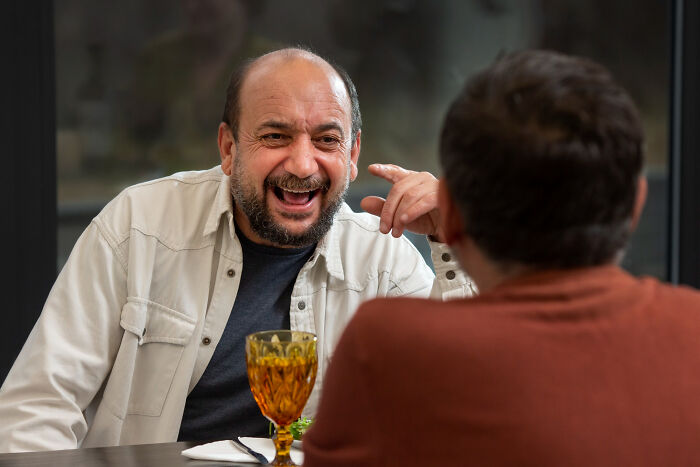
 Talking louder than is needed and laughing very loudly at everything. That is a person who is definitely going to talk over others and make the conversation about themselves.

Automatically assuming that someone who is talking "louder than needed" or "laughing very loudly at everything" is also going to make the conversation about themselves seems like a red flag to me. For one, what loudness is "needed"? Who decides that? And yes, someone laughing at "everything" can be annoying. But I doubt anybody laughs at everything. And also: There are plenty of reasons people might talk very loudly. They might be hard of hearing and not realise. Or, like my parents, they might have been teachers all their lives and now find it hard to break the habit of using their class room voices in social situations. And so on.

























 No fees, cancel anytime