Get Premium
Dark mode theme is available exclusively for premium users. Learn more about the benefits of subscribing.
No fees, cancel anytime.

 Dark Mode Ad-Free Browsing Unlimited Content
 Ad-Free Browsing Unlimited Content Dark Mode
Join 1.2 million Panda readers who get the best art, memes, and fun stories every week!
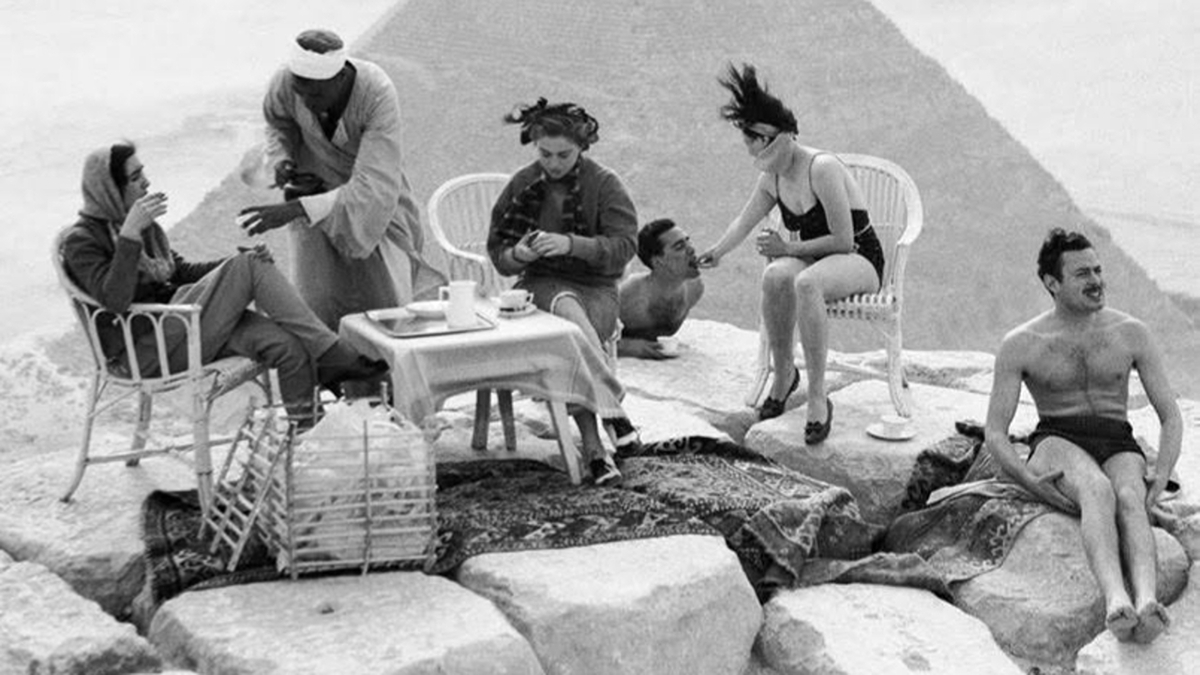
Technology, and life in general, move so fast that it can sometimes be hard to keep up... Let alone imagine what the world was really like 50 or 100 years ago. We learn about the past through history textbooks, museums and documentaries. But there's so much that goes unseen, especially when it comes to how ordinary people lived from day-to-day back then.
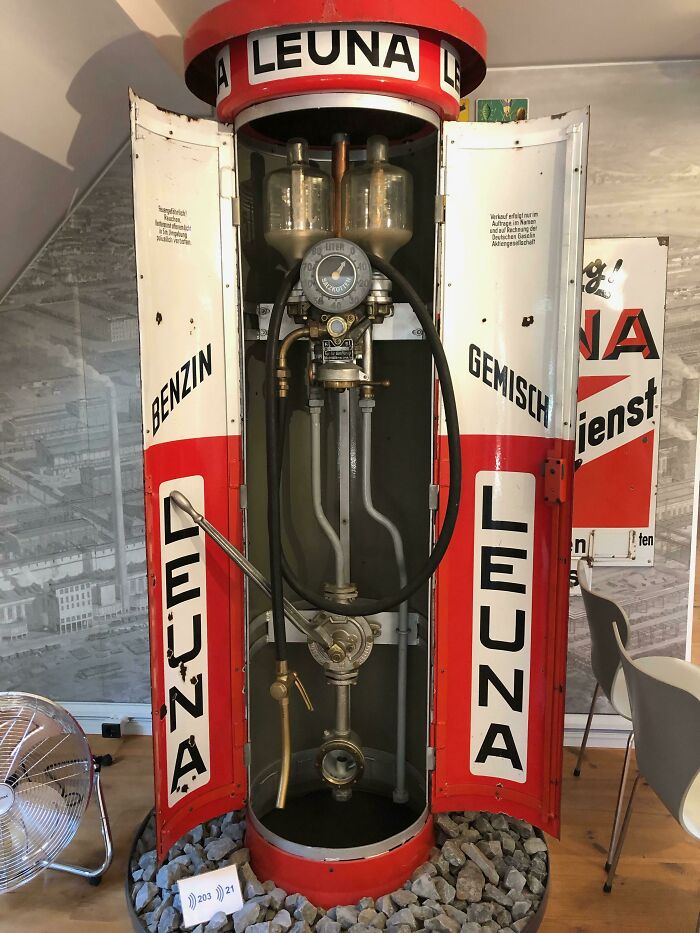
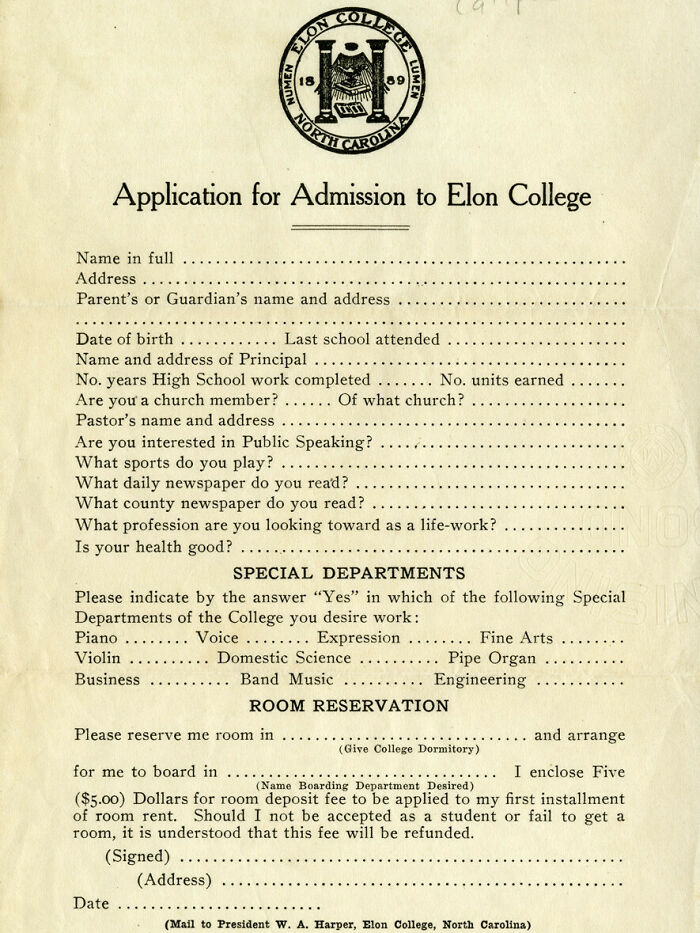
What did a gas pump look like in the 1930s? How did one apply to get into university in the 1920s? Did toasters work the same as they do nowadays? Thankfully, there are some incredible photographs available to answer all those burning questions. They've been preserved and digitized so that generations to come can get a glimpse of the former workings of the world.
Bored Panda has scoured the internet and found some of the most rare and interesting ones. Sit back, keep scrolling and prepare to be transported into a completely different lifestyle.
This post may include affiliate links.
It might be hard to imagine life without the internet, social media, mobile phones, laptops, and all the other things that take up all our time nowadays. But before all that, the days were slower, the work weeks longer, and many tasks were a lot more tedious.
If you think you work hard now, spare a thought for those who came before us. There was once no such thing as a weekend.
"The weekend was invented in Greater Manchester in 1843 when Salford Lyceum Director and workers’ rights activist Robert Lowes (also Sir Ian McKellen’s Great Grandfather) campaigned to win workers the right to leisure time on Saturday afternoons," reports We Invented The Weekend, the official site of a British festival that celebrates the joy of free time.
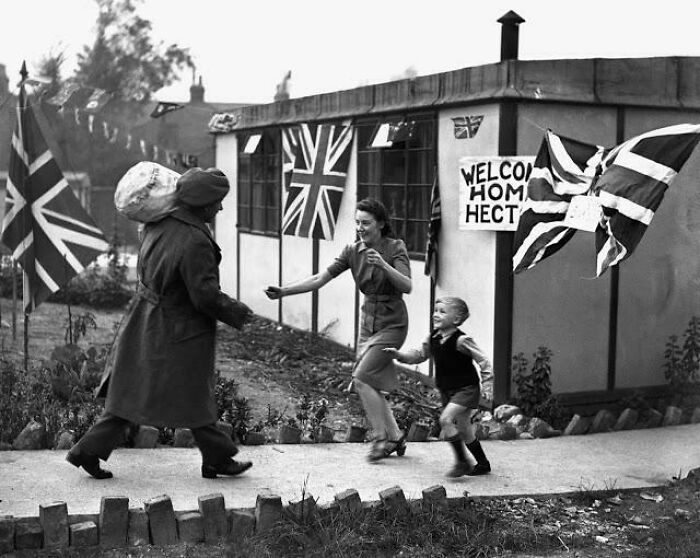
Gunner Hector Murdoch Had Been Gone Over Four Years, Most Of It As A Prisoner Of War In Singapore. His Wife Rosina And Son John Hadn't Known If He Was Dead Or Alive. He Got Home On His Birthday.
But back then, a weekend wasn't as we know it now. The first taste of free time for British workers came in the form of Saturday afternoons off. Then, in 1908, a cotton mill in America introduced the first five-day workweek to allow Jewish staff to observe their Sabbath from sundown Friday to sundown Saturday.
Henry Ford followed suit in 1926, giving his staff Saturdays and Sundays off.
"He was also keen to set down a 40-hour working week," reports the BBC. "An altruistic move in part, it also gave his workers the opportunity to spend their down time buying consumer products, keeping cash circulating through the economy."
It was only in 1932 that the United States officially adopted the five-day work system.
Nowadays, child labor is considered illegal in many places around the world. But that wasn't always the case. Not only did rural American children work on their family’s farms, but kids in cities were also toiling away. Some worked in mines and factories. Others sold newspapers and food, and a few spent their days shining shoes to help put food on the table


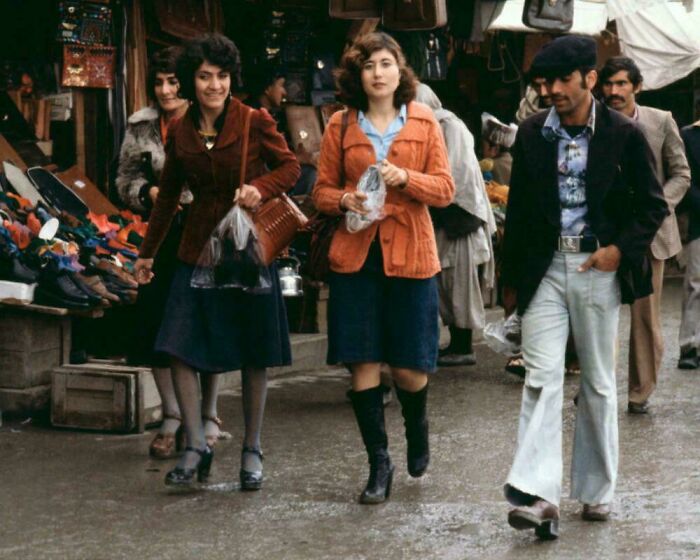
Afghans may very well have continued to be this free if the West hadn't interfered. The same goes for Iran.
"Concerns over child labor found support among the Progressives—the growing number of people who believed government should take an active role in solving social and economic problems of society," reports the Library of Congress (LOC) site. "In 1904 the National Child Labor Committee was formed to advocate for children in the work force."
But it took a while before things finally changed.
"In the next few years, the federal government passed several laws to try to regulate child labor, but the Supreme Court declared them unconstitutional," explains the site. "Not until 1938 did the federal government successfully regulate the minimum age of employment and hours of work for children."
School life also looked different in the early 20th century. In fact, it wasn't until 1920 when all American states required students aged 8 to 14 to attend school. But only for part of the year.
"In rural areas, the school year was somewhat shorter because young people were still needed to work on the farm," explains the LOC site. "Rural areas made the one room schoolhouse famous—in many of these, the grades studied together in a single room, and were taught by one teacher."
It adds that in urban areas, schools were larger and students worked in separate classrooms according to their grade level.
Life was easy in the 20th century. There were two world wars, the Great Depression of the 1930s, the Holocaust in Europe, and it didn't end there.
"Shortly after World War II ended, the Cold War began between the West and the Soviet Union. The 1940s also witnessed the assassination of Mahatma Gandhi and the beginning of apartheid in South Africa, which continued long into the 20th century," reports ThoughtCo.

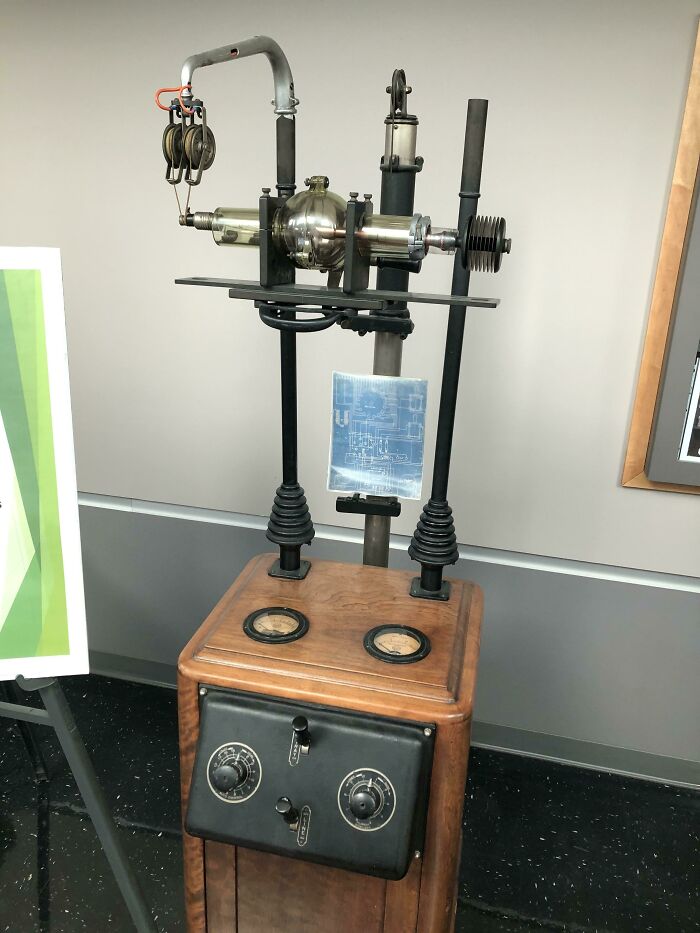
I've seen plenty of diagrams of X-ray tubes like this. But I've never seen a photo before.
It was only in the last decade of the 20th century that the Cold War ended, and apartheid ended with the release of Nelson Mandela from prison. It was a century with much hardship and suffering around the world. But people were resilient and made the best of it with what they had.
Today, thanks to those who came before us, we can scroll through this rare list of historical photographs and try to imagine what life was like back then.

Google Lens says "Built-in Double Boiler: The back-left burner features a deep, inset well designed to function as a double boiler for warming water or simmering soups."
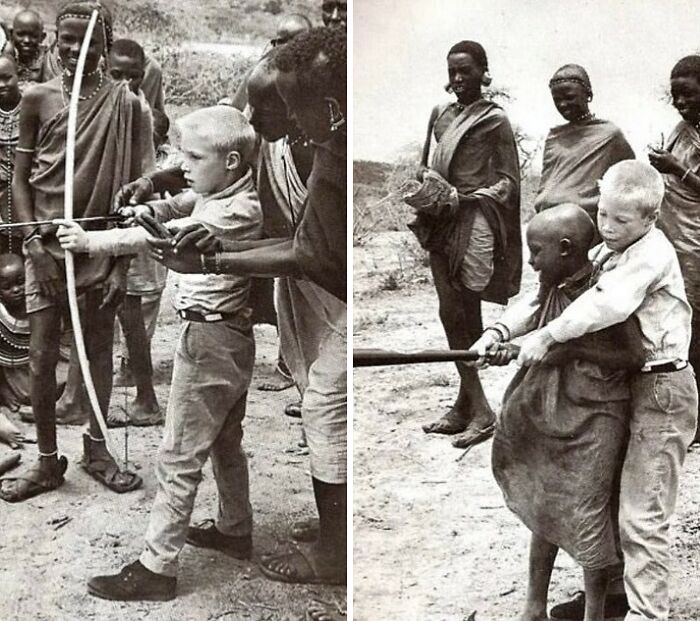
9-Year-Old Kevin From New York Had Come To Kenya To Join His Stepfather As A Guest Of A Maasai Tribe, Where He And The Chief’s Son Dionni Became Close Companions.
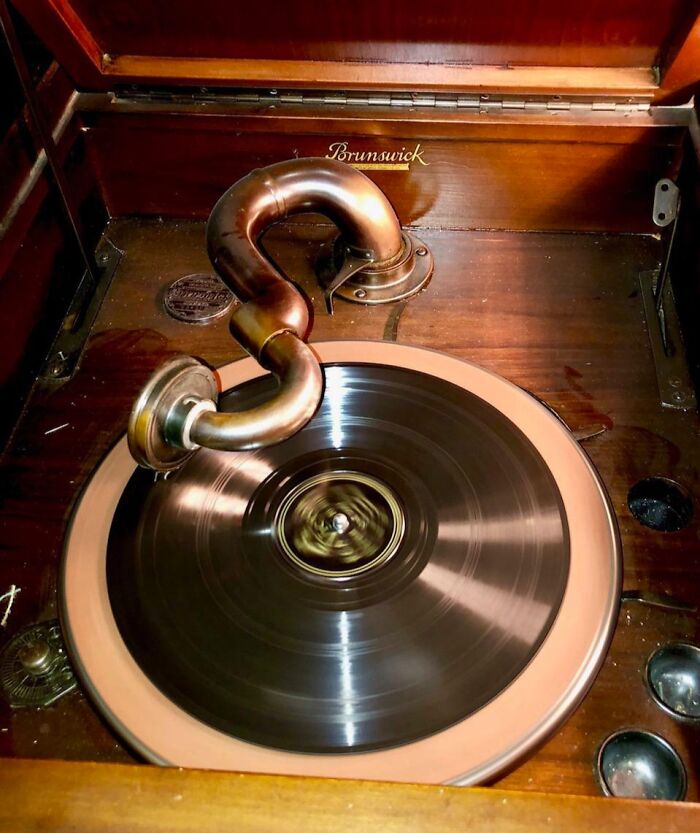
Edison phonograph records, I think. Much thicker and heavier than later records.
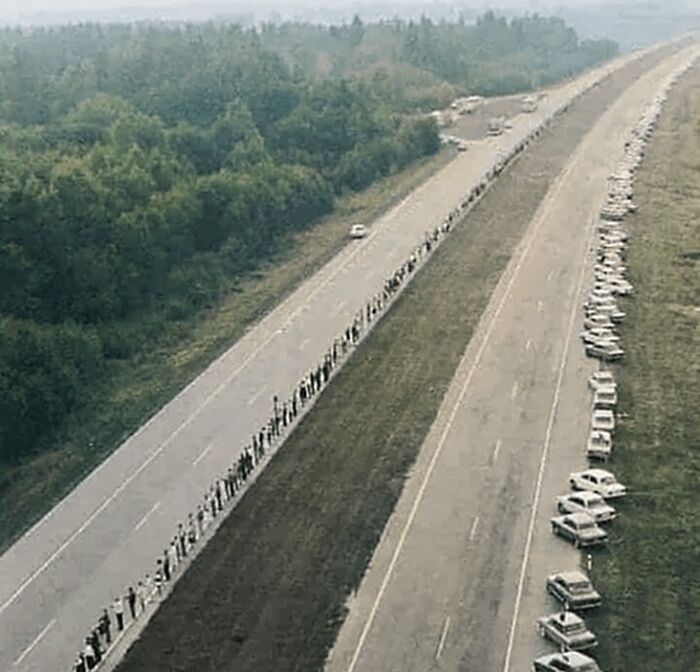
They Wanted To Show Their Collective Desire To Escape The Soviet Union And Poverty.
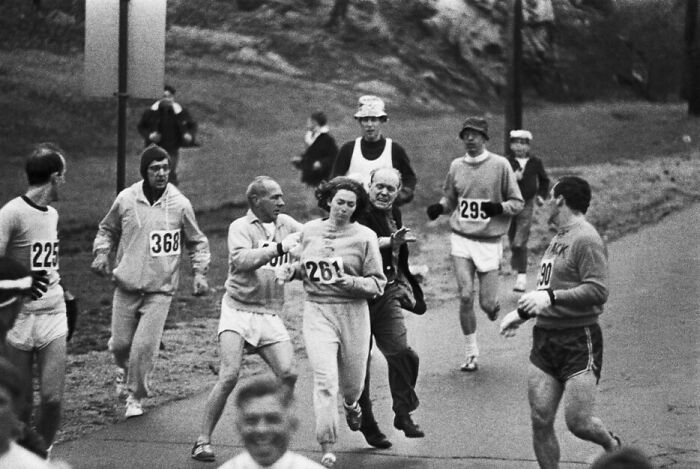
She Had To Try Harder Than Anyone Else To Complete The Race, Here You See The Race Organizers Trying To Stop Her From Competing In 1967. What The Hell?

Please read up on this woman's story. The man trying to grab her later apologized. I believe they spoke often after that. Those who break barriers have great stories to tell.
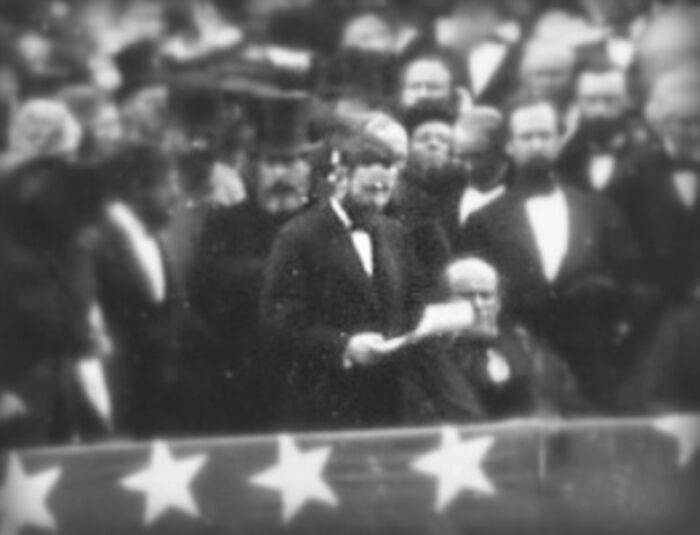
At 46 Years Old, He Was At The Time The Youngest Man To Ever Become President Of The United States, And Would Remain So Until Theodore Roosevelt Came Into Office In 1901 (At Age 42).
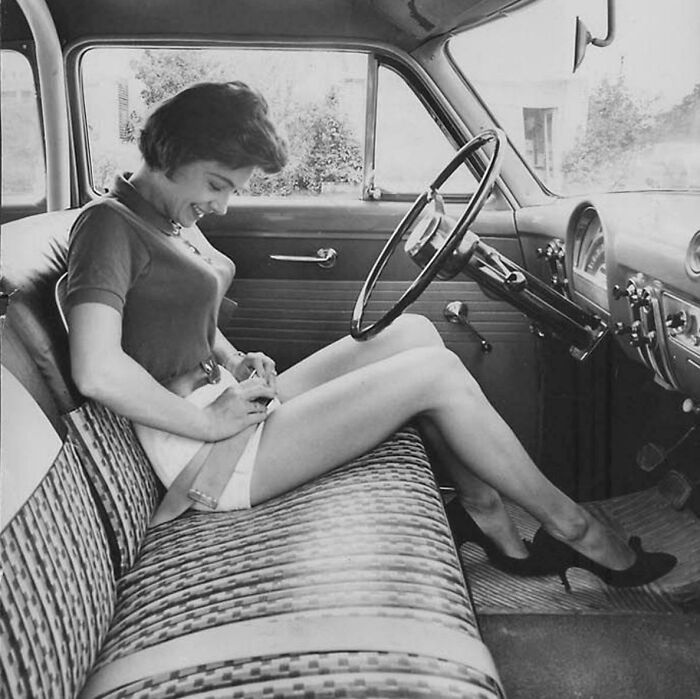
What disturbs me is that seatbelts on aeroplanes still look like this. And seatbelts on most busses and trains don't even exist.





































 No fees, cancel anytime