Get Premium
Dark mode theme is available exclusively for premium users. Learn more about the benefits of subscribing.
No fees, cancel anytime.

 Dark Mode Ad-Free Browsing Unlimited Content
 Ad-Free Browsing Unlimited Content Dark Mode
Join 1.2 million Panda readers who get the best art, memes, and fun stories every week!
There's only so much you can fit into a history book, museum or gallery. Often, they're specially curated to tell a specific story about the major turning points that brought us to where we are today. Wars, leaders, political agendas, economic collapses, pandemics and the like tend to get center-stage. That means a lot of the past goes unseen... but that's not to say it was never documented.
Hiding behind the famous and iconic photographs are even more dusty moments in time, begging for a set of modern eyes to scroll over them. That's where accounts like TimeTPhoto come in. With more than 459,000 followers, it's a virtual gallery of the rarest facts, photos and footage from throughout history.
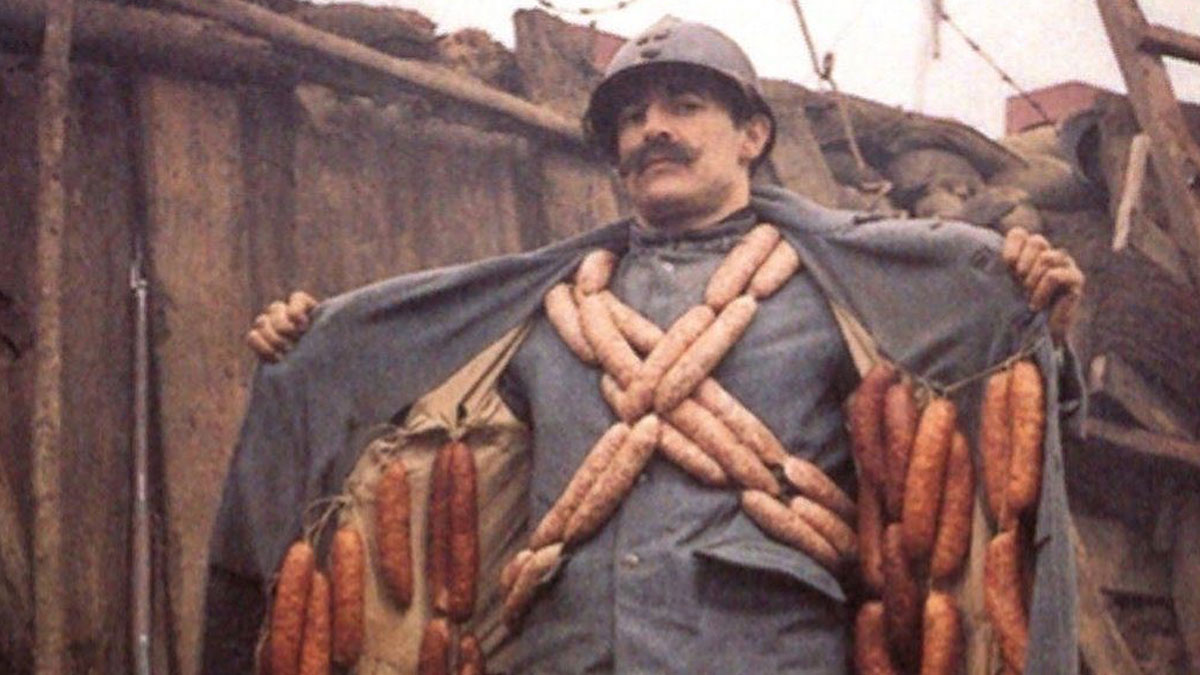
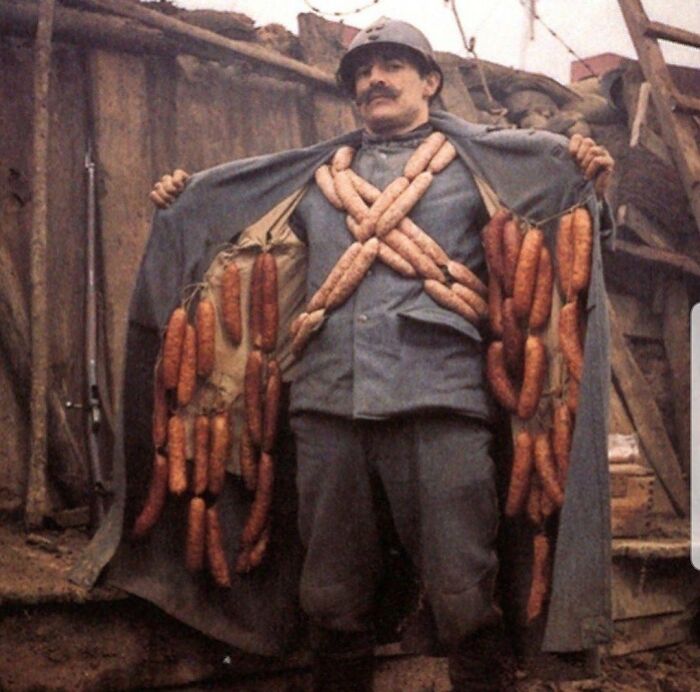
Bored Panda has put together some of the best posts from the page. Expect to see intriguing pics such as a sausage-laden French soldier, Muammar Gaddafi with one of his "lady bodyguards," and the 1820 equivalent of Google. Each fascinating photo has a short back story accompanying it. So sit back, keep scrolling and forget about the current world drama as you get lost in the past. Don't forget to upvote your favorites.
This post may include affiliate links.
History textbooks aren't meant to contain a bunch of beautiful pictures and super exciting stories. What you're taught at school, and how you're taught it, can largely depend on where you find yourself, when you were born, and who was in charge of the curriculum.
According to Kate Slater, the assistant dean of student affairs at Brandeis University’s Graduate School of Arts & Sciences, textbook choice in the U.S.A is a highly politicized process in different states. Slater says everything from topics to the tone can differ. "There is no single story of American history," says the expert.

Love that. She is beautiful. Not one drop of sweat or out of breathe. Effortless & regal.
An EdWeek explainer reveals that there are no national history or civics standards in the United States, and that each state develops its own set of criteria for what students should learn. That means 50 states, 50 different differing sets of criteria.
"These guidelines are usually developed by committees of educators, curriculum specialists at the state department of education, academics, and community members," explains the EdWeek article. "States update them periodically—generally every seven to 10 years— through a revision process. State boards of education, which vote to adopt or not adopt revisions, are the final decisionmakers."
While some educators teach straight from the textbook, others are aware that this might not always be the wisest choice.
“Textbooks are just a version of text, just like every single document that we read to learn about the past," says Sol Rheem, a high school social studies teacher in Massachusetts. "Students should know and understand that the textbook is a source of information, and therefore it has a writer and a context that it was written in and a moment in history that it was written in.”
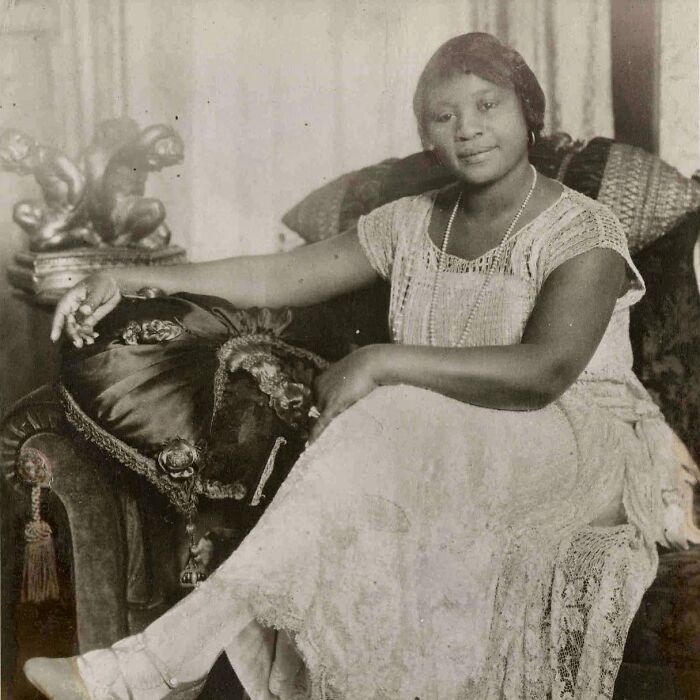
In 1913, 10-year-old Sarah Rector received a land allotment of 160 acres in Oklahoma. The best farming land was reserved for whites, so she was given a barren plot. Oil was discovered there, and she became the country's first black millionaire. She was so wealthy that the Oklahoma legislature legally declared her to be a white person.
Christine Caulfield agrees. “The reliance on textbooks differs for every teacher. For me, it was a way to engage students in how to read critically, and it served as a baseline from which we would look at various issues in depth," says the retired high school U.S. history teacher.
"I would take the textbook and, in essence, rip it apart," she revealed. "We would think about whose voices were missing. What was left out was just as important as what was included.”

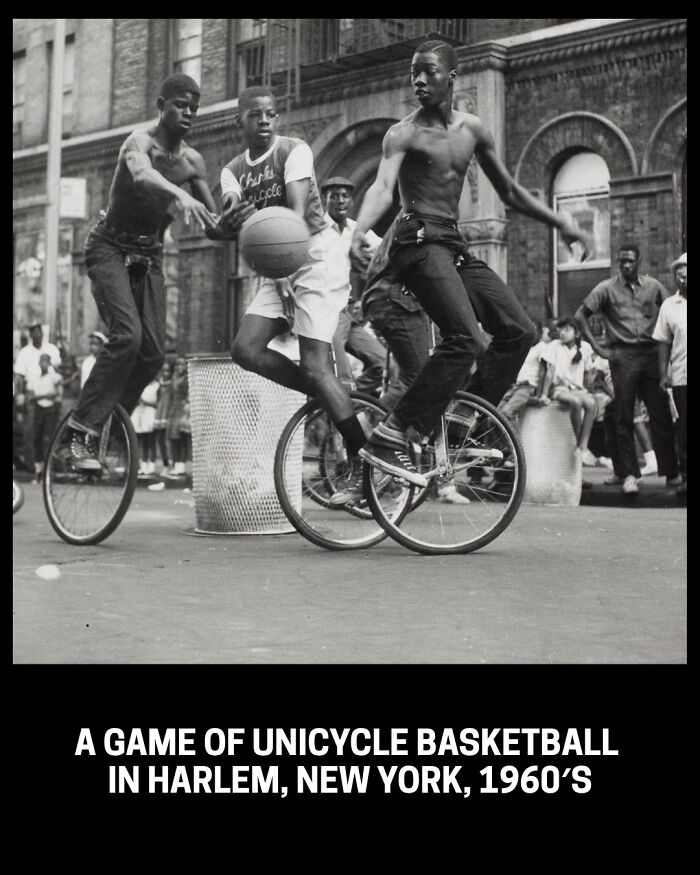
And I thought the Harlem Globetrotters were sick.

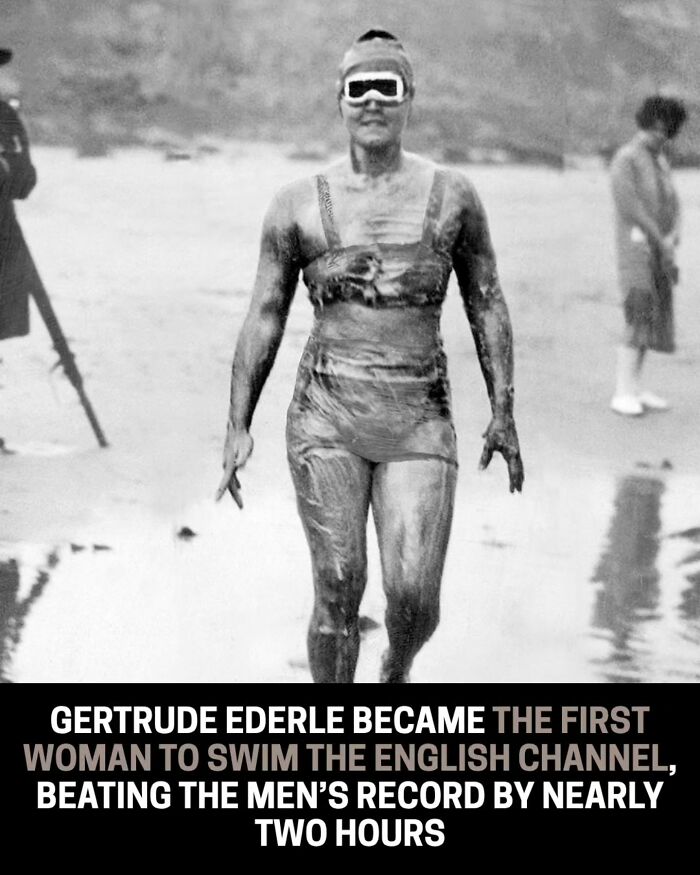
She was 19 years old when she swam 21 miles across the Channel in 14 hours 31 minutes, on August 6th 1926. She covered herself in a thick mixture of lard, olive oil and lanolin to protect herself in the frigid waters. Born and raised in New York, Gertrude was a swimmer in the 1924 Summer Olympics in Paris, winning 1 gold and two bronze medals.
The American Historical Society (AHS) notes that while history textbooks convey historical facts, none are born equal.
"No matter what the subject or how large the book, historians are selective about which historical facts to include," write AHS's experts. "A satisfactory history text describes what the key selection criteria have been so that users can assess the validity of the choices and also have an awareness of the potential gaps."
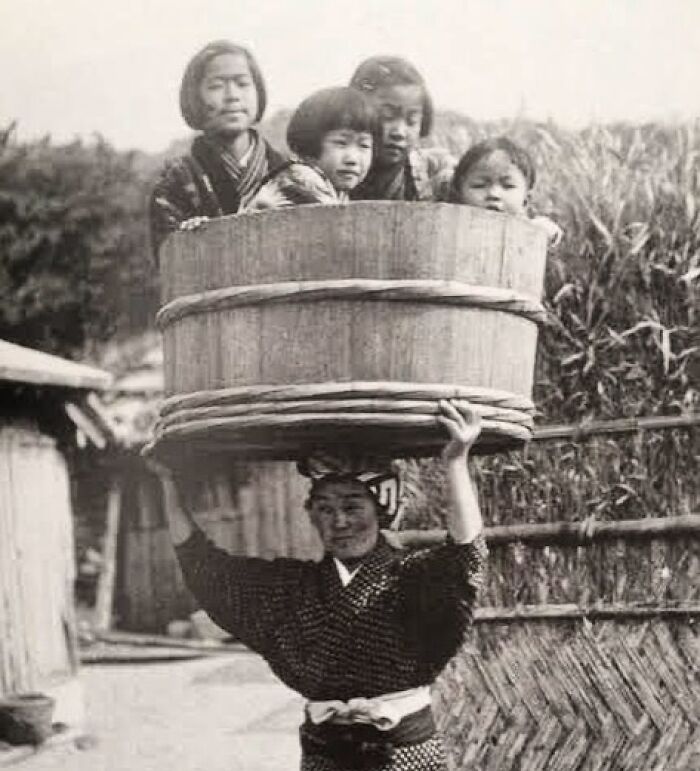
A Japanese woman carrying her children in a bucket on her head, 1900s
The AHS site goes on to note that when it comes to world history, if textbooks place less emphasis on certain early periods or geographical regions, they should explain why certain choices were made. The same applies to U.S. history.
"Some sequences of presidents are often summed up without great detail in an effort to discuss the broader social and political trends that characterize the era in question. Again, this kind of selectivity should be briefly noted and explained," says AHS's team.
They add that apart from explaining selectivity in coverage, good textbooks should also explain any gaps in our understanding of certain events.
Regardless of what's in your history textbooks, many experts agree that critical thinking is... critical.
"When you have a curriculum that doesn’t teach critical-thinking skills, that doesn’t talk about power, oppression or resilience, you rob these students of the ability to understand what’s happening in their own life in this moment,” says Rheem.
"The exact moment when Harold Whittles, born deaf, hears for the first time after placement of earpiece."
The photo was published in the February 1974 edition of Reader’s Digest, in the article “Unforgettable moments caught on film”.
Photographer Jack Bradley
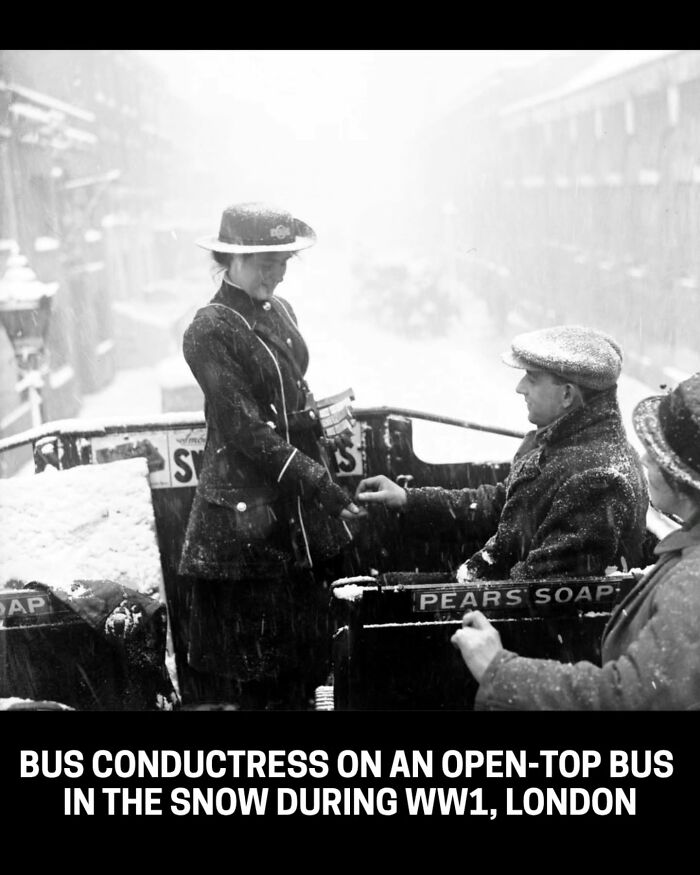
Affectionately known as Clippies due to clipping each ticket they checked, ensuring there were no fare dodgers.
Some experts, like Education Pulse, believe that educators' first priority should be to teach students how to read and interpret the facts of our past themselves. This means providing them with the skills to research and understand history in their own way.
"In the end, it is up to the teacher how they choose to use a textbook in their class. Some may choose to use it as the foundation for their class, some as supplemental material, and some not at all. But however we use these books in our curriculum, we constantly need to look out for the voices that are not represented," notes the Education Pulse site. "If we can do this, we will help our students grow not only in their understanding of history, but in their ability to be a responsible citizen of the world."
Life seemed difficult from how i have seen depicted described.
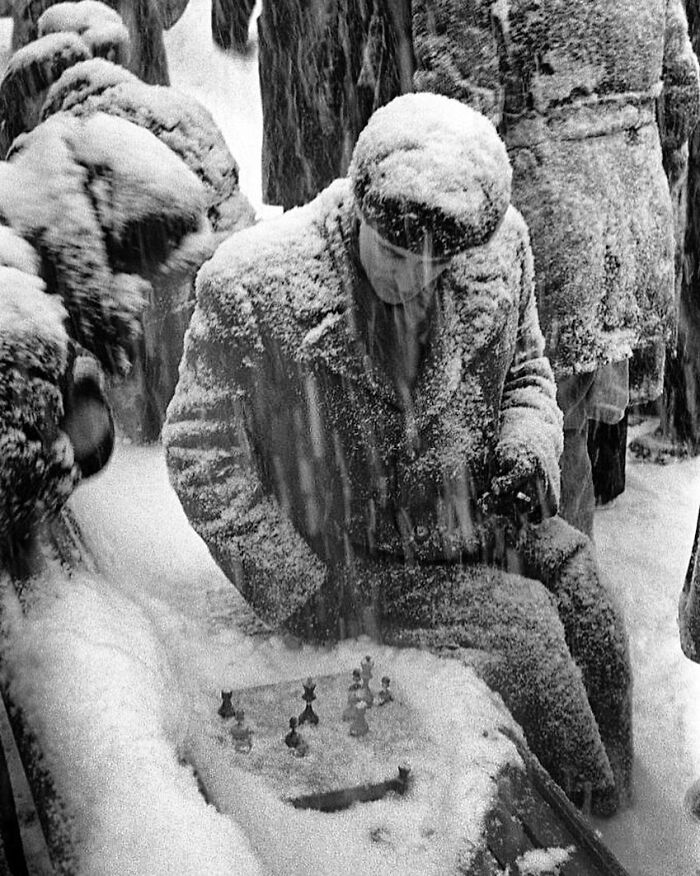
Russians playing chess in a park in Moscow, 1950s.
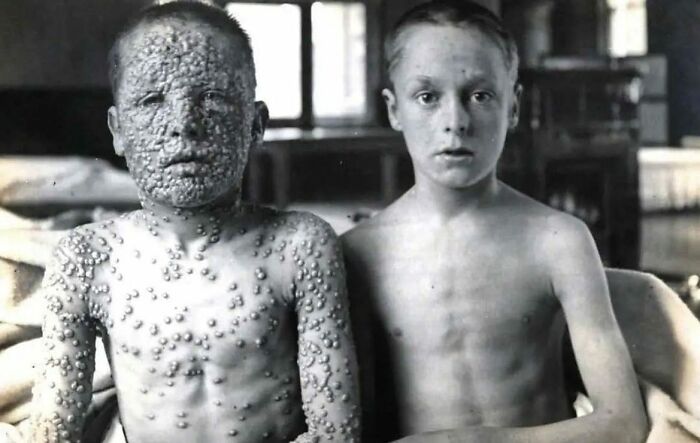
Photo of two children - one vaccinated against smallpox, the other not. Circa 1901.

There's a great story about Abigail Adams deciding to inoculate her children without her husband's (John Adams) knowledge. At the time, the process of inoculation against smallpox … was a far more dangerous method than the eventual smallpox vaccine would prove to be. Smallpox contracted naturally killed up to thirty percent of its victims, but even two to three percent of those inoculated would still perish, because the process involved inserting a live infection into rent flesh by way of pus-soaked thread. On July 12, 1776, while John was in Philadelphia, she and the family arrived in Boston and the children were inoculated the same day (both she and John had already been inoculated). (Abigail Adams and the Smallpox Inoculation During the Revolution, Journal of the American Revolution)
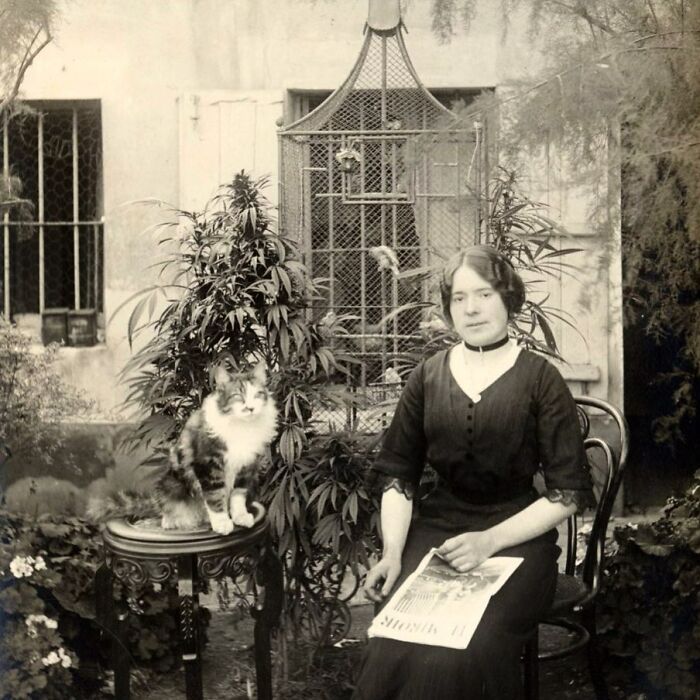
A Parisian woman with her cat in her cannabis garden, 1910. (Instagram)
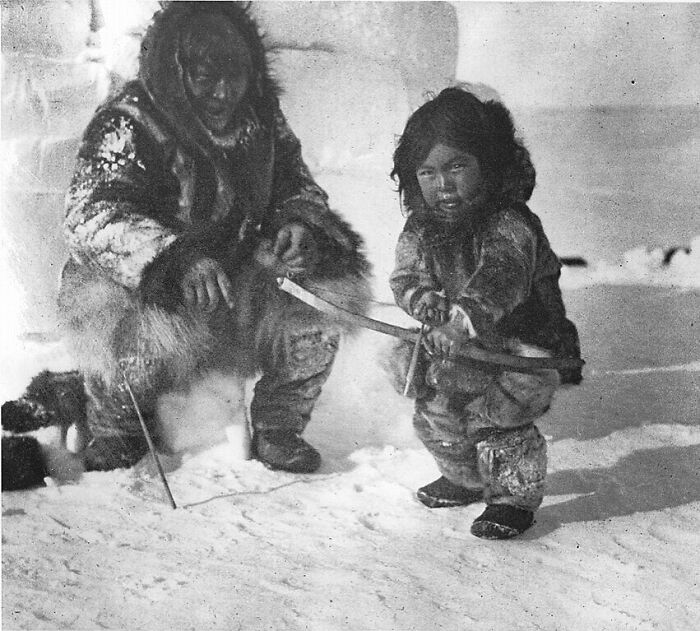
Inuk man teaching his boy how to shoot. The man, Allakariallak, was popularly known as Nanook of the North. Circa 1920s
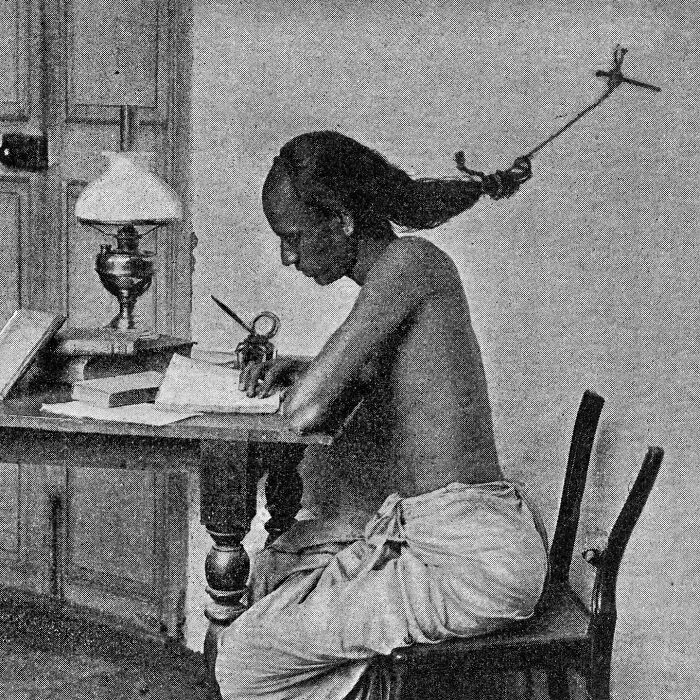
An Indian student studying at the University of Madras in Tamil Nadu, 1905. While studying late at night, students use to tie their hair to a nail in the wall to prevent themselves from falling asleep
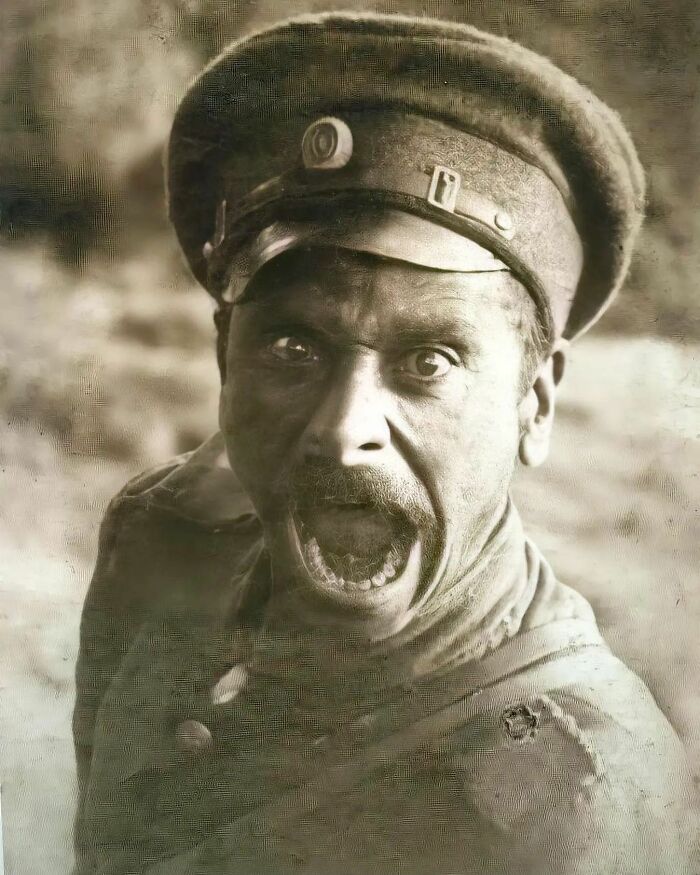
Bulgarian Soldier Giving His Best Battle Cry for the Camera, ca. 1916
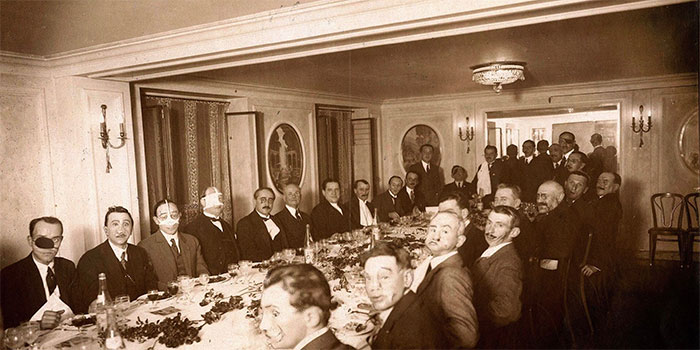
Dinner party for French soldiers with severe facial injuries received during WWI, taken by Henri Manuel in 1925.
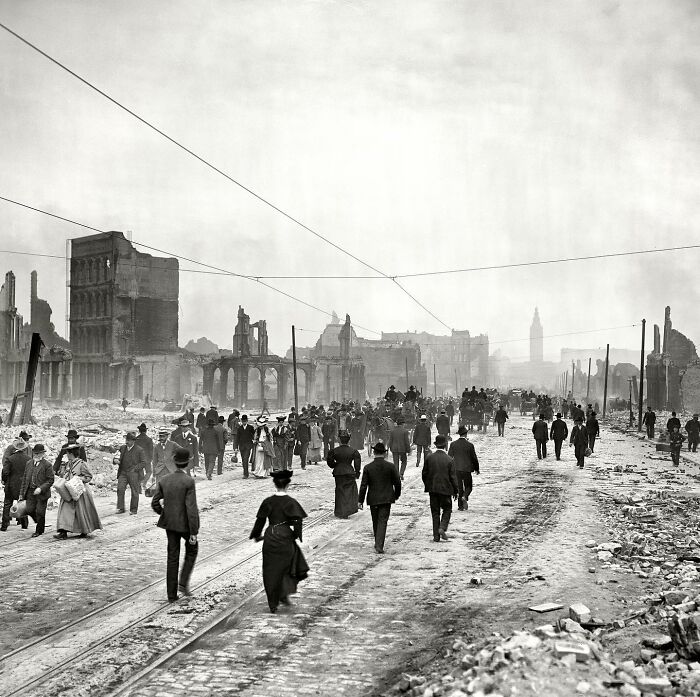
Large Group of People Walking Along Ruins of Market Street toward Ferry after Earthquake, San Francisco, California, USA, ca. 1906.
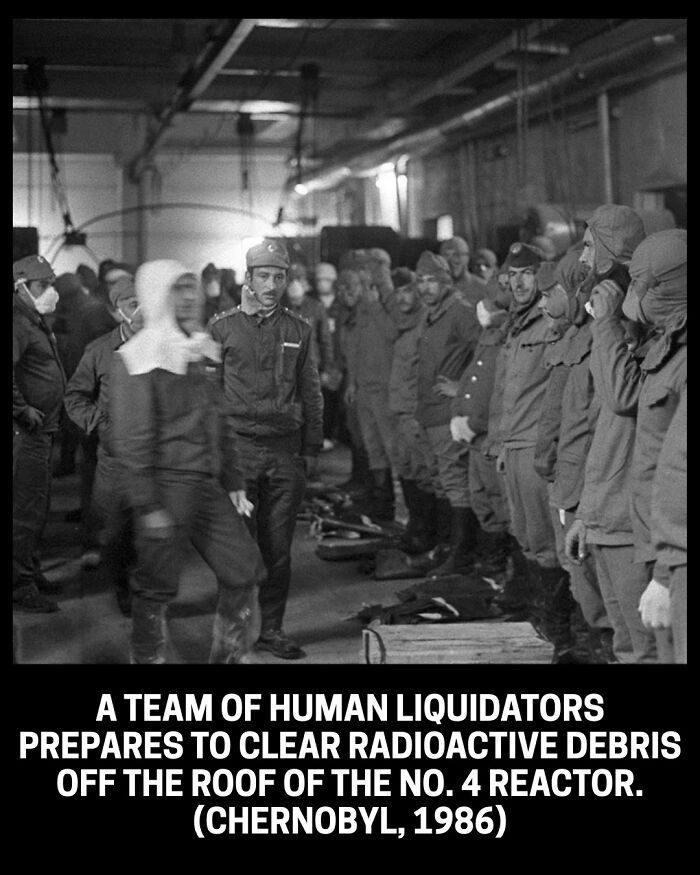
"Chernobyl liquidators were the civil and military personnel who were called upon to deal with the consequences of the 1986 Chernobyl nuclear disaster in the Soviet Union on the site of the event. The liquidators are widely credited with limiting both the immediate and long-term damage from the disaster. On the overall recruitment and human scale, it remains one of the largest man-made environmental clean up operations in modern history." (Chernobyl liquidators, Wikipedia)

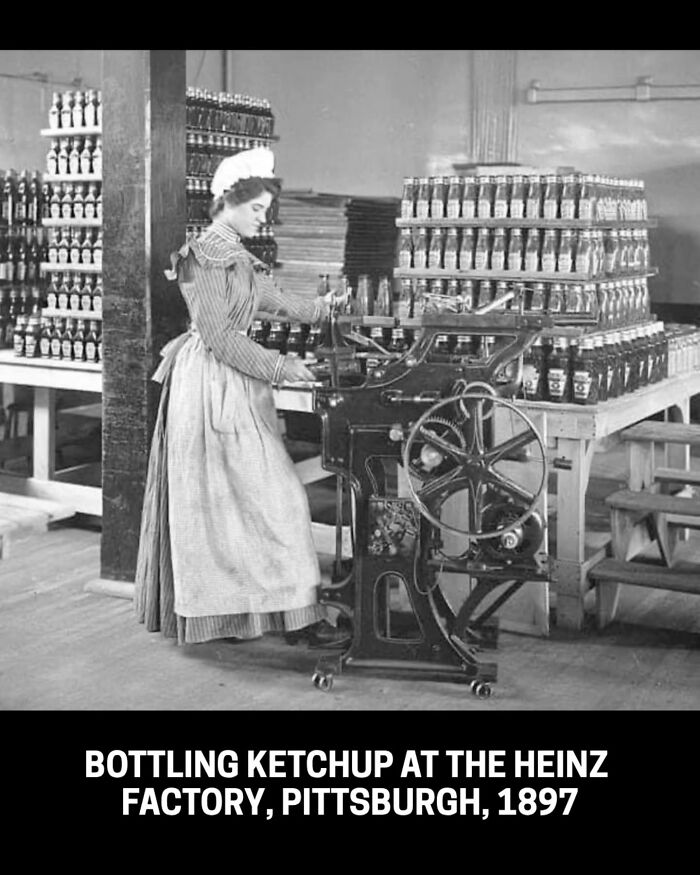
Canada used to have a Heinz factory in southwestern Ontario, as the tomatoes for the ketchup were grown there. Unfortunately in 2014, Heinz closed the facility as they moved their operations to the US. That's when most Canadians switched to French's ketchup as they brought the plant once owned by Heinz using the same tomatoes grown in the area.

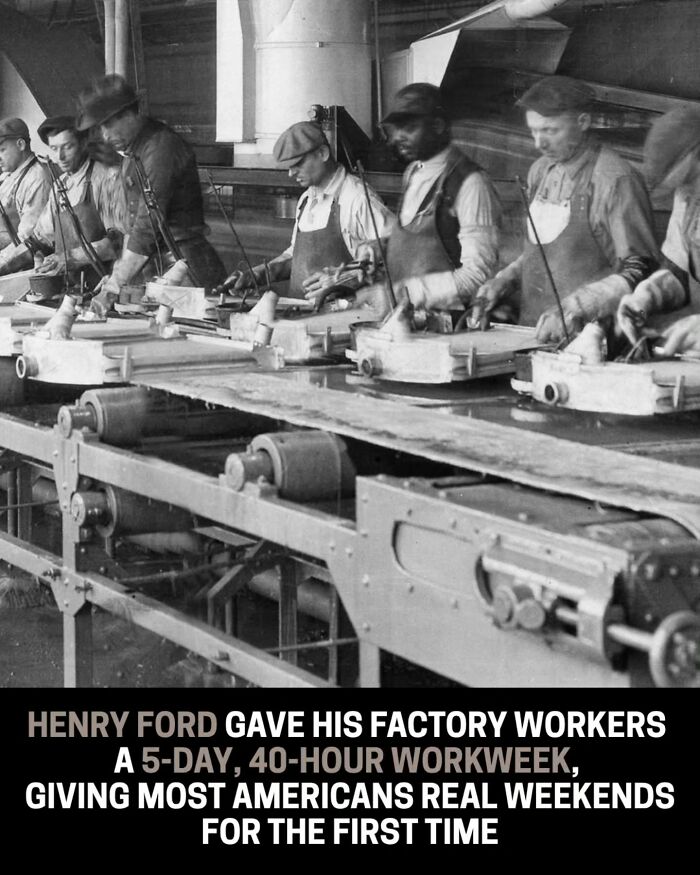
Ford also at one time priced his cars below construction cost, benefitting the consumer at the expense of the manufacturer.
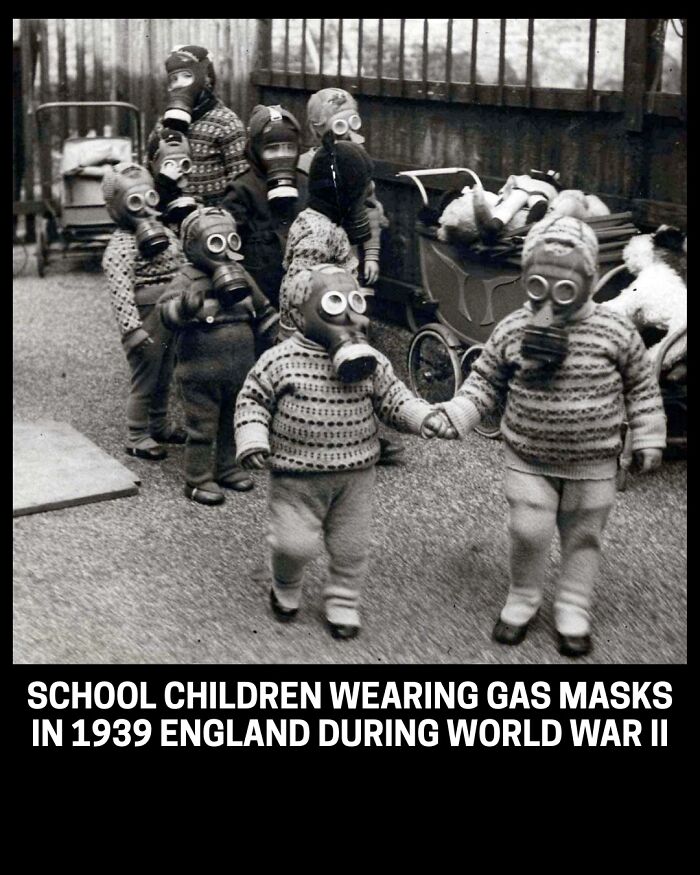
This photo was taken at an unnamed nursery school in London.
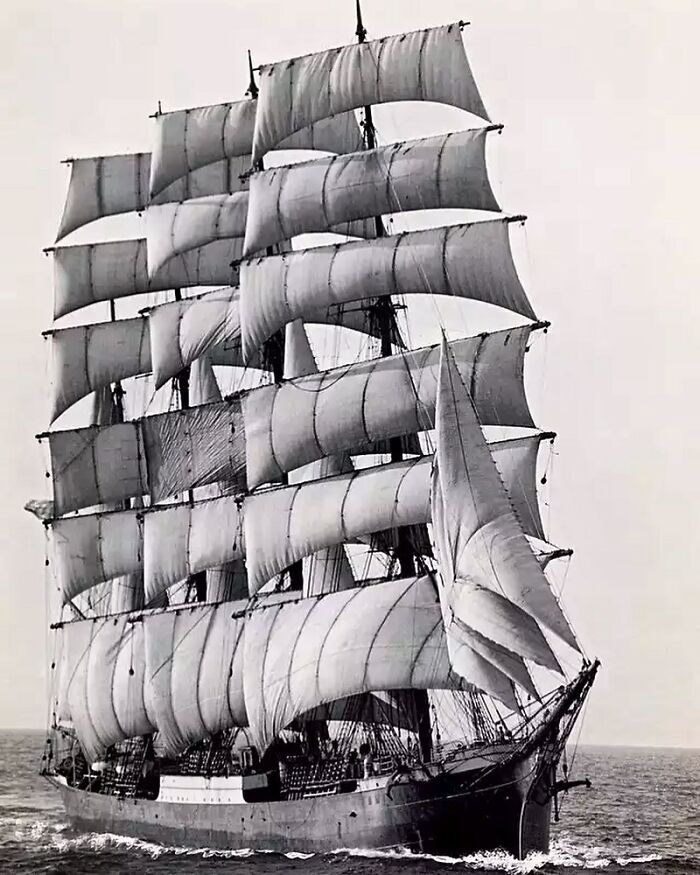
The world's last commercial ocean-going sailing ship - The Pamir - rounding Cape Horn, 1949
The Pamir was a four masted barque built in Hamburg, Germany in 1905, she was known as one of the famous "Flying P-Liners". She operated under German, Italian, Finnish and New Zealand flags throughout her history. She sank in the Atlantic Ocean, near the Azores, during Hurricane Carrie in 1957, with only 6 survivors of the 86 souls on board.
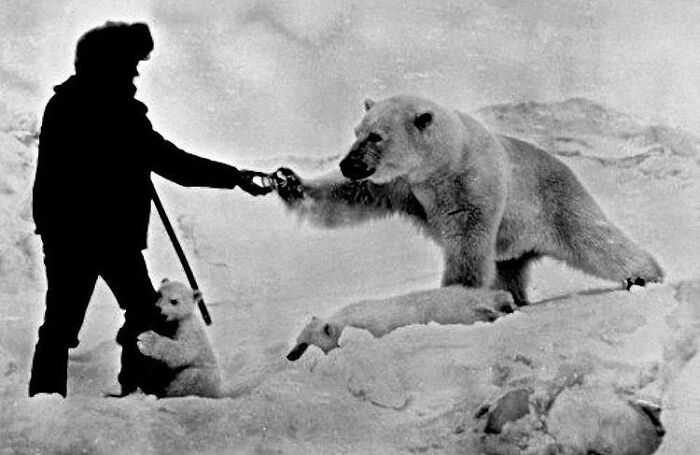
A man feeding a polar bear and her cubs with milk, Russia, ca. 1950.
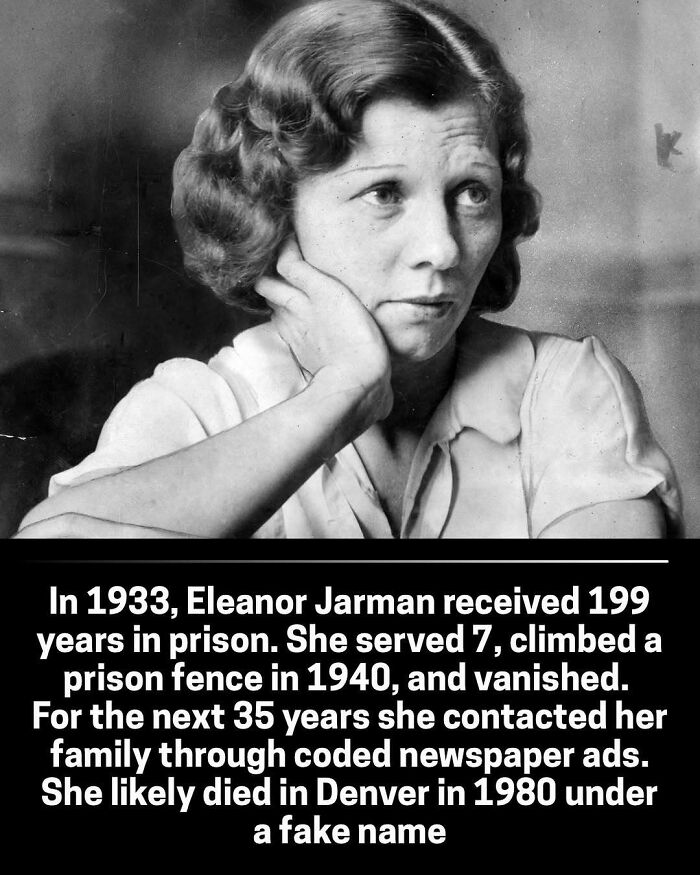
She robbed a store with boyfriend Dale and a 3rd accomplice. Dale "unalived" 80yr old shopkeeper. Bfriend sentenced to electric chair. Her and accomplice both rcvd 199 yr prison sentences.
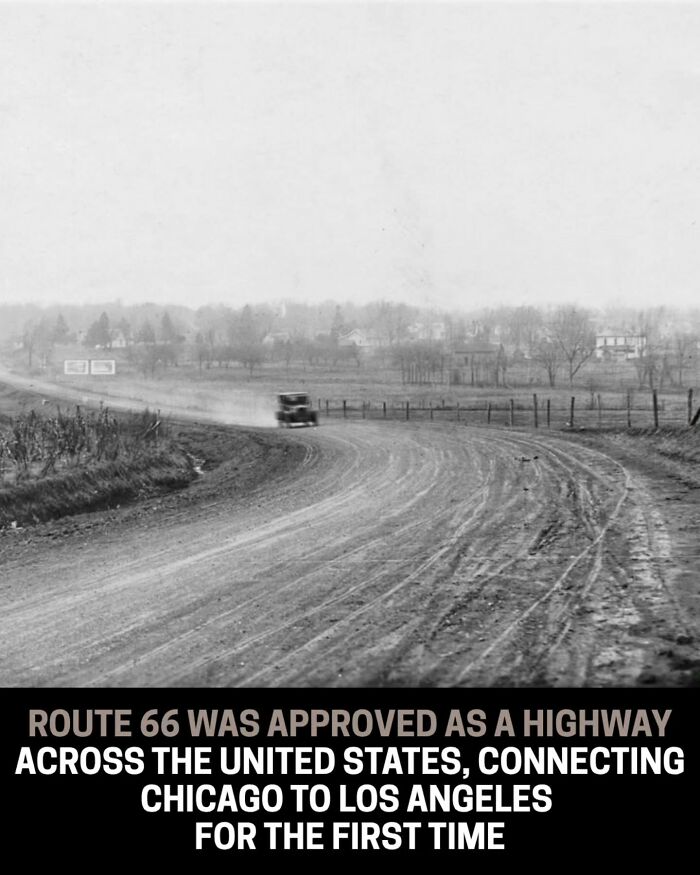
The photo actually shows an unfinished section near Lebanon, Missouri ~1926. Route 66 was formally approved in 1926 and was completed in1938.
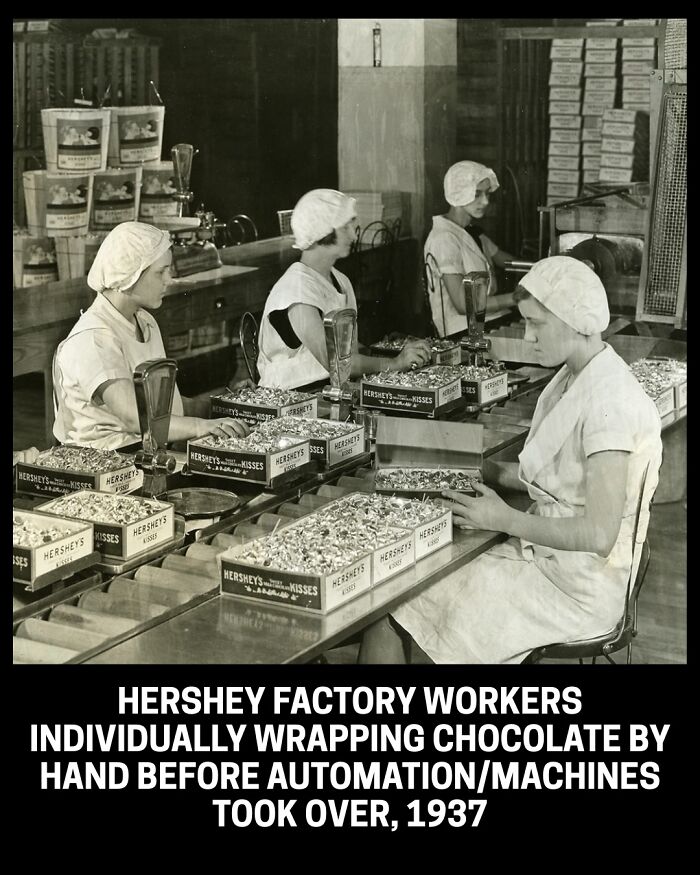
"[Hershey] created his own formula, and the first Hershey bar was produced in 1900." "The factory was in the center of a dairy farmland, but with Hershey's support, houses, businesses, churches and a transportation infrastructure accreted around the factory. The area around the factory eventually became known as the company town of Hershey, Pennsylvania. Hershey and his wife established the Hershey Industrial School with a deed of trust in 1909. In 1918, Hershey transferred the majority of his assets, including control of the company, to the Milton Hershey School Trust fund, to benefit the Hershey Industrial School. The trust fund has a majority of voting shares in the Hershey Company, allowing it to keep control of the company. In 1951, the school was renamed the Milton Hershey School. The Milton Hershey School Trust also has 100% control of Hershey Entertainment and Resorts Company, which owns the Hotel Hershey and Hersheypark, among other properties." (Milton S. Hershey, Wikipedia)
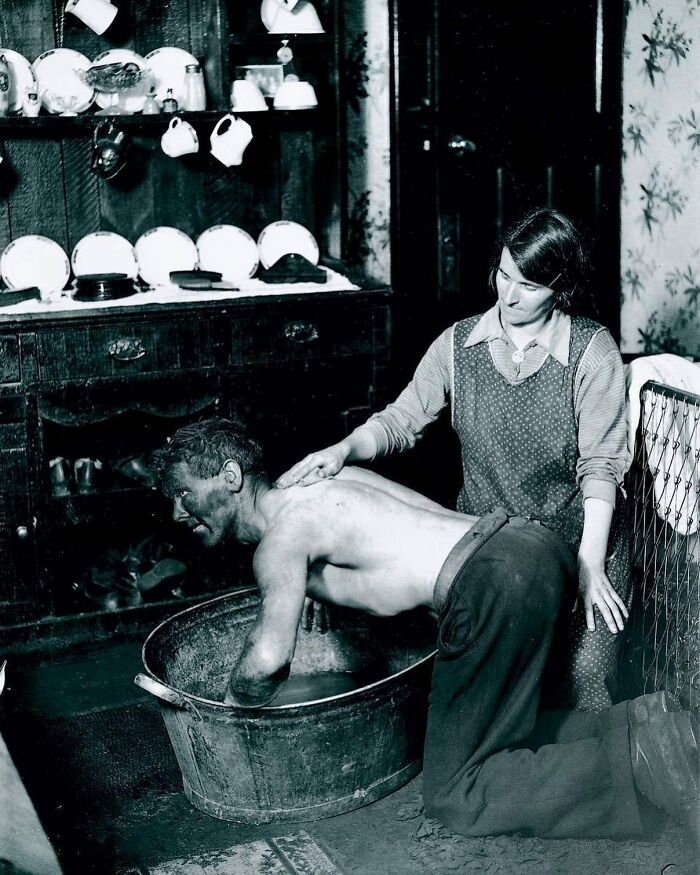
Welsh woman washing her mine-working husband in 1931.
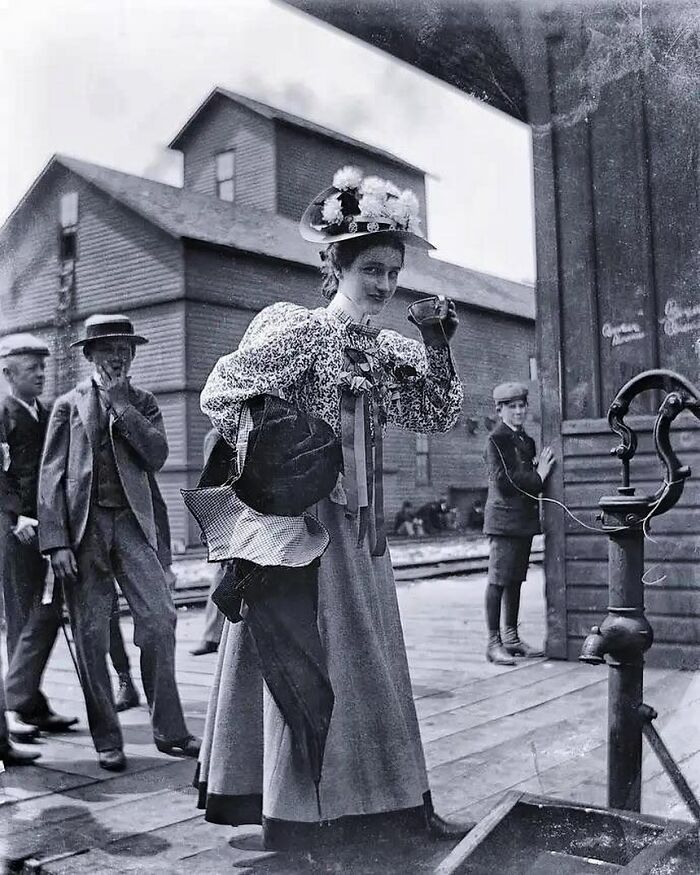
A woman drinks from a “common cup” attached to a water pump, Chicago, 1899. Note the reactions of the boys behind her.
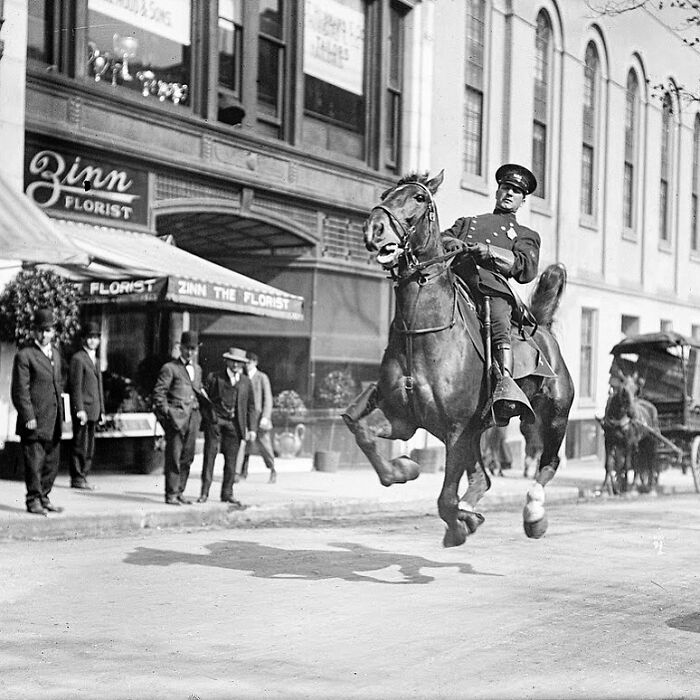
A horse mounted cop in action on Tremont Street, Boston, 1920.
Photo by Leslie Jones
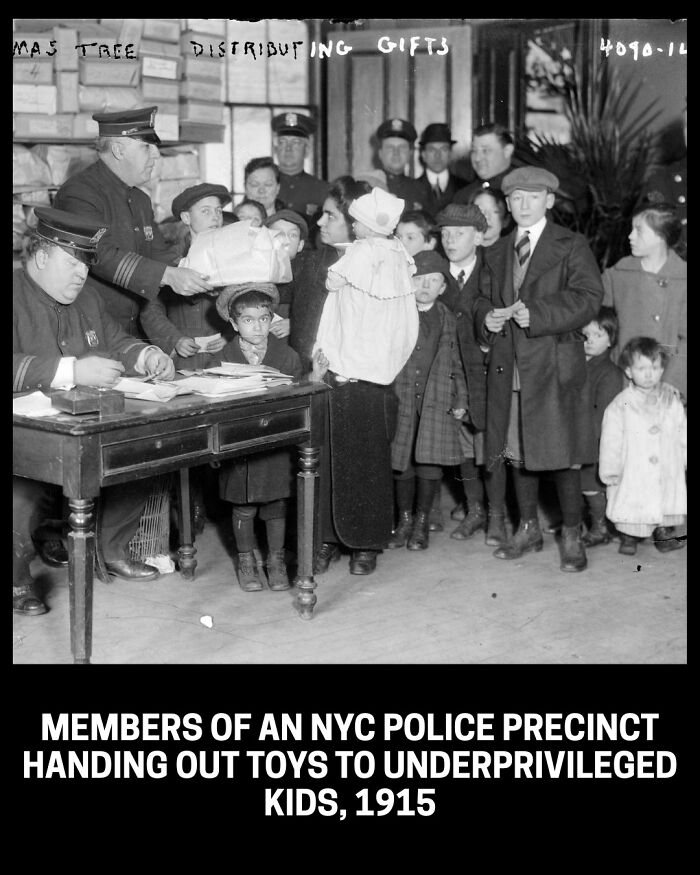
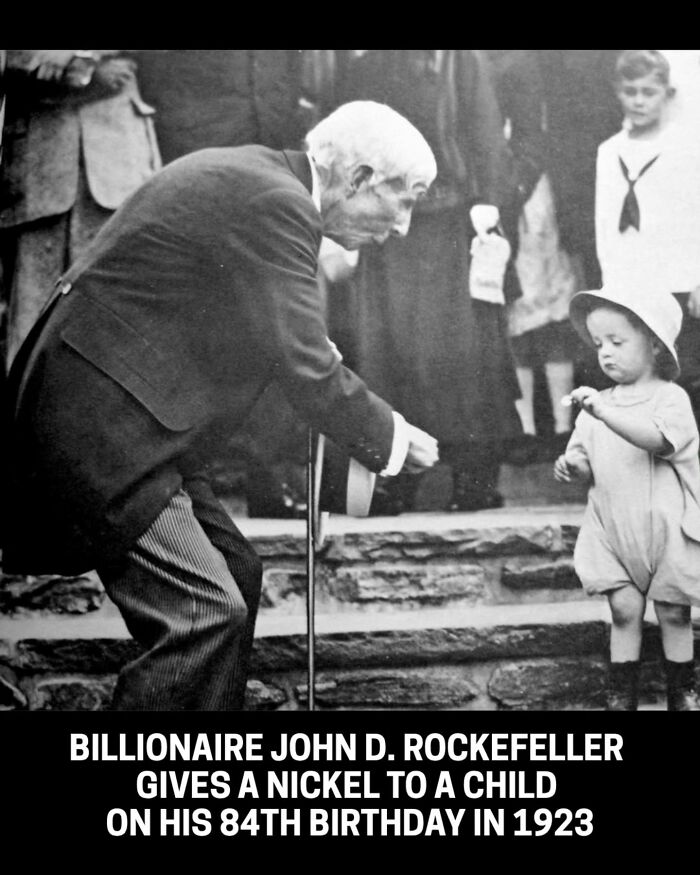
Google says thats comparable to $1 dollar today. Could have bought a loaf od bread back then. The kids face does not look impressed. I woulda been like "but sir, you are a billionaire haha" hopefully they got sweets/candies and a fun toy.
"Goddard's work as both theorist and engineer anticipated many of the developments that would make spaceflight possible. He has been called the man who ushered in the Space Age. Two of Goddard's 214 patented inventions, a multi-stage rocket (1914), and a liquid-fuel rocket (1914), were important milestones toward spaceflight." (Robert H. Goddard, Wikipedia)
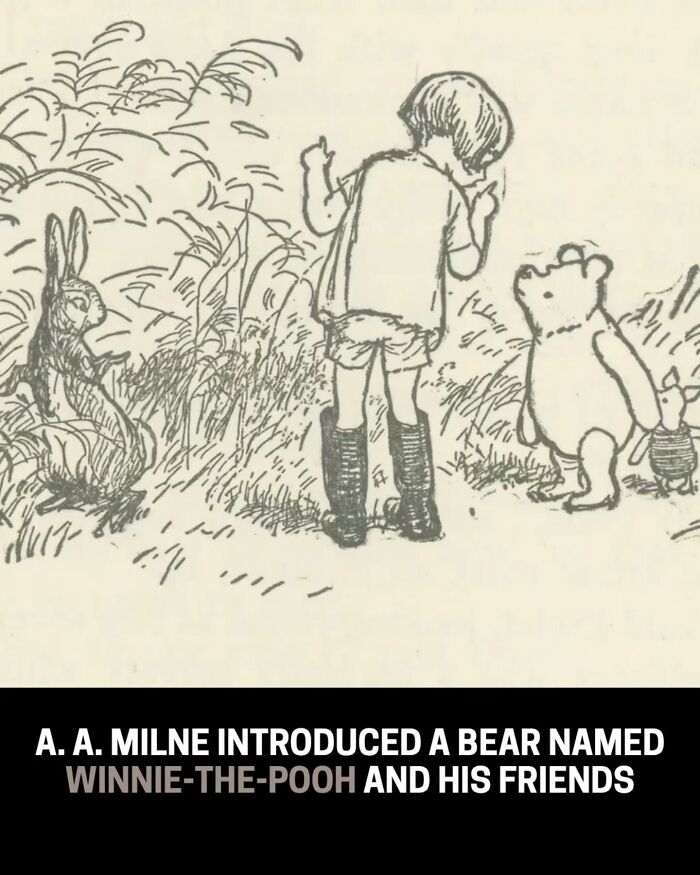
"A. A. Milne named the character Winnie-the-Pooh after a teddy bear owned by his son, Christopher Robin Milne, on whom the character Christopher Robin was based." "The rest of Christopher Milne's toys – Piglet, Eeyore, Kanga, Roo, and Tigger – were incorporated into Milne's stories" (Winnie-the-Pooh, Wikipedia)
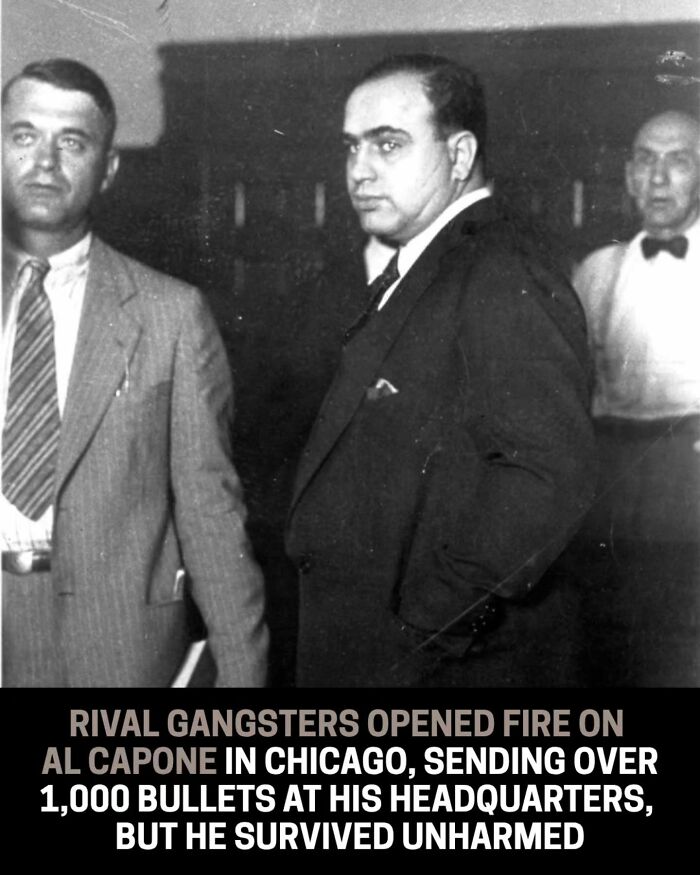
On September 20th 1926, the North Side Gáng, led by Hymie Weiss and George "Bugs" Moran, opened fire on the Hawthorne Hotel, Capone's stronghold, in Cicero, Illinois, in retaliation for the dêath of their former leader, Dean O'Banion. A convoy of up to10 vehicles drove slowly past the hotel, firing Tõmmy gûns, pîstols and shõtguns to systematically spray the front of the building and the first floor restaurant. Despite 1000ish rounds, only 4 people were injured, including a mother and her young son hit by glass, which threatened her eyesight. In what was seen as a PR move, Capone covered her medical costs at the best facilities.
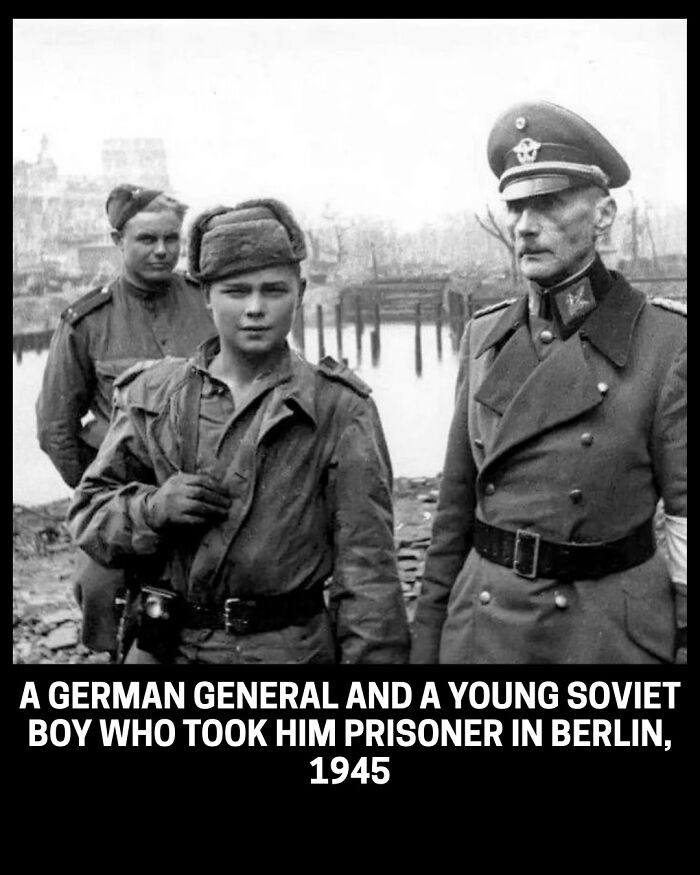
Major General Karl Emil Wrobel, chief medical officer of the Berlin Police, surrendering to Soviet Forces, May 2nd 1945 in Berlin when the city surrendered. The name of the Soviet soldier is unknown.
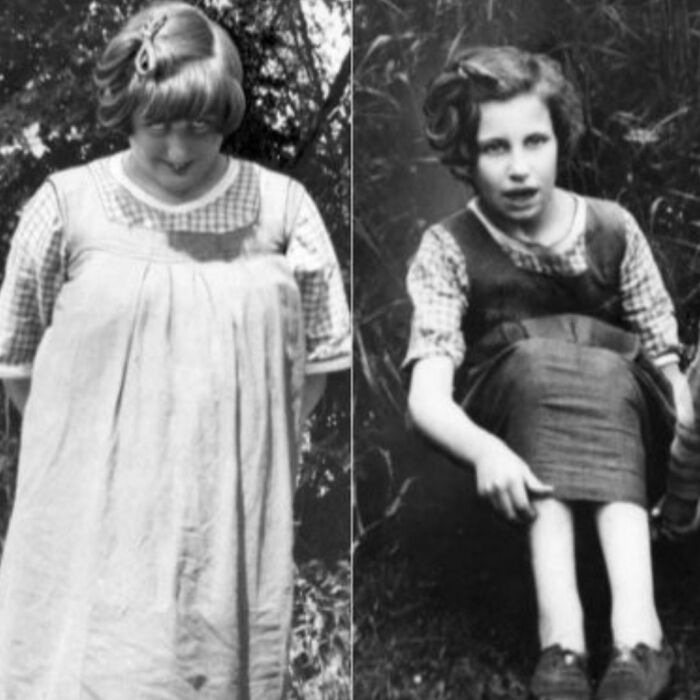
Queen Elizabeth II had two "hidden" cousins named Nerissa (left) and Katherine Bowes-Lyom (right) who were both born with severe learning disabilities.
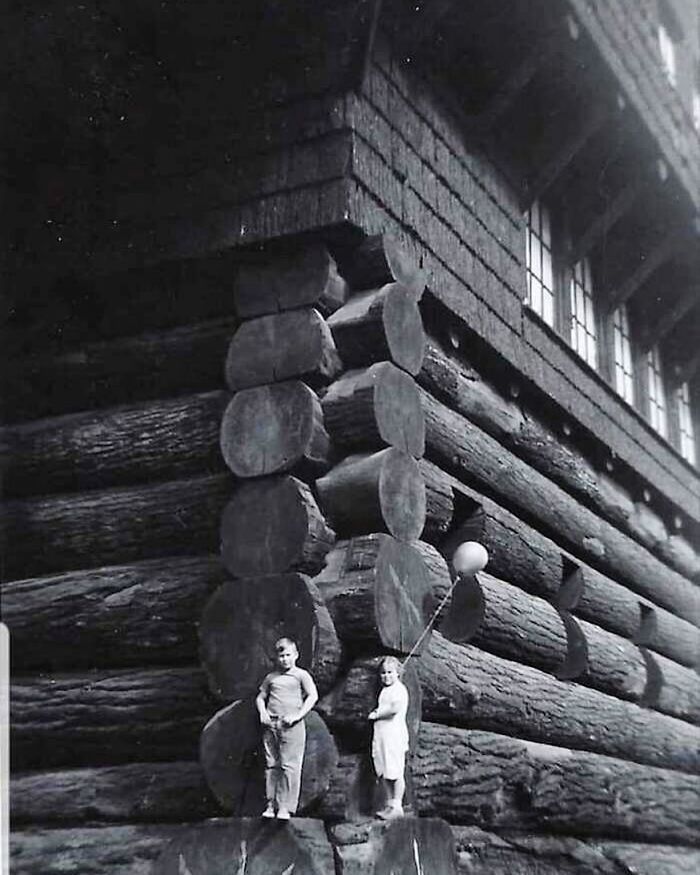
Children in front of the world’s largest log cabin in Portland, Oregon, USA 1938. Built In 1905 burned down In 1964
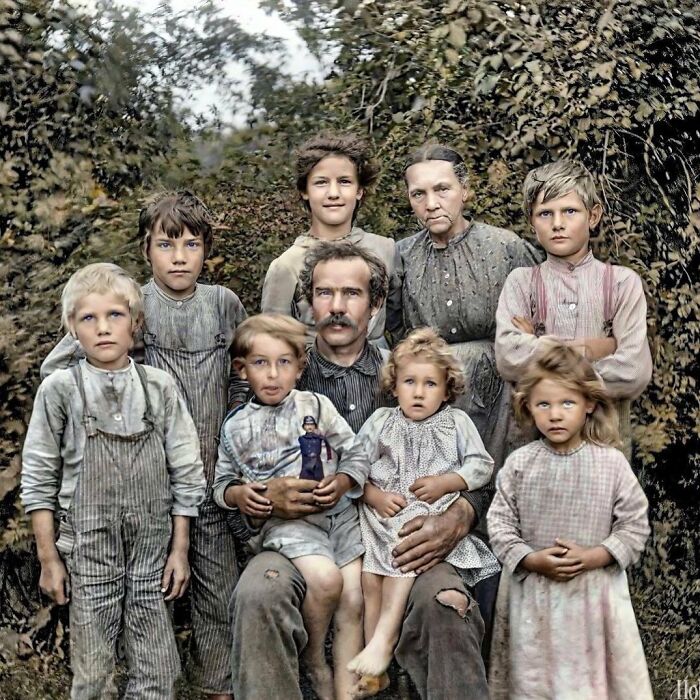
"Unidentified farm family near Springwater, New York. Circa 1910." (Instagram)
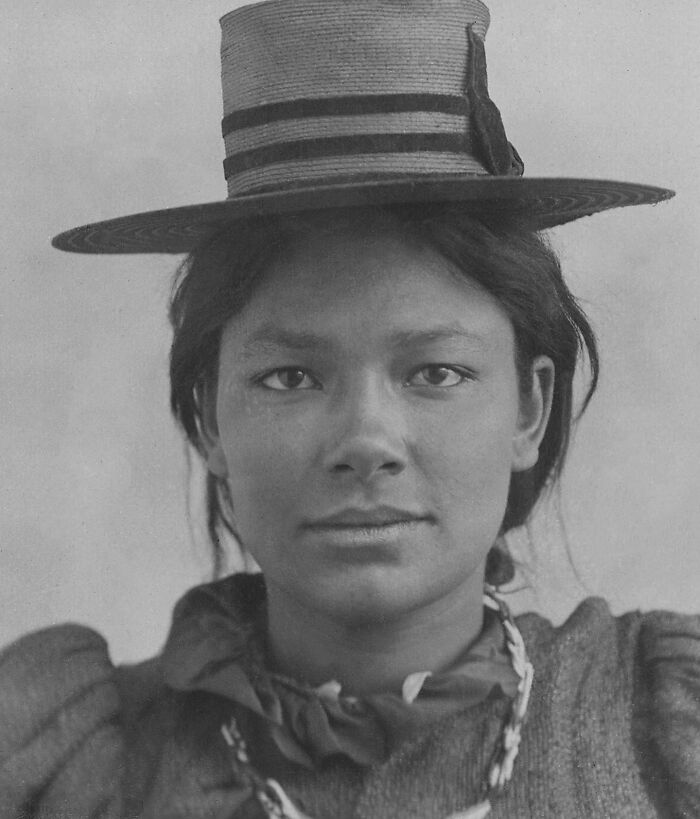
Here’s a mugshot of 21-year-old Mary Snowden, prisoner at Leavenworth Federal Penitentiary - Kansas, USA, 1900. Mary Snowden was sentenced to five years hard labor and costs in the federal penitentiary after she was convicted of attack with intent to end a life.
The 21-year-old had been married for just over a year when she became prisoner at Leavenworth. Mary probably had both Native American and African American ancestry. It is believed Mary died in 1908 from sustained injuries after she was shot in her thigh during an altercation with a jealous, drunken lover named Bub Williams
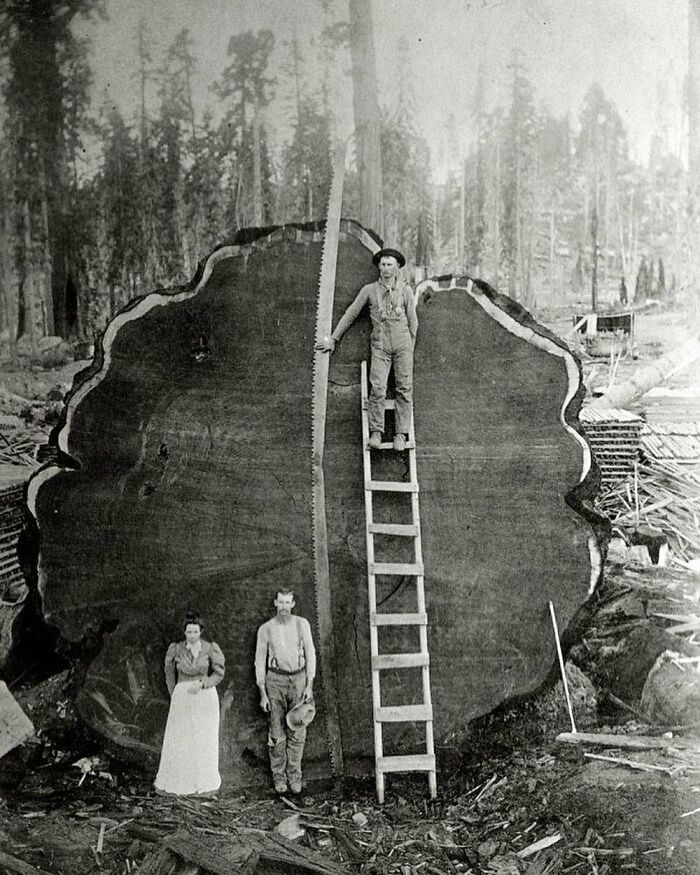
Here’s a 1,342 year-old sequoia tree nicknamed "Mark Twain" that was felled in 1891 after a team of two men spent 13 days sawing it in the Pacific Northwest.
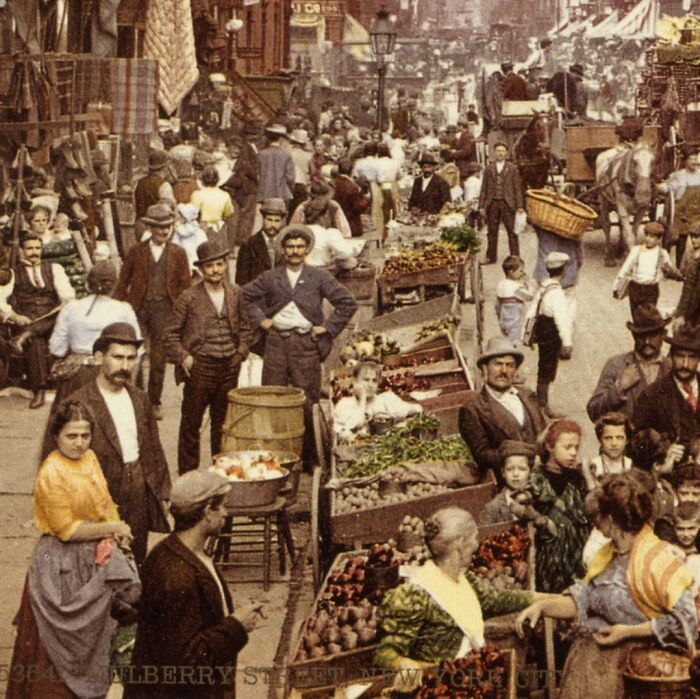
Mulberry Street, Manhattan, 1900.
Mulberry Street was at the very center of Manhattan’s Little Italy, an ethnic neighborhood that followed the mass immigration of Italians to New York after the 1880s.
This scene, shot in 1900, shows something of the breadth of activity of Little Italy: vegetable stalls; barefooted children; shoe; boot and clothing merchants; a wagon of barrels and sacks; furniture removal men and blankets; quilts and rugs left out to air (or to sell).
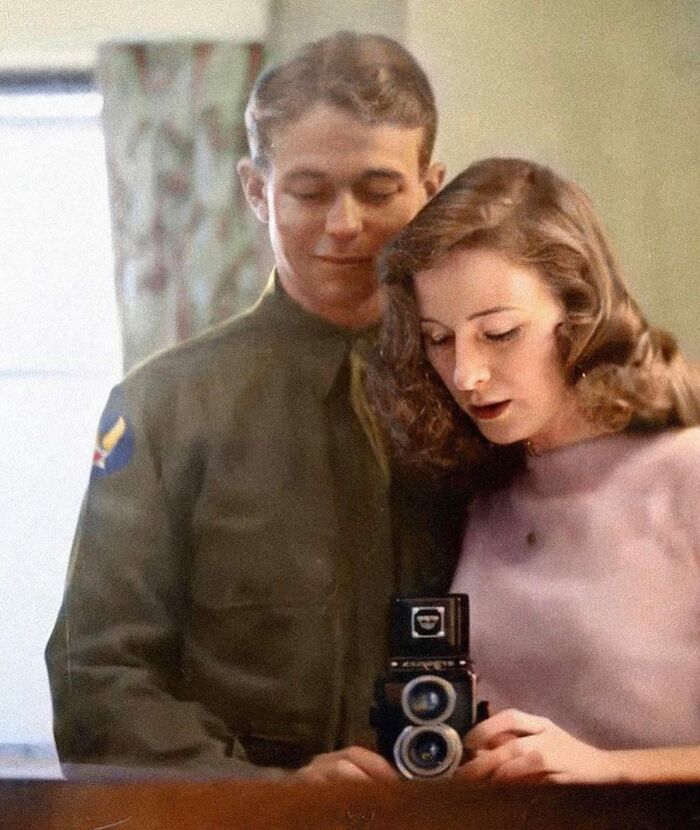
Wartime selfie, 1944.
This is U.S. Army Forces 2nd Lieutenant Quentin C. Aanenson with his girlfriend Jacqueline Greer before being sent off to WW2.
A man browses for books in the old Public library of Cincinnati. The building was demolished in 1955. Today an office building and a parking lot stand where it used to be.
Mugshot of Josip Broz Tito, President of Yugoslavia from 1953 to 1980, after he was arrested in 1928 for communist activities.
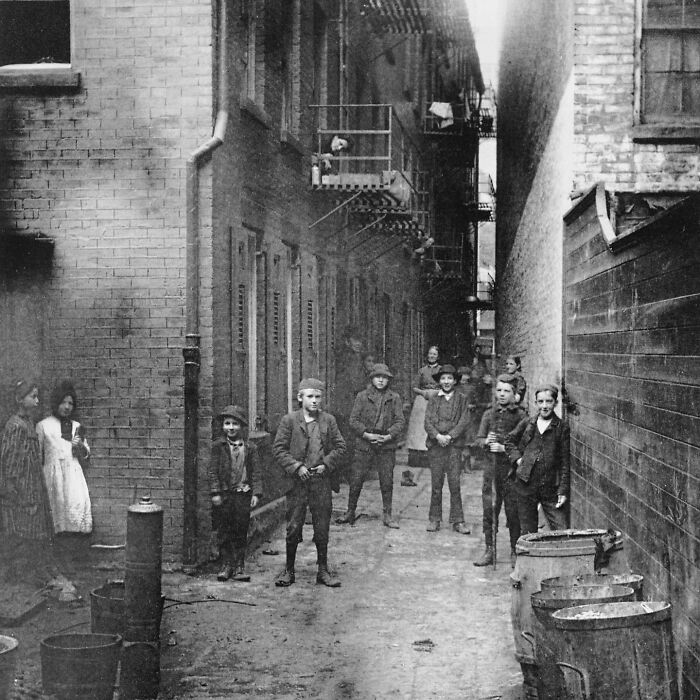
Children stand in Mullen’s Alley, 1888.
Photo by Jacob Riis
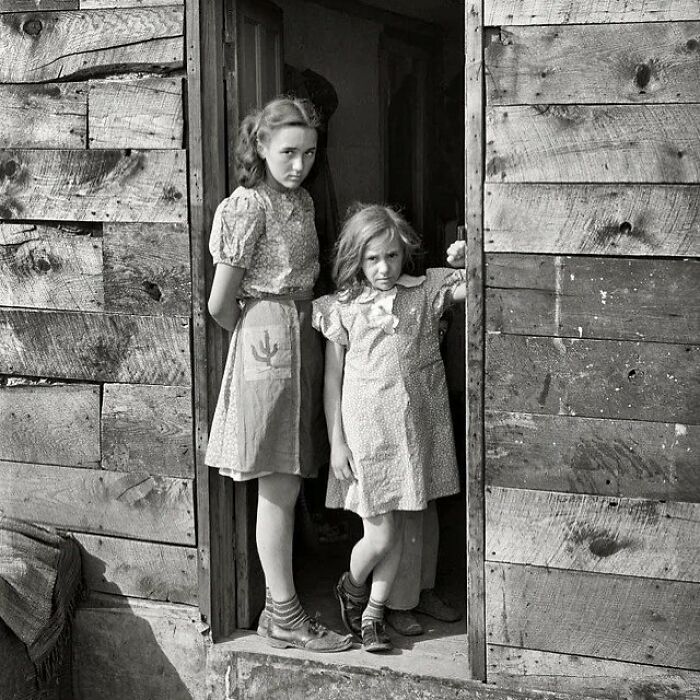
"Children living in shacktown along Mississippi River bottom. Dubuque, Iowa." April 1940.
My parents lived for a while in Cassville, WI, about 40 miles from Dubuque. Cassville was an...interesting little town. I believe at the time my brothers graduated from the high school there, they were the only two in an advanced math class. No foreign languages were offered. My mom said if a person left their front curtains closed during the day, neighbors gossiped about what might be going on inside. And in a cafe and/or restaurant, servers said they wouldn't refuse to service to a black person, but they'd throw out the glasses they drank from. This was in the late 70s.
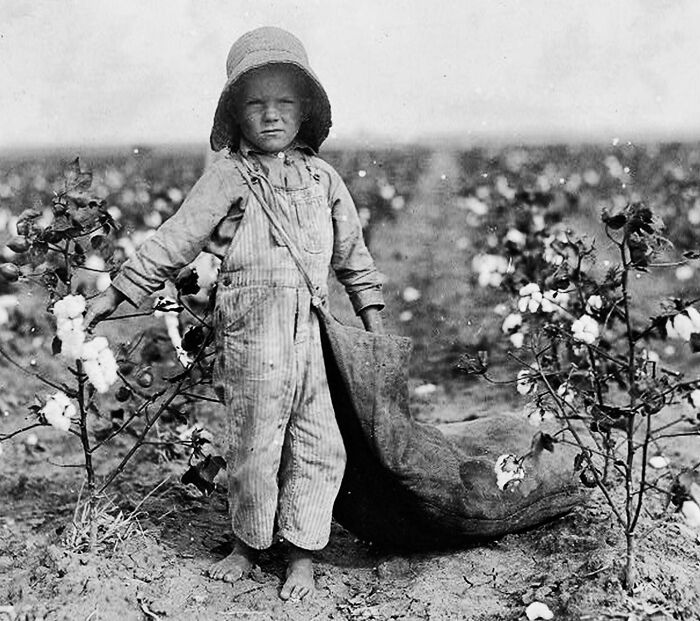
5-year-old Harold Walker picks 20 to 25 pounds of cotton a day, Oklahoma, 1916.
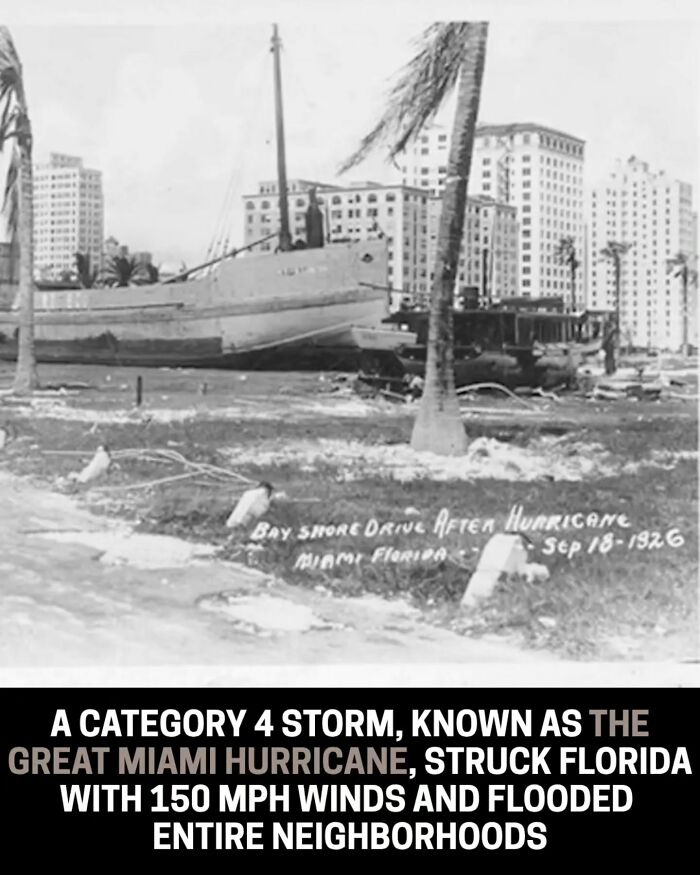
The Great Miami Hurricane made landfall on September 18th 1926. The Category 4 storm had sustained wind speeds 138 and 150mph. It left catastrophic damage, took nearly 400 lives and brought an end to the Florida land boom of the 1920s.
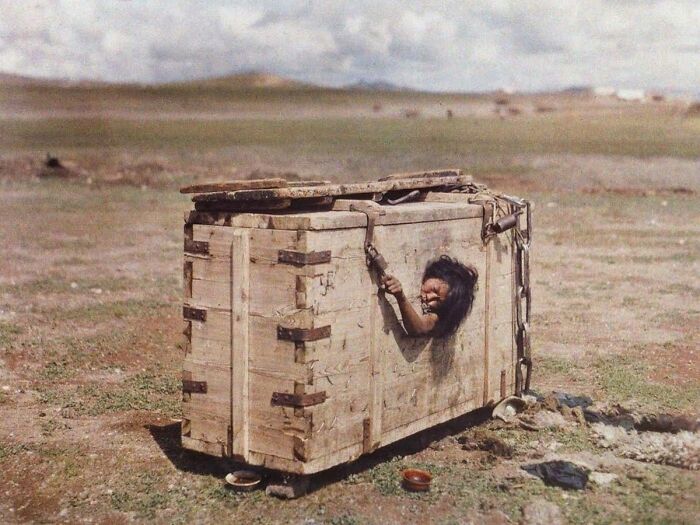
A women is held captive in a wooden crate and left to die of starvation in a remote desert in Mongolia, 1913. It was capital punishment for committing adultery
This is somewhat erroneous because the woman's crime was not known, nor was her fate, and she wasn't "left to d1e in a remote desert." From what I can find, these wooden crates were typical as prison cells in Mongolia and crimes varied from theft to political activism to homic1de, with sentences from a few weeks to life.
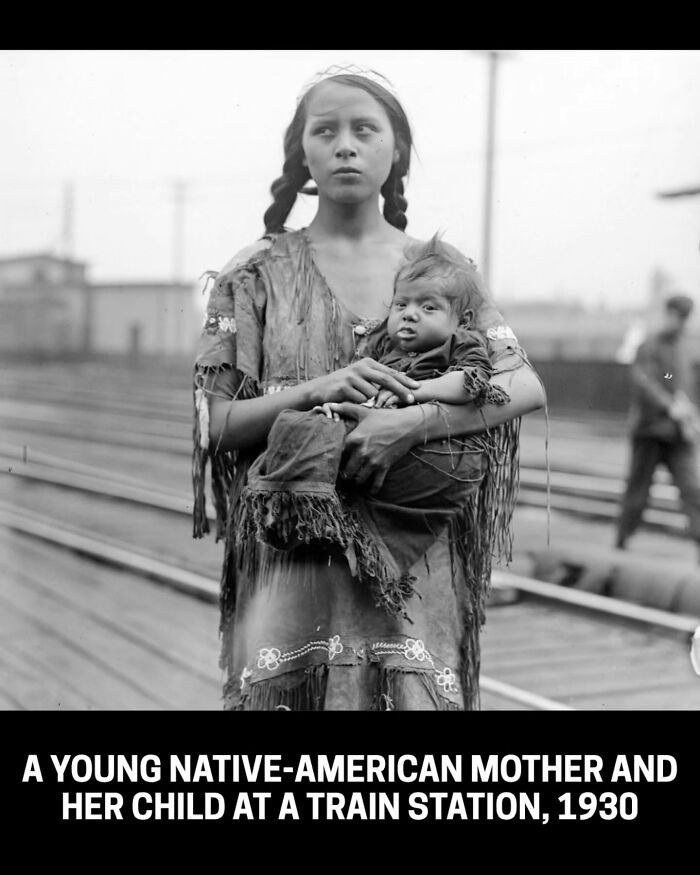
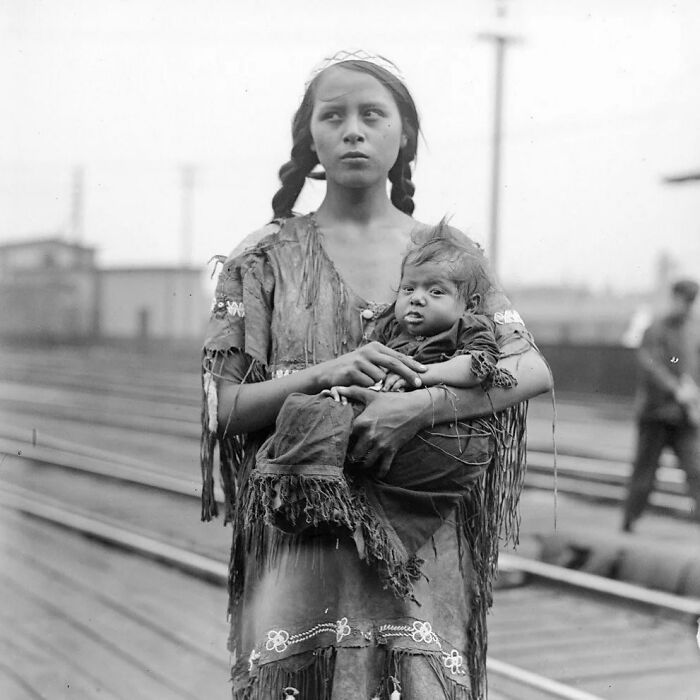
A young Native-American mother and child, train station c.1930.
Photo taken by Leslie Jones, a photojournalist for the Boston Herald-Traveler.
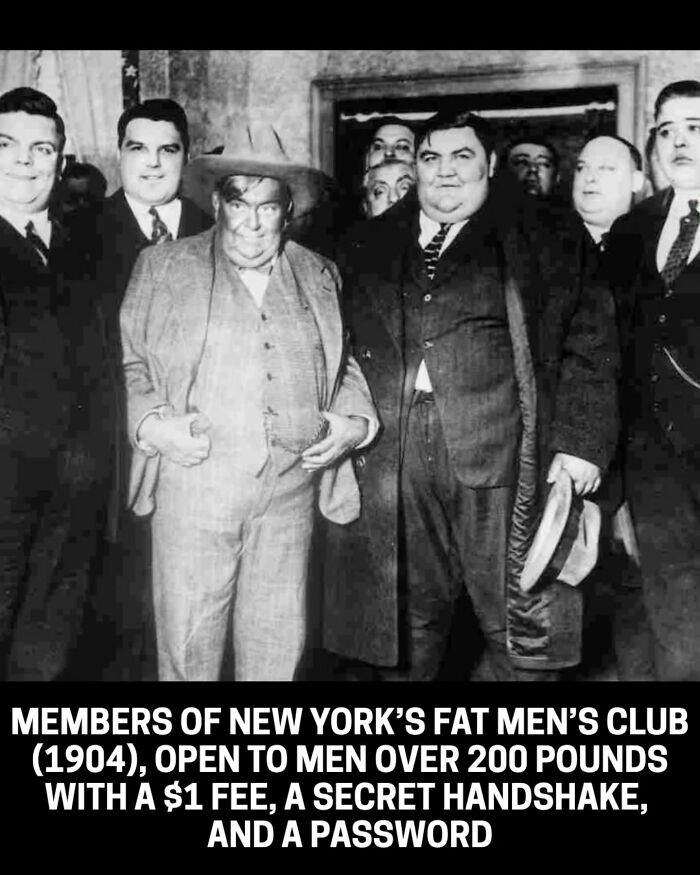
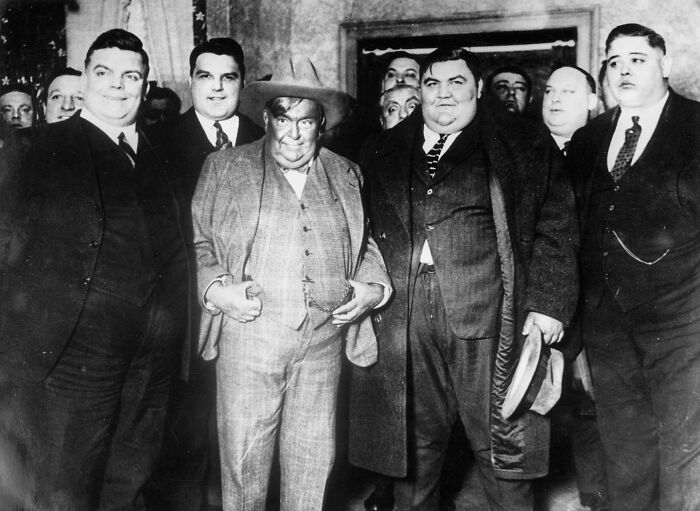
These are members of the Fat Men's Club of NY (1904). Members had to be at least 200 pounds, pay a $1 fee to enter and learn a secret handshake and password.
Fat men’s club declined in the 20th century as male obesity transitioned to being perceived as a primarily negative trait.








































 No fees, cancel anytime