Get Premium
Dark mode theme is available exclusively for premium users. Learn more about the benefits of subscribing.
No fees, cancel anytime.

 Dark Mode Ad-Free Browsing Unlimited Content
 Ad-Free Browsing Unlimited Content Dark Mode
Join 1.2 million Panda readers who get the best art, memes, and fun stories every week!
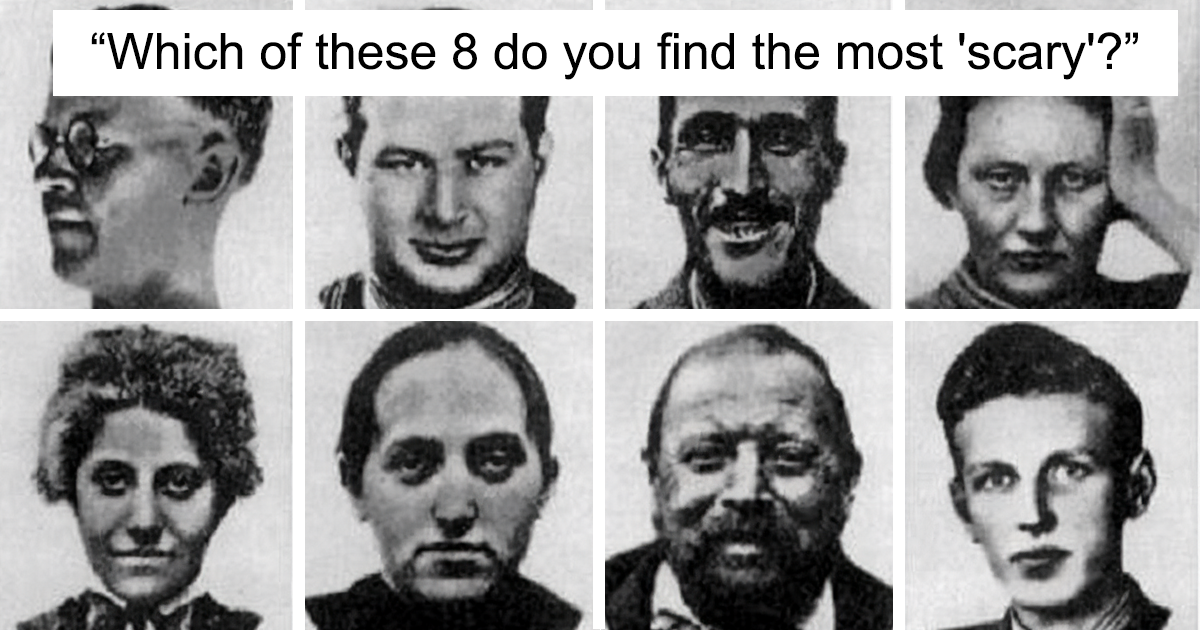
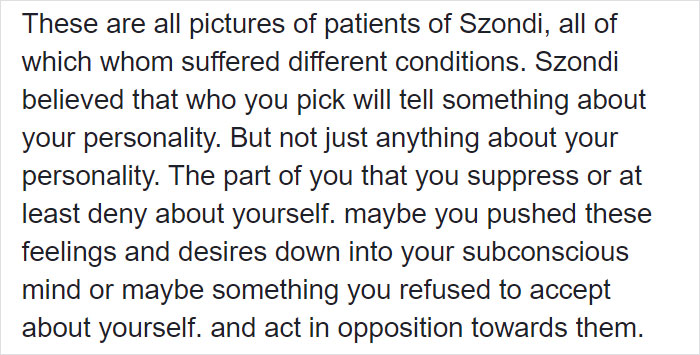
In the 20th century, Hungarian psychiatrist Léopold Szondi developed a test to reveal a person’s unconscious thoughts, desires, and impulses. The psychiatrist believed that people are attracted to those who are similar to them. Thus, he created a projective psychological personality test called the Szondi test.
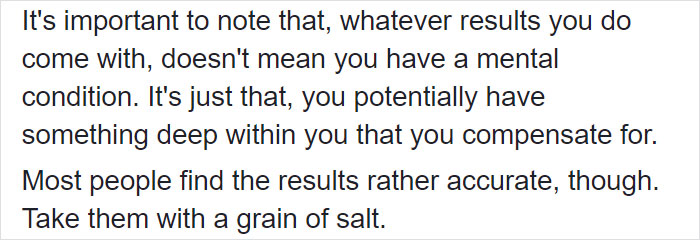
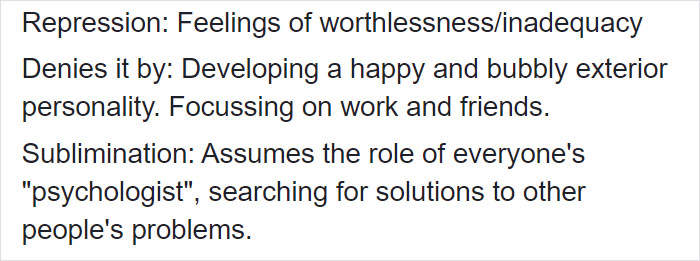
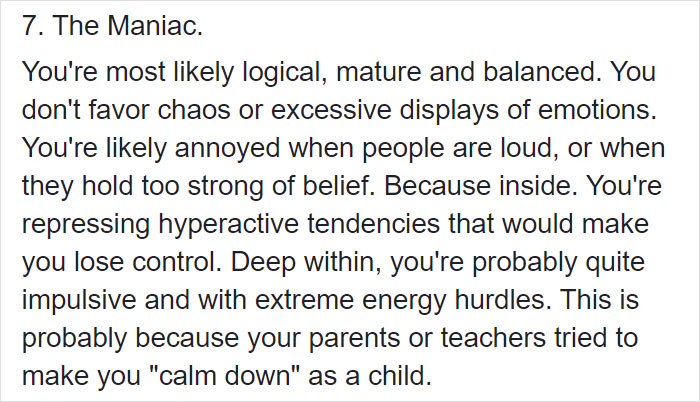
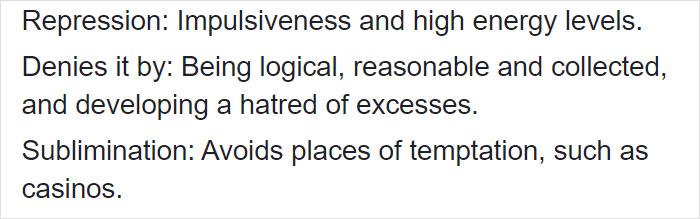
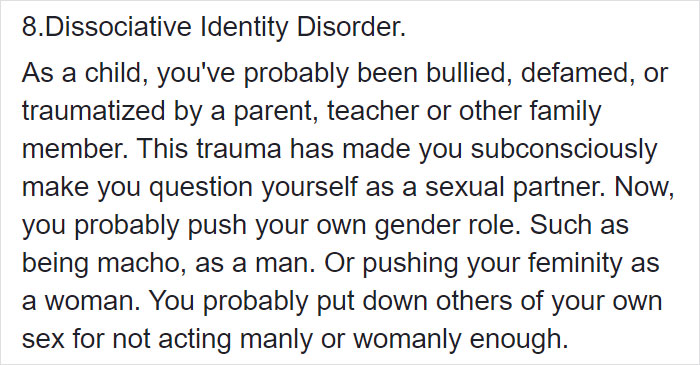
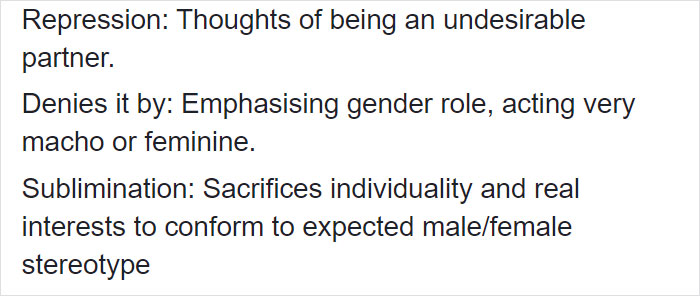
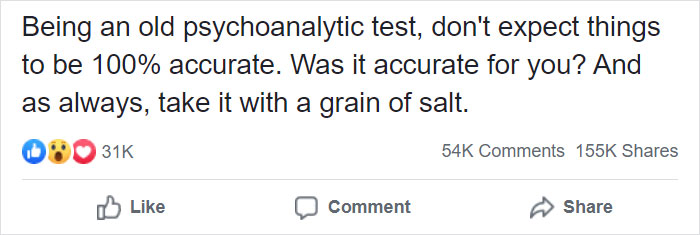
Recently, after a Facebook user named Junji Noe posted a shortened version of the psychology text with pictures, it quickly went viral, with thousands of people showing their curiosity about their hidden personality traits. While the test can undeniably pose some interesting results about different personalities, it is recommended not to take the Szondi test at face value, as it lacks a scientific basis.
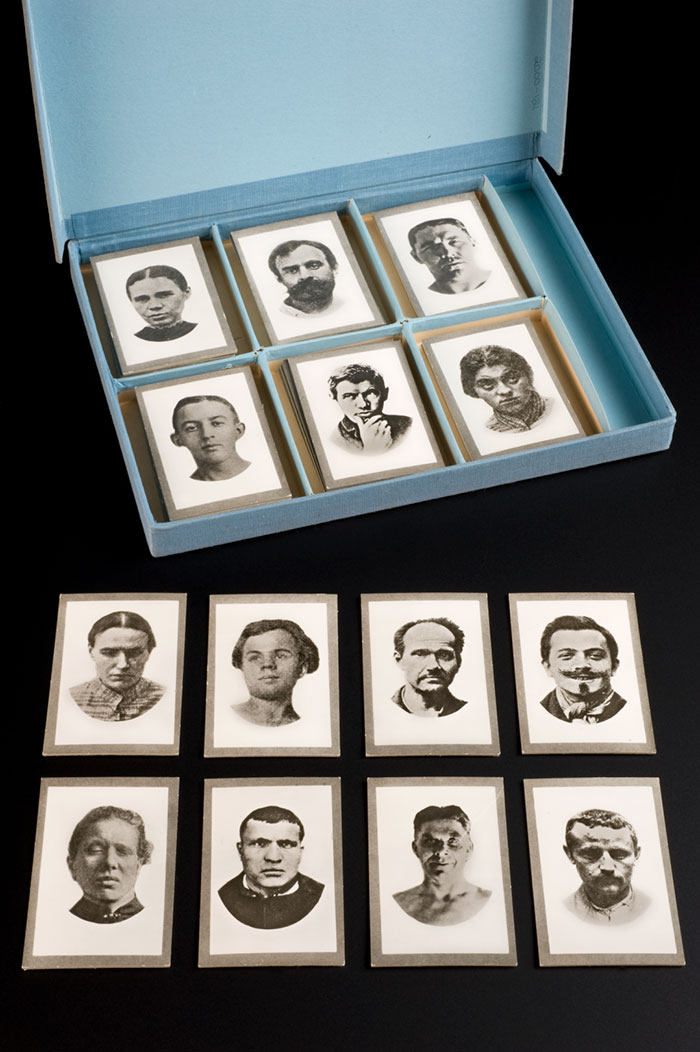
Image credits: sciencemuseum.org.uk
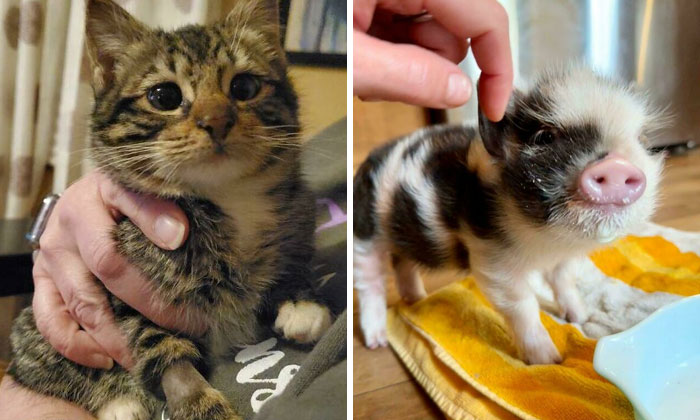
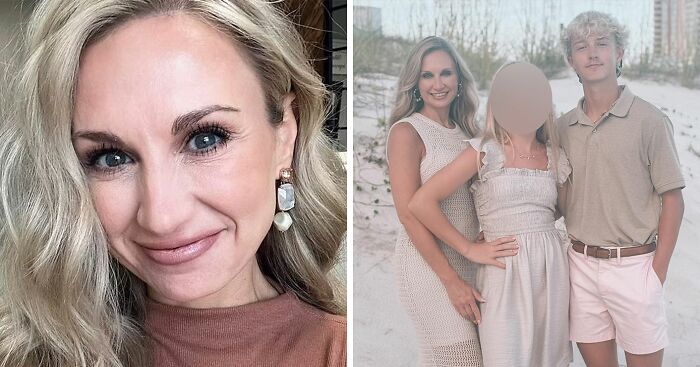
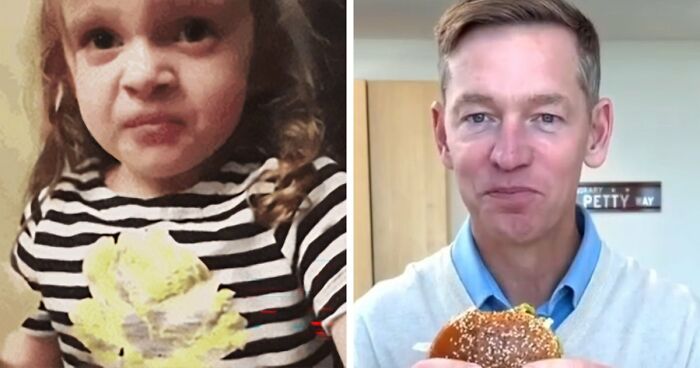
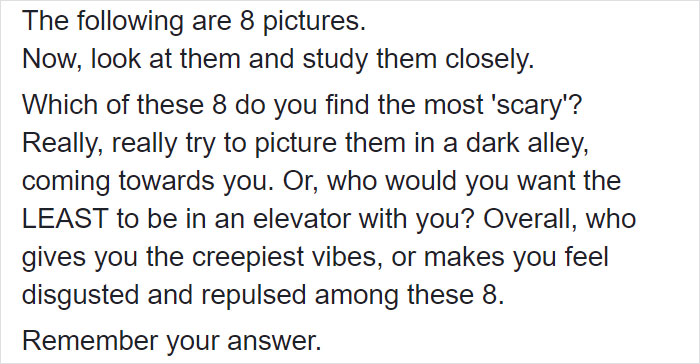
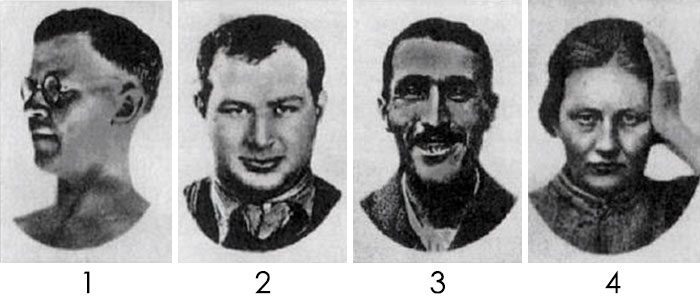
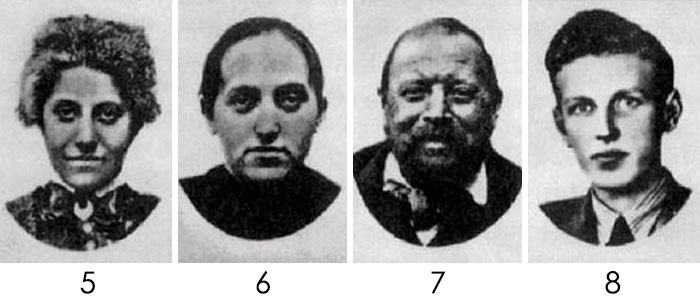
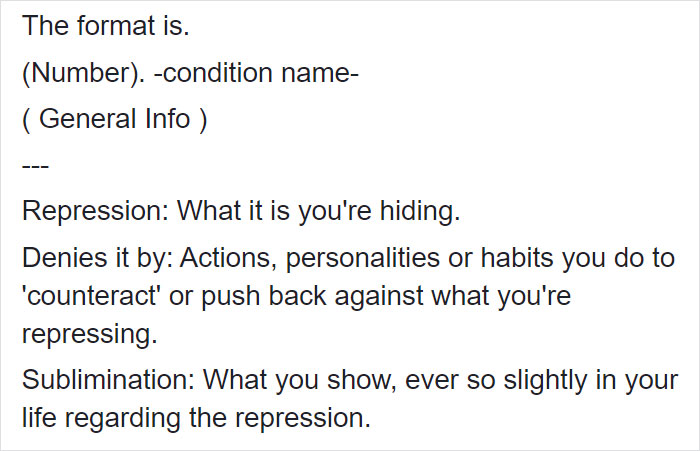
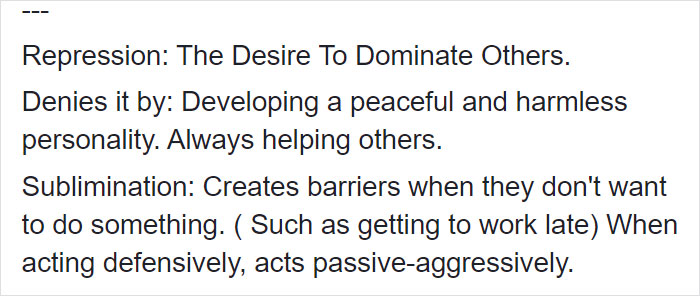
The Szondi test involves showing the examinee a series of headshots taken of people who suffered from various mental disorders. The examinee is then asked to pick out the two most appealing and two most repulsive photos of them all.
The choice was then analyzed and could supposedly give insight into parts of the examinee’s personality that they were satisfied with and dissatisfied with. Back then, the psychological test with pictures included six photos of each of the eight main groups, with a total of 48 photos. The psychology test pictures were chosen from psychiatric books published around 1900.
However, this psychology test with pictures was later dismissed, with other psychologists stating that an individual’s physical appearance cannot be a good signifier of their mental health. Despite not being commonly used today, the Szondi test still bugs people’s minds.
The Szondi test online version (or the original version) is not scientifically based, and its accuracy is highly questionable. However, there definitely are personality tests that can be trusted to give you a fair briefing of your character.
The most trusted personality test is known as The Big Five personality test and is widely considered to be the most scientifically accurate test. The test is based on five key personality dimensions—openness, conscientiousness, extraversion, agreeableness, and neuroticism—that determine the core of our individual personality makeup.
The test requires the testee to answer sixty questions, and once they are done, a short brief is given to them with a pretty accurate personality description. The description falls into one of the “types.” And if you’re curious about your own personality type, you can always take The Big Five test online.
643Kviews
Share on Facebook

Then ALL of them apply to you, as you must be scarier than any of them ;)
Load More Replies...

Maybe but some companies in Hungary using this test when someone applies to a job.
Load More Replies... Then ALL of them apply to you, as you must be scarier than any of them ;)
Load More Replies... Maybe but some companies in Hungary using this test when someone applies to a job.
Load More Replies...


 No fees, cancel anytime


















273
174