Get Premium
Dark mode theme is available exclusively for premium users. Learn more about the benefits of subscribing.
No fees, cancel anytime.

 Dark Mode Ad-Free Browsing Unlimited Content
 Ad-Free Browsing Unlimited Content Dark Mode
Join 1.2 million Panda readers who get the best art, memes, and fun stories every week!
Over time, the idea of what’s considered “pretty” has shifted dramatically, mirroring the aesthetics of each era.
From the size-zero craze that ruled the 1990s magazine covers to the 2010s body positivity movement that embraced all shapes and sizes, “pretty” has always been a loaded term.
But here’s the twist: even though beauty standards evolve, one thing remains constant: pretty privilege.
It’s a subtle yet powerful social bias that operates under the radar, influencing everything from job prospects to personal interactions through invisible waves of favoritism and exclusion.
This is a story about our society’s silent currency, which shapes our lives in profound and often unspoken ways.
Pretty privilege is essentially an unearned advantage granted to individuals who align with conventional beauty standards.
In simple terms, it means that people who are seen as attractive often receive better treatment and more opportunities, not because of their talent or character, but because of how they look.
These benefits aren’t just surface-level; they cut across social and professional realms.
On dating apps like Hinge and Bumble, attractive users often receive a flood of matches, while others are left doom-scrolling for crumbs of attention.
In the workplace, an attractive employee might be offered a raise or promotion more readily, simply because their appearance makes them seem likable or competent.
Like tension in a dysfunctional family, pretty privilege tends to fly under the radar and is there even if no one talks about it.
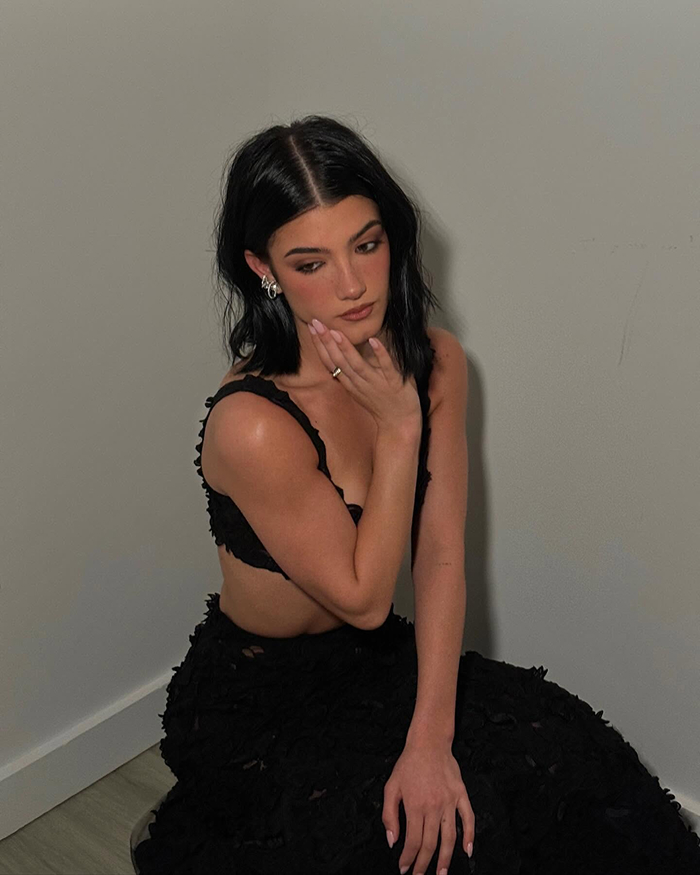
Image credits: Instagram / charlidamelio
However, the belief that beauty equates to success has only grown stronger in the age of influencers and algorithm-driven content.
Social media platforms continually reinforce narrow and often unattainable ideals of beauty, reel after reel.
Today, pretty privilege is much more than just an overlooked norm.
Pretty privilege isn’t just a gut feeling, but a reality supported by extensive psychological research. Economists and psychologists have studied how beauty bias influences our perceptions and decisions for years.
One notable example is a 2021 study in the Journal of Nonverbal Behavior. The research revealed that people viewed attractive individuals as having more moral qualities than their less attractive counterparts.
Psychologist Mark Travers attributes this to the halo effect, a cognitive bias in which someone seen positively in one area is assumed to have unrelated positive traits, regardless of actual evidence (via Forbes).
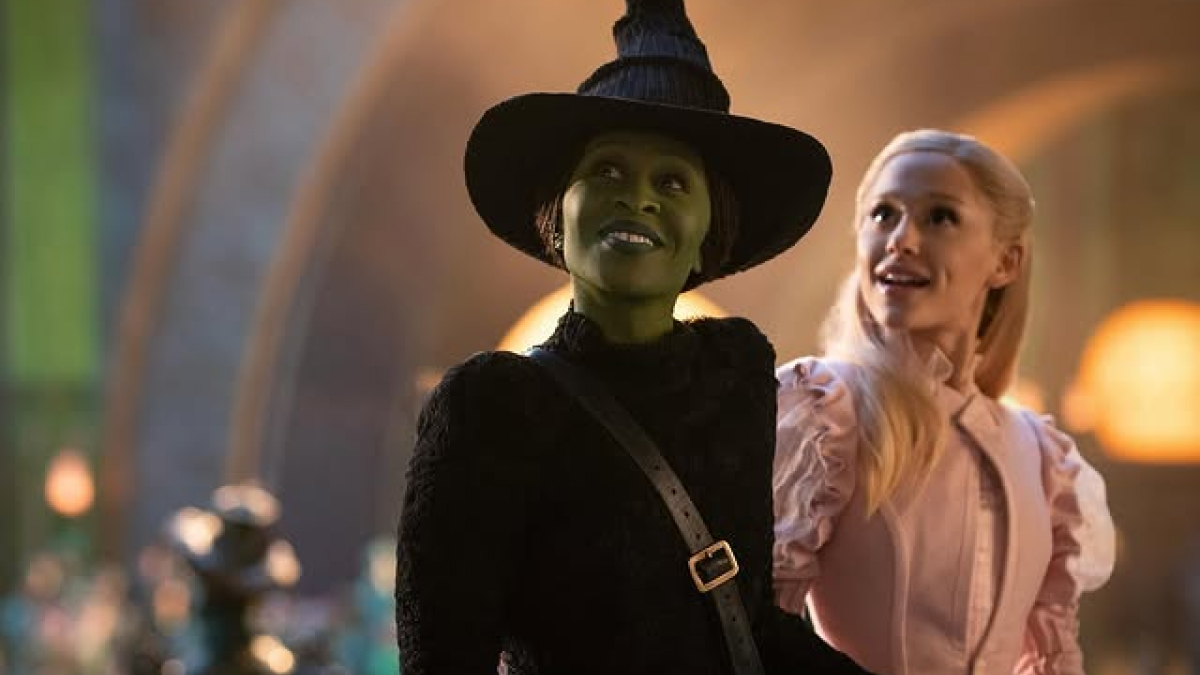
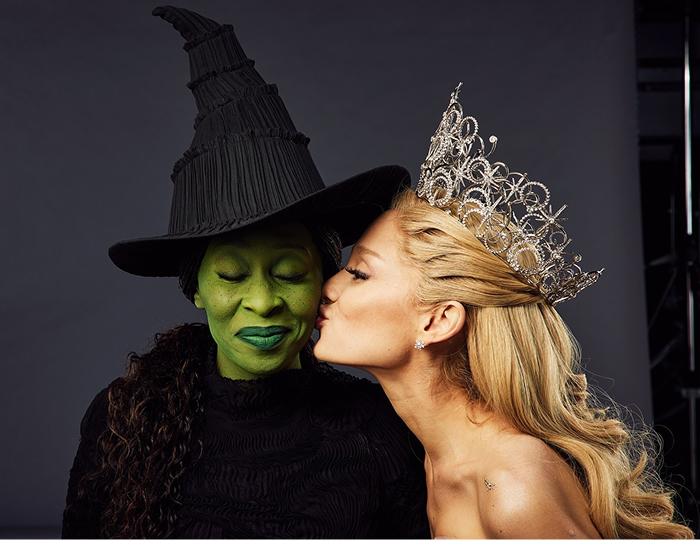
A clear cultural example is the musical Wicked, which features Ariana Grande as Galinda and Cynthia Erivo as Elphaba.
Galinda, with her sparkly outfits and glossy blonde hair, is immediately perceived as good due to her conventional beauty.
Image credits: Instagram / arianagrande and cynthiaerivo
In contrast, Elphaba is cast as the Wicked Witch largely because of her green skin and unconventional looks. Even Galinda’s makeover efforts are more about reinforcing her social dominance than helping a friend.
Elphaba internalizes these judgments and longs to change her appearance, highlighting how deeply society equates beauty with worth.
It’s a sharp depiction of how the halo effect underpins the mechanics of pretty privilege.
So, does being attractive actually benefit your career? Economist Daniel Hamermesh believes so.
In his 2011 book Beauty Pays: Why Attractive People Are More, he argues that beauty leads to better jobs, higher pay, and even better spouses.
His research found that attractive individuals tend to earn 3 to 4% more than their less-attractive peers, regardless of gender.
These individuals also land jobs more quickly and are often perceived as more valuable within companies, likely because they help drive profits through likability and presence.
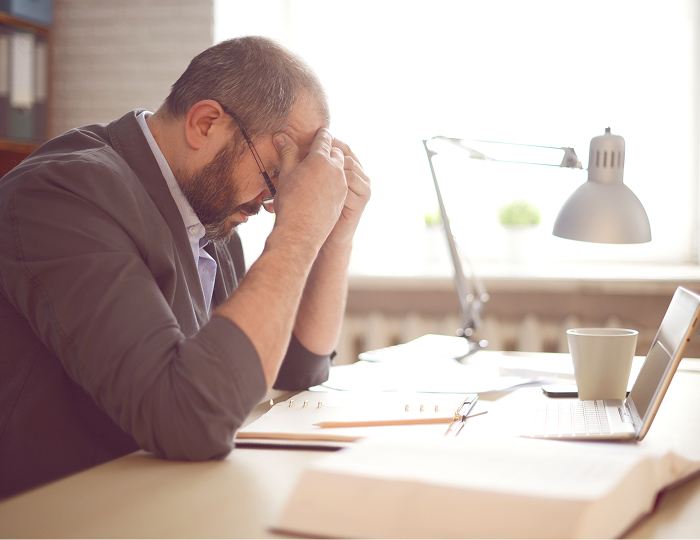
Image credits: Gettyimages / PixelsEffect
Hamermesh also uncovered that people with above-average looks are more likely to be approved for loans. Lenders, consciously or not, are biased against borrowers with what they perceive as unattractive appearances.
But Hamermesh offered a caveat: he noted that beauty often goes hand in hand with a charismatic personality. That overall appeal, not just looks, can boost income (via Psychology Today).
Image credits: Gettyimages / elenaleonova
The bias shows up even before someone is hired. A study by Rice University and the University of Houston examined how facial features impact job interviews.
Researchers found that candidates with visible blemishes or facial marks often received lower ratings.
According to co-author Juan Madera, when interviewers fixate on facial differences, they remember less about the candidate’s responses, which leads to lower evaluations (per The Business Insider).
In other words, if your appearance becomes a distraction, your qualifications may never get the recognition they deserve.
Pretty privilege seeps into our personal lives, too. A clear example is the classic “mean girl” trope in films like Mean Girls, where Regina George, played by Rachel McAdams, only admits others into her social circle based on looks.
She invites Cady Heron into her clique not because of her wit or charm but because she passes the pretty test. The popular transformation arc also illustrates this bias, where a plain protagonist becomes conventionally attractive and suddenly gains approval.
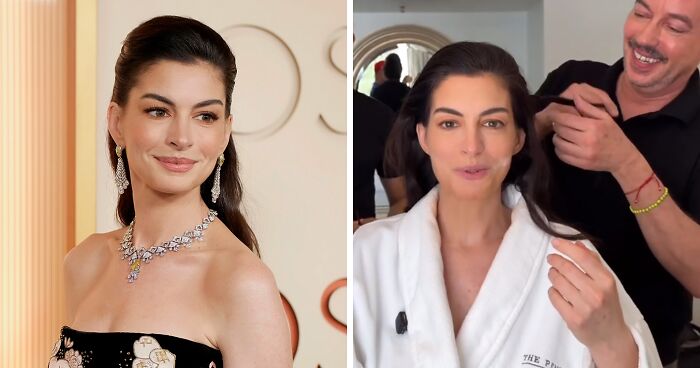
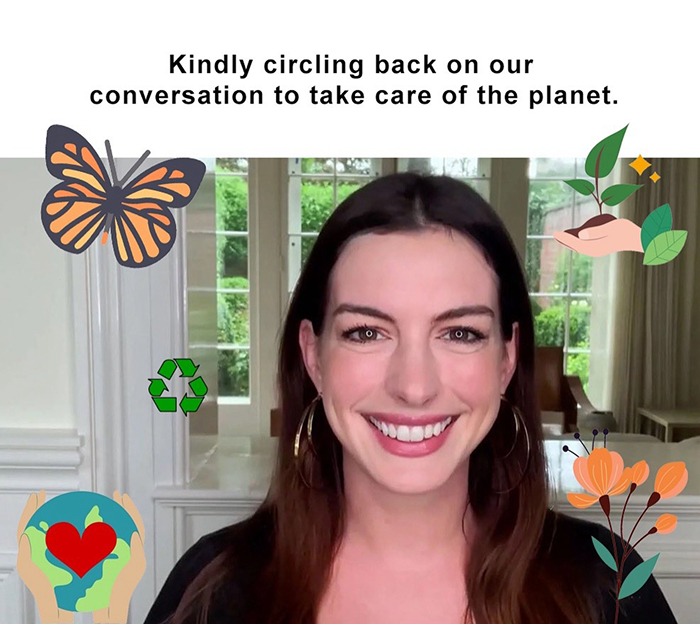
In The Princess Diaries and The Devil Wears Prada, Anne Hathaway’s characters experience dramatic glow-ups that change how everyone treats them.
Both stories promote the idea that physical beauty leads to respect and acceptance (via VICE).
This bias becomes even more obvious in dating.
A Reddit user explains bluntly, “Of course looks matter; it’s how you get your foot in the door.”
Another user cynically linked the friend zone to appearance, saying it’s often “a good person, but ugly.”
Image credits: Instagram / annehathaway
Dr. Fredric Neuman, former Director of the Anxiety and Phobia Center at White Plains Hospital, offered a more balanced perspective.
He explained that attractiveness is a blend of looks and behavior, and once someone reaches a certain level of appeal, personality starts to play a larger role (per Psychology Today).
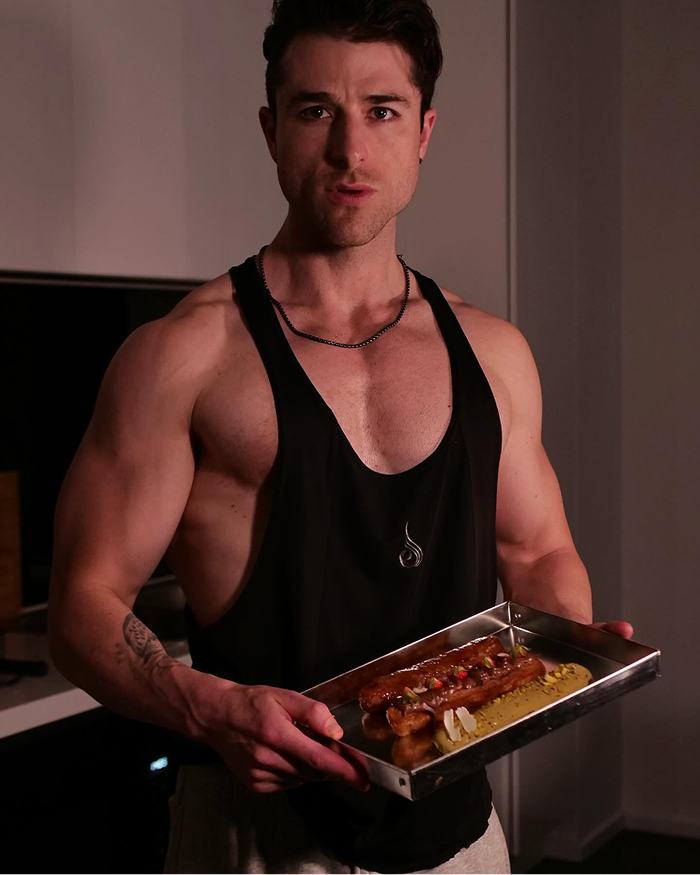
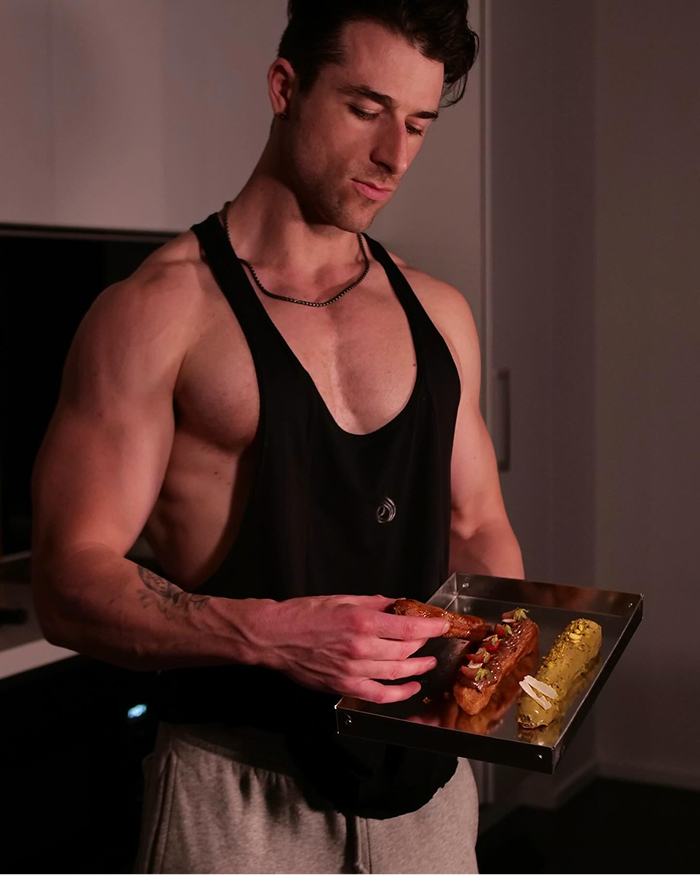
Image credits: Instagram / thedonutdaddy
Social media fuels pretty privilege, turning good looks into fame, money, and massive influence. Influencers often flaunt their natural appeal or promote beauty procedures that uphold narrow, often unrealistic, standards of attractiveness.
Platforms are flooded with content encouraging users to alter their appearance, layer makeup, follow skincare routines, or jump on new fitness hacks.
This obsession with looks drives the beauty and wellness economy online.
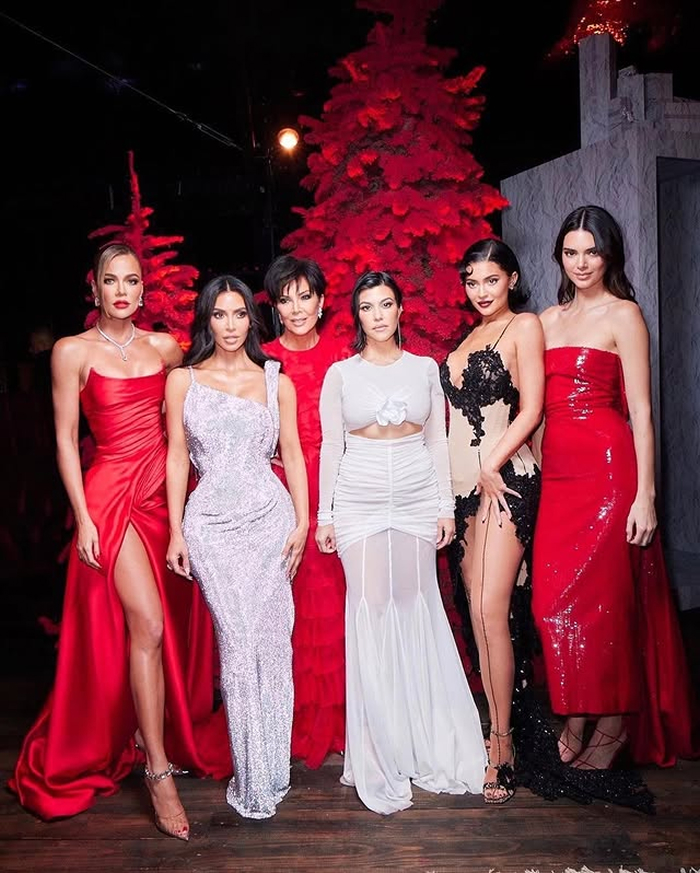
High-profile figures like the Kardashians or social media stars such as Donut Daddy and Cedric Lorenzen attract massive followings by leveraging their appearance.
OnlyFans creator Sam Parks told The Express UK that, thanks to her looks, she’s never paid for an overseas flight and has always been flown out by wealthy men.
Image credits: Instagram / thedonutdaddy
As digital media expert Crystal Abidin notes, this hyper-visual world turns beauty into a measurable asset: more attractive faces equal more followers, virality, and brand deals (per TED).
Even pop culture moments reflect this. Take One Direction’s 2010 debut on The X Factor. Back then, their singing skills were raw, but their looks? Market gold.
Simon Cowell recognized their charm would win over a huge fanbase, and he was right. Pretty privilege helped launch one of the biggest boy bands of the decade.
Image credits: Gettyimages / Kobus Louw
Pretty privilege starts early, often in the pages of children’s fairy tales. A 2003 study published in the Gender & Society journal examined how classic stories link beauty to virtue subtly.
The findings were telling: tales that emphasize female beauty tend to endure through time.
Take Hans Christian Andersen’s The Ugly Duckling. The main character is mocked and excluded until he transforms into a swan. Its message is that life gets better when you become attractive. Appearance is framed as the cure for rejection.
Or look at Cinderella. In nearly every adaptation, she’s treated poorly while looking plain, then celebrated once in a gown and glass slippers. Her transformation, not her kindness, leads to love, royalty, and acceptance.
It’s only after her outer beauty is revealed that her inner beauty is acknowledged.
This reflects the halo effect in action and shows how deeply these ideas are embedded in content aimed at children.
While being attractive can open doors, there’s a flip side to pretty privilege that’s rarely discussed.
Many conventionally attractive individuals feel pressure to prove they offer more than looks.
Their abilities and personalities are often dismissed or downplayed, especially professionally. This dynamic is particularly harsh for women.
A woman interviewed by Newsweek explained that while her appearance brought career opportunities, it also invited stereotypes. Like being labeled “the dumb blonde” and receiving unwanted attention chipped away at her sense of individuality.
On Reddit, one user shared that being admired for looks can feel empty: “I would enjoy people being nice to me, but knowing it is simply the result of genetics… makes me feel very empty.”
Another commenter pointed out the gender disparity:
“Pretty privilege exists for both men and women, but it’s less important for men… An ugly man can still find respect through career or personality. But for women, being unattractive often overshadows everything else.”
So while pretty privilege may offer perks, it’s often tangled in misogyny and fueled by unrealistic beauty ideals that women are expected to meet just to be taken seriously.
Image credits: Instagram / kardashians
Pretty privilege is undeniably powerful. It shapes who gets hired, who’s popular, and even who gains fame. It’s a silent but persistent force running through every layer of modern life.
Yes, good looks can smooth the path. But the flip side is real: attractive people often feel boxed in, reduced to a surface-level identity that doesn’t reflect who they truly are.
The takeaway isn’t to resent beauty. It’s to recognize how much power we collectively place in it.
Understanding pretty privilege is step one. From there, we can start shifting toward a culture that values talent and authenticity over appearances.

By entering your email and clicking Subscribe, you're agreeing to let us send you customized marketing messages about us and our advertising partners. You are also agreeing to our Privacy Policy.
Thank you! You've successfully subscribed to newsletters!
We need to start recognizing attractiveness for what it it, a talent. You are born with talents, and while you can improve them, you can't control if you have them or not. You have exactly the same control over your looks as you have your race or gender, none.
We need to start recognizing attractiveness for what it it, a talent. You are born with talents, and while you can improve them, you can't control if you have them or not. You have exactly the same control over your looks as you have your race or gender, none.

 No fees, cancel anytime






18
3