Get Premium
Dark mode theme is available exclusively for premium users. Learn more about the benefits of subscribing.
No fees, cancel anytime.

 Dark Mode Ad-Free Browsing Unlimited Content
 Ad-Free Browsing Unlimited Content Dark Mode
Join 1.2 million Panda readers who get the best art, memes, and fun stories every week!
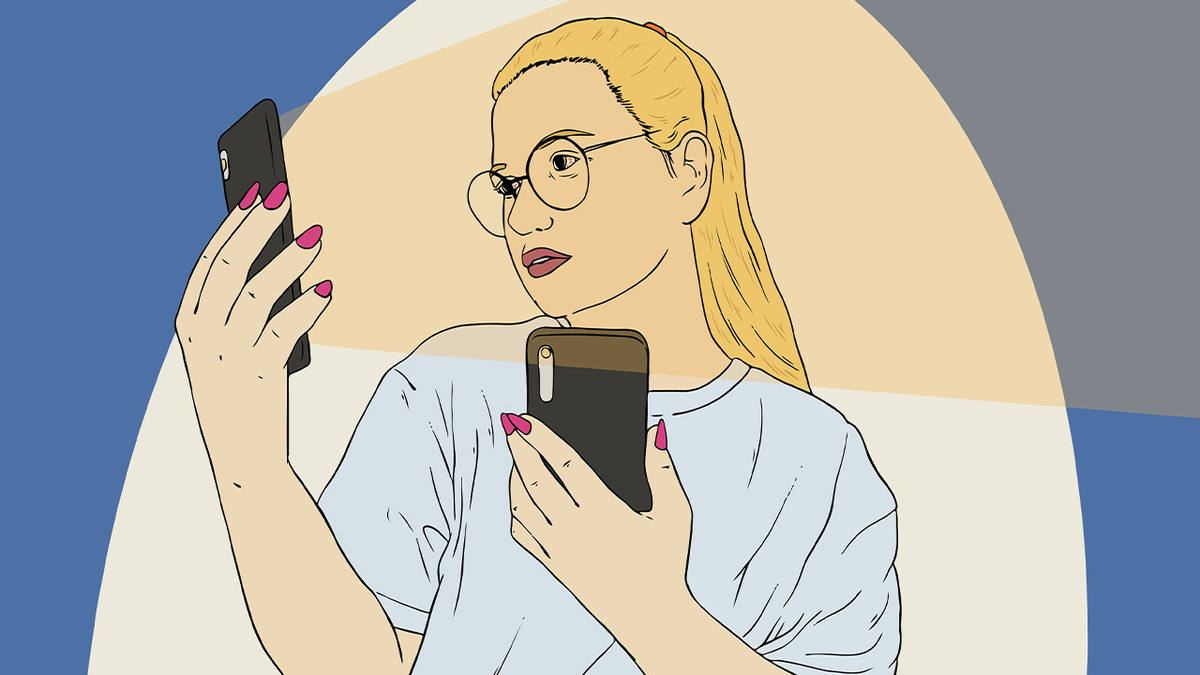
Most people can name an app that used to be better. Maybe it was a search engine that put the answer right at the top of the page, a video service that felt like a bargain, or a social feed that mostly showed friends and family instead of strangers, bizarre suggestions and sponsored posts. Few of us can point to the day things changed, but like the frogs in the boiling pot, we keep using services that seem to be progressing backwards.
First comes a product that is simple, generous and often cheap. Then come small changes that are easy to overlook, like one more banner, a functionality that moves behind a paywall, or a setting that quietly resets itself. Eventually the feature that won you over is hard to find.
What makes this more than a matter of taste is how consistent the pattern looks. A shopping site, a ride service, a photo network and a streaming library have little in common on paper, yet their users describe a strikingly similar slide.
Sellers and advertisers, the very customers these companies court, often voice the same complaints. Economists and authors have started to examine this deterioration more closely, and in early 2024 a society of linguists chose a word describing it as Word of the Year, ahead of several contenders about artificial intelligence. So what is it really and how does it happen?
 Exclusive Content Ad-Free Browsing Dark Mode Exclusive Content Ad-Free Browsing Dark Mode





























 No fees, cancel anytime