Get Premium
Dark mode theme is available exclusively for premium users. Learn more about the benefits of subscribing.
No fees, cancel anytime.

 Dark Mode Ad-Free Browsing Unlimited Content
 Ad-Free Browsing Unlimited Content Dark Mode
Join 1.2 million Panda readers who get the best art, memes, and fun stories every week!
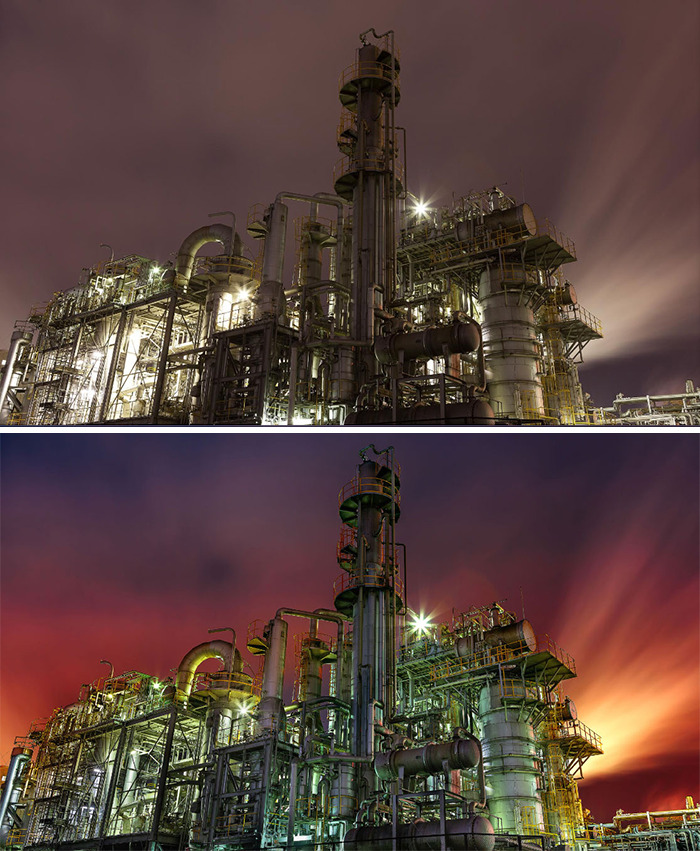
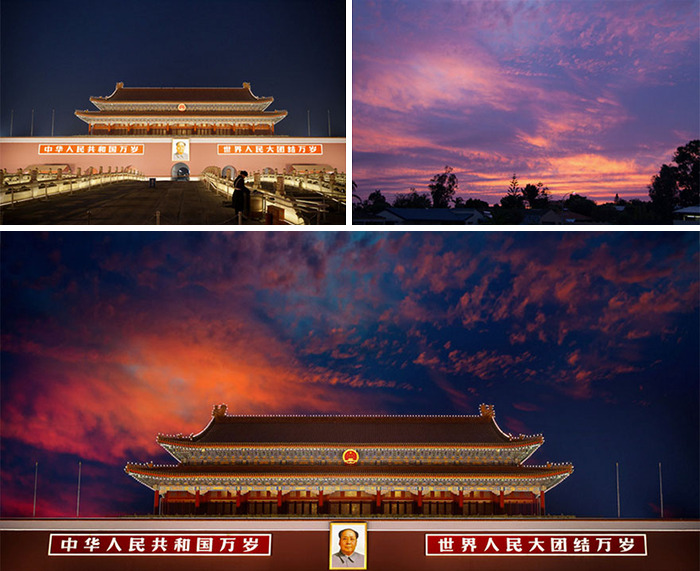
Taking a good picture isn't easy. Taking an awesome picture is even harder. And taking an impossible picture is, well, impossible. Unless you use Photoshop that is.
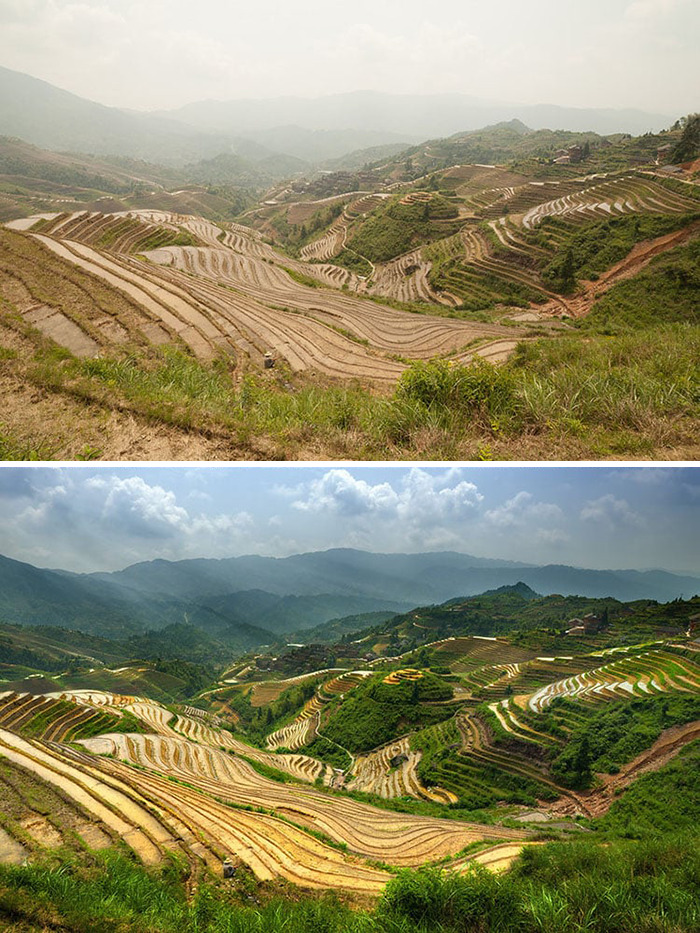
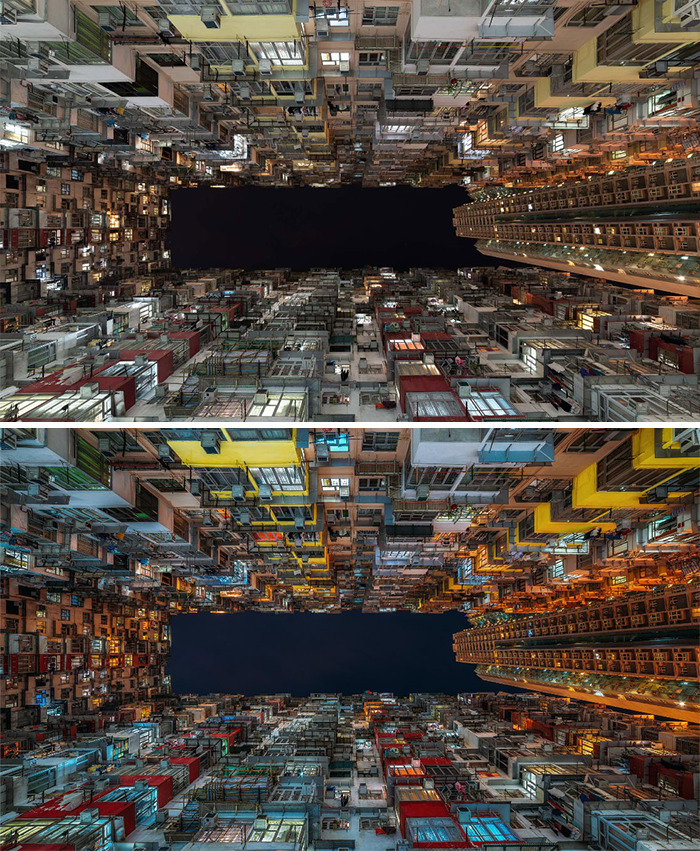
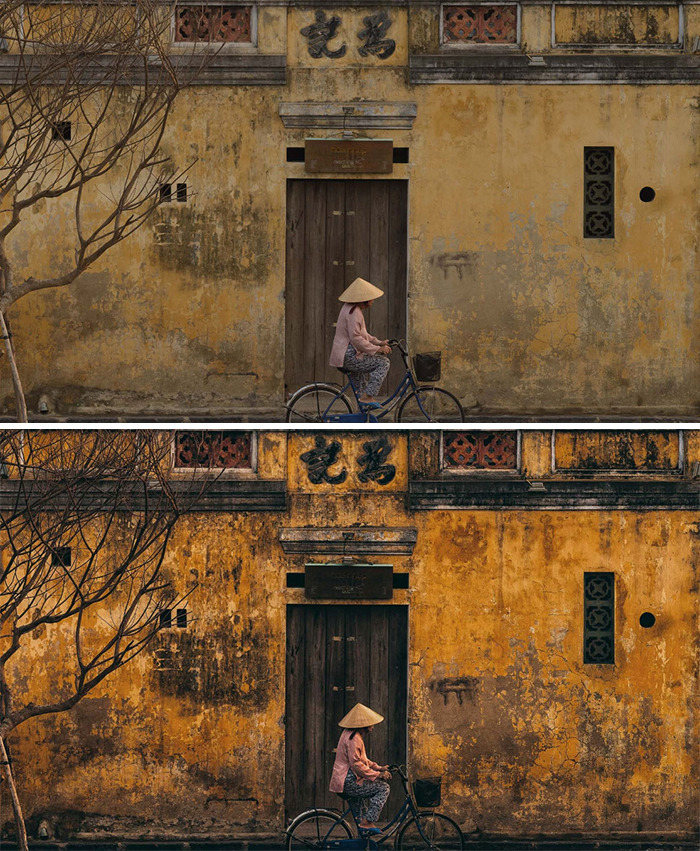
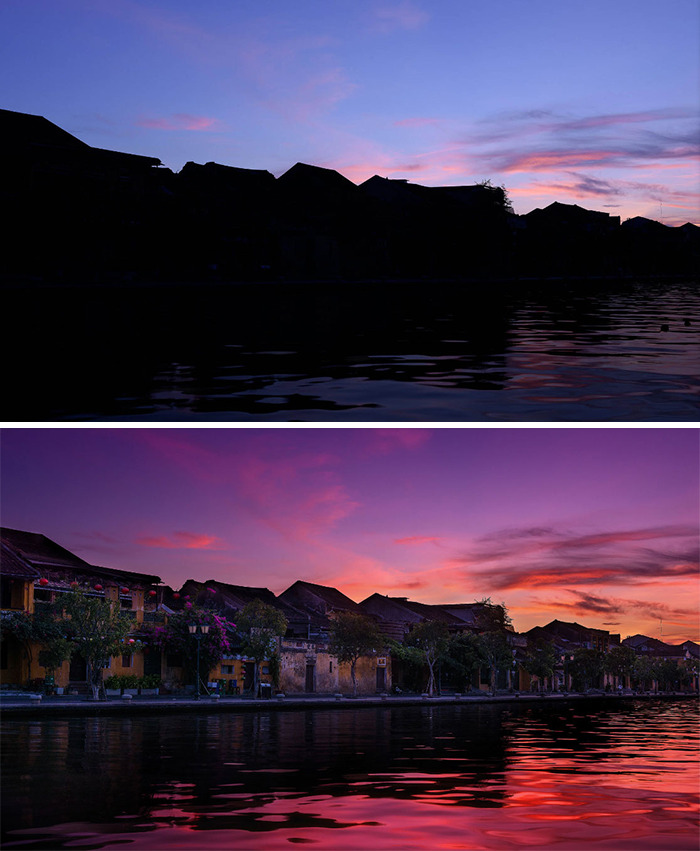
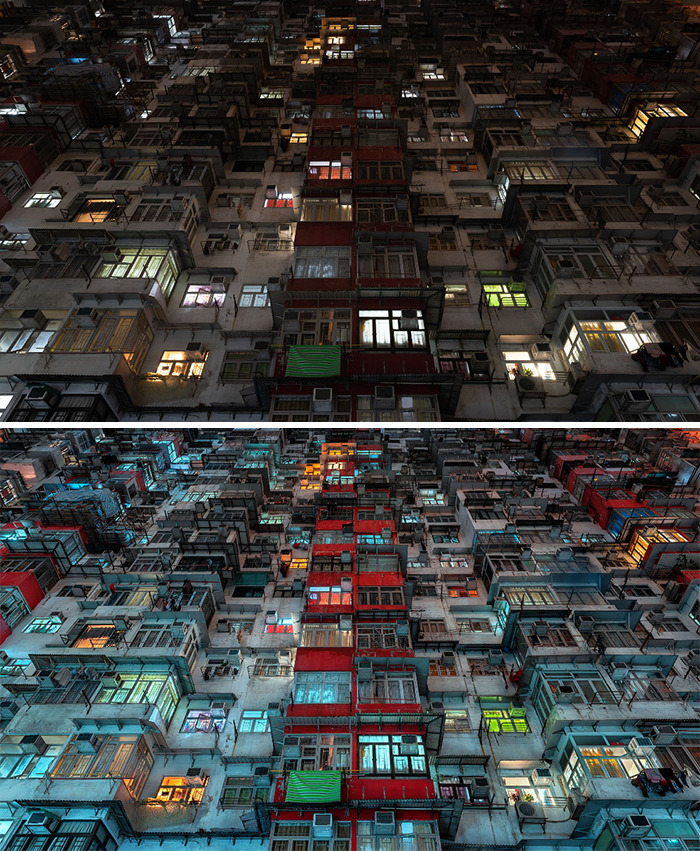
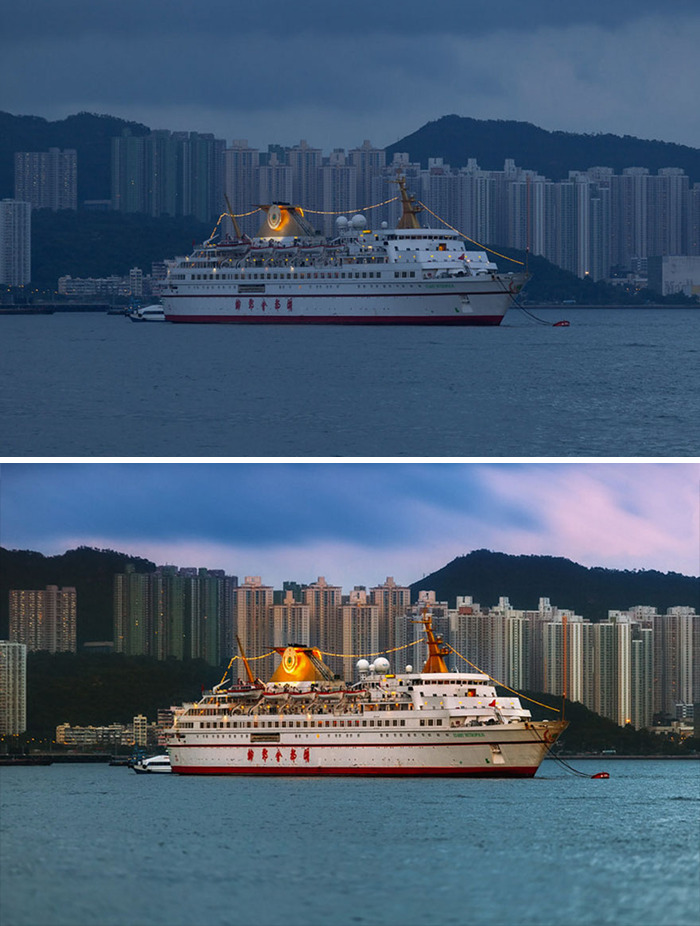
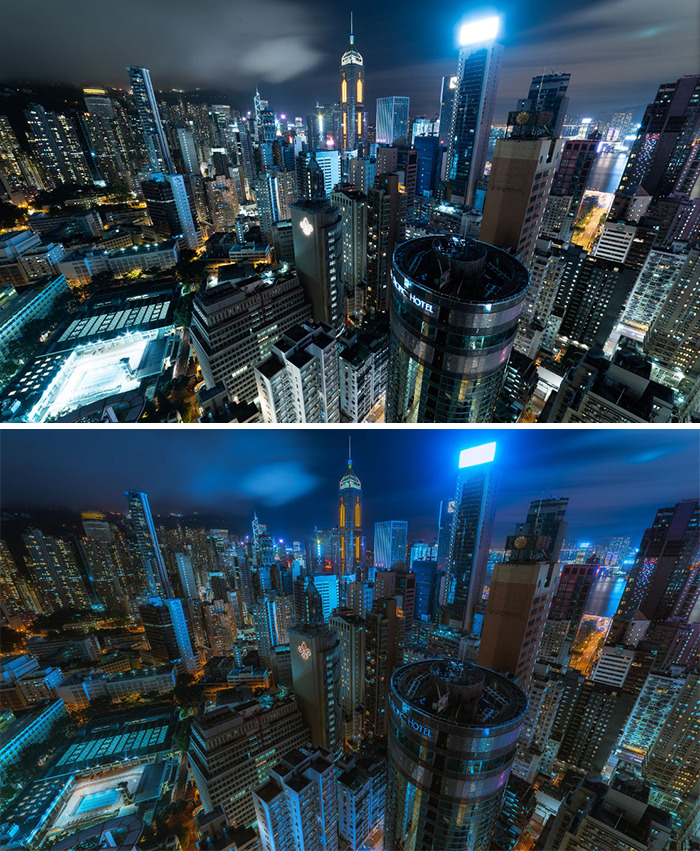
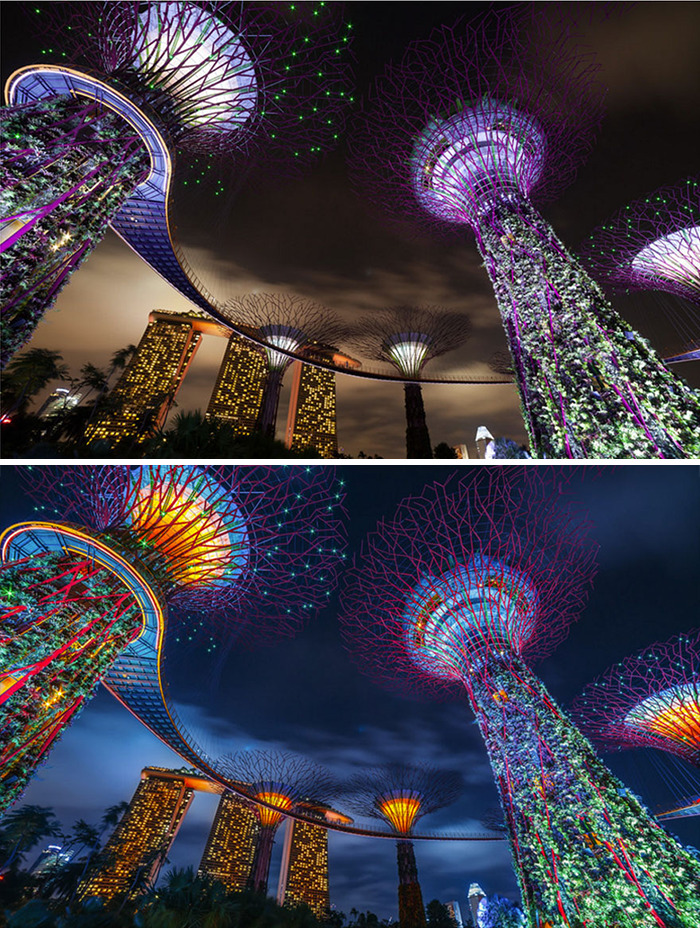
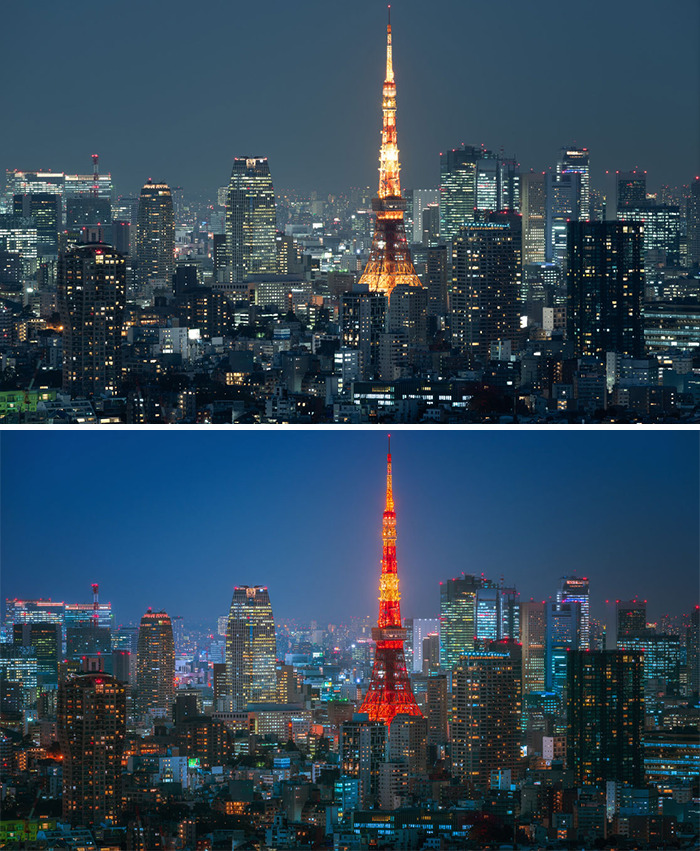
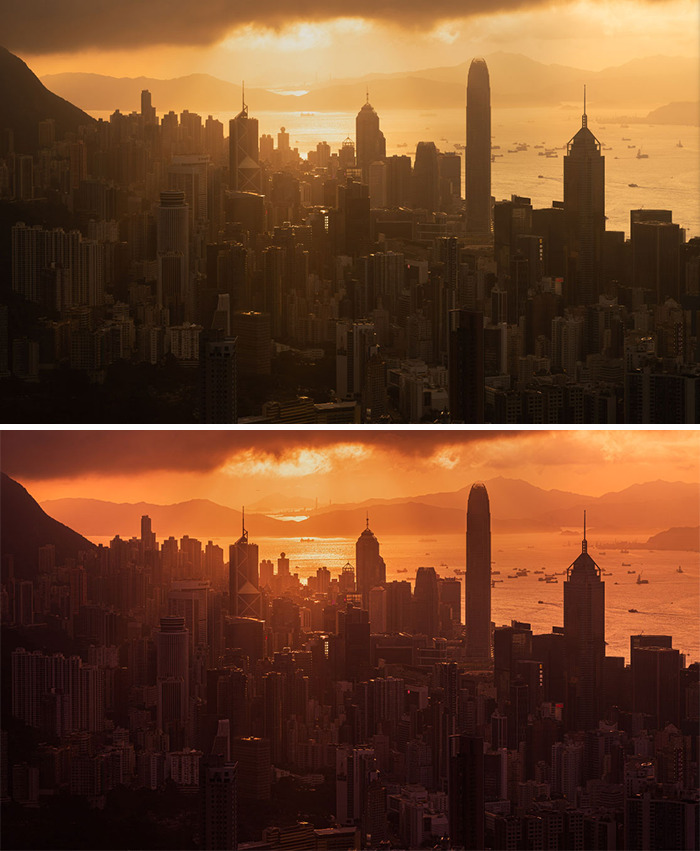
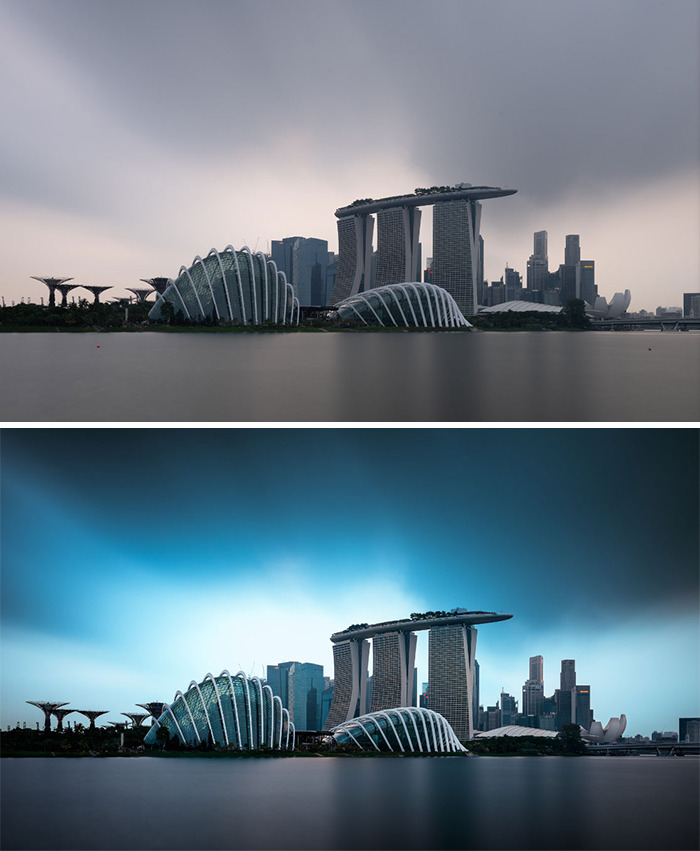
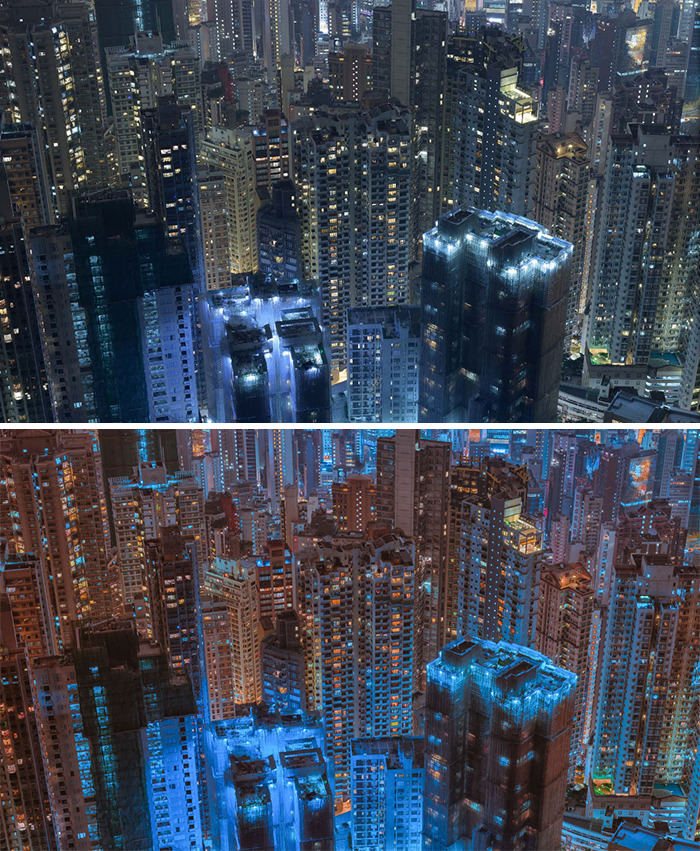
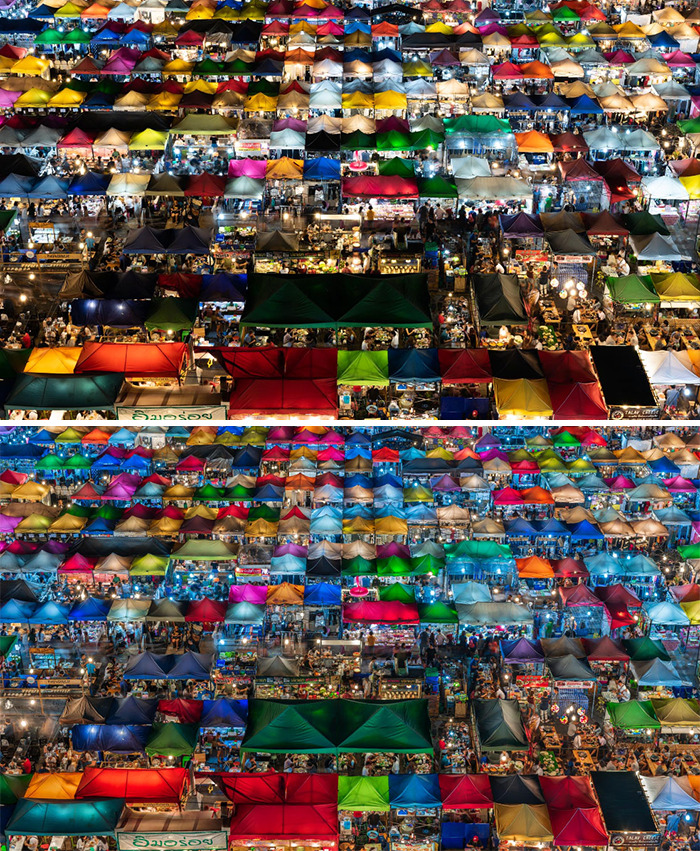
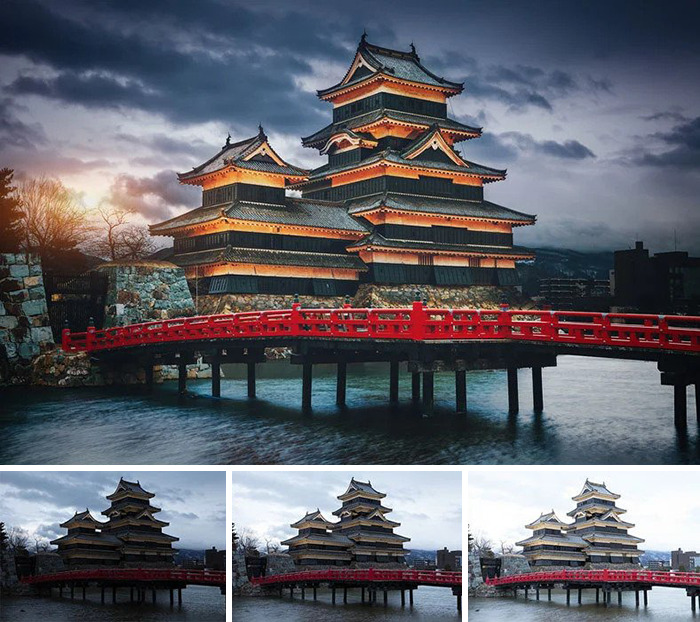
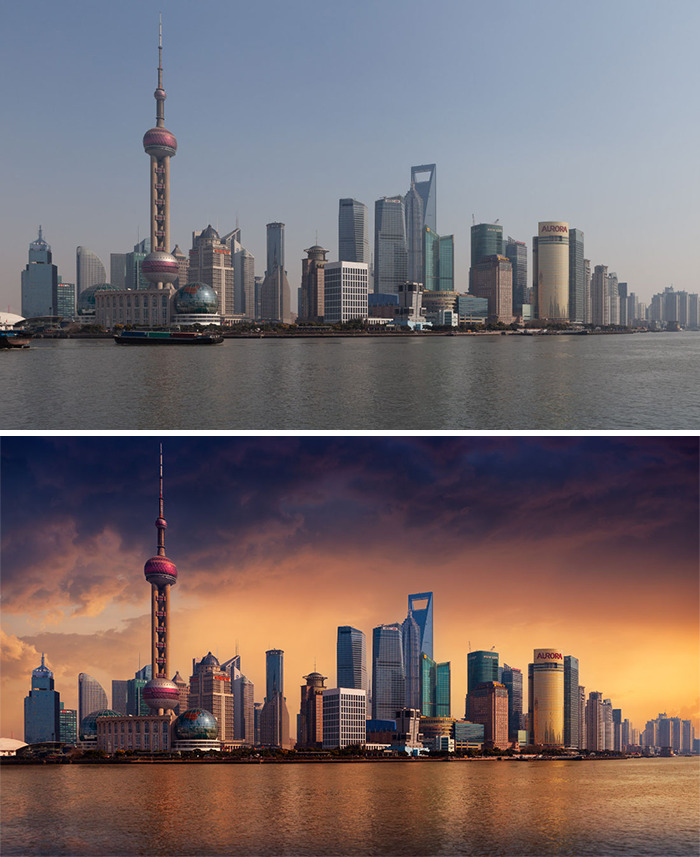
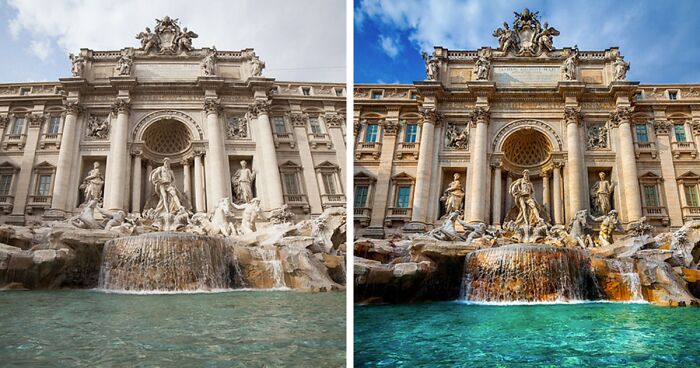
Peter Stewart is an internationally published photographer with thousands of followers and millions of views. He's also a wizard with Photoshop, and you can see from these revealing before and after pictures just what sort of difference some clever editing can make.
More info: Peter Stewart | 500px | Instagram | Flickr | (h/t: demilked, PetaPixel)
This post may include affiliate links.
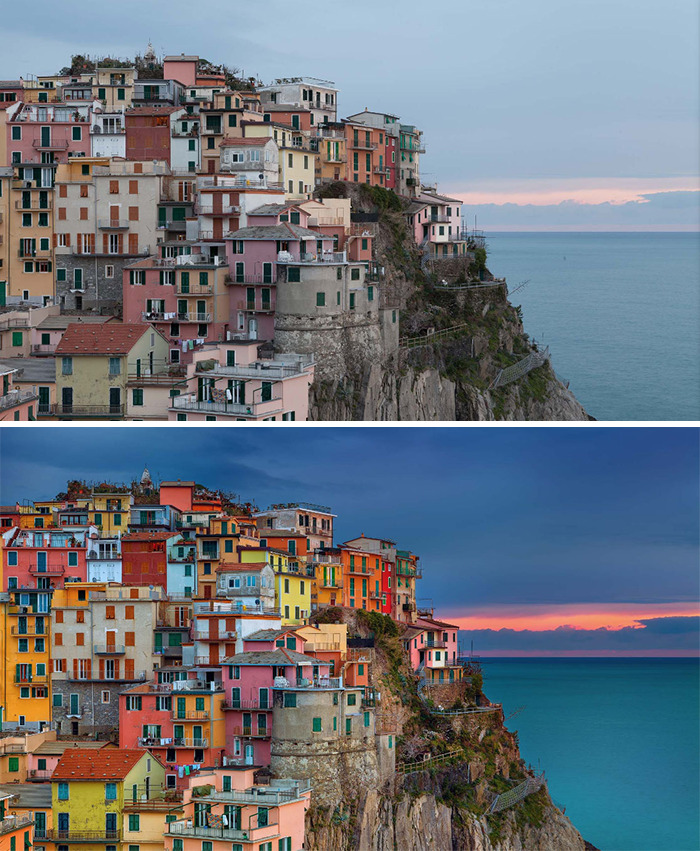
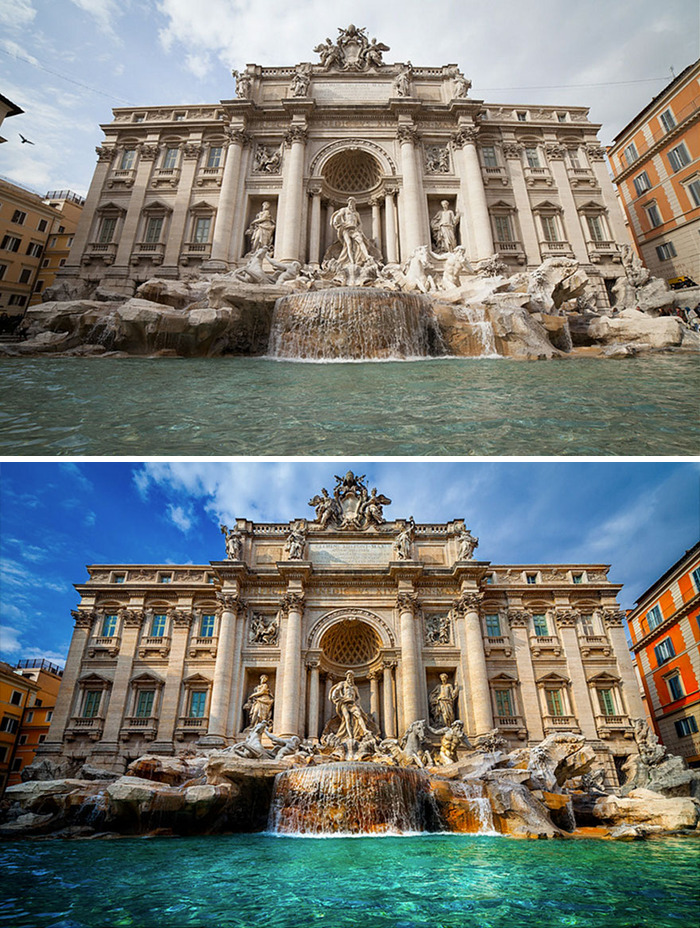
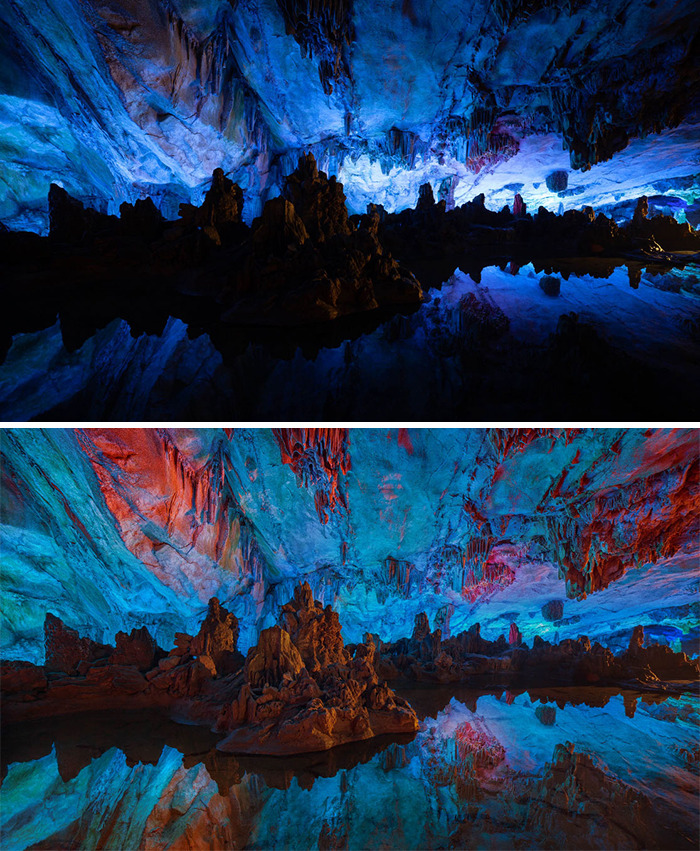
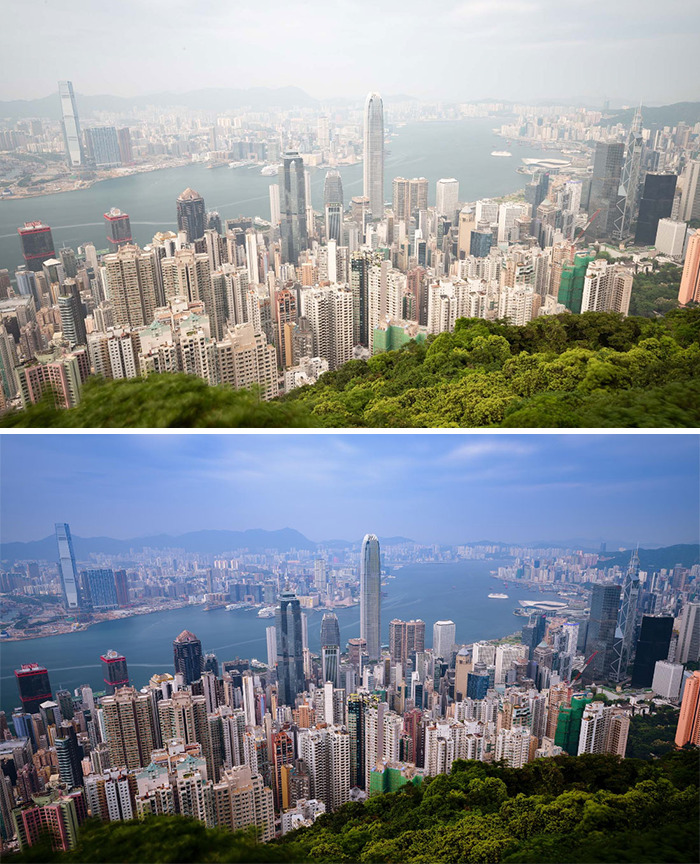
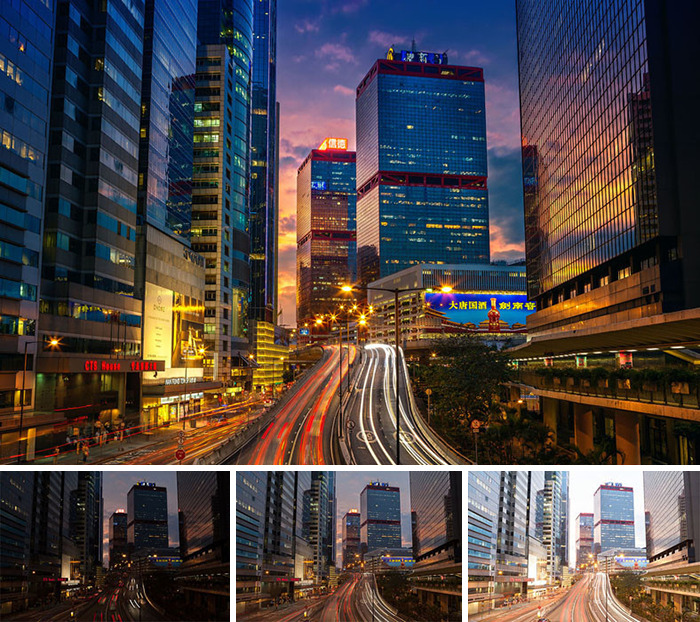
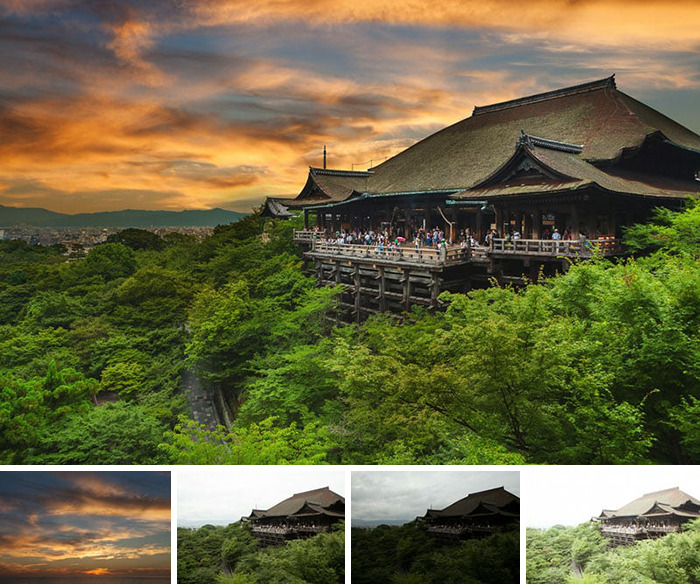
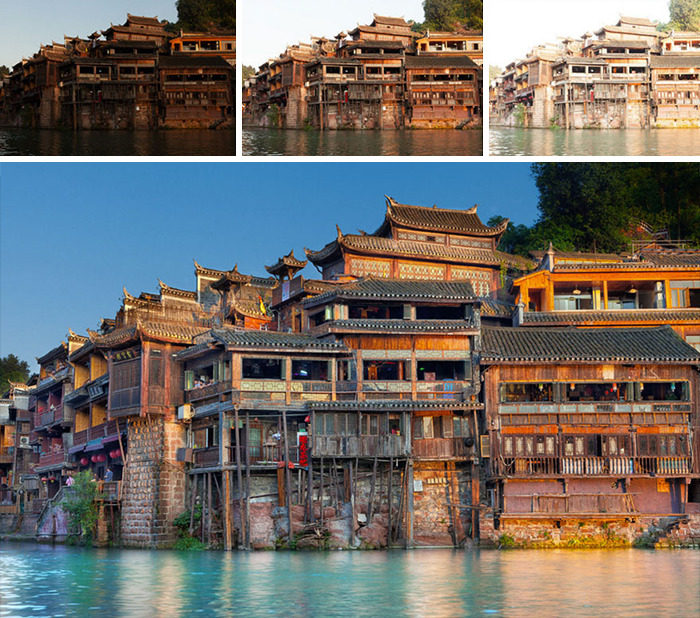
HDR bracketing manually blended in Photoshop. Nik color efex pro used for post-production.

A camera can only guess the white balance, the settings for a "good" exposure, color saturation, the intention of the photographer, etc. In the end it's all subjective and our eyes and brains do much more "filtering" than the cameras anyways - remember your last awesome sunset and took a picture? that picture likely won't look as good as you remember it was... There's a rough common sense what's visually pleasing and that's what post-processing tries to achieve. Thus there's also no such thing as #nofilter.
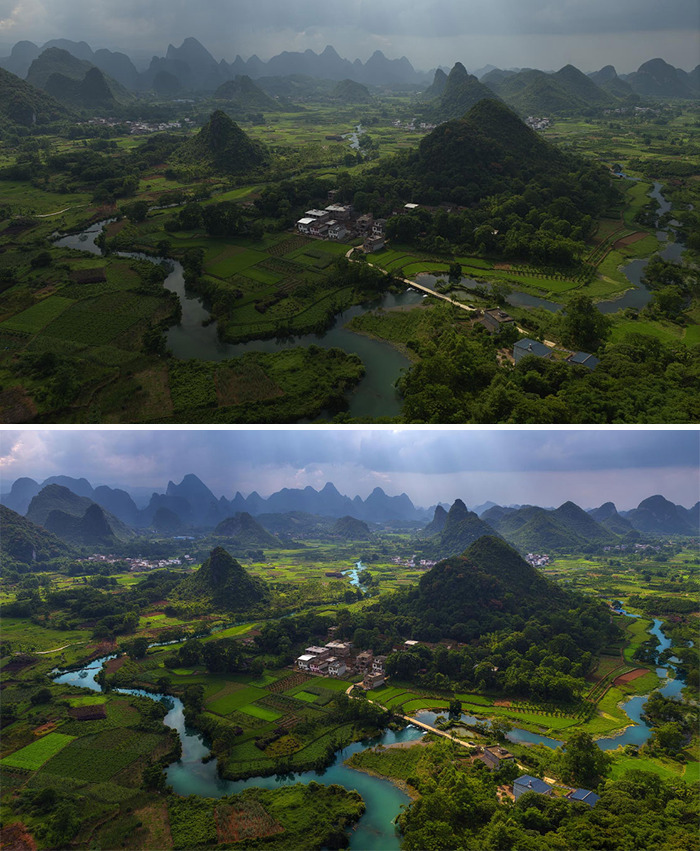
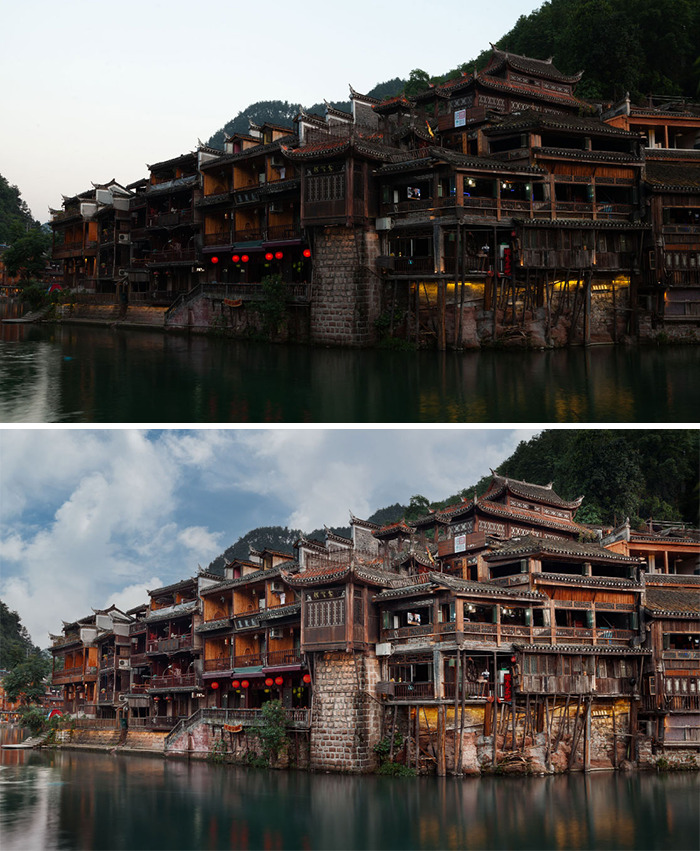
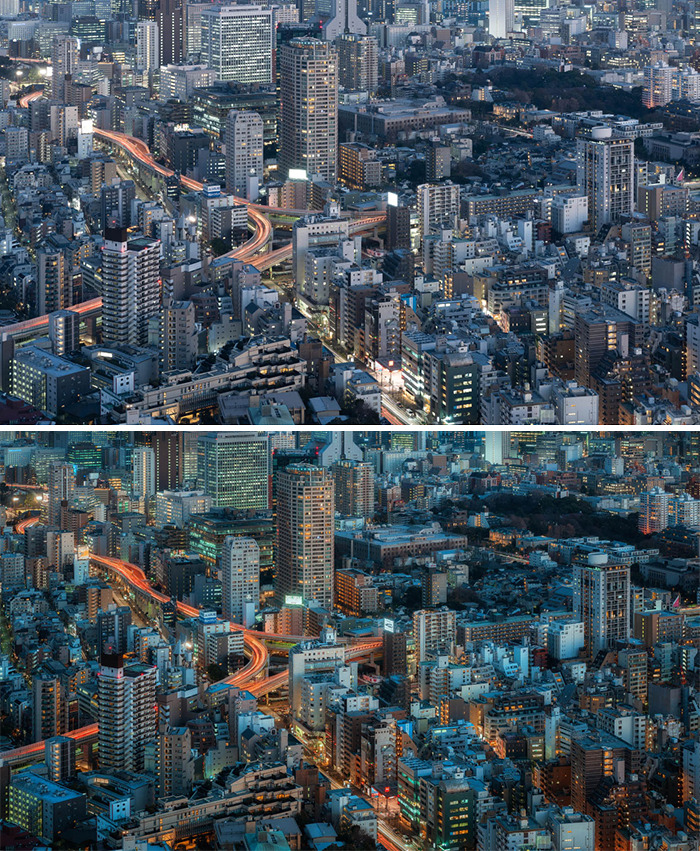
Multiple exposure blended file.
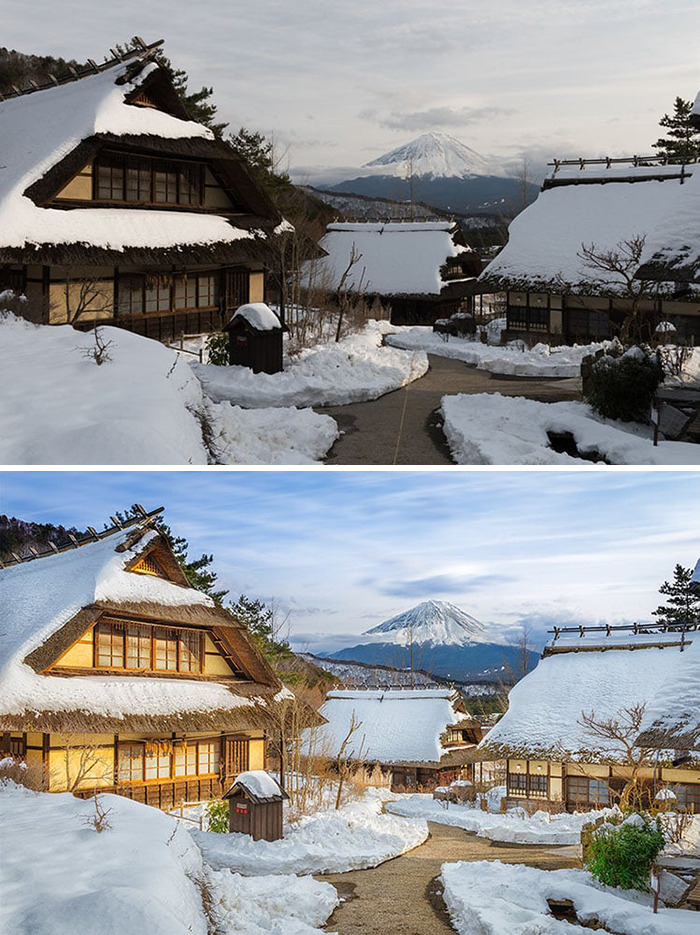
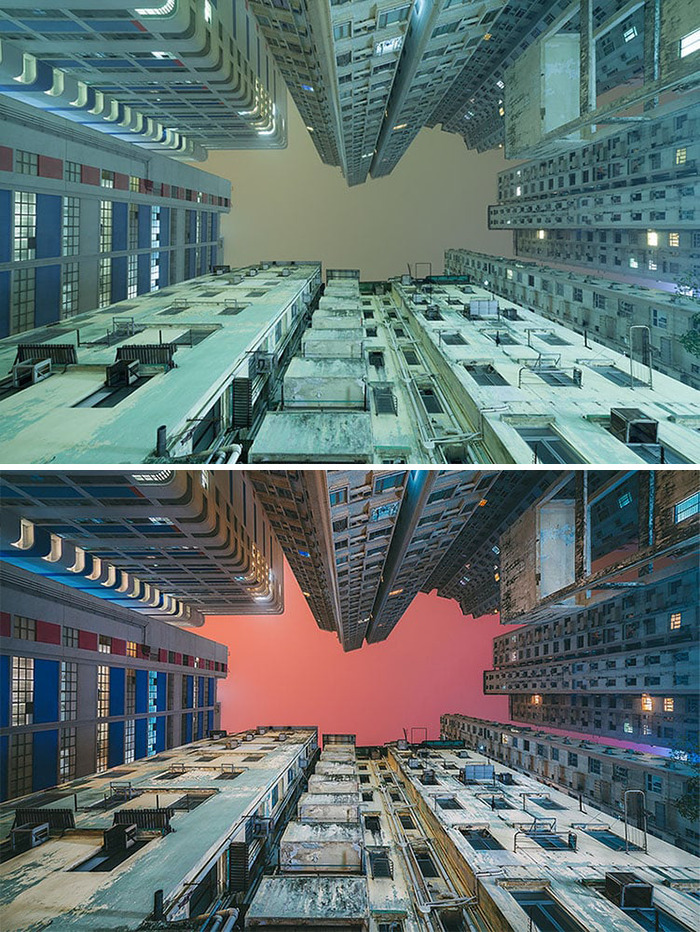
Perspective re-correction and power line removal in photoshop. Color enhancements using color efex pro.
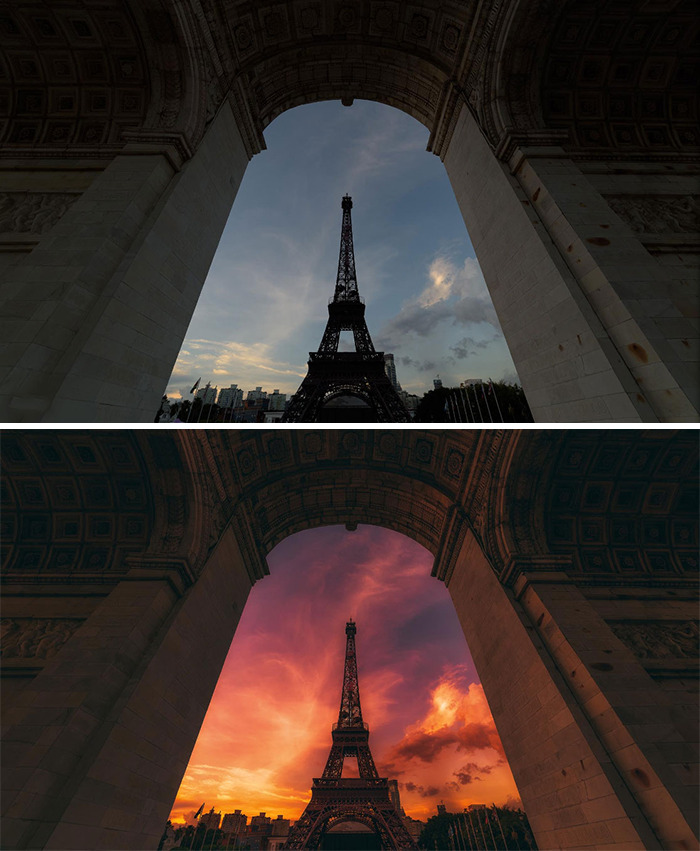
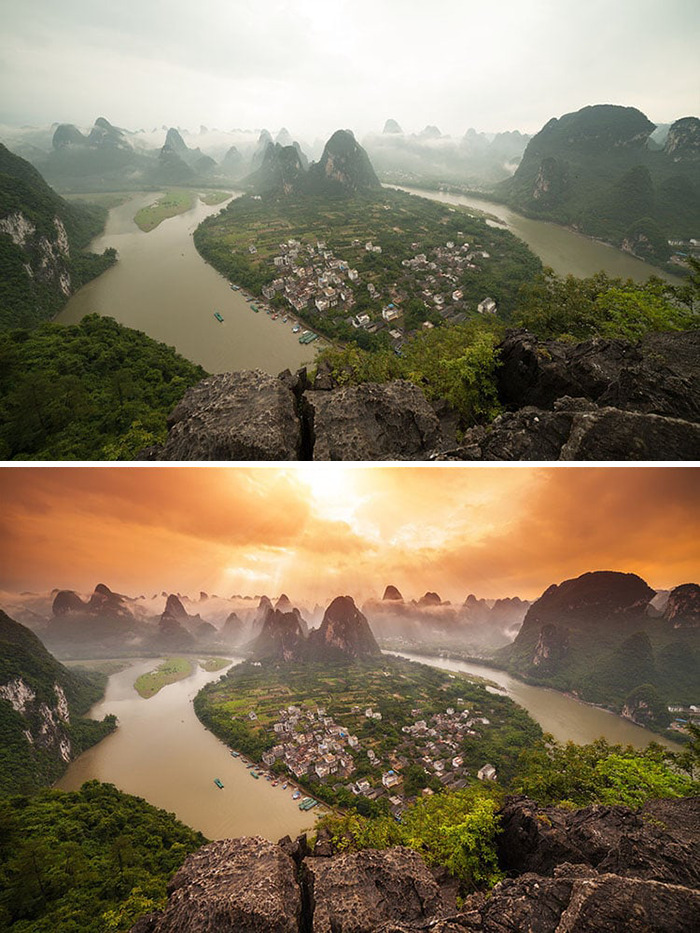
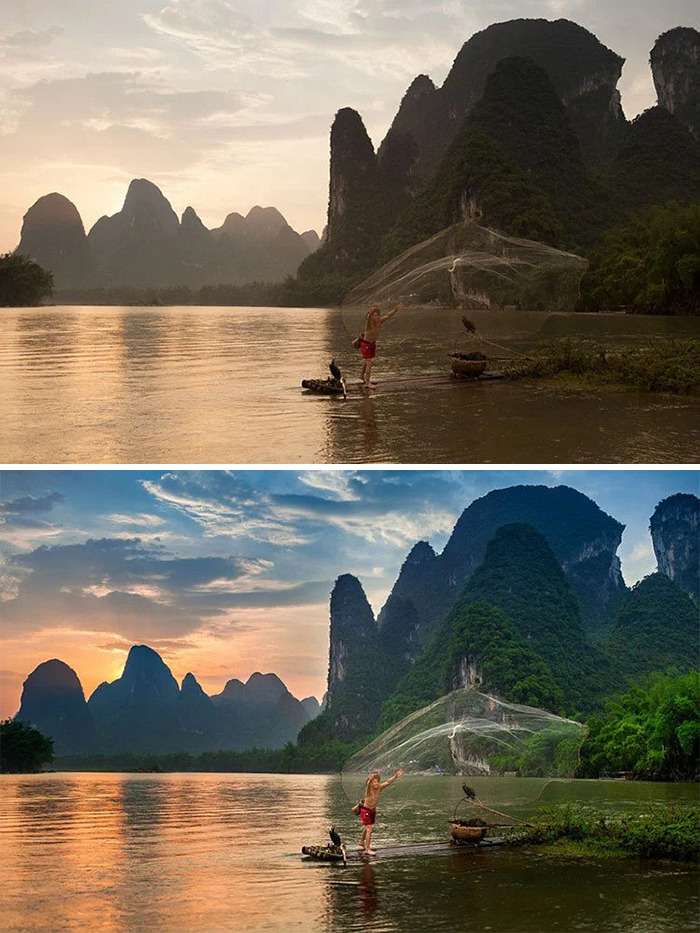
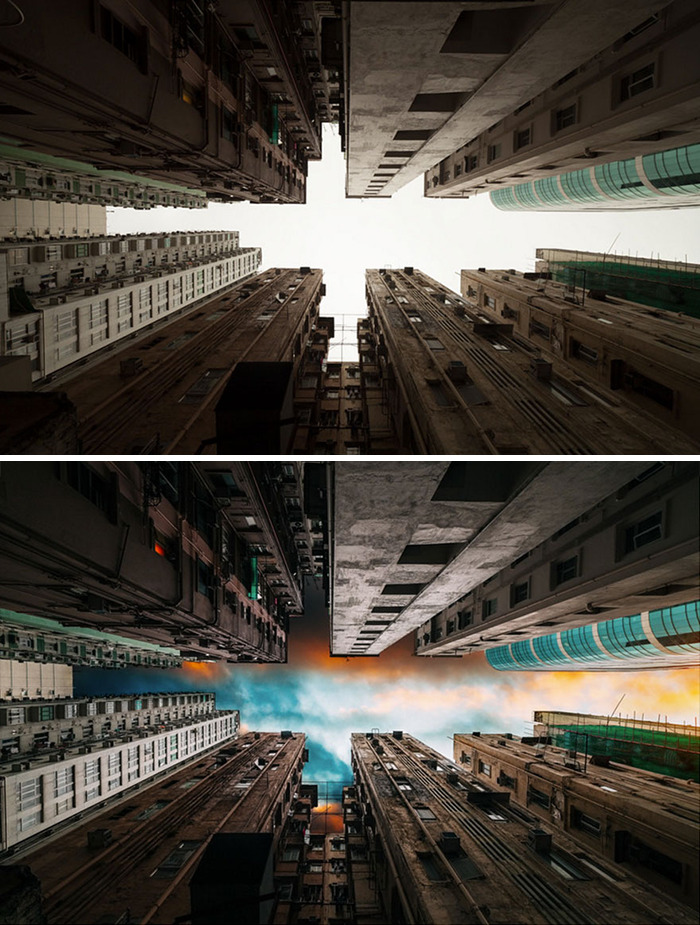
Gradual orange sky gradient and color adjustments were performed in adobe camera raw. Sunrays created in photoshop, with an added glow.
Overexposed image with detail brought back using camera raw. Nik color efex pro used for post-production color.

Why do all pics have to look like a nightmare from Technicolour? Most are amazing as they are instead of chaotic colour mix.
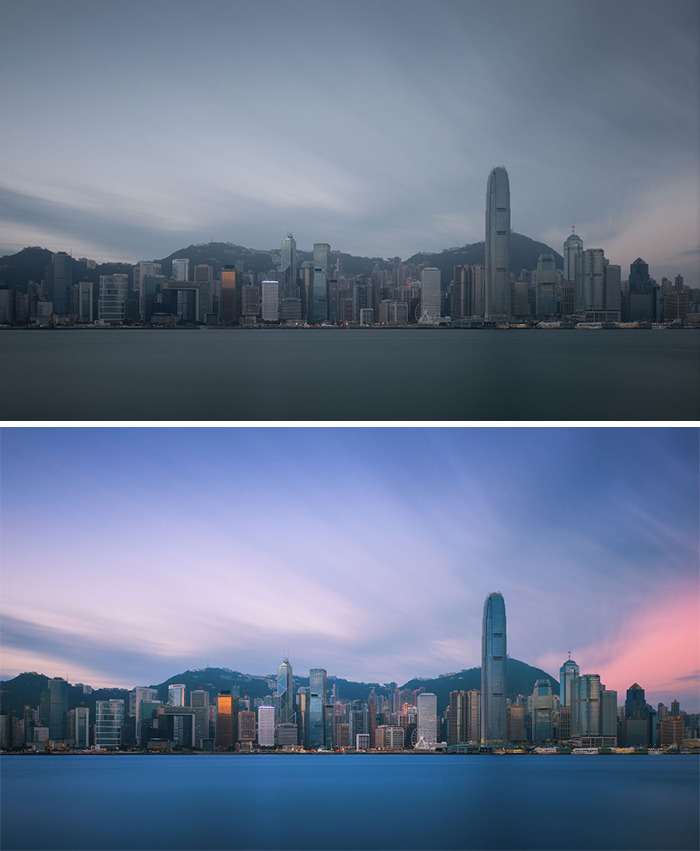
Various sky adjustments were performed in Photoshop. Nik color efex pro was used for post-production color enhancements.

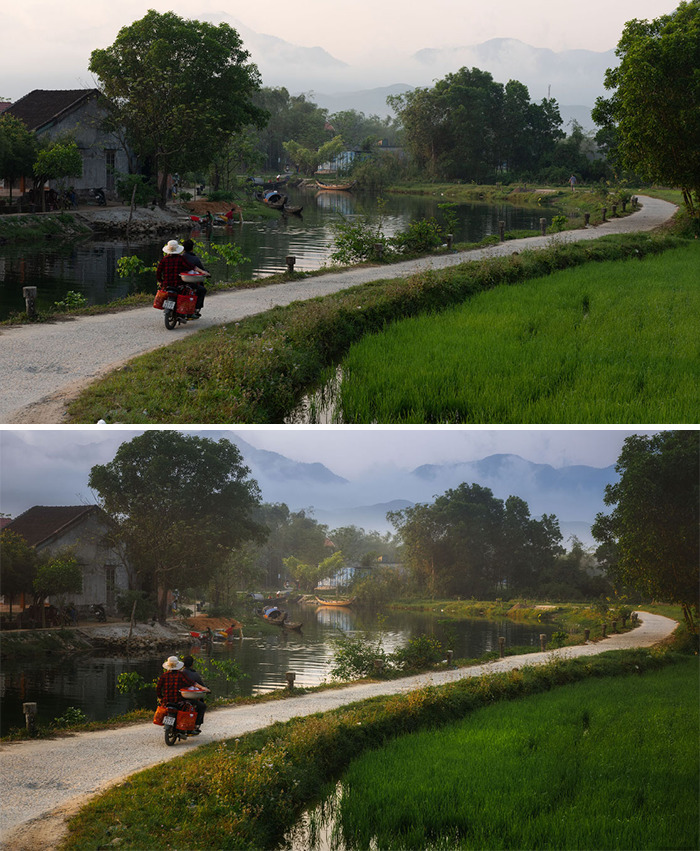
I like the fact you can see the person with the net better in the second one but, don't know why they had to mess with the sky.
Nik color efex pro used for post-production color enhancements.

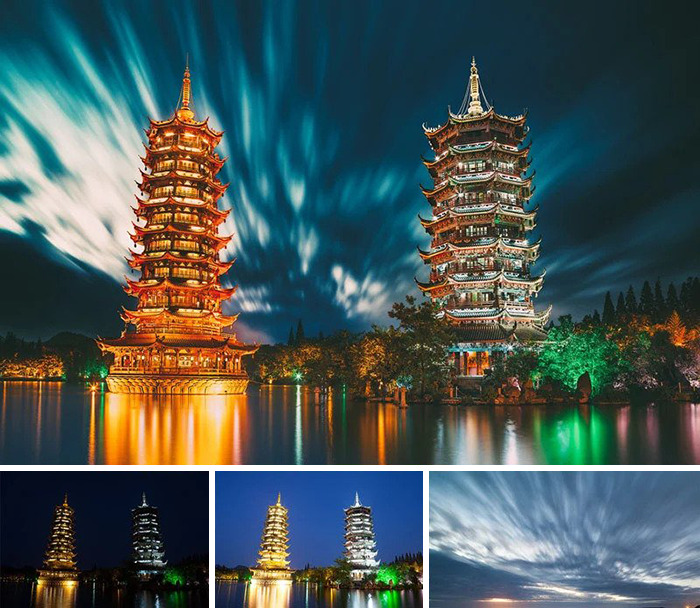
Tonal adjustments were made using nik color efex pro. Composite sky blended into the frame manually.
HDR bracketing composited using photoshop's 'merge to HDR'. Nik color efex pro used for post-production
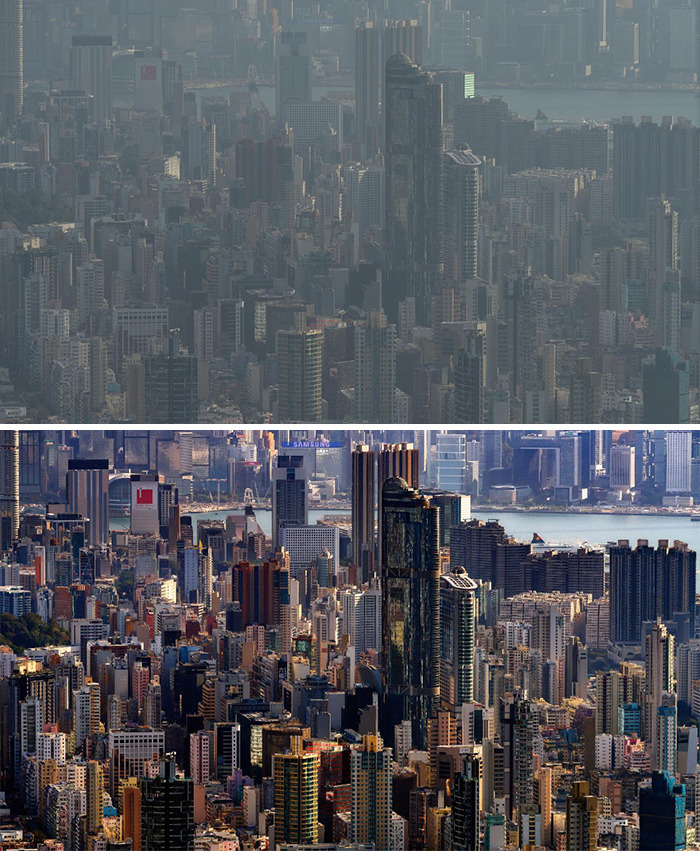
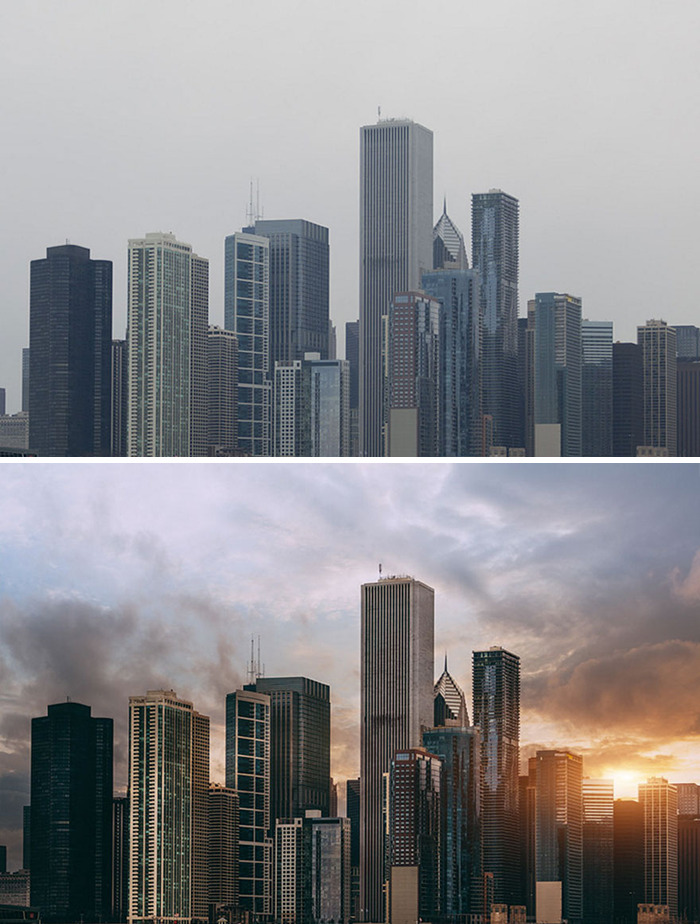
Adjustments to contrast and color to reduce haze and 'warm up' the image. Composite sky blended into the frame, with sun glow added in.
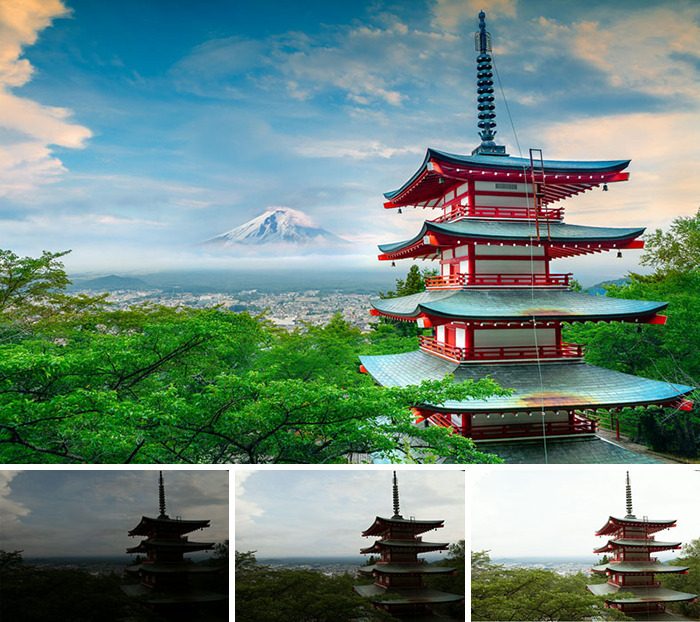
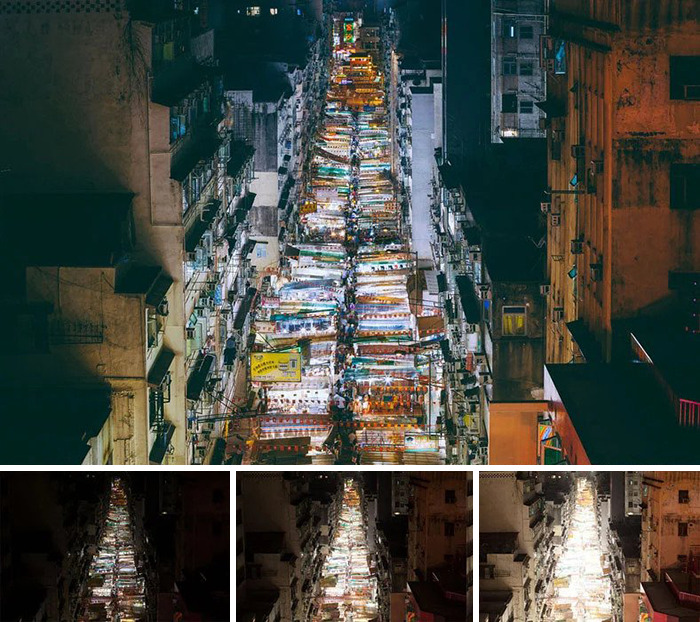
3x exposure edit. HDR bracketing manually blended in Photoshop. Nik Color Efex Pro used for post-production color enhancements.
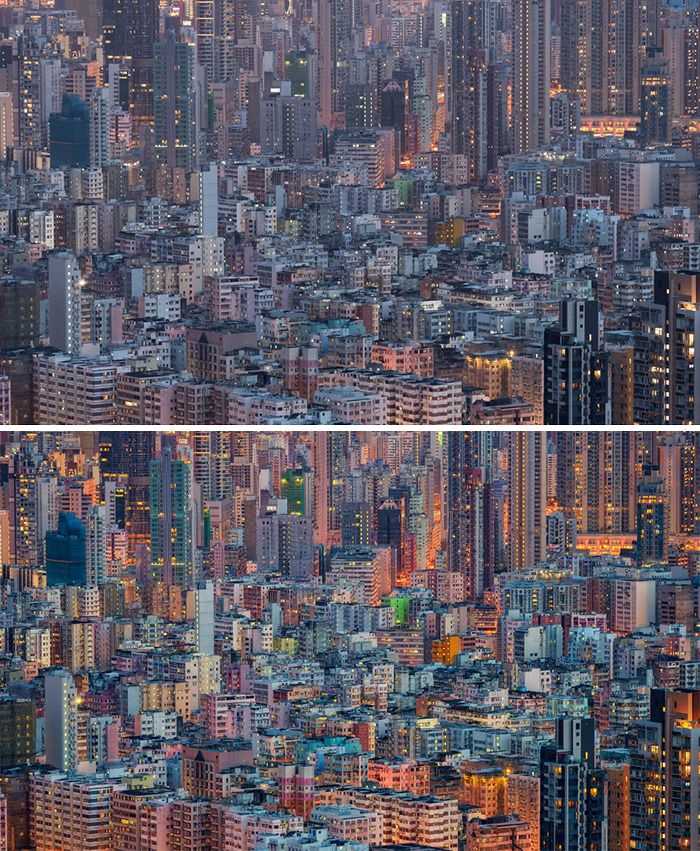
Contrast and color temp corrected. Color enhancements made using vsco and nik color efex pro.
3x exposures manually composited in photoshop cc. Replacement sky layer manually overlaid and 'painted' in.
2x exposures manually blended in Photoshop. Perspective fixed in camera raw. Color adjustments made using Nik color efex pro.
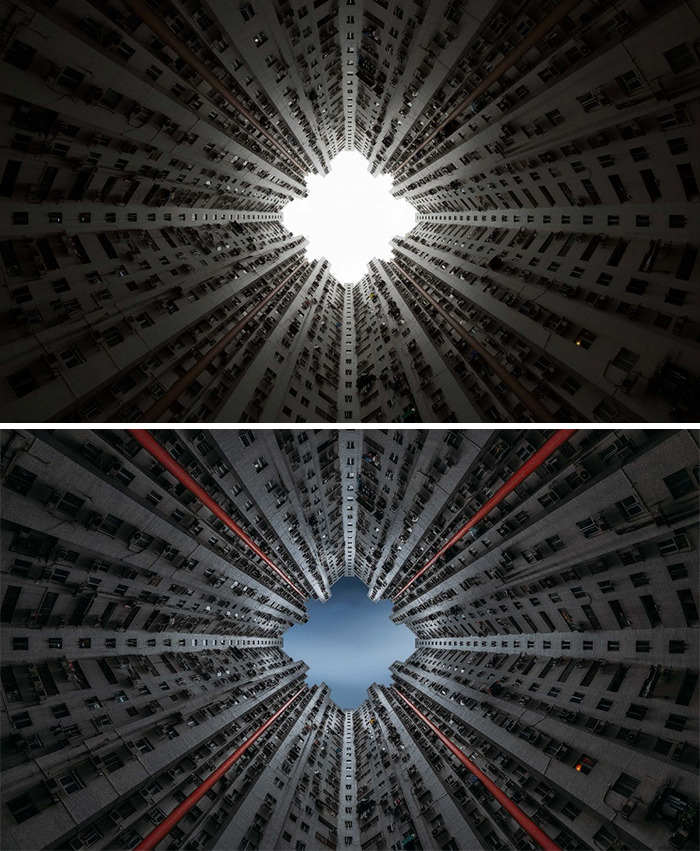
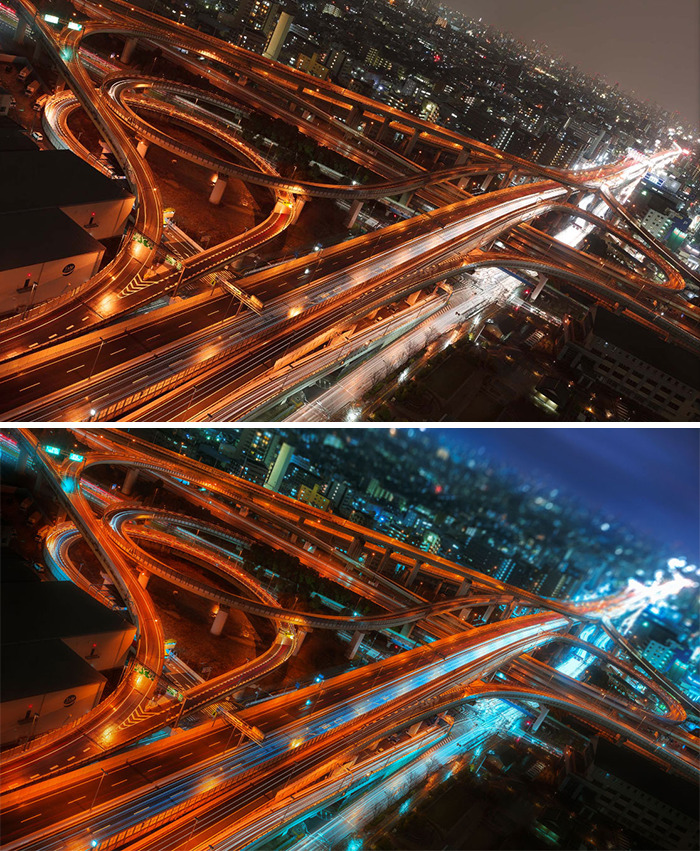
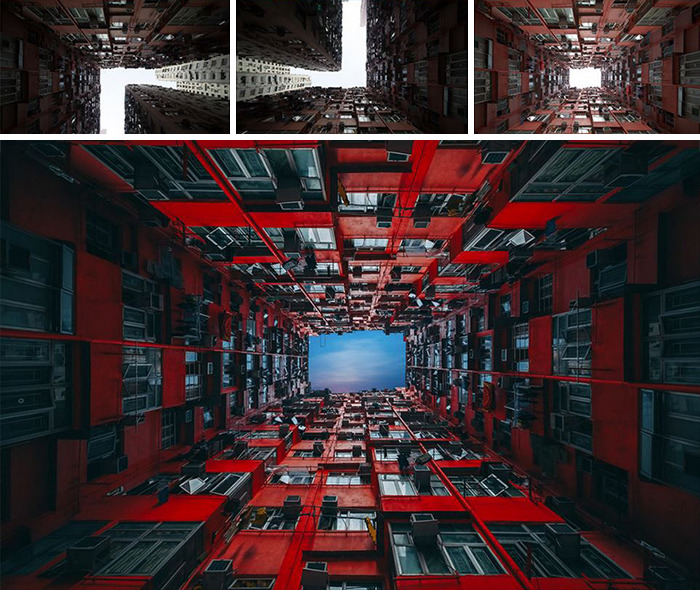
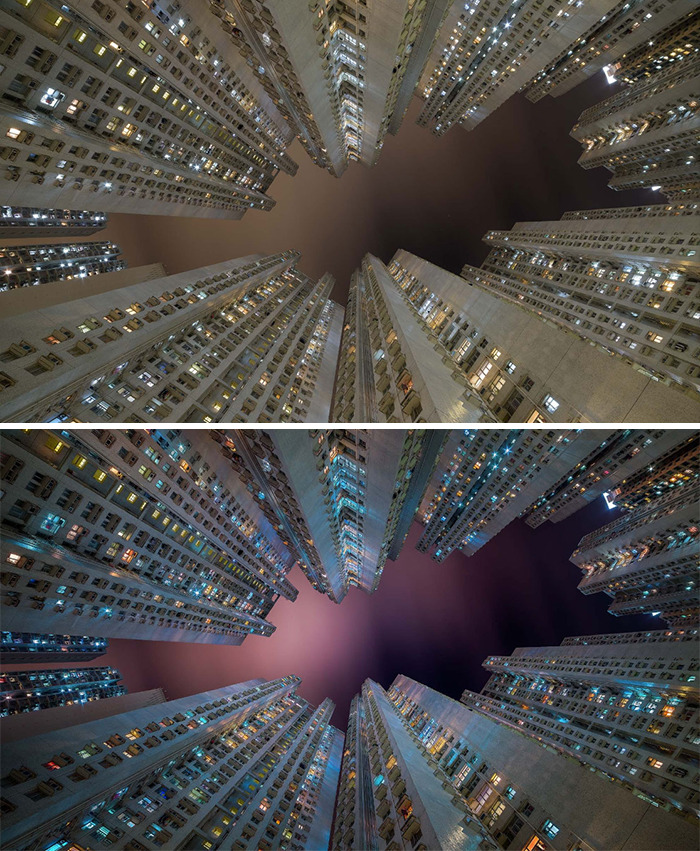
Single raw image copied twice then flipped and cut diagonally, then masked to create a seamless join. The image was then brightened to reveal detail.
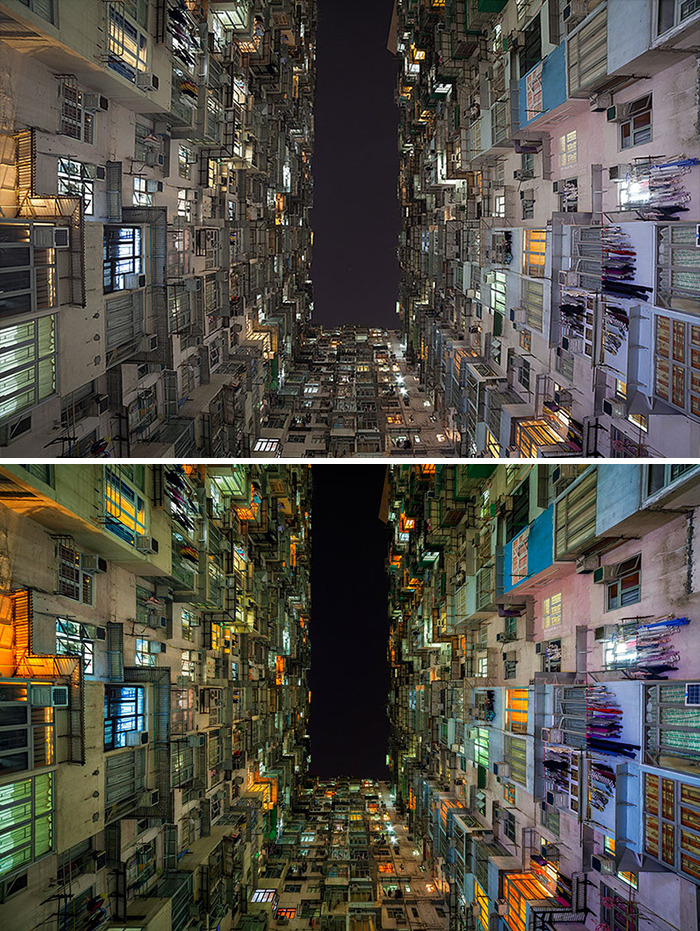
Hdr bracketing manually blended in photoshop. Nik color efex pro used for post-production color enhancements.
3x exposure edit. HDR bracketing manually blended in Photoshop. VSCO film presets used for color enhancement.
Single exposure composite cropped and color corrected in photoshop. Sky background composited into image and color corrected.

To be honest, although the finished photos are beautiful to look at, once we've reached this point, I feel it's no longer "photography" as you're no longer capturing a moment or angle or degree of light. You're using a photograph simply as the basis for a digital artwork, and believe me: I like digital art. I think the photoshopped artwork here is beautiful. But it's not photography. Those images aren't real anymore, and it's no longer just tweaking the light a bit or bringing out the color, but reimagining the whole scene.

If you're using a digital camera, then - by your definition - there is not such thing a "real." The camera is a computer and the sensor only "sees" black & white. Everything that you get out is based on best guesses made by software. Pull up a RAW image and compare that to the same picture as a JPG straight from the camera. They will almost certainly be dramatically different. Beyond that, unless we're talking about photojournalism REAL is nothing more than a rather pointless constraint. Did Van Gogh insist that "Starry Night" represented reality? If you're making art, then make it in the way that either you enjoy OR that you can sell. Nothing else really matters.
Load More Replies...
This guy is just a very poor photographer. The originals are mostly under-exposed, presumably by just letting the camera do everything for them. Sure, the end results may be stunning, but a real professional photographer should be able to capture the image as it is without resorting to post-processing.
Actually no, a good photographer knows the limits of the sensor and exposes in a way that the best result can be achieved in editing. Depending on what is your style and subjects you will tend to either over- or underexpose. If you overexpose you get better overall picture quality but if you have extreme highlights in the picture you need to underexpose the rest to still get the information in the highlights. Because your eyes do see them as our vision is put together in our brain. The same was done with film by the way, when developing film and bringing it onto paper the same manipulations were done, actually many features in Photoshop are named after processes that were used in film development because they did digitally what labs did analogue.
Load More Replies... To be honest, although the finished photos are beautiful to look at, once we've reached this point, I feel it's no longer "photography" as you're no longer capturing a moment or angle or degree of light. You're using a photograph simply as the basis for a digital artwork, and believe me: I like digital art. I think the photoshopped artwork here is beautiful. But it's not photography. Those images aren't real anymore, and it's no longer just tweaking the light a bit or bringing out the color, but reimagining the whole scene.
If you're using a digital camera, then - by your definition - there is not such thing a "real." The camera is a computer and the sensor only "sees" black & white. Everything that you get out is based on best guesses made by software. Pull up a RAW image and compare that to the same picture as a JPG straight from the camera. They will almost certainly be dramatically different. Beyond that, unless we're talking about photojournalism REAL is nothing more than a rather pointless constraint. Did Van Gogh insist that "Starry Night" represented reality? If you're making art, then make it in the way that either you enjoy OR that you can sell. Nothing else really matters.
Load More Replies... This guy is just a very poor photographer. The originals are mostly under-exposed, presumably by just letting the camera do everything for them. Sure, the end results may be stunning, but a real professional photographer should be able to capture the image as it is without resorting to post-processing.
Actually no, a good photographer knows the limits of the sensor and exposes in a way that the best result can be achieved in editing. Depending on what is your style and subjects you will tend to either over- or underexpose. If you overexpose you get better overall picture quality but if you have extreme highlights in the picture you need to underexpose the rest to still get the information in the highlights. Because your eyes do see them as our vision is put together in our brain. The same was done with film by the way, when developing film and bringing it onto paper the same manipulations were done, actually many features in Photoshop are named after processes that were used in film development because they did digitally what labs did analogue.
Load More Replies...


























 No fees, cancel anytime