Get Premium
Dark mode theme is available exclusively for premium users. Learn more about the benefits of subscribing.
No fees, cancel anytime.

 Dark Mode Ad-Free Browsing Unlimited Content
 Ad-Free Browsing Unlimited Content Dark Mode
Join 1.2 million Panda readers who get the best art, memes, and fun stories every week!
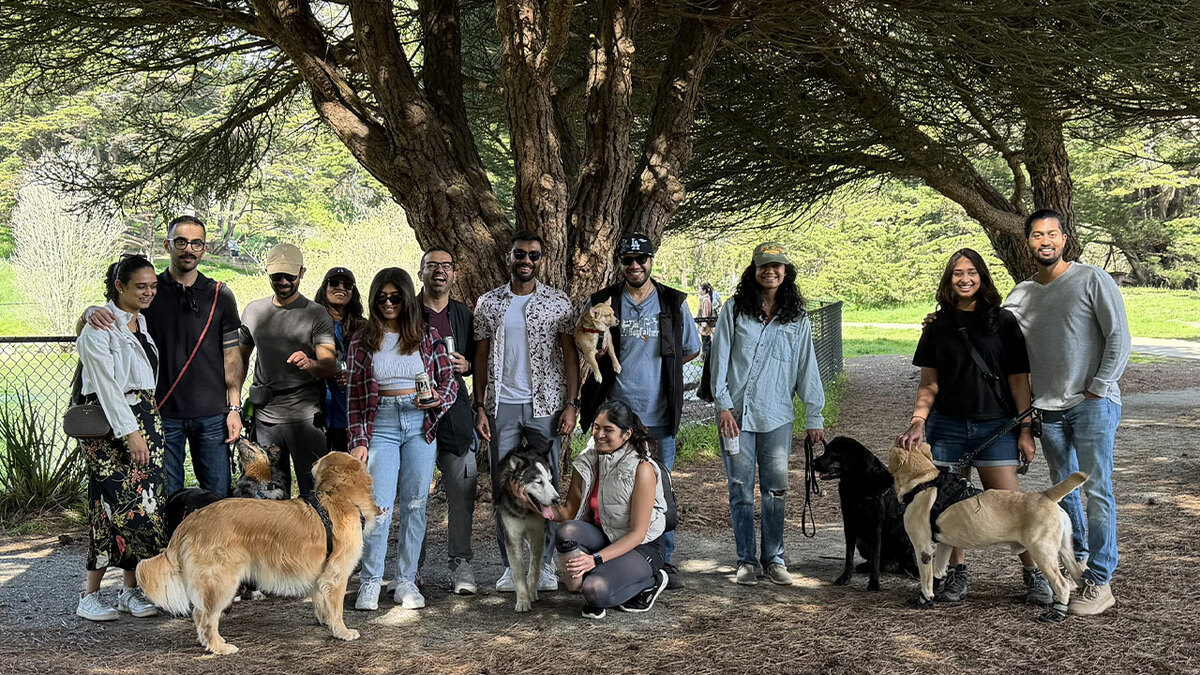
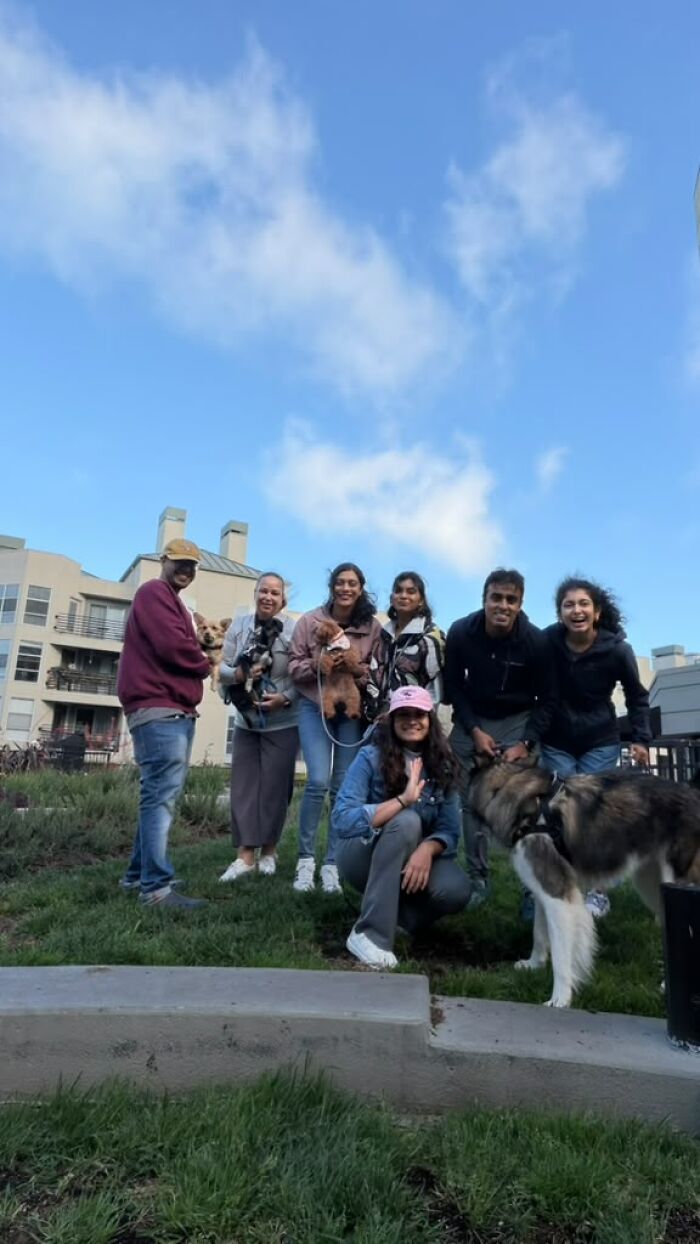
Dogs have a remarkable way of turning strangers into familiar faces. A person you first meet at the dog park can gradually become someone you see every morning, a neighbor who stops to pet your pup can become a friend, and before long, an entire little community can form around a shared love for animals. For Sonal Ravi, that idea eventually grew into something much bigger: Chester’s Village, a Bay Area community where dog parents and dog lovers meet, exchange recommendations, help care for one another’s pets, and step in when someone needs support.
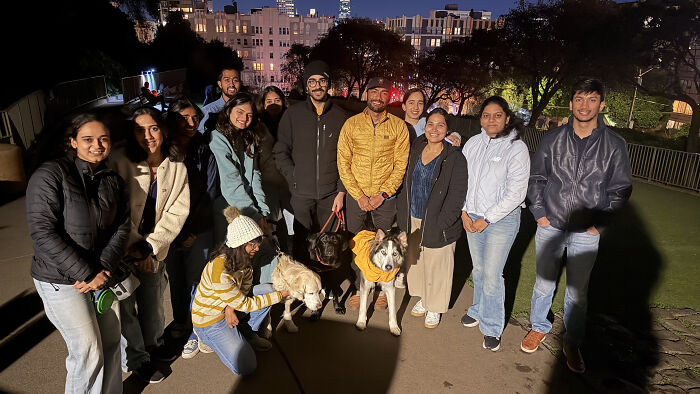
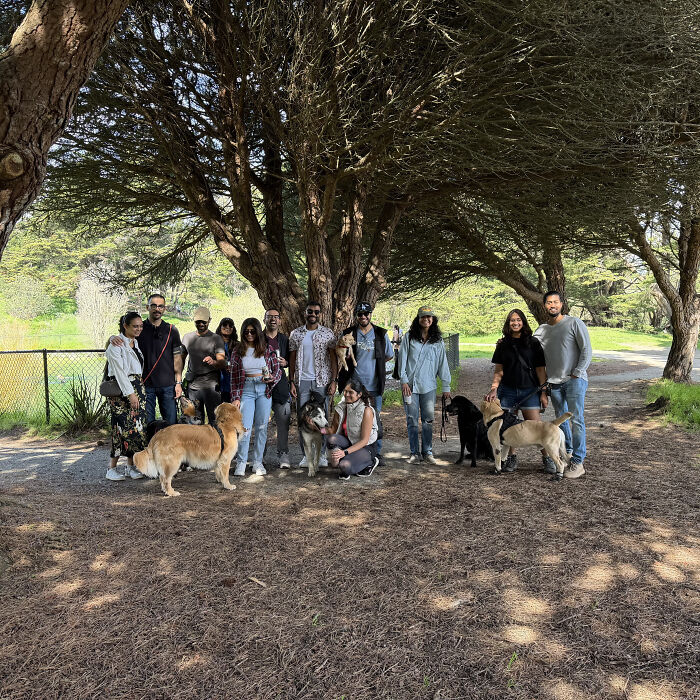
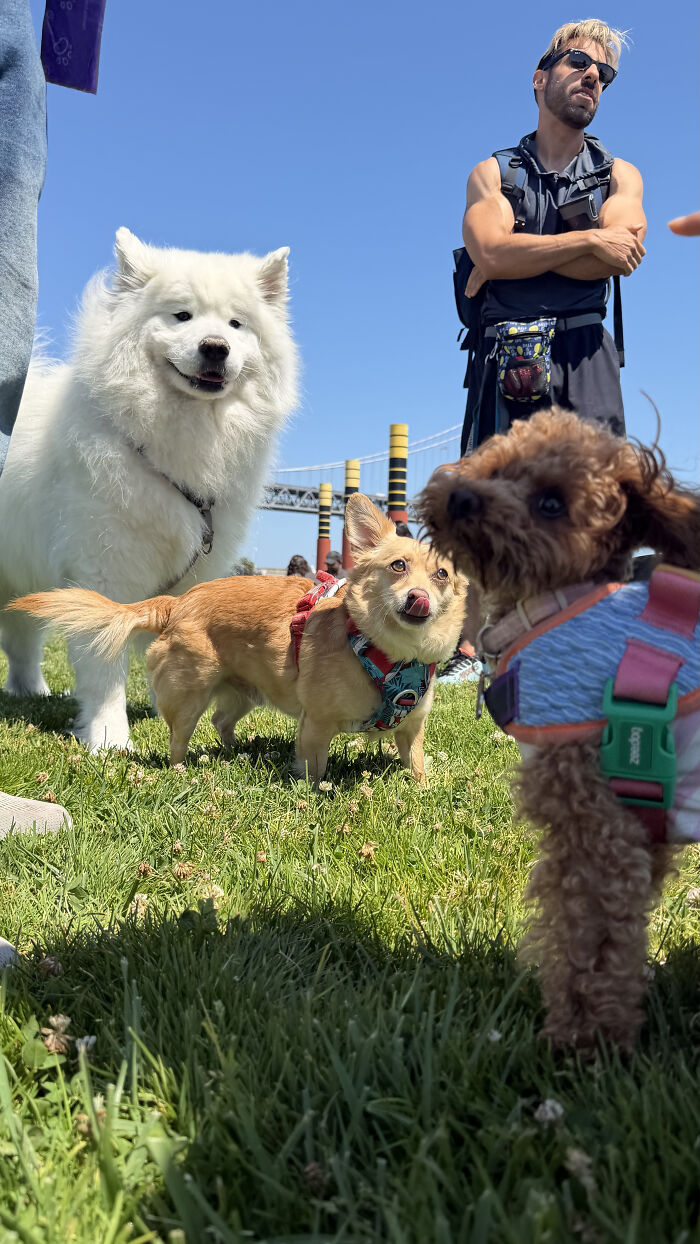
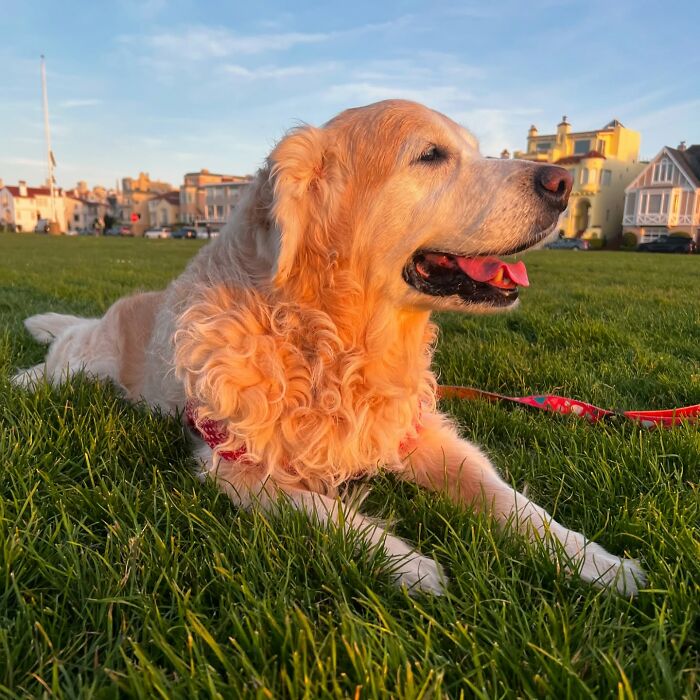
But Chester’s Village was never born from a business plan. It grew out of Sonal’s relationship with Chester, the Golden Retriever she had dreamed of owning since childhood, and from the support system he quietly built around them during his life. After Chester was diagnosed with incurable cancer and passed away in January 2026, Sonal decided to carry that sense of community forward in his name. In just six months, largely through word of mouth, Chester’s Village grew to more than 160 people and 100 dogs, all centered around one simple belief: every dog deserves a village of their own and a family beyond their front door.
Scroll down to read Chester and Sonal’s story, learn how their community came together, and see some of the dogs and humans who are now keeping his legacy alive.
More info: chestersvillage.com | Instagram | Instagram
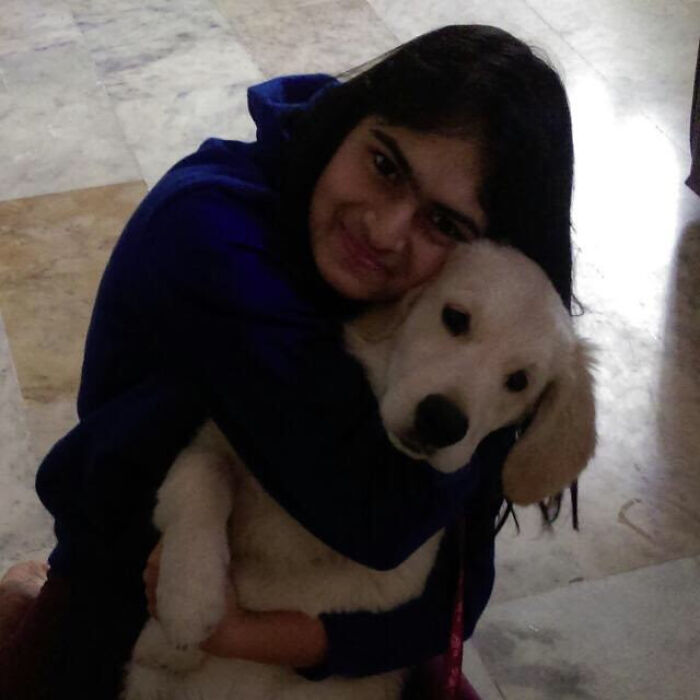
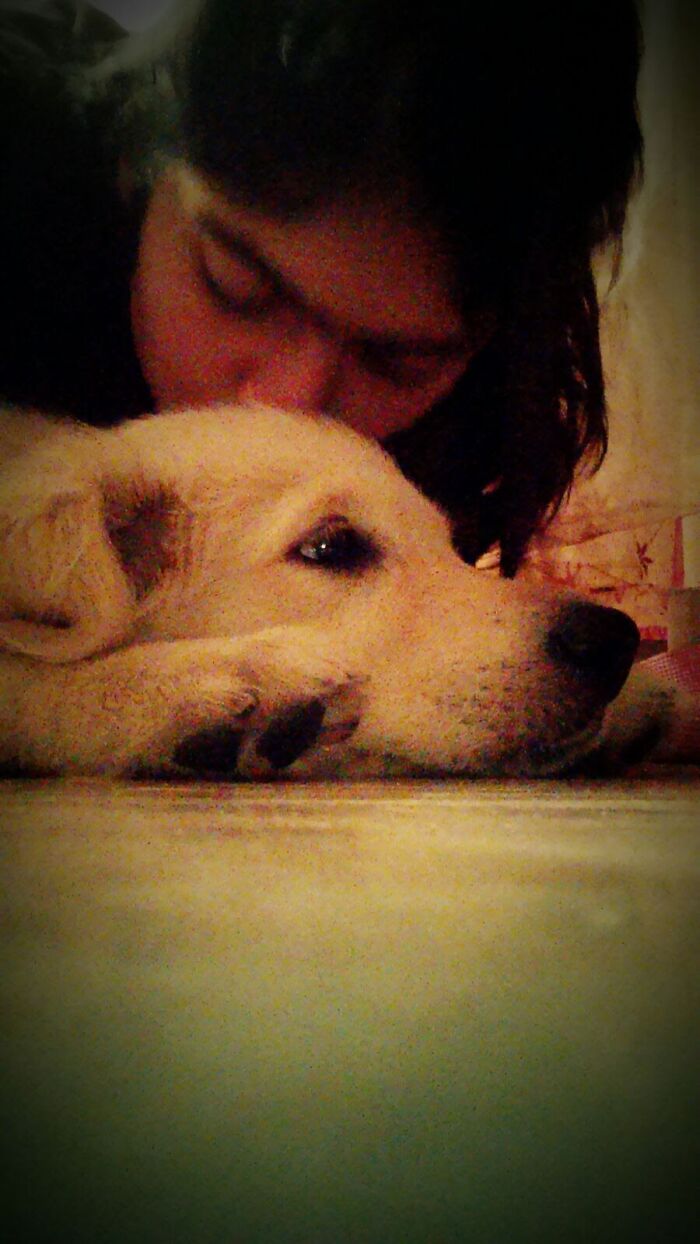
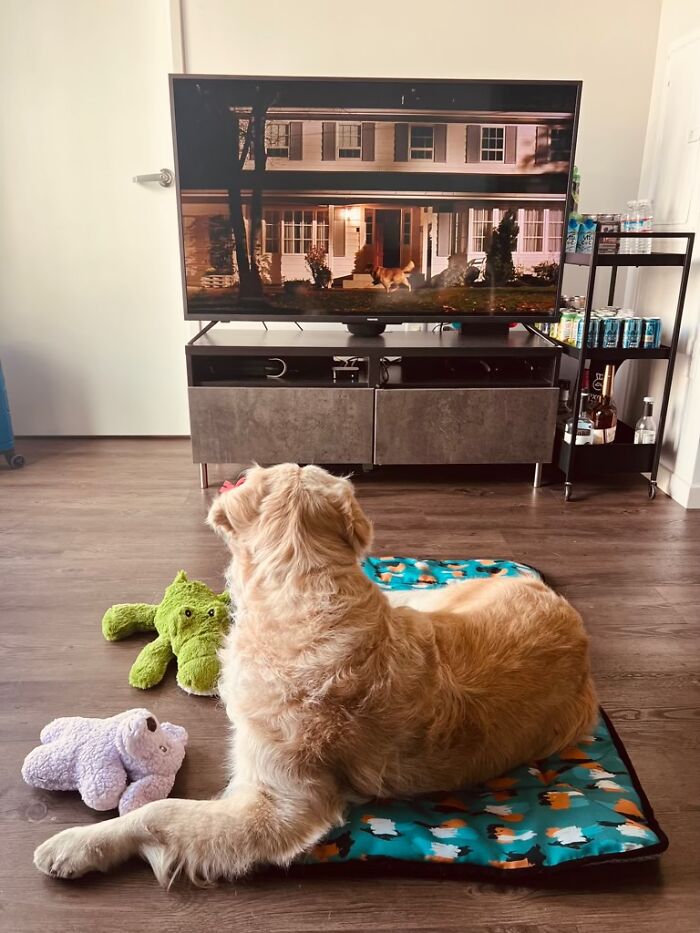
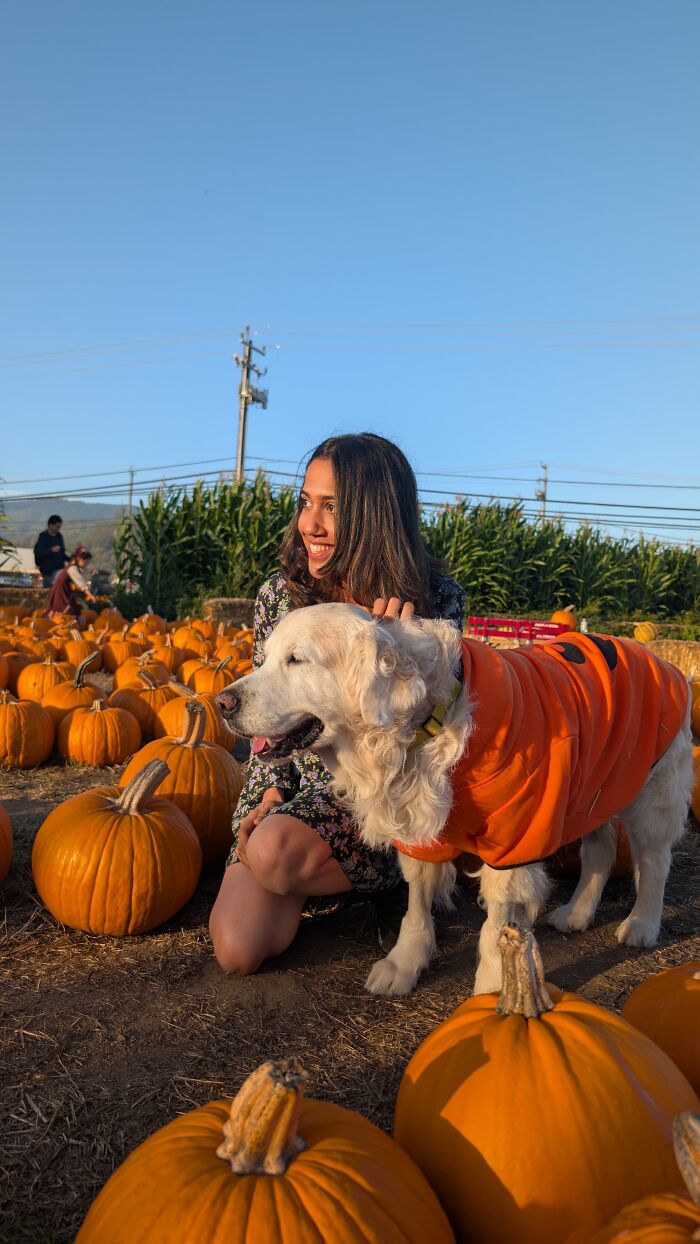
Sonal’s story with Chester began long before she ever imagined building a community around him. As a child growing up in Bangalore, India, she watched the movie “Air Bud” and became determined to have a Golden Retriever of her own. She begged and bargained with her family and even remembers doing well in school as part of her campaign to finally convince her mother. In 2015, when Sonal was 17, Chester came into her life at just 45 days old. “The minute he walked in with his four chubby paws, I was in love,” she recalled. Calm, patient, gentle, and easy to love, Chester quickly became a central part of the family, even winning over people who were normally afraid of dogs.
Becoming a pet parent at 17, however, also meant learning almost everything as she went. Sonal loved Chester deeply, but at the time, she had little understanding of the wider ecosystem that makes raising a dog easier. In Bangalore, she says, dog-friendly public spaces were limited, many cafés and restaurants did not welcome pets, and there was only one dog park available to them for a few hours on Sunday mornings. That often meant Chester had to stay home while the rest of the family went out, and Sonal increasingly became aware of how isolating pet parenthood could feel when the surrounding community was not built to include dogs.
She also noticed a contrast with the way people often approach raising children. “In India, human babies are usually raised by a village around them,” Sonal explained. Family members, neighbors, and friends tend to understand that parents sometimes need help, adjust plans around children, and offer support when things become difficult. With dogs, she often experienced the opposite. When people visited the family home, for instance, they would sometimes ask that Chester be tied up rather than treat him as part of the household. At 17, Sonal could not do much to change that wider culture, but the experience stayed with her.
Several years later, Sonal moved to San Francisco and encountered a completely different version of life with dogs. She saw dog parks, pet-friendly businesses, outdoor spaces, and neighborhoods where animals could be much more involved in their humans’ daily lives. It made her want the same for Chester, so she began the complicated process of bringing him from India to the United States. It took months of planning, paperwork, and help from people willing to make the move possible, but eventually Chester arrived in San Francisco and began a whole new chapter of his life.
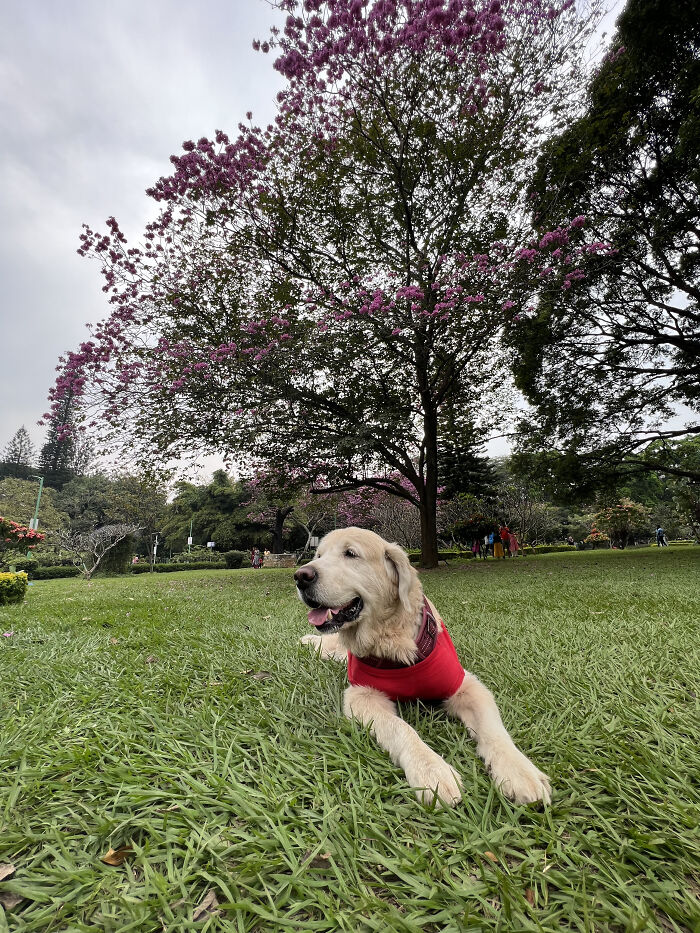
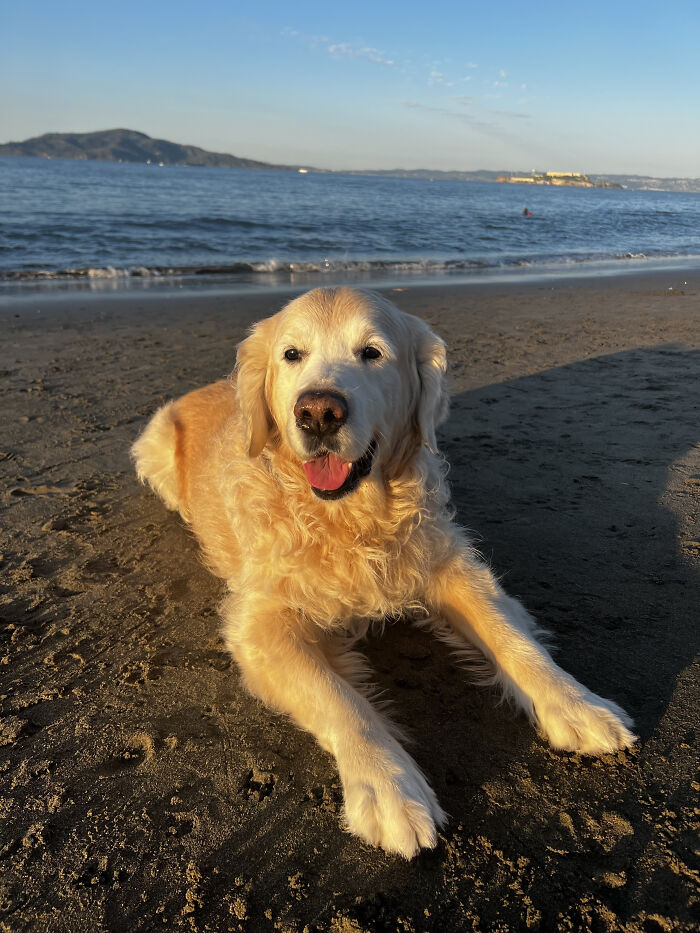
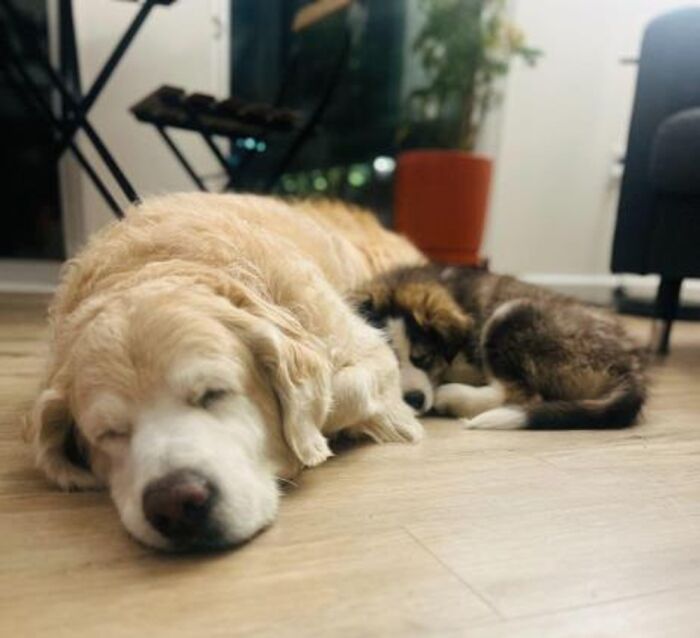
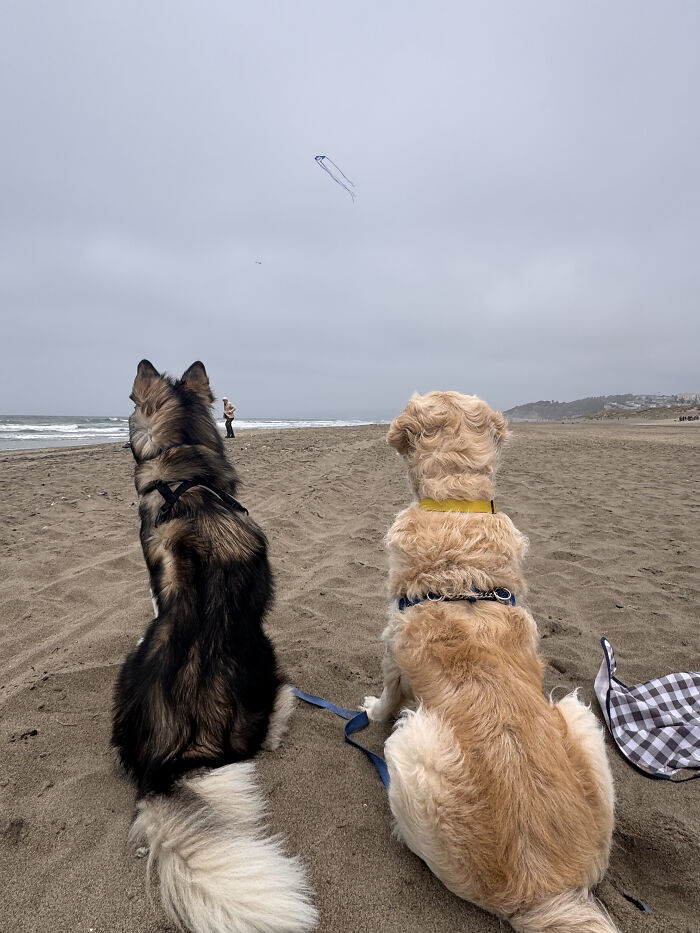
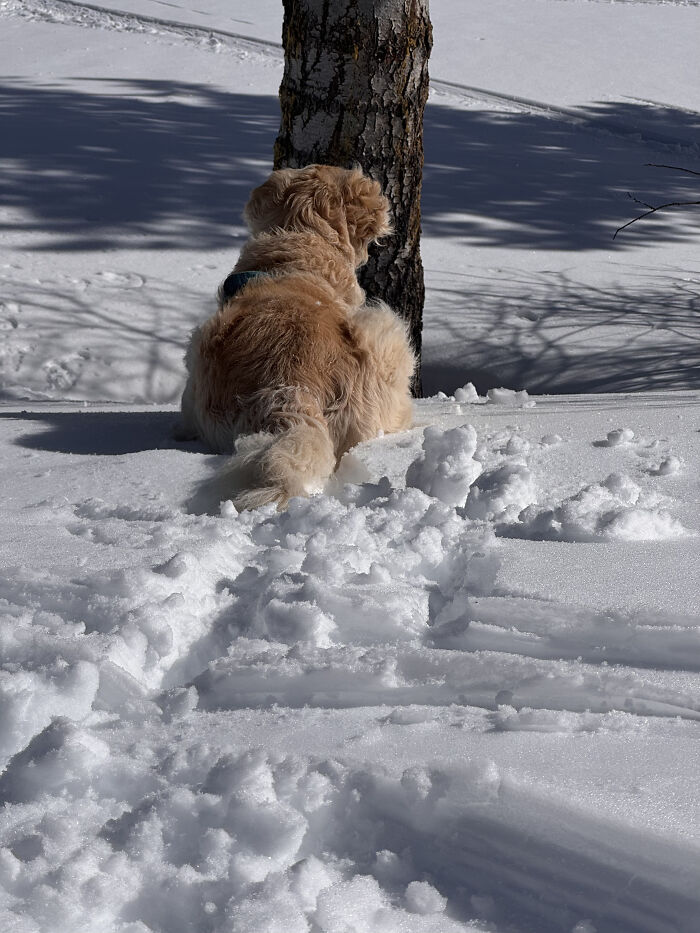
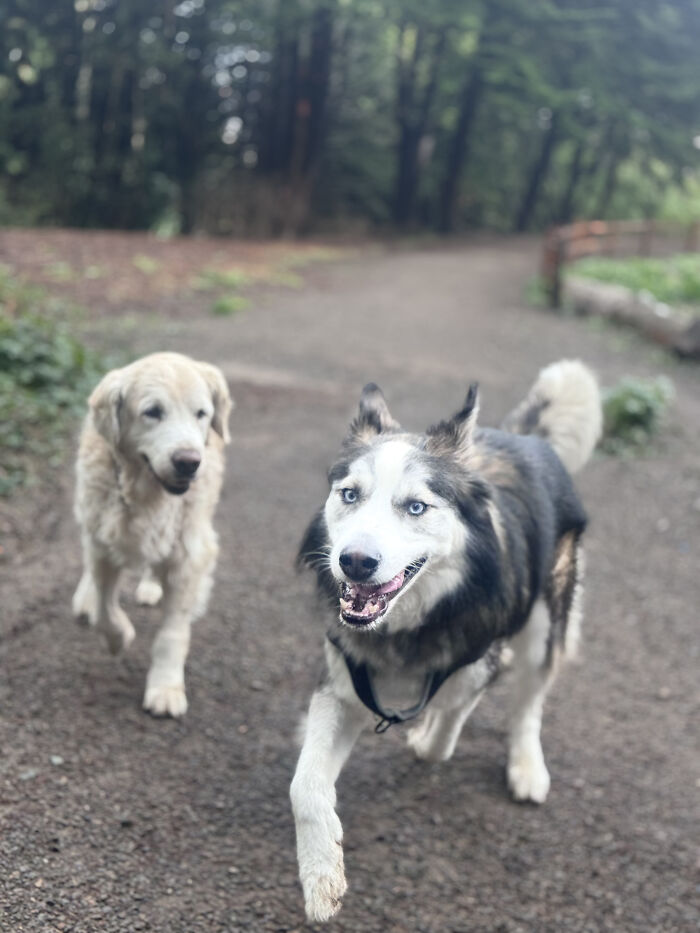
By 2023, when Chester was eight years old, Sonal says he had entered what she now calls his “golden era.” The dog who had once had relatively few places to explore suddenly had beaches, hiking trails, camping trips, snow, and countless adventures around the Bay Area. He also became a big brother when Sonal welcomed her second dog, Shadow, into the family. The two could hardly have been more different: Chester was calm and patient, while Shadow was mischievous and full of energy. Still, they became inseparable, protective of one another, and very much partners in ‘crime.’
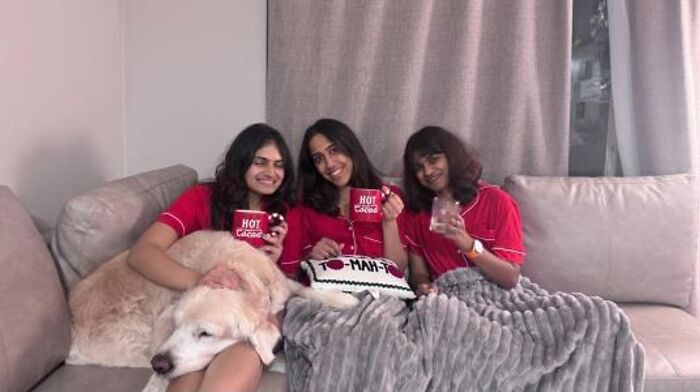
At the same time, Chester was creating another kind of family outside their home. Sonal says he did not simply walk through the neighborhood; he “made his rounds.” People recognized him at local businesses, neighbors stopped to greet him, and familiar faces at the park began turning into real friends. Some neighbors eventually helped watch Chester while Sonal worked, while others noticed when he failed to appear at his usual spots. Without anybody consciously setting out to create one, Chester had slowly woven a community together simply by being the friendly, familiar dog everyone knew.
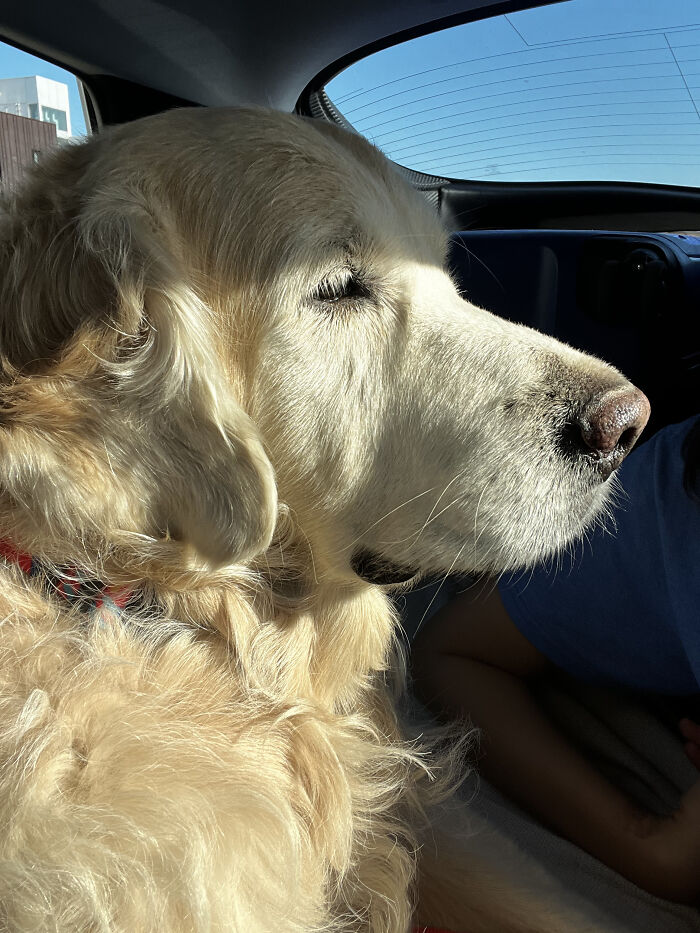
For years, that community was simply one of the happiest parts of life with Chester. Then everything changed when he was diagnosed with advanced, inoperable liver cancer and pancreatitis. Her routine became centered around hospital visits, symptoms, lab reports, specialists, and the constant uncertainty of what might happen next. She spent months reading medical information and interpreting doctors’ notes and laboratory results as she tried to understand every possible option for Chester.
Life became increasingly difficult to balance. Sonal was taking work calls from emergency rooms, watching every change in Chester’s condition, managing medications, and trying to make the most of every good day. But it was during those exhausting months that she truly understood what the community Chester had built could mean. Friends brought meals when she did not have time to take care of herself, neighbors stayed with Chester so she could work, and people checked in regularly, rearranged plans around his needs, and accompanied her to hospital visits. “Those acts of kindness made a world of difference,” Sonal said. “Chester had built a powerful support system I didn’t even know I needed.” For the first time, the idea of raising a dog with the help of a village was no longer theoretical. The people Chester had spent years befriending were now helping care for both him and Sonal at the hardest point of their lives, and their support made an overwhelming situation easier to carry.
After roughly six months of fighting cancer, Chester’s condition worsened, and in January 2026 Sonal was faced with the decision every pet parent dreads. Chester was euthanized on January 24, 2026. Sonal describes it as the hardest day of her life, but once again, she did not have to face it alone. Around 15 of Chester’s and Sonal’s friends gathered at the hospital to say goodbye, surrounding him with the same kind of love he had spent his life giving to everyone around him.
Despite being grief-stricken, Sonal kept returning to one realization: pet parenthood had felt fundamentally different once she had people around her who understood what she was going through. She had people she could text when Chester was sick, people who could recommend a veterinarian, people willing to help during an emergency, and friends who understood why seemingly small moments involving a dog could matter so much. She began to wonder why that kind of support should depend on luck and decided to start building the village she wished every pet parent had. She began by inviting Chester’s friends and the dog parents she already knew into a WhatsApp community. Rather than creating one large group chat, Sonal tried to structure it like a real village, with spaces where members could introduce their pets, ask questions, exchange trusted recommendations, share photos, request dog-sitting help, plan playdates, and organize meetups around the Bay Area. Slowly, more people joined, and the community grew to more than 160 members and around 100 dogs.
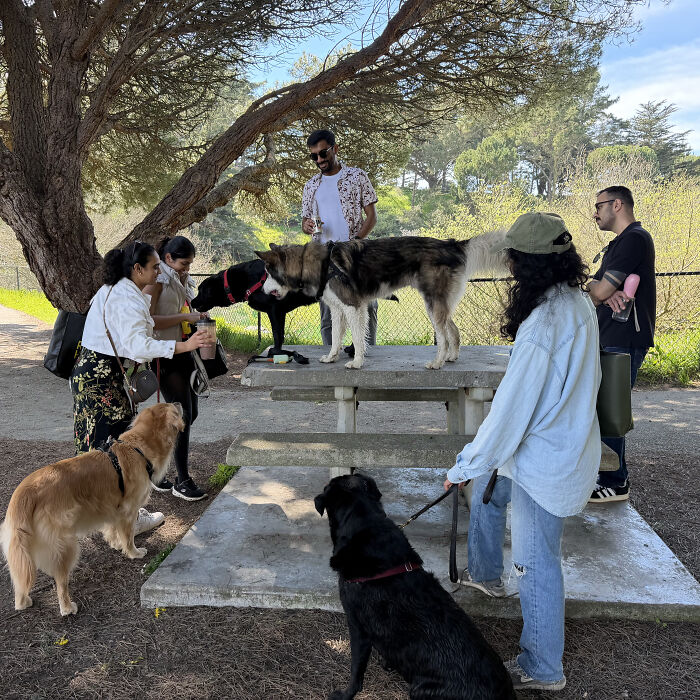
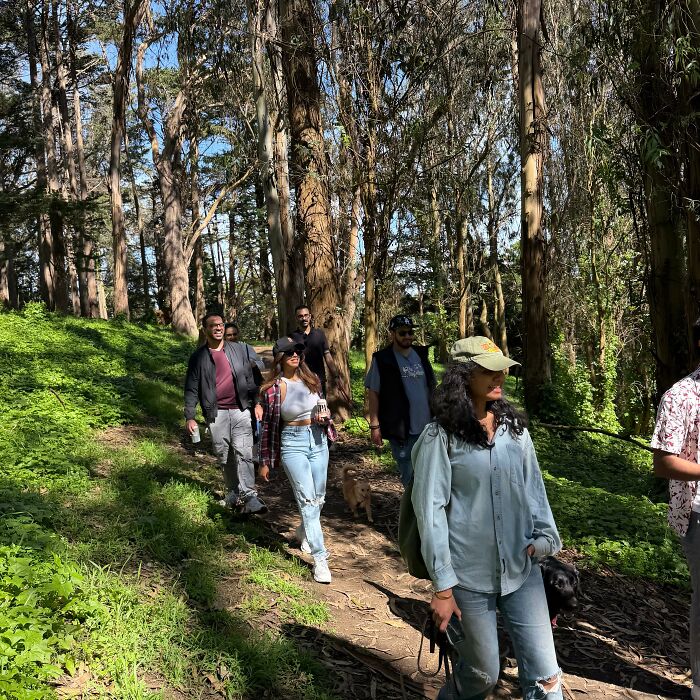
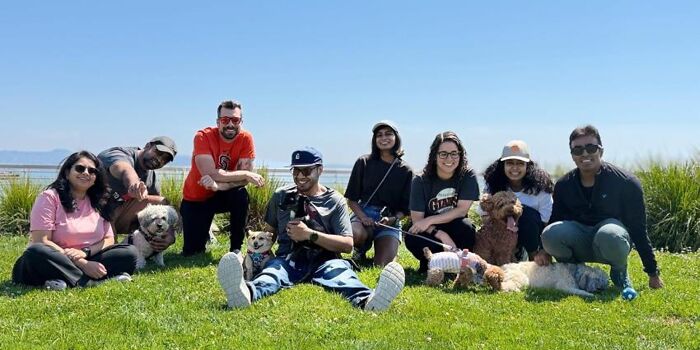
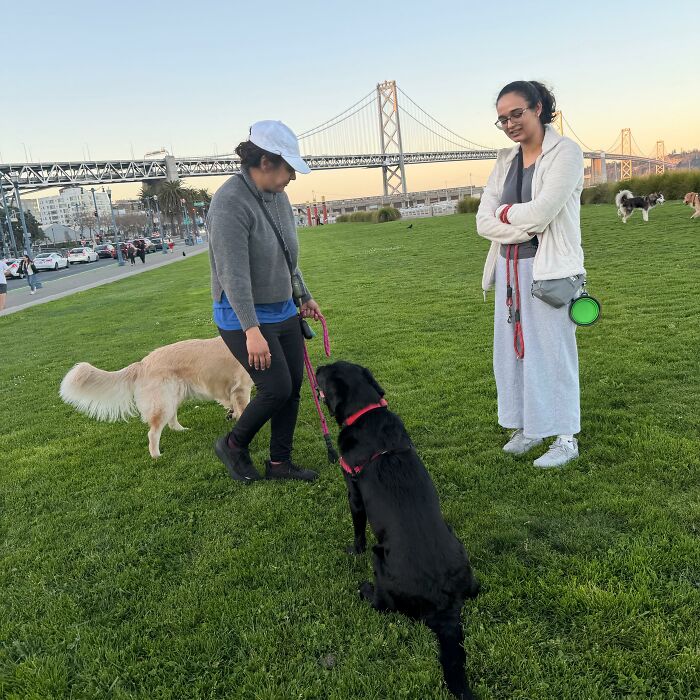
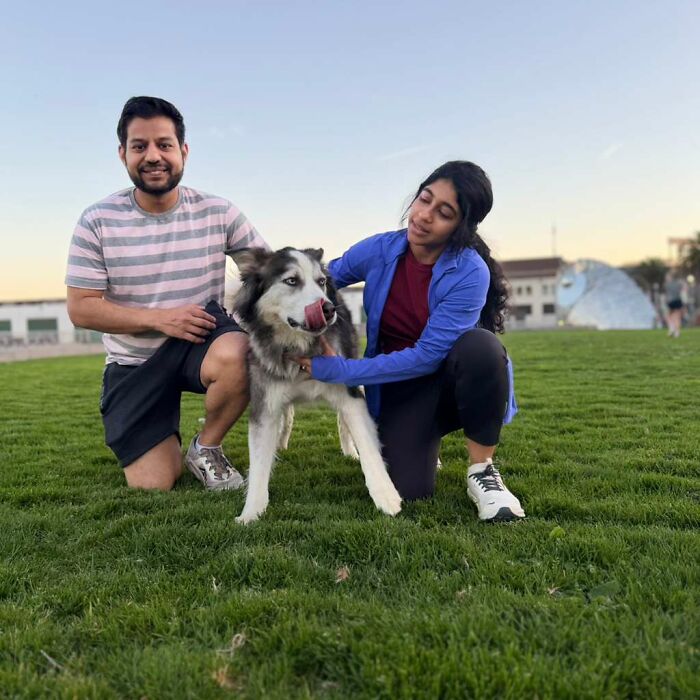
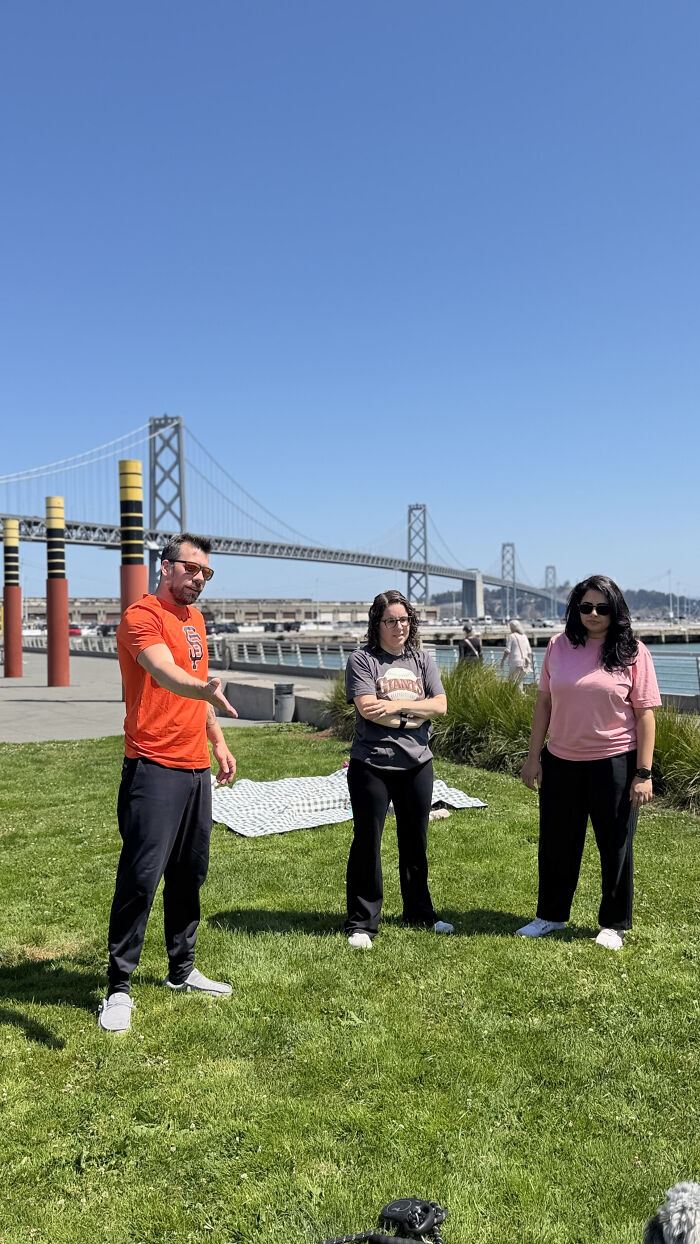
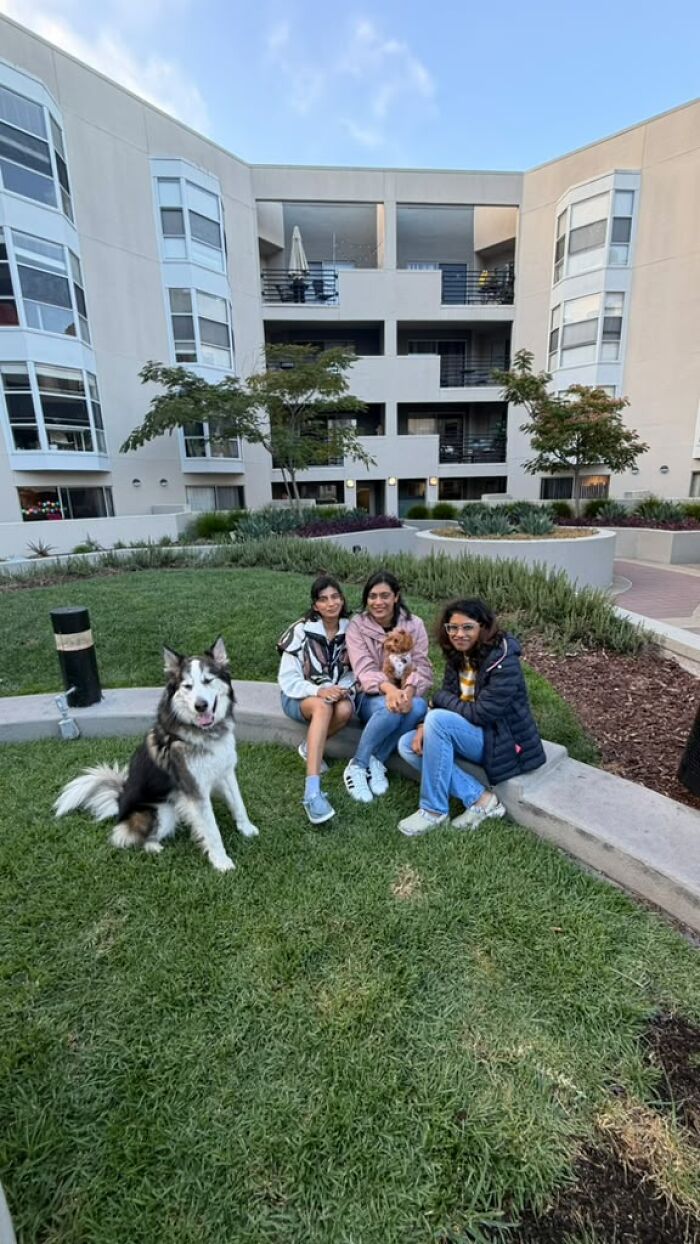
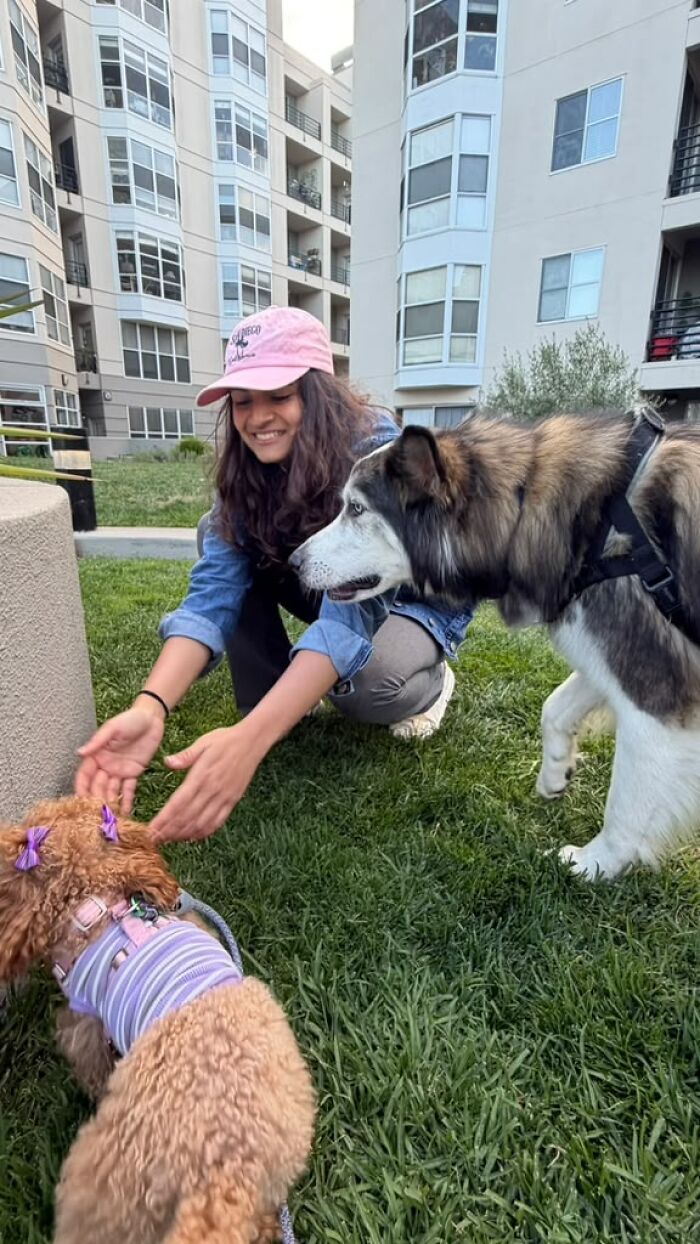
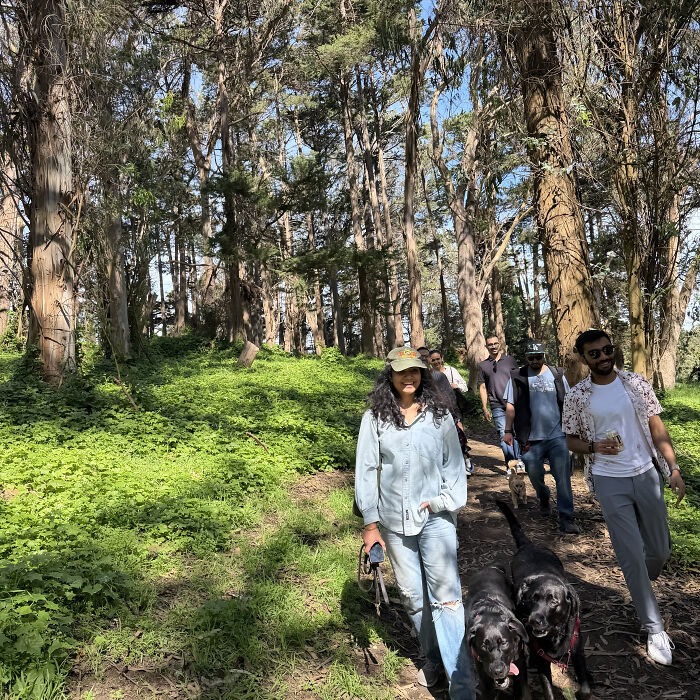
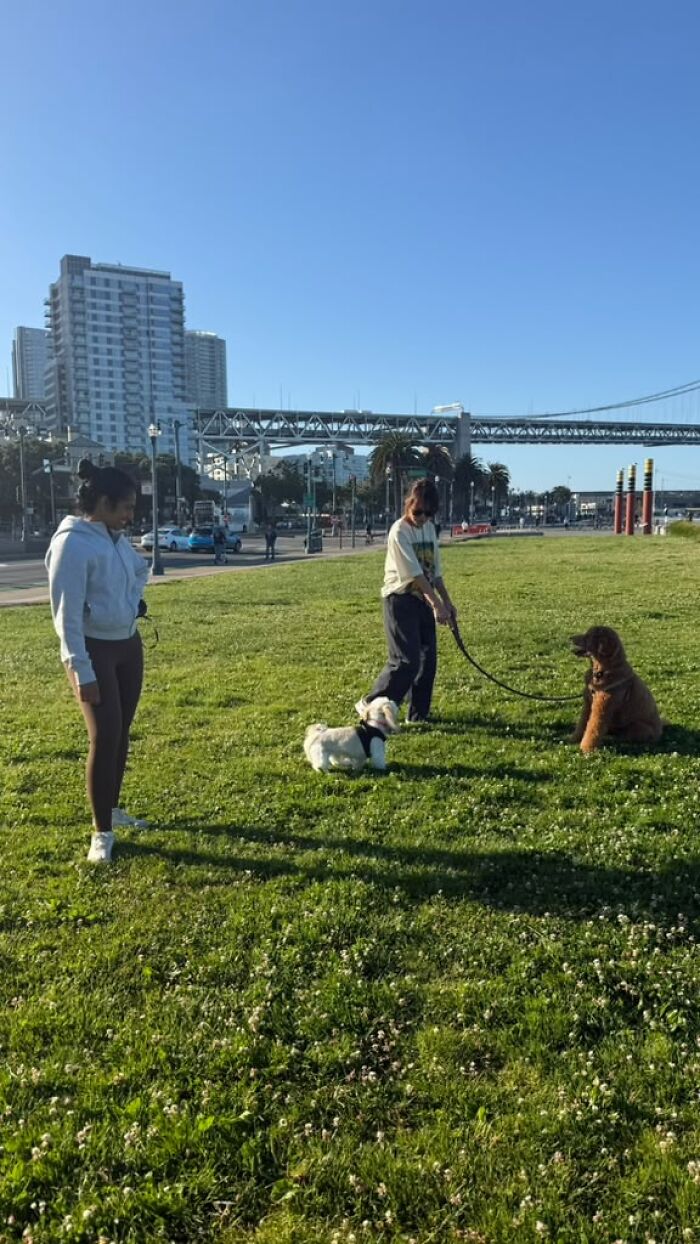
Sonal also knew that an online group alone would not create the kind of trust she had experienced during Chester’s illness, so she began bringing people together in person. The Village started organizing neighborhood meetups, coffee walks, hikes, beach outings, playdates, picnics, and recurring gatherings. Some of these became regular “village rituals,” with community members themselves stepping up as hosts. The idea was partly inspired by Chester, whose slow, deliberate routines had taught Sonal how much dogs enjoy familiarity, predictability, and having something to look forward to.
Those gatherings gradually began creating relationships that went far beyond socializing at the park. Members started helping one another with dog sitting, covering walks when plans suddenly changed, exchanging veterinary and training recommendations, and offering assistance during emergencies. Sonal herself began caring for members’ dogs when they traveled, and over time, those people returned the favor. Even dog lovers who did not yet have pets of their own began participating simply because they wanted to spend time with dogs and help others. That is where Sonal began to see Chester’s Village as something more than a social club. Pet care in San Francisco can be expensive, particularly when someone needs boarding or a sitter while traveling. Instead of relying exclusively on paid services or leaving a dog with a stranger, members could sometimes turn to people they already knew and trusted from the neighborhood. Sonal describes it as moving away from a purely transactional system toward a “goodwill-based economy,” where somebody helps today, and the favor eventually finds its way back through the community.
Most examples of that system are relatively small: a neighbor watching someone’s dog for a few days, another member stepping in when a walker cancels, or someone recommending a veterinarian based on firsthand experience. But one incident involving a dog named Bean showed Sonal how powerful the network could become when something more serious happened. When Bean went missing, word quickly spread through the community, and members began searching, coordinating with one another and trying to cover different parts of the neighborhood. Bean eventually returned home safely, but what struck Sonal most was how many people were willing to interrupt their own evenings to search for somebody else’s pet.
“No app mobilizes fifty people at 9pm to find your dog,” Sonal said. “And that’s the whole point.” To her, people were willing to show up because Bean was not simply an anonymous missing dog. Members had met one another, knew each other’s pets, and had developed genuine relationships. The Village had created the kind of trust that could turn an online alert into people physically going outside to help. The same kind of support has appeared during other difficult moments as well. When a member’s son was hospitalized, neighbors offered to look after her dog for the week. When someone’s planned dog walker canceled, the community helped cover the walk. New families have joined and quickly found people nearby who were willing to help with their pets. None of these gestures may seem extraordinary in isolation, but Sonal believes they become powerful when they happen consistently enough that people know they have somewhere to turn.
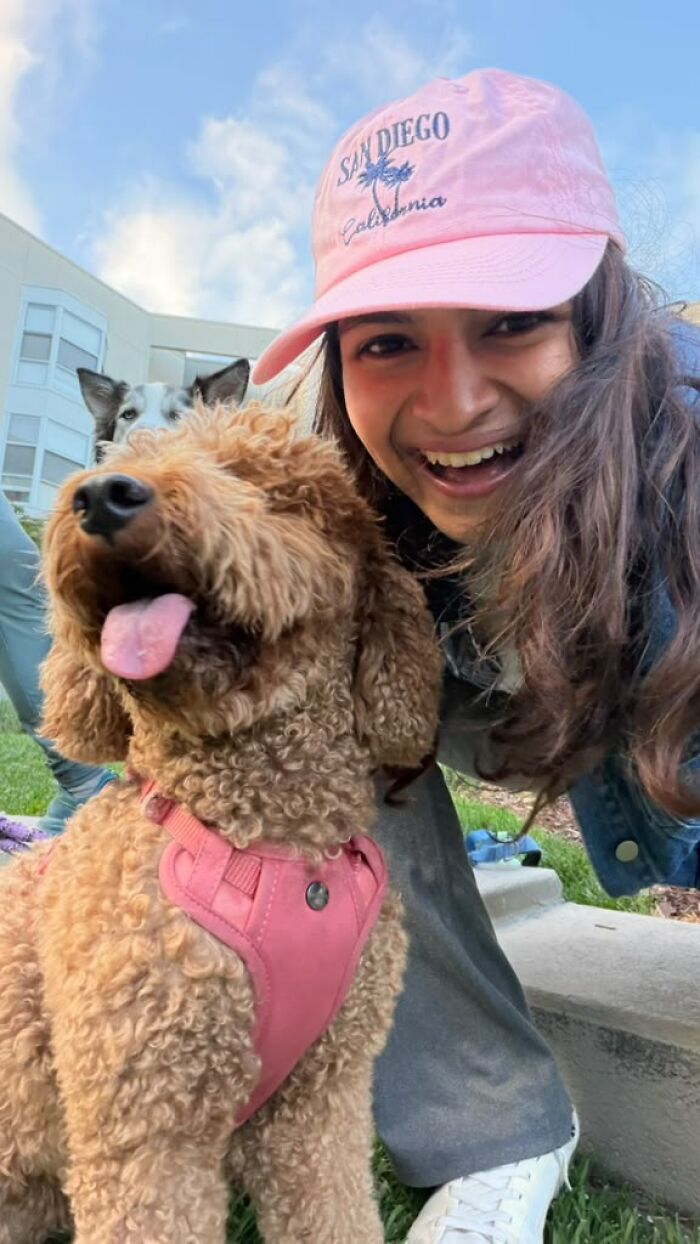
Members have described Chester’s Village as a “second family,” where people treat one another’s dogs almost as if they were their own. Beyond meetups and playdates, the community also shares trusted recommendations and real experiences about veterinarians, trainers, pet services, and other resources, reducing some of the uncertainty that comes with navigating pet parenthood alone. For Sonal, the goal is not simply to build a bigger dog group, but to create the kind of social infrastructure that can support pet parents throughout every stage of their animals’ lives.
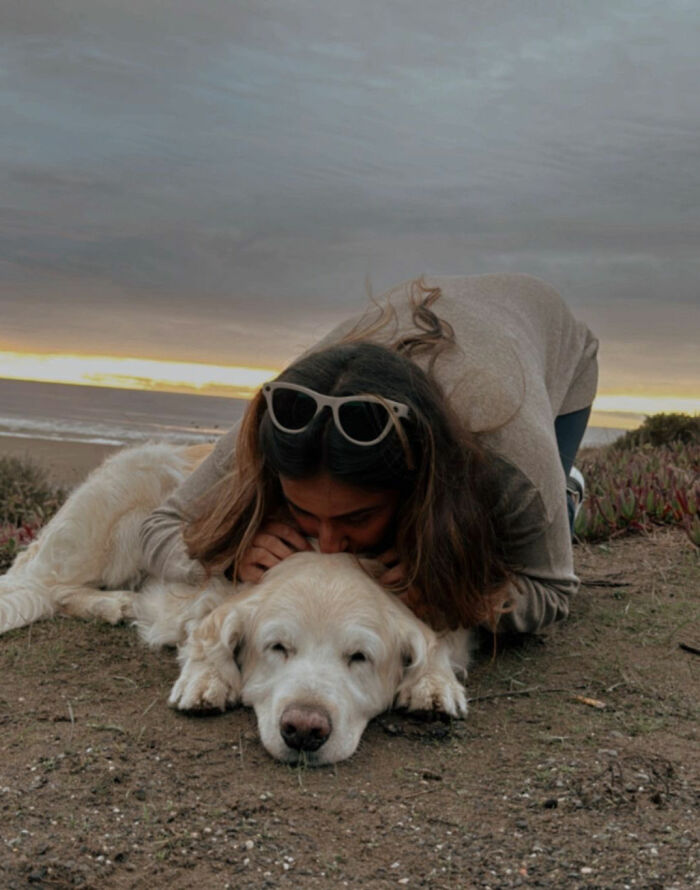
In many ways, it is the community Sonal wishes she had when she first brought Chester home at 17. Back then, she was trying to figure out pet parenthood largely on her own. Years later, Chester showed her what another version could look like: a dog welcomed into the world around him, known by neighbors, loved by friends, and surrounded by people who noticed when he was missing. During the final months of his life, those relationships became the village that carried them through. Chester never got to see how large the community bearing his name would eventually become, but Sonal believes everything it does can be traced back to him. The friendships, the shared walks, the trusted dog sitters, the recommendations, the emergency help, and the rituals that give both dogs and their humans something to look forward to all grew out of the relationships Chester built throughout his life.
What began with one Golden Retriever has now become Sonal’s effort to ensure fewer people have to navigate pet parenthood entirely alone. She hopes Chester’s Village can continue building a network where support is not limited to those who can afford professional services or who already have family nearby, and where every dog has more people looking out for them than the humans waiting behind their own front doors.
As Sonal puts it, “Chester started this.” And the lesson she hopes to continue carrying forward in his name is a simple one: every dog deserves a village of their own.










 No fees, cancel anytime








31
1