Get Premium
Dark mode theme is available exclusively for premium users. Learn more about the benefits of subscribing.
No fees, cancel anytime.

 Dark Mode Ad-Free Browsing Unlimited Content
 Ad-Free Browsing Unlimited Content Dark Mode
Join 1.2 million Panda readers who get the best art, memes, and fun stories every week!
27submissions
1week left
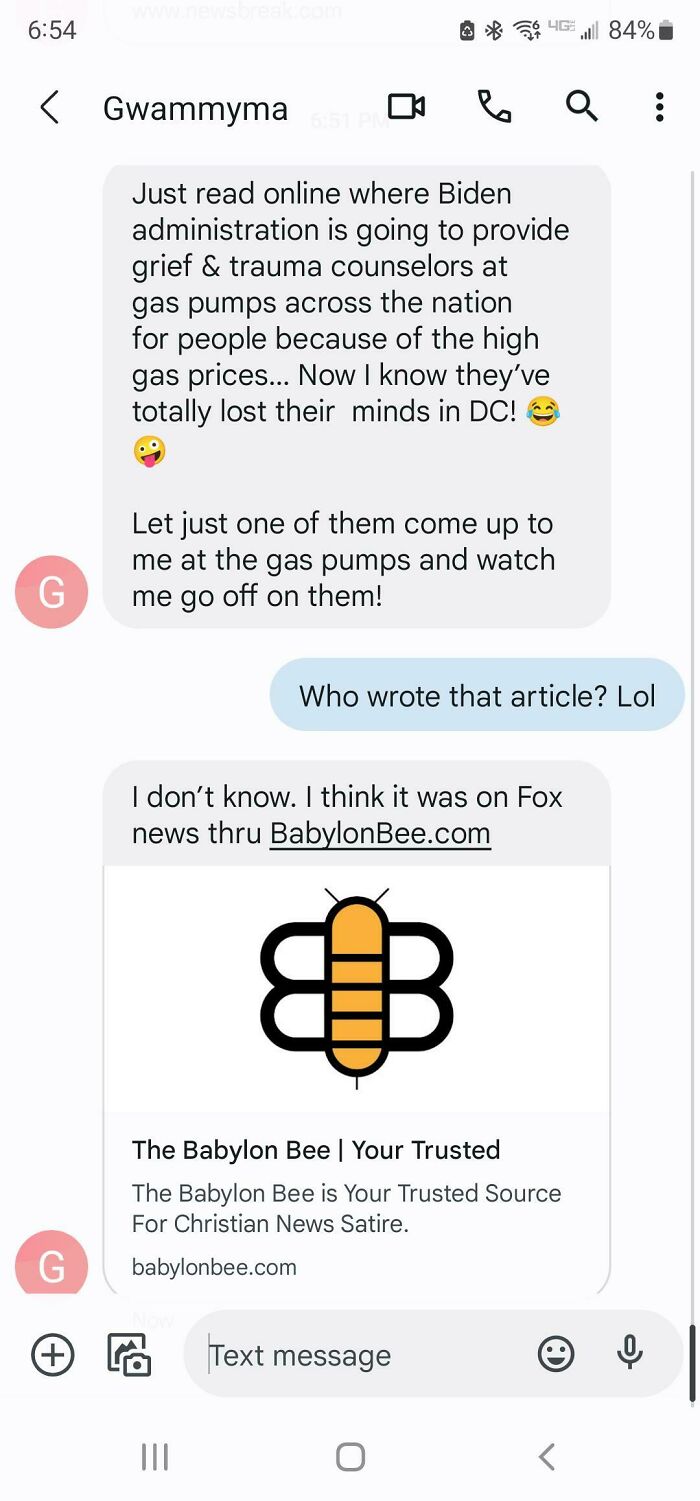
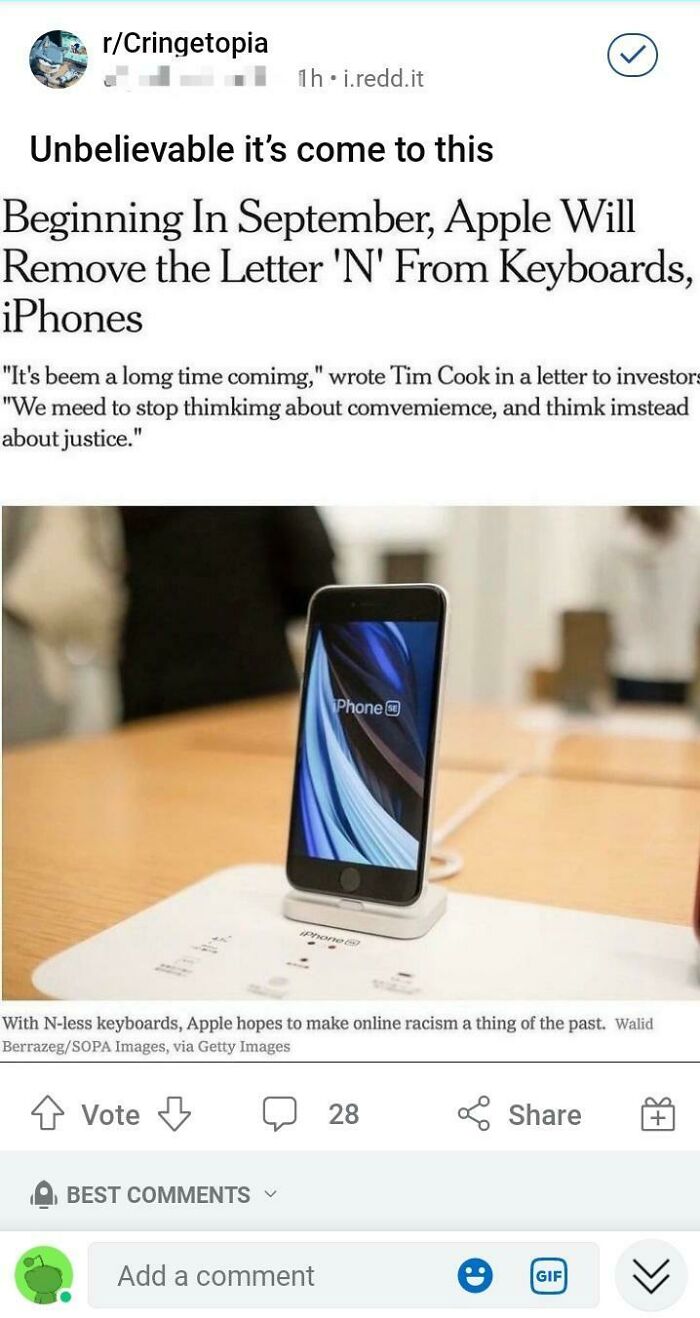
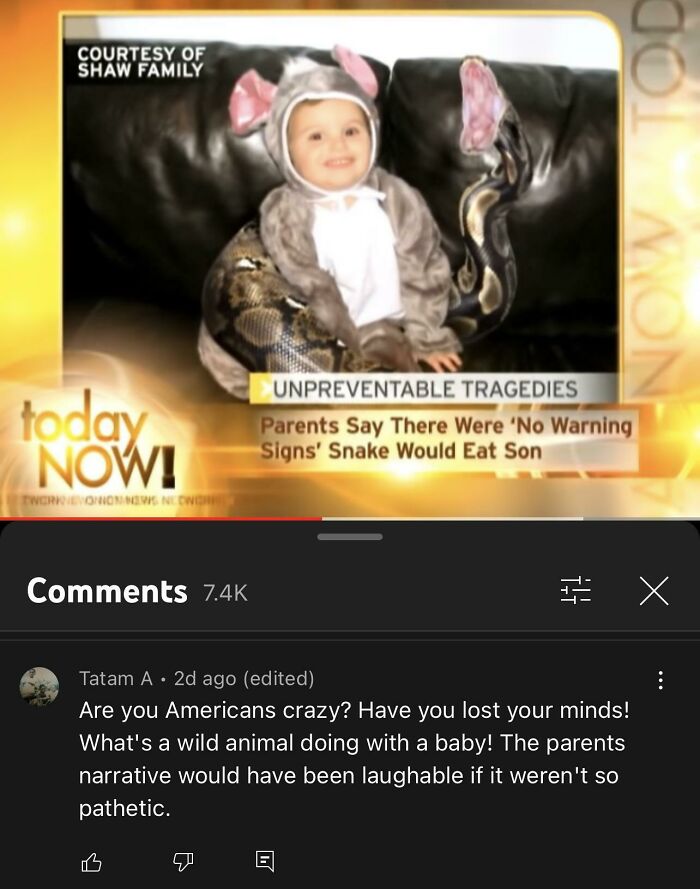
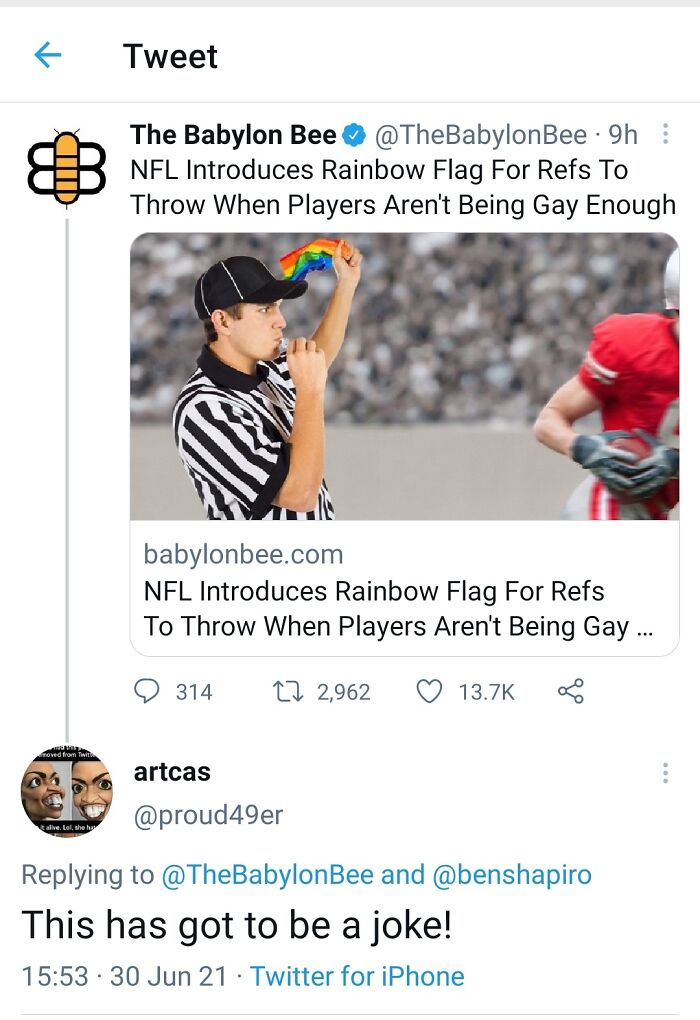
Satire is a powerful tool. It’s funny, witty, and can be quite a challenge to the reader. It's supposed to outrage and amuse, cause laughter and delight, [jerk] your conscience and unveil uncomfortable truths — all at the same time. By its very definition, it aims to find the sweet spot between reality and absurdity. But for some people (read: naive), the line between satire and real news gets blurry — especially when they fall for these tales and share them as truth each day.
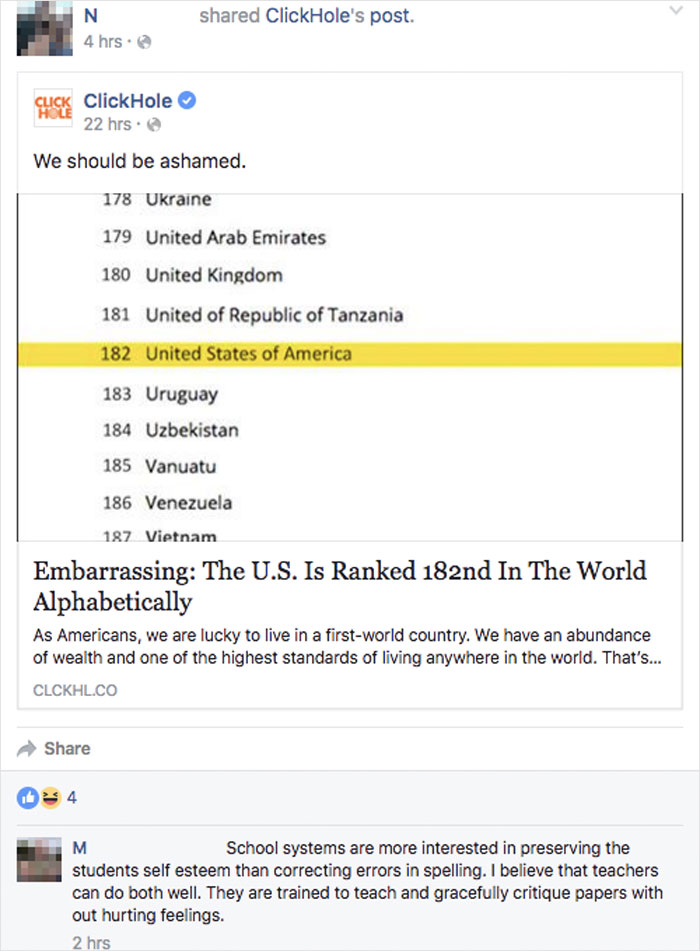
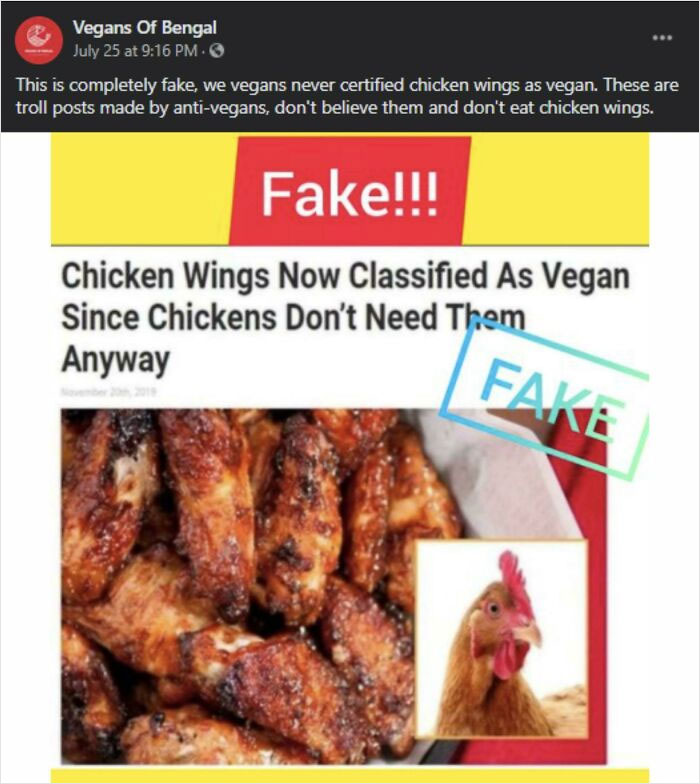
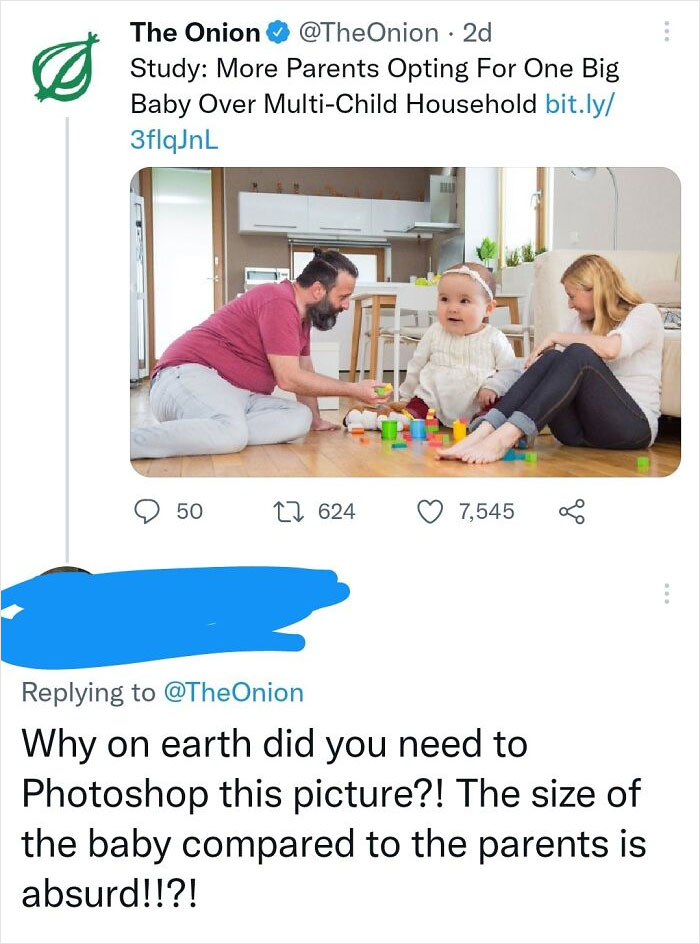
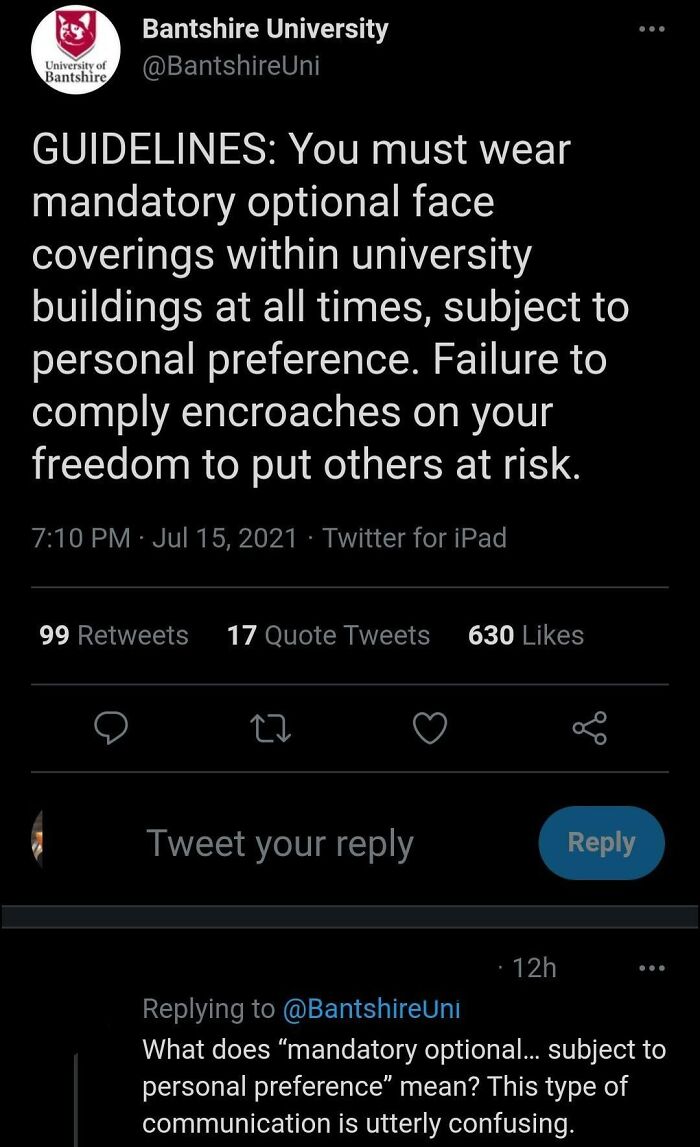
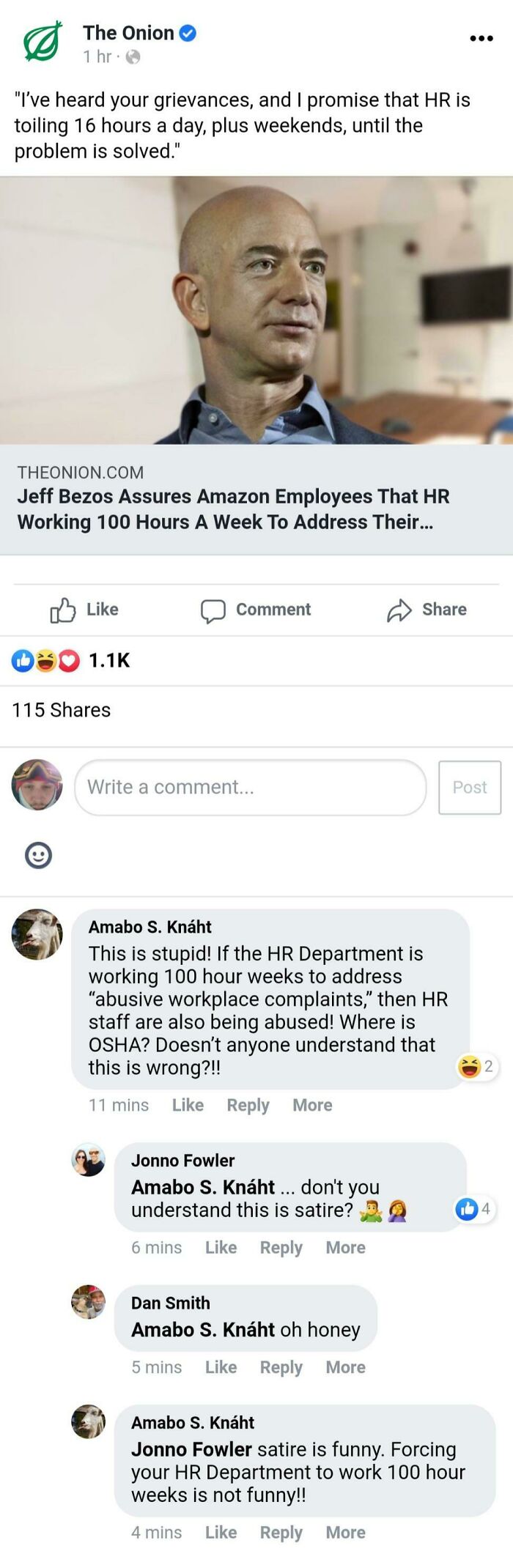
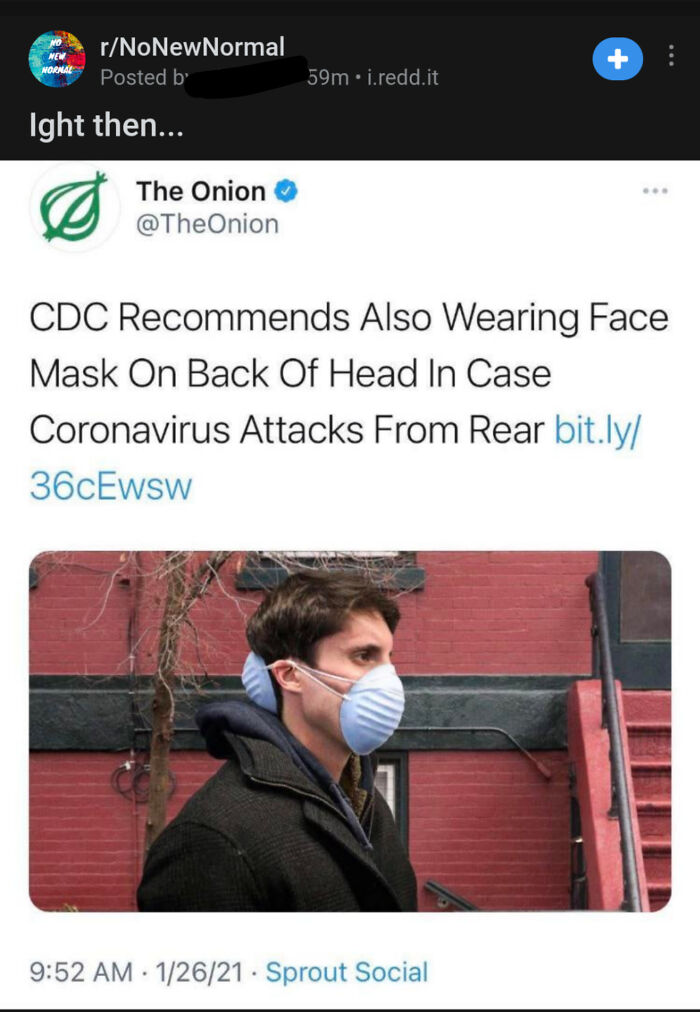
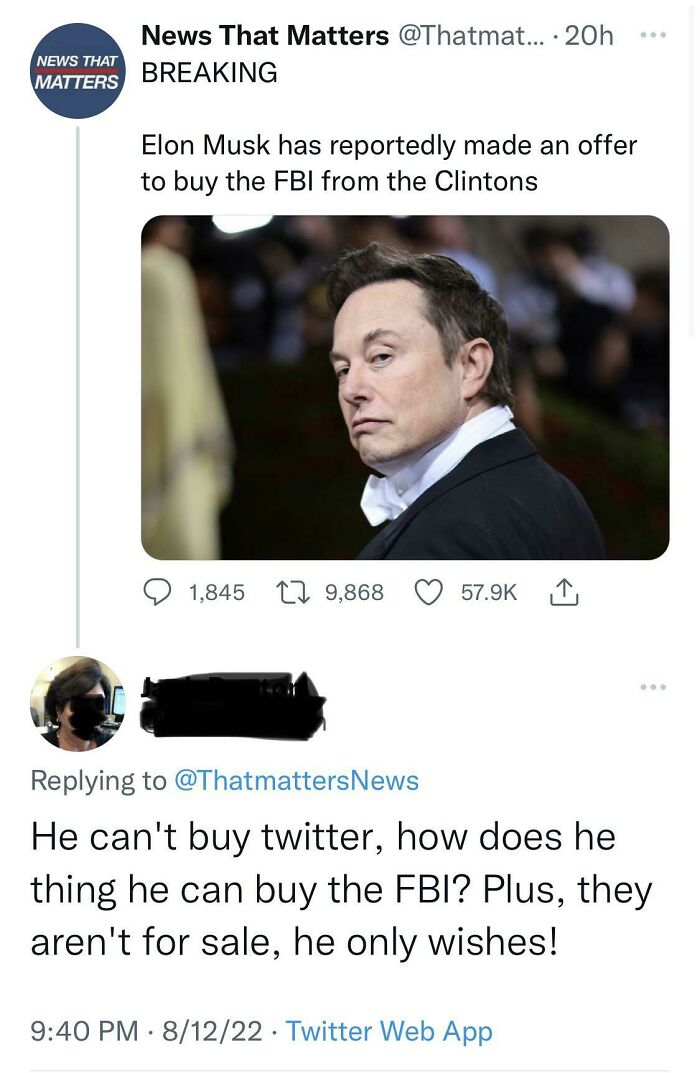
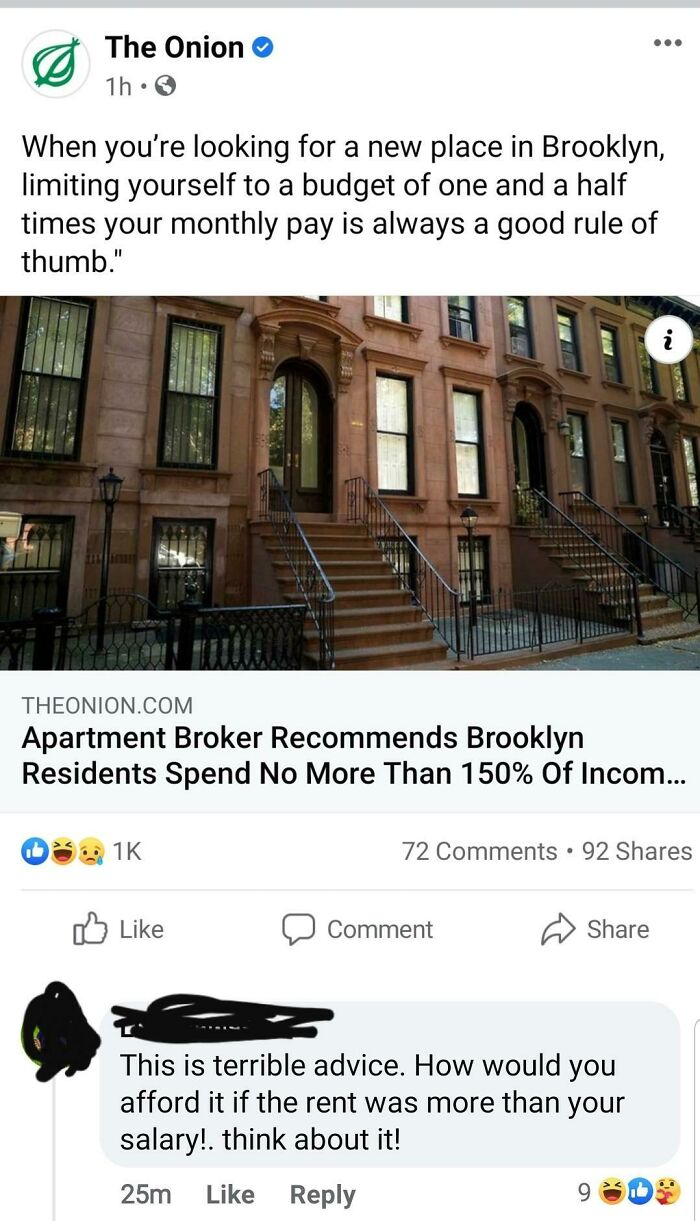
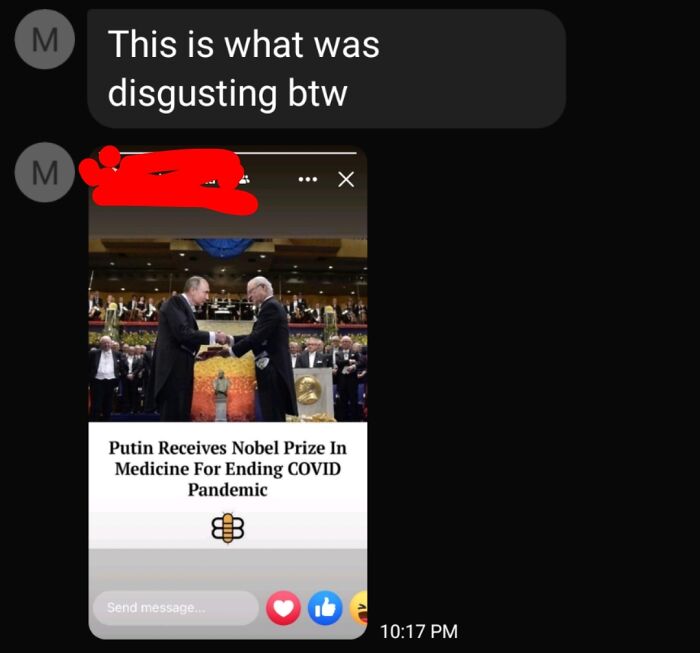
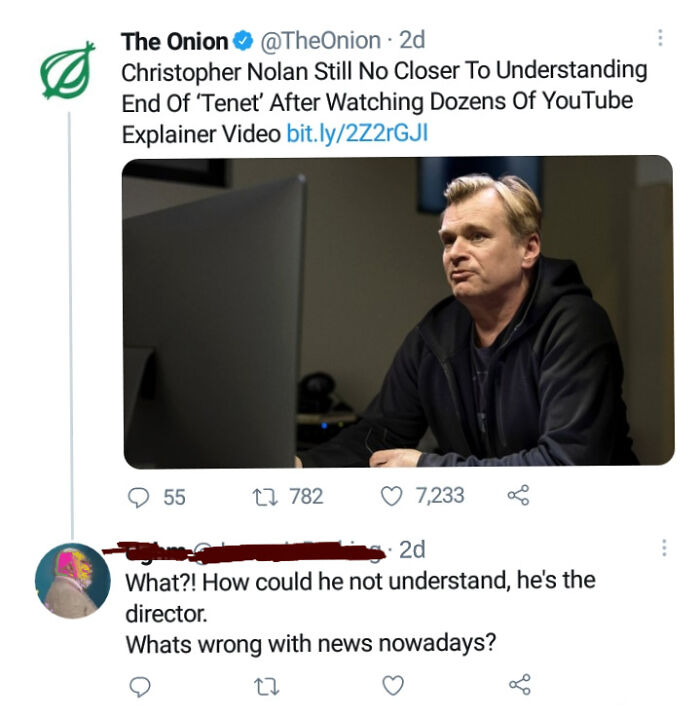
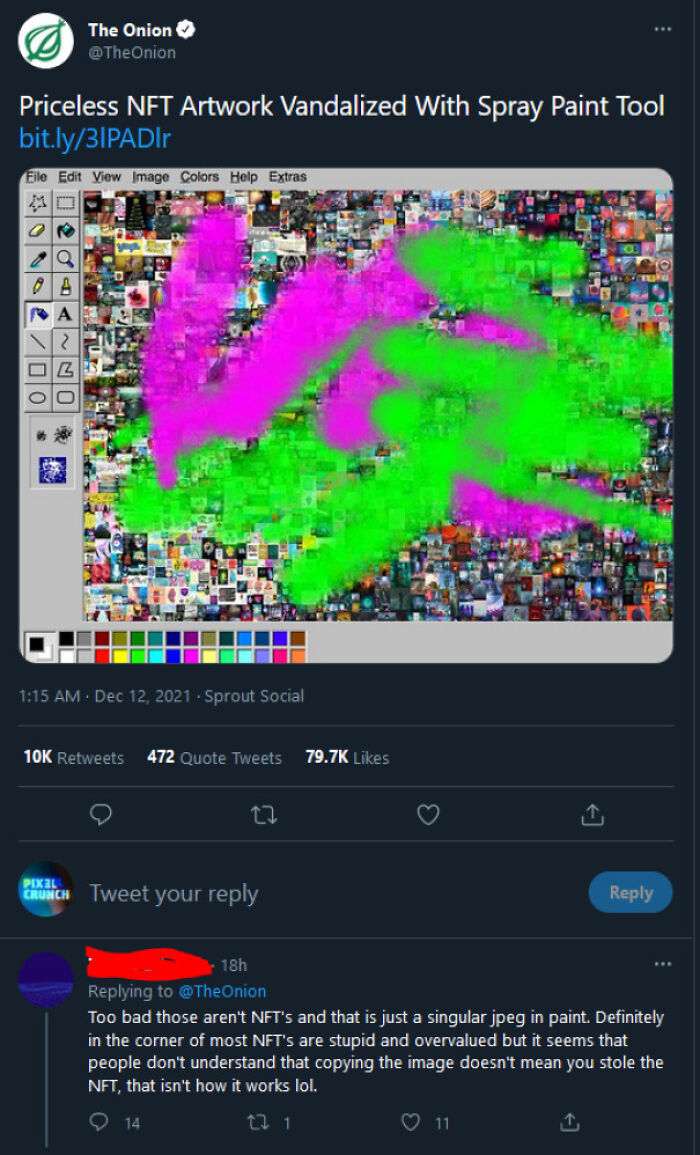
See, popular satirical news sites like The Onion are easily confused with the real deal. In fact, they are misunderstood so often that it even spawned a whole online community dedicated to ridiculing those who have been fooled. So let us introduce you to the wildly popular 'Ate The Onion' subreddit, a place collecting screenshots of people who failed to see the satire and immediately embarrassed themselves online.
No wonder the community has gained a cult following with over 553k members cringing over hilariously painful scenarios they stumbled upon on the web. So below, we hand-picked an entertaining collection of some of their best posts to share with you. Continue scrolling, upvote your favorite ones, and be sure to let us know what you think of them in the comments!
For some more outrageously funny and gullible reactions to non-existent events and ideas, check out Bored Panda’s earlier post about 'Ate The Onion' right over here.
Click here & follow us for more lists, facts, and stories.
This post may include affiliate links.
To gain some insight on the role of satirical news sites today, we reached out to James E. Caron, a Professor Emeritus of English at the University of Hawai’i at Mānoa. In his recent book Satire as the Comic Public Sphere: Postmodern "Truthiness" as Civic Engagement, he examines well-known comedians such as Stephen Colbert, John Oliver, and Jimmy Kimmel, and discusses how satirical commentary on current events and politics affects the audiences.
"Good satire both entertains and informs," Caron told Bored Panda. "Mock news sites sometimes are doing satire, but not always. Mostly they entertain." At its core, satire raises people's awareness and provides multilayered commentary on political communication and mass media by using humor and irony. With the power of clever ridicule, it challenges readers’ views and helps confront unpleasant truths.
"For an informed citizen interested in civic issues of the day, they take their place in the range of discourse available that makes some sort of attempt to shape our reality," the professor added.
Being part of the entertainment industry, political satire reaches more people than ever before. Since it adds a sense of wit to the mix, it makes the audience incredibly receptive to it. It makes the bitter truth a tad sweeter to swallow, but it usually conveys the message nonetheless.
However, is it a good teacher of how to address important political and social issues? "Some satire will include in its comic presentation an actual solution to a highlighted problem, but mostly not," Caron explained. "But providing solutions is not the job of satire. That is what political leaders are supposed to do."
"What good satire can do, however, is bring attention to important issues in ways that make the readers/viewers laugh and then think. That is what I call in my book 'the theory of amusement.' Laugh and then muse (think) about what you are laughing about. Satire is not so much a teacher as it is a traffic sign, pointing a thoughtful person toward a place of reflection."
A 2017 study conducted by The Ohio State University has shown that satirical news programs have real political effects on people who consume them, just like watching serious, fact-based news. After inviting 146 college students to watch regular news and satirical news sources, the research aimed to measure the impact programs such as The Daily Show have on the study participants.
The results revealed that people with little interest in politics were more likely to select satirical over serious news. In addition, satire even has the power to reinforce our pre-existing attitudes and even influence political efficacy — the way people believe they can influence political processes.
"Satirical news matters," Silvia Knobloch-Westerwick, author of the study, said. "It is not just entertaining — it has a real-life impact on viewers." The findings of the study indicate that satirical news can draw in and engage viewers who otherwise would about political content. "This suggests that satirical news could be a gateway into more serious news use for people who aren’t currently engaged in politics." So while these entertaining new sources may seem funny, they bring serious and much-needed effects.
However, things take a different turn when news stories that should be taken as a joke are mistaken for real news. While satire may seem obvious and easy to spot for many readers, the serious, matter-of-fact manner that certain sites use to "report" fake events sometimes lead to misunderstandings.
According to professor Caron, people fail to note the irony or sarcasm built into satire because they are not paying attention to the underlying circumstance or event, or even historical fact that it plays with. "To get any joke, you have to have a specific piece of information that is being joked about," he said. "Without that knowledge, the joke is missed."
A brief scroll through this list will prove that not all audiences can spot the difference between satire and actual events. What’s worse, they perceive satire as hard cold facts, especially across social networks. These individuals may lack critical thinking skills or have poor media literacy — qualities that all informed and savvy media consumers should aspire to have. "Also, people believe what they already believe before they even read the satire/hear the joke," Caron added.
For our previous feature of 'Ate The Onion', my colleague Rokas got in touch with one of the moderators of this incredibly popular subreddit, who noted that satirical news is now as important as any other form of comedy. "News outlets have always favored tragic events over uplifting ones so, in a way, I think satirical news helps people see the bright side. Or at the very least it makes them consider that there might be a bright side and not everything is as terrible as it is presented on the news."
The moderator TheCats_Bananas listed two main reasons why people fall for satirical satire, in their opinion. "The first one [is] that people are used to seeing news on their feeds so when they see a satirical headline, they don't even consider that it might be satirical unless it's extremely farfetched, so they just comment on it without much of a second thought."
"The second reason is that in recent times, actual news headlines have gotten so unexpected and ridiculous that people have just accepted the fact that most of it is real so there's little reason to doubt anything anymore," they said.
When we asked professor Caron whether the latter is true, he mentioned that we do live in strange times "when folks believe that JFK Jr. will appear at a rally" or "that the supreme court will reinstall Donald Trump as president."
"If that is your reality, then nothing is ridiculous because everything is ridiculous," the professor added. "People believe what they want to believe with real news too as well as the mock news created by satirists."
To become better at separating fact from fiction online, we must stay informed. "Think critically when you read crazy stuff on the internet. Just because you are reading it doesn't mean it's true," Caron advised.
"Example: conspiracy folks, when told that Trump lost 60 of 61 lawsuits contesting the 2020 election, reply that the judges are all corrupt. Isn't it curious that those judges were perfectly honest, no charges of corruption before they ruled against Trump? That's a coincidence beyond belief for a thinking person."
To follow the wise words of Abraham Lincoln, "Don't believe everything you read on the internet!" Don’t rely on your completely subjective assessment of the source, hone your critical thinking skills, and enjoy the constructive and hilarious dialogue that satire so often opens up. We’d love to hear your thoughts on the examples featured in this list. Which were your favorite ones? Did you ever fall for a satirical headline and embarrassed yourself online? Feel free to share your opinions and experiences with us in the comments.
You might also like: 49 funny photos of people just trying to survive the summer heat































 No fees, cancel anytime