Get Premium
Dark mode theme is available exclusively for premium users. Learn more about the benefits of subscribing.
No fees, cancel anytime.

 Dark Mode Ad-Free Browsing Unlimited Content
 Ad-Free Browsing Unlimited Content Dark Mode
Join 1.2 million Panda readers who get the best art, memes, and fun stories every week!
24submissions
1week left
According to the Bureau of Labor Statistics, 10 days is the average amount of paid time off for private sector employees who have completed one year of work. But that doesn’t mean that everyone is entitled to them.
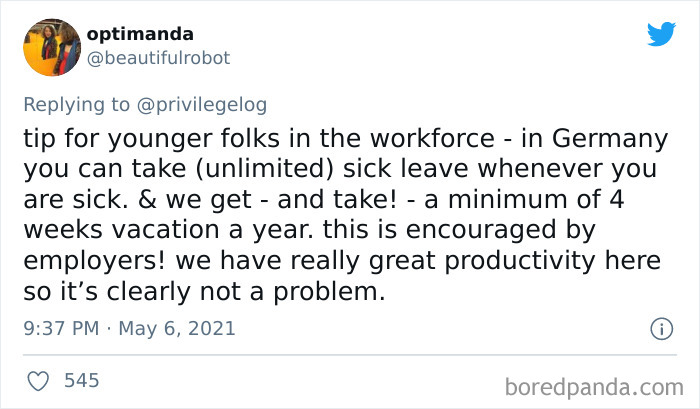
The truth is, the country has no national policy guaranteeing workers paid annual leave as it all depends on the private employees. In fact, often 10 public holidays in the US come without pay, which stands as a stark contrast with more than 30 days allotted vacation time to workers in Europe.
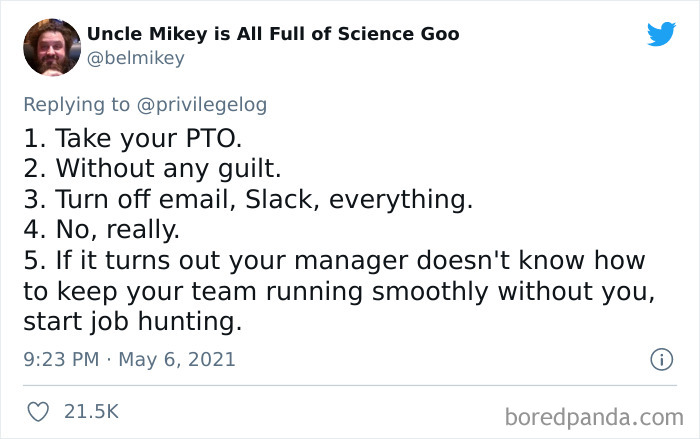
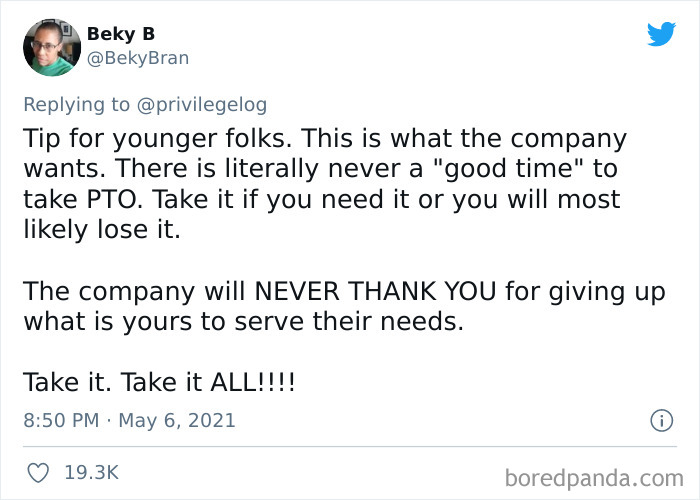
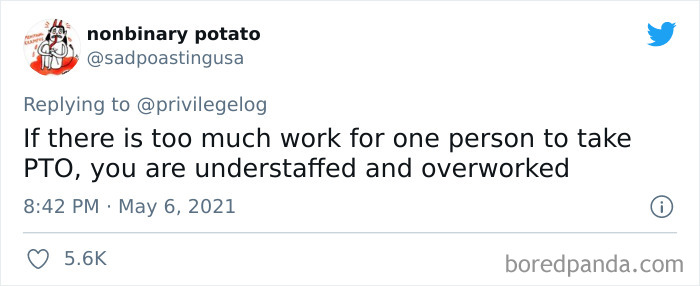
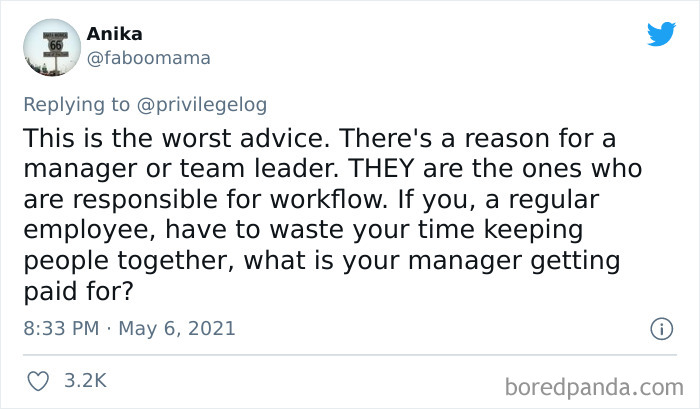
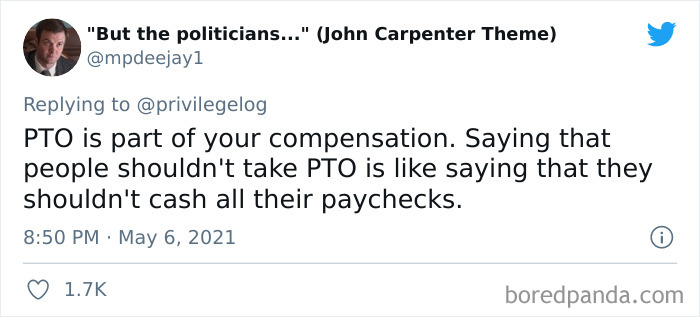
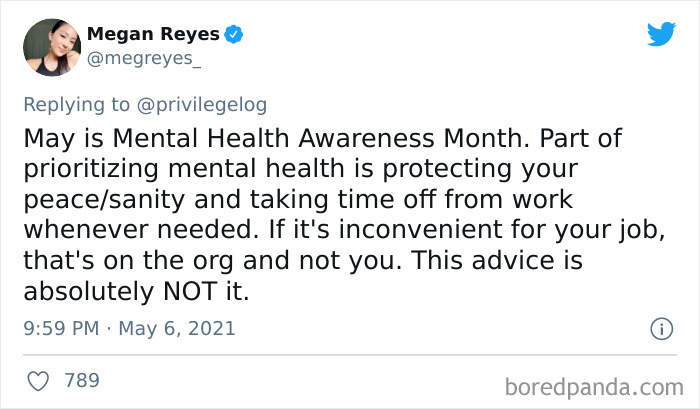
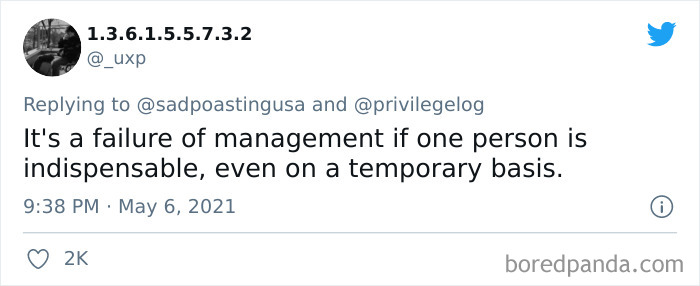
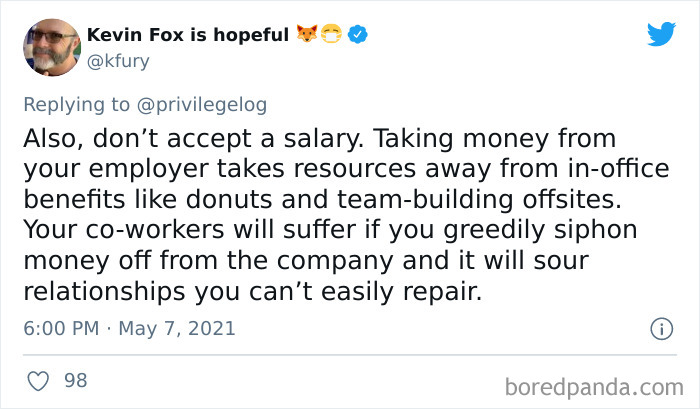
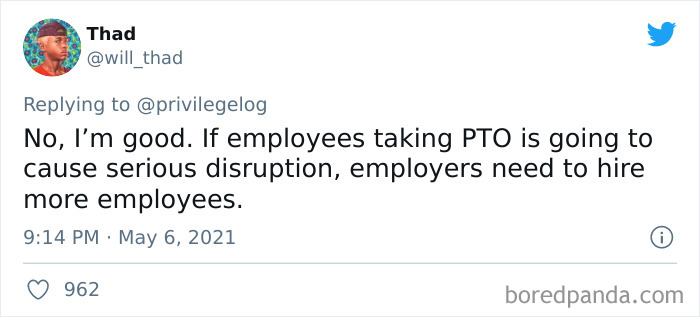
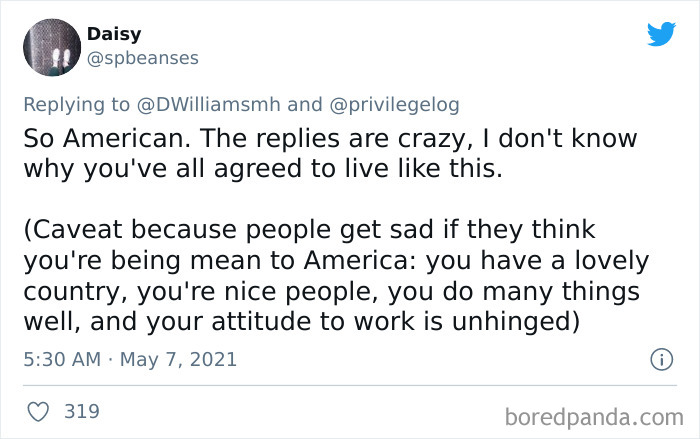
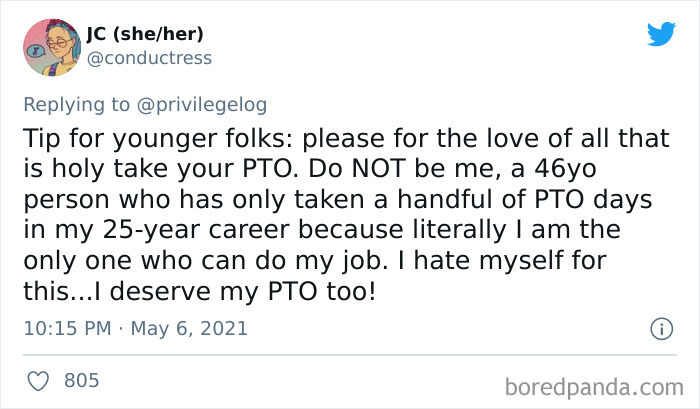
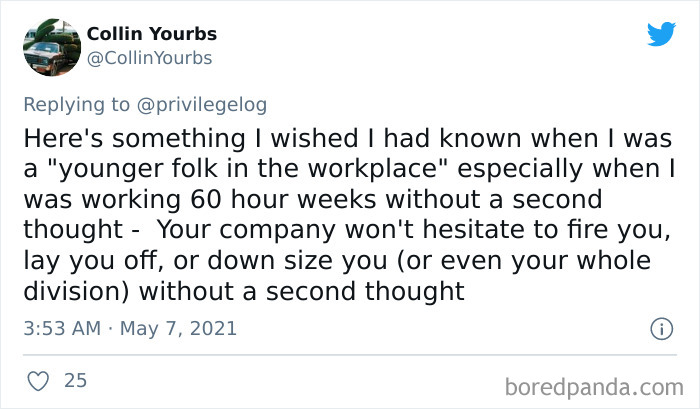
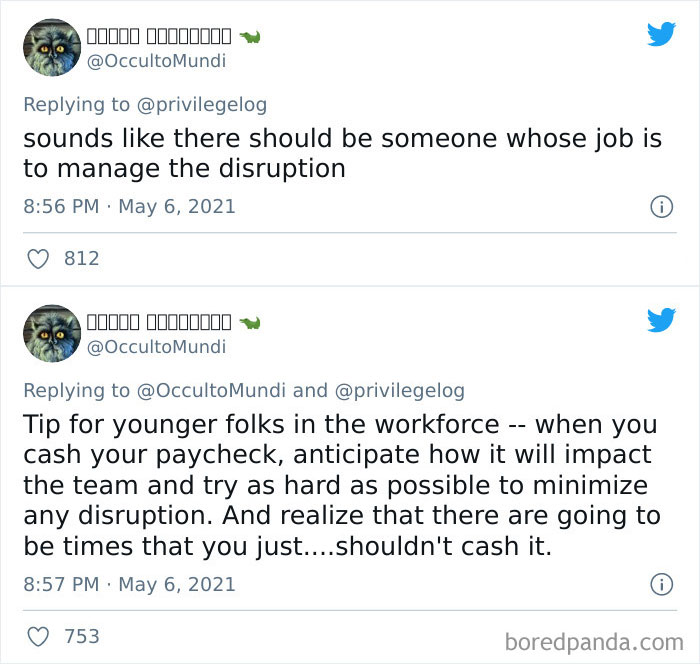
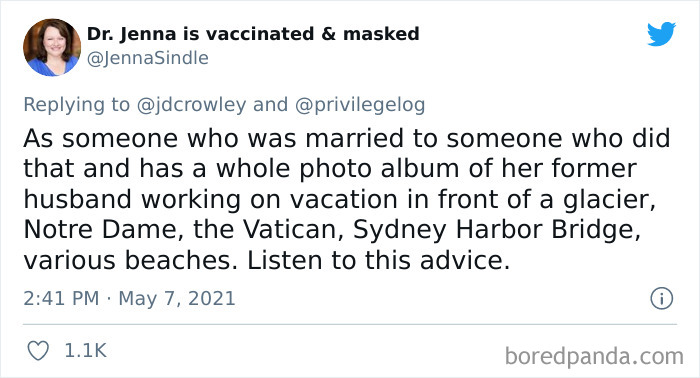
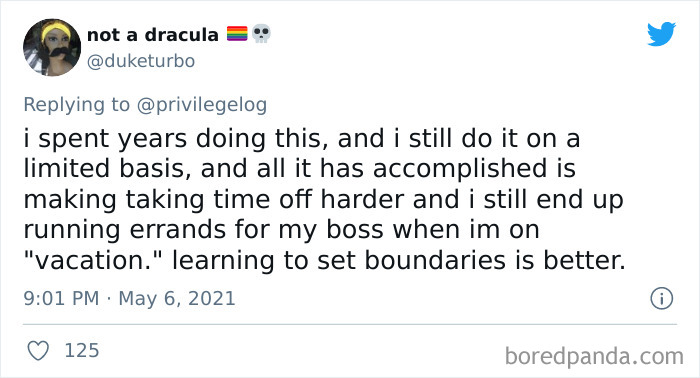
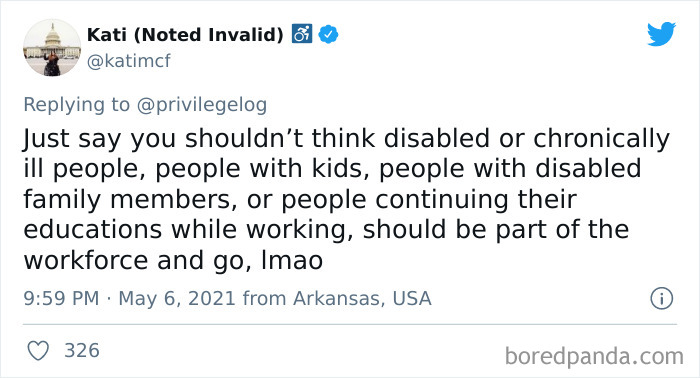
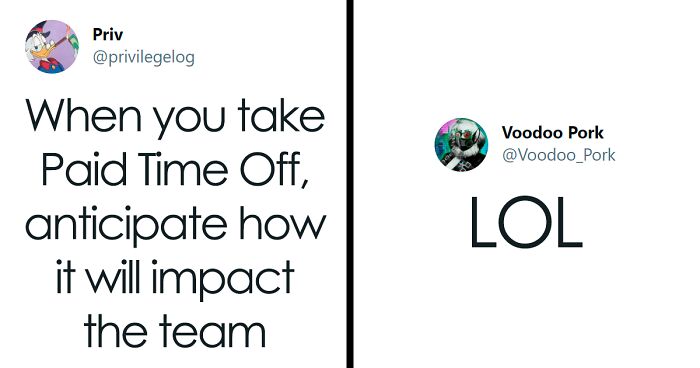
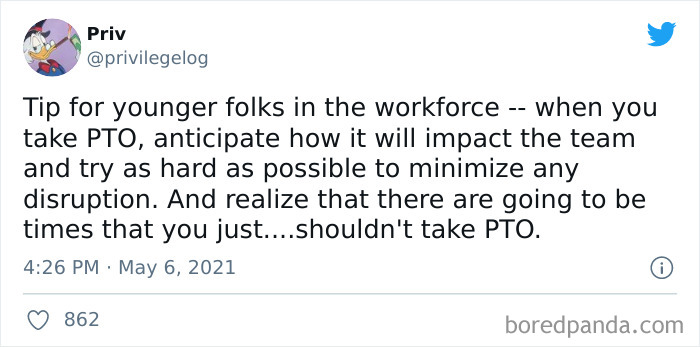
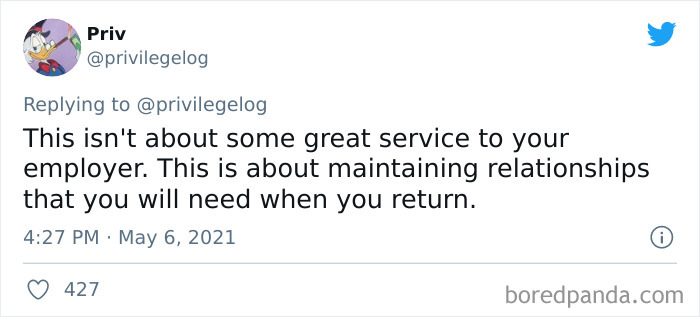
Having that in mind, it should be only fair for workers to use their paid time off if they’re lucky enough to be entitled to some. But one Twitter user caused a heated debate with a very questionable “tip for younger folks in the workforce.” @privilegelog has stated that when you take PTO, you should minimize your impact on the team and make sure it won’t cause any disruption. The author went as far as claiming that you gotta face the fact that there are times “you shouldn’t take PTO.”
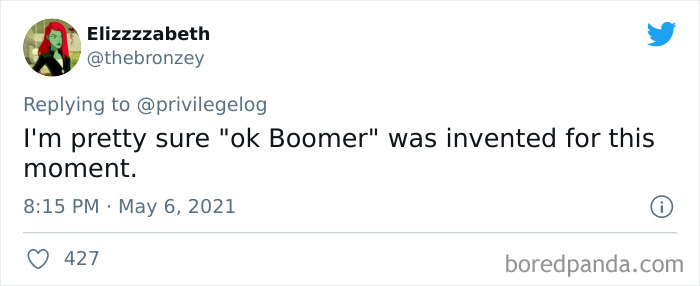
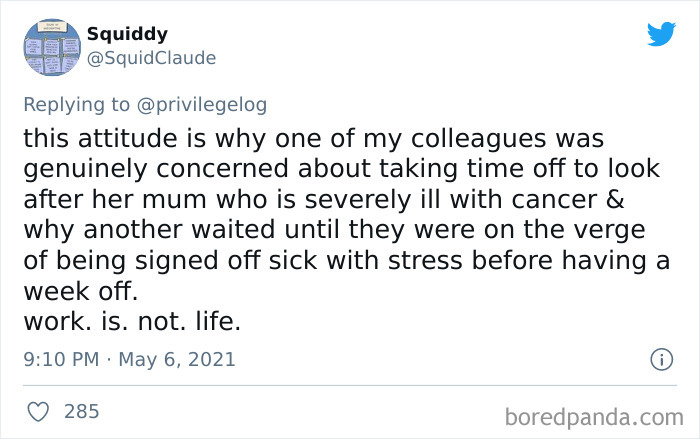
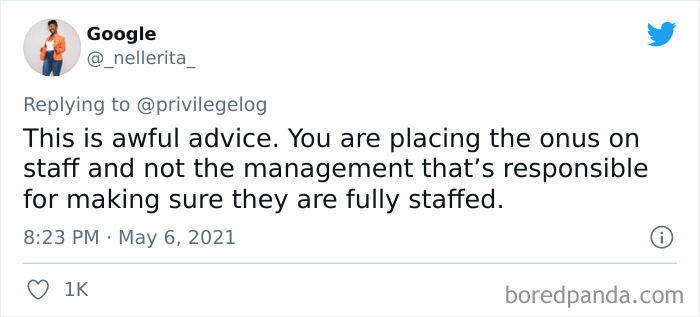
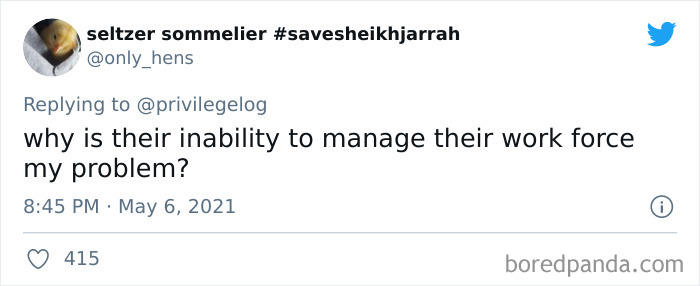
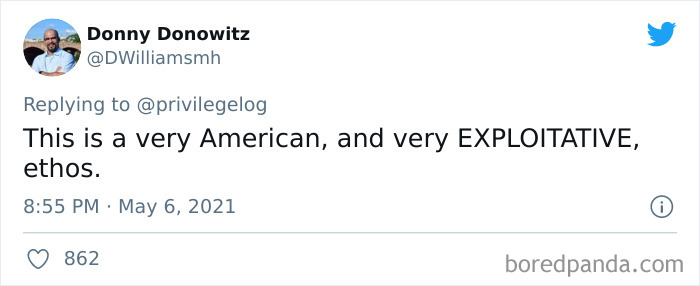
As you can imagine, the controversial statement caused quite a fair share of backlash on Twitter as many people joined to comment on what’s been dubbed “the worst advice ever.”

Click here & follow us for more lists, facts, and stories.
This post may include affiliate links.
As we’re rolling into the spring, workers across the US are starting to think of getting some well-earned time off. But only a handful of people are able to do so since the federal law does not provide for vacation pay. The Fair Labor Standards Act (FLSA) does not require payment for time not worked, such as vacations, sick time, or holidays. It leaves American employees without entitlement to paid time off from work, which would be unimaginable in the rest of the world.
According to Lonnie Golden, a labor economist at Penn State, American workers tend to say that making more money is a higher priority than having access to more paid time off, unlike in Europe, where workers rate having more time off work as more important than making more money. In general, he argues, “there’s true economic need for money to come first in America, and time second.”
Moreover, “We shy away from having a national paid vacation standard, while there are more and more low-wage jobs that aren’t covered by private employer policies. And, because of our bias toward work, the salaried people who do have paid vacation, but don’t feel at liberty to use it, wind up leaving it on the table.” This is something that he calls a “perfect storm.”
Meanwhile, an ever-growing body of research has continually shown that taking time off offers fundamental mental and physical benefits. Overall, it offers greater life satisfaction by improving work-life balance, decreasing time pressure, and allowing for better mental health. Experiences on vacation also have long-lasting effects and can even make us see past experiences, although unpleasant, in a different, more positive light.
You might also like: Perfect online, different offline: 34 photos that tell another story






























 No fees, cancel anytime