Get Premium
Dark mode theme is available exclusively for premium users. Learn more about the benefits of subscribing.
No fees, cancel anytime.

 Dark Mode Ad-Free Browsing Unlimited Content
 Ad-Free Browsing Unlimited Content Dark Mode
Join 1.2 million Panda readers who get the best art, memes, and fun stories every week!
29submissions
Finished
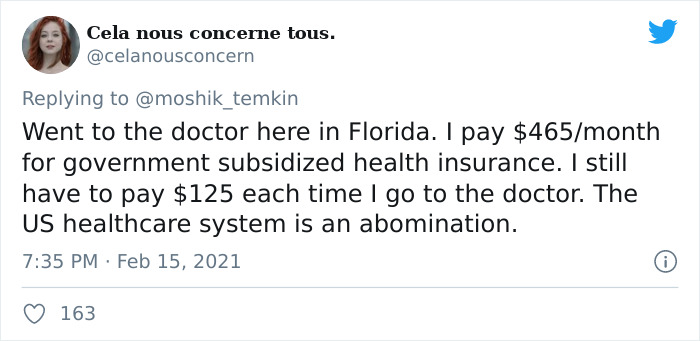
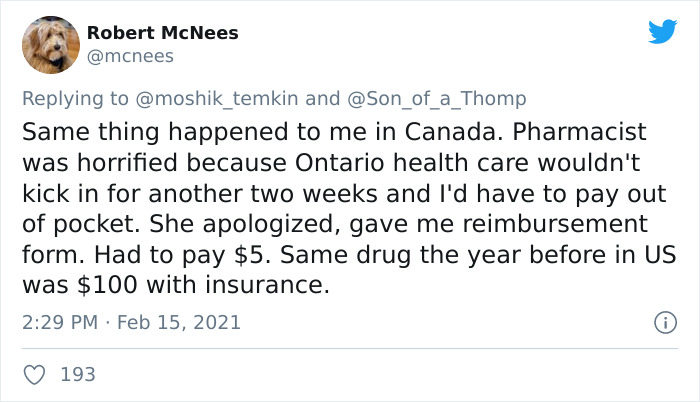
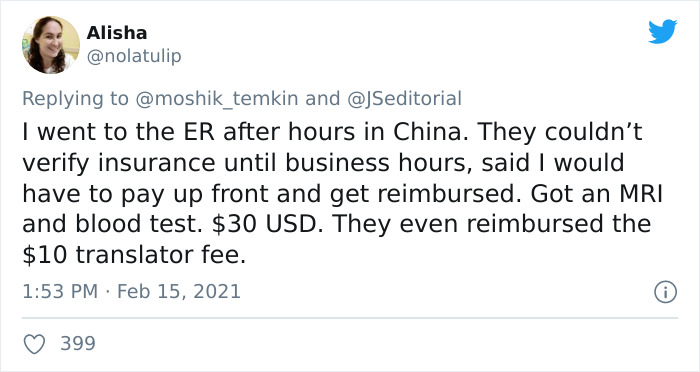
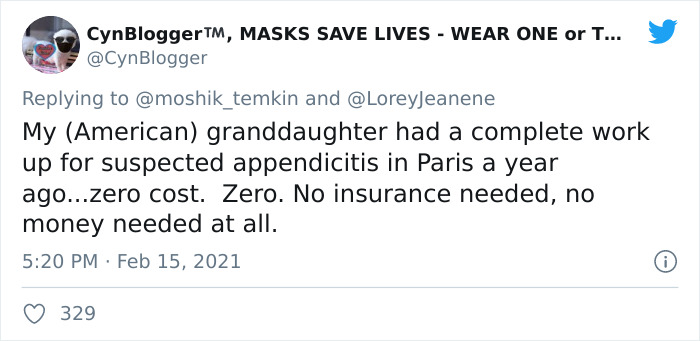
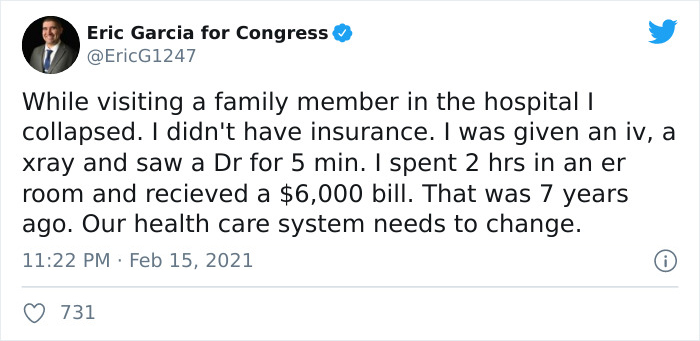
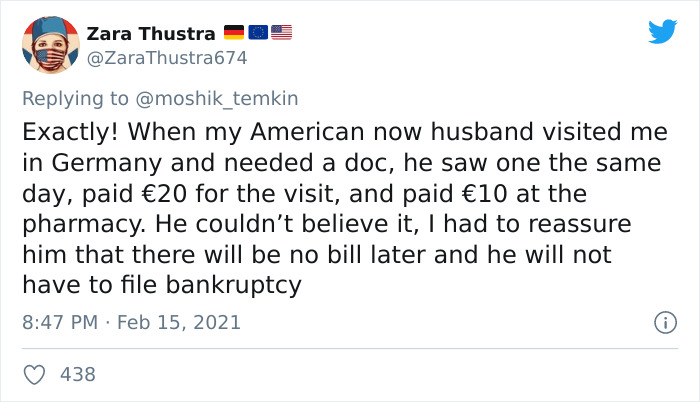
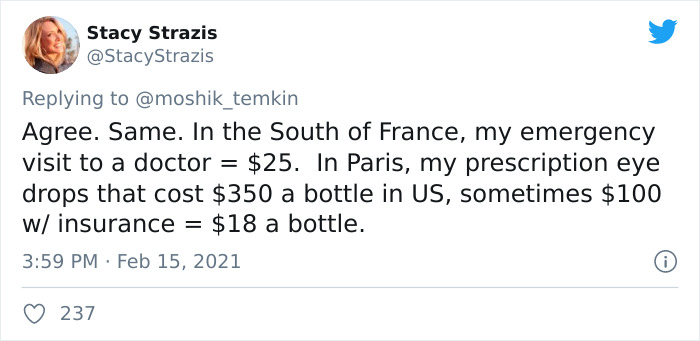
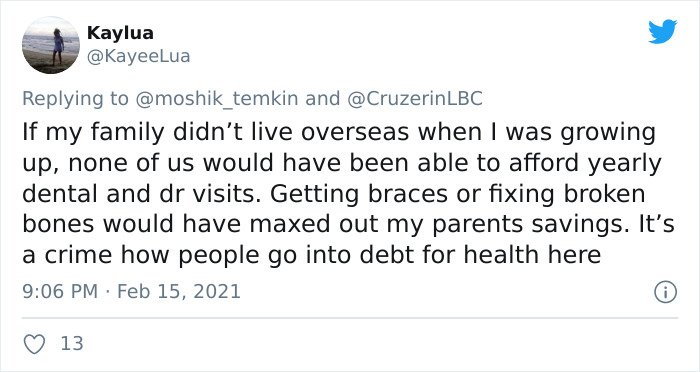
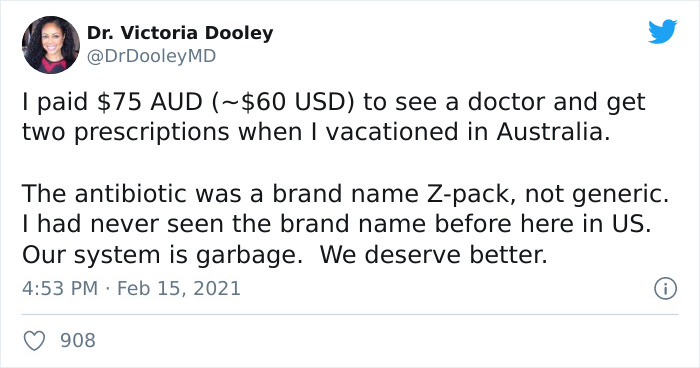
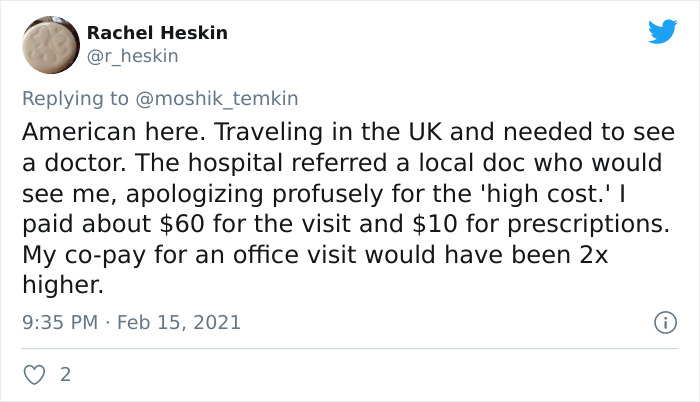
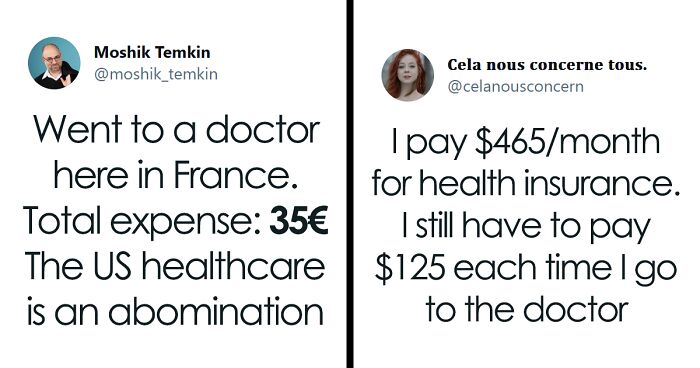
When Harvard professor Moshik Temkin was in France, he had to see a doctor. At the time, he didn't have health insurance, so Temkin couldn't know what to expect. The appointment could have taken a serious bite out of his pocket. But it didn't. In fact, it was so cheap compared to what he's used to in the United States, Temkin even tweeted out his experience.
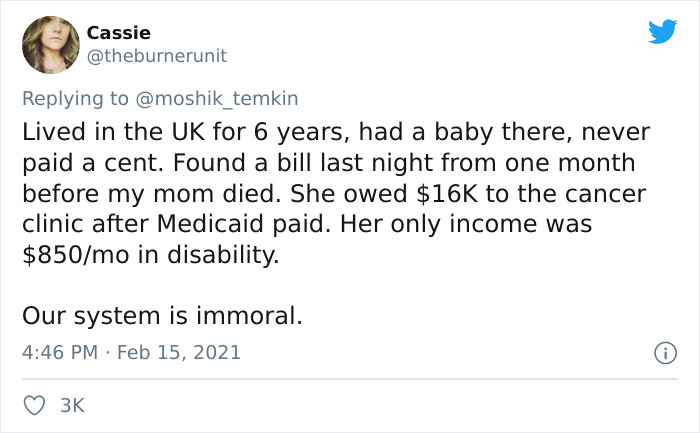
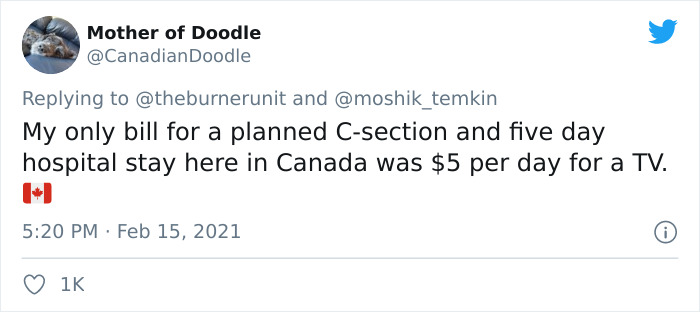
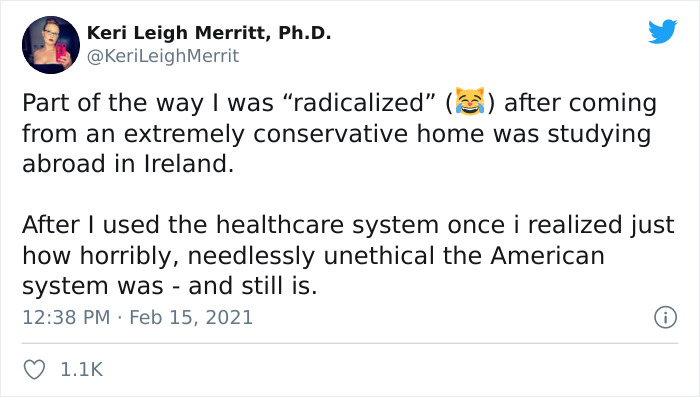
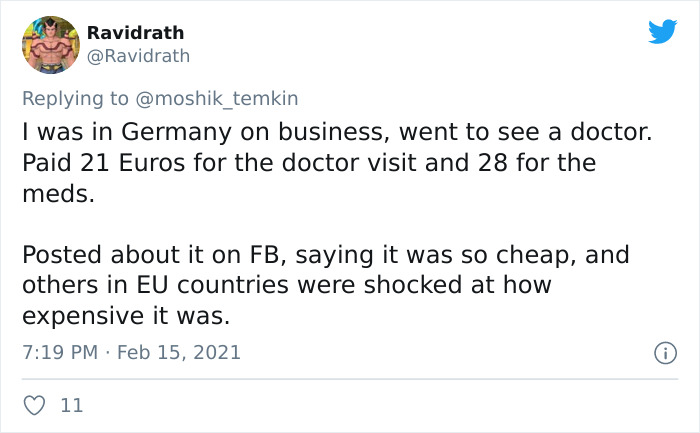
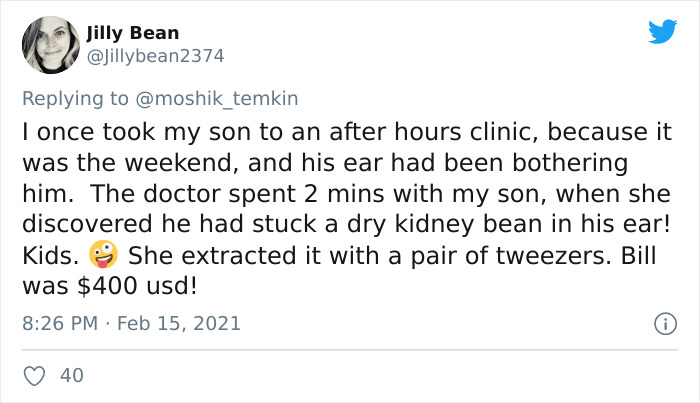
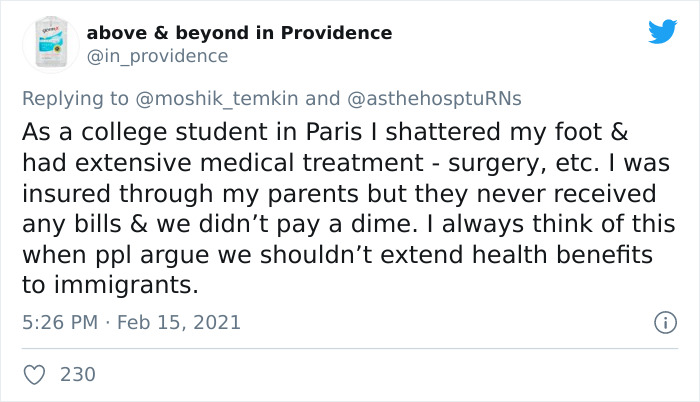
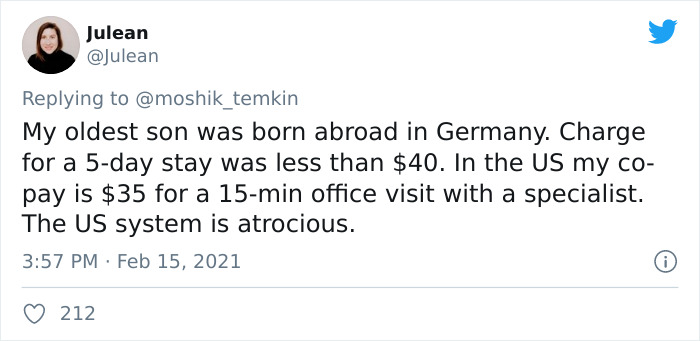
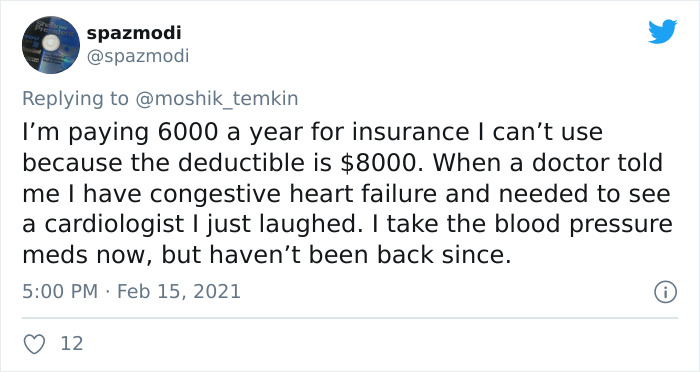
The tweet instantly went viral, inspiring other people to share stories as well. Continue scrolling and take a look at some of the most popular ones.
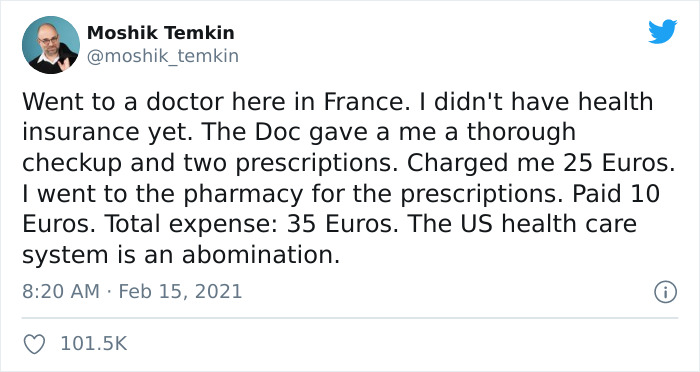
Image credits: moshik_temkin
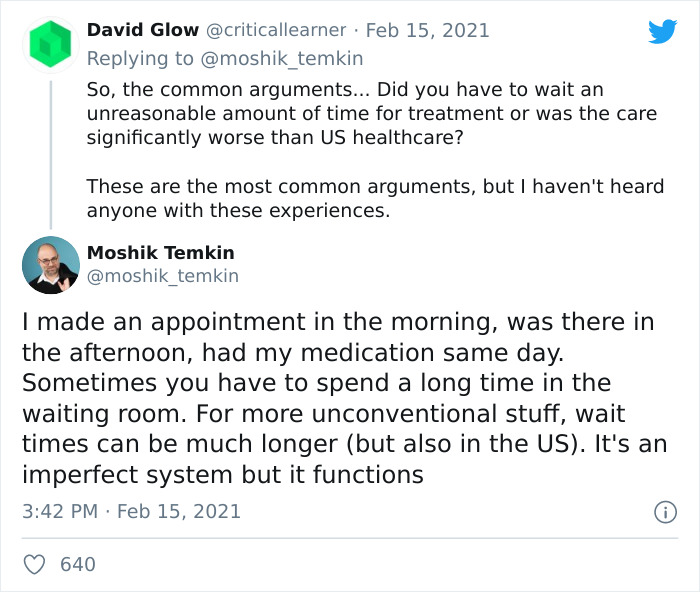
Image credits: moshik_temkin
Image credits: moshik_temkin
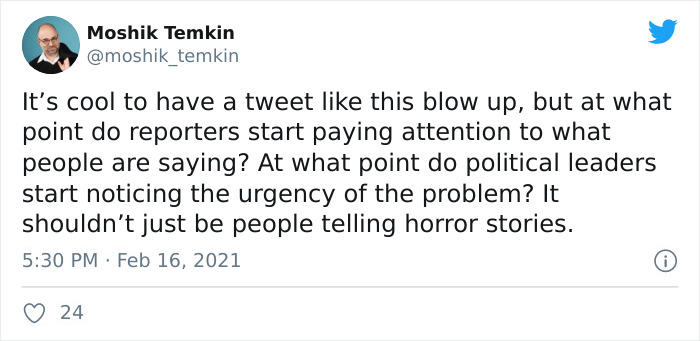
Image credits: moshik_temkin
Click here & follow us for more lists, facts, and stories.
This post may include affiliate links.
According to the Commonwealth Fund, which regularly ranks the health systems of a handful of developed countries, in 2017, the best countries for health care were the United Kingdom, the Netherlands, and Australia. The United States came in last. The country's health care system, the report says, spends far more than other high-income countries yet has gaps in the quality of care. And this is consistent throughout 20 years.
The U.S. had the worst performance score overall and ranked last or near last on the Access, Administrative Efficiency, Equity, and Health Care Outcomes domains. Based on a broad range of indicators, the U.S. health system is an outlier and should look at other countries' approaches if it wants to become an affordable, high-performing health care system that serves all Americans.
"The United States spends far more on health care than other high-income countries, with spending levels that rose continuously over the past three decades," the report said. "Yet the U.S. population has poorer health than other countries. Life expectancy, after improving for several decades, worsened in recent years for some populations, aggravated by the opioid crisis. In addition, as the baby-boom population ages, more people in the U.S.—and all over the world—are living with age-related disabilities and chronic disease, placing pressure on health care systems to respond."
The important thing is that timely and accessible health care could mitigate many of these challenges, but the U.S. health care system fails to deliver required services reliably to all who could benefit. Particularly, poor access to primary care has contributed to inadequate prevention and management of chronic diseases, delayed diagnoses, incomplete adherence to treatments, wasteful overuse of drugs and technologies, and coordination and safety problems.
The Commonwealth Fund's president, David Blumenthal, said at the Spotlight Health Festival, which is co-hosted by the Aspen Institute and The Atlantic, that there are 3 main reasons why the United States lags behind its peers.
Firstly, a lack of insurance coverage. A common talking point on the right is that health care and health insurance are not equivalent—that getting more people insured will not necessarily improve health outcomes. But Blumenthal stated: "The literature on insurance demonstrates that having insurance lowers mortality. It is equivalent to a public-health intervention."
More than 27 million people in the United States were uninsured in 2016, which is nearly a tenth of the population. That's mostly because they can’t afford coverage, live in a state that didn’t expand Medicaid, or are undocumented. Those aren’t problems that people in places like the United Kingdom worry about.
Next, administrative inefficiency. "We waste a lot of money on administration," Blumenthal explained. According to the Commonwealth Fund's report, in the United States, "doctors and patients [report] wasting time on billing and insurance claims. Other countries that rely on private health insurers, like the Netherlands, minimize some of these problems by standardizing basic benefit packages, which can both reduce the administrative burden for providers and ensure that patients face predictable copayments." To put it simply, while insurance coverage, in general, is great, it's not ideal that different insurance plans cover different treatments and procedures, forcing doctors to spend precious hours working with insurance companies to provide care.
Finally, underperforming primary care. "We have a very disorganized, fragmented, inefficient, and under-resourced primary care system, "Blumenthal explained. The Commonwealth Fund found that many primary-care physicians struggle to receive relevant clinical information from specialists and hospitals, complicating efforts to provide seamless, coordinated care.
On top of a lack of investment in primary care, "we don't invest in social services, which are important determinants of health," Blumenthal added. Things like home visiting, better housing, and subsidized healthy food could extend the work of doctors and improve chronic disease outcomes.
You might also like: 49 funny photos of people just trying to survive the summer heat





































 No fees, cancel anytime