Get Premium
Dark mode theme is available exclusively for premium users. Learn more about the benefits of subscribing.
No fees, cancel anytime.

 Dark Mode Ad-Free Browsing Unlimited Content
 Ad-Free Browsing Unlimited Content Dark Mode
Join 1.2 million Panda readers who get the best art, memes, and fun stories every week!

Infertility is a devastating diagnosis that affects 15 in 100 couples. The road to treatment is stressful, expensive, time-consuming, and not always successful, which can create financial difficulties and put strain on relationships with partners, family, and friends.
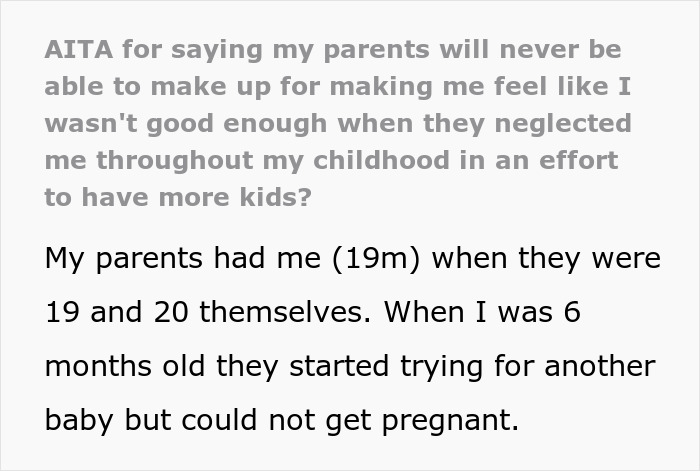
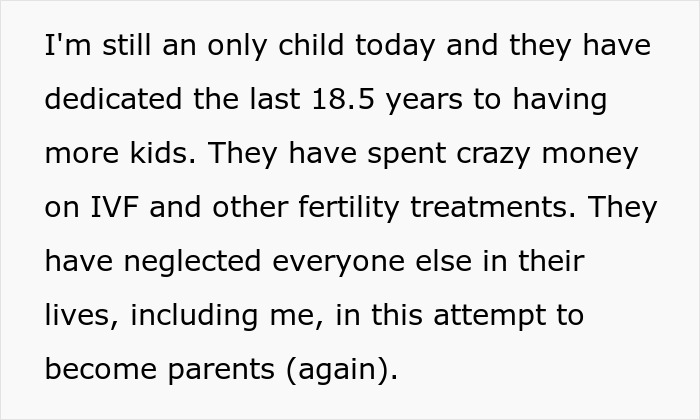
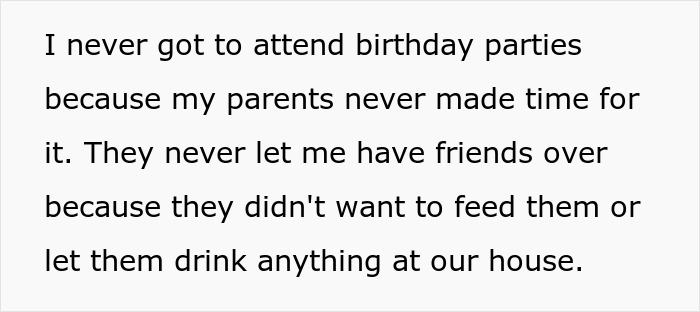
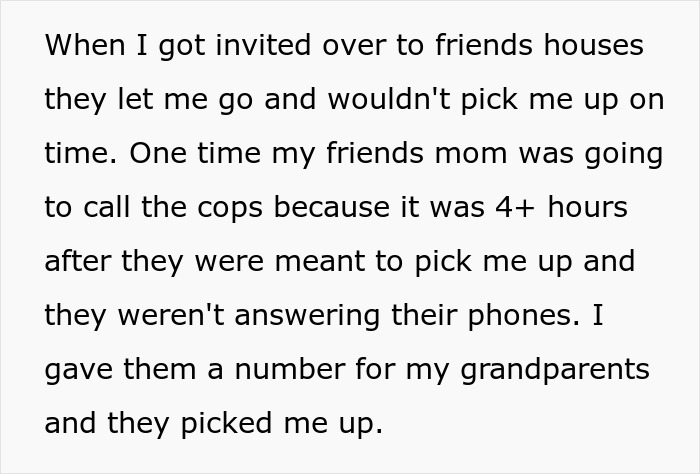
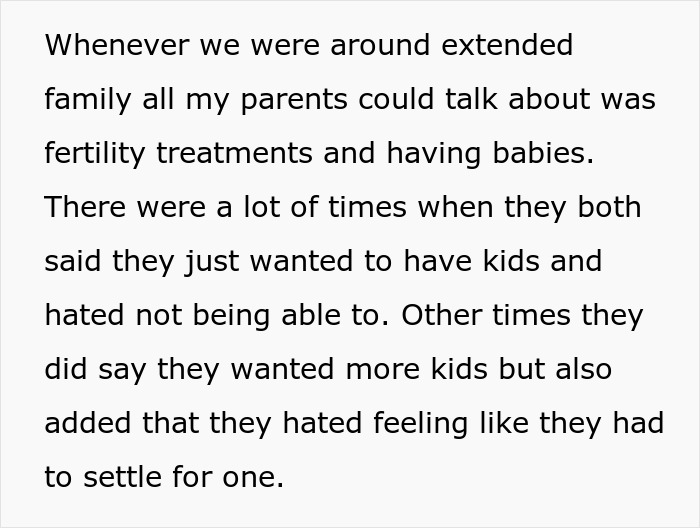
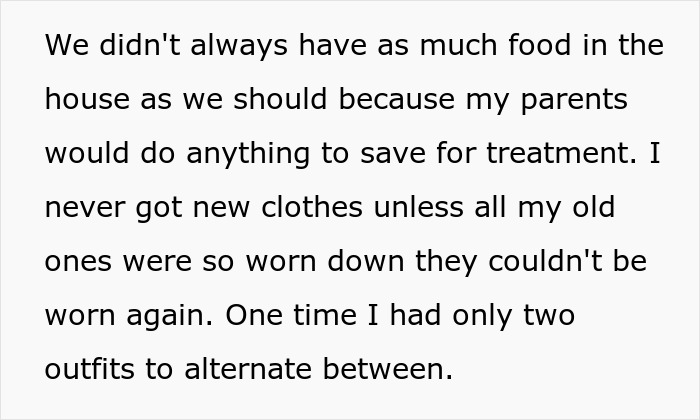
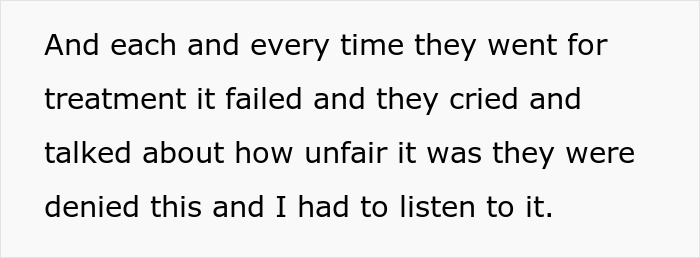
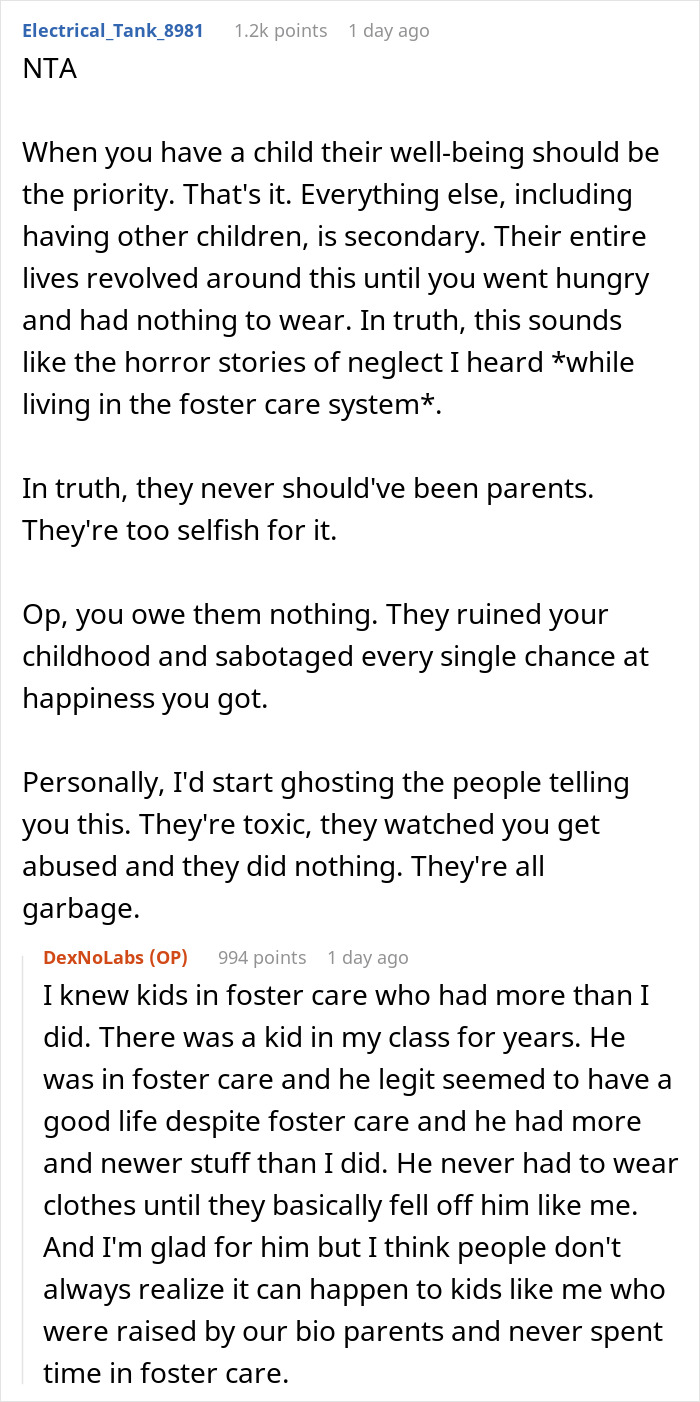
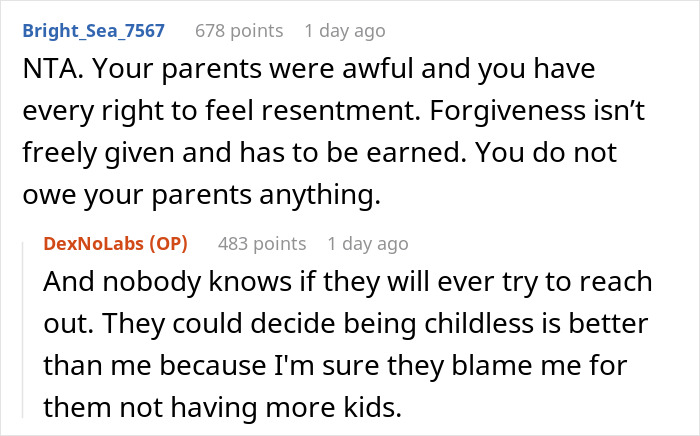
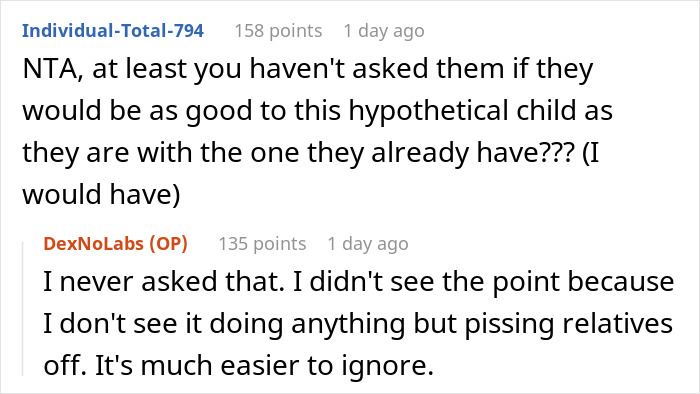
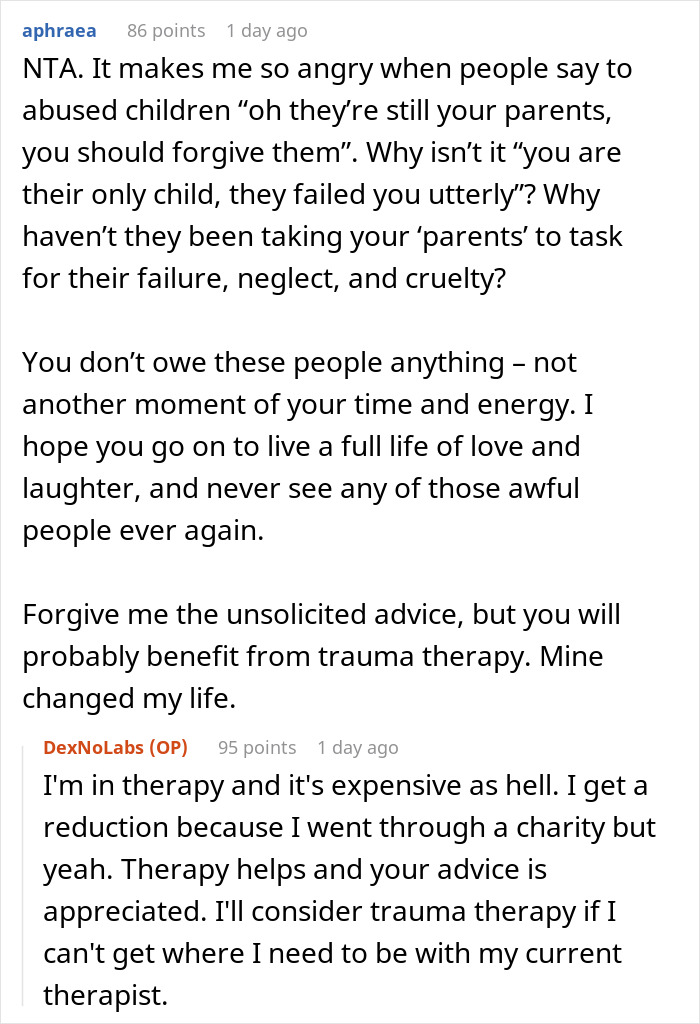
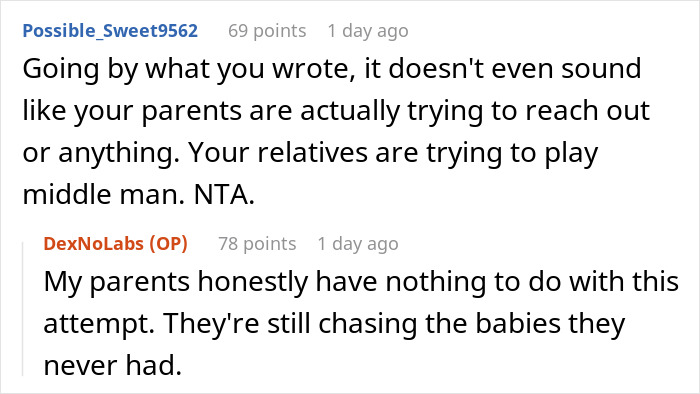
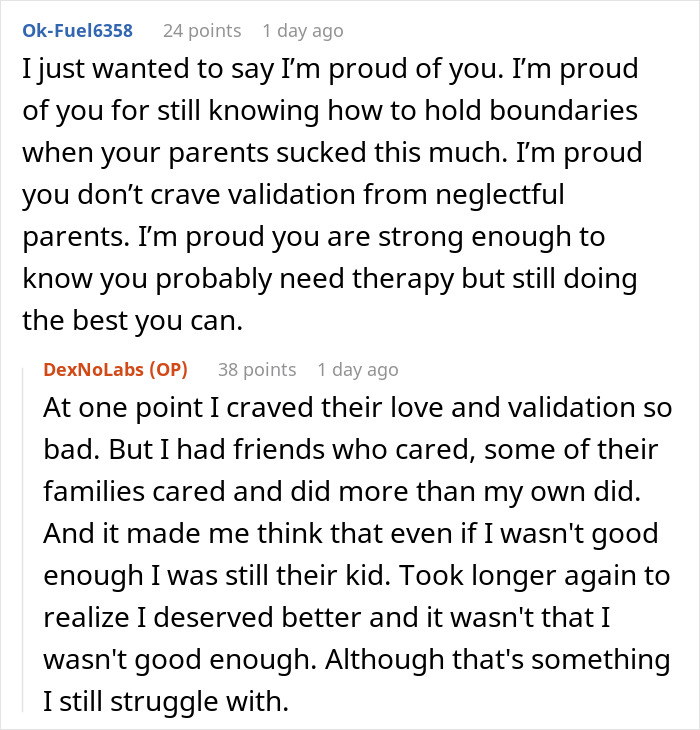
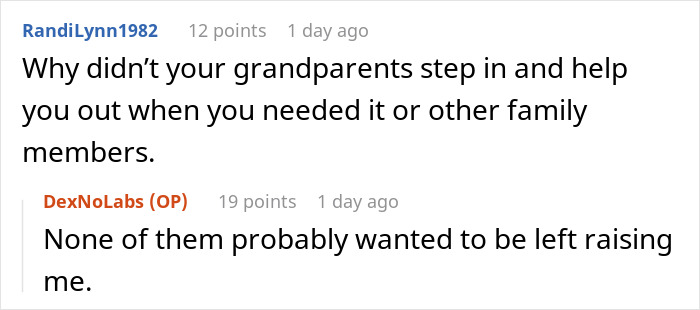
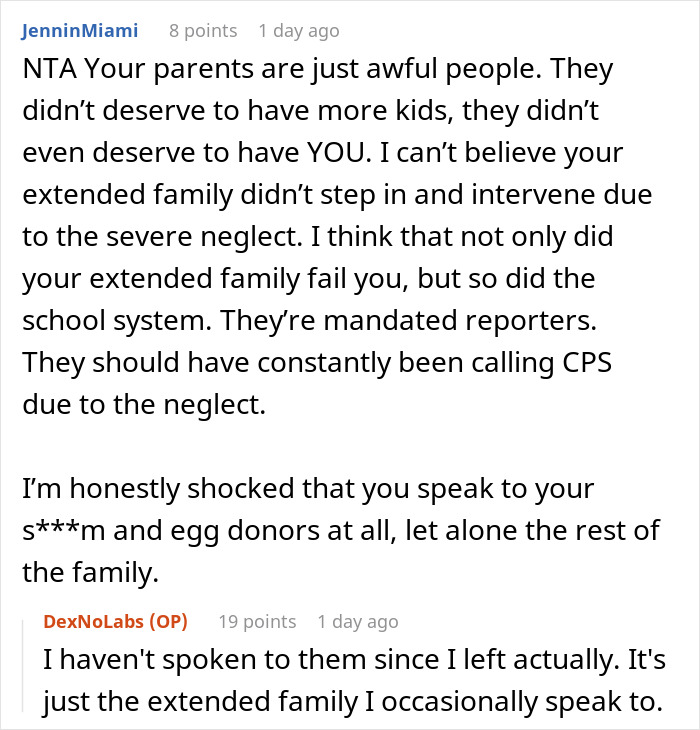
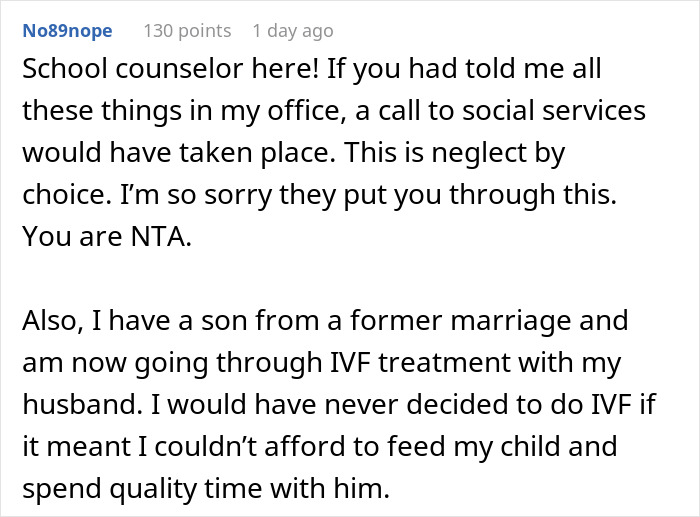
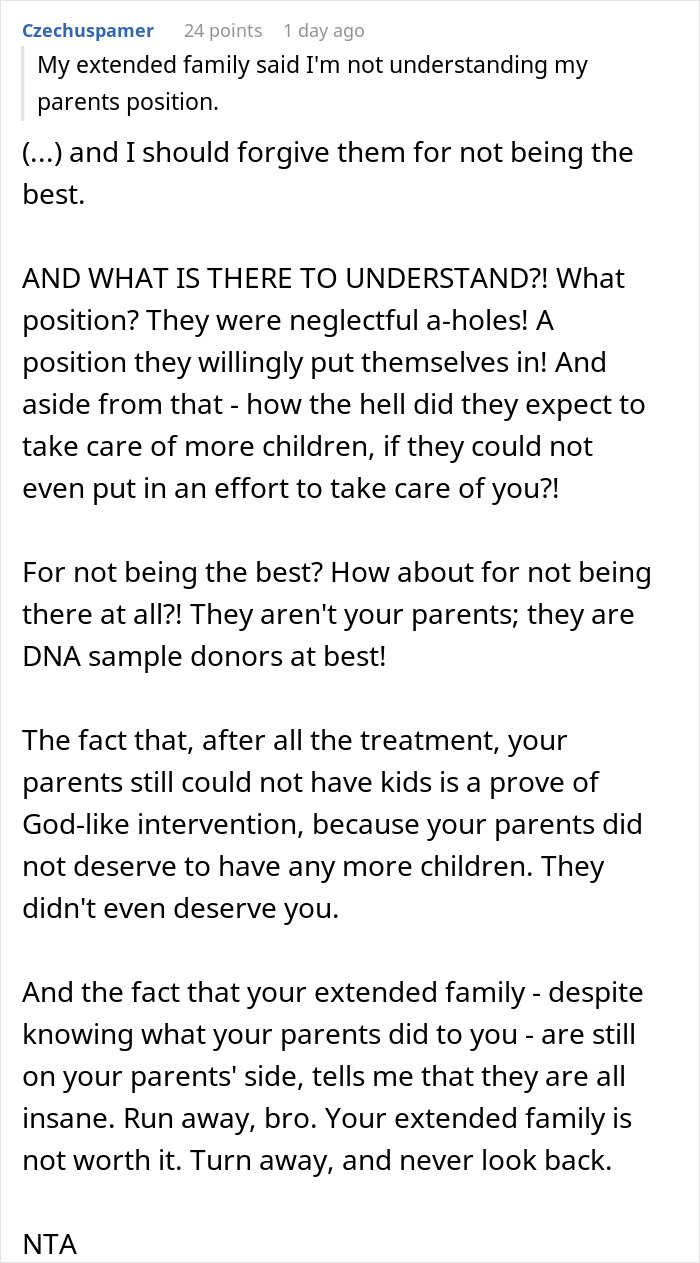
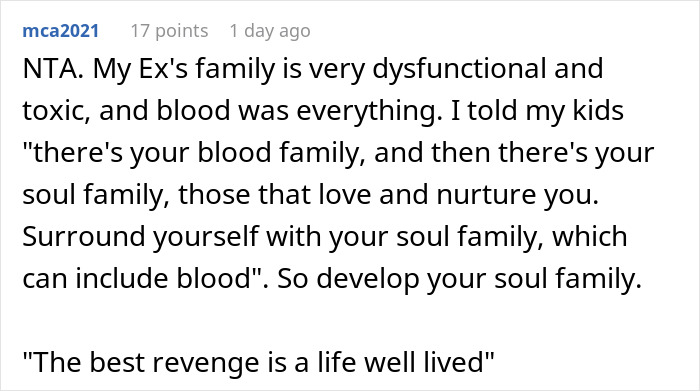
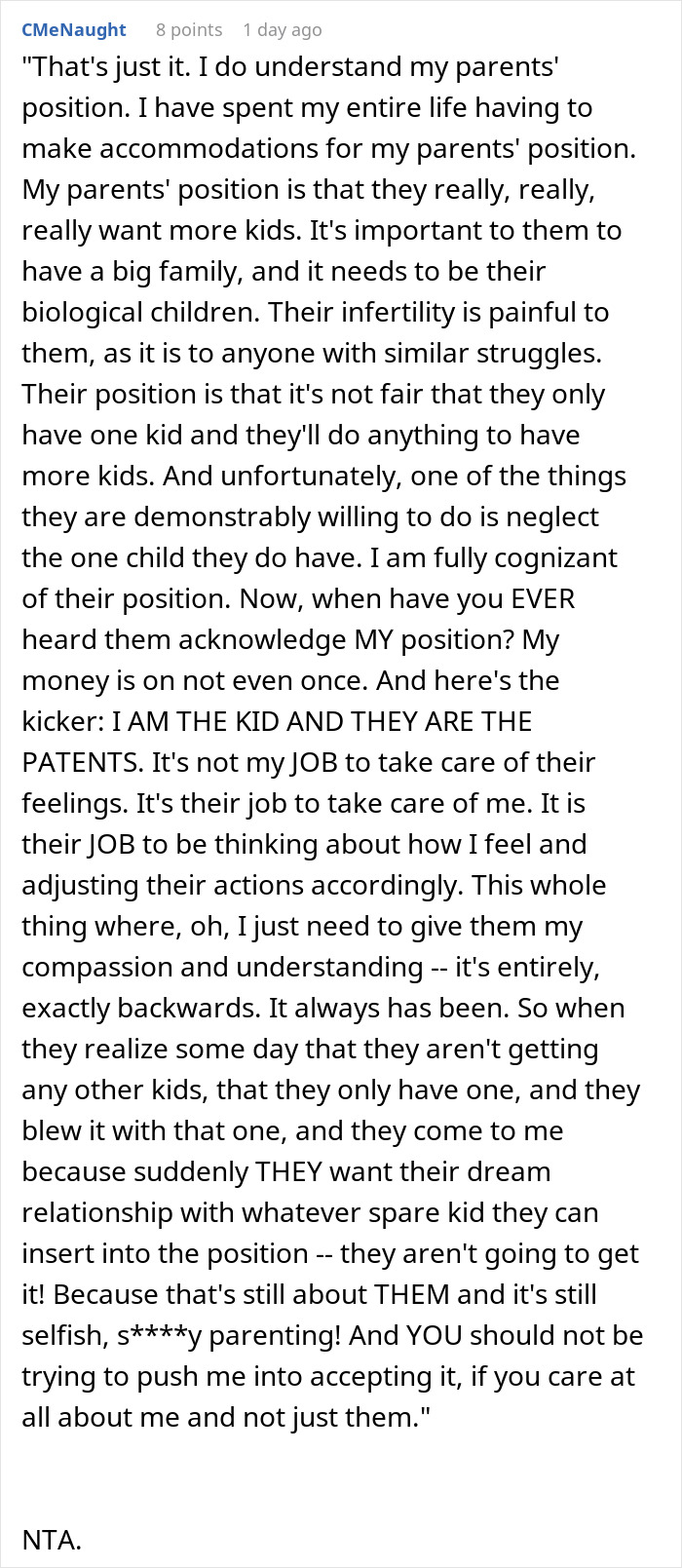
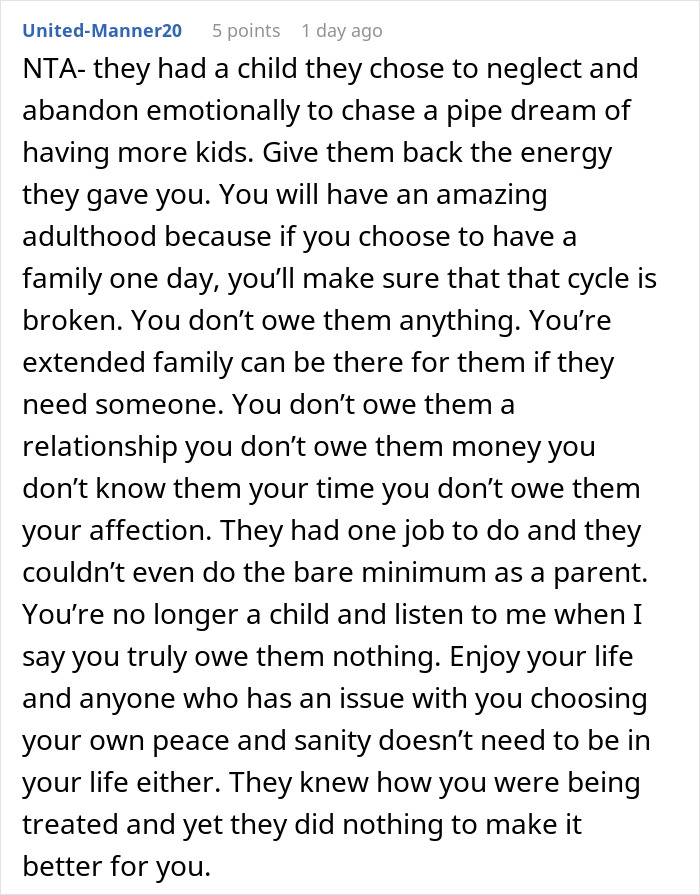
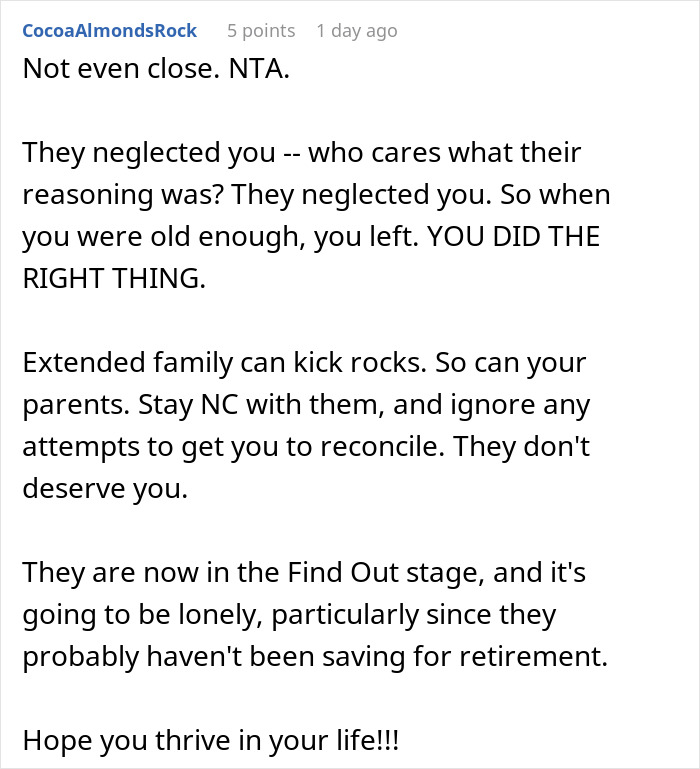
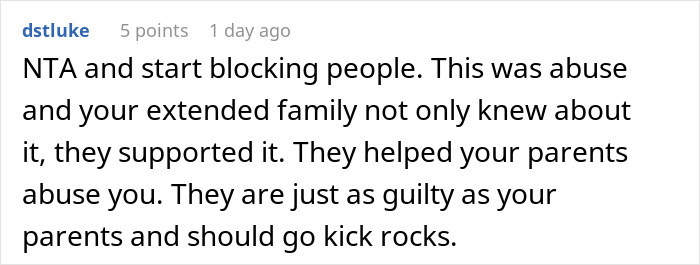
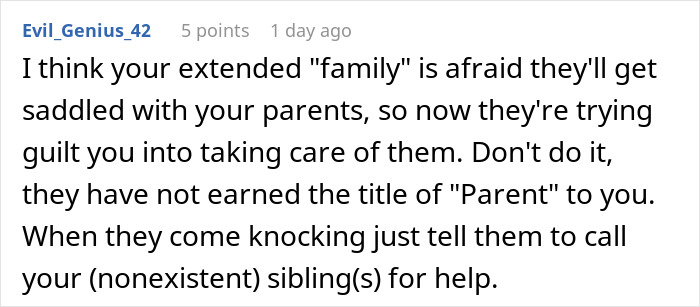
This teen has seen how his parents struggled with secondary infertility for his entire life. Due to them focusing their attention and finances on treatments, he felt like he wasn’t on their minds anymore. Slowly, he started distancing himself from them, which his extended family thought was a wrong move.
Image credits: alexlucru123/Envato (not the actual photo)
Image credits: rawpixel.com/Freepik (not the actual photo)
Image credits: Iakobchuk/Envato (not the actual photo)
Image credits: DexNoLabs
Image credits: Getty Images/Unsplash (not the actual photo)
A person is diagnosed with infertility when they can’t get pregnant after a year of having regular unprotected intercourse. Such a diagnosis affects roughly 60 to 80 million couples globally, causing significant distress, stigma, and financial hardship. It can also happen that individuals aren’t able to get pregnant after previously having a successful birth. This is called secondary infertility, which is less common than primary infertility and affects around 11% of couples in the US.
There’s a range of causes of infertility in males and females. For women, the most common ones include polycystic ovary syndrome, endometriosis, genital infections, and hormonal disorders. For men, it’s often the result of ejaculation disruption, hormonal imbalances, aging, or genetic conditions. It can happen to anyone, and as Dr. Tedros Adhanom Ghebreyesus, Director-General at the World Health Organization, said, “Infertility does not discriminate.”
Coping with any type of infertility is far from easy. Many struggle with the thought that they might not be able to have the family they’ve always wanted. “Infertility often ushers in a profound emotional journey that is marked by feelings of loss, inadequacy, and isolation,” said Becca Reed, LCSW, PMH-C, perinatal mental health and trauma therapist. “These experiences can strain even the strongest relationships, affecting communication and emotional intimacy.”
Secondary infertility may pose different challenges from the primary one, as the couple already has one child. They might be in shock or denial because of unexpected fertility issues and even feel guilty of feeling upset because they already have a kid that they should feel grateful for.
The parents might also receive less support and experience a lack of empathy from family and friends, who may tell them they should be thankful for the family they already have, fostering feelings of isolation. Parenting becomes difficult too, as grief, sadness, guilt, and loss of having a bigger family interfere with parents’ ability to take care of their children.
Image credits: Getty Images/Unsplash (not the actual photo)
Everyone copes with the feelings surrounding fertility issues differently, but one mistake that people commonly make during this process is focusing too much on it. This is not to say that the emotions and even grief that couples experience during infertility struggles aren’t significant and should be brushed off. It’s to say that focusing solely on treatments and conceiving a baby leaves no room for shared positive experiences that are important to partners and other loved ones in a couple’s life.
If a couple notices that their relationships with themselves and others have started crumbling, they should consider reaching out to those who will understand how they feel and help them cope with their issues and see the brighter side of things.
Mental health struggles are very common in people experiencing infertility, as studies have found that from 25% to 60% of individuals with an infertility diagnosis report having psychiatric symptoms. This makes them more prone to mental health issues, potentially further escalating the complex situation.
There are plenty of resources for couples experiencing infertility that can help them feel supported and not alone. “One of the most helpful resources for showing grace to oneself is joining a support group of others experiencing infertility,” says Rachel Goldberg, LMFT, a therapist who specializes in infertility.
“Having someone who can truly understand the emotions and challenges involved can really help an individual to feel less like something is wrong with them and less isolated,” she explains. “It’s also helpful to allow oneself to grieve the losses associated with infertility while also feeling emboldened by the courage and strength to put themselves through all the appointments, treatments and angst that come with that.”
Therapy is also a place where many couples can find support and encouragement while going through infertility hardships. “A therapist specializing in infertility can help normalize all the feelings each of them is experiencing and help educate them on things they may not know yet,” Goldberg says. “It is a place where couples can process grief, resentments, and find constructive ways to support each other.”

By entering your email and clicking Subscribe, you're agreeing to let us send you customized marketing messages about us and our advertising partners. You are also agreeing to our Privacy Policy.
Thank you! You've successfully subscribed to newsletters!


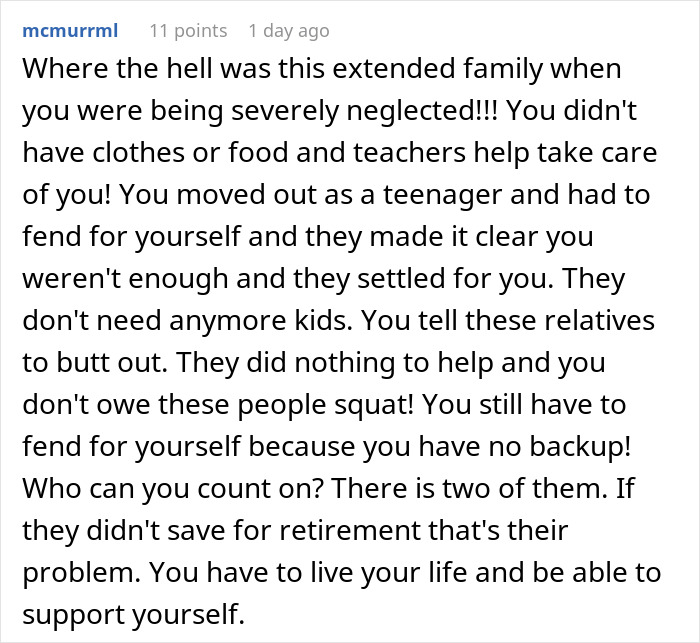
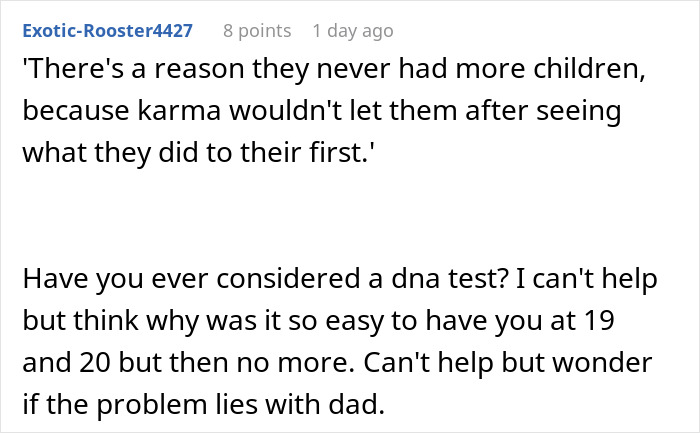
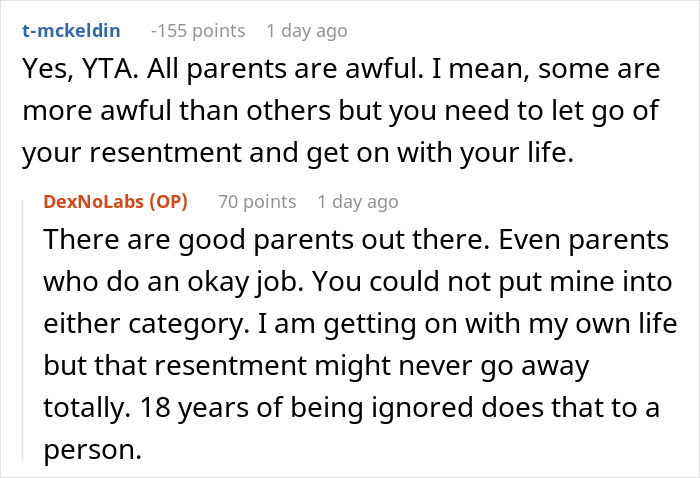
As usual, YTAs are unhinged. Sure, hypothetically, OP's parents could have been worse/he could have had worse parents. That doesn't mean that his parents weren't awful. As gross as it feels to say, I'm almost glad they couldn't have a second child because they clearly can't look after their first. I agree it's probably that they wanted a girl or something like that.

I wonder if they wanted more children because OP is the "wrong" gender. Or maybe his dad isn't really his dad.

My guess would be that they don't want a child - they want a baby.
Load More Replies... As usual, YTAs are unhinged. Sure, hypothetically, OP's parents could have been worse/he could have had worse parents. That doesn't mean that his parents weren't awful. As gross as it feels to say, I'm almost glad they couldn't have a second child because they clearly can't look after their first. I agree it's probably that they wanted a girl or something like that.
I wonder if they wanted more children because OP is the "wrong" gender. Or maybe his dad isn't really his dad.
My guess would be that they don't want a child - they want a baby.
Load More Replies...


































 No fees, cancel anytime






























52
44