Get Premium
Dark mode theme is available exclusively for premium users. Learn more about the benefits of subscribing.
No fees, cancel anytime.

 Dark Mode Ad-Free Browsing Unlimited Content
 Ad-Free Browsing Unlimited Content Dark Mode
Join 1.2 million Panda readers who get the best art, memes, and fun stories every week!
In most cases, employees must receive overtime pay for hours worked over 40 in a workweek at a rate not less than 1.5 of their regular pay.
Additionally, companies should have an overtime authorization process and inform overtime-eligible employees that they must obtain advance supervisory approval to work more than their schedule requires. These workers must be paid for all extra hours, whether overtime has been approved or not, however, those who putting in unauthorized overtime may be subject to corrective action.
But practice often differs from theory. And this was the case with Reddit user Young-Grandpa when he worked a couple of decades ago as a technician.
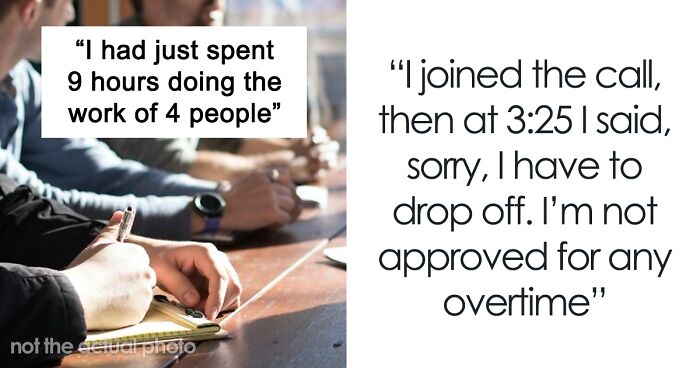
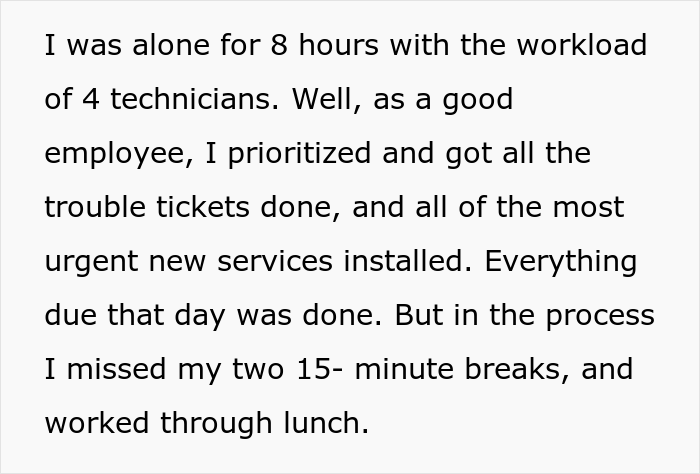
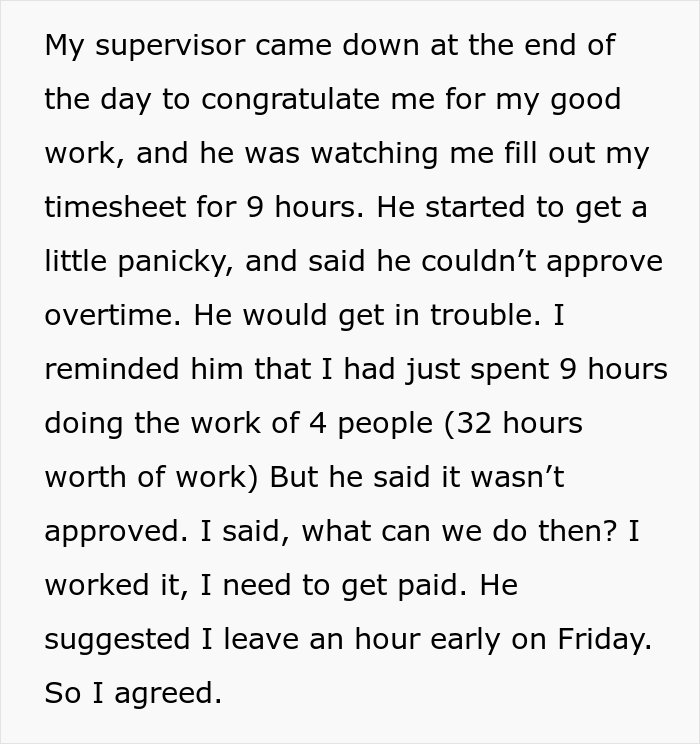
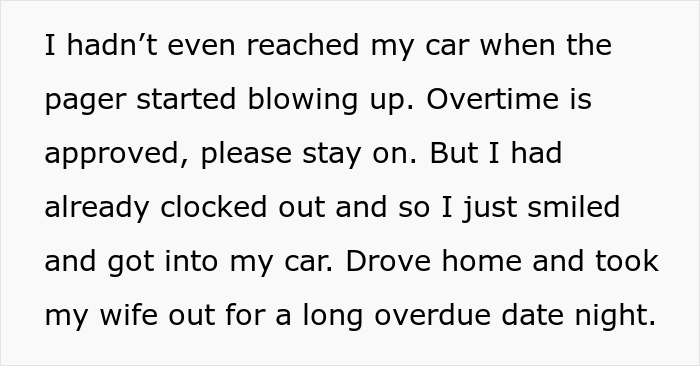
After an unfortunate set of circumstances, he was left to do the jobs of 4 people. As you can imagine, he couldn’t complete all the tasks in 8 hours. However, even though his boss was very pleased with the way the employee managed the workload, they refused to approve the overtime and offered for him to clock out early the next day.
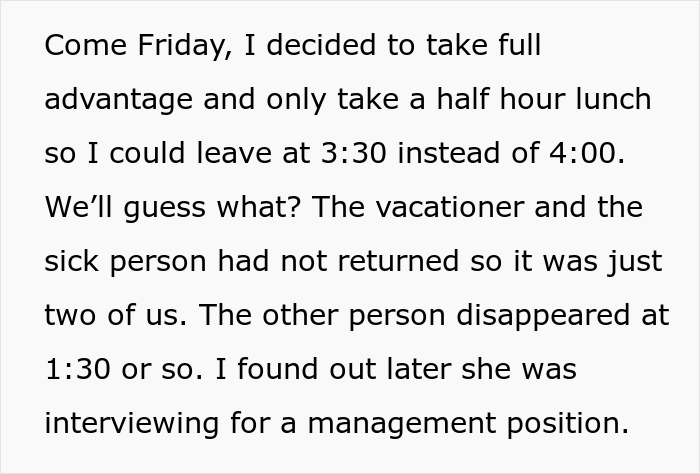
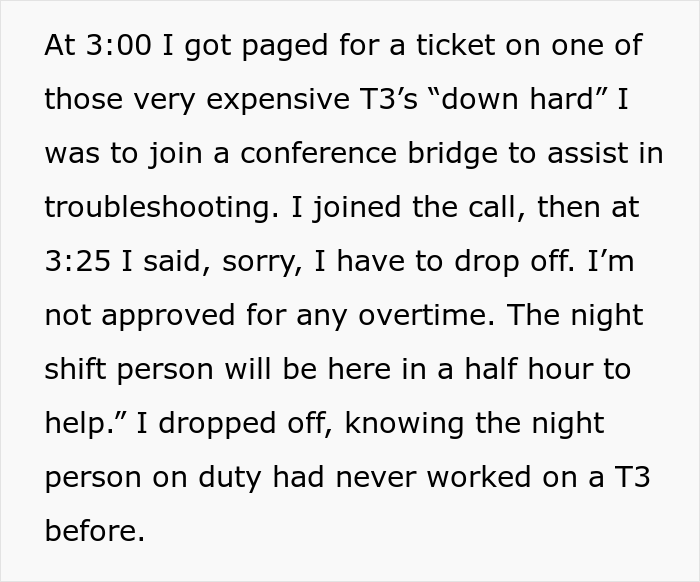
Young-Grandpa agreed. And did so when he was needed the most.
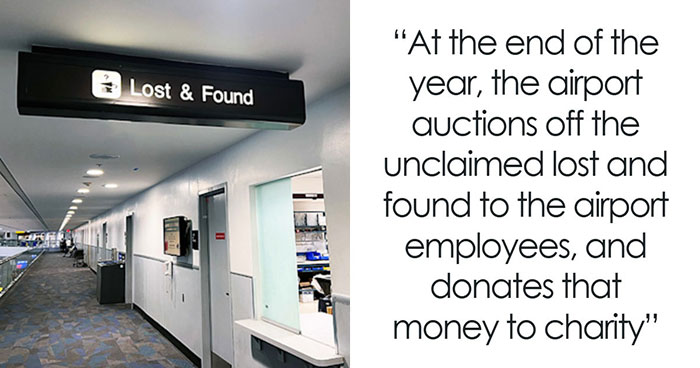
Image credits: Mitchell Luo (not the actual photo)
Image credits: Dylan Gillis (not the actual photo)
We managed to get in touch with Young-Grandpa, and he was kind enough to summarize the context of the whole ordeal for us. “At the time of the incident, I had been with the company about 4-5 years,” the Redditor told Bored Panda. “I’ve stayed there and made a career. I should be retiring in about 5 more years.”
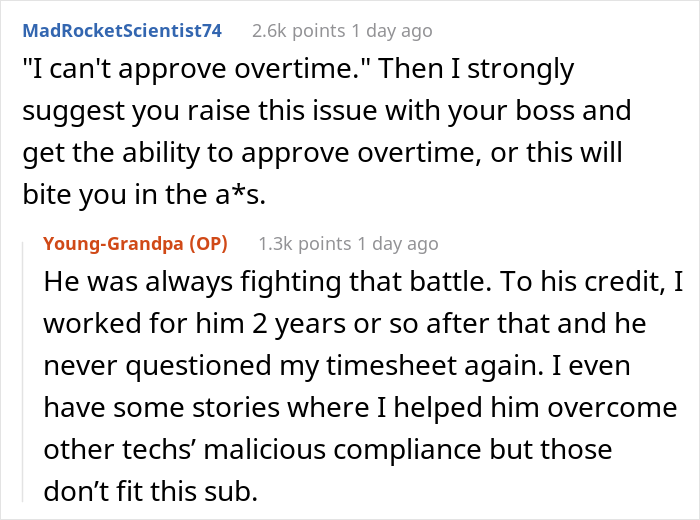
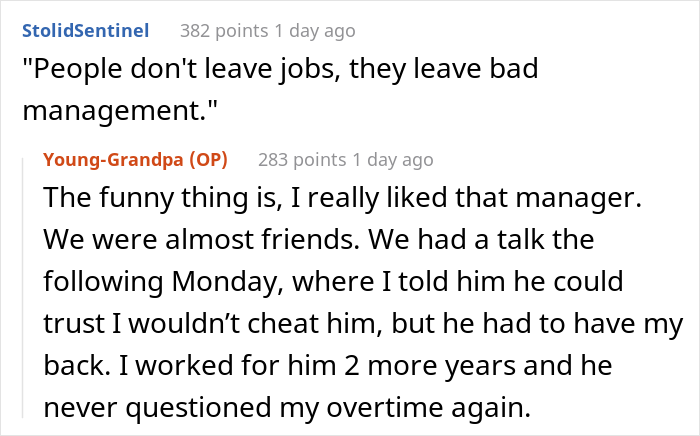
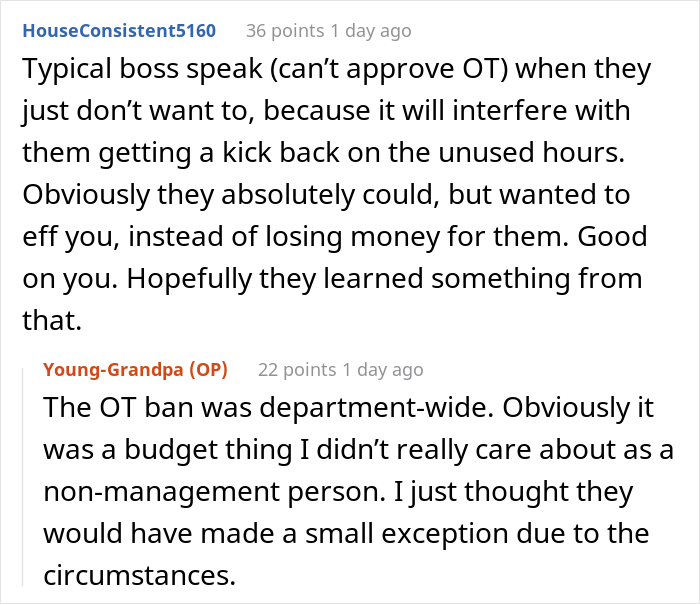
The employee also highlighted that he doesn’t blame his boss for what happened. “That was one of the best supervisors I’ve had. I worked with him for about 5 years and we’ve remained friends ever since,” he said. “The overtime ban was not his idea, it was a corporate mandate. I had actually put him in a tough spot by working it and that’s why I agreed to the compromise of leaving early on a different day. I would have preferred the extra pay.”
“The only rules I broke were working through lunch and working unapproved overtime. Thanks in part to a strong union, and a reasonable manager, I faced no repercussions of any kind,” Young-Grandpa explained the aftermath of the incident.
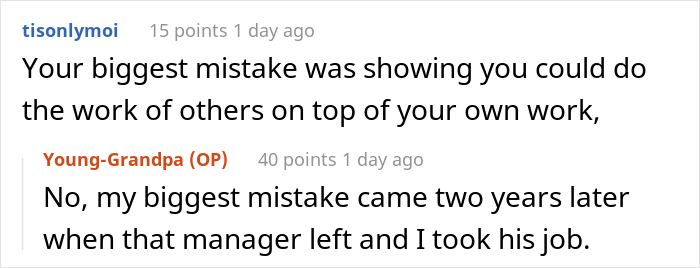
“They did loosen up on the overtime ban and allowed the first-level managers some leeway in managing their workforce. In turn, this allowed my manager to give me the leeway to make reasonable decisions regarding my time. He knew I generally made good decisions and was not happy about having to deny the overtime. In fact, when he left the position a few years later, he recommended me for the job—while warning me against it,” he said, laughing.
Just like Young-Grandpa, most people aren’t thrilled with the idea of working more hours than they should, and for very good reason. Overtime comes with a whole bouquet of problems, and can be symptomatic of:
At the end of the day, overtime is very often a result of poor leadership. When it grows into a structural problem, it can breed employee resentment, distrust, and ultimately disengagement, harming the company on a pretty big scale.
In fact, there’s plenty of research that suggests overwork does not help anyone. For starters, it doesn’t seem to produce more output. In a study of consultants by Erin Reid, a professor at Boston University’s Questrom School of Business, managers could not tell the difference between employees who actually worked 80 hours a week and those who just pretended to. While managers did penalize employees who were transparent about working less, Reid couldn’t find any evidence that those employees actually accomplished less or any sign that the overworking employees accomplished more.
Additionally, numerous studies by Marianna Virtanen of the Finnish Institute of Occupational Health and her colleagues (as well as other studies) have found that overwork and the resulting stress can lead to all sorts of health problems, including impaired sleep, depression, heavy drinking, diabetes, impaired memory, and heart disease.
The companies probably aren’t winning much either, as overtime increases absenteeism, turnover, and rising health insurance costs.
Hopefully, that very bad server malfunction has taught the company in which Young-Grandpa worked why overtime isn’t the answer.
1.6Mviews
Share on Facebook
In that scenario, I would have approved the overtime, explained it to my boss, and taken the heat. BUT. I am baffled by the people in the comments - here and on the post - suggesting that the manager DID have the authority and that somehow the money would end up in the pockets of the managers. I don't know the structure of his work, but at mine, I'm a manager and I absolutely DO NOT have that authority. Like I said, I would have done it anyway and taken the heat and explained it to *my* boss, but it's not crazy to think a middle manager might not have that authority. And to suggest that they're getting some kind of kickback from the unused money? lol no. My salary remains the same no matter what. Granted, I work for a place where it's super structured and more regulated, so YMMV, but not all managers are evil people. Some of us are just trying to pay our bills and advocate for our people while also keeping our bosses happy, just like everyone else in this world.

It is generally the norm for OT to be approved ahead of time. I find it interesting how people view lower level managers as being able to do whatever they want. It doesn't work that way. There is certain direction coming from above. Managers may once in a blue moon make a decision against the upper management direction but if done too often. They not only get the heat for it, eventually will be without a job. Because you will be considered a non-team player because you don't follow upper management rules. The money saved goes towards the bottom line. If expectations are met or succeeded, the shareholders actually get the money or it goes towards the upper managements bonsuses.
Load More Replies...
This is a large part of what's driving the mass resignations. Workforce teams are often short-handed, and yet they don't want to pay OT. They just expect their employees to get everything done within their 8 hour day; despite the fact that they may be 1-2 people short. If you've ever been in this situation, you know that the extra workload isn't spread evenly; it's 1-2 people doing ALL the extra work for NO extra compensation. Then eventually another person gets fed up and quits, which exacerbates the problem. Or they're forced to pay more than others' are making to get someone in the door; and eventually that's found out, and the other employees are furious and quit. Now you see why unionization is picking up. It's sickening that these companies are actually saving money being short-handed, and want to keep it all to themselves while working their people to death.

I am currently dealing with something like this at my work. You have to get permission from your supervisor to come in early but we have a perpetually short staffed kitchen. A fellow cook asked me if I could come in a half hour early and after texting my manager and him agreeing I did. I went to check my hours at the end of the pay period and the business manager had gone in and manually taken that extra half hour off! Which even if I hadn't been approved to clock on I don't think they are legally allowed to do. They can write me up for doing something without my supervisor's permission, but that doesn't change the fact that I worked that time and am entitled to compensation. My manager has said he will talk to them, but I started with this company six months ago and this isn't the first time they've cut corners. They haven't done something so blatantly against labor laws to me before though.

Yeah, if you're in the US that's very illegal, but they bank on you not being willing or able to sue over it. Might be a good idea to look for another job.
Load More Replies... In that scenario, I would have approved the overtime, explained it to my boss, and taken the heat. BUT. I am baffled by the people in the comments - here and on the post - suggesting that the manager DID have the authority and that somehow the money would end up in the pockets of the managers. I don't know the structure of his work, but at mine, I'm a manager and I absolutely DO NOT have that authority. Like I said, I would have done it anyway and taken the heat and explained it to *my* boss, but it's not crazy to think a middle manager might not have that authority. And to suggest that they're getting some kind of kickback from the unused money? lol no. My salary remains the same no matter what. Granted, I work for a place where it's super structured and more regulated, so YMMV, but not all managers are evil people. Some of us are just trying to pay our bills and advocate for our people while also keeping our bosses happy, just like everyone else in this world.
It is generally the norm for OT to be approved ahead of time. I find it interesting how people view lower level managers as being able to do whatever they want. It doesn't work that way. There is certain direction coming from above. Managers may once in a blue moon make a decision against the upper management direction but if done too often. They not only get the heat for it, eventually will be without a job. Because you will be considered a non-team player because you don't follow upper management rules. The money saved goes towards the bottom line. If expectations are met or succeeded, the shareholders actually get the money or it goes towards the upper managements bonsuses.
Load More Replies... This is a large part of what's driving the mass resignations. Workforce teams are often short-handed, and yet they don't want to pay OT. They just expect their employees to get everything done within their 8 hour day; despite the fact that they may be 1-2 people short. If you've ever been in this situation, you know that the extra workload isn't spread evenly; it's 1-2 people doing ALL the extra work for NO extra compensation. Then eventually another person gets fed up and quits, which exacerbates the problem. Or they're forced to pay more than others' are making to get someone in the door; and eventually that's found out, and the other employees are furious and quit. Now you see why unionization is picking up. It's sickening that these companies are actually saving money being short-handed, and want to keep it all to themselves while working their people to death.
I am currently dealing with something like this at my work. You have to get permission from your supervisor to come in early but we have a perpetually short staffed kitchen. A fellow cook asked me if I could come in a half hour early and after texting my manager and him agreeing I did. I went to check my hours at the end of the pay period and the business manager had gone in and manually taken that extra half hour off! Which even if I hadn't been approved to clock on I don't think they are legally allowed to do. They can write me up for doing something without my supervisor's permission, but that doesn't change the fact that I worked that time and am entitled to compensation. My manager has said he will talk to them, but I started with this company six months ago and this isn't the first time they've cut corners. They haven't done something so blatantly against labor laws to me before though.
Yeah, if you're in the US that's very illegal, but they bank on you not being willing or able to sue over it. Might be a good idea to look for another job.
Load More Replies...


































 No fees, cancel anytime











110
60