Get Premium
Dark mode theme is available exclusively for premium users. Learn more about the benefits of subscribing.
No fees, cancel anytime.

 Dark Mode Ad-Free Browsing Unlimited Content
 Ad-Free Browsing Unlimited Content Dark Mode
Join 1.2 million Panda readers who get the best art, memes, and fun stories every week!

If you have an old smartphone sleeping in a drawer “just in case,” you’re not the only one neglecting it. In France alone, recent studies estimate that more than 100 million mobile phones are sitting unused in people’s homes. Across the European Union, over half of people aged 16–74 keep their old phones instead of recycling them, and only about 1 in 10 devices actually makes it to proper recycling. Worldwide, the mobile industry talks about billions of “dormant” or soon‑to‑be‑discarded phones at a time when more than 5 billion handsets are expected to become e‑waste in a single year.
At L’École de design Nantes Atlantique in France, a leading French design school, a group of design students decided that “sleeping” smartphones deserved better than the back of a drawer. Their project, Rephone, explores how old smartphones can be reborn as simple, dedicated objects by combining fresh software ideas with clever physical design.
More info: lecolededesign.com | Instagram
This post may include affiliate links.
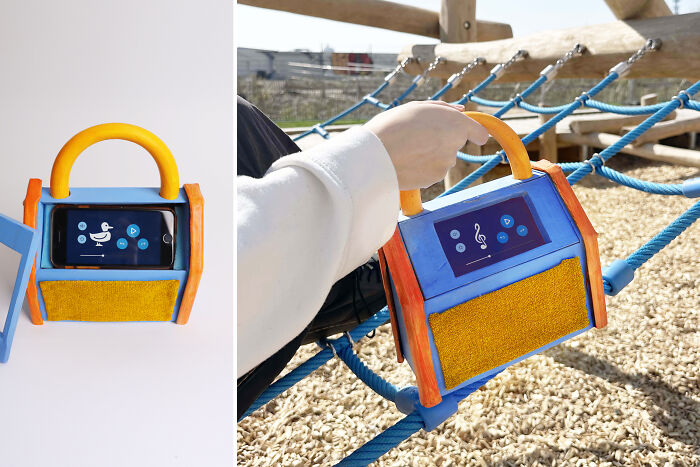
A portable music player with downloadable stories and songs for children. The old phone displays a simple app interface in dark mode with minimal light, housed in a 3D-printed wooden case with rubber edges.
“Right after we explained the subject, the students came up with many different ideas. The topic really struck them,” Martijn Verpaalen, project mentor at L’École de design Nantes Atlantique, shared in the interview with Bored Panda.
Instead of trying to turn old phones back into full‑blown mini computers, the students leaned into monotasking: one object, one clear function, done well.
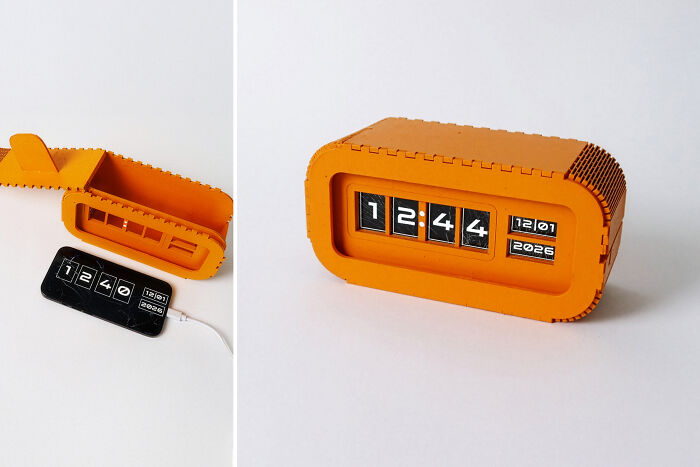
A vintage eco-responsible clock that displays the time and date with a retro digital style.
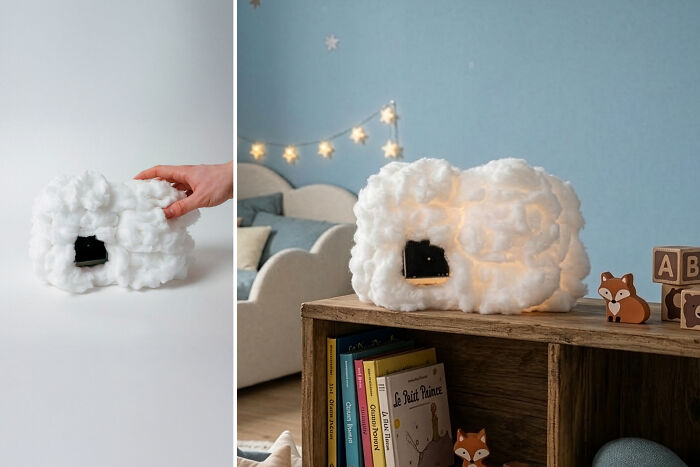
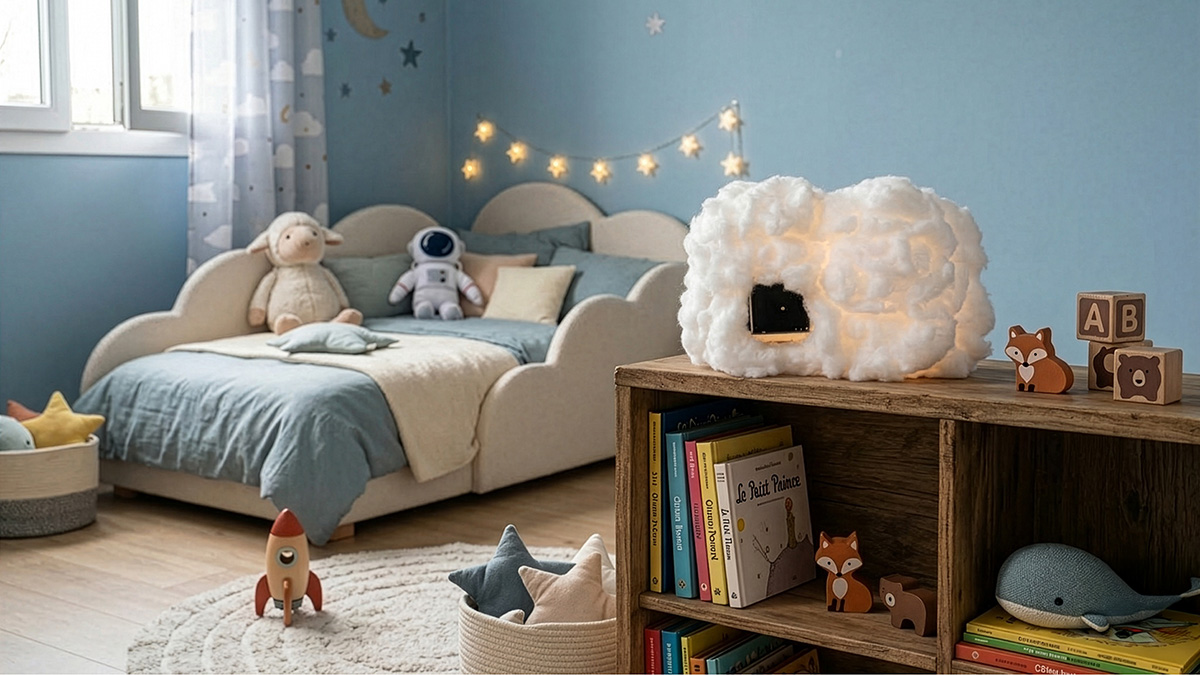
A baby monitor that uses the old phone’s screen light to illuminate a soft cloud, creating a calming glow in the baby’s room.
Working in teams, the students turned anonymous old phones into characterful little objects with their own personalities:
“I loved this project because it felt like proper design work: we had a real constraint, a real problem, and we had to make something that genuinely improves everyday life,” explained one of the students.
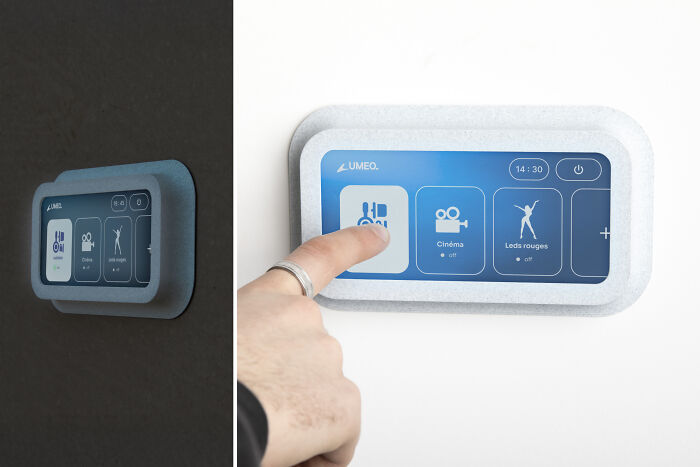
A wall-mounted device for controlling lighting scenarios in the living room. The old phone manages and adjusts ambient light settings.
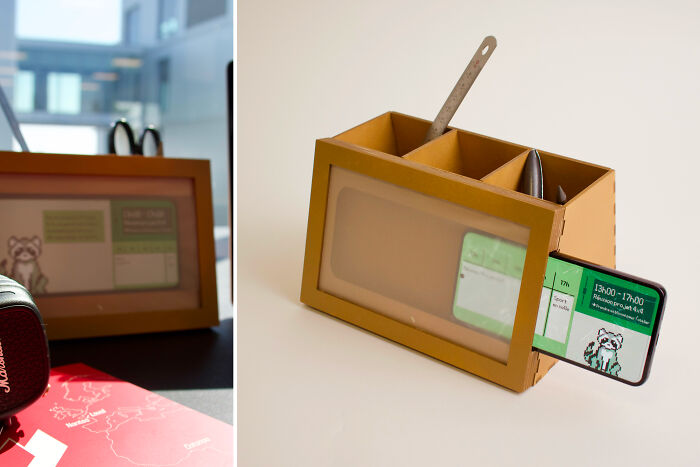
A calendar housed in a desk pen holder. The old phone displays a weekly planner guided by an AI mascot that organizes tasks based on moods and rhythms.
Behind these playful objects is a very real issue: our appetite for new tech is generating a tsunami of electronic waste. In 2022, the world generated around 62 million tonnes of e‑waste, with small IT and telecom devices like smartphones contributing millions of tonnes to that stream. Yet only about one‑fifth of global e‑waste is documented as properly collected and recycled.
“We really want our work to have an impact,” said another student. “It’s not just about making a cool object, it’s about showing that keeping a phone longer, or giving it a second life, is a real design choice.”
Rephone doesn’t claim to solve the global e‑waste crisis on its own, but it does something crucial: it shows, at a very human scale, that design can stretch the life of existing objects instead of automatically demanding new ones.
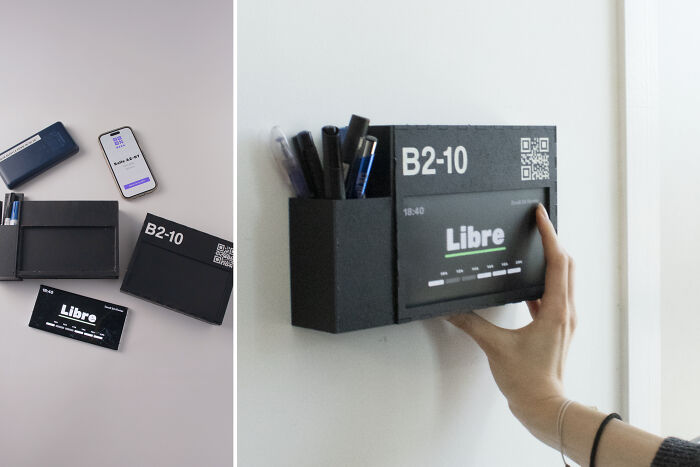
A meeting room reservation device placed next to the door. The old phone is covered with a black film that hides its damaged screen while still displaying booking details.
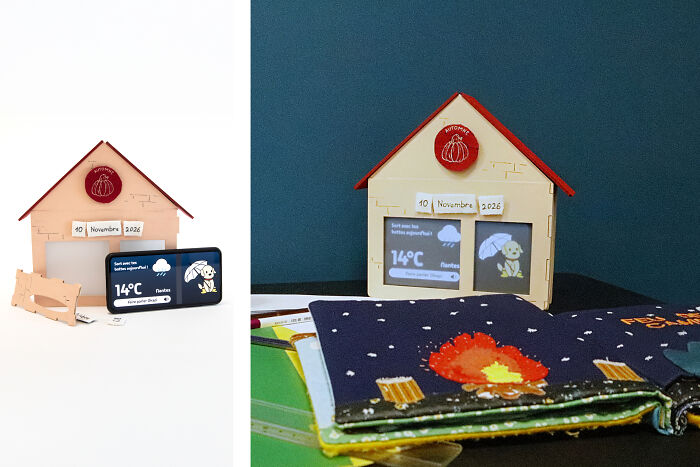
A playful weather station for children aged 3-9. The old phone displays daily forecasts explained by a mascot, helping kids choose clothes independently in their room.
For the students, Rephone was more than a technical exercise. They had to:
“Reusing materials was honestly one of the most fun parts,” admitted a student. “You start with this ‘useless’ thing, and little by little you turn it into something people actually want to touch and keep.”
By the end of the project, phones that once felt slow or useless had become focused tools with a clear purpose. Meanwhile, the students had sharpened their skills in interface design, product design, and sustainable thinking.
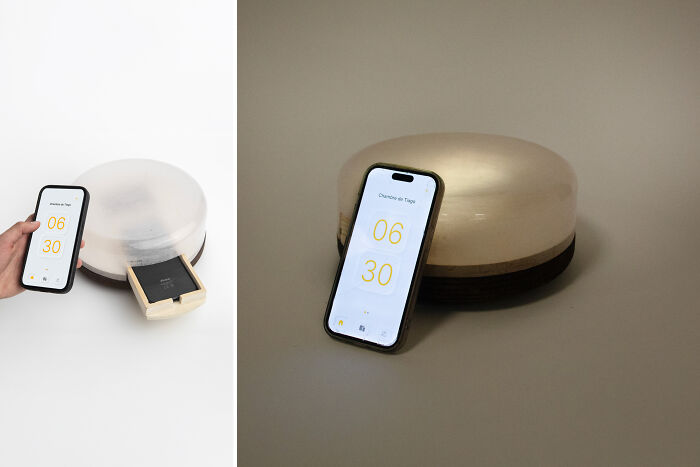
A bedside wake-up light for households. The old phone uses its screen light and sound to create a natural, gradual morning alarm in the bedroom.
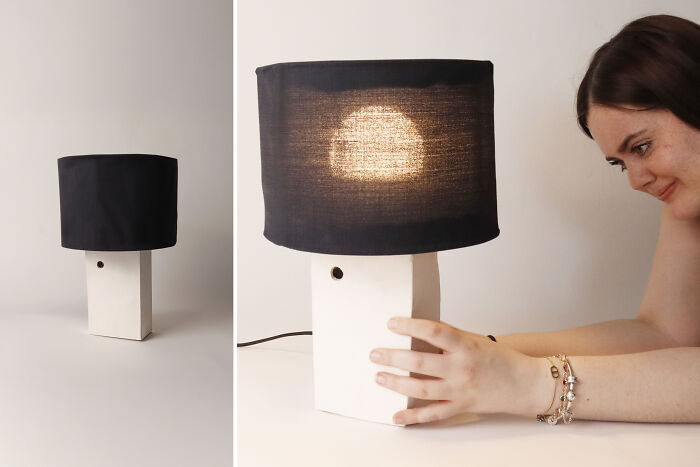
A table lamp concealing a hidden security camera. The old phone provides the camera and Wi‑Fi connection, streaming live video to any connected device.
Rephone isn’t over. In an upcoming five‑day workshop, new student teams will take the concept further:
“This is just a first step,” said Martijn. “Now the students want to partner up and turn some of these concepts into real products people can use.”
All results will be shared as open‑source resources, making it easier for designers, educators, and everyday tinkerers around the world to give their own “drawer phones” a second life.
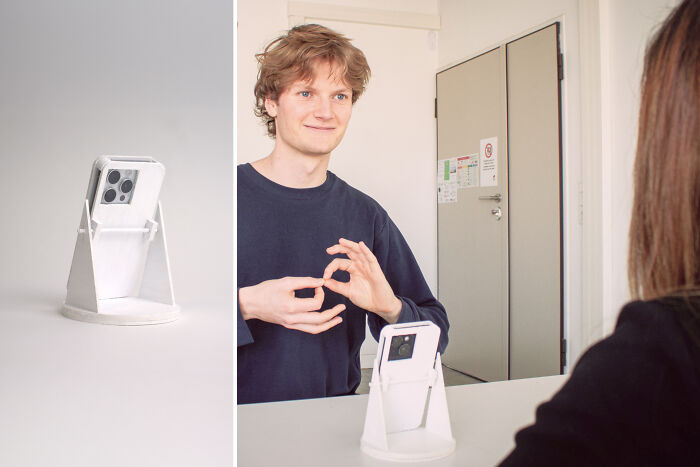
A communication device for people with hearing impairments at home, work or in public spaces. Mounted on a rotating system, the old phone orients toward each speaker to clarify exchanges and make conversations more fluid.
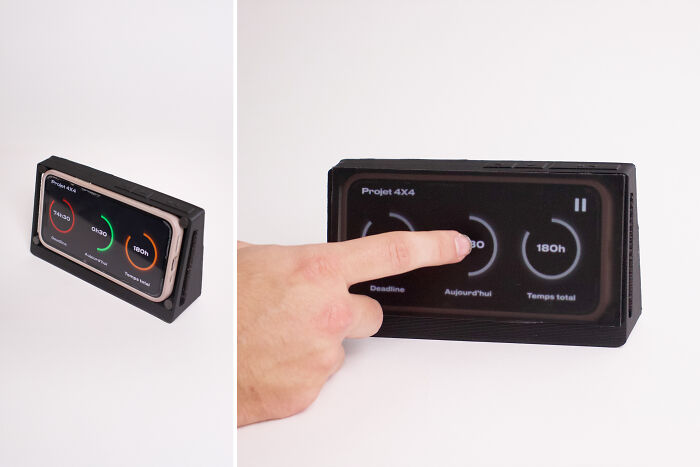
An on-desk time tracker with black film over the screen. The old phone displays focused tracking while hiding any damage.
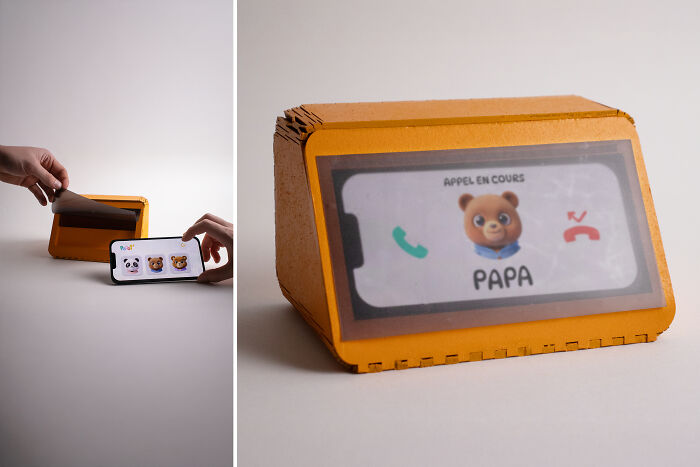
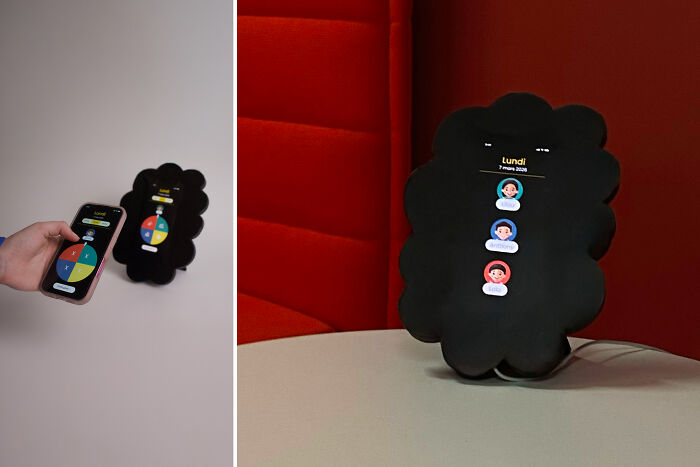
An organization interface designed to help children gain autonomy in household chores and time management.


These are all really dumb ideas. They've simply copied already existing ideas. Are these students at r tar d university?

downvote Abu Dhabi all you want, they're not wrong. None of these ideas are original, and each of them would be better with a cheap and less energy consuming led screen.
Load More Replies... These are all really dumb ideas. They've simply copied already existing ideas. Are these students at r tar d university?
downvote Abu Dhabi all you want, they're not wrong. None of these ideas are original, and each of them would be better with a cheap and less energy consuming led screen.
Load More Replies...



























 No fees, cancel anytime