Get Premium
Dark mode theme is available exclusively for premium users. Learn more about the benefits of subscribing.
No fees, cancel anytime.

 Dark Mode Ad-Free Browsing Unlimited Content
 Ad-Free Browsing Unlimited Content Dark Mode
Join 1.2 million Panda readers who get the best art, memes, and fun stories every week!
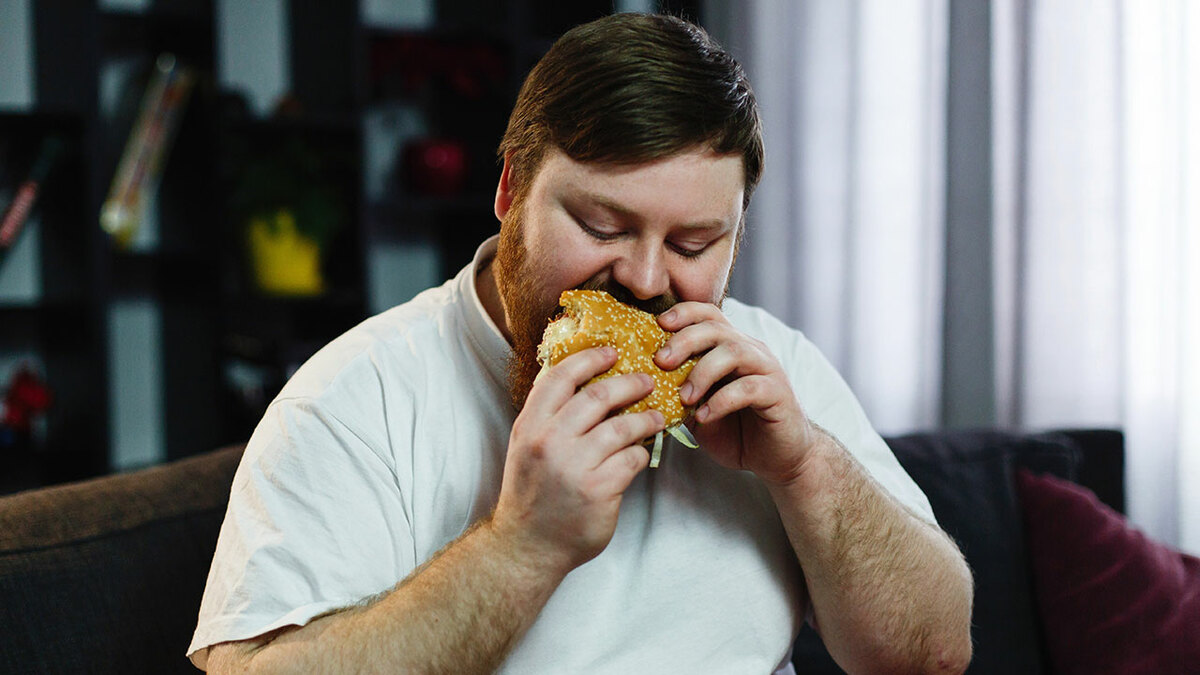
When you marry someone, you make a promise to stick with them no matter what. But true love doesn’t mean staying blind to your soulmate’s vices. When you see them ruining their life—and undermining your relationship—you must speak up. Ultimatums usually don’t work. And yet, what else are you left with when your concerns get ignored?
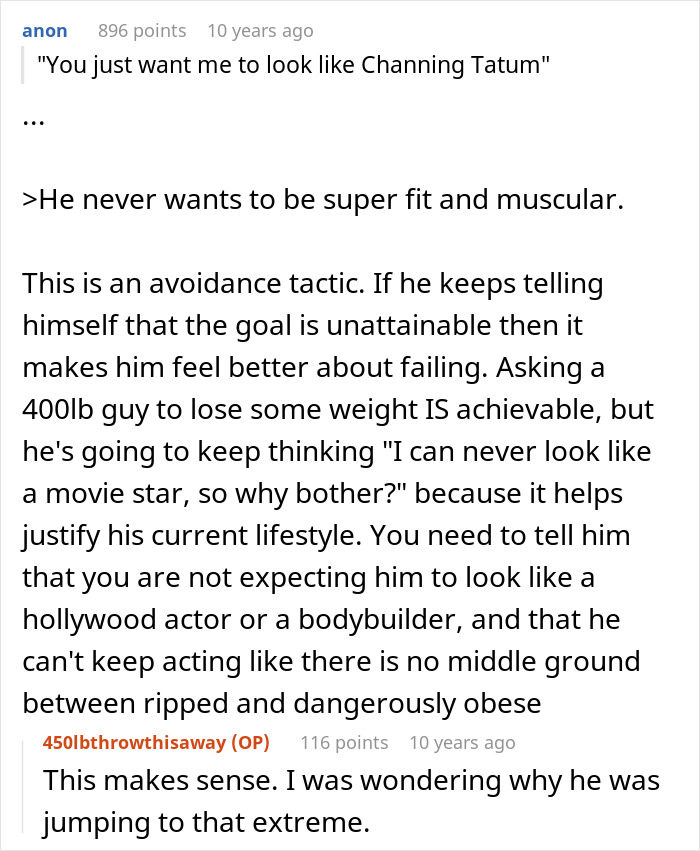
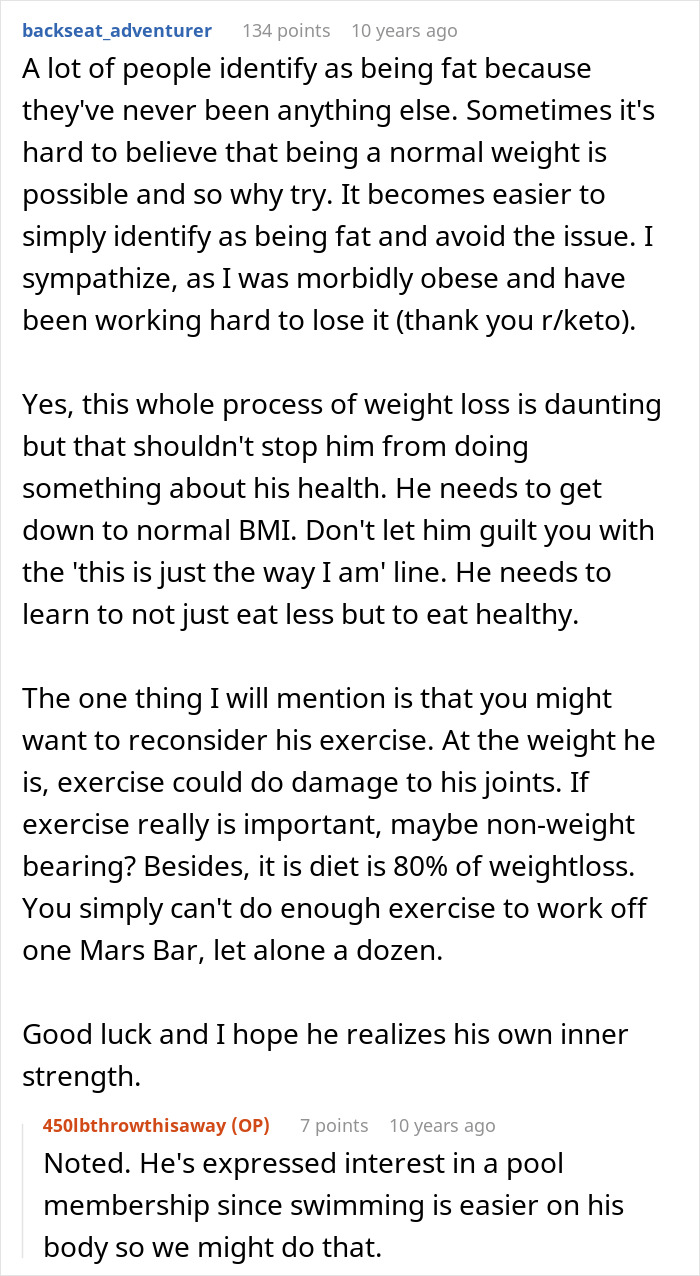
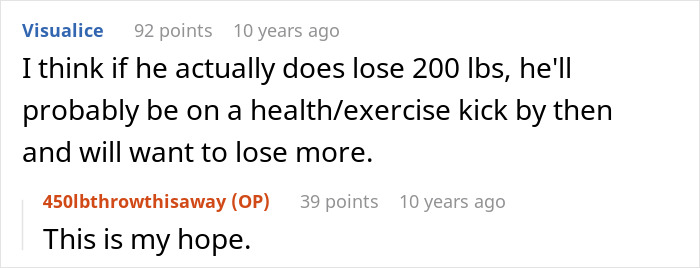
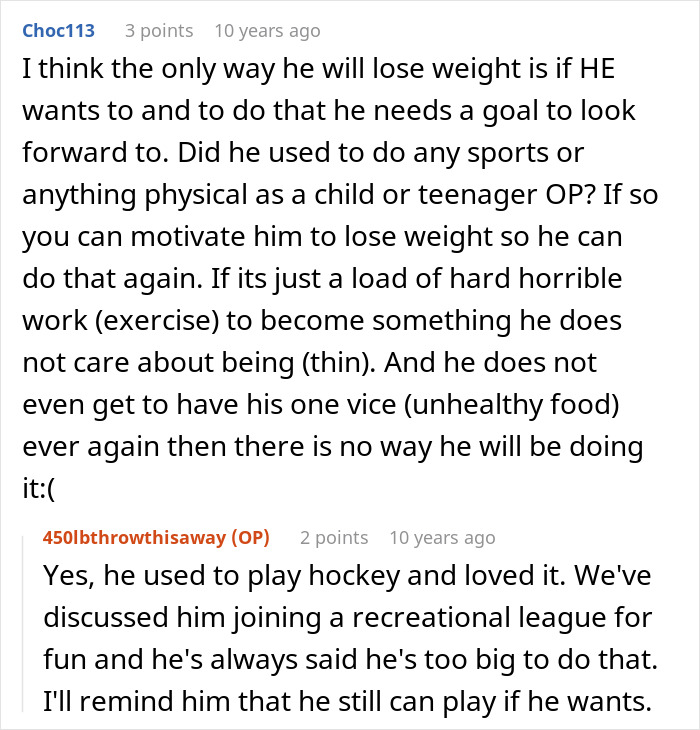
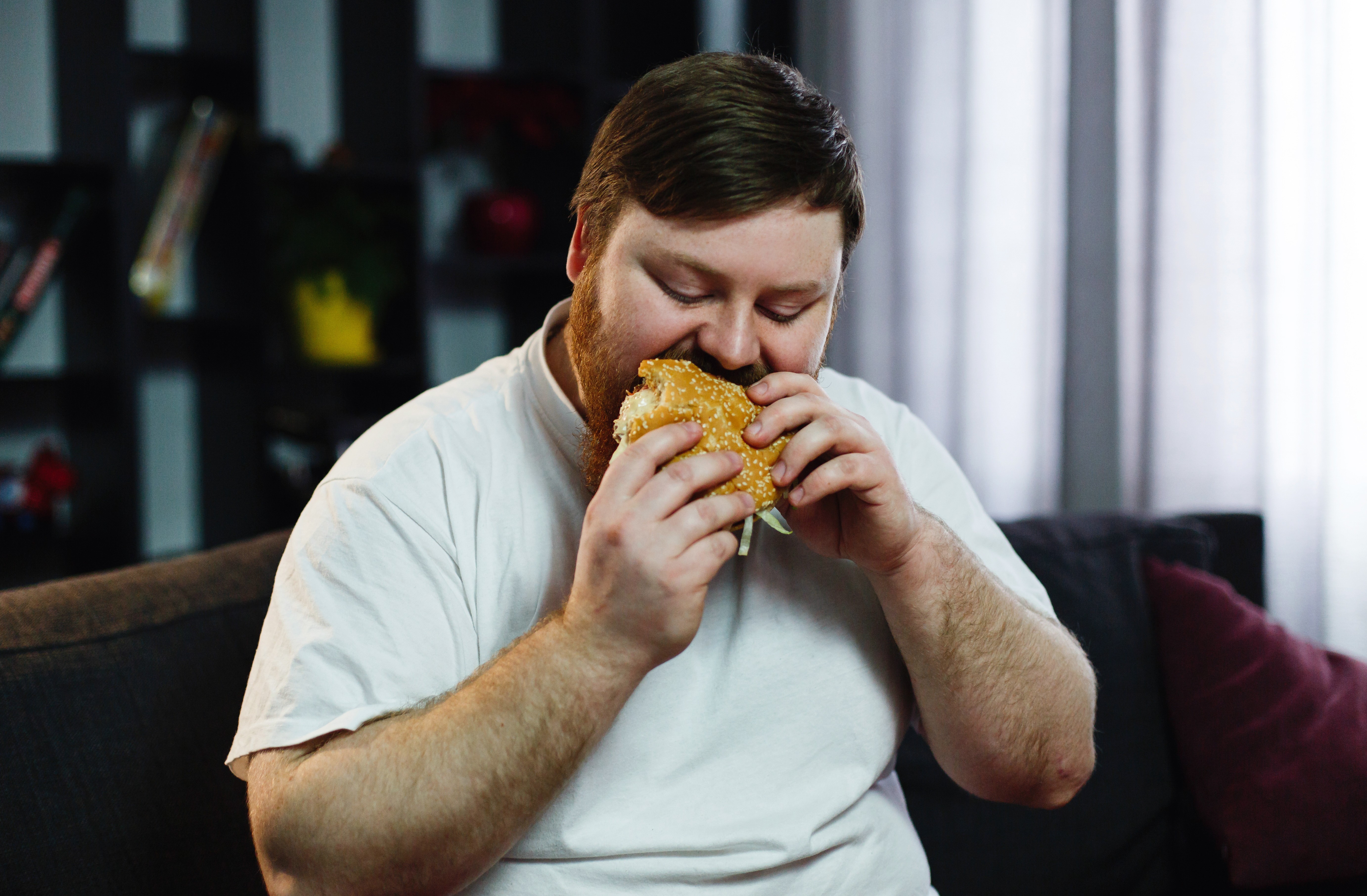
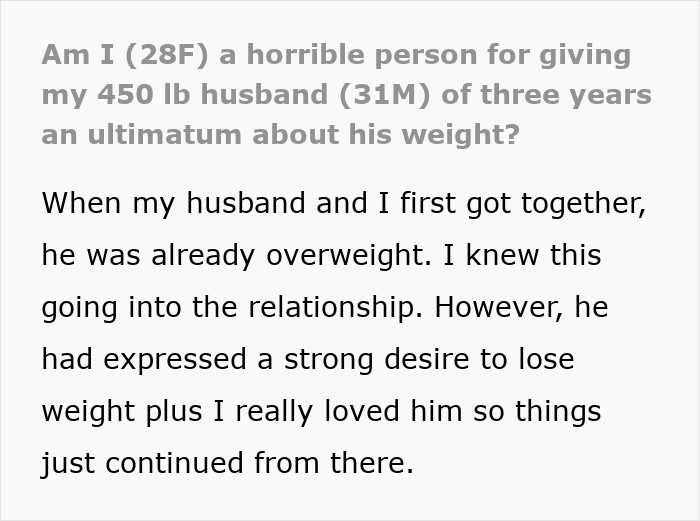
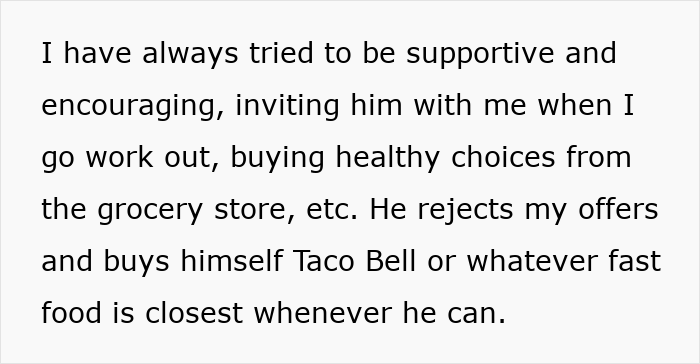
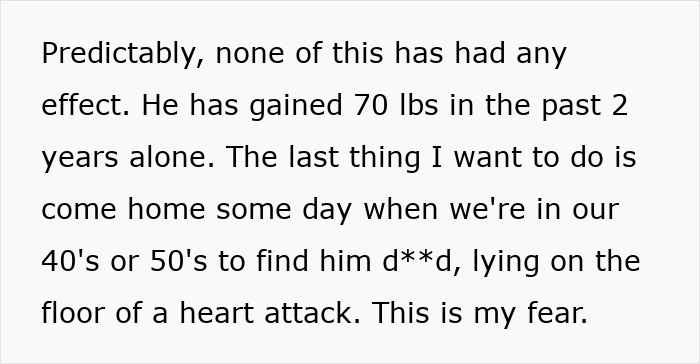
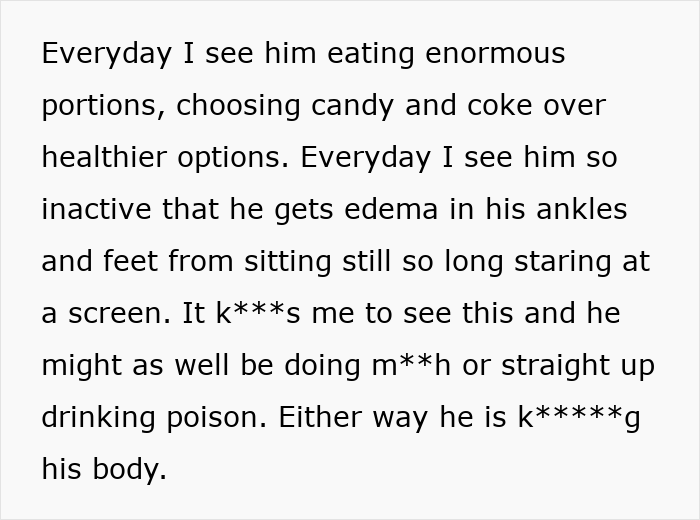
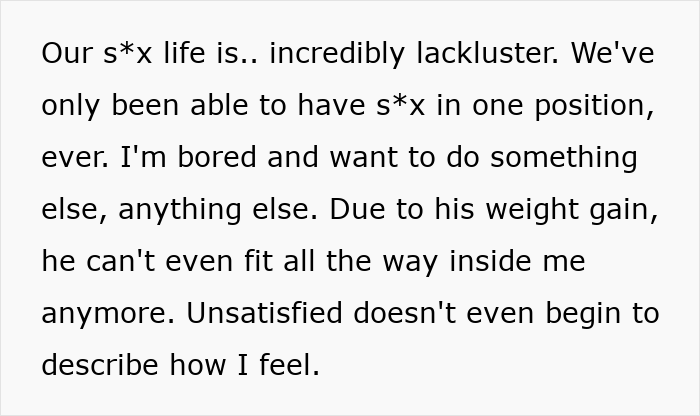
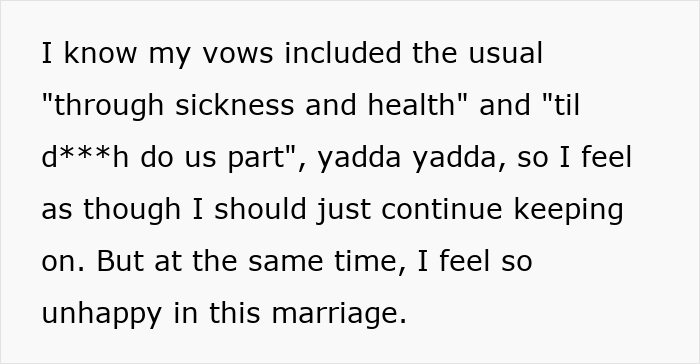
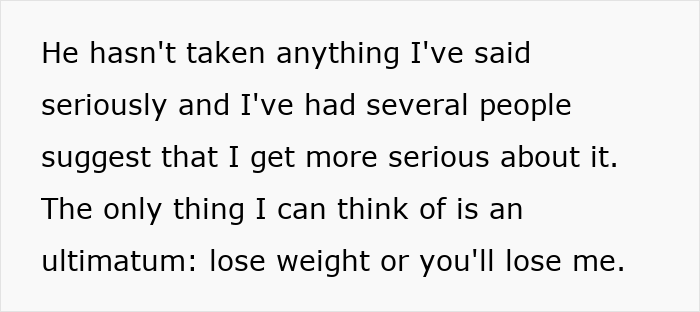
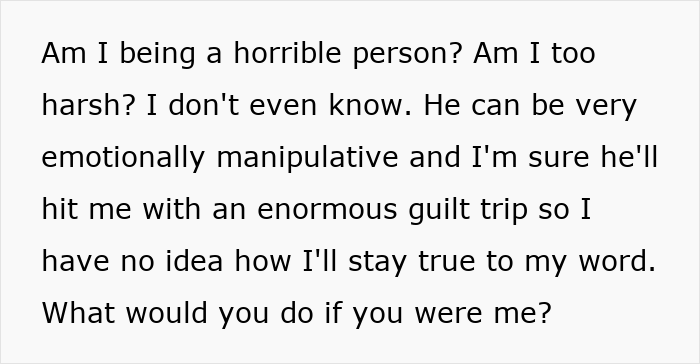
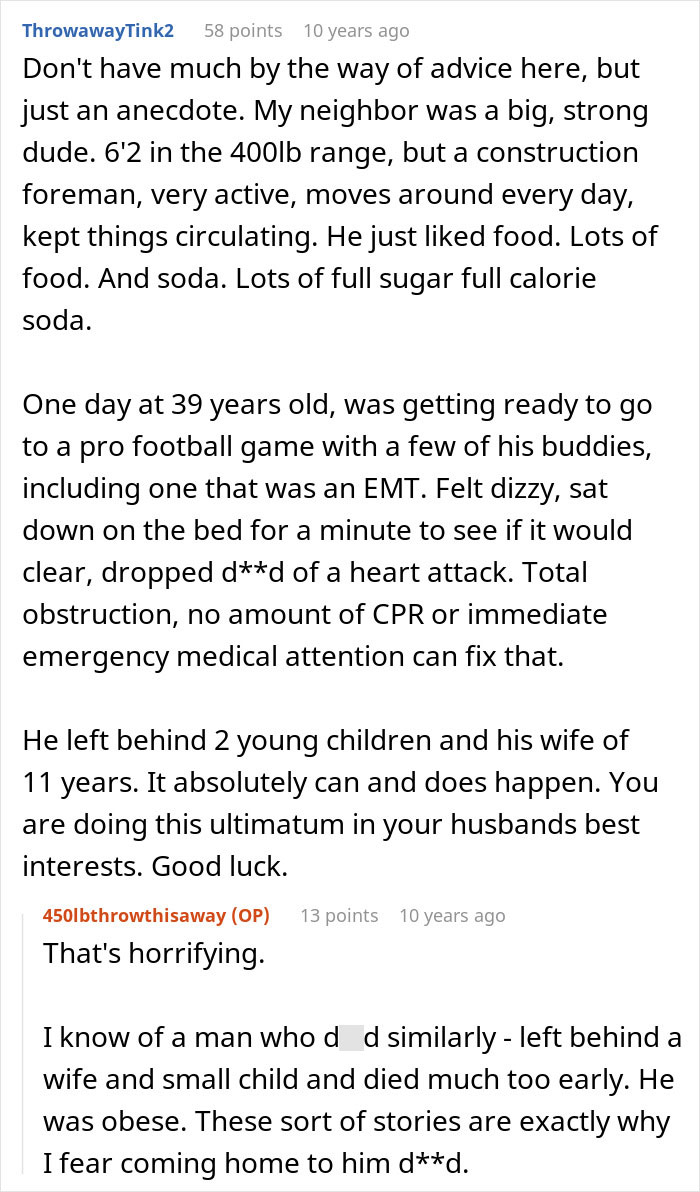
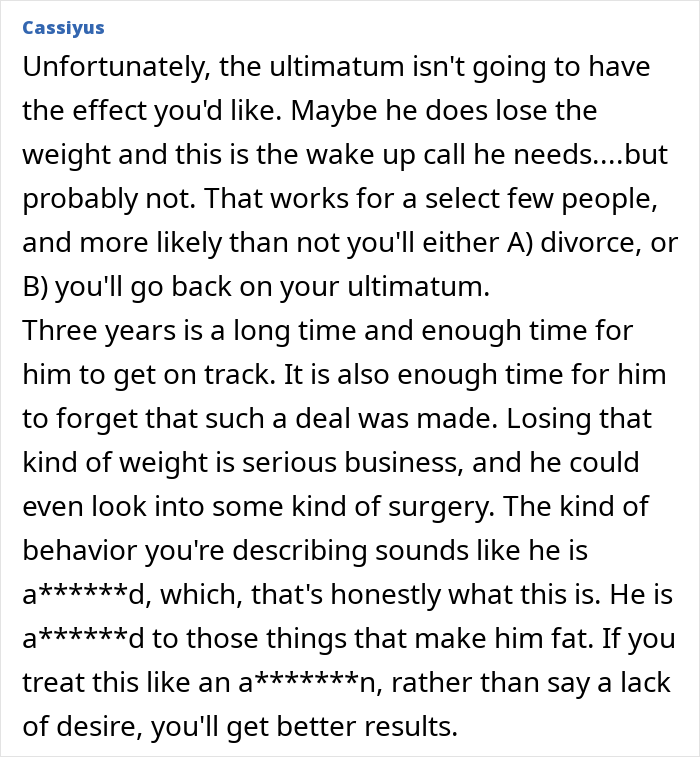
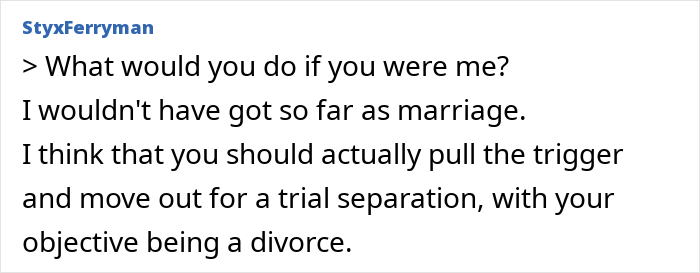
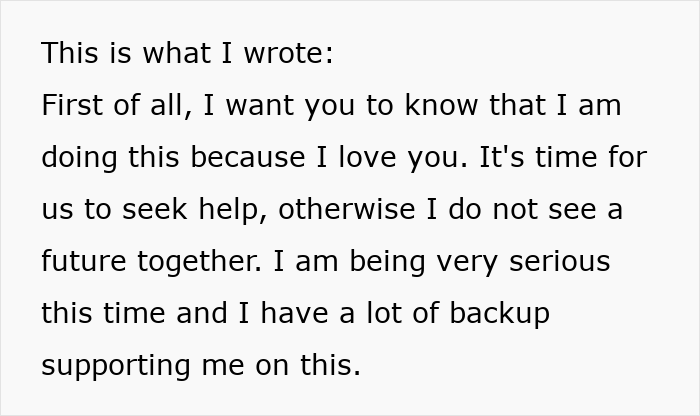
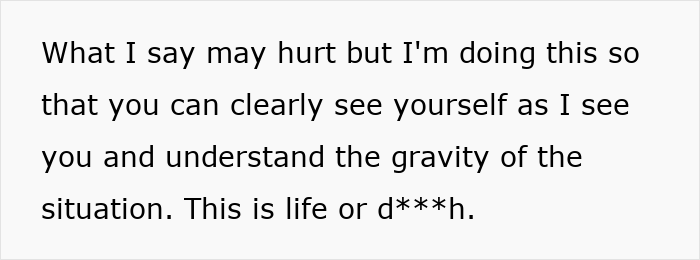
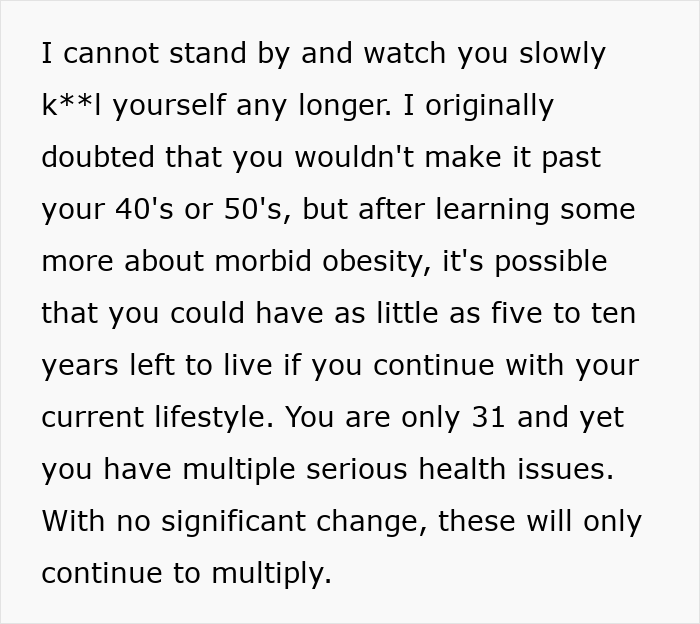
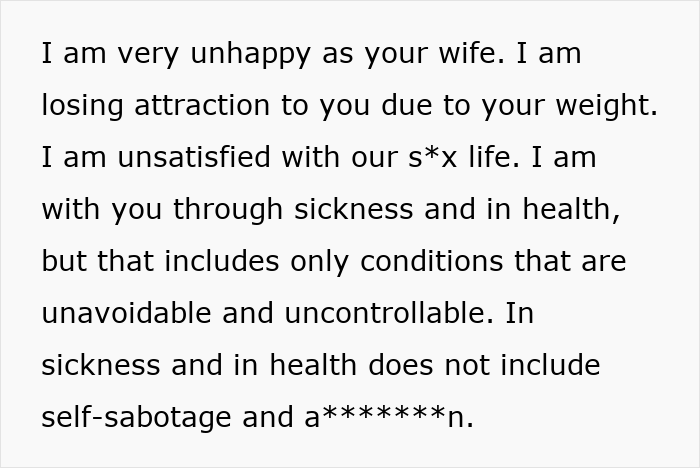
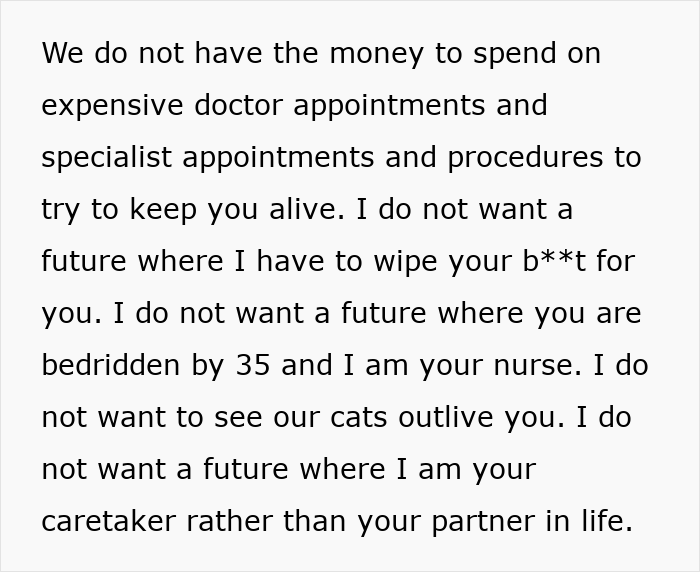
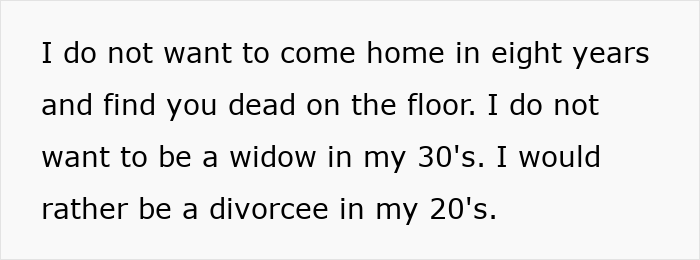
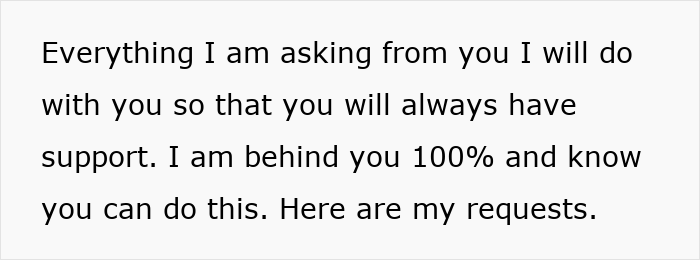
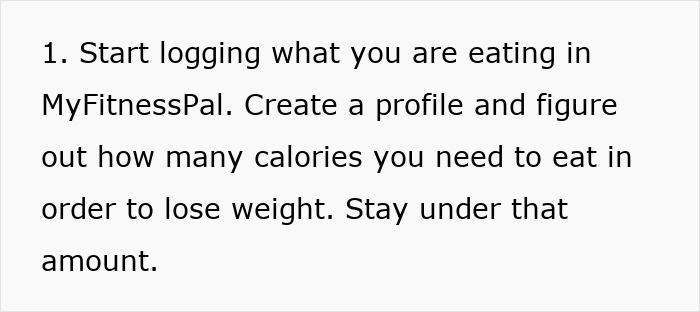
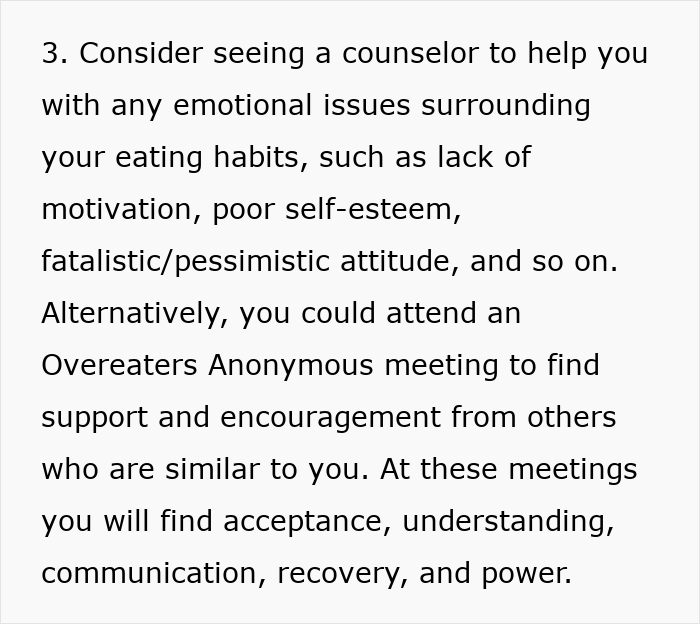
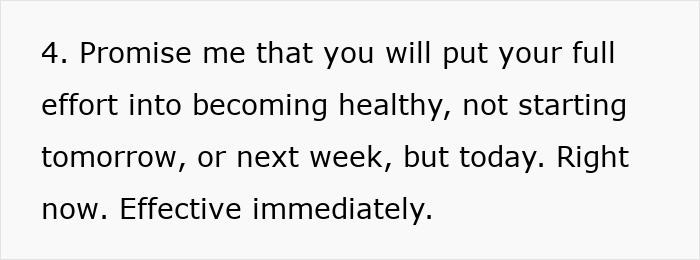
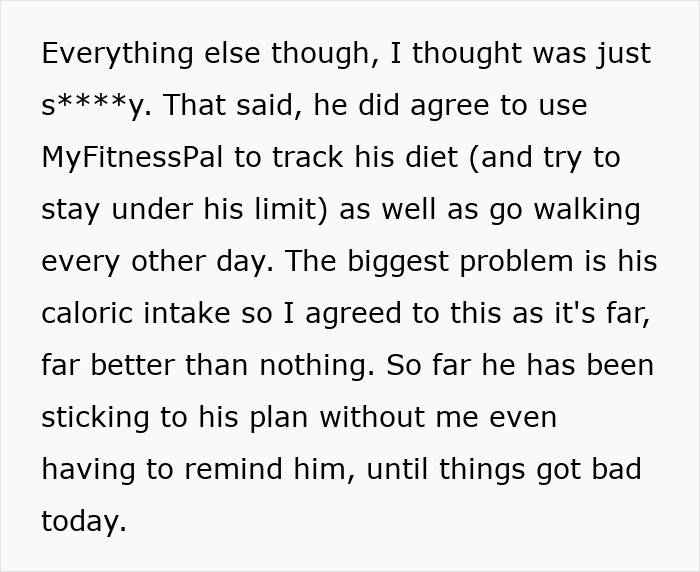
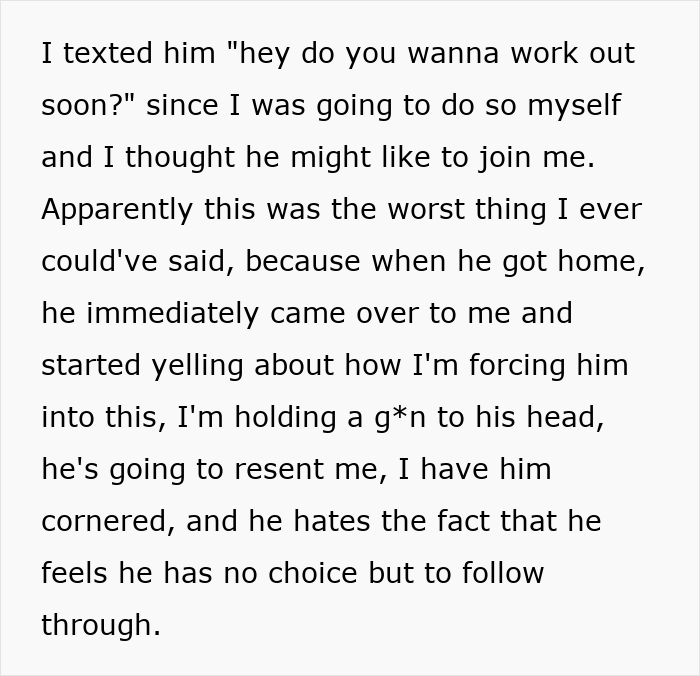
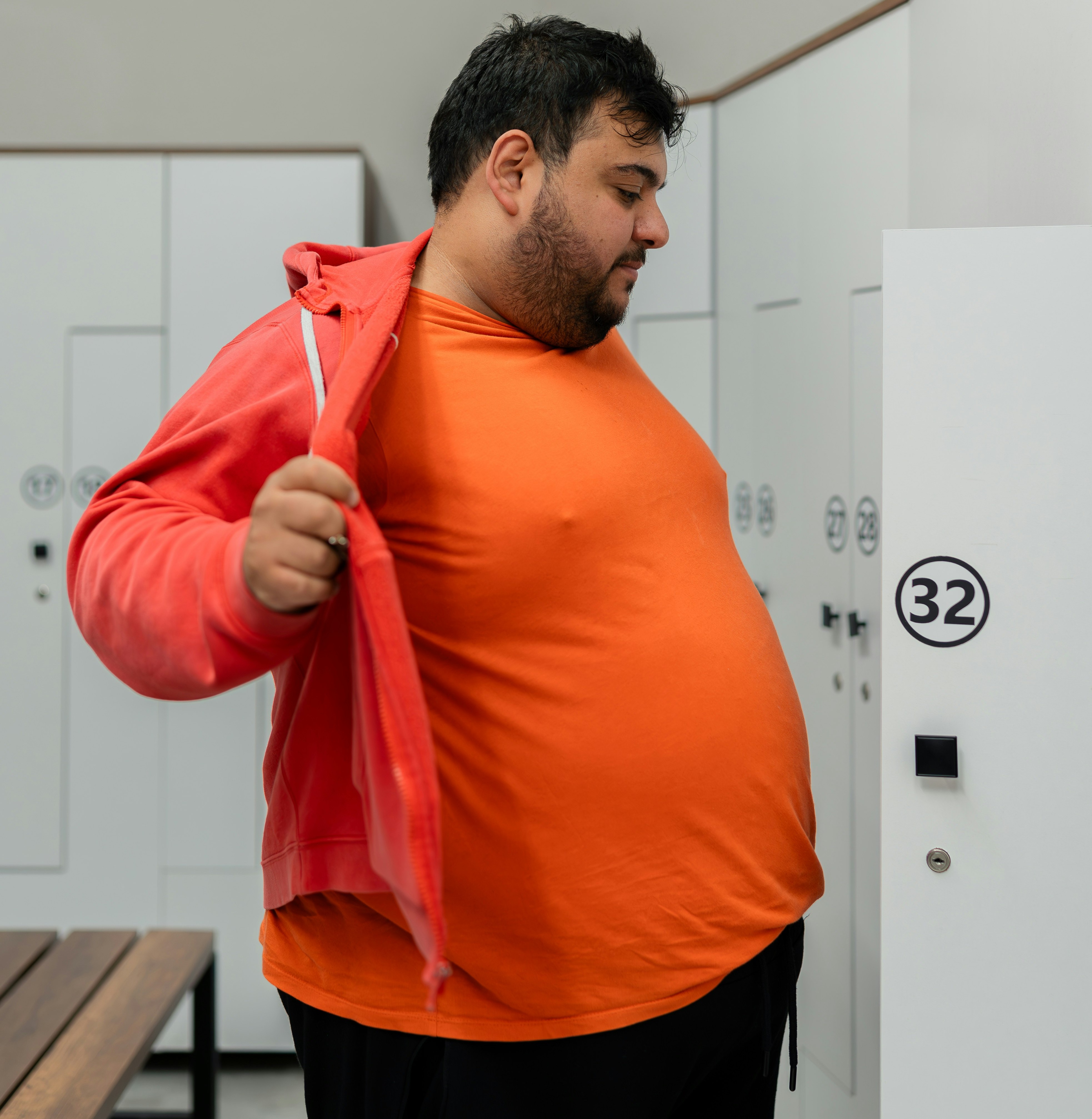
An unhappy woman went viral after sharing how her marriage was imploding because of her husband’s obesity. She finally worked up the courage to confront him and gave him an ultimatum. Read on for the full story about how the man reacted to his wife begging him to change.

There is a subtle difference between an ultimatum and setting healthy boundaries. In a nutshell, an ultimatum is a threat. You tell someone that they’ll experience a specific consequence if they don’t go through with a specific action. Boundaries, on the other hand, revolve around clear expectations, communication, limitations, and needs.
“When you state your boundaries, you’re setting standards in order for the relationship to succeed. When you give an ultimatum, you’re effectively saying that those standards have been violated and something needs to change,” Josiah Teng, a New York City–based therapist, explained to PsychCentral.
Meanwhile, licensed mental health counselor Michela Dalsing adds that the difference between an ultimatum and a boundary is “similar to the difference between having someone force you to choose at gunpoint and someone asking you to follow a law.”
People typically resort to ultimatums out of desperation when they have expressed their needs, wants, or boundaries repeatedly, without them being respected.
“People often give ultimatums as a last resort when there is an identified ‘deal breaker’ in the relationship that they feel trapped by. It could be a chronic habit, like drinking, or one-time event, like cheating,” Teng said. “”The ultimatum is a way for them to exert control over something they feel they have no control over — namely, another’s behavior or traits.”
According to licensed clinical psychologist Adam Haynes-LaMotte, a healthy way to think about ultimatums is as the “last chance” equivalent in communicating with your partner.
For instance, if your significant other has extremely unhealthy habits that directly harm your relationship, as well as your mental health, it may be appropriate to tell them that they need to seek treatment.
And yet, ultimatums can be unhealthy. Most therapists and counselors suggest not using them. Specifically, ultimatums are unhealthy if they are frequently used to control your partner’s behavior. This undermines their sense of safety and security, as well as their autonomy.
Furthermore, ultimatums, when used improperly, are tantamount to emotional manipulation. Narcissists tend to use them.
“Extreme by nature, ultimatums are indicative of relational burnout. They are made when all other attempts to mitigate or resolve the issue have been exhausted. With no room for compromise, it becomes an all-or-nothing situation that only further reduces the relationship’s survival chances,” Teng explains.

Losing weight all alone, with enough discipline and patience, is absolutely possible. However, it is much easier to do this with a proper support network. Letting go of unhealthy habits and developing healthy ones is much more sustainable when you know that your family, friends, and coworkers have your back.
It’s also a huge boost if you join a weight-loss program, reach out to a healthcare professional, or have a group of like-minded individuals you can count on.
The CDC emphasizes the importance of setting realistic, short-term goals when losing weight. It’s essential to see your progress and reward it so you stay motivated on what will be a long journey toward a healthier, more sustainable lifestyle. In the meantime, unrealistic goals leave you frustrated and deflated.
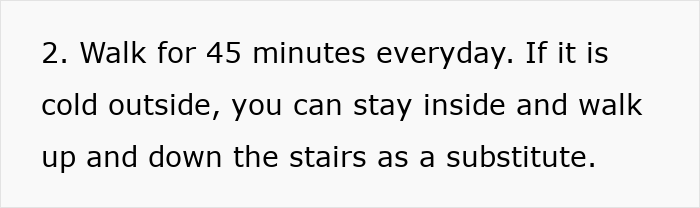
“Short-term goals might include drinking water instead of sugary beverages, taking a 15-minute evening walk, or having a vegetable with supper,” the CDC suggests.
Meanwhile, you should focus on fewer rather than more goals. “Effective goals are specific and realistic. For example, ‘exercise more’ is not specific. But ‘I will walk 15 minutes, 3 days a week for the first week,’ is specific and potentially more realistic.”
To be clear, setbacks are part of the process. The important thing to do is to get back on track ASAP. Then, think about how to avoid similar setbacks in the future. Furthermore, try out a wide range of physical activities to see what you enjoy. Getting fit is much easier when you actually like what you do, instead of feeling forced.
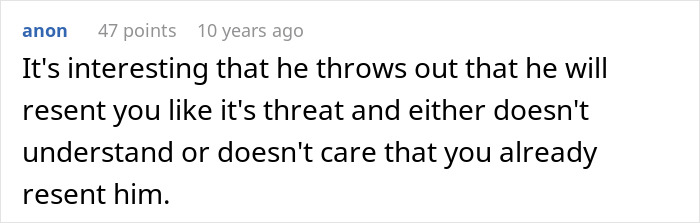
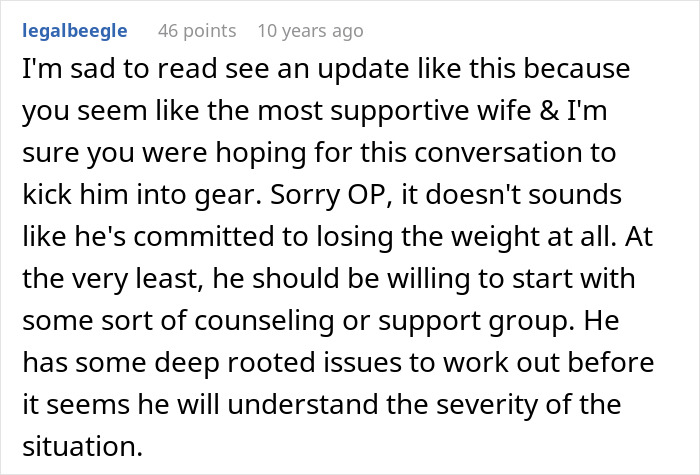
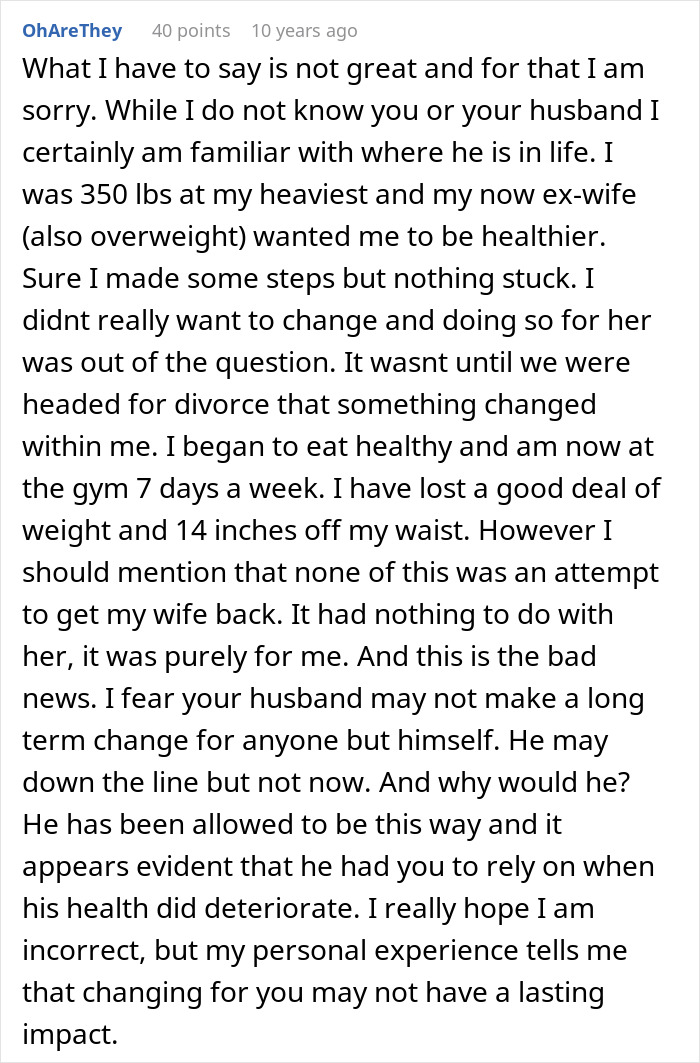
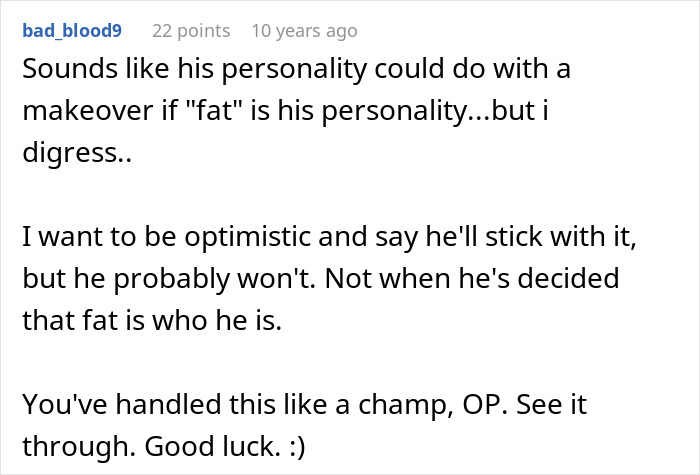
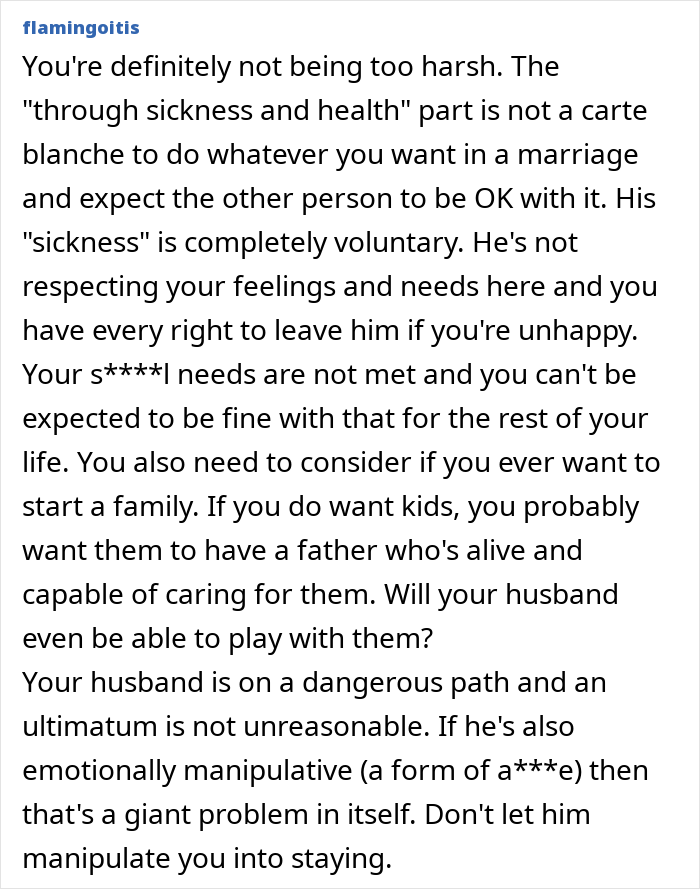
We want to hear your thoughts, Pandas. What do you think of the way that the woman handled her relationship problems? Do you think she was right to issue her husband an ultimatum? What would you have done differently?
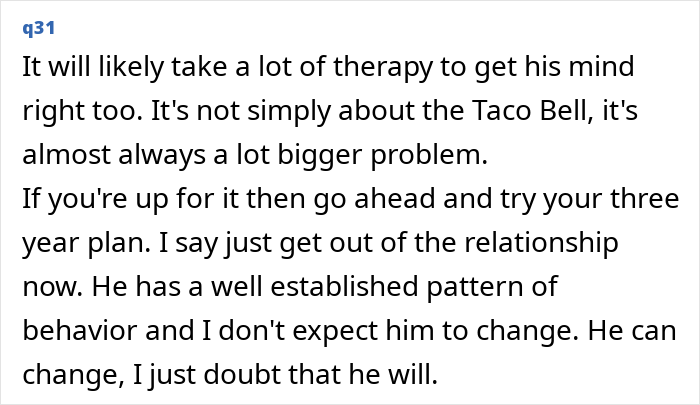
How would you react if your partner or loved one systematically destroyed their health and refused to change? At what point—if any—do you give up? Share your thoughts and experiences in the comments. We’re interested in your takes.




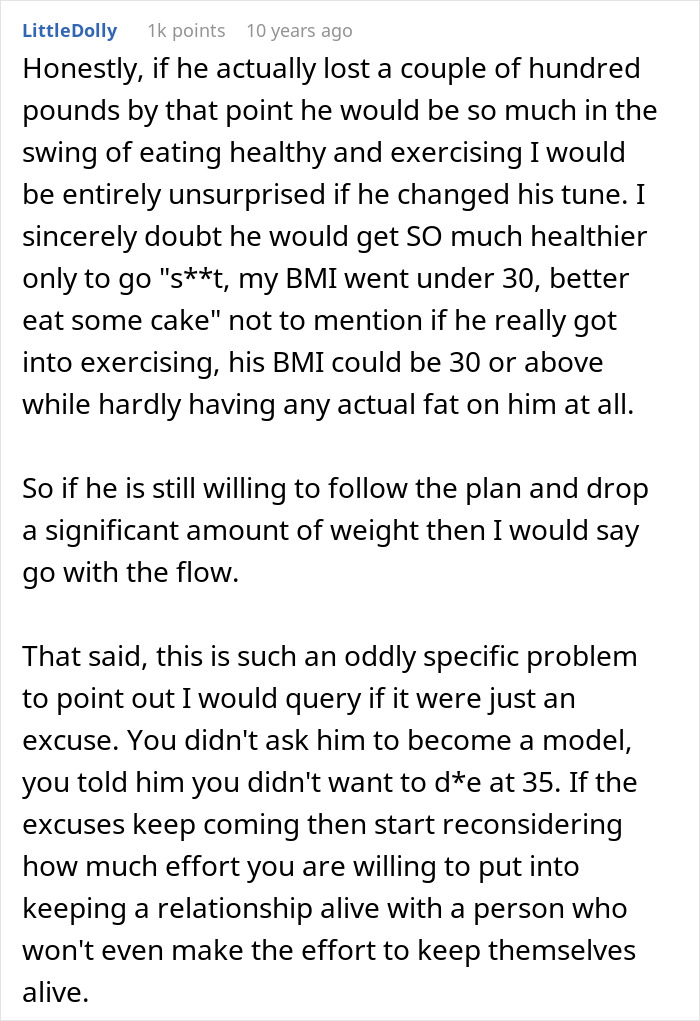
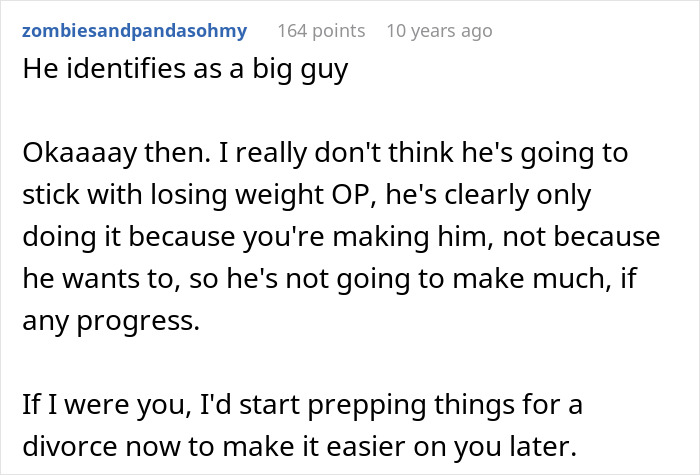
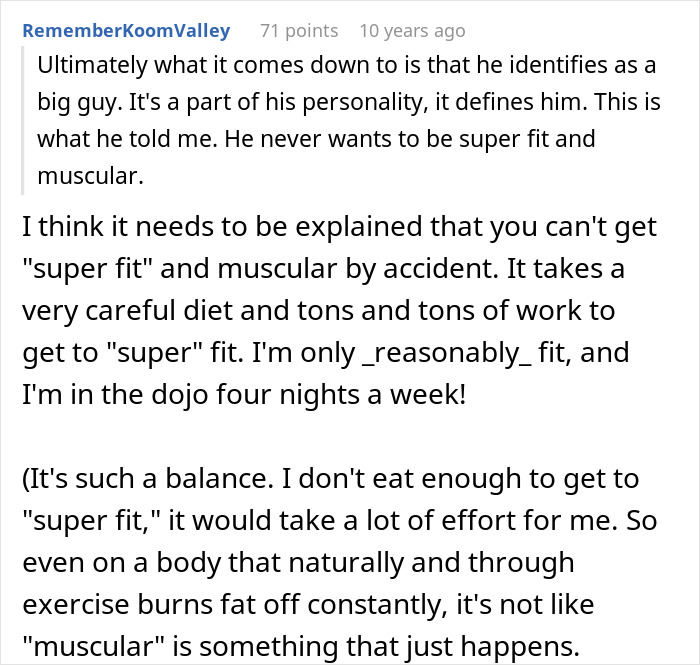

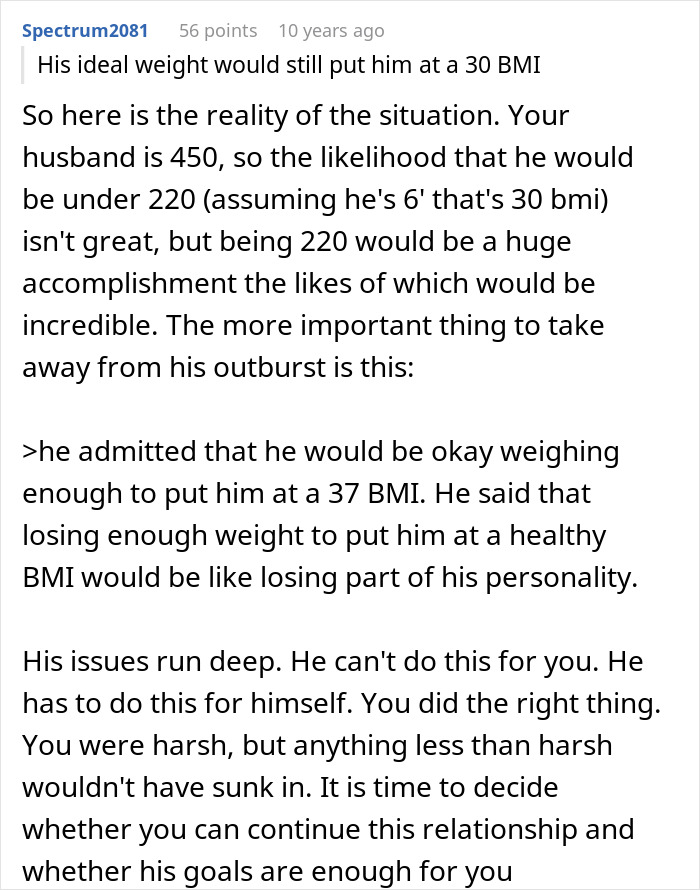

By entering your email and clicking Subscribe, you're agreeing to let us send you customized marketing messages about us and our advertising partners. You are also agreeing to our Privacy Policy.
Thank you! You've successfully subscribed to newsletters!



I've mentioned it before, but the vast majority of my family members are obese, and many are morbidly obese. I had a cousin díe age 24 because he developed obesity-caused diabetes, didn't take care of himself, and ended up with kidney failure. I've seen family members get feet amputated. When my uncle díed, he was so obese that the EMTs had to break down the doorframe to get him out of his room (which he hadn't left in years.) People in my family rarely díe of "old age"-related issues. They overwhelmingly díe young/prior to age 65. It's a generational thing and cultural thing (food is the love language in Mexican families) but it's so sad for the family members left alive. Food/overeating is an áddiction like any other áddiction, and the áddict needs to WANT to stop, or they never will. OP's husband is being incredibly selfish, as he doesn't care if he díes at 40 and breaks his wife's heart. He doesn't even have to exercise - he'll drop a ton of weight just with a caloric deficit.

Start the divorce proceedings, he has no interest in looking after himself, and you by proxy. Sad.
I've mentioned it before, but the vast majority of my family members are obese, and many are morbidly obese. I had a cousin díe age 24 because he developed obesity-caused diabetes, didn't take care of himself, and ended up with kidney failure. I've seen family members get feet amputated. When my uncle díed, he was so obese that the EMTs had to break down the doorframe to get him out of his room (which he hadn't left in years.) People in my family rarely díe of "old age"-related issues. They overwhelmingly díe young/prior to age 65. It's a generational thing and cultural thing (food is the love language in Mexican families) but it's so sad for the family members left alive. Food/overeating is an áddiction like any other áddiction, and the áddict needs to WANT to stop, or they never will. OP's husband is being incredibly selfish, as he doesn't care if he díes at 40 and breaks his wife's heart. He doesn't even have to exercise - he'll drop a ton of weight just with a caloric deficit.
Start the divorce proceedings, he has no interest in looking after himself, and you by proxy. Sad.


































 No fees, cancel anytime







28
4