Get Premium
Dark mode theme is available exclusively for premium users. Learn more about the benefits of subscribing.
No fees, cancel anytime.

 Dark Mode Ad-Free Browsing Unlimited Content
 Ad-Free Browsing Unlimited Content Dark Mode
Join 1.2 million Panda readers who get the best art, memes, and fun stories every week!

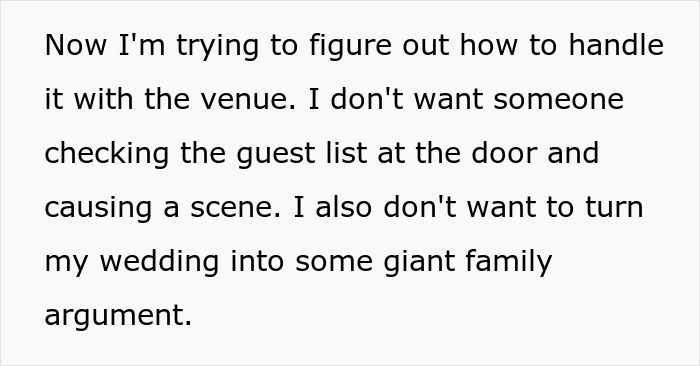
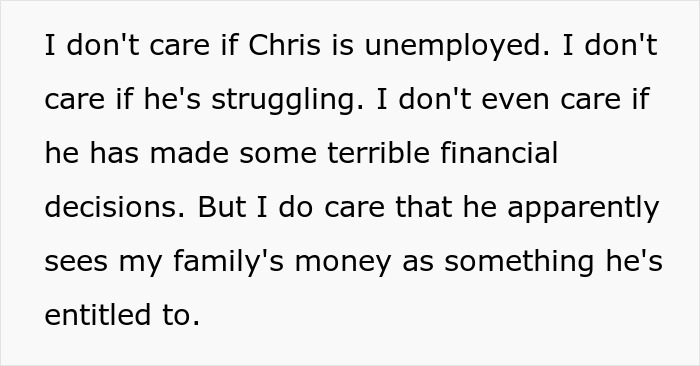
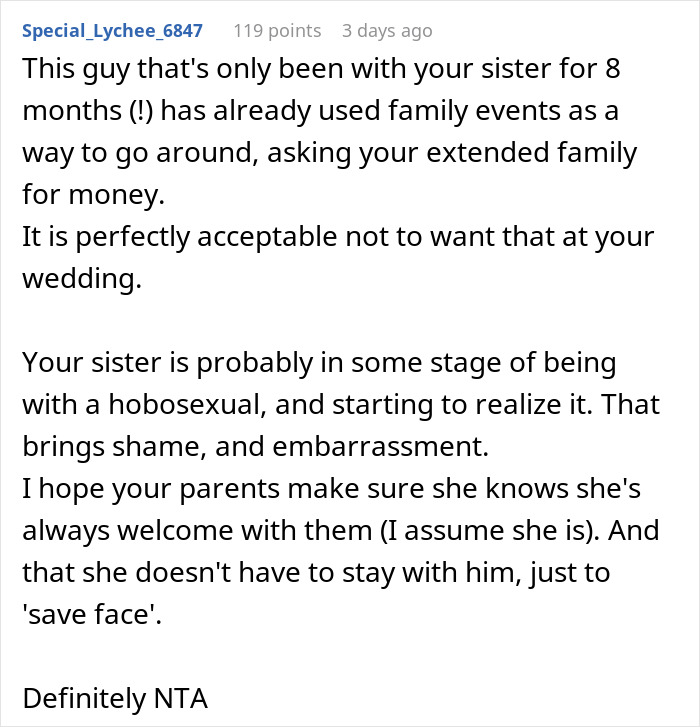
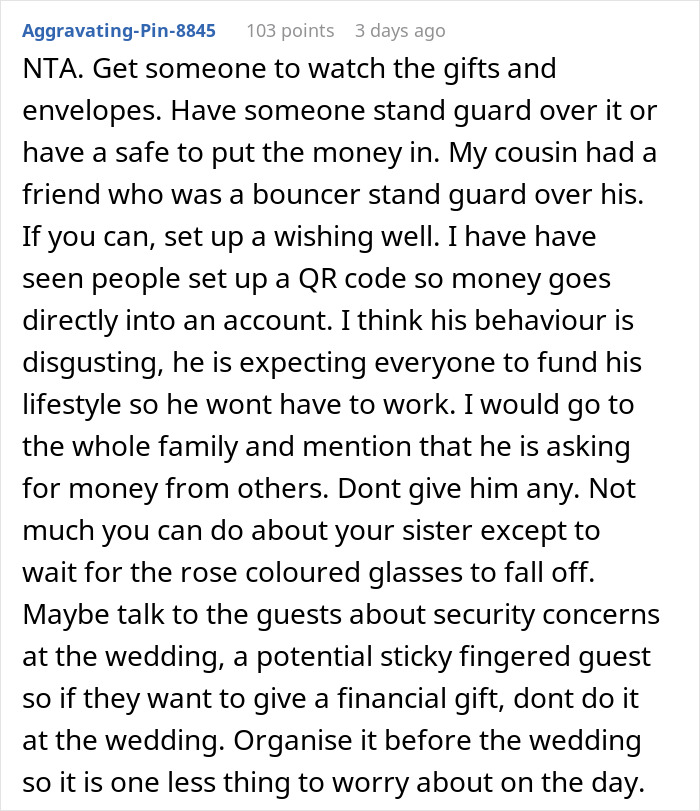
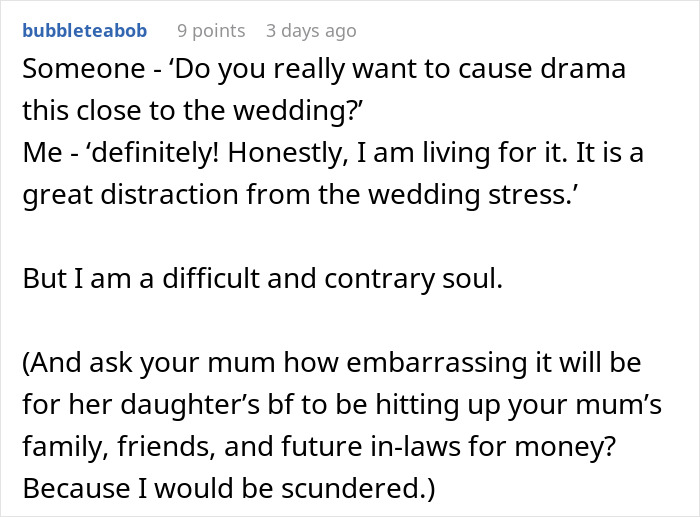
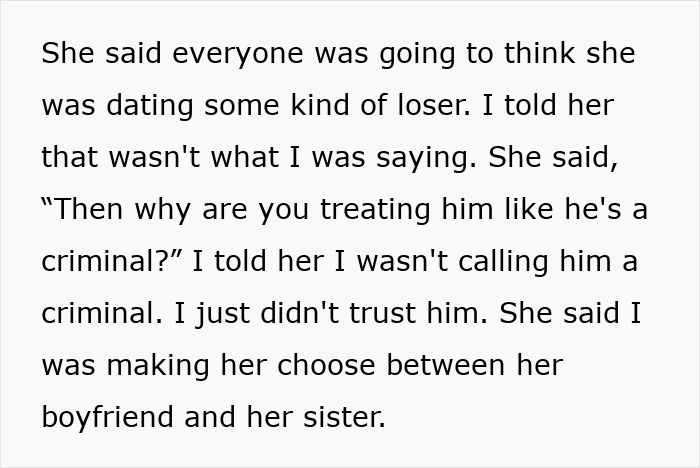
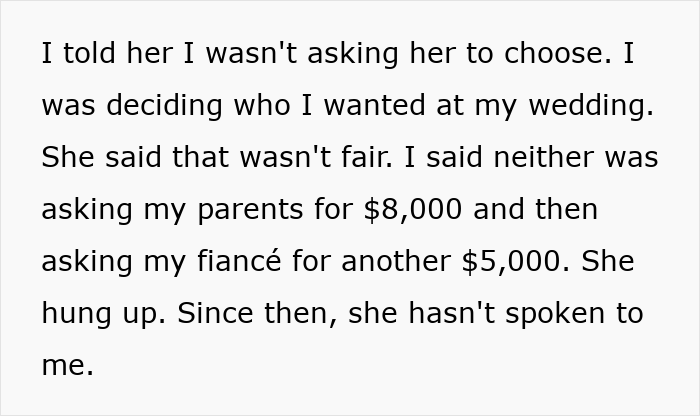
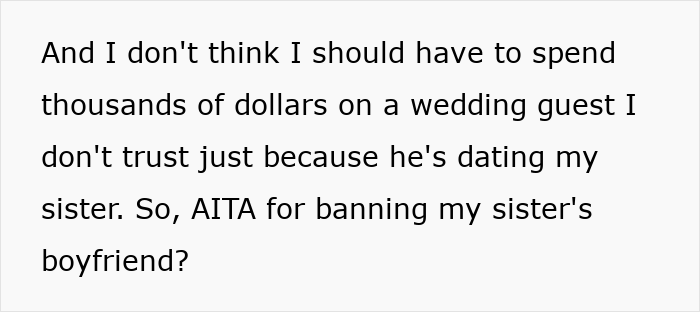
A wedding is already one of those occasions where everyone suddenly has an opinion about your guest list, your budget, your seating chart, and whether your cousin’s plus-one really needs to be there. However, when you have a relative’s struggling boyfriend asking several family members for thousands of dollars, suddenly the RSVP list is the least complicated part of the problem.
This situation raises questions that go well beyond one unpopular wedding guest. Financial hardship can put enormous pressure on relationships, while family members often struggle to decide where helping ends and enabling begins. When money, romantic relationships, family loyalty, and major life events collide, even a seemingly simple request for a loan can become a much bigger question about trust and boundaries.



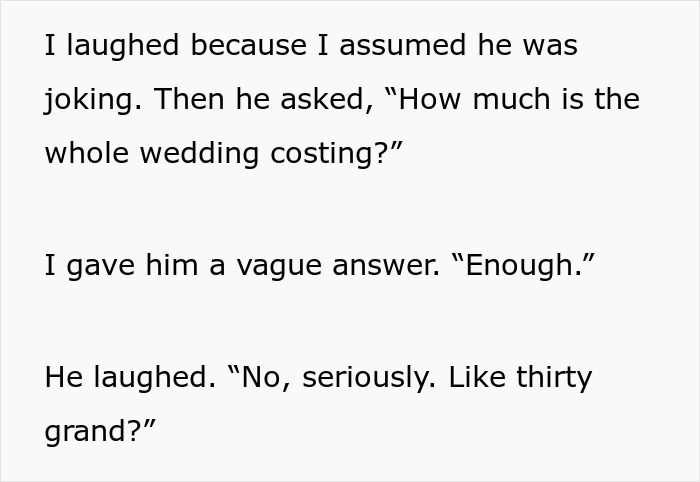
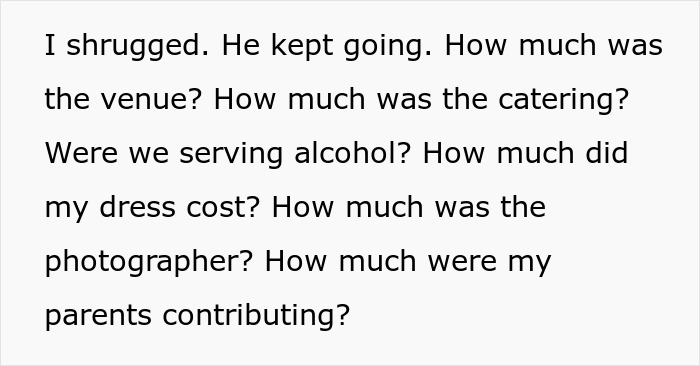

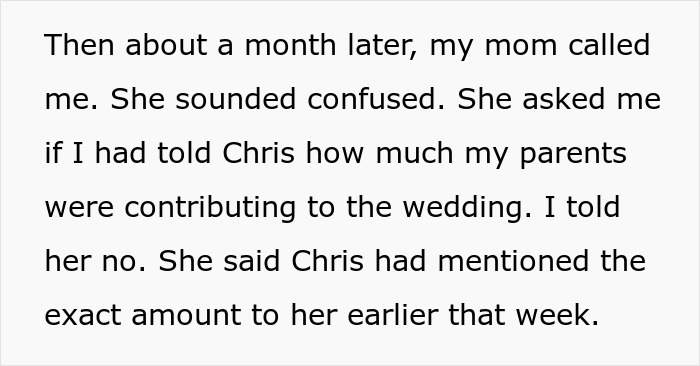

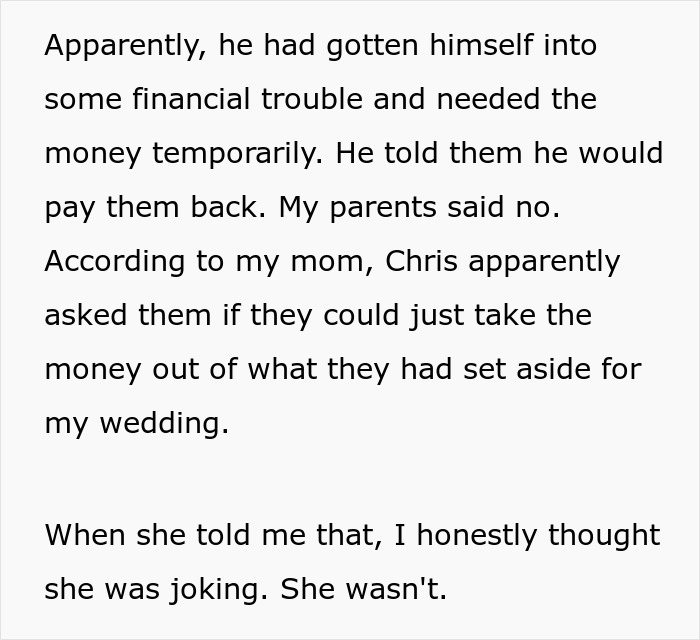



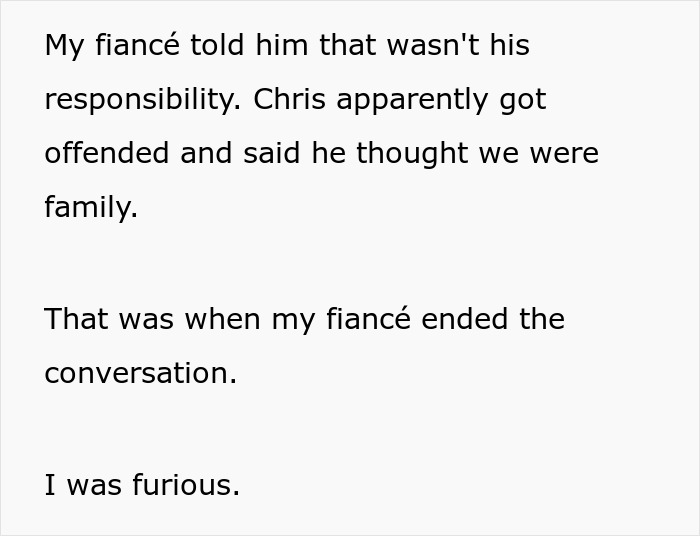
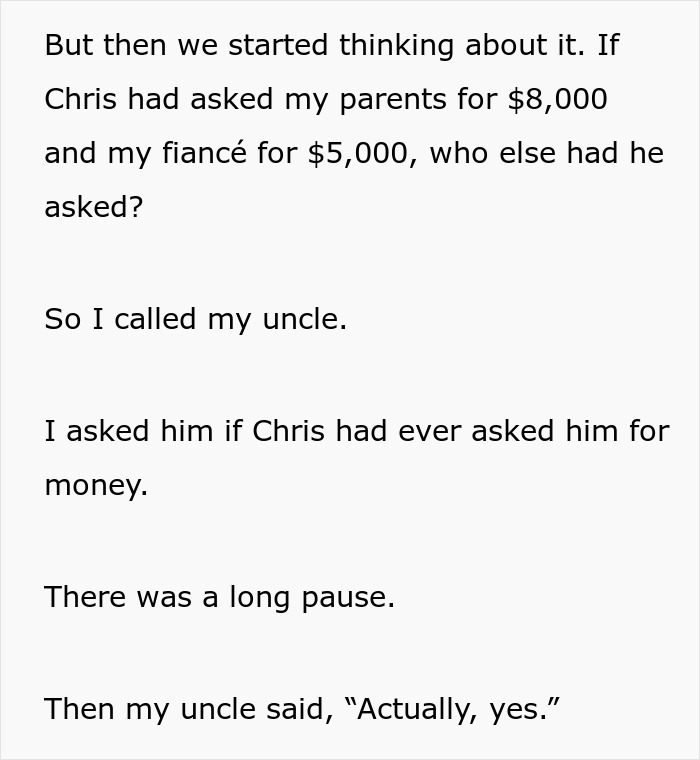
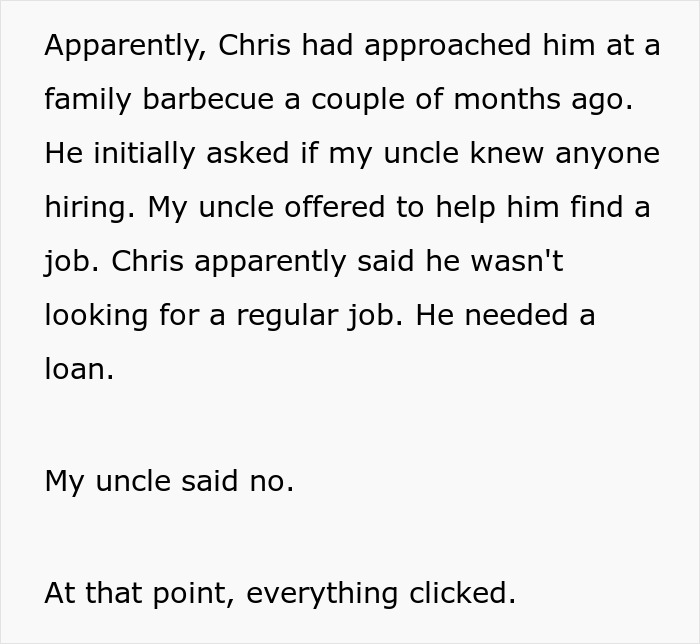
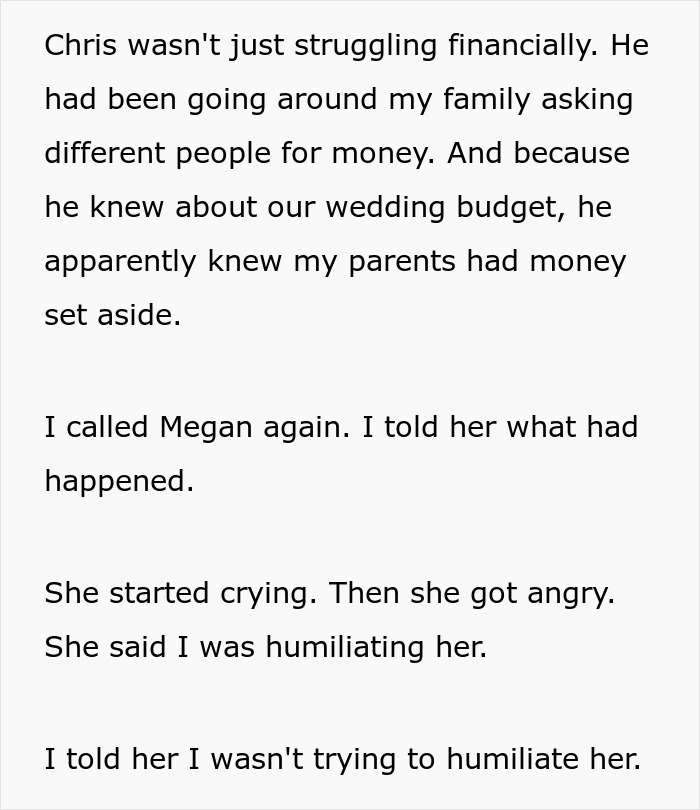




Some people can ask for help without making the people around them feel responsible for fixing their problems. The uncomfortable part is not necessarily that someone needs help. It is what happens when that need starts turning into an expectation that other people should provide it. Forbes acknowledges that losing work can affect more than a person’s income.
It can also undermine professional identity and feelings of self-sufficiency, while prolonged unemployment may bring shame and a sense of being judged by others. That helps explain why someone might struggle to be honest about their financial situation. But needing help and knowing how to ask for it are two different things.
Researchers have found that people may feel uncomfortable refusing requests for money because saying no can feel like rejecting the relationship itself. That can be particularly difficult within families, where helping someone in trouble is often treated as part of being supportive. The result is that a person may agree to something they cannot comfortably afford simply because refusing feels cruel or selfish.
That is why boundaries become important when financial help is requested. The Consumer Financial Protection Bureau advises people to consider not only whether they can afford to provide the money, but also what would happen if they never received it back. A loan that would seriously damage the lender’s own finances is not necessarily sustainable simply because the borrower has a genuine need. Clear expectations can protect both sides from assuming that an informal agreement means something different than it does.
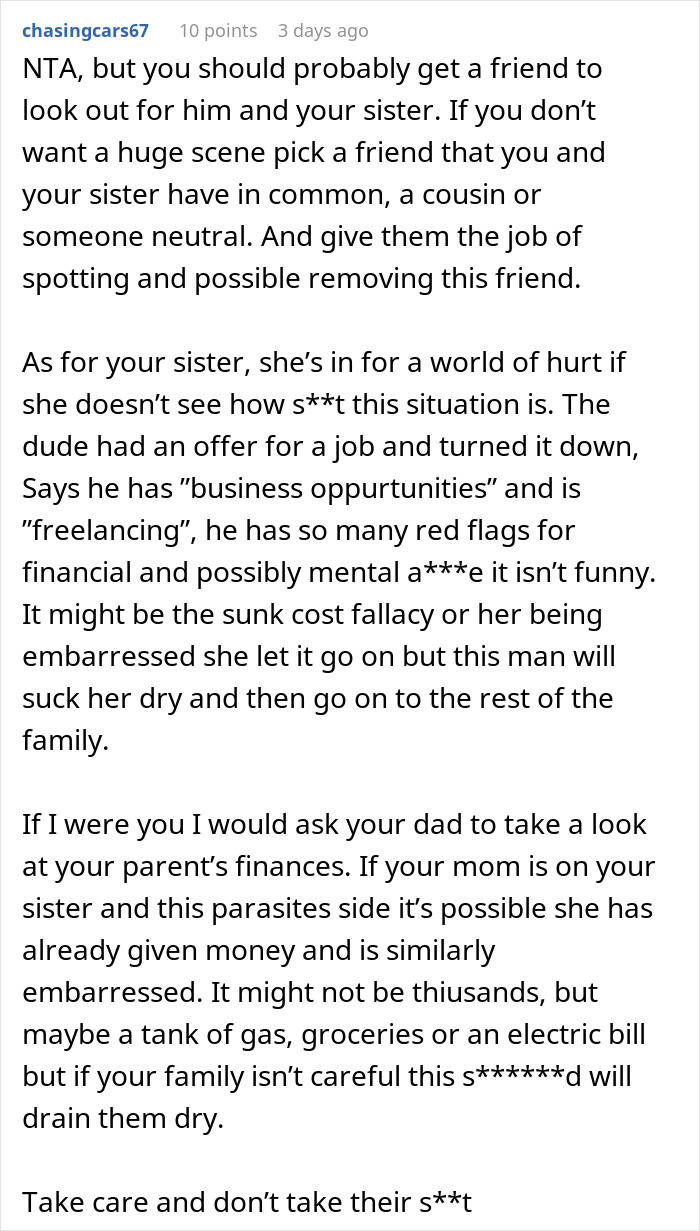
Now, that dynamic can become more complicated when the requests extend to several people. One request might be understood as an emergency. Repeated requests, on the other hand, can make relatives start wondering whether they are witnessing a temporary crisis or a broader pattern of financial dependence.
Money can also expose very different ideas about what family members owe one another. One person may view relatives as a safety net that should be available whenever times get difficult. Someone else may believe that family support means emotional or practical help rather than handing over large amounts of money. Neither interpretation automatically resolves the conflict, which is why financial disagreements can become so personal.
The important distinction, then, is between understanding someone’s financial hardship and accepting responsibility for solving it. A person can be unemployed, embarrassed and genuinely desperate while the people around them still have the right to say no. Still, financial help works best when it is voluntary, clearly understood and affordable for the person providing it as affirmed by Fidelity Investments.
Once support starts being treated as something another person is expected to provide, the issue is no longer just about money. It becomes a question of trust, boundaries and what each person believes they owe the other. What would you do if you were in this woman’s shoes? Would you still invite someone to your wedding after they had asked several members of your family for money? We would love to hear from you!






















By entering your email and clicking Subscribe, you're agreeing to let us send you customized marketing messages about us and our advertising partners. You are also agreeing to our Privacy Policy.
Thank you! You've successfully subscribed to newsletters!


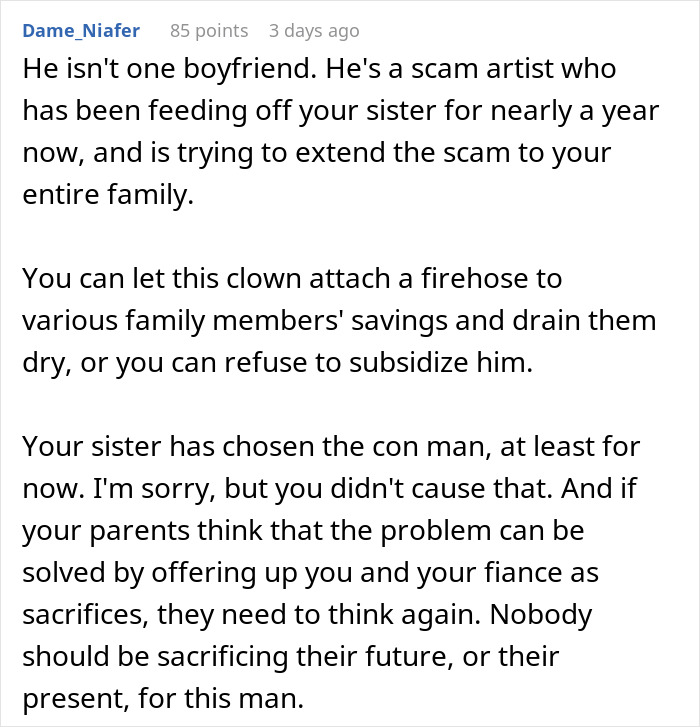
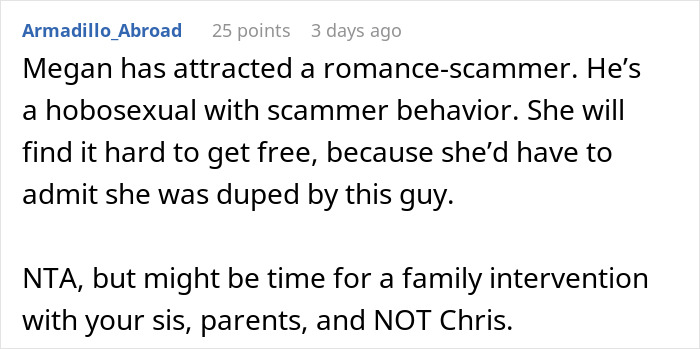
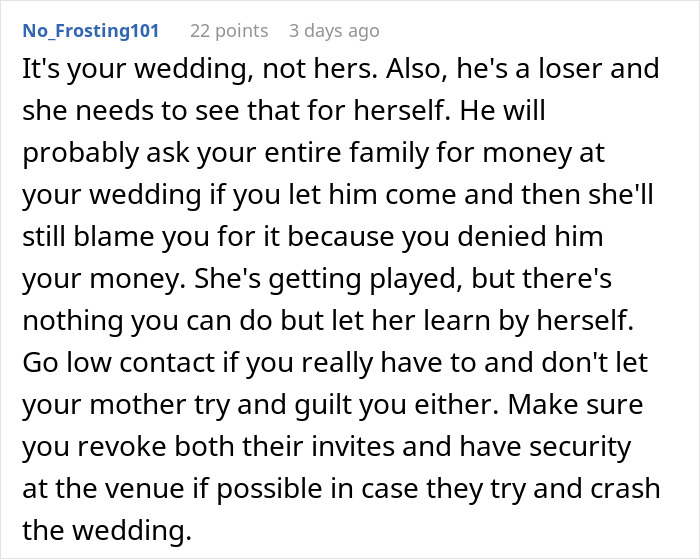
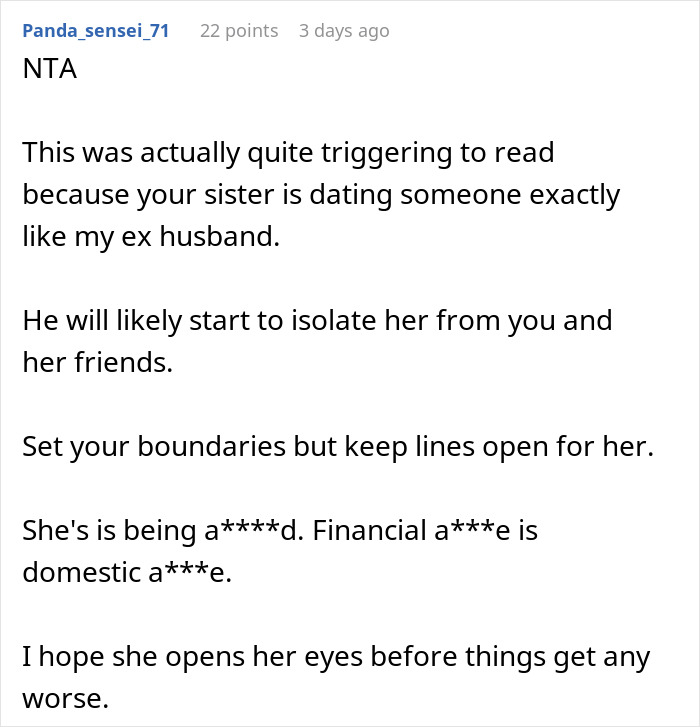
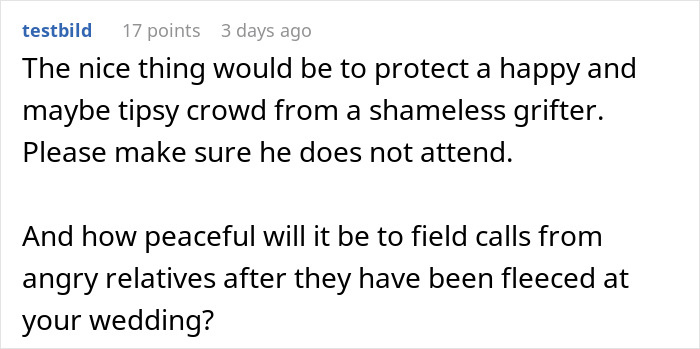
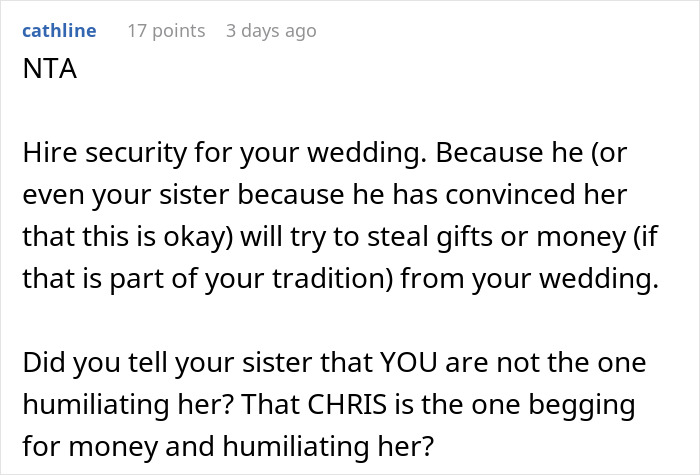
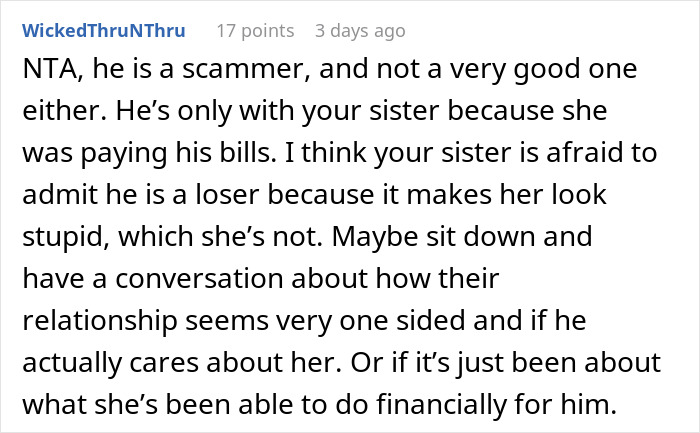
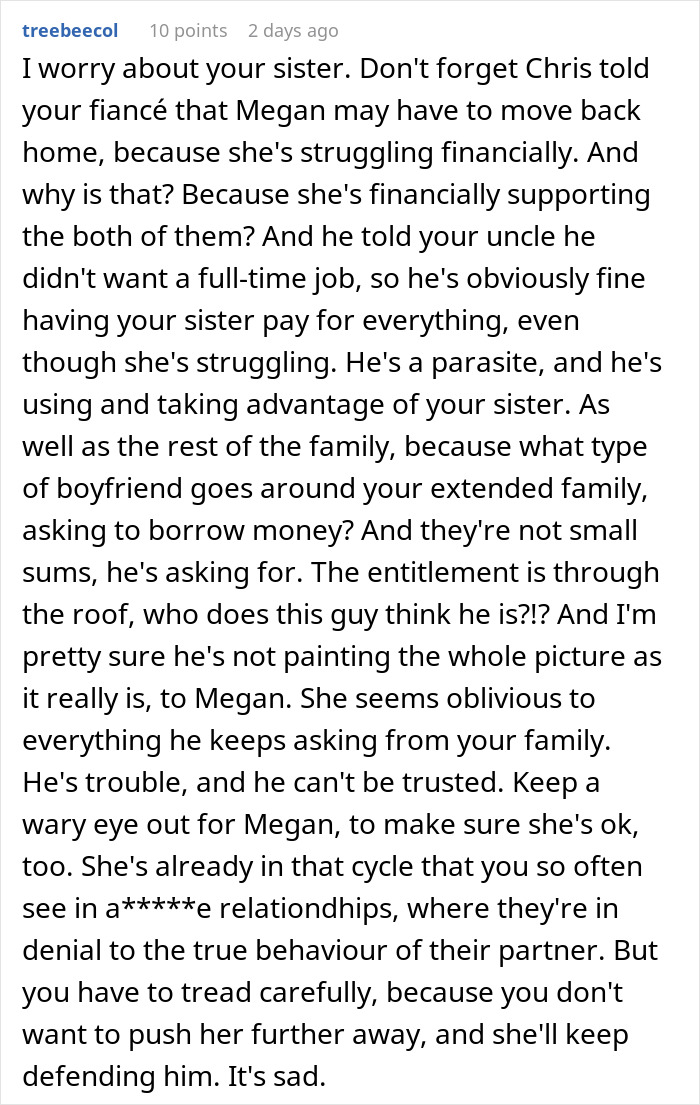
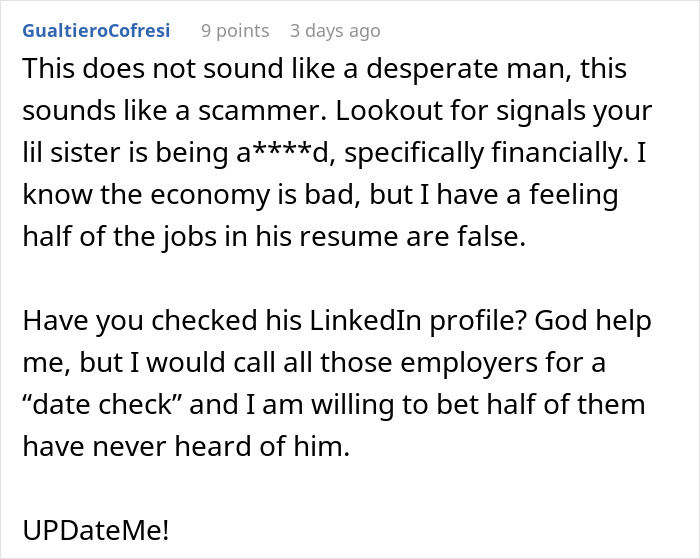
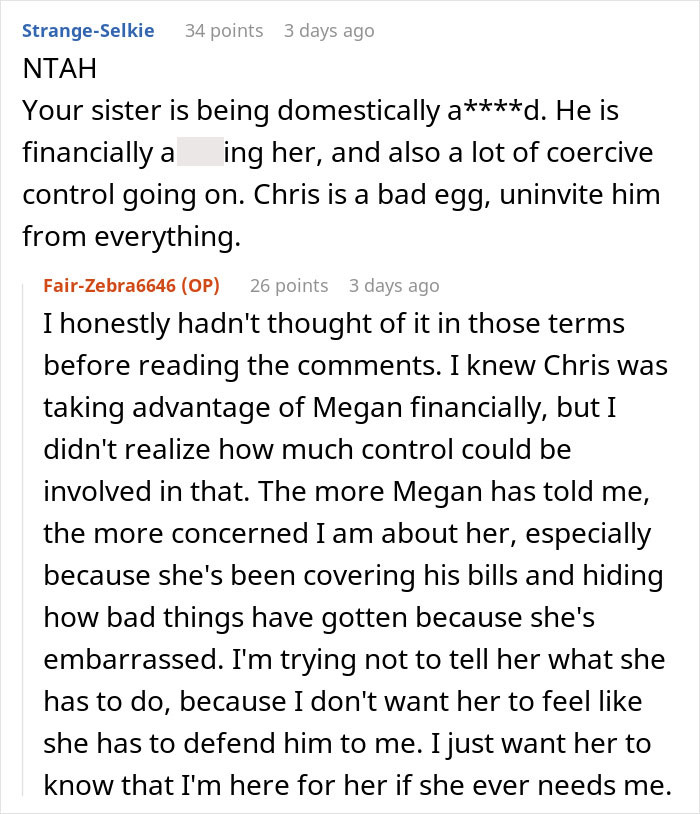
Yes he is a scammer and what's worse he is a*****e to your sister. She must get away from him immediately. Check he hasn't got an insurance policy on her life. Also there must be a trail of people he has done this to. Call the police, explain the situation and get them to check if their records show anything about him. Also bet he's using a false name
Yes he is a scammer and what's worse he is a*****e to your sister. She must get away from him immediately. Check he hasn't got an insurance policy on her life. Also there must be a trail of people he has done this to. Call the police, explain the situation and get them to check if their records show anything about him. Also bet he's using a false name


































 No fees, cancel anytime















34
6