Get Premium
Dark mode theme is available exclusively for premium users. Learn more about the benefits of subscribing.
No fees, cancel anytime.

 Dark Mode Ad-Free Browsing Unlimited Content
 Ad-Free Browsing Unlimited Content Dark Mode
Join 1.2 million Panda readers who get the best art, memes, and fun stories every week!

43submissions
1week left

Okay, anyone who doesn’t enjoy feeding their brain with fresh random facts, raise your hand! I clearly sense a silence behind the laptop, and it’s no wonder that educational social media has become so popular lately.
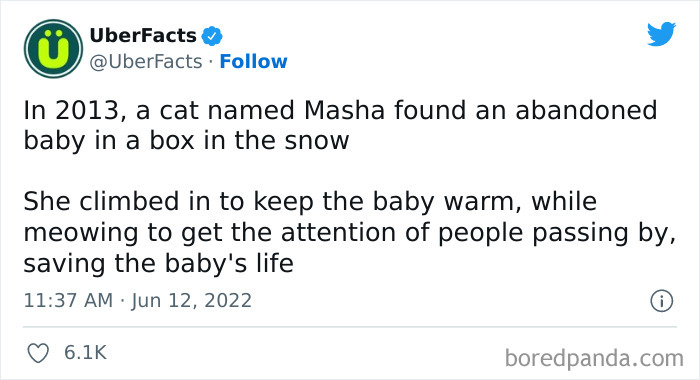
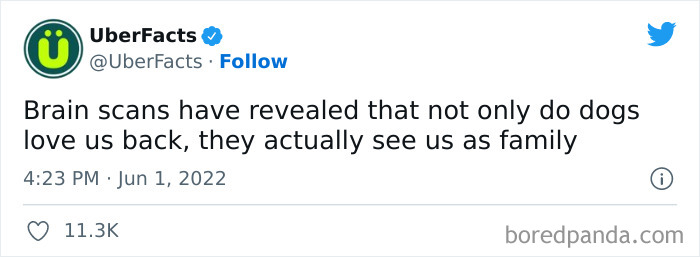
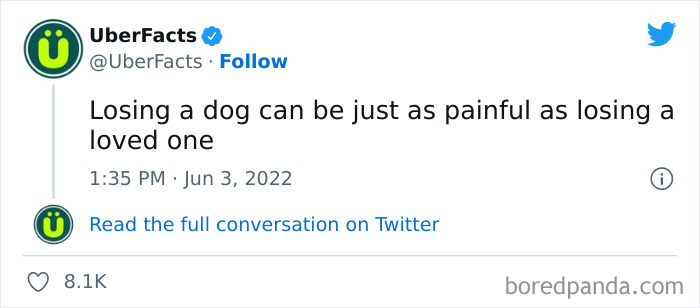
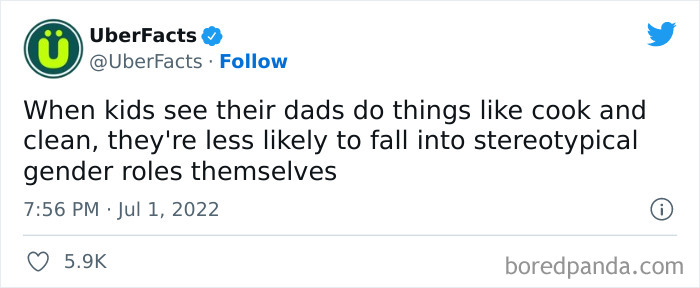
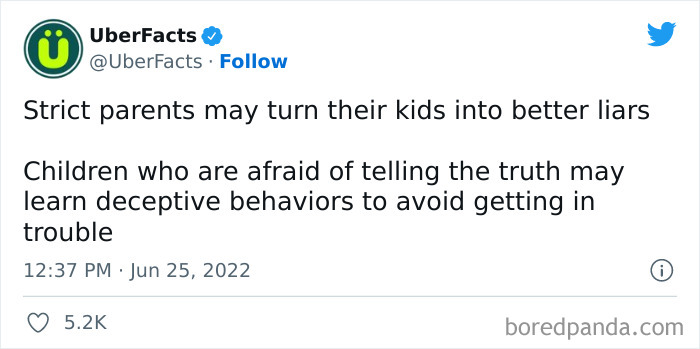
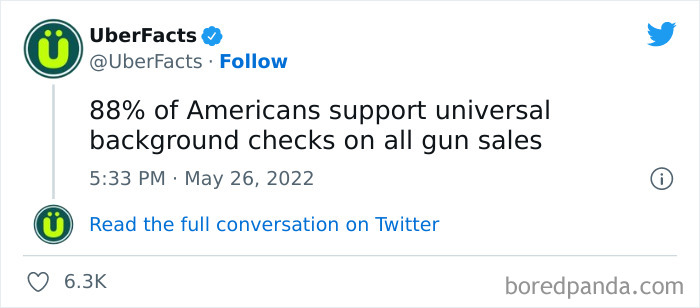
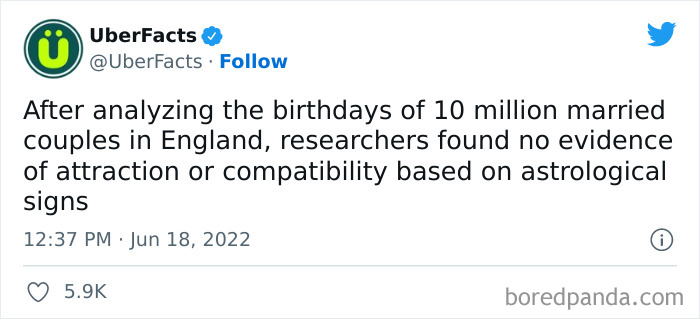
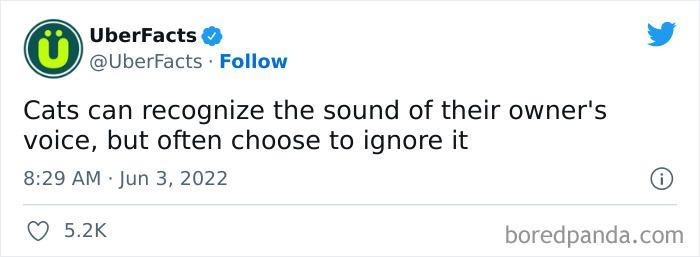
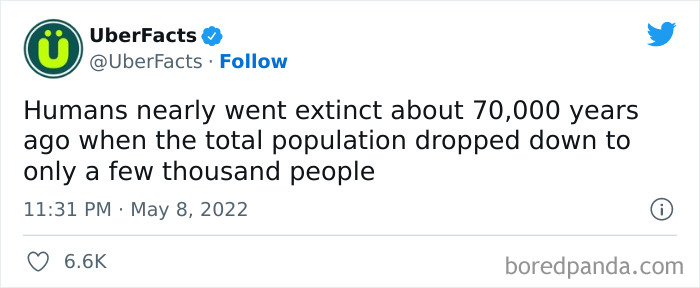
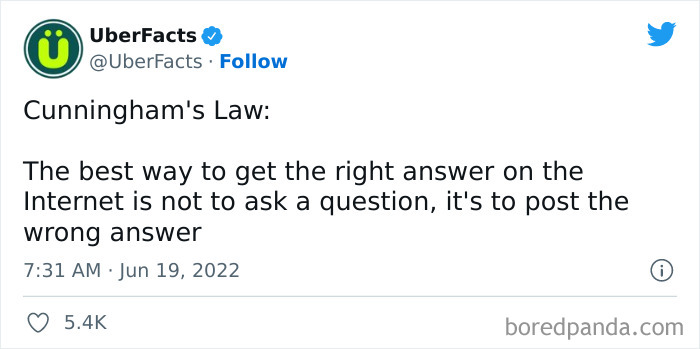
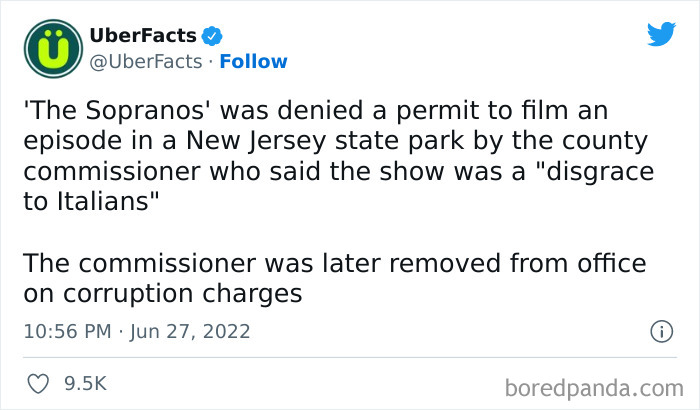
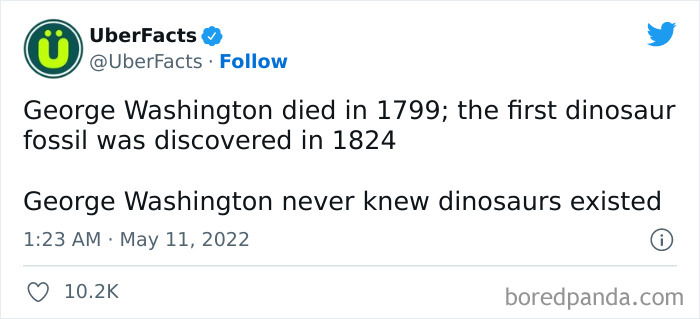
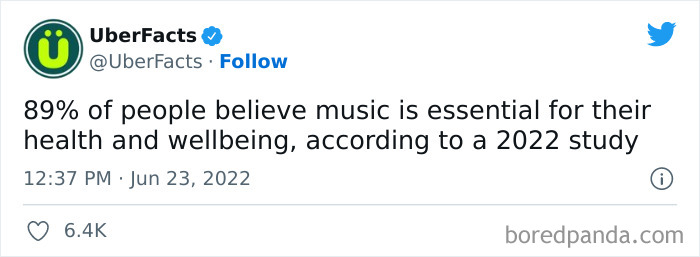
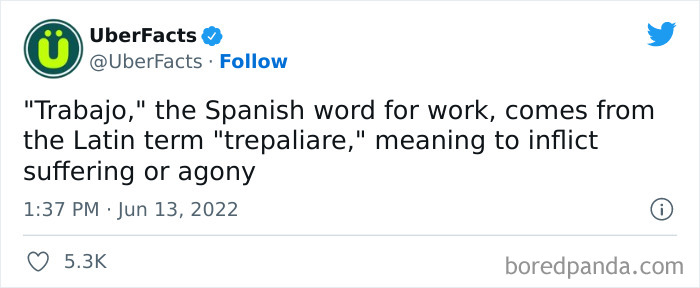
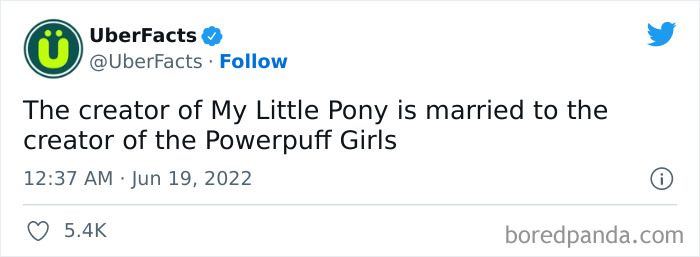
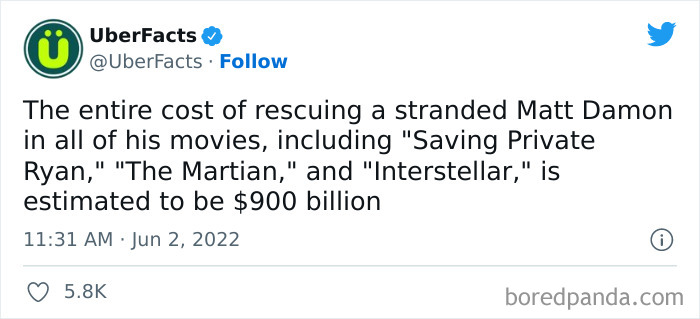
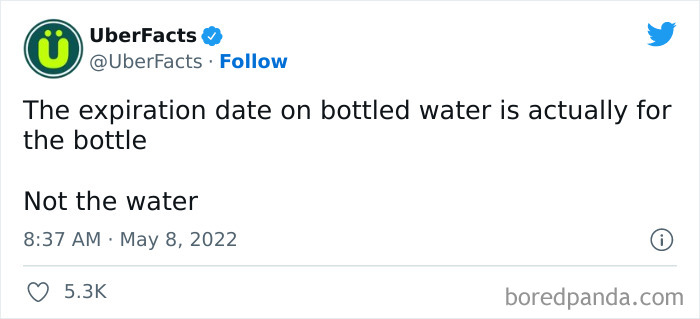
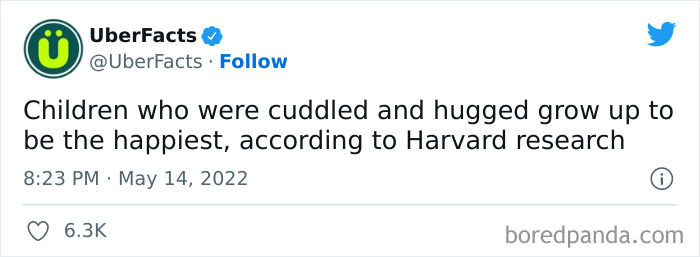
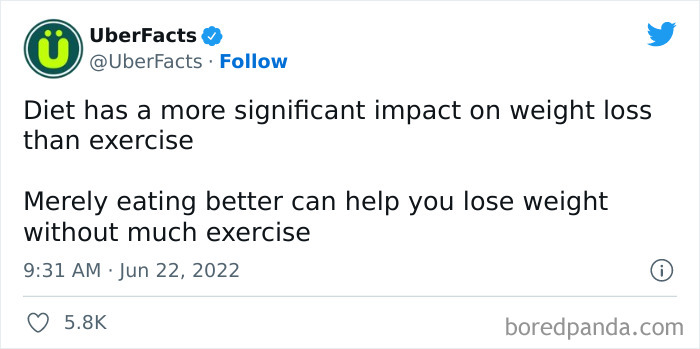
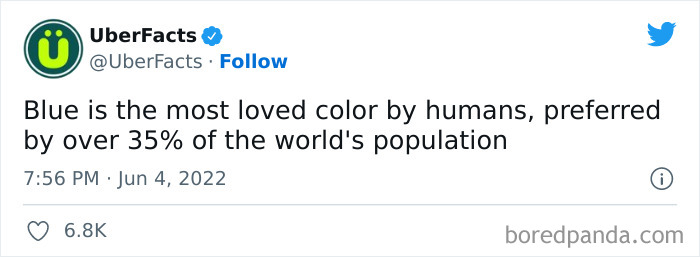
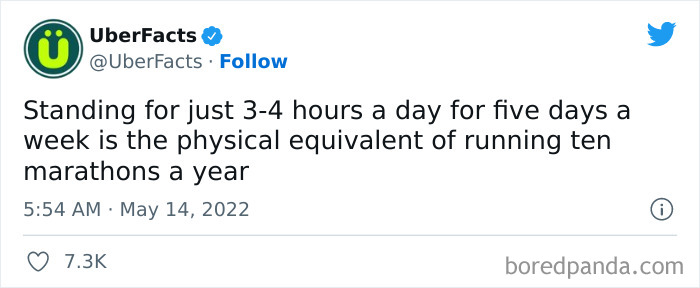
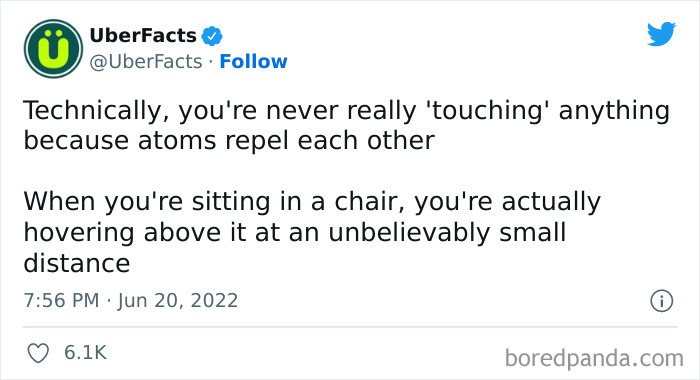
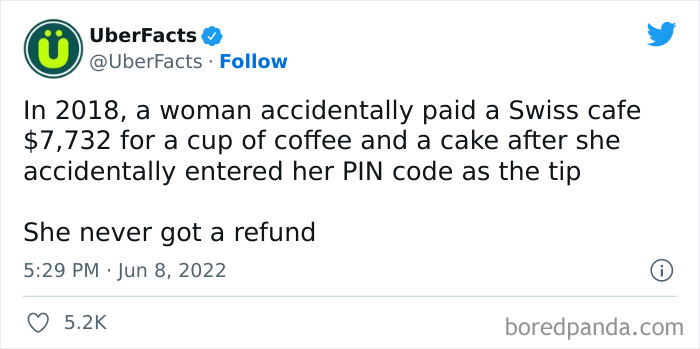
While wasting much of our lives on the screens, we at least get to learn something useful to pump our brain muscles or get ready for trivia battles. And if you’re one of the facticionados (does this word exist?!), you probably know the Twitter page Uber Facts very well already. With a whopping audience of 13.6 million followers, it’s an ultimate powerhouse for random knowledge nobody knew they needed.
According to the account’s description, it features “the most unimportant things you'll never need to know,” so you get the fun aspect of it. Below, we wrapped up some of the most interesting bits of knowledge shared on the page, so I leave the stage to them!
Click here & follow us for more lists, facts, and stories.
This post may include affiliate links.
With educational social media accounts getting more and more popular every day, you start to wonder how many of them are actually legit. After all, no so-called “fact” shared online can be taken as it is, as we have to remind ourselves that fake news spreads six times faster on social media than facts.
Also known as fake news, these pieces of disinformation can even be used as a political tool and weapon, and poses a real danger to those with an untrained eye. Sometimes, however, the information gets so disseminated that you may not even suspect it's faulty.
So to find out how exactly an average Internet user like us can learn to separate true facts from false information, we previously spoke with Daniel Markuson. Markuson is the cybersecurity expert at NordVPN and he shared some very useful tips and insights. Markuson explained that there is no foolproof method to separate truth from misinformation.
But a general rule of thumb is to check the source’s credibility: “This particularly applies to social media platforms because they are optimized to increase engagement and lack appropriate gatekeeping features that filter out misinformation.”
When it comes to determining if the news source is credible, there are some telling signs to look for. It turns out that, often, unreliable news sources impersonate well-known ones by misspelling their names in the URL. “Similarly, they might use unconventional domain extensions instead of the usual “.com” or “.org.” In general, make sure that your news comes from established, well-known sources. These types of outlets get information directly from primary sources and must uphold their reputation.”
When asked about the reasons why fake news has become so widespread, the cybersecurity expert said that it’s “due to factors that concern both the content of the messages and the technological foundation of platforms on which the news is proliferated.”
“Fake news is usually related to current affairs and makes remarkable, emotion-inducing claims. This, combined with the fact that social media platforms collect data on what kind of posts users spend the most time on and feed them content with similar characteristics, provides the perfect conditions for the spread of misinformation,” Daniel concluded.
You might also like: 49 funny photos of people just trying to survive the summer heat



































 No fees, cancel anytime