Get Premium
Dark mode theme is available exclusively for premium users. Learn more about the benefits of subscribing.
No fees, cancel anytime.

 Dark Mode Ad-Free Browsing Unlimited Content
 Ad-Free Browsing Unlimited Content Dark Mode
Join 1.2 million Panda readers who get the best art, memes, and fun stories every week!
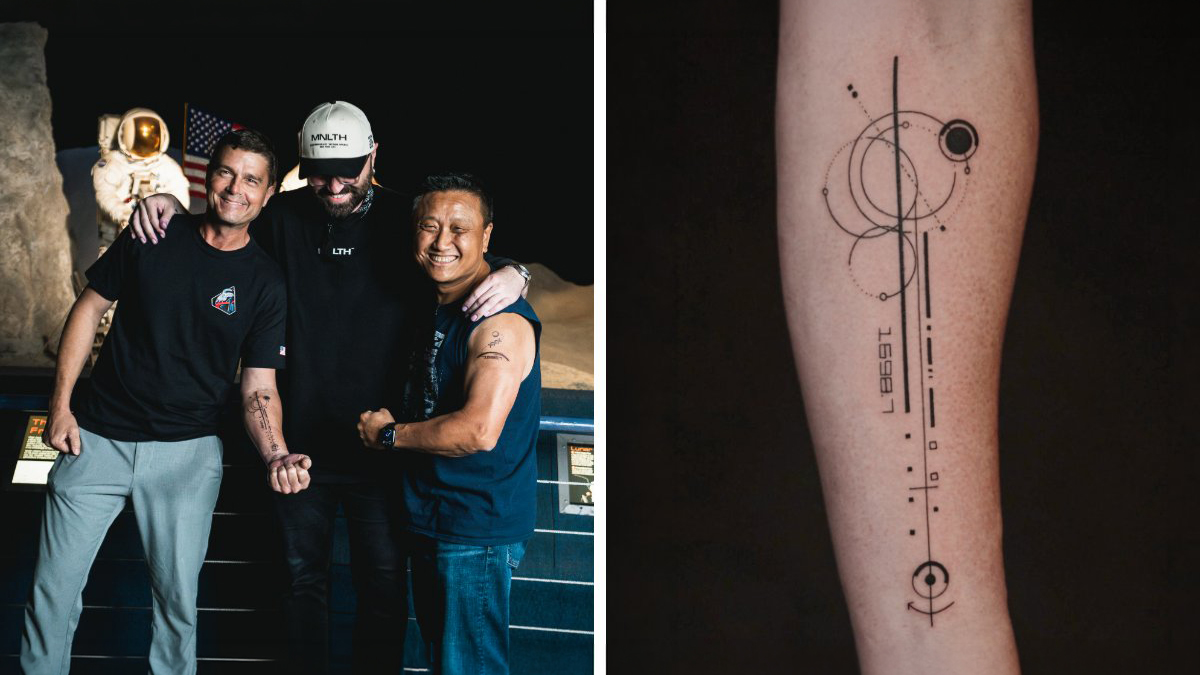
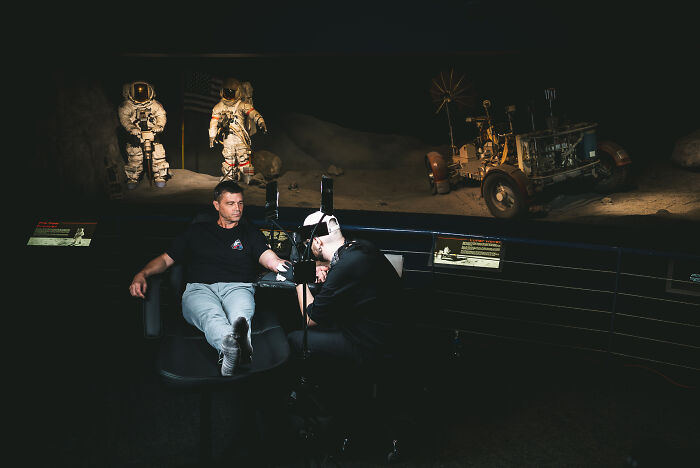
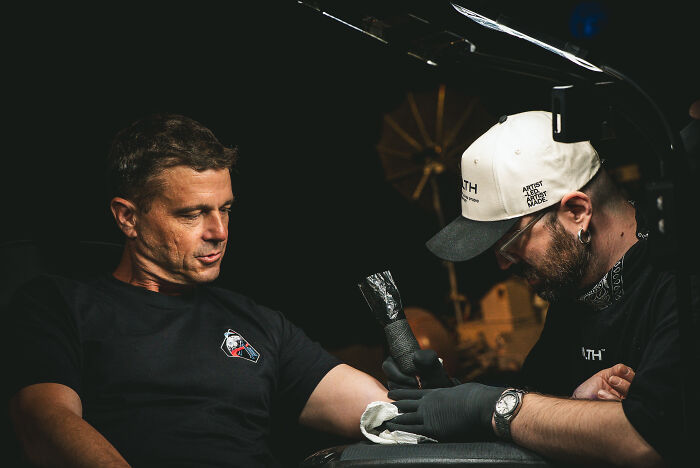
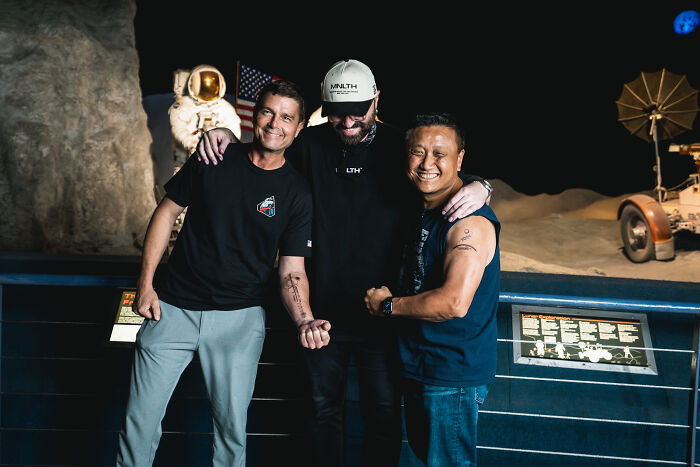
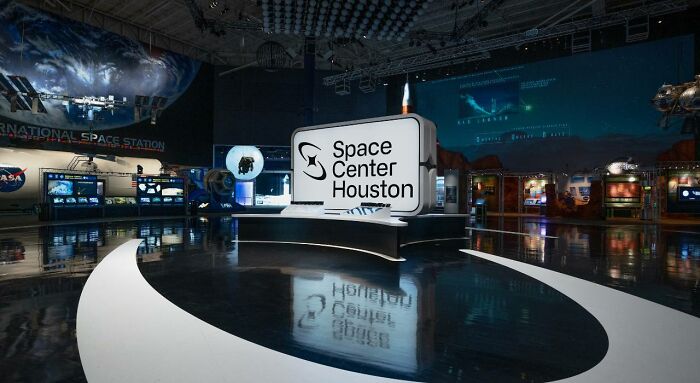
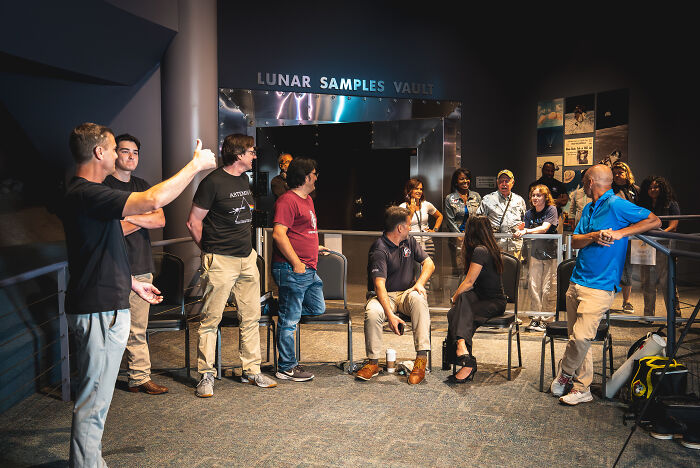
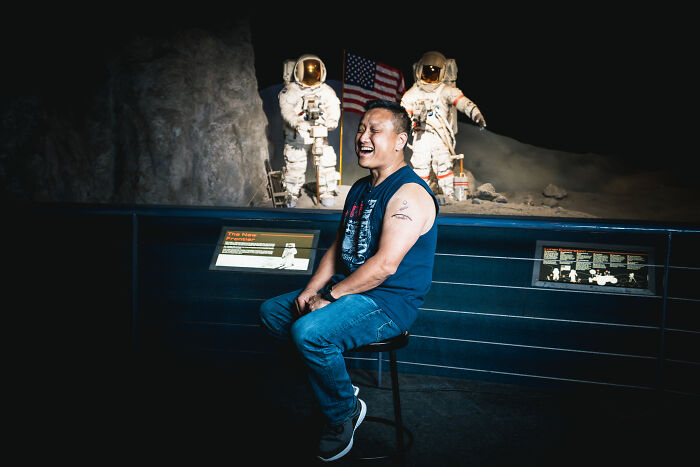
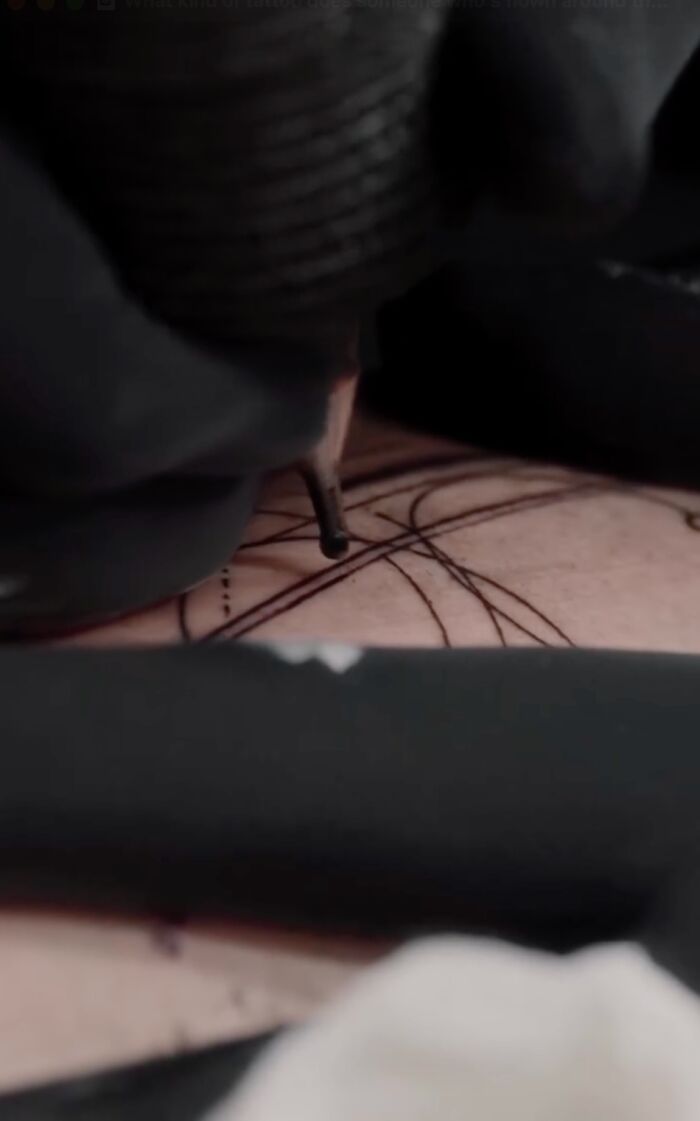
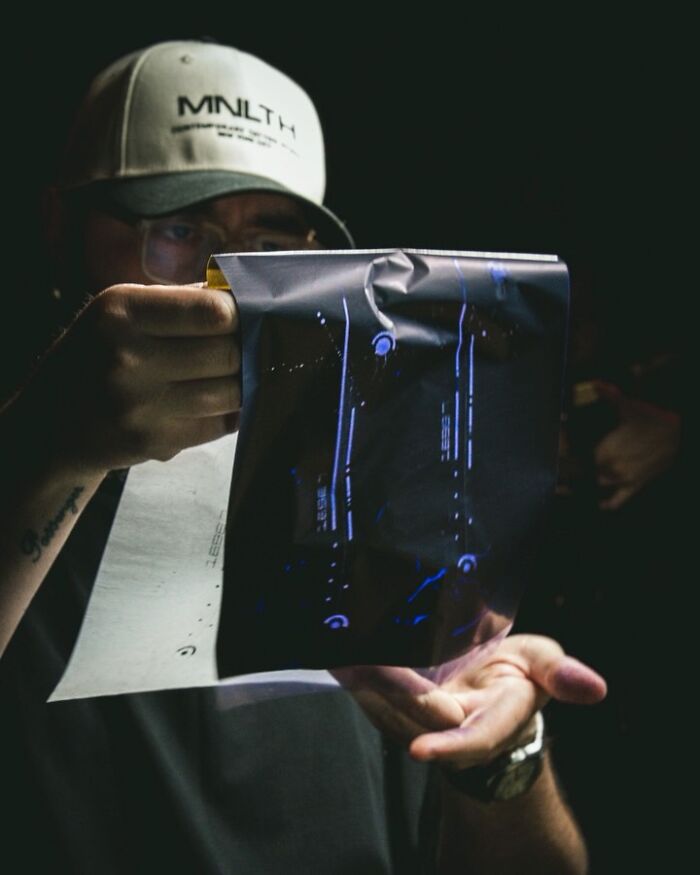
Most tattoo artists expect to spend their working days in studios, convention halls, or private workspaces. On June 5, however, tattoo artist and Monolith Studio founder Okan Uçkun found himself setting up his equipment in a place few people in his profession will ever experience: the Starship Gallery at Space Center Houston, surrounded by spacecraft, flight hardware, and artifacts that tell the story of human space exploration.
The location alone was unusual. The clients made it extraordinary.
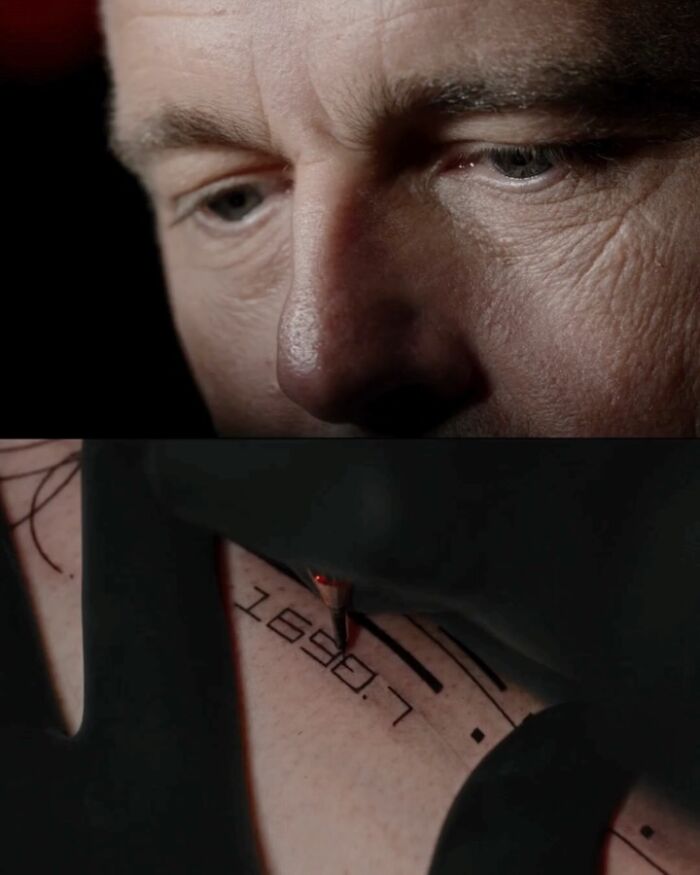
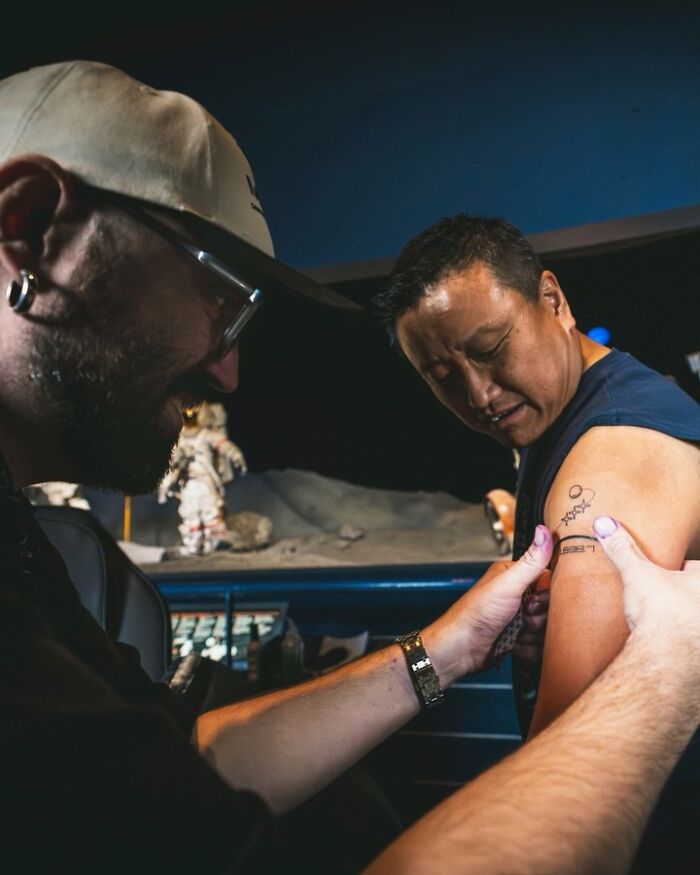
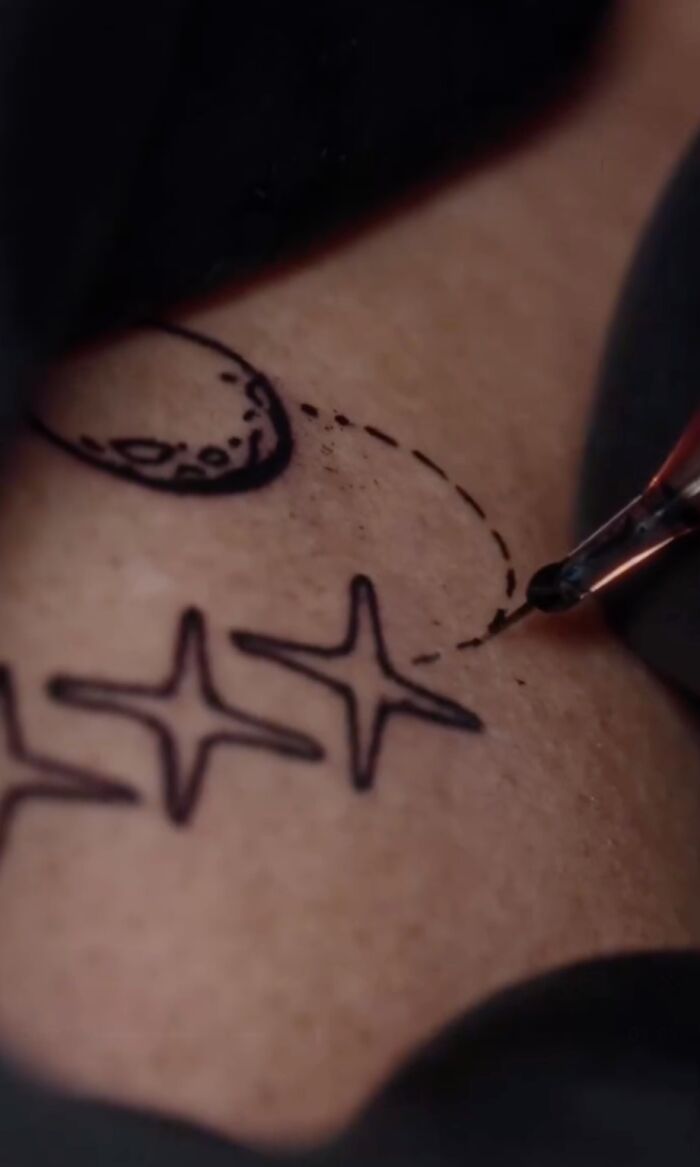
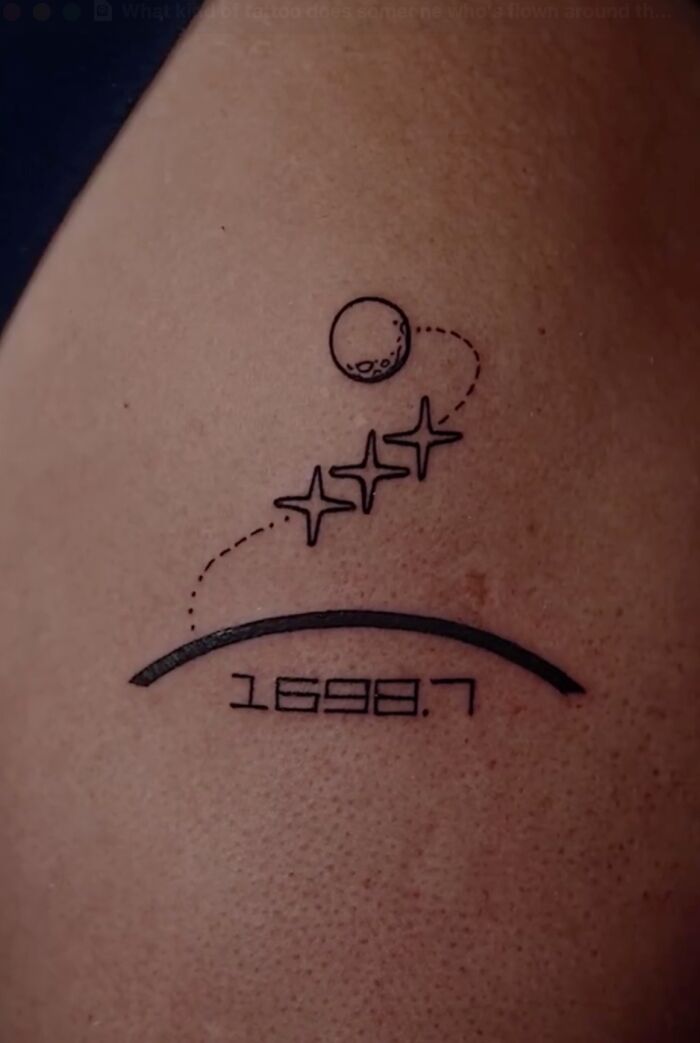
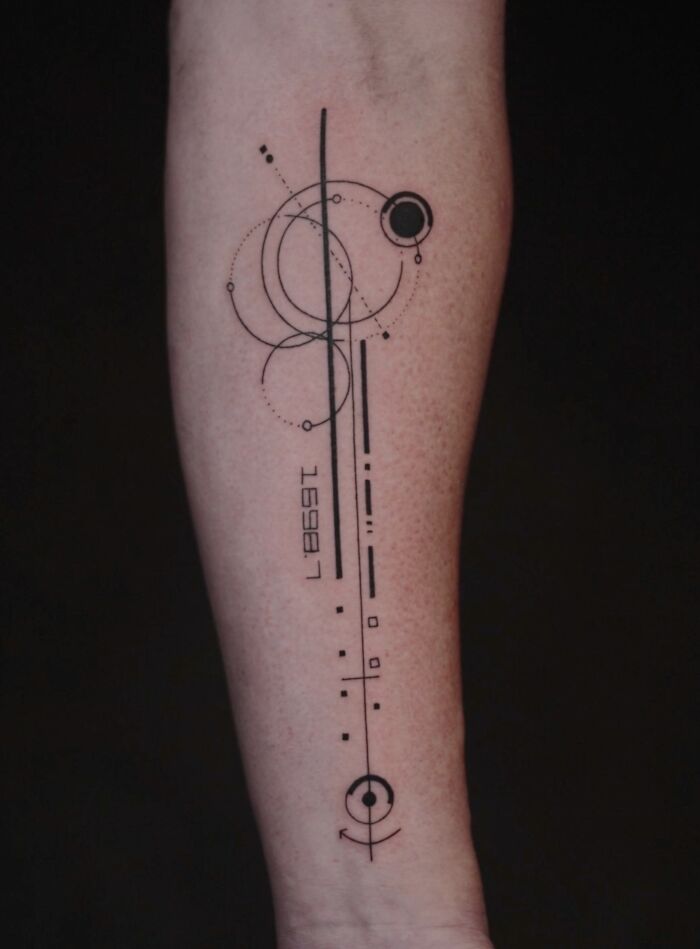
Among the people sitting in his chair that day were NASA astronaut Reid Wiseman and Howard Hu, the Orion Program Manager whose team helped develop the spacecraft that carried astronauts around the Moon. The tattoo session took place just weeks after one of the most significant milestones in modern spaceflight: the successful completion of NASA’s Artemis II mission.
More info: okanuckun.com | monolithstudio.com | Instagram
Image credits: Okan Uckun
Image credits: Okan Uckun
Image credits: Okan Uckun
For the Brooklyn-based artist, whose work has taken him around the world from his studio in DUMBO, the invitation represented an unusual convergence of two very different professions. While tattooing and space exploration rarely occupy the same conversation, both are connected by a desire to commemorate important moments and preserve experiences that leave a lasting impact.
“Tattooing, for me, has always been about marking moments that matter to people — the milestones they want to carry on their skin for the rest of their lives,” Okan explained in an interview with Bored Panda. “So when the opportunity came to commemorate something genuinely historic, I knew this was the kind of project you only get once.”
Image credits: Okan Uckun
Image credits: Okan Uckun
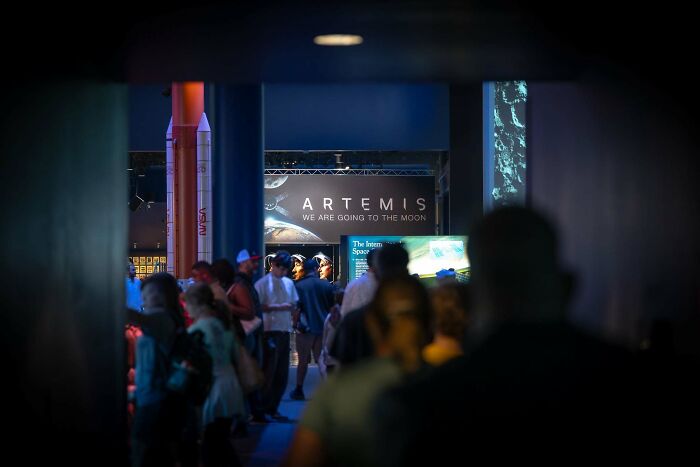
The setting added another layer to the occasion. Space Center Houston’s Starship Gallery houses some of the most significant artifacts associated with America’s space program, creating a backdrop that connected the early history of human spaceflight with its newest chapter. While museum visitors typically encounter these stories through spacecraft, photographs, and mission artifacts, the event offered a more personal perspective on how major achievements are remembered by the individuals directly involved.
Image credits: Space Center Houston
Image credits: Space Center Houston
Image credits: Okan Uckun
According to the artist, the experience was unlike anything he had encountered in his career.
“On June 5th, I found myself setting up my equipment in one of the most unusual places I’ve ever worked: the Starship Gallery at Space Center Houston, surrounded by real spacecraft and decades of human spaceflight history,” Okan said. “And the people I was about to tattoo had just come back from the Moon.”
Image credits: Okan Uckun
Image credits: Okan Uckun
Image credits: Okan Uckun
Tattooing has long served as a way for people to commemorate significant experiences, careers, achievements, and turning points in their lives. In this case, those experiences happened to include a mission that will likely occupy a permanent place in the history of modern spaceflight.
Reflecting on the experience afterward, the artist connected the permanence of tattooing with the significance of the mission itself.
“I think a lot about permanence in my work,” he said. “A tattoo doesn’t wash off. Neither does a mission like Artemis II — it becomes part of who you are and part of what humanity has done.”
Image credits: Okan Uckun
Image credits: Okan Uckun
The significance of the occasion becomes even clearer when viewed in the context of the mission itself. Artemis II was far more than a successful lunar flyby. It represented a critical step in NASA’s Artemis program, which aims to establish a sustained human presence on and around the Moon while laying the groundwork for future missions to Mars.
Beyond testing Orion’s systems in deep space, Artemis II marked the first time in more than fifty years that humans traveled beyond low Earth orbit. The mission also demonstrated technologies and operational procedures that will be required for future lunar exploration, making it one of the most closely watched spaceflight events of the decade.
Image credits: Okan Uckun
For the artist, being invited to commemorate that achievement through his work remains the highlight of his career so far.
“I’m endlessly grateful to everyone at NASA and Space Center Houston who made it possible, and to Reid and Howard for trusting me with something so personal,” Okan said.
While space missions are typically remembered through photographs, mission patches, technical milestones, and museum exhibits, this event offered a different perspective. Just weeks after Artemis II’s return, two of the people directly involved in the mission chose to mark the experience in a permanent and highly personal way. The result was a rare intersection of contemporary tattooing and modern spaceflight, one that took place not in a studio, but inside a gallery dedicated to the history of human exploration.

































 No fees, cancel anytime






35
0