Get Premium
Dark mode theme is available exclusively for premium users. Learn more about the benefits of subscribing.
No fees, cancel anytime.

 Dark Mode Ad-Free Browsing Unlimited Content
 Ad-Free Browsing Unlimited Content Dark Mode
Join 1.2 million Panda readers who get the best art, memes, and fun stories every week!
The nearest humans to Point Nemo, the most isolated place on Earth, are not on land. They're astronauts orbiting above it on the International Space Station.
The edges of the world hold a strange but compelling allure.
Being miles away from the rest of civilization is equal parts terrifying and thrilling, with nothing but vast waters, empty plains, and howling winds or blazing sunshine for miles.
Some of the most isolated places on Earth lie in the middle of the sea, while others are nestled inside cliffs, rainforests, or icy caverns.
Tiny communities survive in some, while others remain completely uninhabited, each one a world so unlike our own that it's almost impossible to believe they really exist.
This post may include affiliate links.
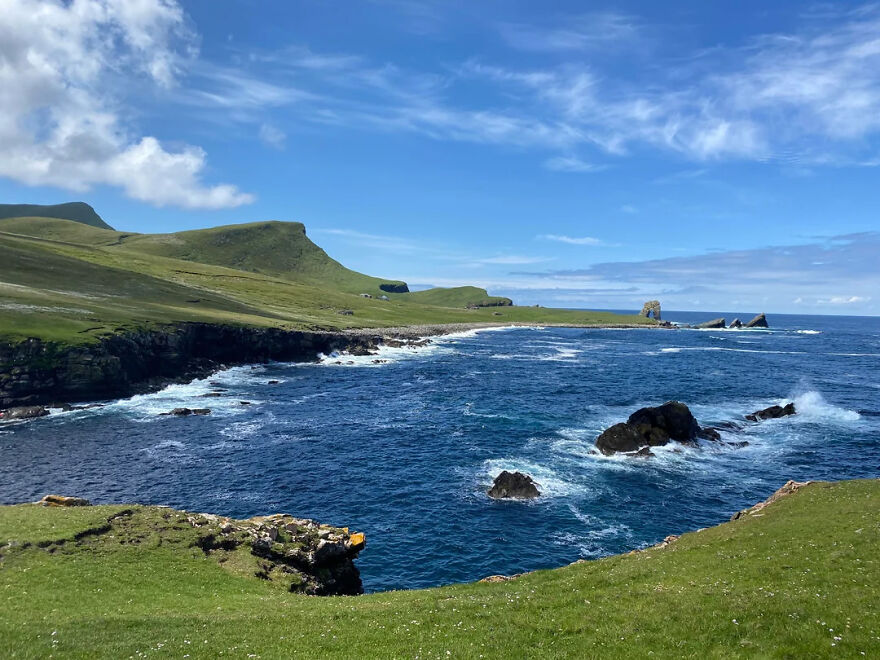
Foula feels like the idyllic edge of Europe, where British city life completely fades away into the sky and sea.
This tiny island is located far west of Scotland’s Shetland archipelago, and is home to fewer than 40 locals. Per the BBC, there are no streetlights, very limited ferry services, and unnerving weather bouts that sometimes cut the island off entirely.
Daily life is relatively peaceful but lonely, with the small community rallying together to croft and fish. People rely heavily on one another, especially during harsh, cold winters.
Mail and supplies are often delayed for days or even weeks, reinforcing the slow rhythm shaped by an isolated pocket of pure nature.
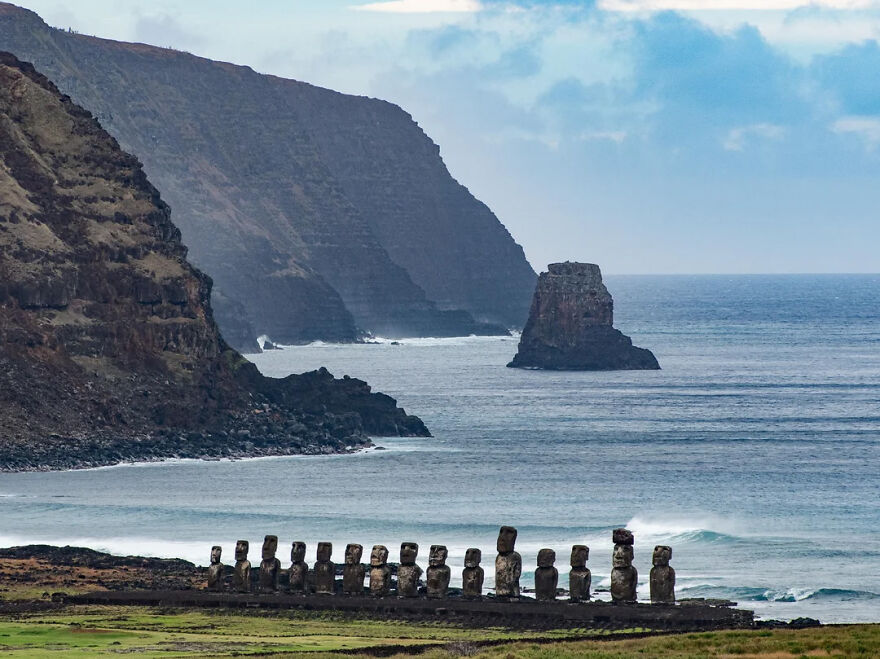
Better known as Easter Island, Rapa Nui has one of the most mysterious cultures in human history.
Located over 2,000 miles from mainland Chile, this UNESCO World Heritage Site is among the most remote inhabited places on Earth. The island has a population of roughly 7,500, but welcomes over 100,000 curious tourists each year.
Daily life blends contemporary Chilean systems with ancestral Polynesian traditions. The famous moai statues reflect both cultural ingenuity and the consequences of isolation.
According to The Guardian, natural resource depletion and high winds have caused them to develop "a kind of leprosy". For centuries, inhabitants had no way to leave or receive help, so they, and the statues, were entirely dependent on the island.
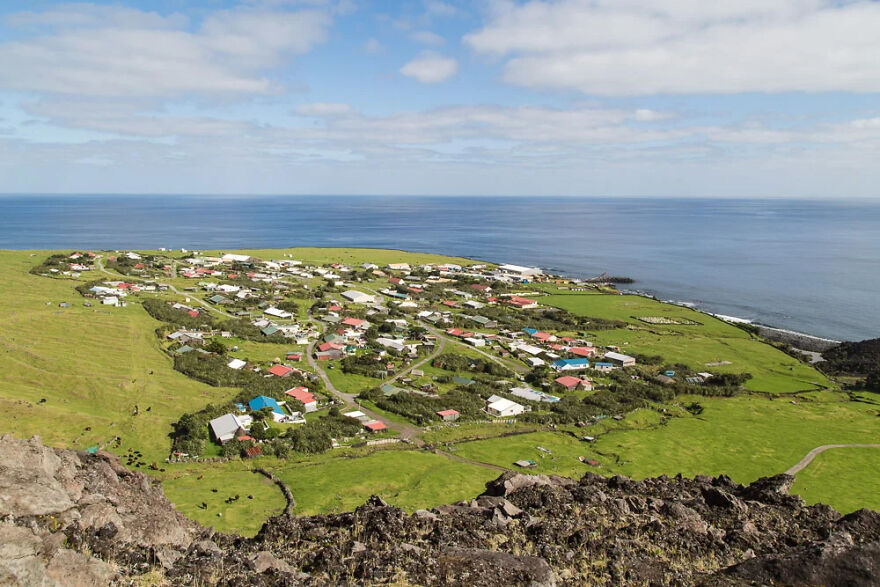
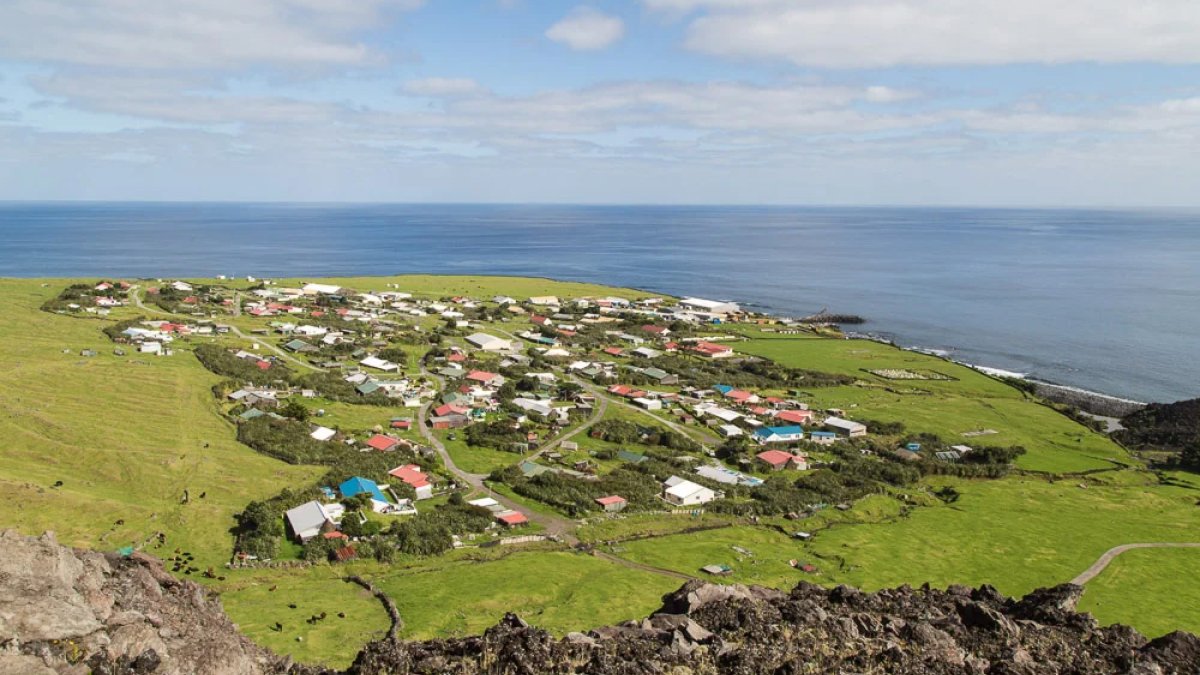
Tristan da Cunha is considered the most remote but inhabited place on Earth. It's a volcanic island in the South Atlantic Ocean, more than 1,500 miles from the nearest continent.
According to UKOTA, only 250 people live there, forming a tight-knit community with shared surnames and a self-sufficient culture of farming and fishing. There’s no airport; it’s only reachable by a six-day boat journey.
Daily life can be tough due to the island’s sheer isolation, and the population is beginning to dwindle, but the spirit of Tristan da Cunha remains strong.
People living there value their culture and safety over urban influences. When the sea is rough, ships cannot dock, so the island is sometimes entirely cut off from the outside world for weeks.
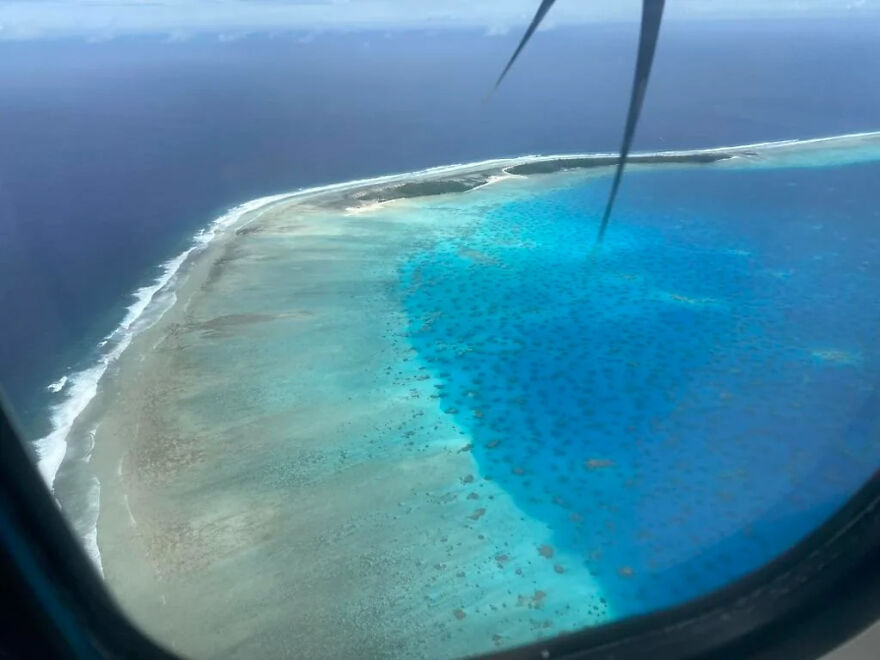
Pitcairn Island’s isolation is so extreme that not even 50 people call it home. Located in the South Pacific Ocean, it is more than 3,000 miles from the nearest continent and has no air access.
The only way to reach the island is via a long oceanic voyage with a difficult docking, and, according to Visit Pitcairn, only 25 ships visit the island per year.
The people who live there are quietly resilient, relying on fishing, farming, and shared resources to sustain themselves. Supplies are delivered a few times a year, making it crucial to plan ahead.
Any mail can take months to arrive, if it arrives at all. Pitcairn Island is sometimes romanticized, but its isolation is actually a constant logistical challenge to survive.
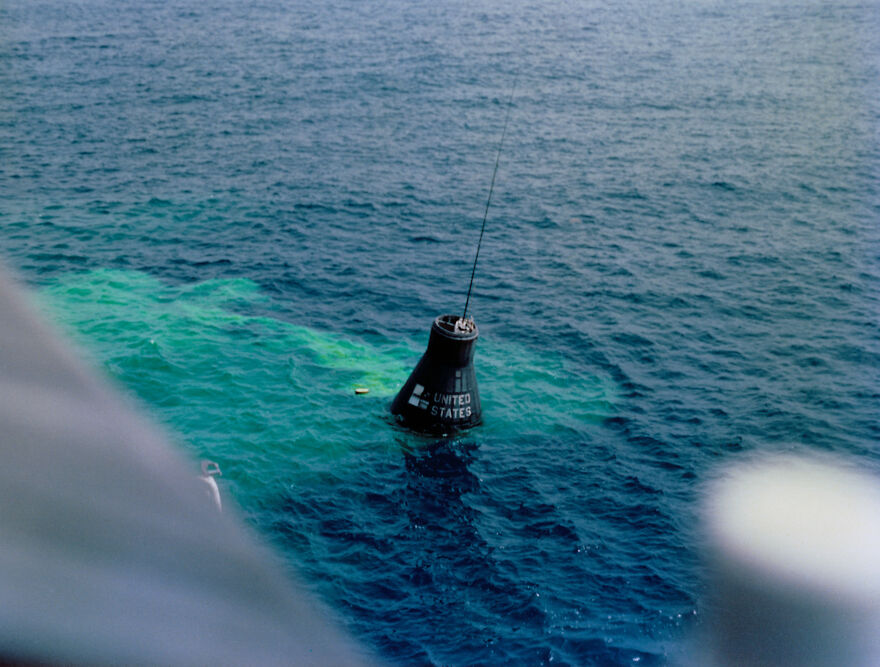
Point Nemo is the most isolated location in the world, so far from civilization that astronauts on the International Space Station are closer to it than anyone down on Earth!
It’s a pole of inaccessibility in the middle of the Pacific Ocean located around 1,670 miles from the nearest scraps of land. Nobody lives there, and nobody visits unless their boat happens to float past.
The waters around Point Nemo are biologically sparse due to limited nutrient flow, reinforcing the sense of endless emptiness. Its isolation has made it a designated “spacecraft cemetery” where defunct satellites are dropped to die.
Live Science estimates that at least 300 crafts have been abandoned there. It was only officially discovered in 1992, which only reinforces its creepy, ghostly presence.

And, by the way, it is nowhere near the US and NASA does not schedule spashdowns there, I have no idea why BP used that pic.
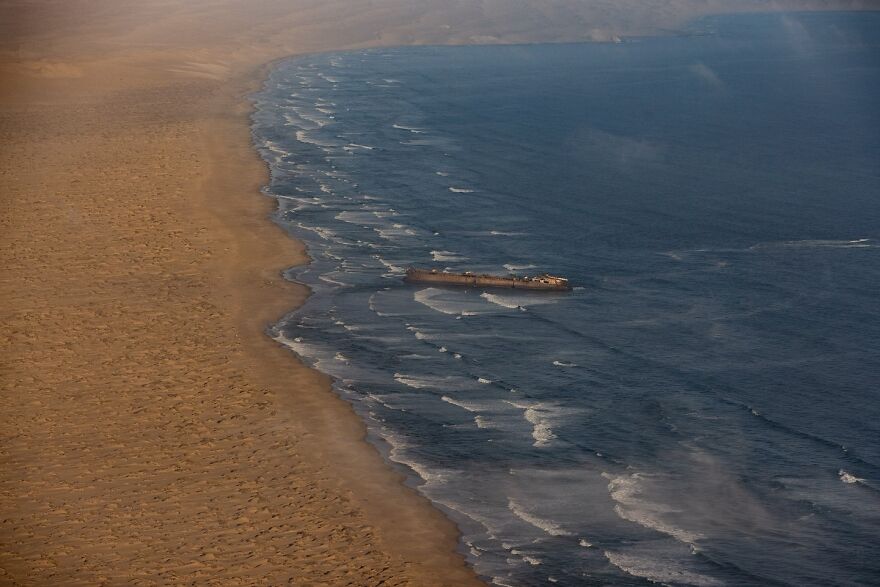
The Skeleton Coast is a place so hostile that shipwrecks actually outnumber settlements. Stretching along Namibia’s Atlantic shoreline, this fog-bound desert meets a dangerous, stormy sea.
There are no permanent towns across large sections of the coast due to scarce water, shifting dunes, and harsh conditions during storms. The Society for Nautical Research describes it as "formidably dangerous", with a history of shipwrecks.
Historically, sailors who were wrecked on the Skeleton Coast faced near-certain death from thirst if they ever reached land. Today, access is restricted, and only researchers or guided expeditions sail there.
The name comes from whale bones and shipwreck debris scattered along the shore, which serve as stark reminders of how isolation often ends in death.
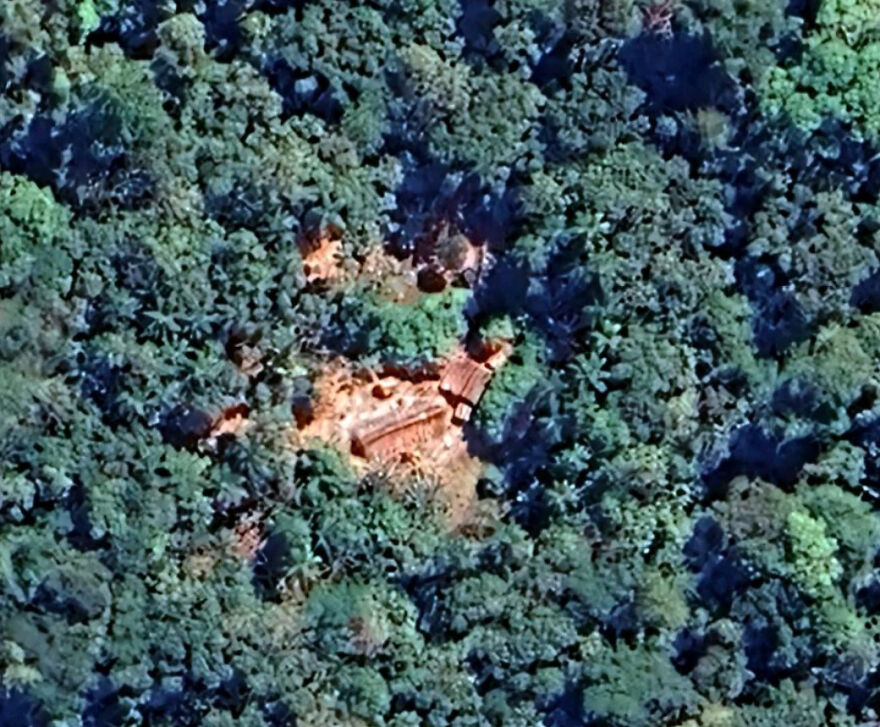
Unlike many other remote places, the Javari Valley in the spectacular Amazon Rainforest is deliberately kept isolated.
Located in proximity to Brazil's borders with Peru and Colombia, it is home to numerous Indigenous groups, many of whom live in voluntary isolation, unimpacted by big city culture.
Dense rainforest, rivers, lakes, and a lack of manmade trails make access extremely difficult. Daily life for live-in communities includes hunting, fishing, and subsistence agriculture.
According to The Critic, the Brazilian government restricts entry to protect uncontacted tribes from disease and exploitation. In the Javari Valley, isolation is a form of survival, preserving native culture and nature from undue modern influence.

If only it were as simple as the description makes out. Wikipedia says: 'one of the largest indigenous territories in Brazil, encompassing 85,444.82 km2 (32,990 mi2) – an area larger than Austria', and 'In late 2023, Starlink devices introduced the Internet to a number of remote villages in the area, including the Marubo tribes.' and 'The region is known for being a trafficking route for c0caine. Illegal activities, such as fishing (mostly to export pirarucu and piracatinga), logging and mining, help criminal groups linked to drvg trafficking to launder money and import more drvgs to Brazil'. Link follows.
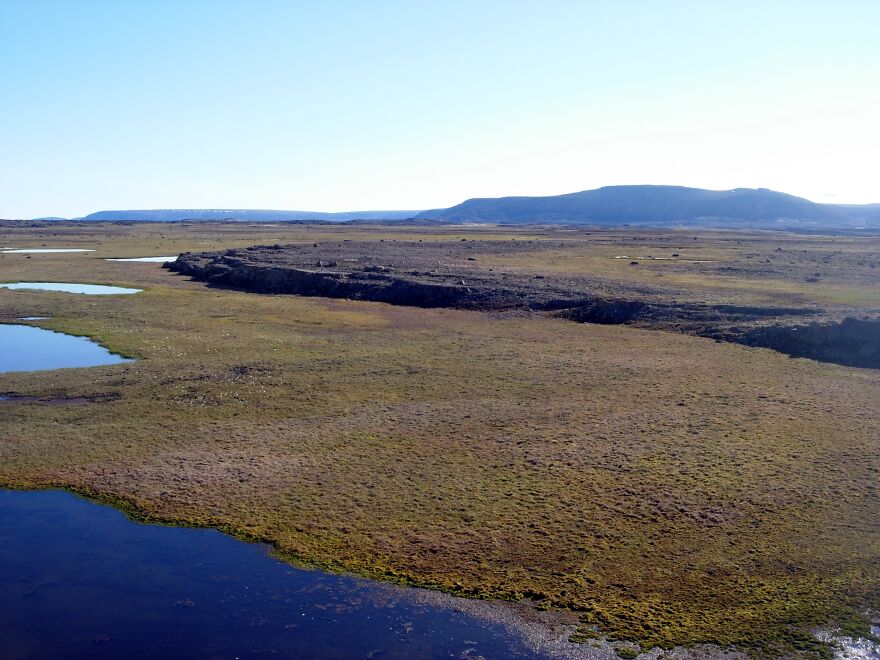
Thanks to its sheer size, Devon Island is the largest uninhabited island on Earth, with a frozen wilderness devoid of human presence.
Located in Canada’s Arctic Archipelago, it’s dominated by glaciers, polar desert, and months of darkness. Nobody lives there year-round due to its extremely low temperature, lack of resources, and utter remoteness.
Despite human hesitation, scientists are fascinated by Devon Island and frequently visit to study climate change and test Mars exploration equipment, as National Geographic notes that the terrain and conditions closely resemble those of the Red Planet.
There are no towns, roads, or services beyond temporary research camps. Once the teams leave, the island is left to its dark, freezing isolation.
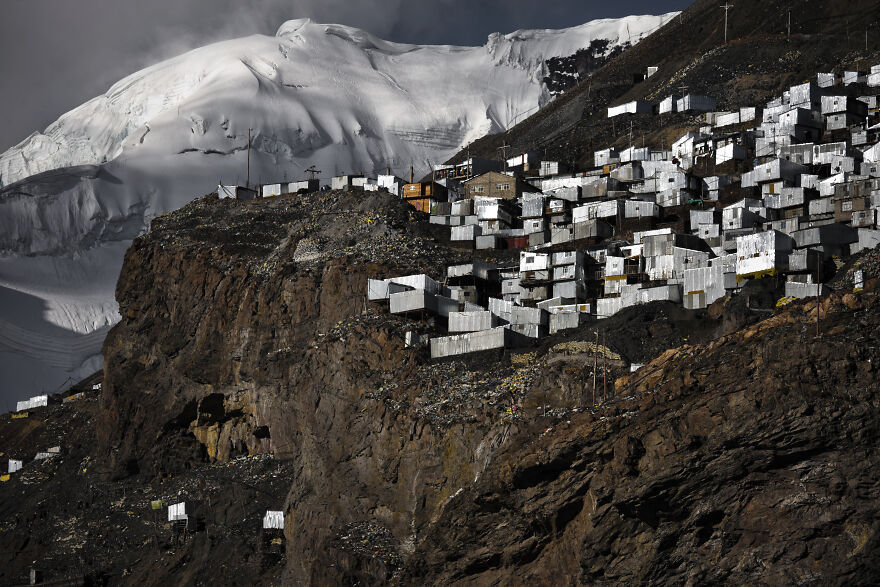
La Rinconada is the highest permanent settlement in the world, perched up on a mountain where survival feels uncertain.
Located in the Peruvian Andes at over 16,700 feet, this mining town endures extreme cold, low oxygen, and harsh living conditions.
Tens of thousands of people call La Rinconada home, though most are drawn there by informal gold mining opportunities.
What’s more, there is no sewage system, limited running water, and little formal governance. Many local miners work unpaid for weeks under the “cachorreo” system, which, per the International Labor Organization, "violates all legal norms, and gives them a day or two to mine for themselves.
Isolation isn’t just geographic; it’s psychological, with daily life often more grueling than altitude sickness.
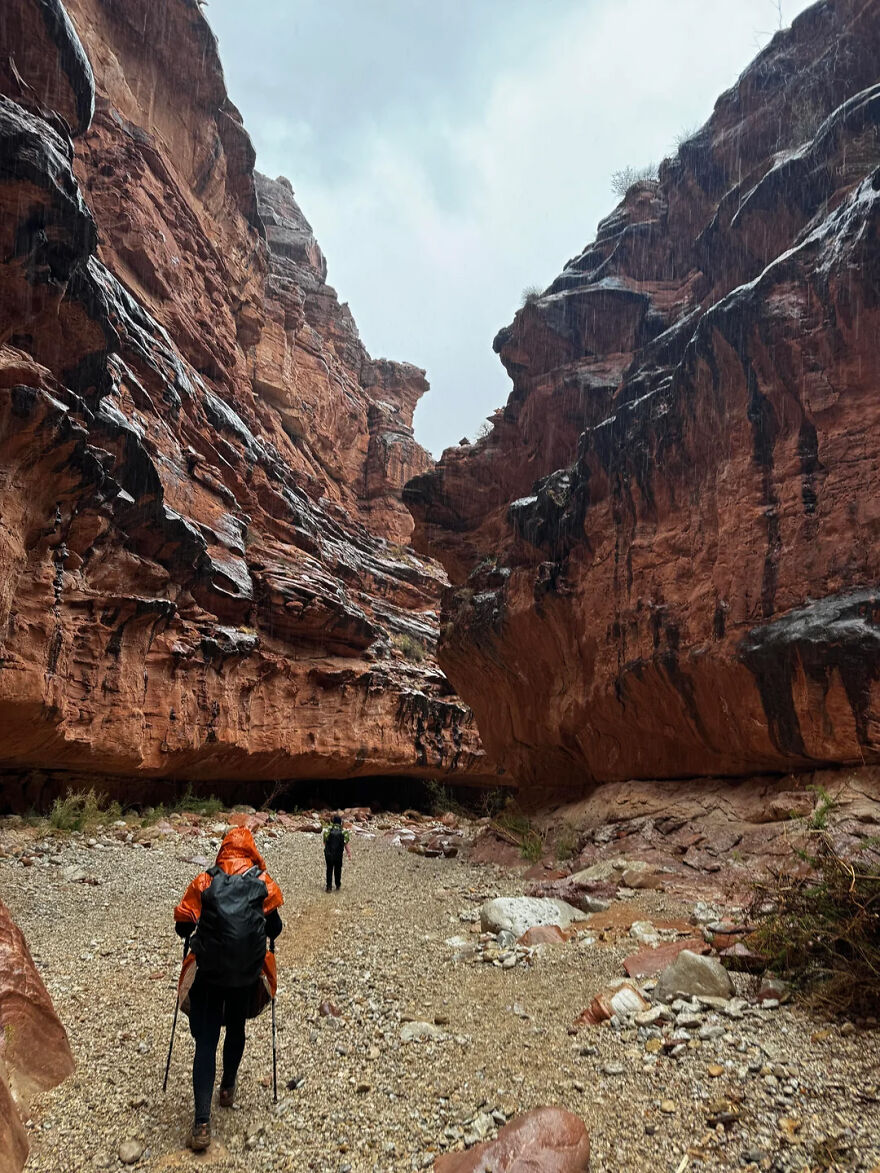
Despite being in Arizona, Supai is one of the world’s most remote places and one of the most isolated communities in the continental United States.
It’s nestled deep in the Grand Canyon and is only reachable by foot, mule, or helicopter. There is one village home to the Havasupai Tribe, but no roads connect it to the outside world.
Both locals and visitors must observe strict safety protocols in Supai to avoid exhaustion, dehydration, or a dangerous fall. According to The Atlantic, the village is also part of one of the last mule-delivered mail routes in the US, with its isolation actually keeping tradition alive.
However, flash floods and trail closures can cut Supai off entirely, emphasizing how remote terrain often resists modern infrastructure.
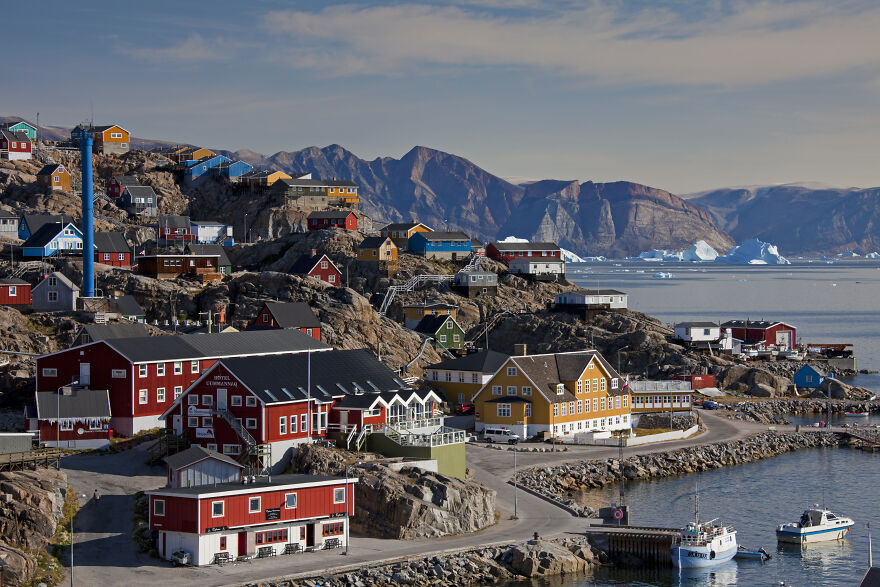
Ittoqqortoormiit is one of the most remote destinations in the Western Hemisphere, locked in by thick ice for much of the year.
This small settlement lies on Greenland’s remote eastern coast, far from shipping routes and major cities. Only approximately 350 people live there, relying on fishing, hunting, and seasonal supply deliveries for survival.
For most of the winter, ice on the sea makes marine access impossible, and flights are very infrequent. The Ittoqqortoormiit village looks like an Arctic dream, but residents cannot bask in it because hungry polar bears are being driven inwards by climate change (per WWF).
Perhaps it’s a good thing that society is so disconnected from the rest of the world, with mail only arriving a few times per year.
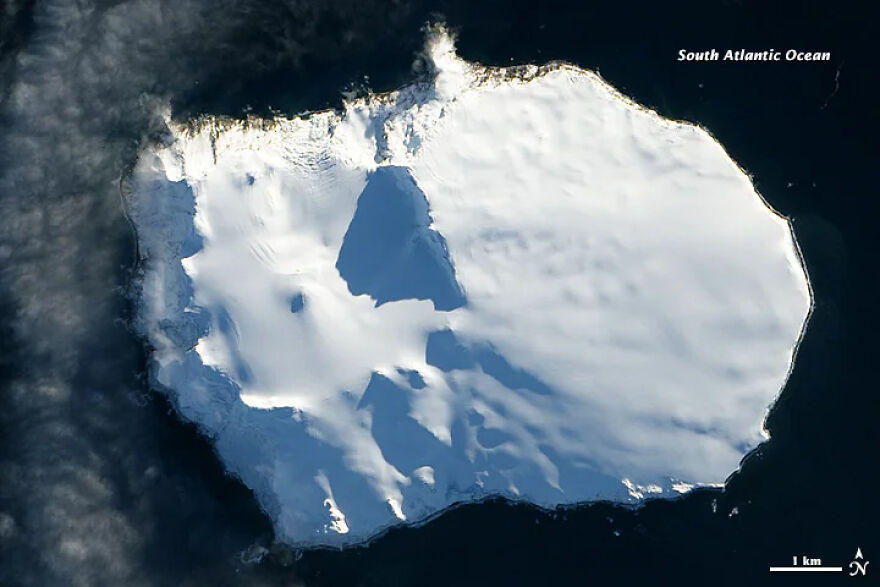
Bouvet Island is sometimes called the most remote island on the planet, and virtually nobody ever sets foot on it.
This Norwegian territory lies deep in the South Atlantic Ocean, thousands of miles away from any permanently inhabited land. It’s more a glacier than an island, with an inactive volcano at its center, and constantly battered by stormy currents.
Landing on Bouvet Island is so difficult that even scientific expeditions are rare and brief. There are no harbors, no settlements, and no infrastructure; just a single weather station and a surface that is 93% ice (per UNESCO World Heritage Center).
Its isolation is so all-encompassing that satellite monitoring is often the only way humans can experience it.

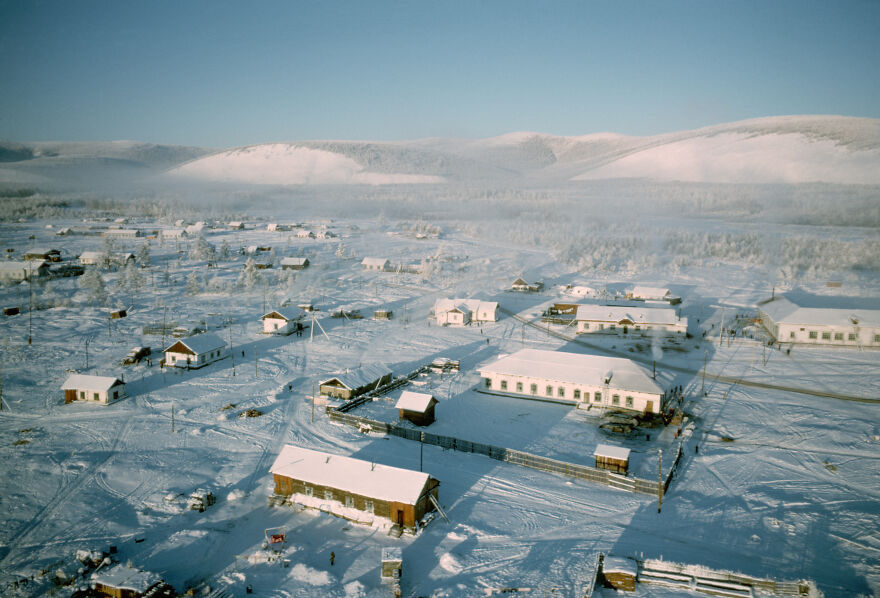
Oymyakon is the coldest inhabited place on Earth, where winter temperatures can plunge below -70°C (-94°F).
This Siberian village lies deep inland, far from major cities and transport hubs. Around 2,000 people live there, enduring extreme cold as a normal part of daily life. Vehicles are often left running to stop engines from freezing, and farming is nearly impossible.
Of the world’s most stressful places, Oymyakon is a strong but overlooked contender.
Plumbing, air travel, writing, and even burying the dead are difficult due to freezing conditions, with the last of these requiring a bonfire to thaw the ground enough to dig (per The Washington Post).
Everything is unreliable, daylight is often scarce, and residents are left to fend for themselves in the darkness.
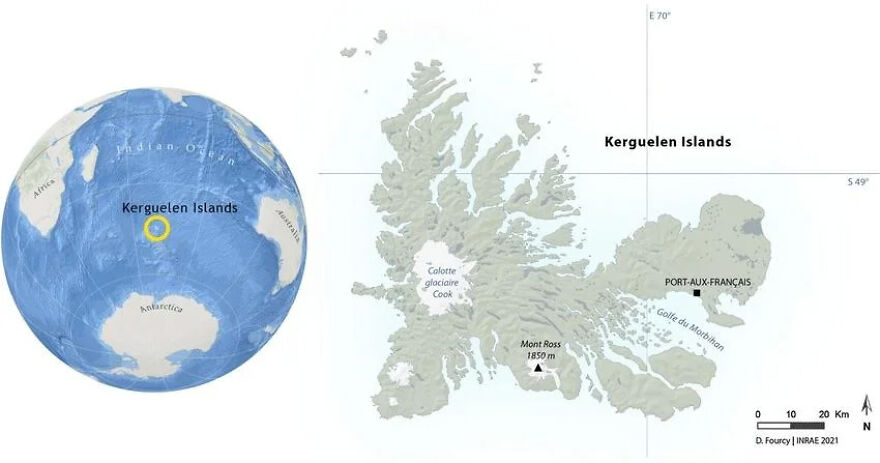
The Kerguelen Islands are nicknamed the “Desolation Islands” for good reason. This French Antarctic archipelago lies in the southern Indian Ocean, thousands of miles from populated land.
There is no settled civilian population; only rotating scientists and support staff at a research station studying glacier retreat and marine biology (per Atlas Obscura).
Fierce winds, cold rain, and rough seas hold the Kerguelen Islands hostage. Supplies are shipped to visitors a few times a year, but delays are common and risky.
There are no trees, no towns, and no easy escape routes. Isolation is as much psychological as it is physical, with long stretches of silent darkness plaguing the land.

Next to Australia's Heard and McDonald Islands. Between the two is one of the four borders connecting France to Australia.
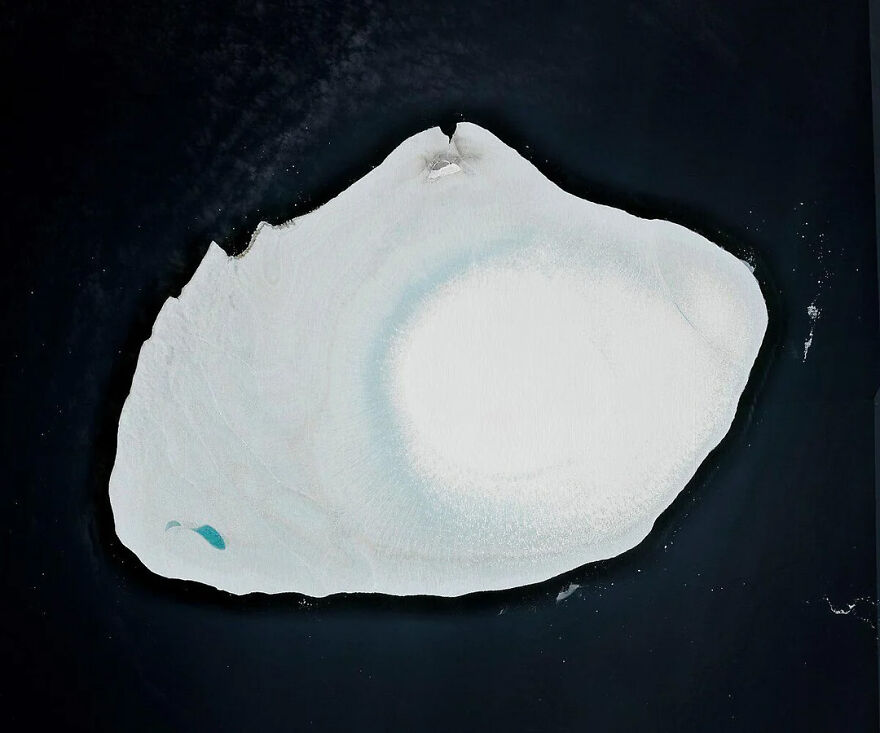
Ushakov Island is a frozen speck in the Arctic Ocean that almost no human has ever visited. This uninhabited Russian territory lies north of Siberia, surrounded by ice-heavy seas for most of the year.
There are no settlements, no infrastructure, and no reliable landing sites for visitors to use.
The conditions are practically unlivable, with extreme cold, persistent ice, and dangerous weather making it almost impossible to access or navigate.
Research by Harvard University describes it as "a glacial dome," so cold that even research expeditions are rare.
Polar bears and seabirds dominate the landscape, free to roam away from human civilization. Isolation there is absolute; once the ice closes in, the island becomes completely unreachable.
Of all the most isolated places on Earth, Point Nemo stands alone. No land, no life, no visitors, just an empty expanse of ocean so remote that the only humans nearby are passing overhead in space.
Yet every place on this list tells the same story: isolation is not just a matter of distance. It's a way of life, a form of survival, and for some, a choice worth making.

David: I wonder what you think of Israeli human rights organization B'Tselem's report called 'Living Hell' showing that Israeli prisons continue to function as a network of torture camps for Palestinians, with the systematic abuse even more extensive than before. Link follows.
Load More Replies...
David: I wonder what you think of Israeli human rights organization B'Tselem's report called 'Living Hell' showing that Israeli prisons continue to function as a network of torture camps for Palestinians, with the systematic abuse even more extensive than before. Link follows.
Load More Replies... 



































 No fees, cancel anytime