Get Premium
Dark mode theme is available exclusively for premium users. Learn more about the benefits of subscribing.
No fees, cancel anytime.

 Dark Mode Ad-Free Browsing Unlimited Content
 Ad-Free Browsing Unlimited Content Dark Mode
Join 1.2 million Panda readers who get the best art, memes, and fun stories every week!
21submissions
1week left
Unlike tourist-packed destinations, there are places so perilous that only a few dare to visit. The dangers come from violent conflicts, organized crime, natural disasters, or forces we still don’t fully understand.
To rank them, we looked at a combination of real-world risk factors, including crime rates, active conflicts, environmental hazards, government travel warnings, and how little room for error these locations allow.
From a deadly lake that can [end] in minutes and crimson waters that seemingly petrify animals, to coastlines littered with skeletons and cities plagued by extreme violence, these are the world’s most dangerous places that continue to attract thrill-seeking travelers, despite the risks.
Click here & follow us for more lists, facts, and stories.
This post may include affiliate links.
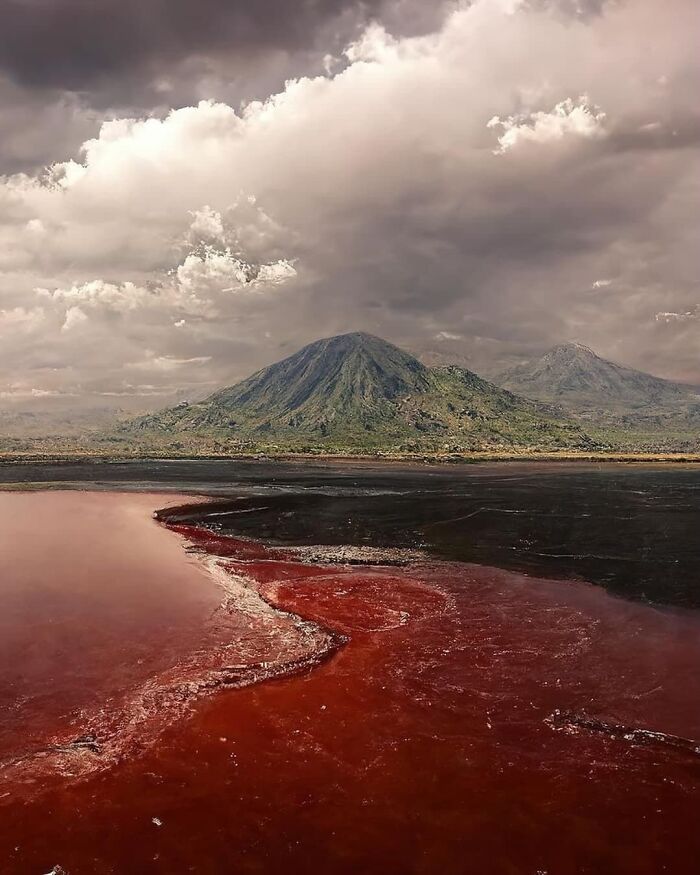
The least dangerous entry on the list is the eerie, blood-red Lake Natron in Tanzania, infamous online for claims that it “turns animals into stone” (per National Geographic). Some have even nicknamed the alkaline body of water “Lake Medusa.”
Swimming in Lake Natron is a hard no, but viewing it from afar is entirely safe.
One traveler who visited the site described it as “probably the most metal place you could ever see, lol. It looks like how you might imagine Mordor if it starts growing some grass and calms down a bit. The scale of the place is absolutely massive; it's actually a super cool spot.”
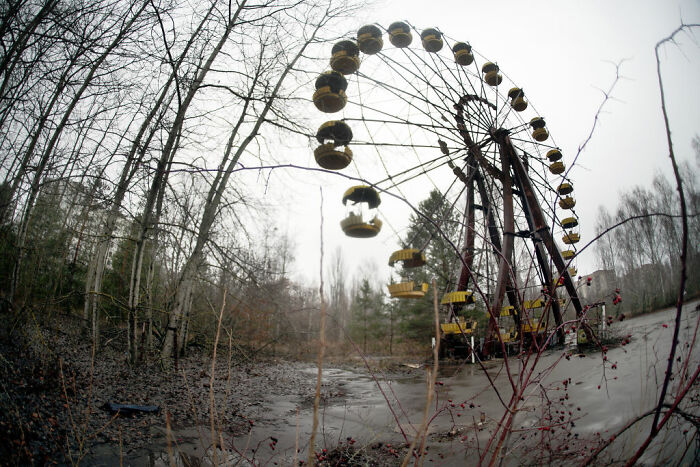
Chernobyl remains one of the most notorious disaster sites in history, though it ranks lower on this list as the 29th most dangerous place to visit.
On April 26, 1986, the Number Four RBMK reactor at Chernobyl’s nuclear power plant exploded, releasing deadly radiation that killed 28 first responders, caused a spike in thyroid cancer among children, and led to mutations in local flora and fauna (per the IAEA).
Surprisingly, the site is now a relatively safe tourist destination. Interest surged after HBO’s 2019 miniseries Chernobyl, drawing a record wave of visitors to the restricted zone (per CNN).
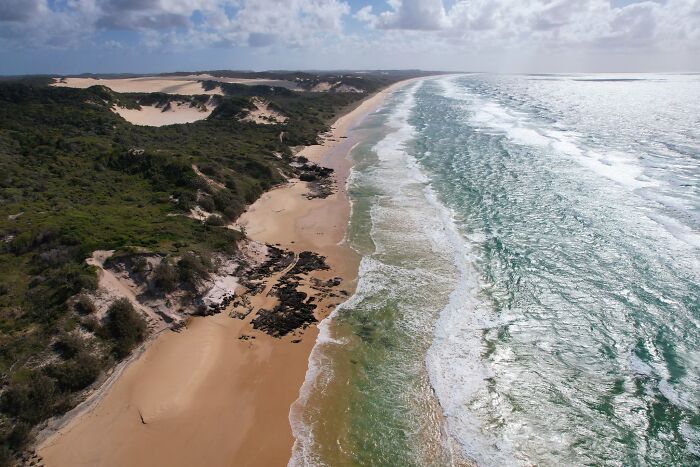
Fraser Island in Australia has earned the ominous nickname of “the most dangerous beach in the world” thanks to its population of wild dingoes, great white sharks, and venomous stingrays (per Sightseeing Tours Australia).
The island’s remote location makes it even riskier. In the event of a serious incident, emergency medical care is not readily available to visitors.
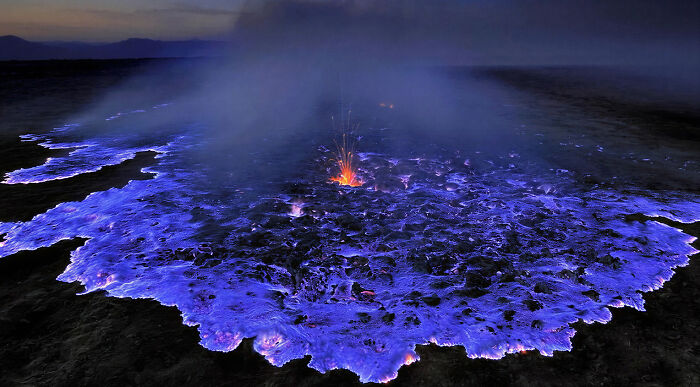
Electric-blue flames rise from the eerie Kawah Ijen crater on Indonesia’s Java island, creating a surreal spectacle for visitors (per National Geographic). Its crater lake glows green due to the presence of hydrochloric acid.
Photographer Olivier Grunewald, who has spent years documenting the volcano, revealed that the blue “lava” is actually light emitted from burning sulfur gases. “I've never seen this much sulfur flowing at a volcano,” he said.
The real danger lies in the toxic fumes. Gases from the crater can burn your eyes, throat, and lungs, and in extreme cases, even dissolve your teeth (per National Geographic).
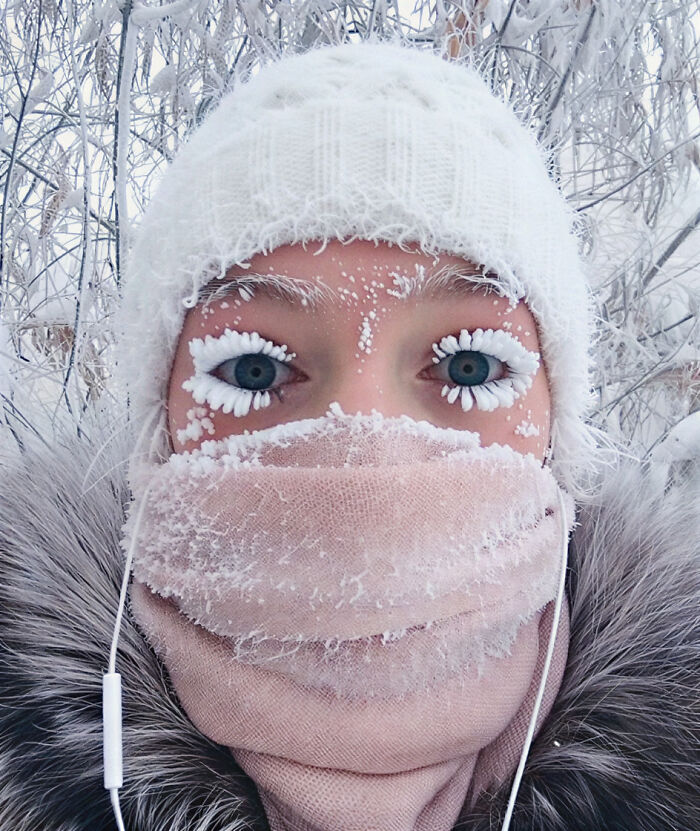
Oymyakon is a remote Siberian village of around 500 people, known as the coldest permanently inhabited place on Earth.
Here, temperatures can plummet below -45°C, cold enough to freeze boiling water mid-air. Even eyelashes can frost over instantly, and simply being outdoors too long risks frostbite or worse (per The Telegraph).
As documented by YouTuber Turgut Ekim, life in Oymyakon is a relentless struggle against nature. Despite layers of thermal gear, survival in these bone-shattering conditions is far from guaranteed.
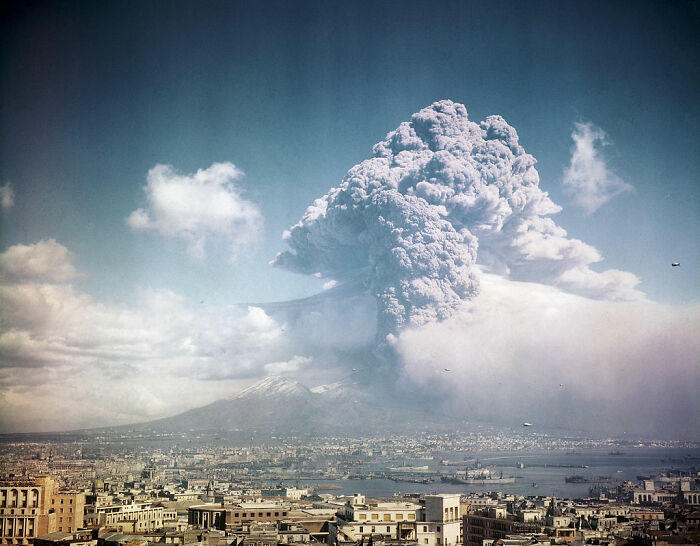
Mount Vesuvius is far from an ordinary mountain. Ranking as the 28th most dangerous place on Earth, it's best known for its catastrophic eruption in 79 AD that buried the city of Pompeii in ash (per The Guardian).
The 18th-century writer Joseph Addison was so terrified by its presence that he called it a “dreadful vault” (per BBC).
One of its more recent eruptions occurred in March 1944, during World War II.
US military doctor Leander Powers recalled the eruption: “While we were just finishing supper, someone called to say there were huge red streams of lava flowing down the sides of Mount Vesuvius…we could see a glow in the sky. All during the night and Sunday there were quakes of the earth with tremendous roars, similar to thunder... The windows rattled, and the entire building vibrated.”
“The roars became more frequent and grumbled like a lion's roar,” he continued. “Streams of fire were shooting thousands of feet into the air, and the countryside was lit up for miles around. Oft times the entire top of the mountain looked as if it were a blazing inferno.”
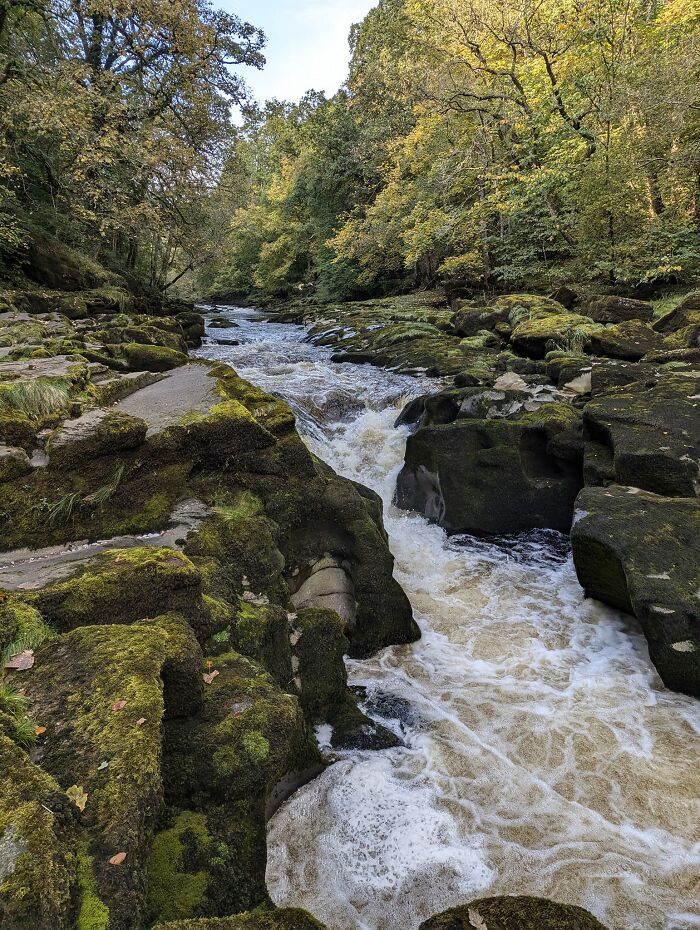
The Bolton Strid looks serene, but this picturesque stretch of water in England hides a deadly secret. It’s extremely deep, dangerously narrow, and known for its powerful currents (per The New York Times).
Local belief holds that anyone who falls into the Strid doesn’t survive. Signs posted along its banks warn: “The Strid is dangerous and has claimed lives in the past. Please stand well back and beware slippery rocks.”
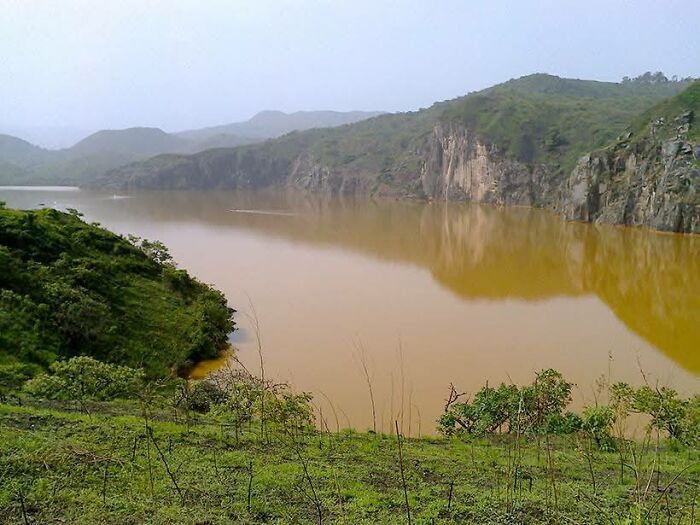
Cameroon’s infamous Lake Nyos became globally known after a single catastrophic night in August 1986, when it suddenly released a massive cloud of CO2 that suffocated over 1,700 people and 3,500 animals within hours (per Times of India).
Today, government authorities closely monitor this volcanic lake. Still, experts warn that a similar disaster could strike again without warning (per GOV.UK). The risk is heightened by the fragile volcanic dam and the nearby Lake Mounoun, which is also saturated with CO2.
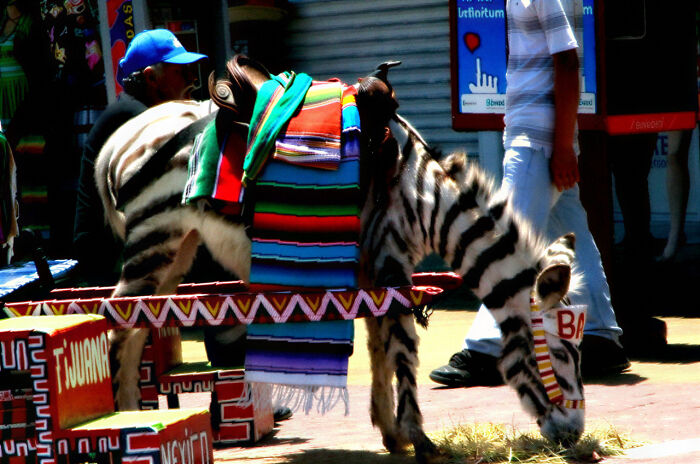
Tijuana has been labeled “an extremely violent city” and is considered one of the least advisable destinations for travelers, according to GOV.UK.
With an estimated 138 homicides per 100,000 residents, the city faces relentless violence fueled by organized crime, widespread poverty, drug trafficking, and human smuggling routes (per Armormax).
India’s North Sentinel Island isn’t just unwelcoming to visitors; it’s potentially deadly.
The island is home to the Sentinelese, an uncontacted Indigenous group known for fiercely resisting all outside contact (per Survival International). As the most isolated people on Earth, they defend their land with violence against intruders.
In 2018, the Sentinelese killed an American missionary who entered the island illegally to attempt a religious conversion. Years later, in March 2025, influencer Mykhailo Viktorovych Polyakov was arrested by Indian authorities after illegally landing and leaving a can of cola and a coconut in what he described as an "offering."
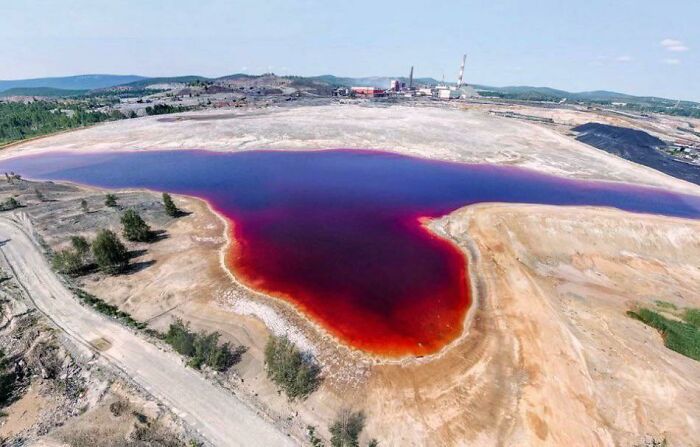
Lake Karachay, located in Russia’s Chelyabinsk region, is one of the most dangerous bodies of water in the world. A single half-hour near the lake can be fatal due to extreme levels of radiation (per Dangerous Roads).
Used as a dumping site for nuclear waste since the mid-20th century, the lake may appear picturesque, but it remains the most polluted lake on the planet.
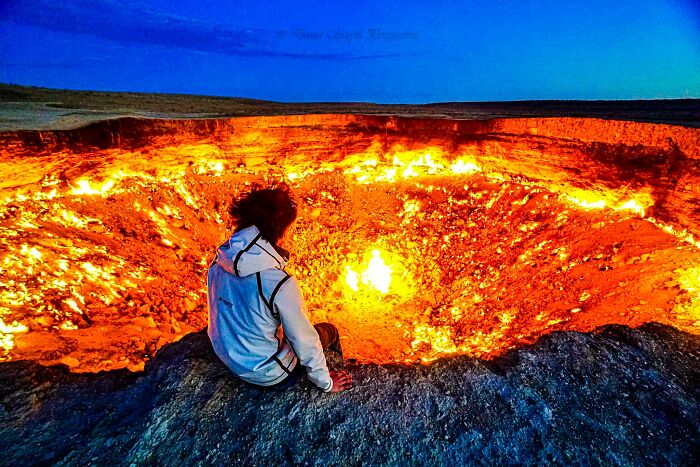
Turkmenistan’s “Gates of H**l,” also known as the Shining of Karakum, is a giant fiery crater that has burned nonstop for decades. It remains the country’s hottest and most hazardous tourist attraction (per CNN).
“It’s a collapsed gas cave, which sounds about as interesting as an old gas oven,” said author Ged Gillmore, who chronicled the site in his book Stans By Me: A Whirlwind Tour Through Central Asia. “But there’s this eeriness about it, and I actually found it quite creepy.”
In 2025, the president of Turkmenistan ordered the site’s closure to reduce environmental harm and protect public health, signaling a possible end to the Darvaza crater’s constant blaze (per BBC).
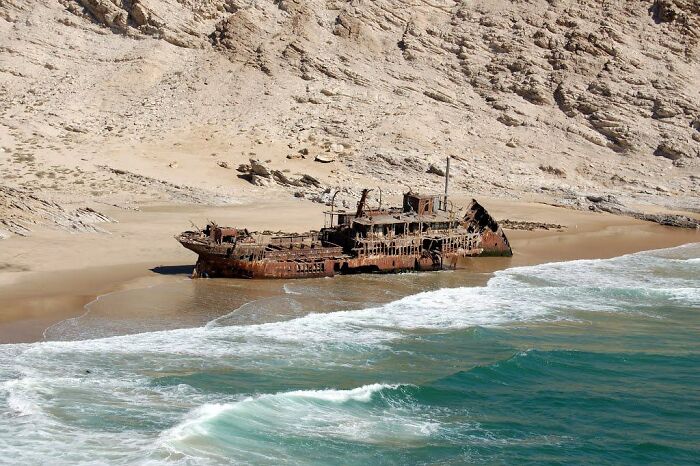
Stretching 500 km in length and 40 km in width, this desolate coastline has earned the nickname “end of the Earth” for its eerie isolation, treacherous dunes littered with bones, historic shipwrecks, dense seal colonies, and stealthy desert lions (per Mirror).
Access is only permitted with a licensed tour operator, as the region is home to deadly predators such as hyenas, leopards, and cheetahs.
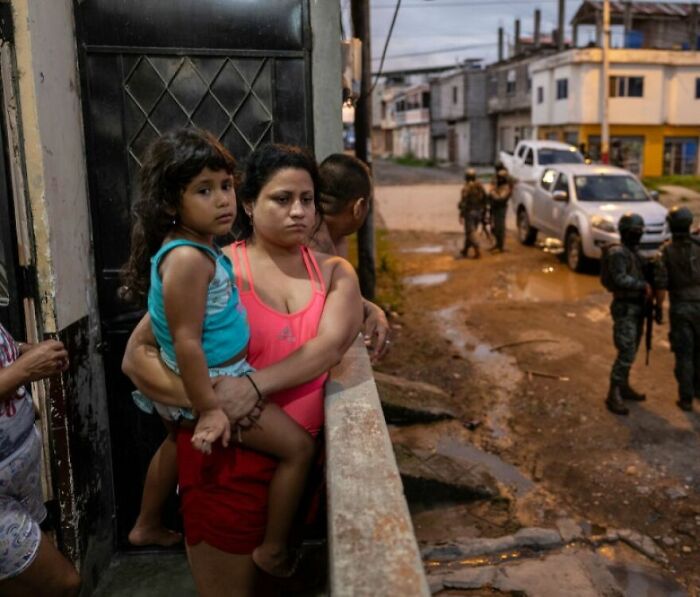
Once a thriving commercial hub, the city of Guayaquil has spiraled into one of the most violent zones on Earth (per USCRI).
The city reports a staggering homicide rate of 147 per 100,000 people, driven by organized crime, deep-seated corruption, cocaine trafficking, and widespread poverty.
Travelers face extreme danger here due to the lack of government presence, humanitarian support, clean water, and basic sanitation (per InSight Crime).
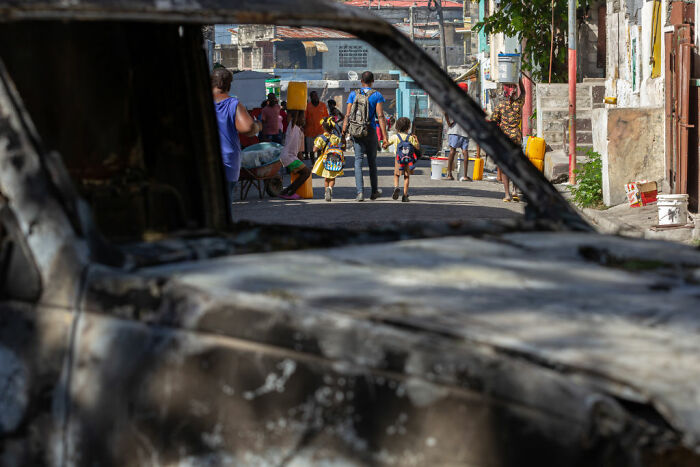
Haiti’s Caribbean charm, with its lush landscapes, historic landmarks, and postcard beaches, still draws travelers in. But the country is now ranked among the most dangerous places to visit due to an escalating crisis that has made everyday life profoundly unsafe.
“Do not travel to Haiti overall due to the dangerous security situation, threat of violent crime, kidnapping and severe shortages of basic necessities including fuel, water and food,” warned smartraveller.gov.au.
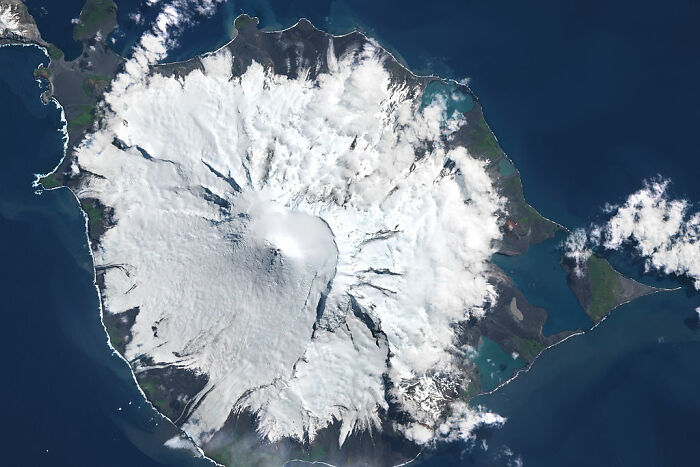
Remote and largely unexplored, Australia’s Heard Island ranks among the most dangerous places on the planet. This desolate landscape greets the rare traveler with dense clouds, volatile terrain, and the looming presence of Big Ben, one of the world’s most active volcanoes (per ABC News).
Reaching Heard Island is a journey in itself. The only way there is by sea, with a week-long voyage from Fremantle across unpredictable and often violent Southern Ocean waters.
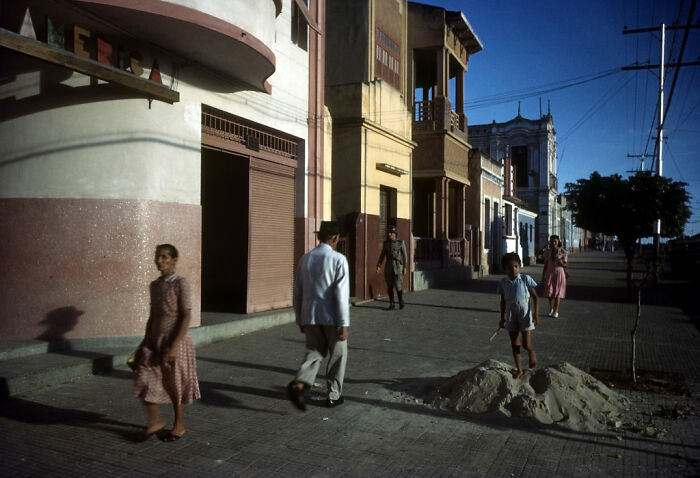
Brazil may be known for its vibrant beaches and natural beauty, but travelers should think twice before heading to Natal.
The city has become a hotspot for violent crimes including assault, gang activity, theft, and [end], with an alarming homicide rate of 75 per 100,000 people.
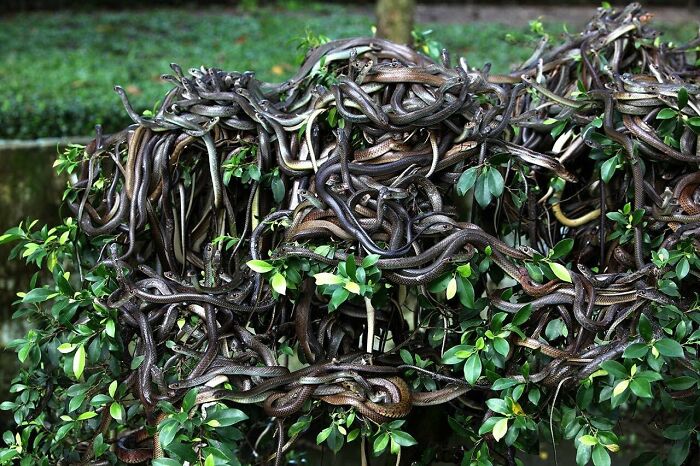
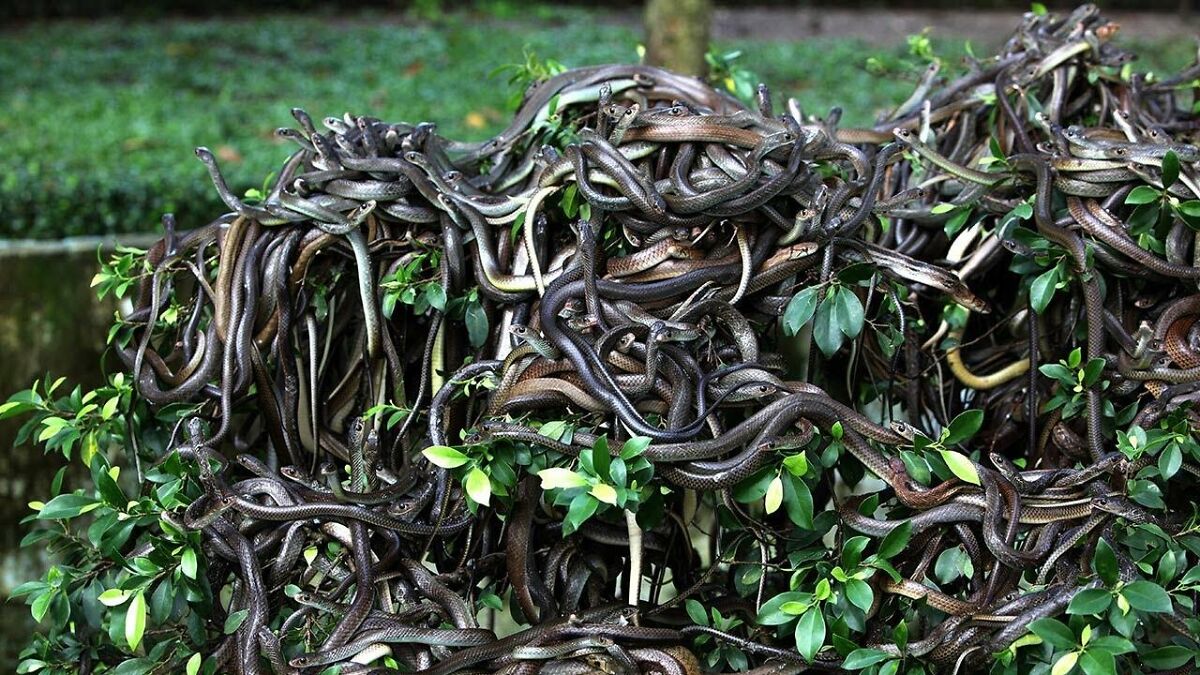
Snake Island, just off Brazil’s coast, is one of the most terrifyingly restricted places on the planet. The island is infested with golden lancehead vipers, among the world's most venomous snakes, and has the highest concentration of them anywhere on Earth (per Forbes).
Due to its extreme danger, civilians are banned from visiting. Only select researchers are allowed to set foot on the island each year under strict supervision.
Among them was YouTuber MrBeast, who filmed himself surviving 24 hours there alongside fellow creator Drew Binsky, bringing global attention to the island’s lethal allure.
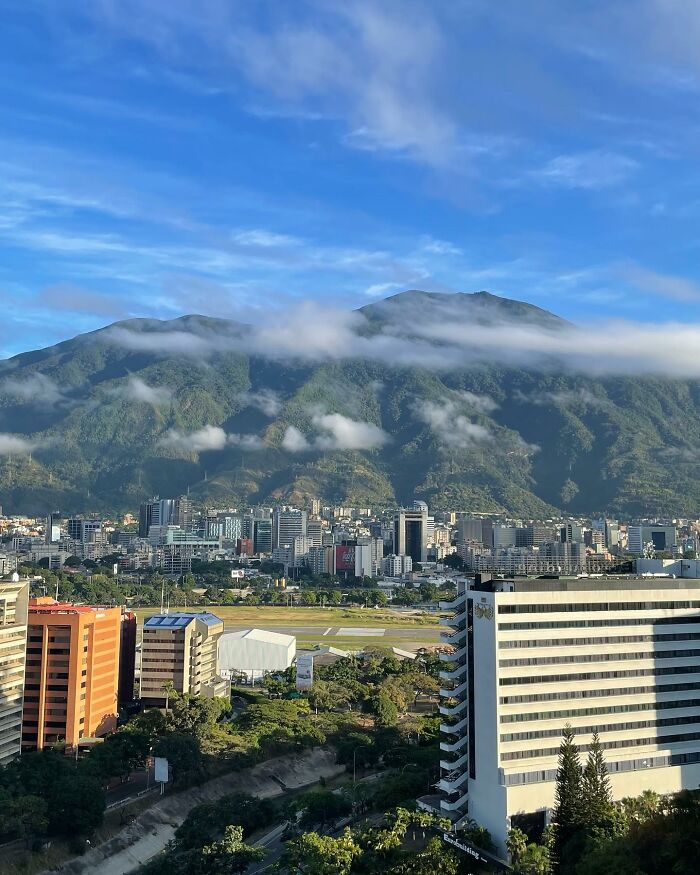
Caracas, Venezuela, was named the world’s most dangerous capital city in 2017, with a staggering [end] rate of 111.2 per 100,000 people (per Miami Herald).
The city continues to struggle with rampant crime, terrorism, frequent kidnappings, and weak law enforcement, contributing to its brutal reputation.
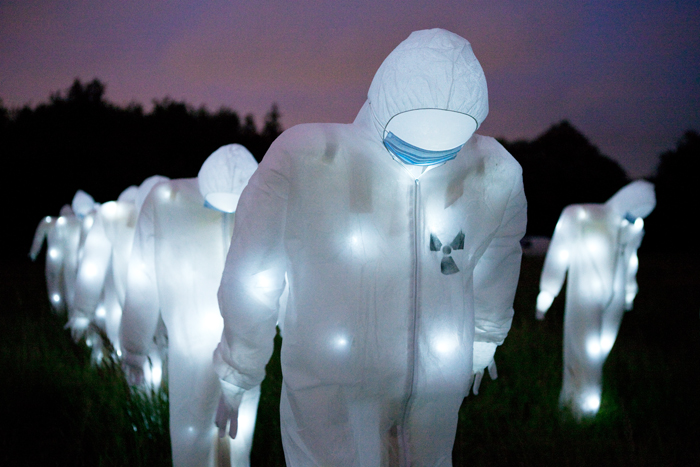
Japan is a dream destination for many travelers, known for its rich culture, natural beauty, and vibrant cities. Fukushima, however, stands out for a far more sobering reason: today it ranks among some of the most dangerous places in the world.
On March 11, 2011, a powerful earthquake triggered a 15-meter tsunami that caused a catastrophic nuclear accident in Fukushima (per World Nuclear Association).
Over 100,000 residents were evacuated to prevent radiation exposure. According to official records, 2,313 disaster-related deaths have since been reported among evacuees from Fukushima prefecture.
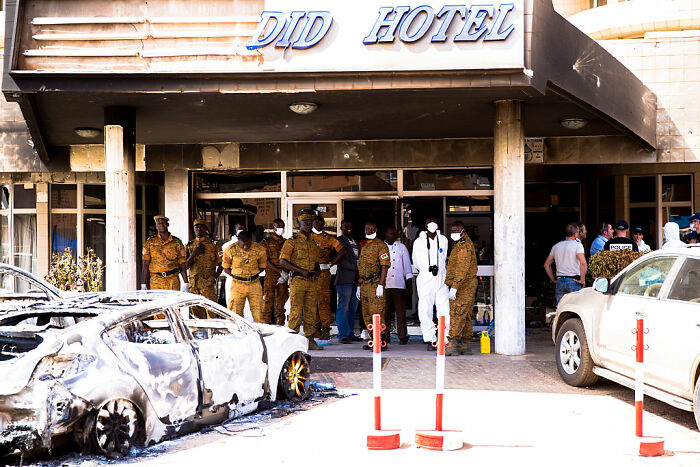
Burkina Faso, part of the crisis-ridden Sahel region, is currently among the most dangerous places to visit. The UK’s Foreign, Commonwealth & Development Office strongly advises against travel to the country (per GOV.UK).
Terrorism, kidnappings, and ongoing political unrest have sharply increased, creating a highly volatile environment, especially for vulnerable groups, including the LGBT+ community.
You Might Also Like: 46 Weird Animal Photos That “Cannot Be Explained”

































 No fees, cancel anytime