Get Premium
Dark mode theme is available exclusively for premium users. Learn more about the benefits of subscribing.
No fees, cancel anytime.

 Dark Mode Ad-Free Browsing Unlimited Content
 Ad-Free Browsing Unlimited Content Dark Mode
Join 1.2 million Panda readers who get the best art, memes, and fun stories every week!
Would you like to read this article? I’ll assume that you’re nodding along and that I have your consent because you opened it up. Always a touchy subject that gets both sides of the debate fired up, consent is nonetheless a very important concept. To put it bluntly, consent is what helps people maintain their freedom of will and help them stay, well, human. With their dignity and autonomy intact.
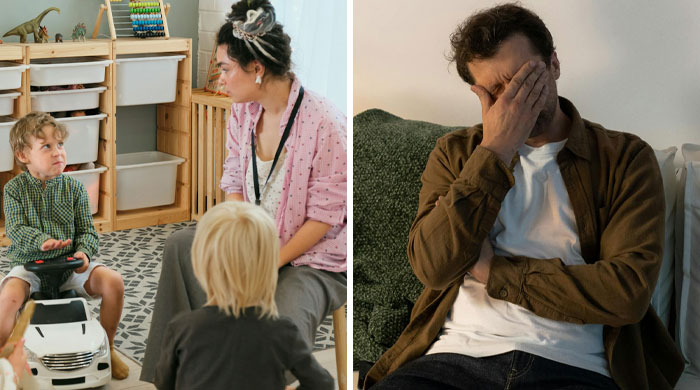
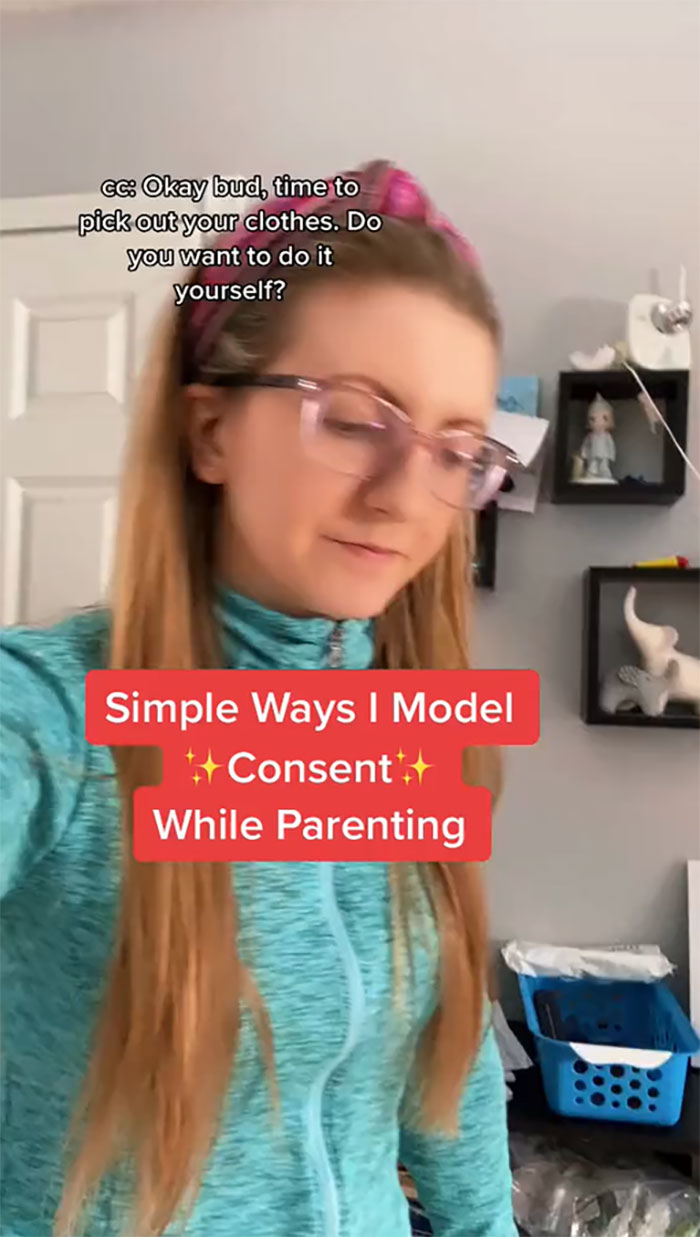
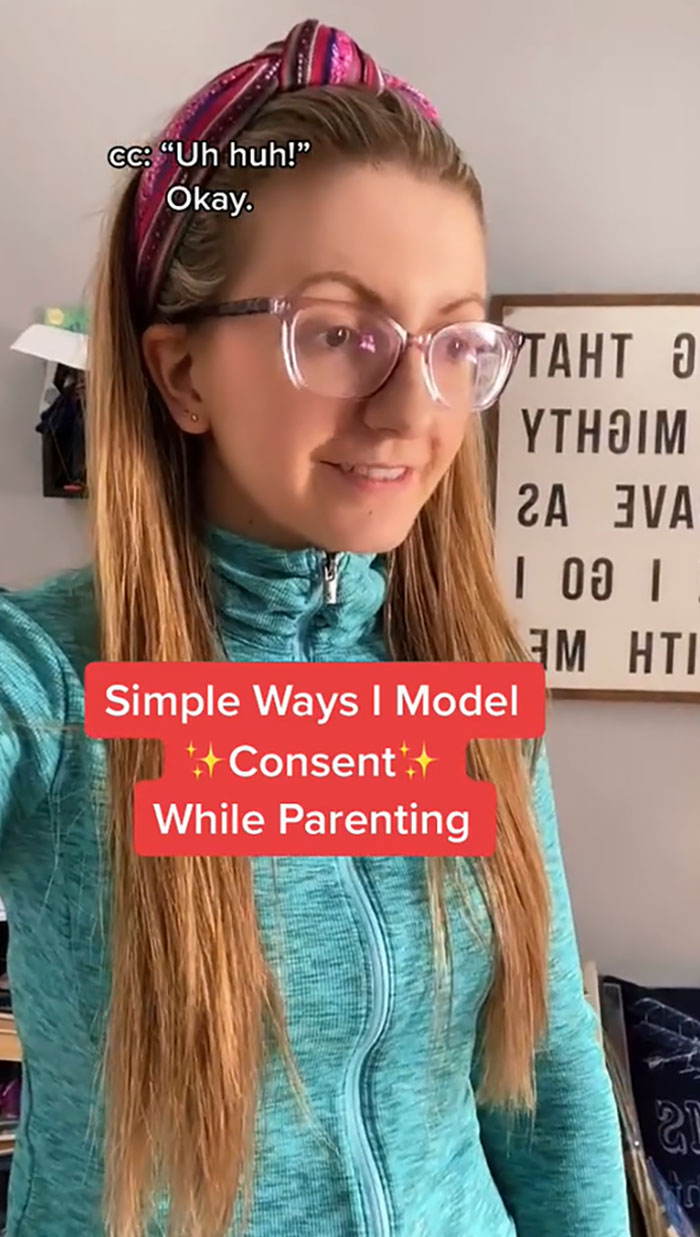
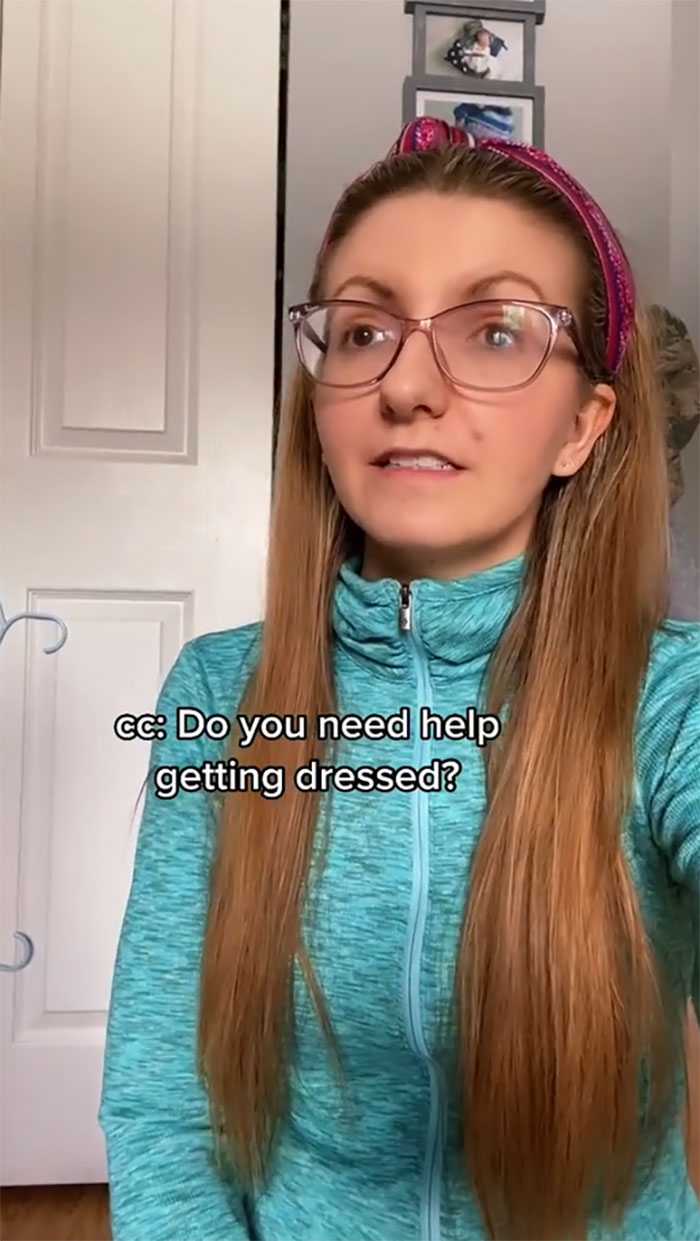
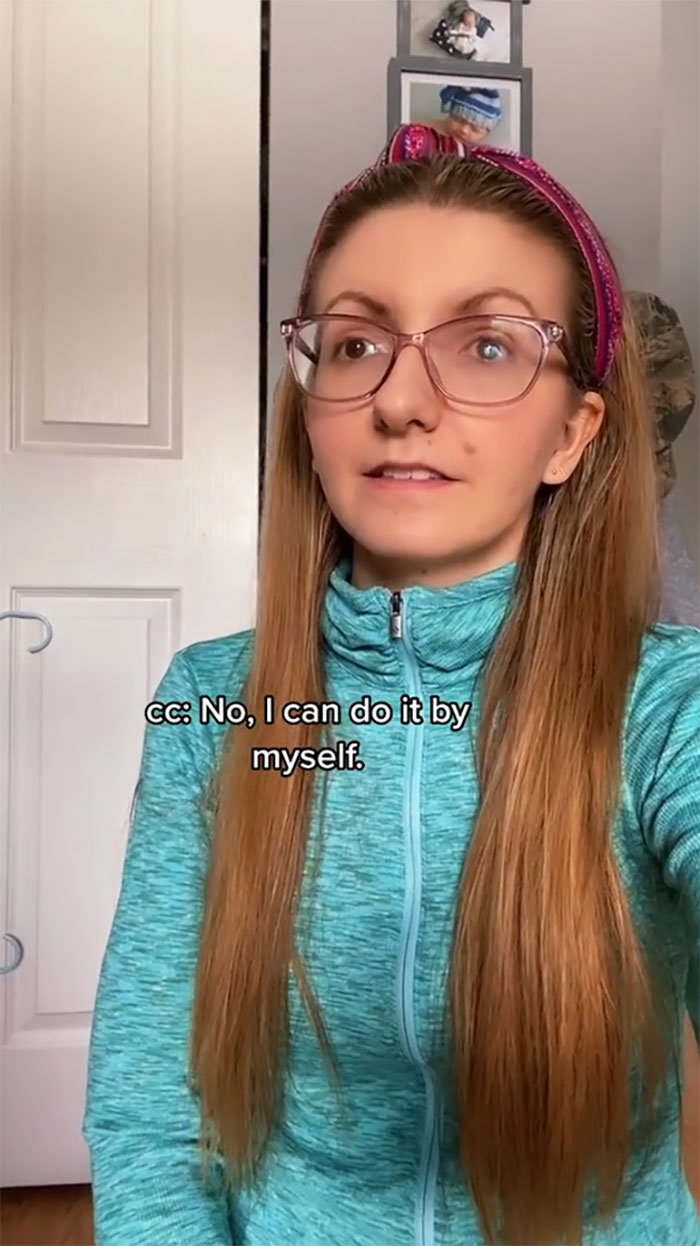
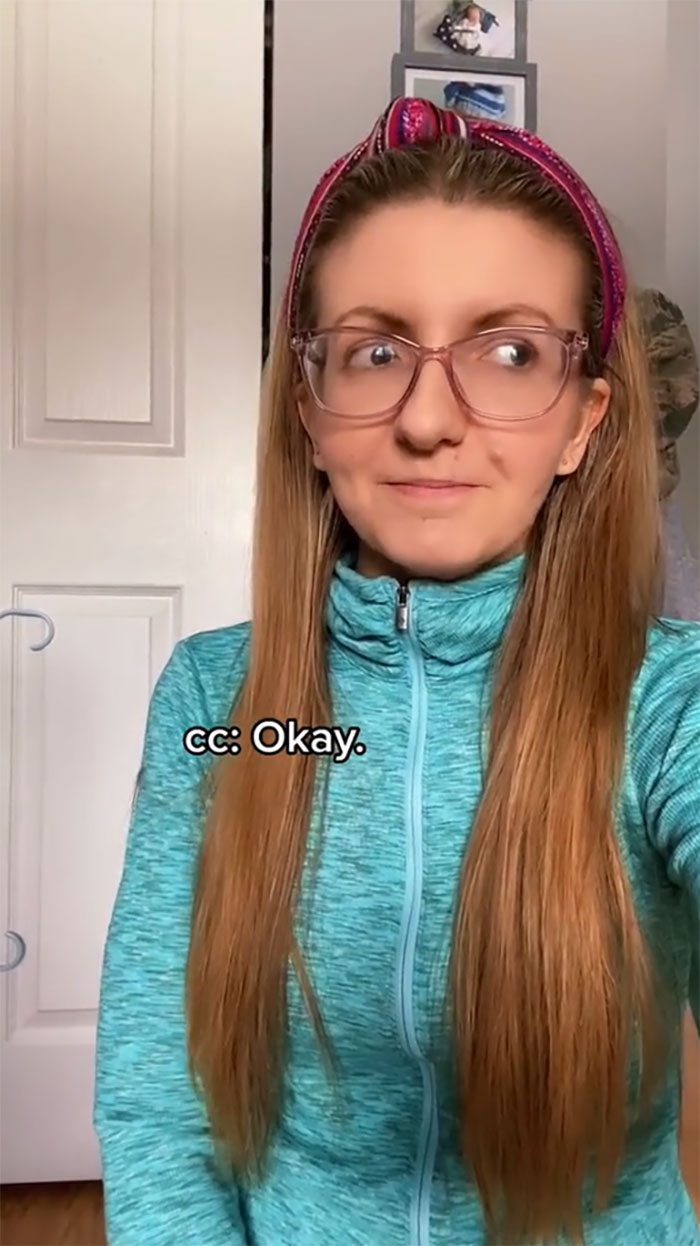
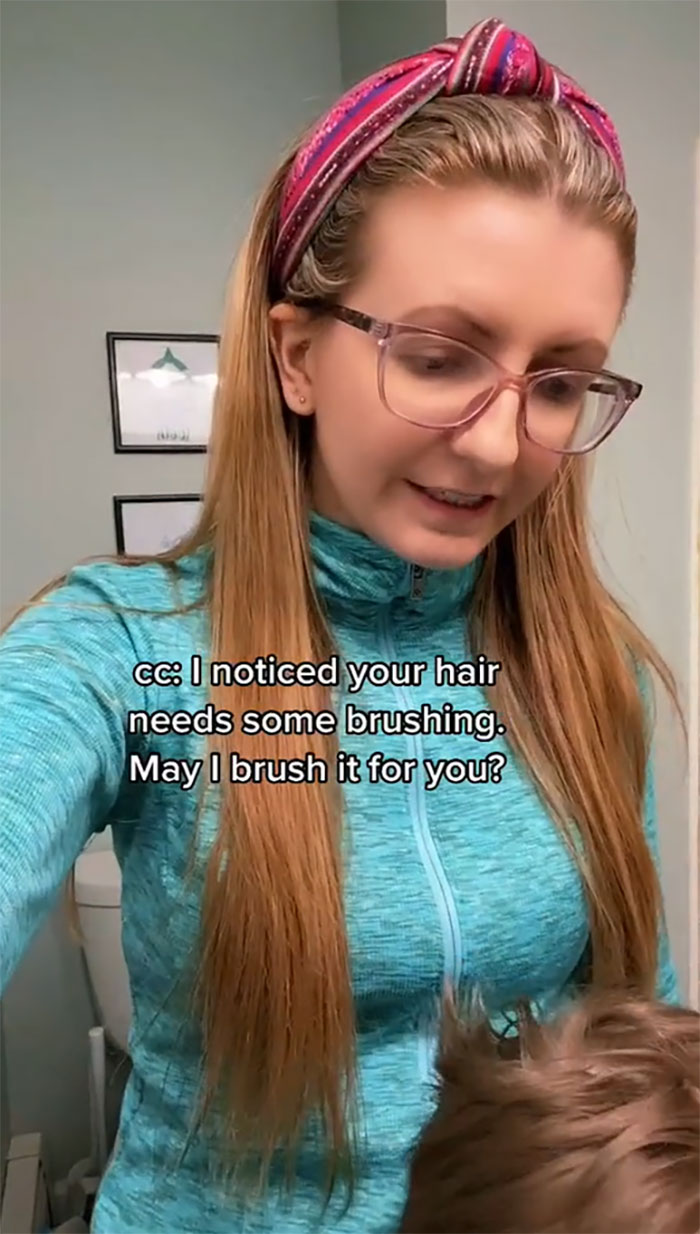
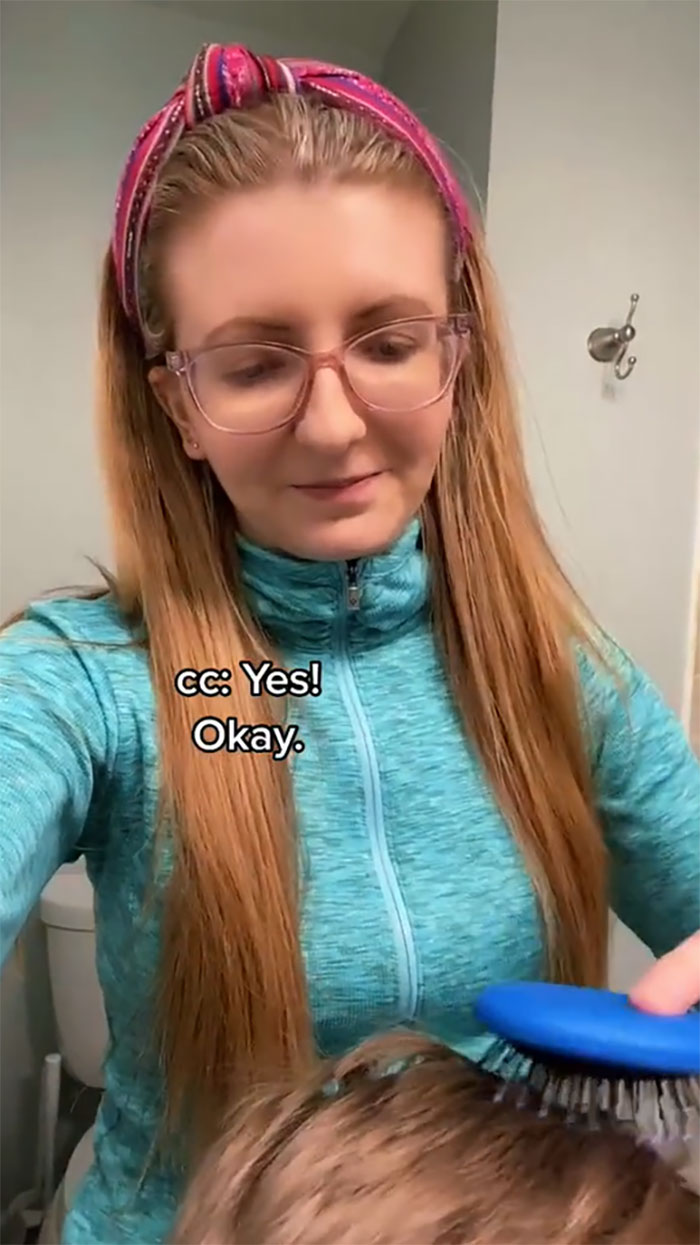
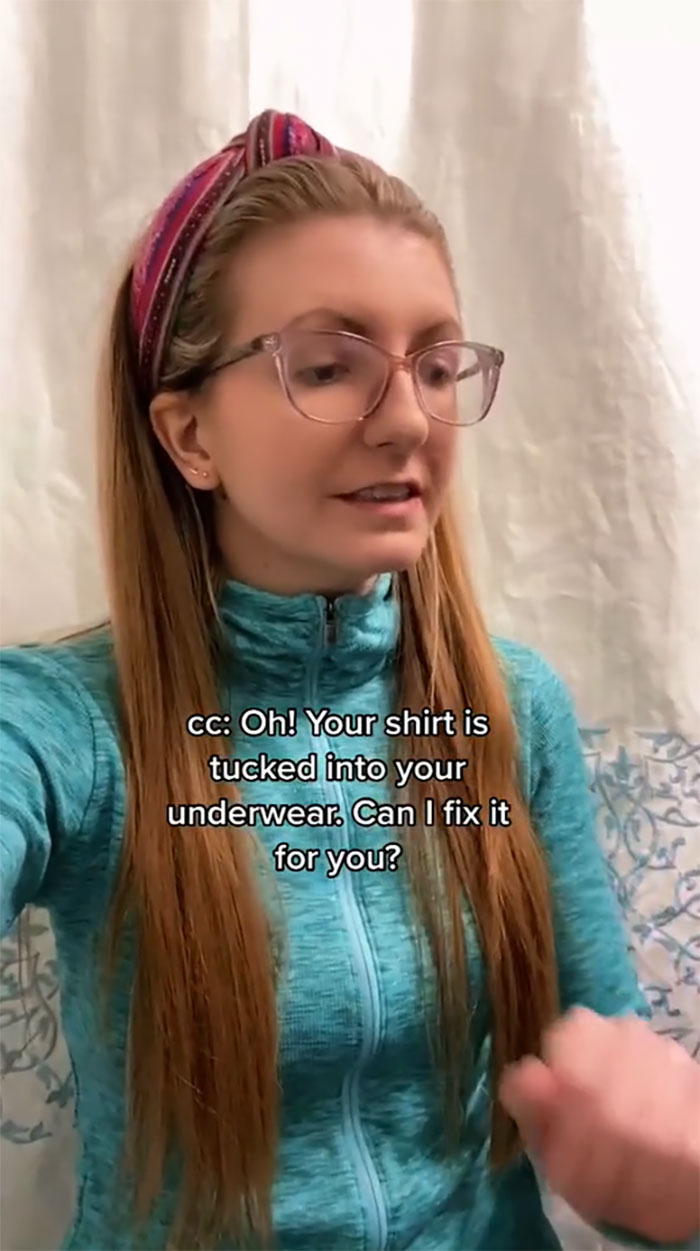
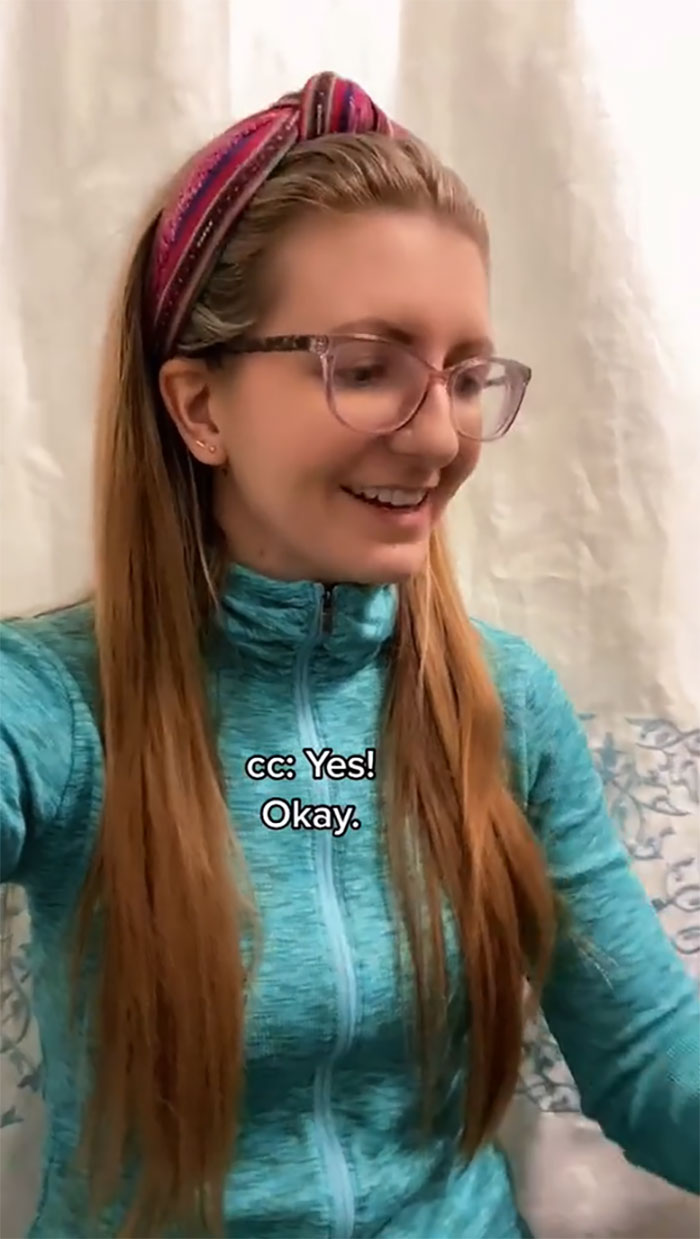
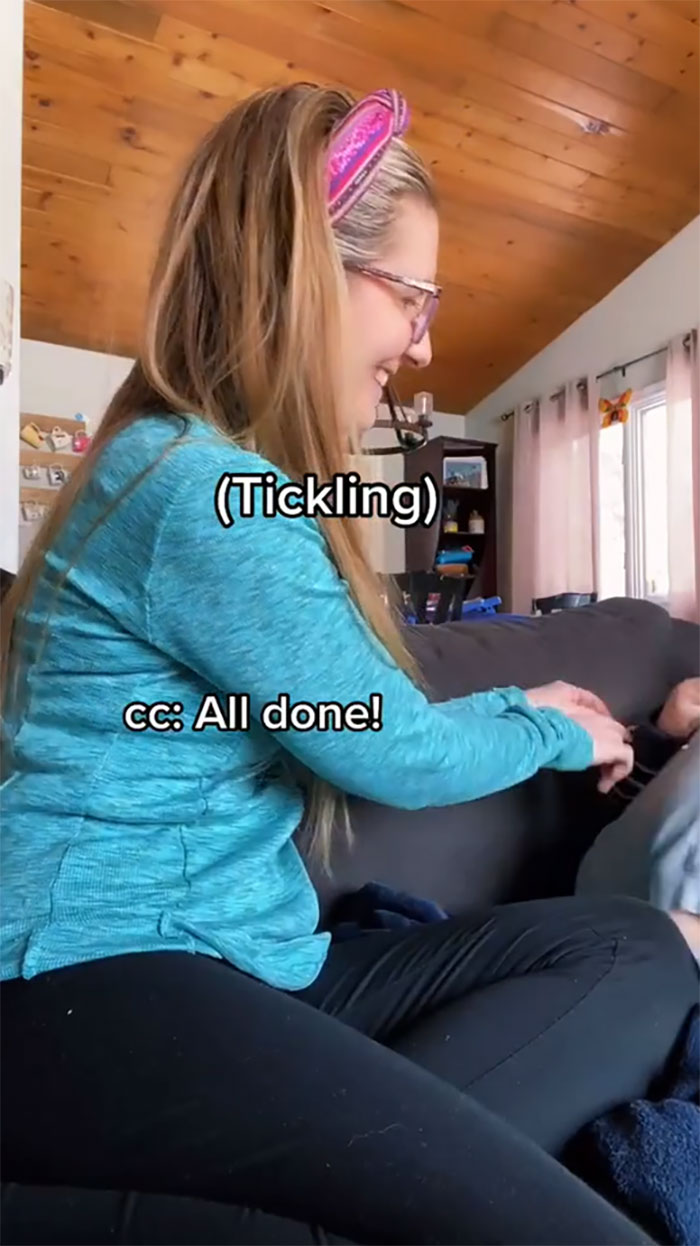
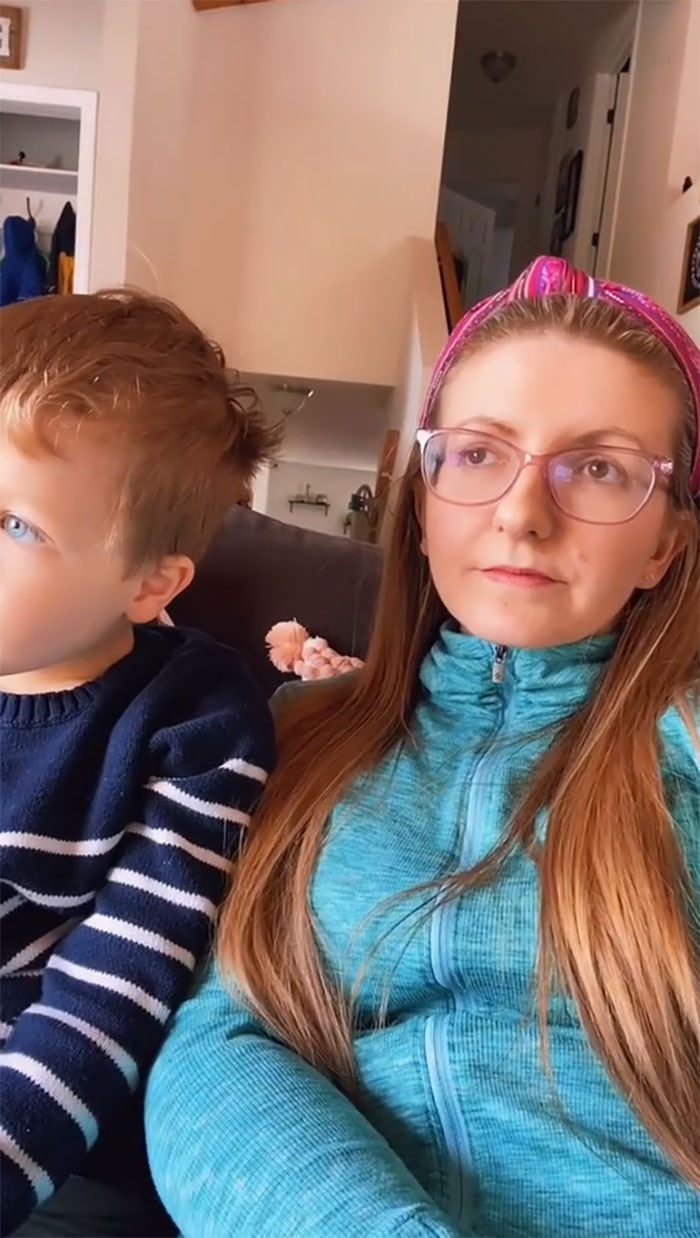
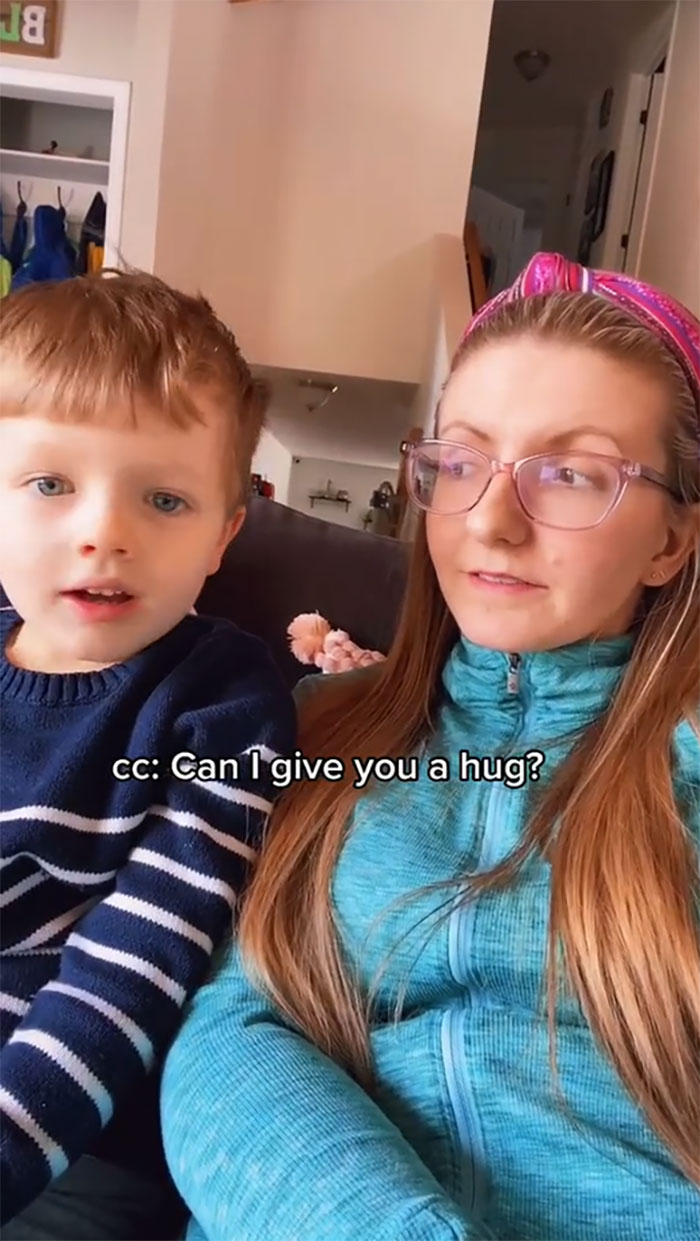
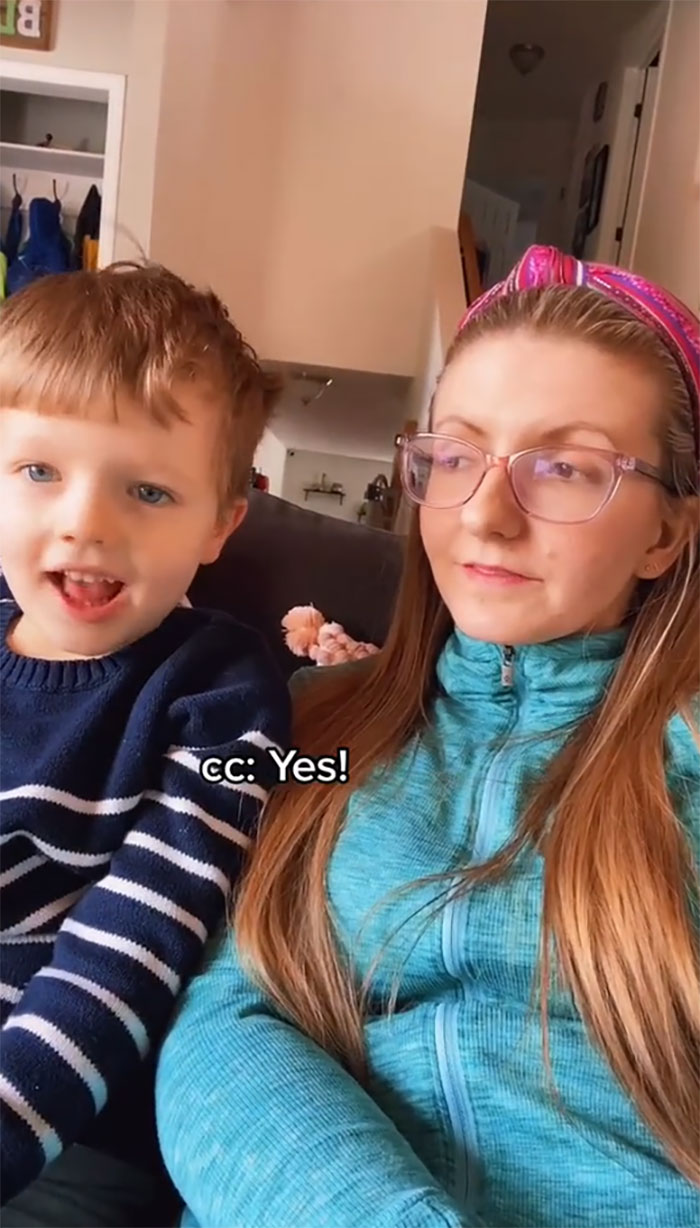
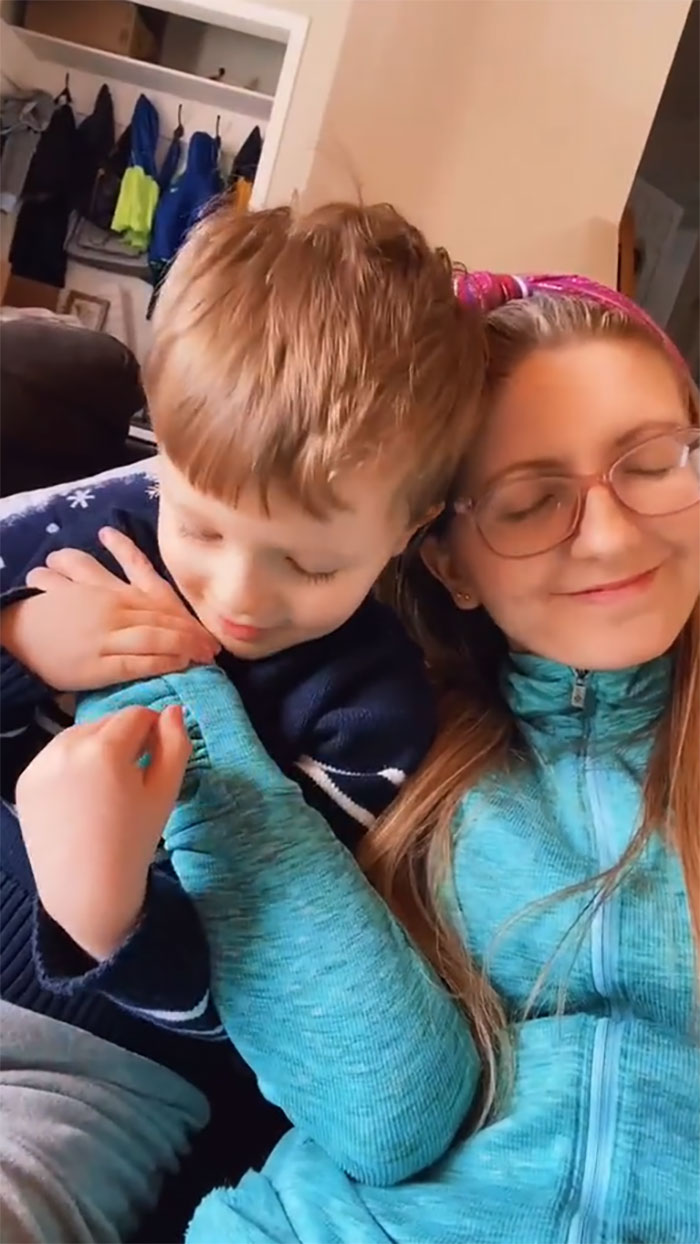
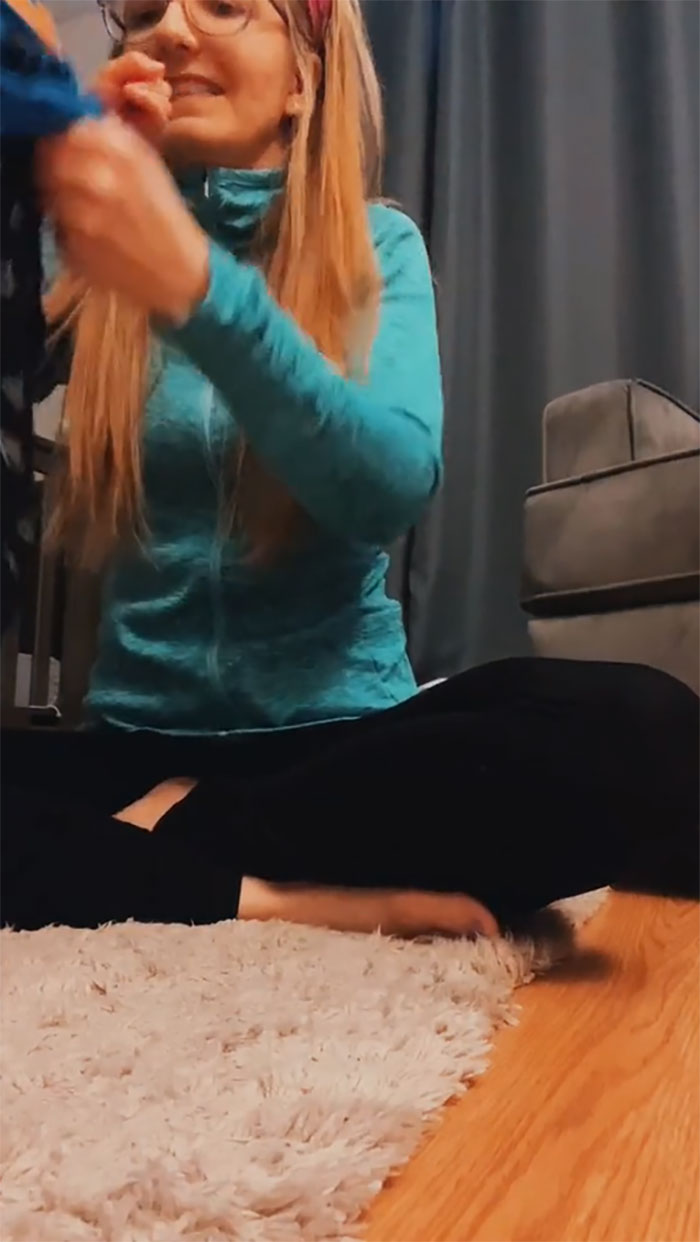
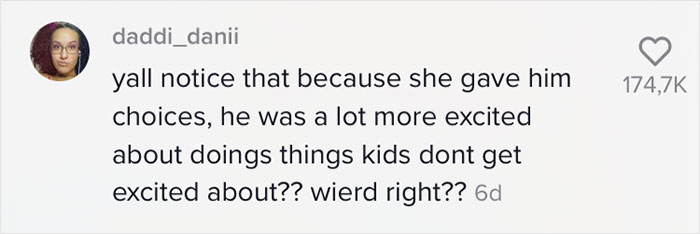
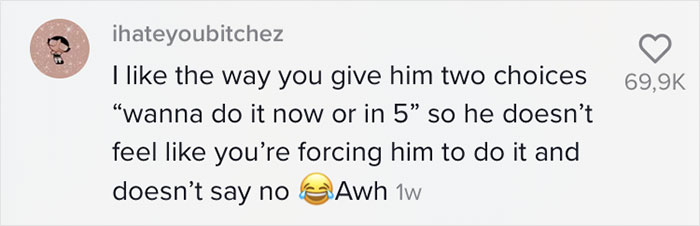
And one mother from Chicago is taking the concept to a whole other level with her toddler and baby. She’s teaching her children about consent and body autonomy in a very radical way: by introducing the concepts in every task that they do together every single day. From asking whether they want their hair brushed to gently nudging them to say whether he wants to brush his teeth now or in five minutes.
You’ll find 32-year-old teacher Alissa’s TikTok videos where she introduces her unique and emotionally intelligent style of parenting to the internet below.
@once.upon.a.mamaJust a few examples ✨ IG: once.upon.a.mama #momsoftiktok#momtok#parent#parenting#fyp#momlife#toddler#dadsoftiktok#mom#momsover30#momhack♬ Send Me on My Way – Vibe Street
Image credits: once.upon.a.mama
Image credits: once.upon.a.mama
Image credits: once.upon.a.mama
Image credits: once.upon.a.mama
Image credits: once.upon.a.mama
Image credits: once.upon.a.mama
Image credits: once.upon.a.mama
Image credits: once.upon.a.mama
Image credits: once.upon.a.mama
Image credits: once.upon.a.mama
Image credits: once.upon.a.mama
Image credits: once.upon.a.mama
Image credits: once.upon.a.mama
Image credits: once.upon.a.mama
Consent isn’t just about protecting one’s autonomy, however. It’s also an important part of justifying someone’s actions in various fields. “In standard cases, a person’s consent to another person’s acts removes moral or legal objections to or liability for the performance of those acts,” the Routledge Encyclopedia of Philosophy explains.
“Thus, in medical practice, the informed consent of a patient to a procedure can justify the physician’s actions. In law, the maxim ‘volenti non fit injuria’ (the willing person is not wronged) governs a wide range of acts and transactions, from the economic to the sexual. And in politics, it is often supposed that it is ‘the consent of the governed’ that justifies or makes permissible both governmental policies and the use of official coercion to compel obedience to law.”
The Routledge Encyclopedia of Philosophy explains the obvious fact that consent can be given in a variety of ways, ranging from very direct to less direct forms. However, its “binding force” always has to fulfill certain conditions, including “knowledge, intention, competence, voluntariness, and acceptability of content.”
@once.upon.a.mamaBuilding body autonomy & consent in babies & tots! #momsoftiktok#fyp#momlife#parent#parenting#momtok#dadsoftiktok#momsover30#momhack♬ Send Me on My Way – Vibe Street
Image credits: once.upon.a.mama
Image credits: once.upon.a.mama
Image credits: once.upon.a.mama
Image credits: once.upon.a.mama
Image credits: once.upon.a.mama
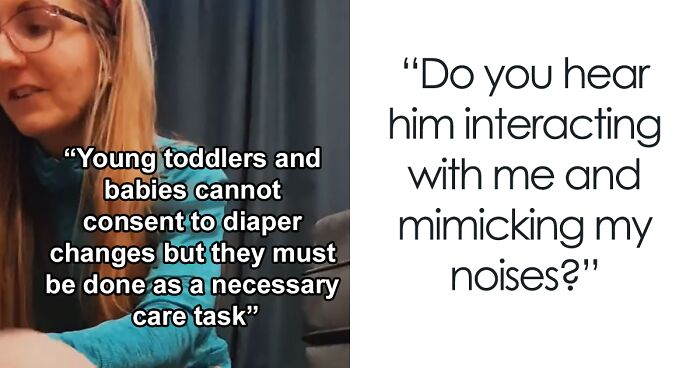
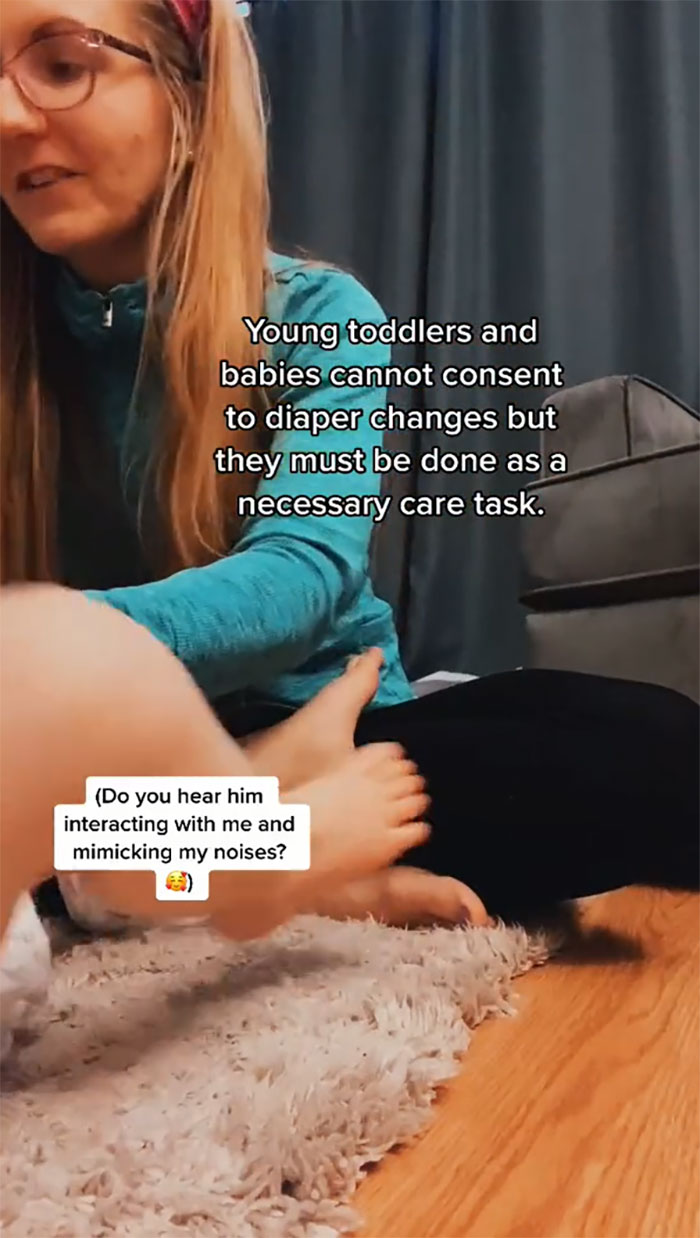
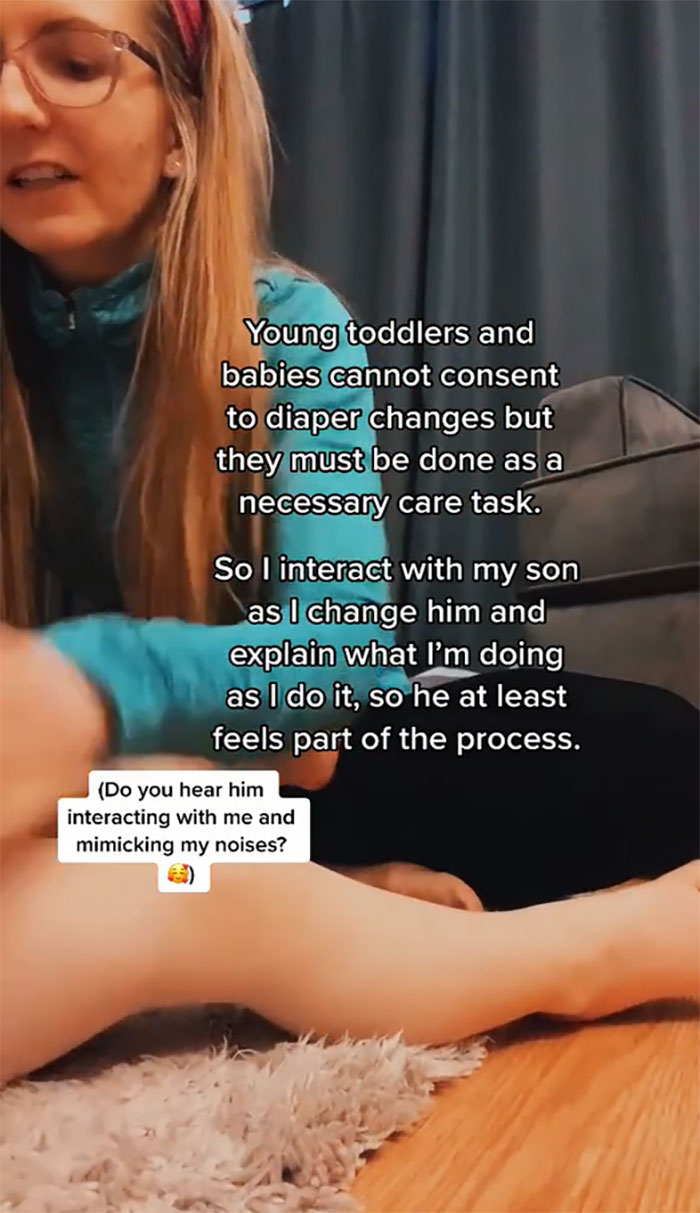
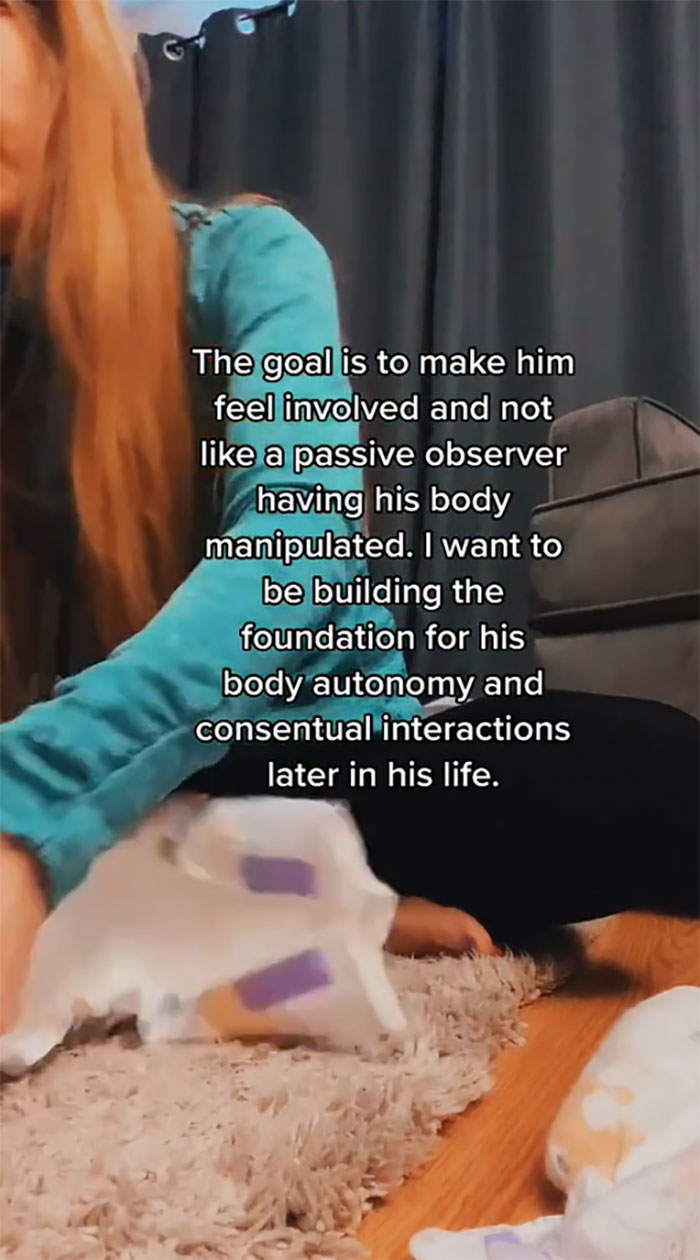
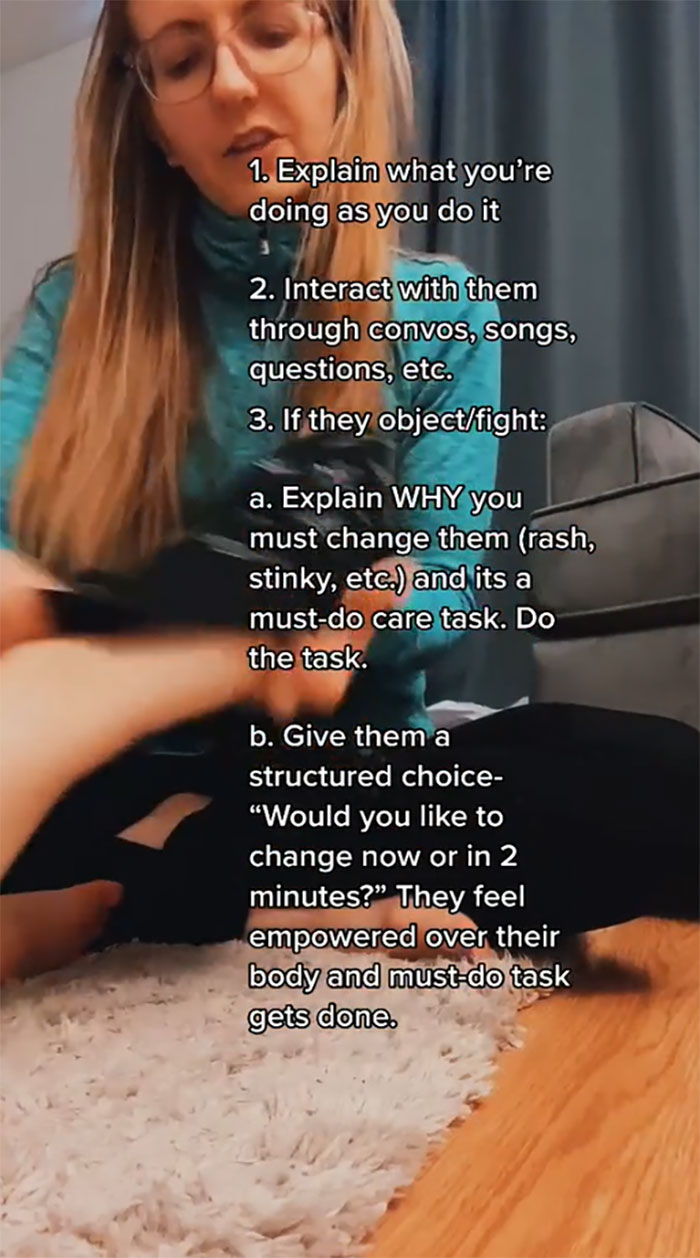
Of course, not all tasks can have a child’s consent because they simply don’t understand its importance. One of these is changing diapers. However, Alissa walks her younger child through the entire process to make him feel involved and to make sure that he understands what’s going on.
Alissa told PopSugar that teaching kids consent teaches them that their body is theirs and that other people’s bodies belong to those people.
“It helps to protect children from future abuse and teaches them to respect the boundaries of others. Even parents can make children feel uncomfortable when the touch is not wanted. My videos are geared toward parents and future parents to help them understand the importance of not only respecting their children’s boundaries but doing so in a way that parenting can still be done as well.”
What do you think of Alissa’s parenting style, dear Pandas? Is it the right way to move forward or does it change parent-child relationships too much? Is there anything that you’d improve? How important do you think it is to teach kids body autonomy and consent from an early age? Share your thoughts (and experiences with parenting!) in the comment section below.
71Kviews
Share on Facebook
I would generalize this even further. This is about respect, not limited to consent. Many people believe that children below a certain age have no opinion, and "do not really know what they want". Babies may not be able to discern what is good for them, but from day one on they know what they want. This does not mean that they are the ones to give the commands...but they deserve respect, from day one on. And they deserve that we look for the cues to understand this. When I changed my newborn's first diaper, I explained what I was doing. I have in the meantime changed many diapers while facing resistance (particularly funny with a barrel role performed with a half-opened, completely full diaper) but never have I used my superior strength to simply enforce it. That is tiring sometimes, but I believe that if we want adults to embrace "my body, my choice" we need to give children the assurance that their body also means their choice.
This also resonates in the thinking about "Give aunty a kiss". If the child does not want, this is to be respected and never to be questioned. The baby turns away when the grandparents want to caress it? Shelter it instead of "providing" it to the grandparents! Even giving love requires consent from the receiving side – although it seldom will be a "yes" or "no" from a small child, but they very well can express their concept of consent if we only look for it.
Load More Replies...
I think tickling is a major one. So many adults continue tickling a kid when the child is asking them to stop... once my kids said "stop" I immediately stopped. I remember when my daughter was young she asked me "why doesn't ___ stop when I tell him to stop tickling me?", because she was used to being respected in our house. I had to really think on how to strategically answer that one.
When I was 7, my uncle tickled me so much that it really hurt me. I vividly remember the pain and how he wouldn’t stop, thinking I was enjoying it. I can picture it clear as day. And the relief when I was able to run away. I love my uncle. He’s like one of my favorite people and I know he didn’t mean to hurt me. He just didn’t know any better. And now as an adult almost 30 years later, I am so intensely ticklish that i can’t even be touched or caressed gently in certain areas. I don’t know what happened but it just broke something in me and I’m possibly the most ticklish person on planet earth. I hate it so much. I miss out on certain things because of how ticklish I am.
Load More Replies... I would generalize this even further. This is about respect, not limited to consent. Many people believe that children below a certain age have no opinion, and "do not really know what they want". Babies may not be able to discern what is good for them, but from day one on they know what they want. This does not mean that they are the ones to give the commands...but they deserve respect, from day one on. And they deserve that we look for the cues to understand this. When I changed my newborn's first diaper, I explained what I was doing. I have in the meantime changed many diapers while facing resistance (particularly funny with a barrel role performed with a half-opened, completely full diaper) but never have I used my superior strength to simply enforce it. That is tiring sometimes, but I believe that if we want adults to embrace "my body, my choice" we need to give children the assurance that their body also means their choice.
This also resonates in the thinking about "Give aunty a kiss". If the child does not want, this is to be respected and never to be questioned. The baby turns away when the grandparents want to caress it? Shelter it instead of "providing" it to the grandparents! Even giving love requires consent from the receiving side – although it seldom will be a "yes" or "no" from a small child, but they very well can express their concept of consent if we only look for it.
Load More Replies... I think tickling is a major one. So many adults continue tickling a kid when the child is asking them to stop... once my kids said "stop" I immediately stopped. I remember when my daughter was young she asked me "why doesn't ___ stop when I tell him to stop tickling me?", because she was used to being respected in our house. I had to really think on how to strategically answer that one.
When I was 7, my uncle tickled me so much that it really hurt me. I vividly remember the pain and how he wouldn’t stop, thinking I was enjoying it. I can picture it clear as day. And the relief when I was able to run away. I love my uncle. He’s like one of my favorite people and I know he didn’t mean to hurt me. He just didn’t know any better. And now as an adult almost 30 years later, I am so intensely ticklish that i can’t even be touched or caressed gently in certain areas. I don’t know what happened but it just broke something in me and I’m possibly the most ticklish person on planet earth. I hate it so much. I miss out on certain things because of how ticklish I am.
Load More Replies...















 No fees, cancel anytime













201
82