Get Premium
Dark mode theme is available exclusively for premium users. Learn more about the benefits of subscribing.
No fees, cancel anytime.

 Dark Mode Ad-Free Browsing Unlimited Content
 Ad-Free Browsing Unlimited Content Dark Mode
Join 1.2 million Panda readers who get the best art, memes, and fun stories every week!
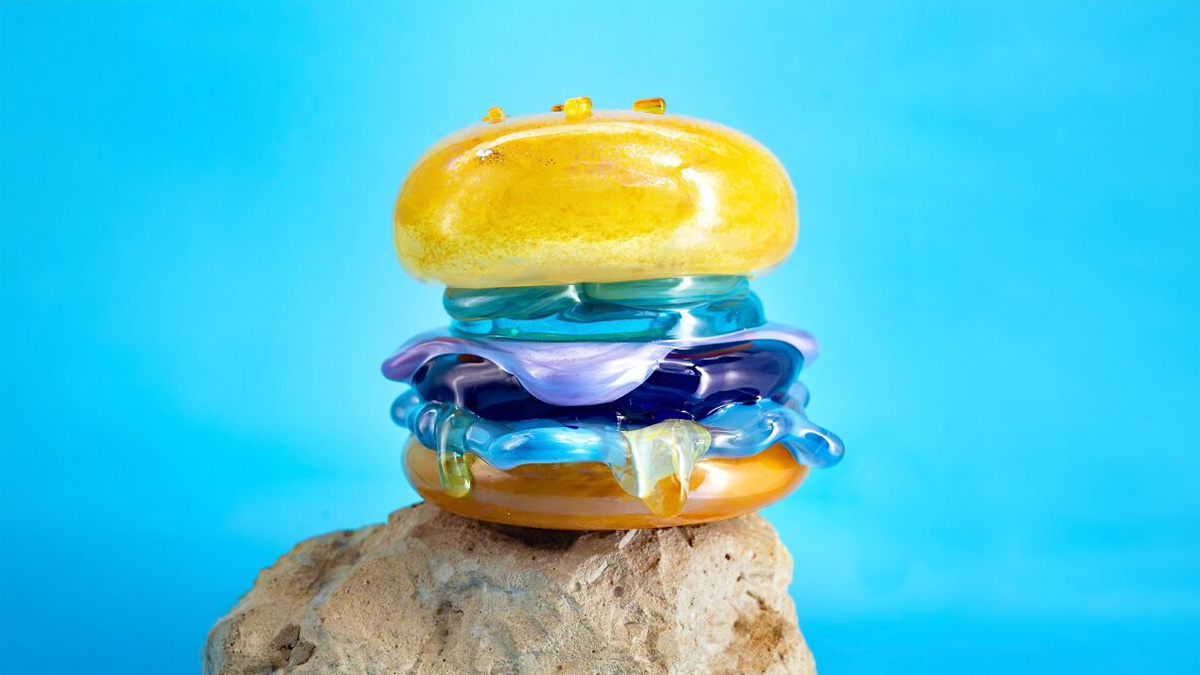
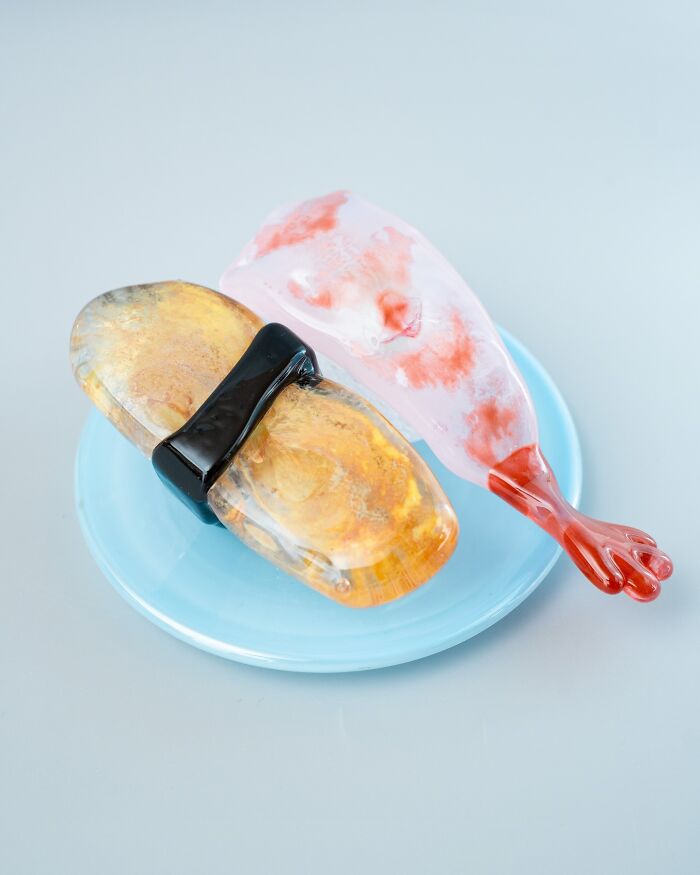
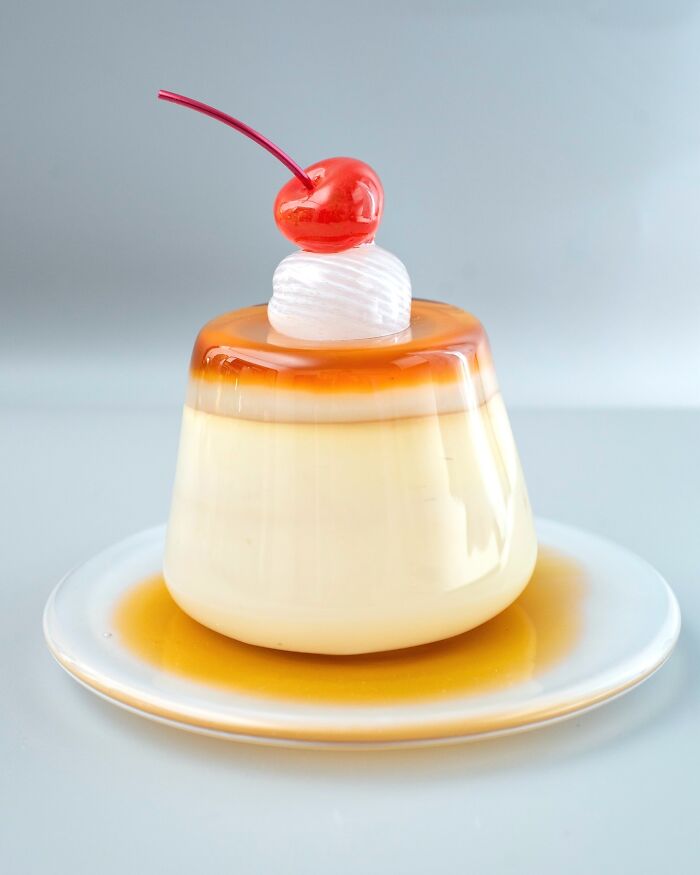
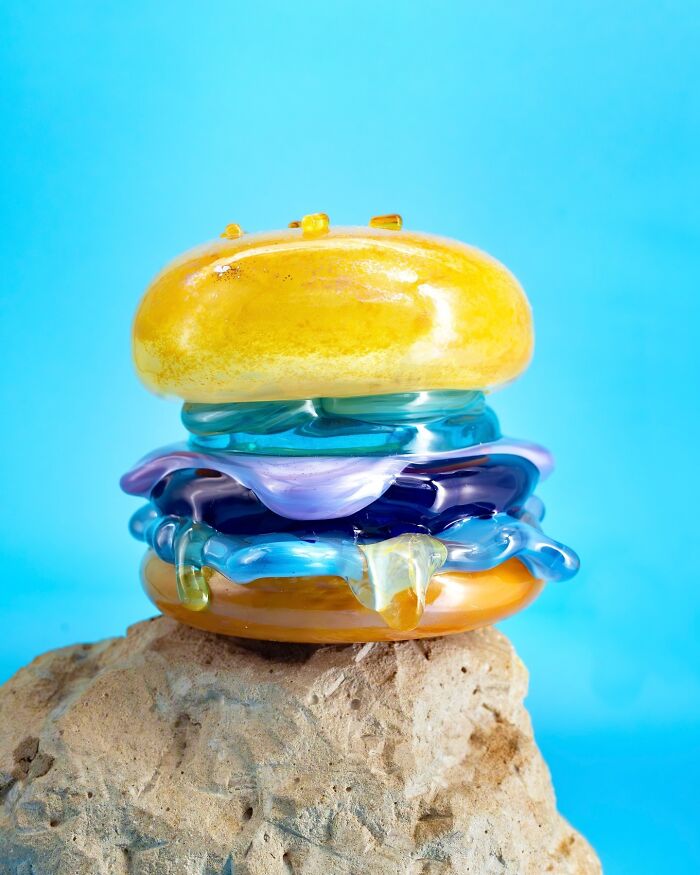
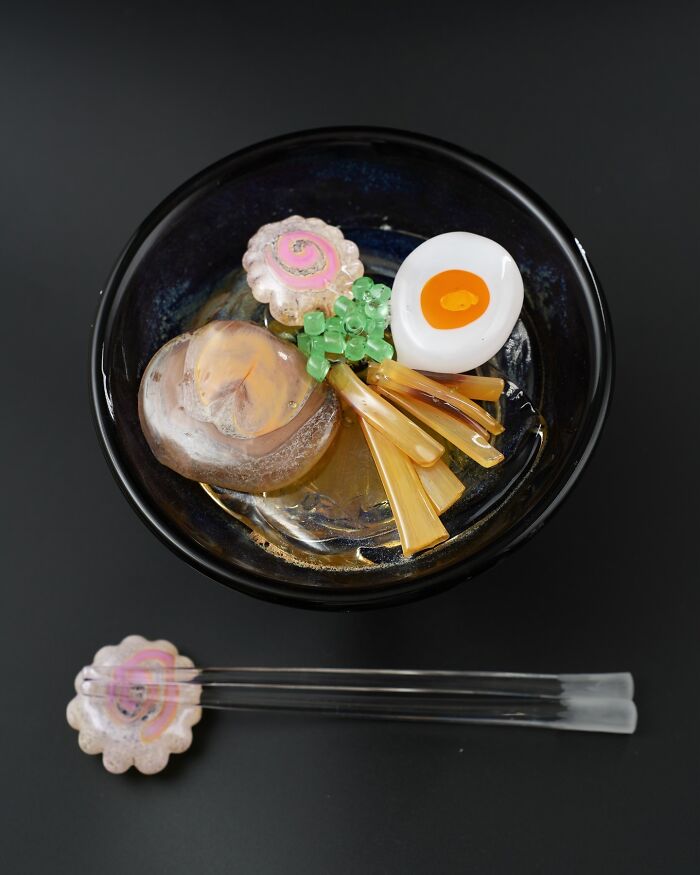
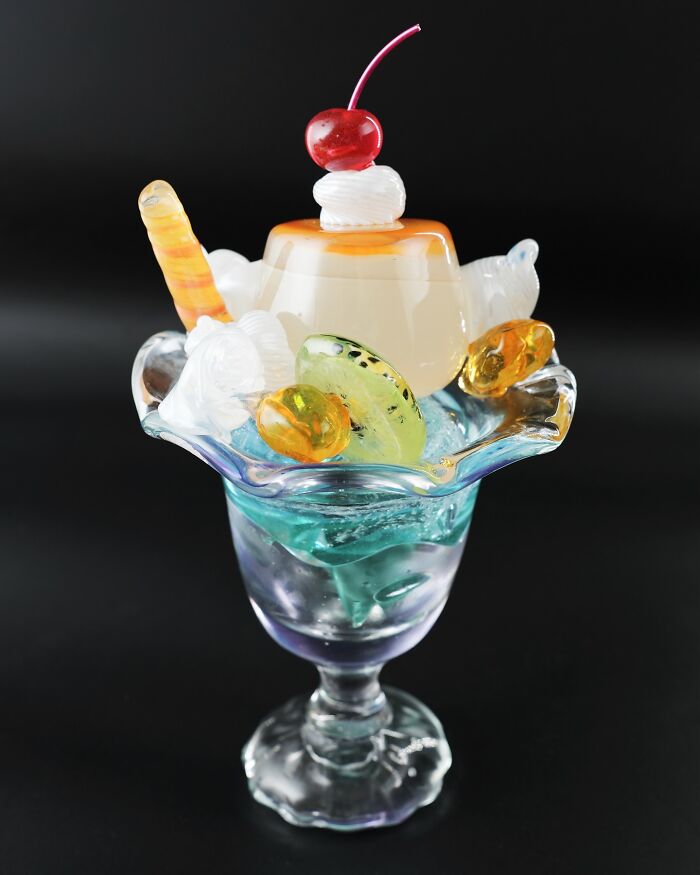
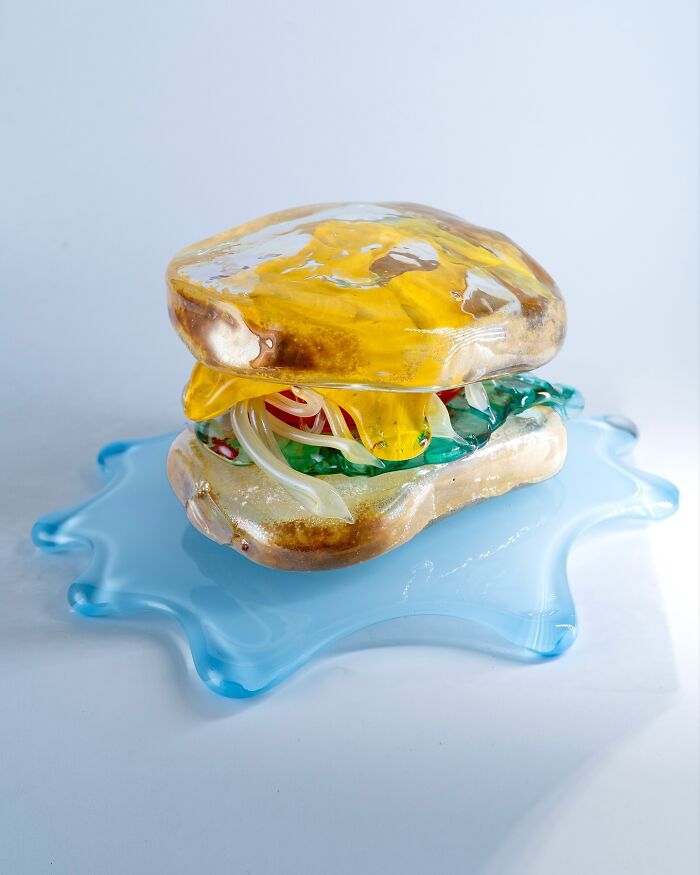
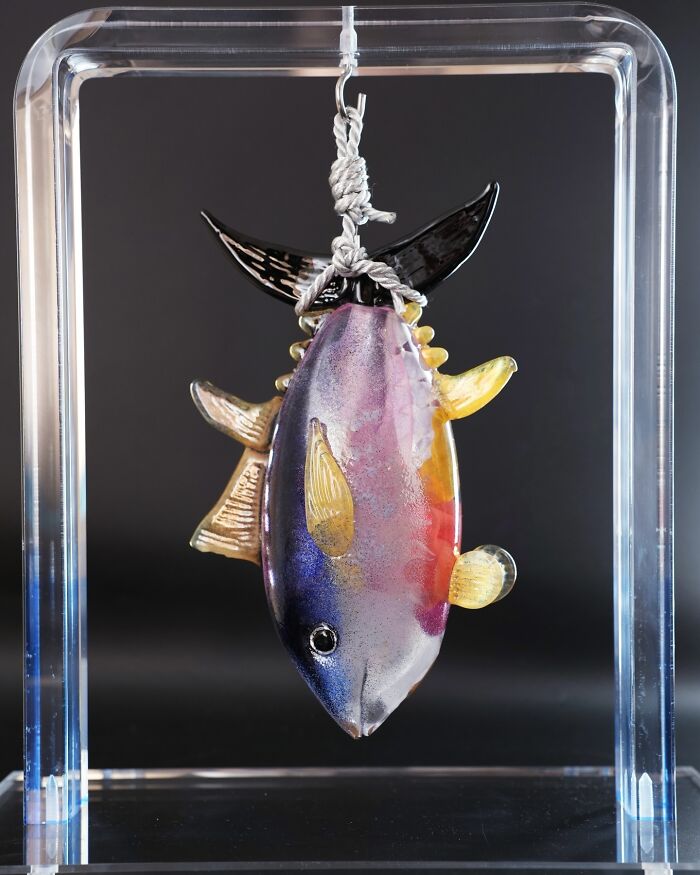
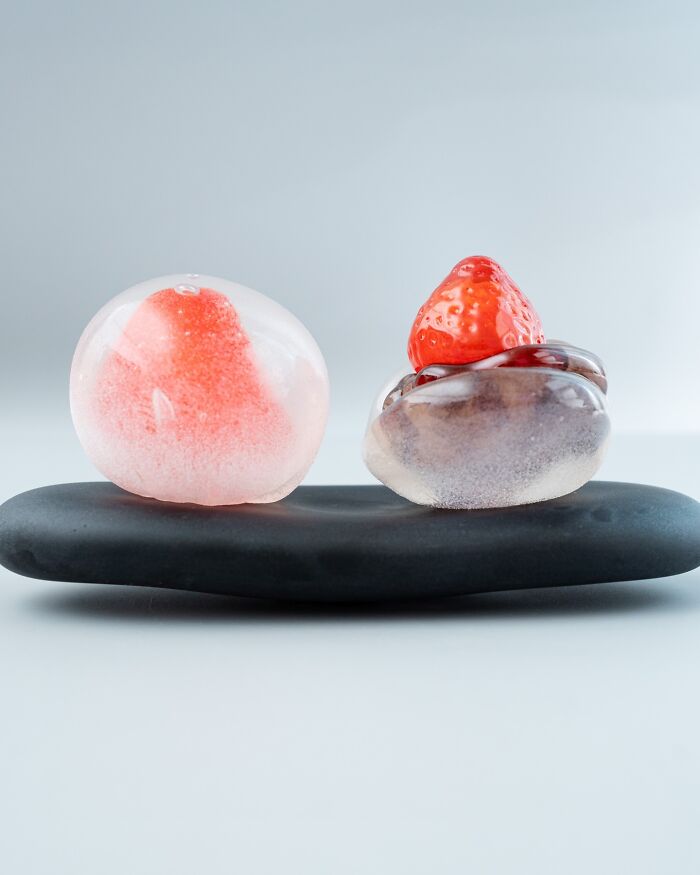
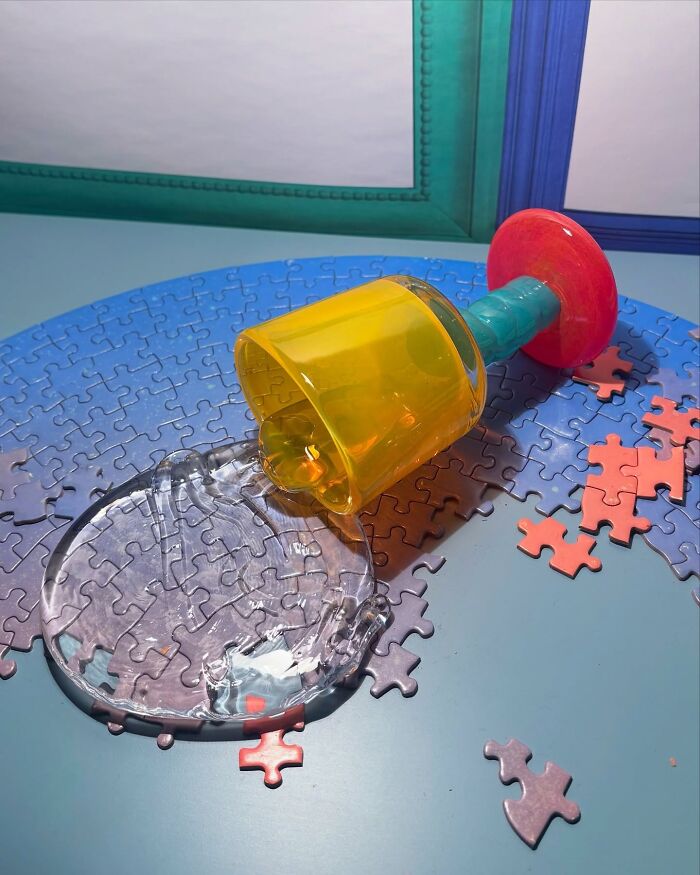
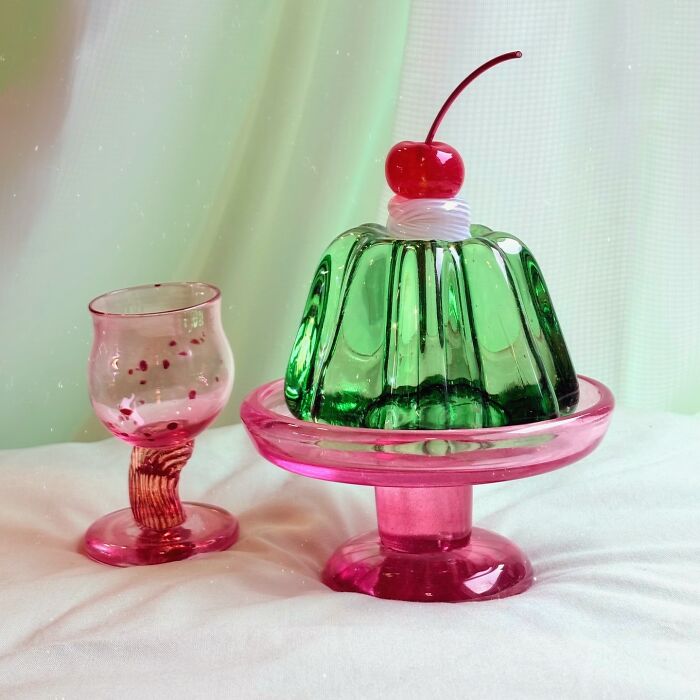
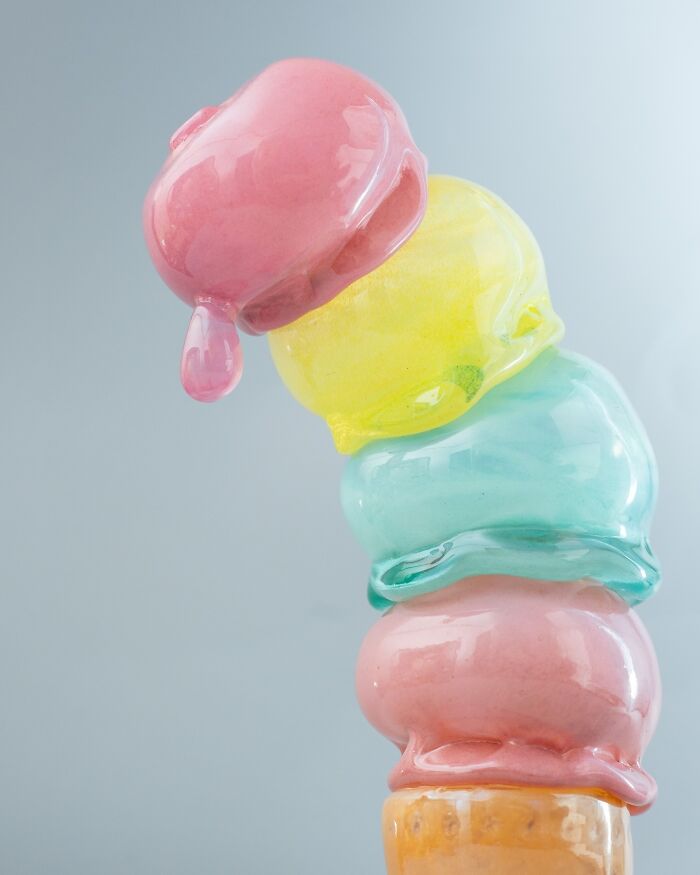
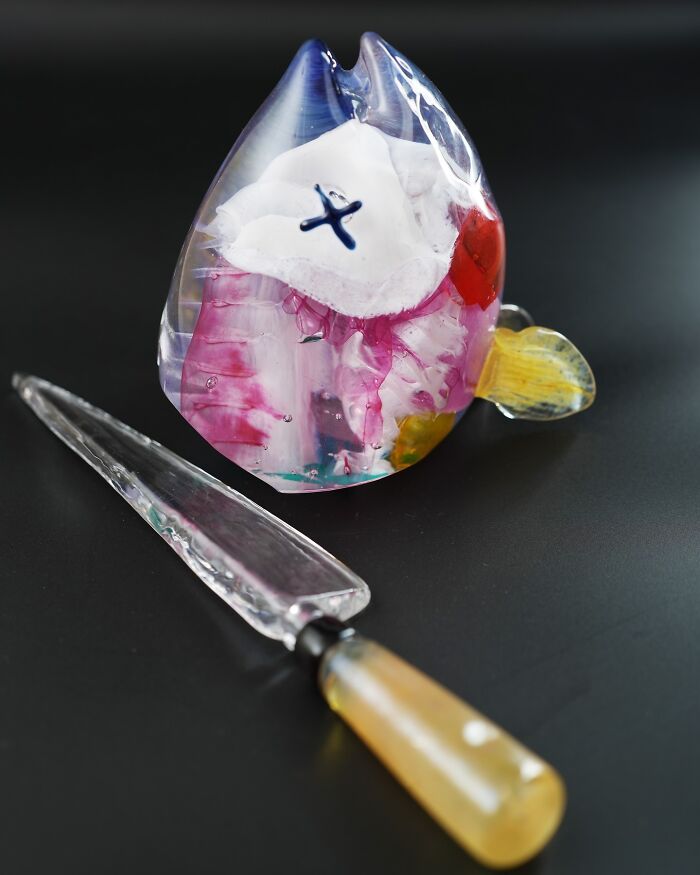
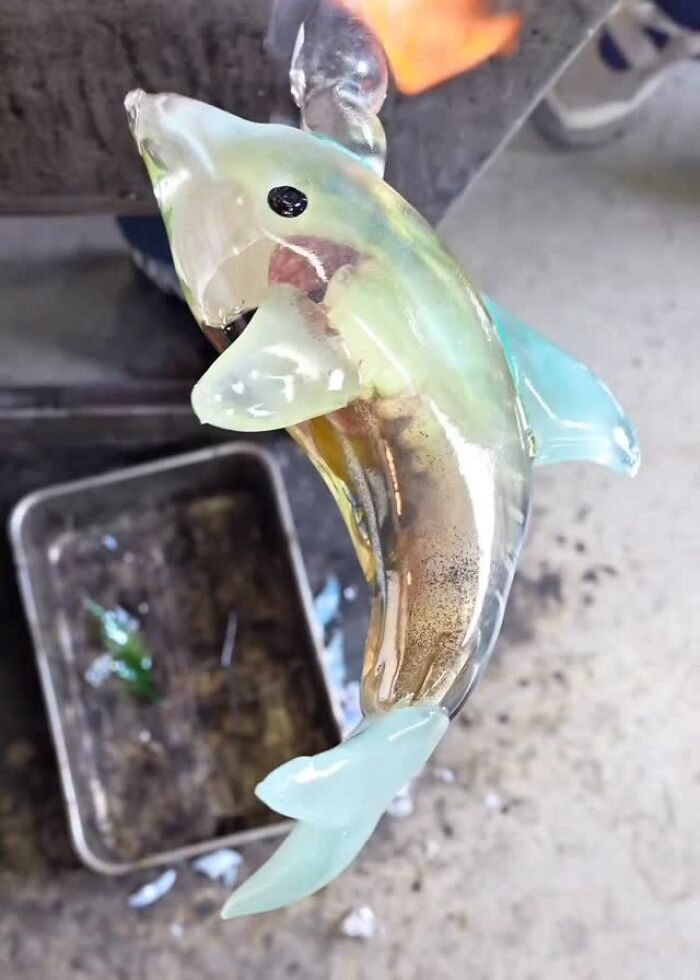
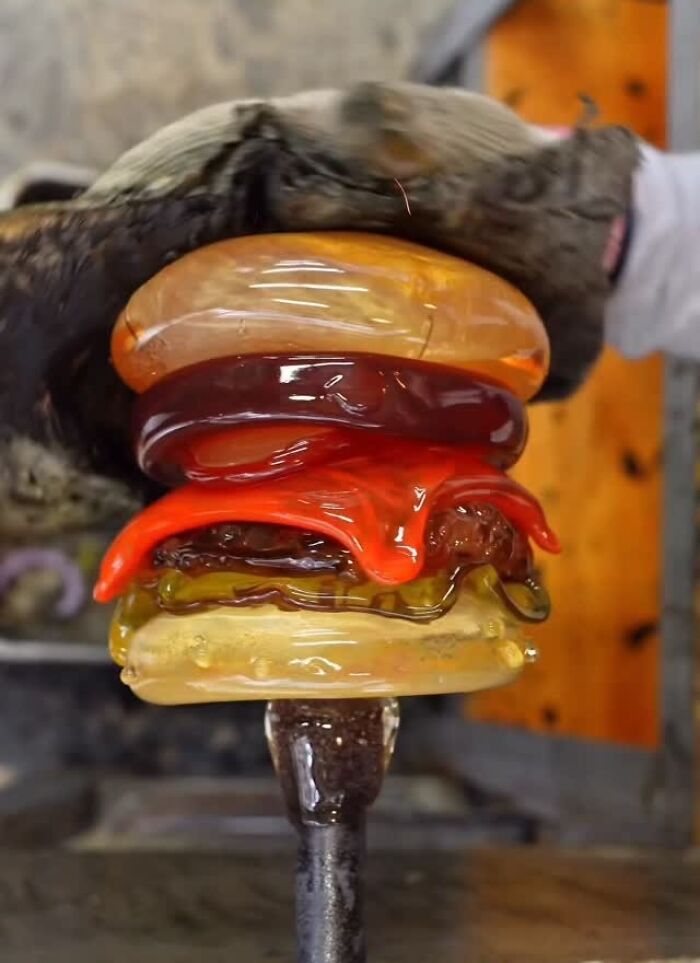
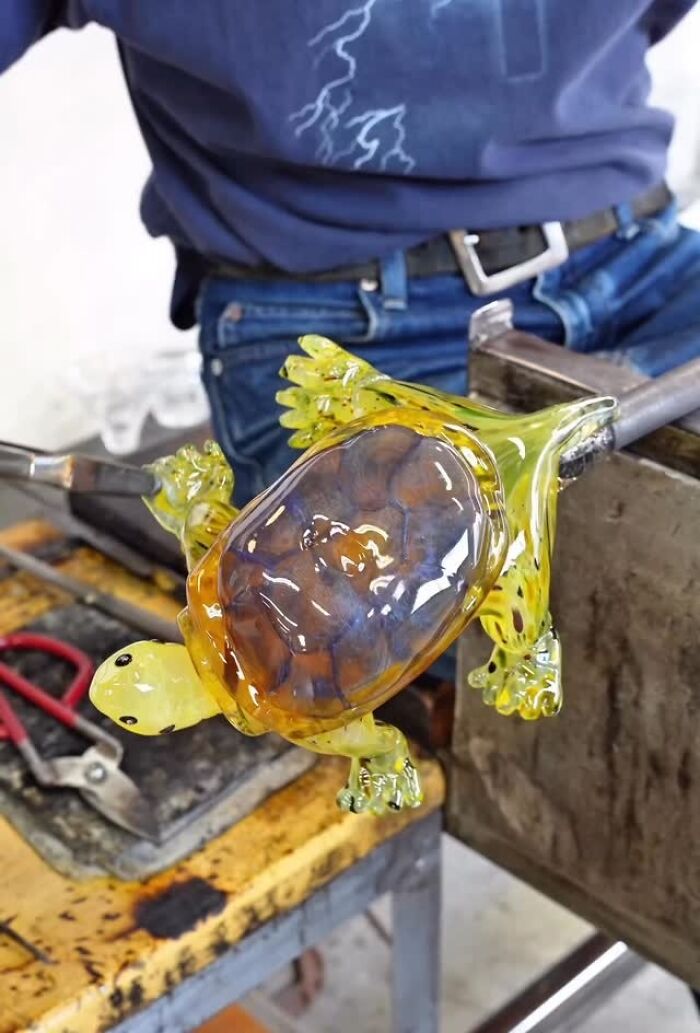
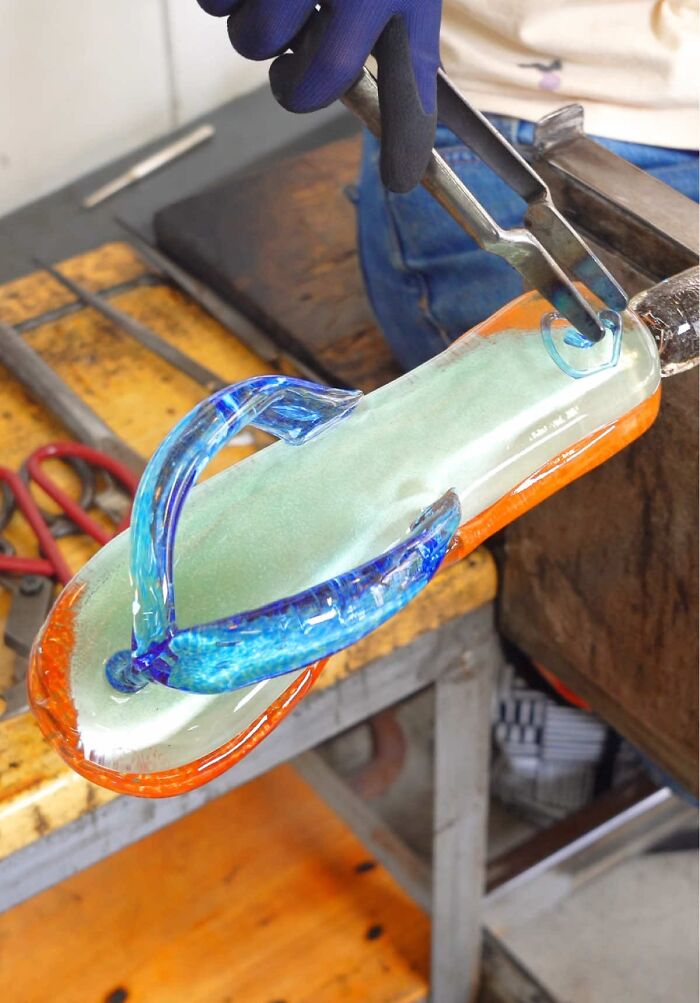
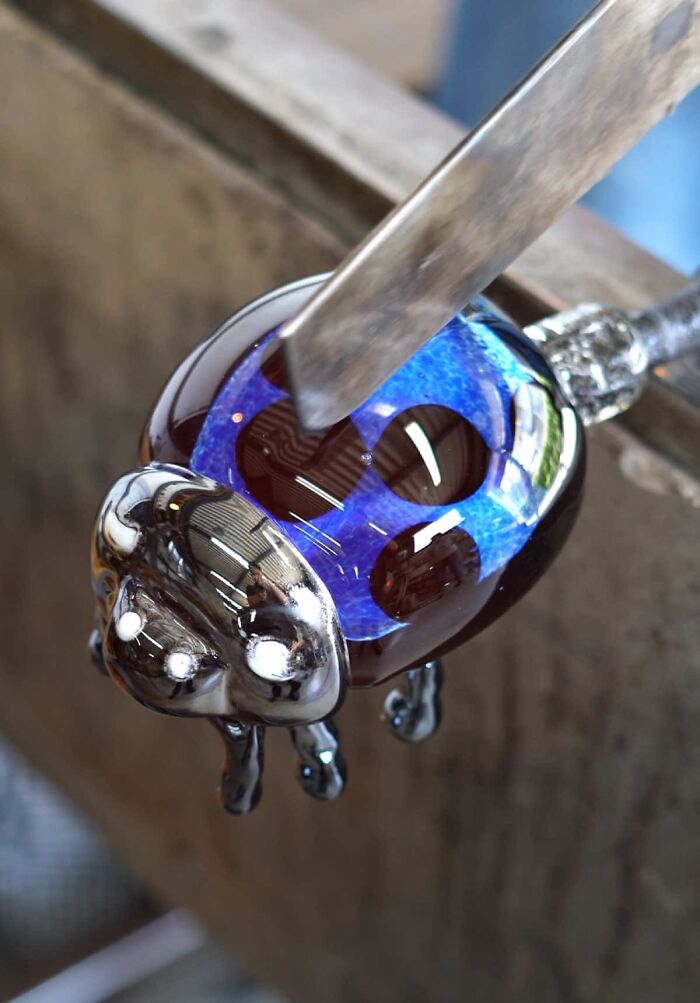
At first glance, Miwa Ito's creations look like they belong in the display case of a bakery or on the counter of a ramen shop. Fluffy pancakes topped with butter, glistening slices of sashimi, steaming bowls of noodles, delicate pastries, and glossy fruit all appear convincingly edible. Only after taking a closer look does the illusion reveal itself: every ingredient, garnish, and drop of sauce is made entirely of glass.
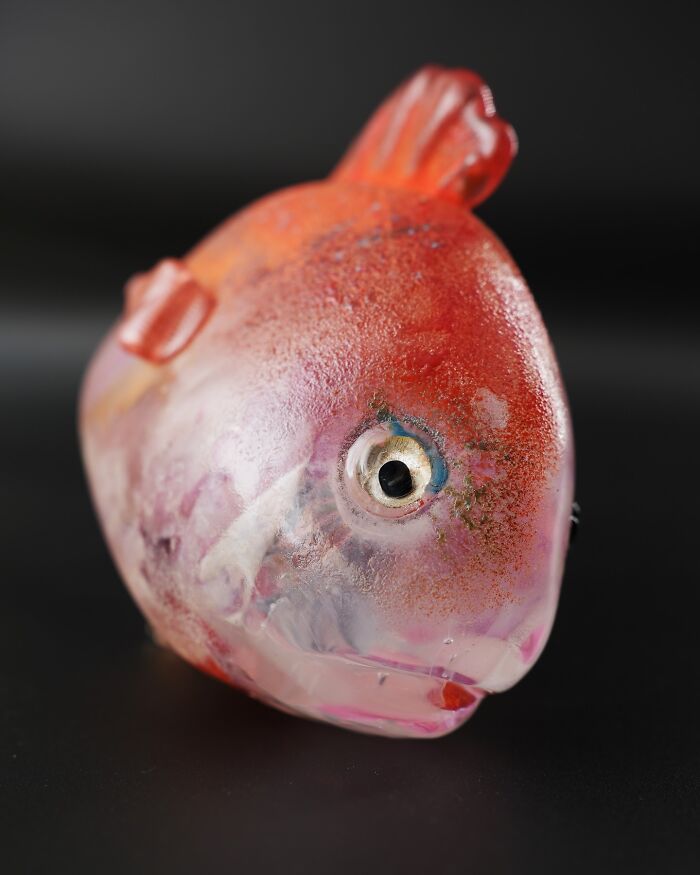
The Osaka-based artist has become known for transforming one of the world's most unforgiving materials into remarkably lifelike food sculptures. Working with molten glass at temperatures exceeding 1,000°C, Ito combines traditional glassblowing techniques with meticulous craftsmanship to recreate the colors, textures, and subtle imperfections that make real food look so appetizing. Her work sits somewhere between fine art, craftsmanship, and optical illusion, leaving viewers questioning what they're actually looking at.
More info: Instagram | miwaito.info
This post may include affiliate links.
Ito's fascination with glass began at an early age, but it wasn't until she enrolled at Kindai University that she discovered glassblowing and decided to pursue it professionally. Since graduating in 2018, she has steadily built a reputation for both functional glassware and sculptural pieces, though it is her astonishingly realistic food that has attracted the widest audience. Today, hundreds of thousands of people follow her work online, where videos of glowing molten glass gradually transforming into seemingly edible creations regularly captivate millions of viewers.
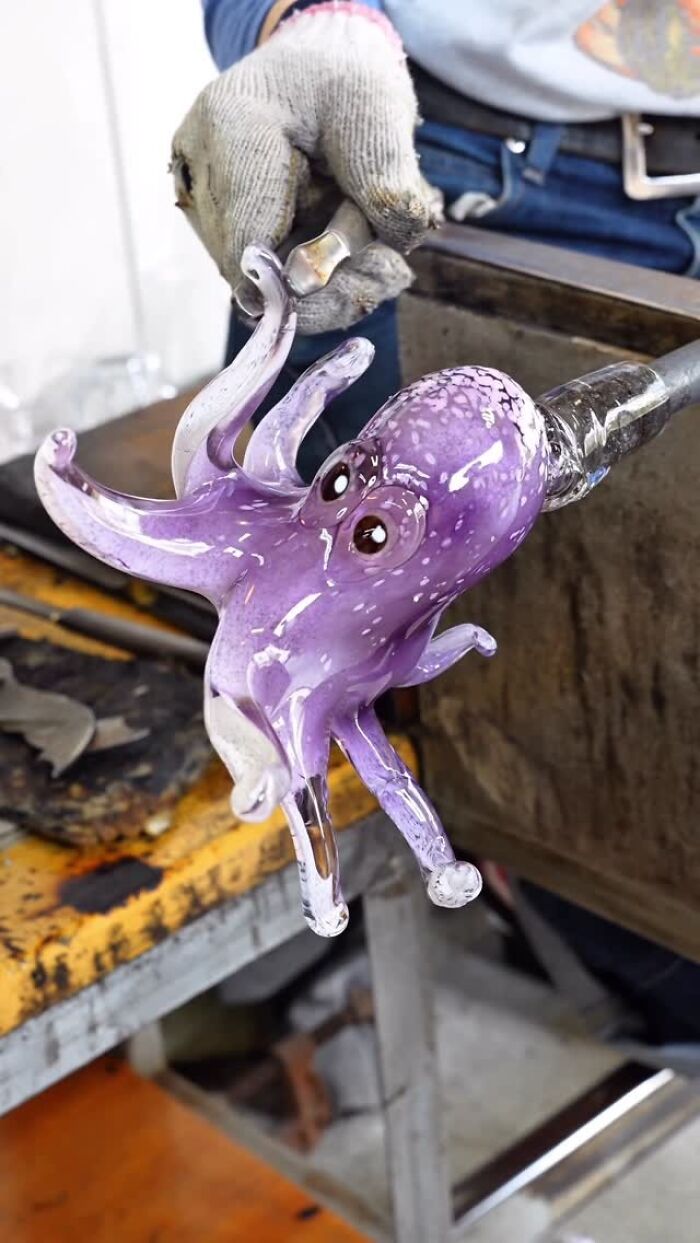
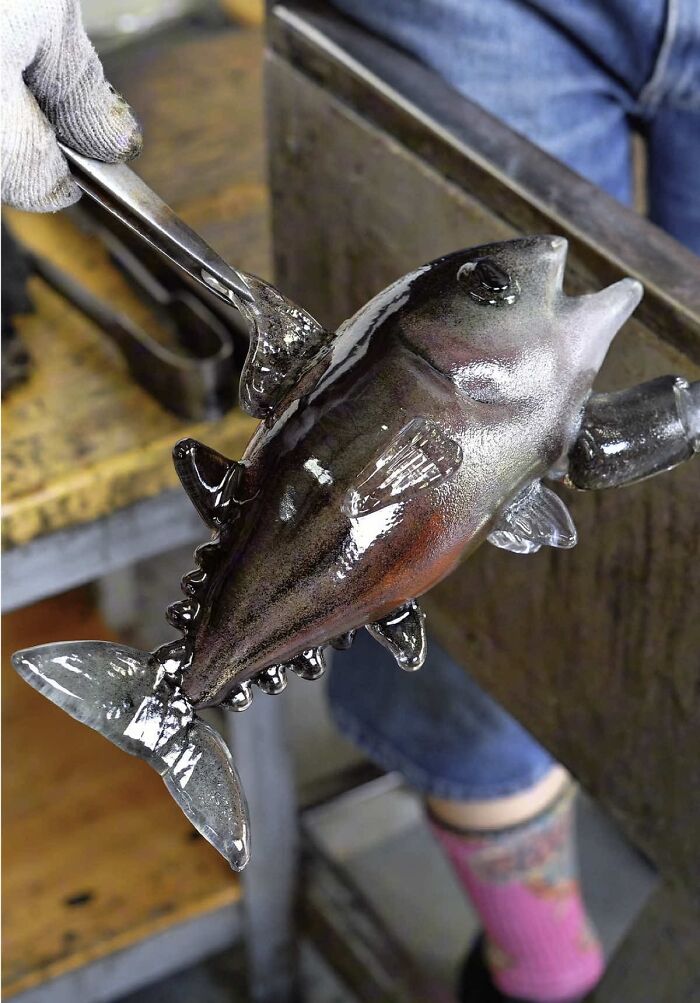
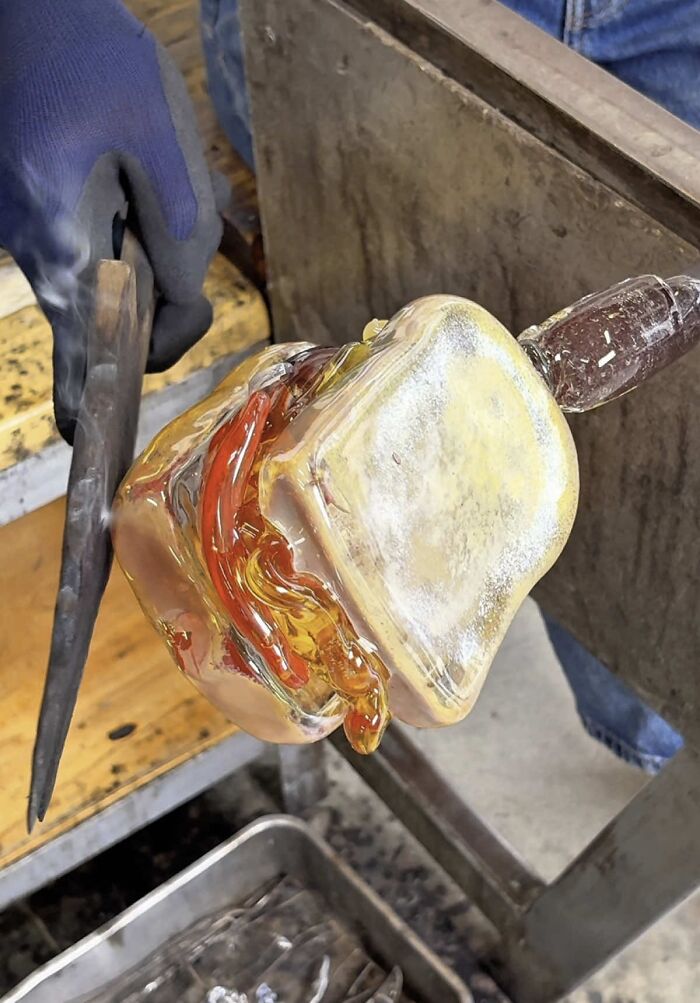
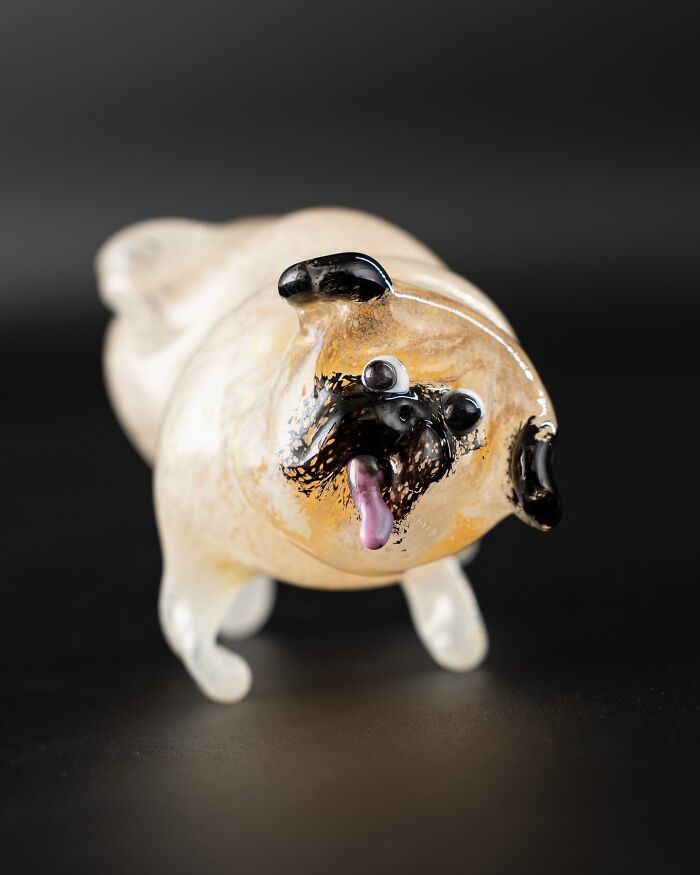
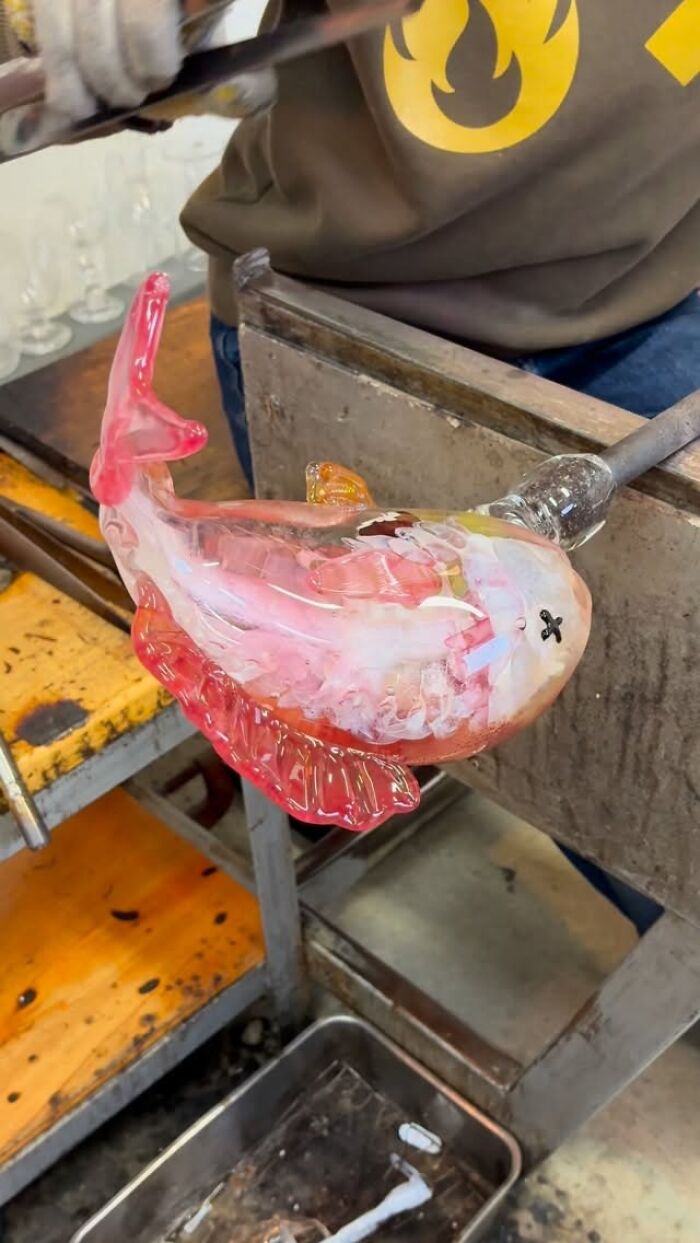
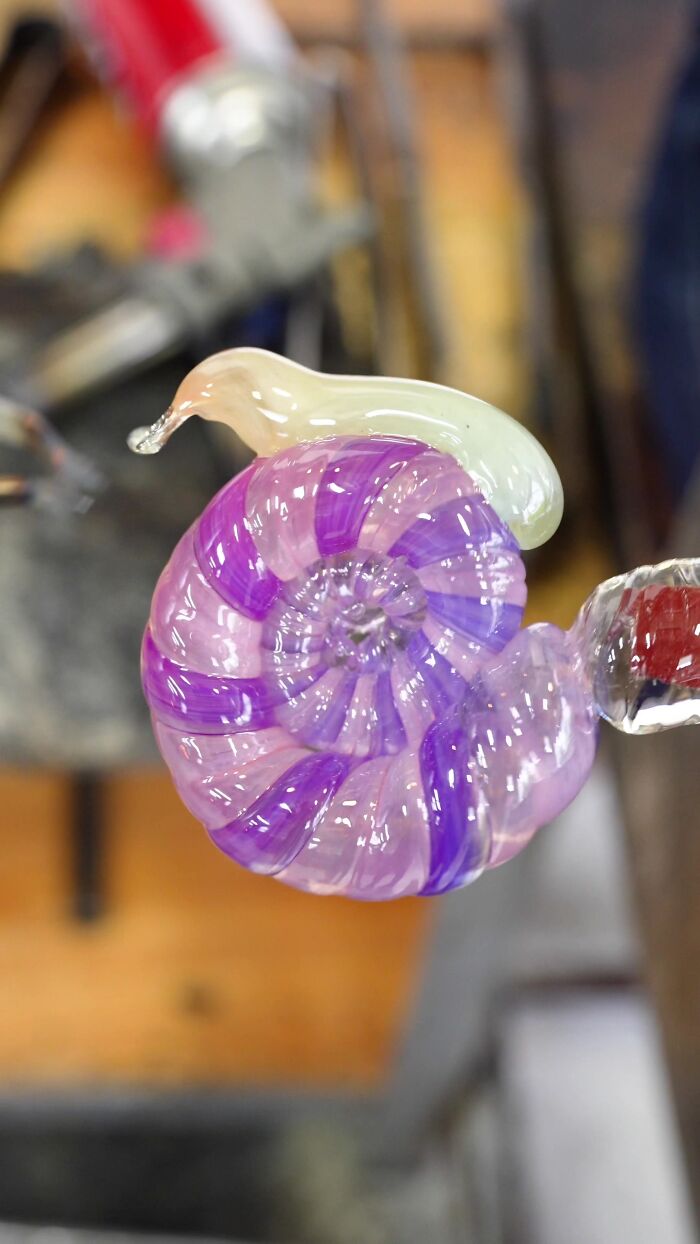
Every sculpture begins with a gather of molten glass at the end of a blowpipe. Working within minutes before the material cools and hardens, Ito stretches, shapes, layers, and colors the glass by hand, carefully building everything from translucent noodles and glossy egg yolks to airy whipped cream, toasted bread, and dripping syrup. Rather than striving for photographic perfection, she recreates the small irregularities that make food feel freshly prepared, giving each piece a surprising sense of realism despite its solid glass construction.
Many of these works belong to her ongoing "Itadakimasu" series, named after the Japanese expression traditionally said before a meal as a way of expressing gratitude for the food and everyone involved in bringing it to the table. By recreating familiar dishes in glass, Ito elevates everyday meals into lasting works of art while inviting viewers to appreciate both the beauty of ordinary food and the remarkable possibilities of her chosen medium.



























 No fees, cancel anytime