Get Premium
Dark mode theme is available exclusively for premium users. Learn more about the benefits of subscribing.
No fees, cancel anytime.

 Dark Mode Ad-Free Browsing Unlimited Content
 Ad-Free Browsing Unlimited Content Dark Mode
Join 1.2 million Panda readers who get the best art, memes, and fun stories every week!
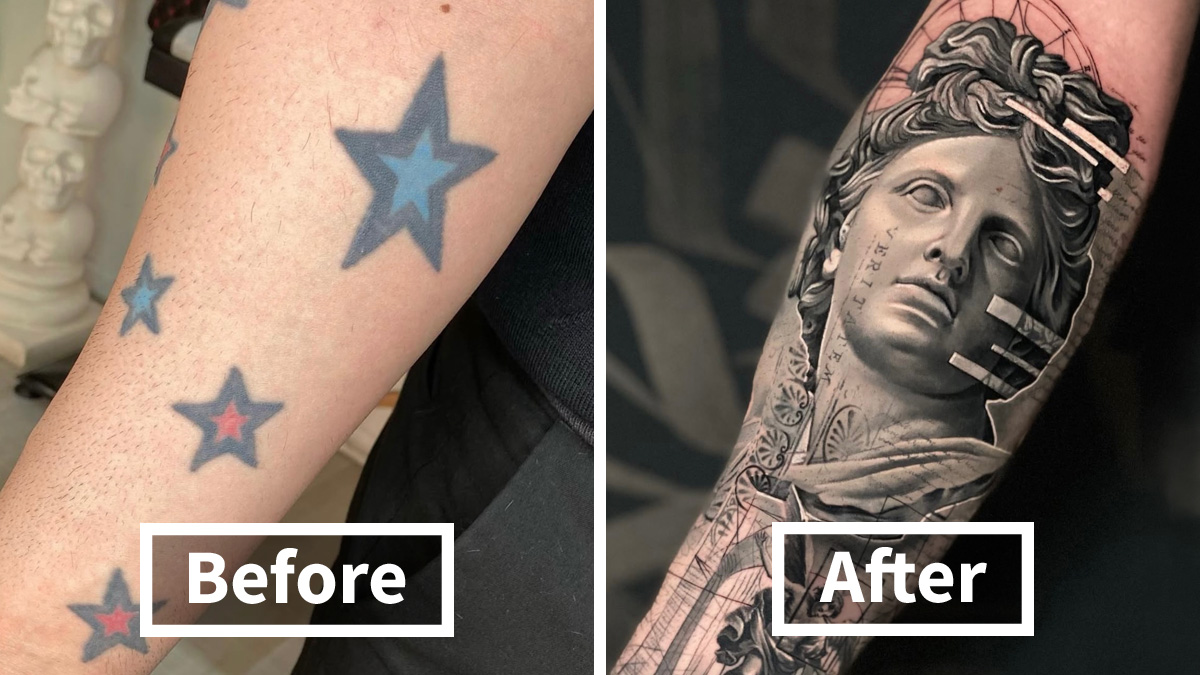
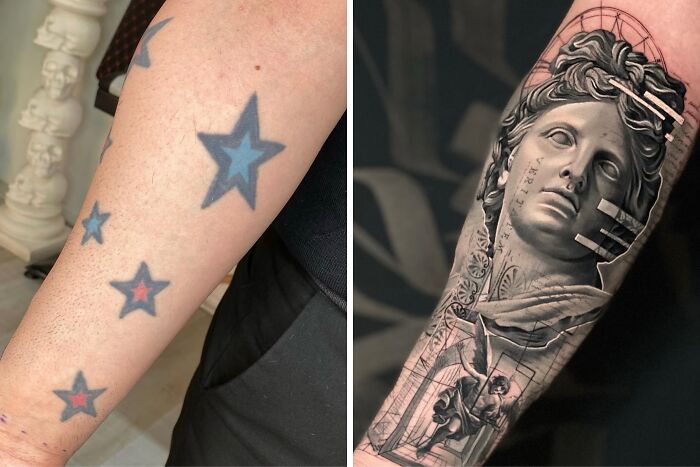
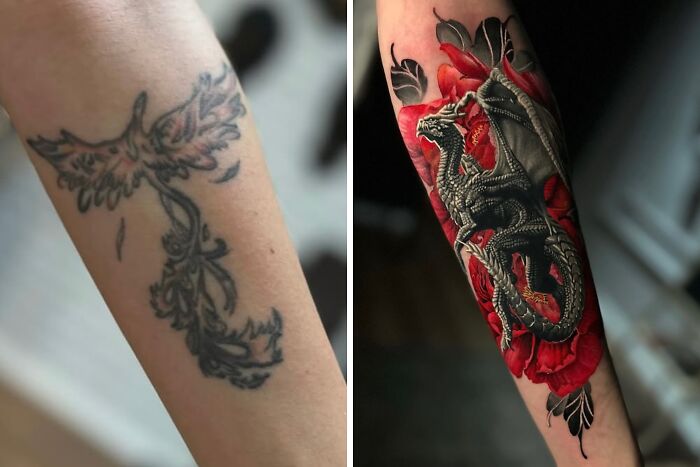
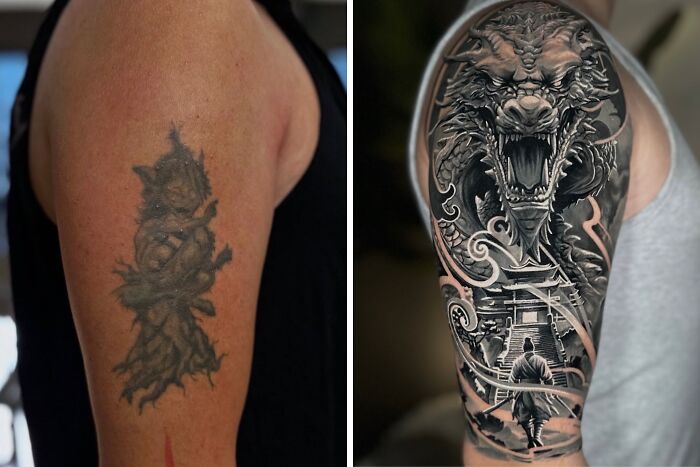
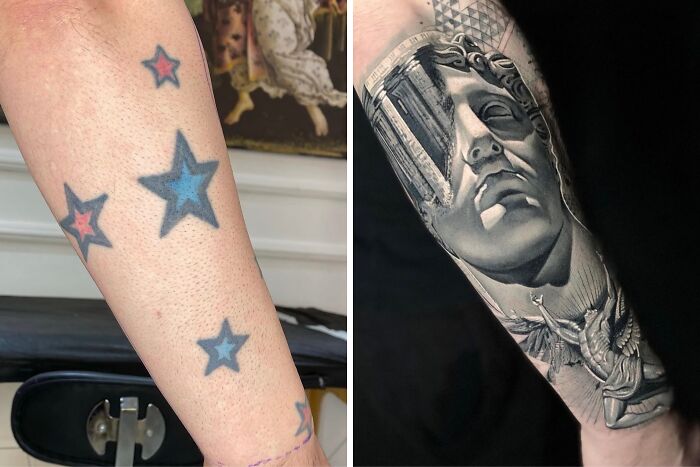
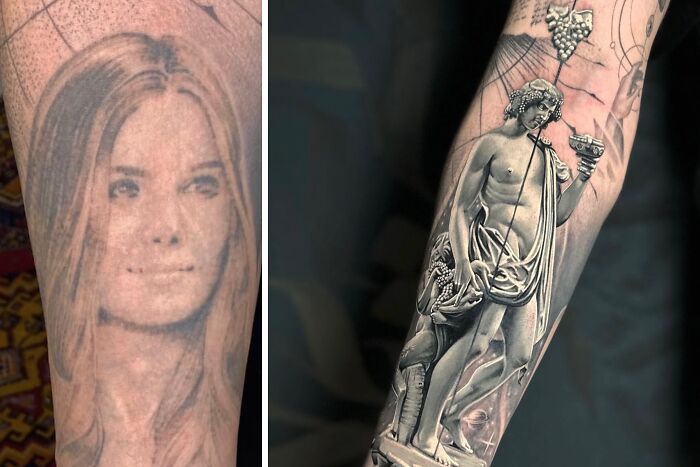
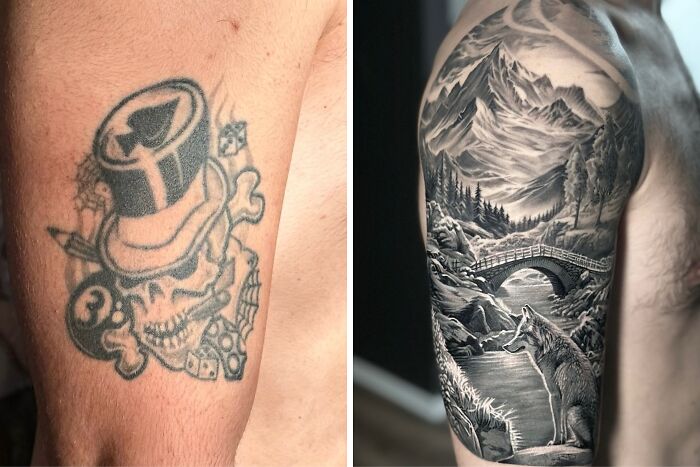
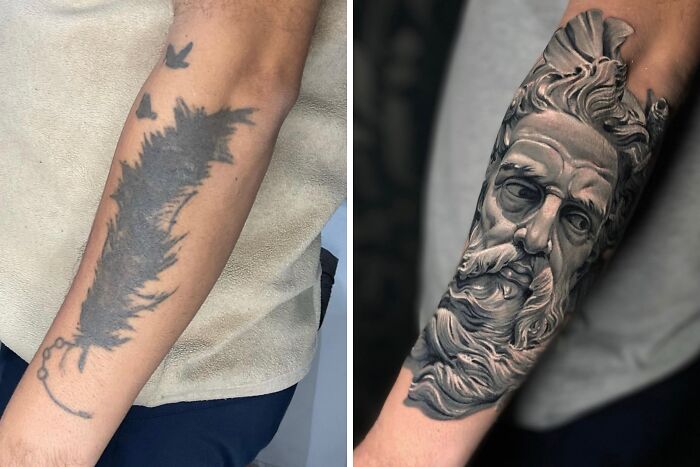
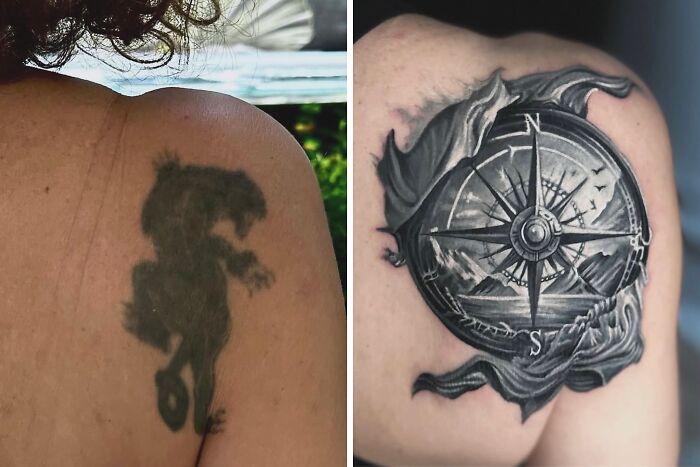
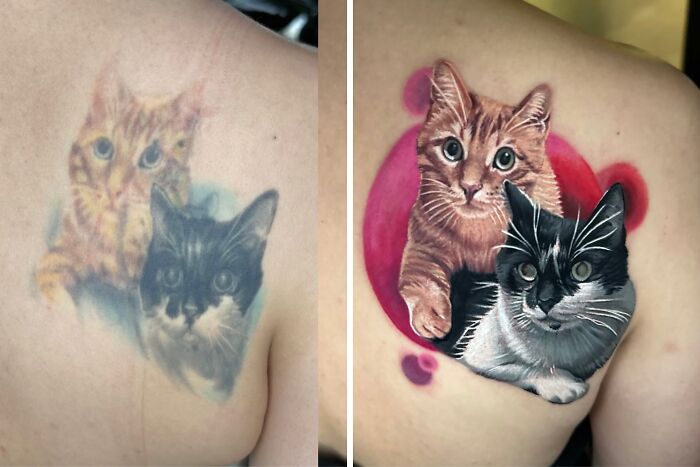
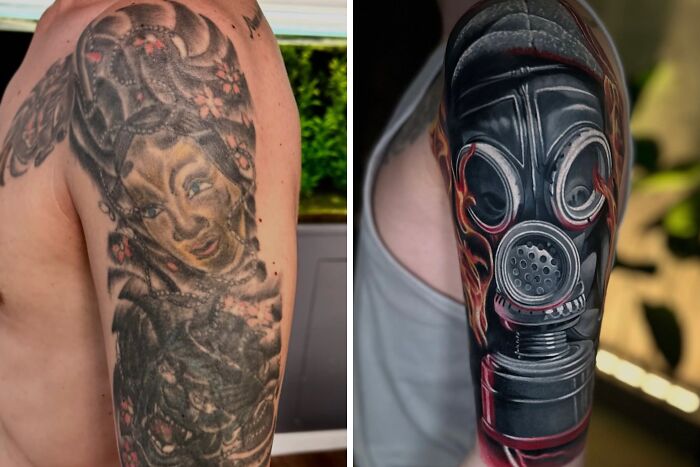
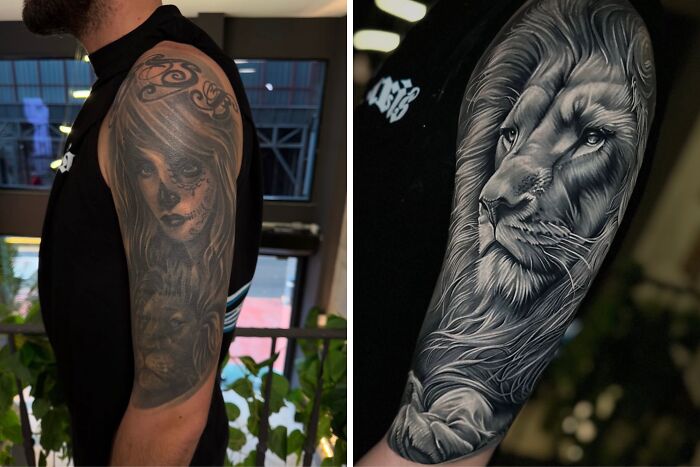
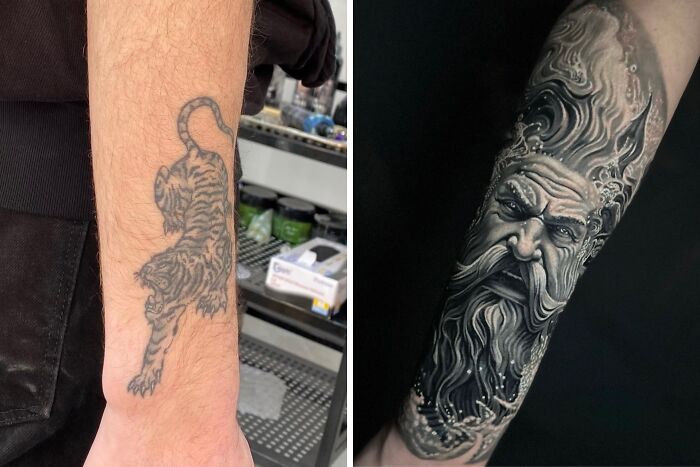
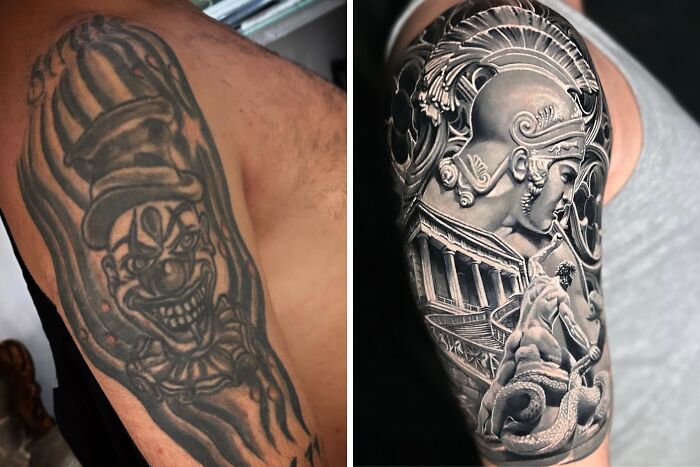
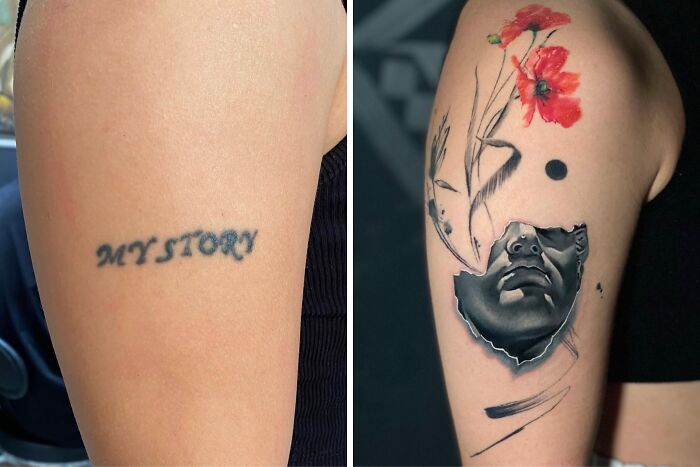
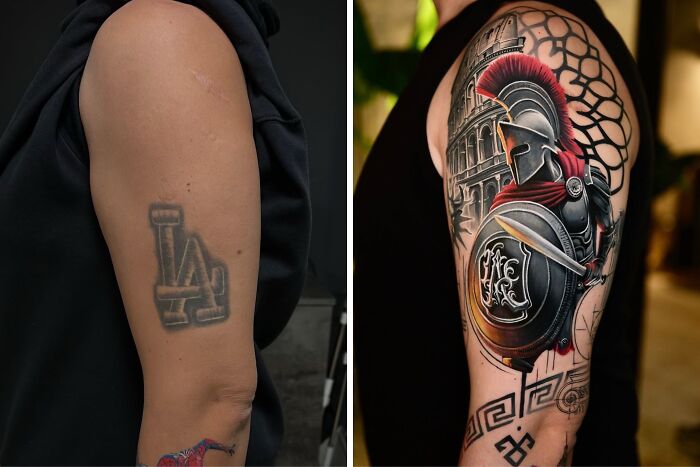
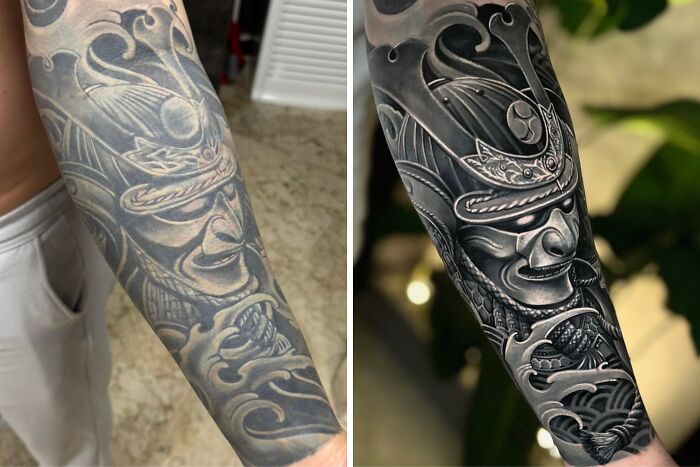
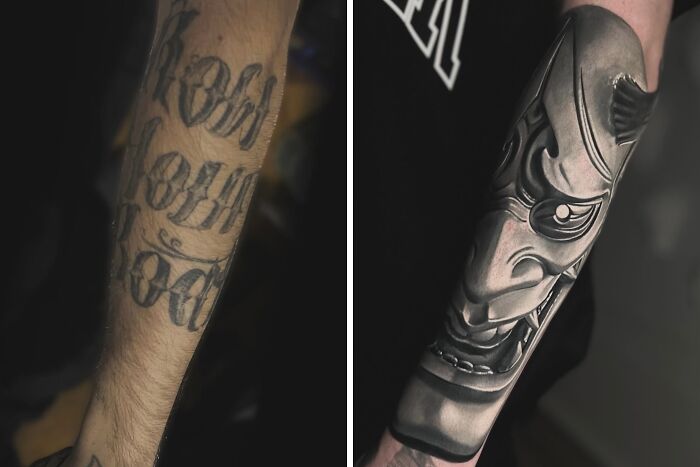
Scars and unwanted tattoos often carry deeply personal stories, but covering them successfully requires far more than artistic talent. Unlike creating a tattoo on untouched skin, cover-up work demands an understanding of anatomy, scar tissue, pigment behavior, and how different skin textures heal over time. Every design must work within the limitations of what already exists, making it one of the most technically demanding disciplines in tattooing.
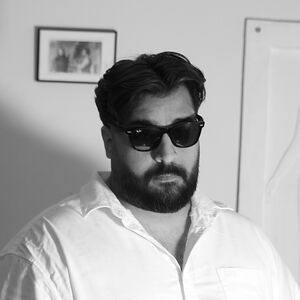
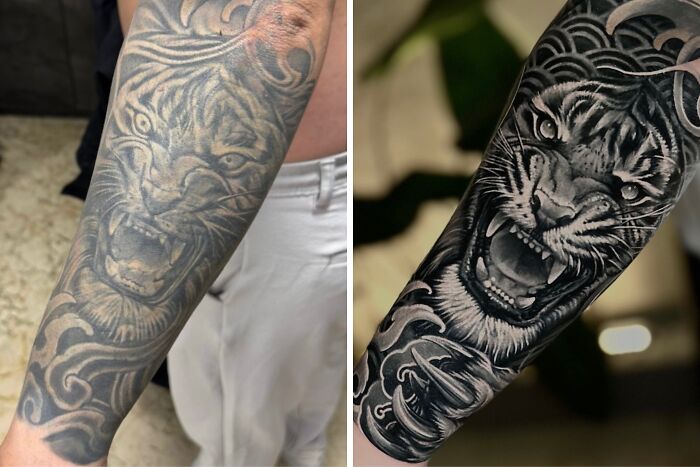
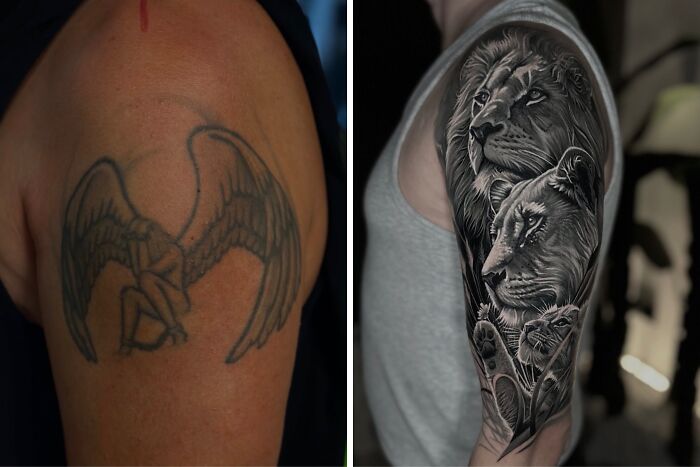
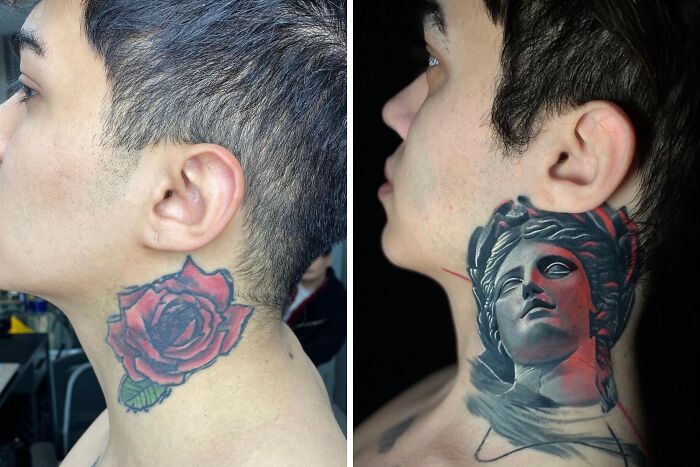
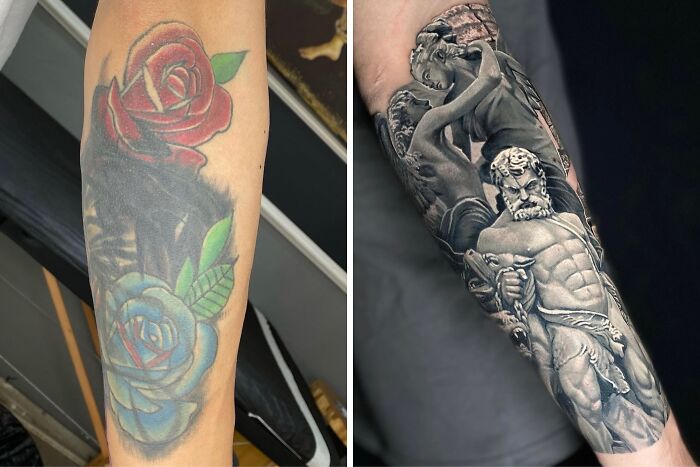
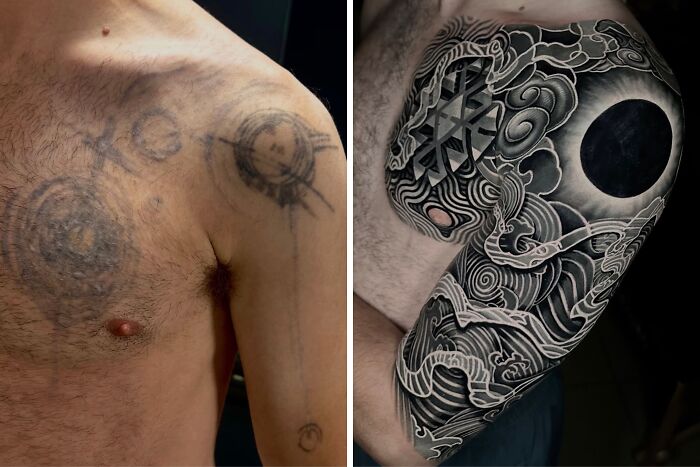
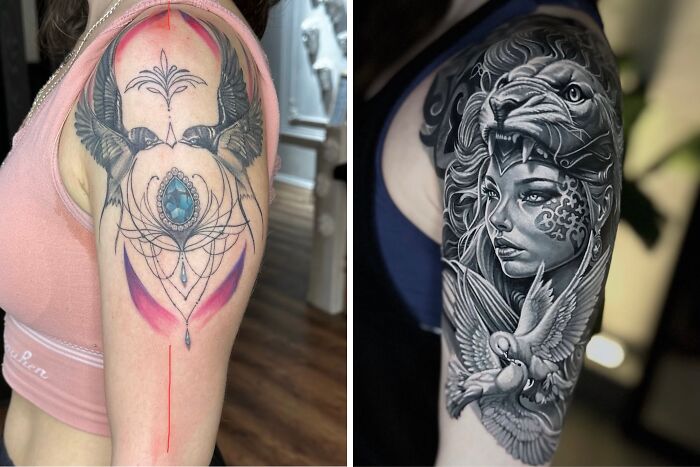
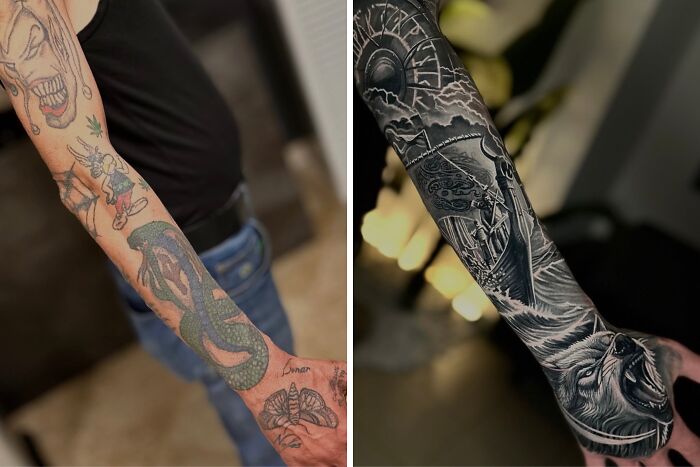
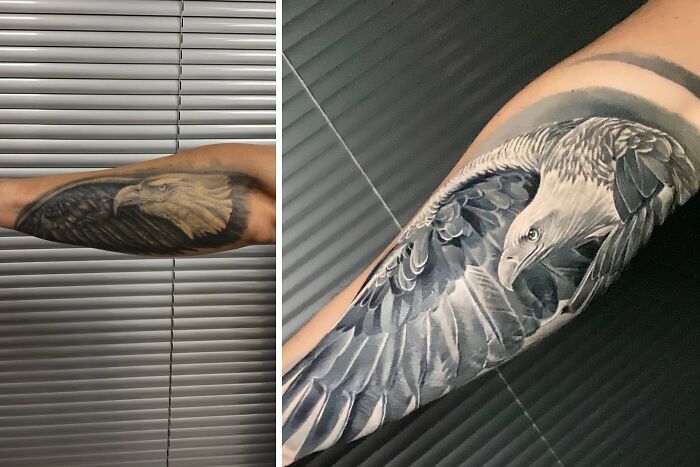
Based in Istanbul, Ozan Çolakoğlu has built his career around one of tattooing's most technically demanding specialties: cover-up work and scar camouflage. Drawing on more than 17 years of experience, he combines technical expertise with a deep understanding of anatomy, skin texture, and healing to create designs tailored to each individual.
More info: Instagram
This post may include affiliate links.
A defining turning point in Ozan's career came in 2014, when he decided to dedicate himself entirely to tattooing as a form of artistic expression. Long before micro realism became popular in Turkey, he was already experimenting with small-scale realistic designs, constantly refining his techniques through observation and practice. His curiosity eventually led him toward cover-up tattoos, a discipline that demands patience, precision, and an exceptional understanding of skin.
Rather than viewing scars, textured skin, or old tattoos as imperfections, Ozan approaches them as part of each client's personal story. His goal is not to erase the past, but to create compositions that work in harmony with the body's natural structure. Every piece is designed to complement existing textures while balancing composition, contrast, and flow.
Working on scar tissue requires techniques that differ significantly from standard tattooing. Each project begins with a detailed assessment of the body's anatomy, muscle movement, skin condition, and the client's expectations. From there, Ozan develops a custom design that combines technical requirements with his own artistic vision. The tattoo artist carefully adjusts needle depth, angle, and machine voltage according to the condition of the skin, minimizing unnecessary trauma while ensuring consistent pigment placement. This controlled approach supports healthy healing, reduces pigment migration, and produces cleaner, more stable results over time.
His methods are influenced by the philosophy of traditional Japanese Tebori, adapted for modern tattoo machines through elliptical hand movements that provide greater control over pigment placement. For color saturation and Color & Grey work, he typically uses 0.35 mm needles at angles between 60° and 75°, while softer 0.30 mm needles allow him to create smooth tonal transitions in black-and-grey and graywash tattoos.
Many of Ozan's clients have spent years, sometimes decades, living with scars or tattoos they no longer identify with. Some avoided wearing certain clothes, going to the beach, or even looking at themselves in the mirror. While a tattoo cannot remove a scar, it can transform the way someone relates to it, and that emotional shift is just as meaningful as the visual transformation itself.
At the heart of his philosophy is the belief that tattooing is one of the most personal forms of artistic expression because it becomes part of the person forever.
"A tattoo is the only thing you can truly take to the grave," as he puts it.

Stunning, but if I were to get a hyper realistic tattoo of a face, I'd probably just scare the s**t out of myself every time I caught a glimpse :)

Most of these look AI . I don't know why you would use white as a cover up it will just fade to yellow. Think before you Ink.
Most of these look AI . I don't know why you would use white as a cover up it will just fade to yellow. Think before you Ink.






 No fees, cancel anytime