Get Premium
Dark mode theme is available exclusively for premium users. Learn more about the benefits of subscribing.
No fees, cancel anytime.

 Dark Mode Ad-Free Browsing Unlimited Content

 Ad-Free Browsing Unlimited Content Dark Mode
Join 1.2 million Panda readers who get the best art, memes, and fun stories every week!
Hollywood action scenes are designed to leave audiences on the edge of their seats. But behind the explosions, high-speed chases, and gravity-defying falls are performers and crew members who put their lives on the line to make movie magic happen.
It is the stunt performers who make the actions that fans fall in love with look effortless. However, one small slip-up can come at the cost of someone’s life.
From veteran actors to little children, Hollywood has a dark history of losing crew members who were part of adrenaline-pumping scenes.
Several big productions have been marked by fatal accidents, some followed by investigations, lawsuits, and difficult questions about whether the tragedies could have been prevented.
The following are the stories of people who put their lives at risk and suffered heartbreaking consequences.
This post may include affiliate links.
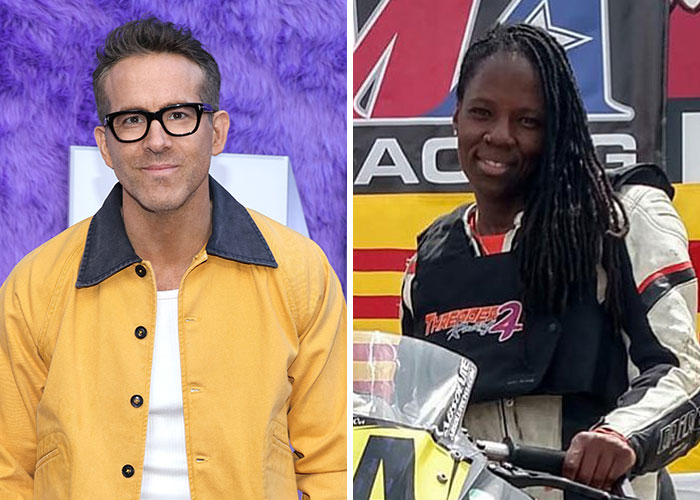
There were way too many outrageous stunts in Deadpool 2, and one of them cost the life of stuntwoman Joi “SJ” Harris.
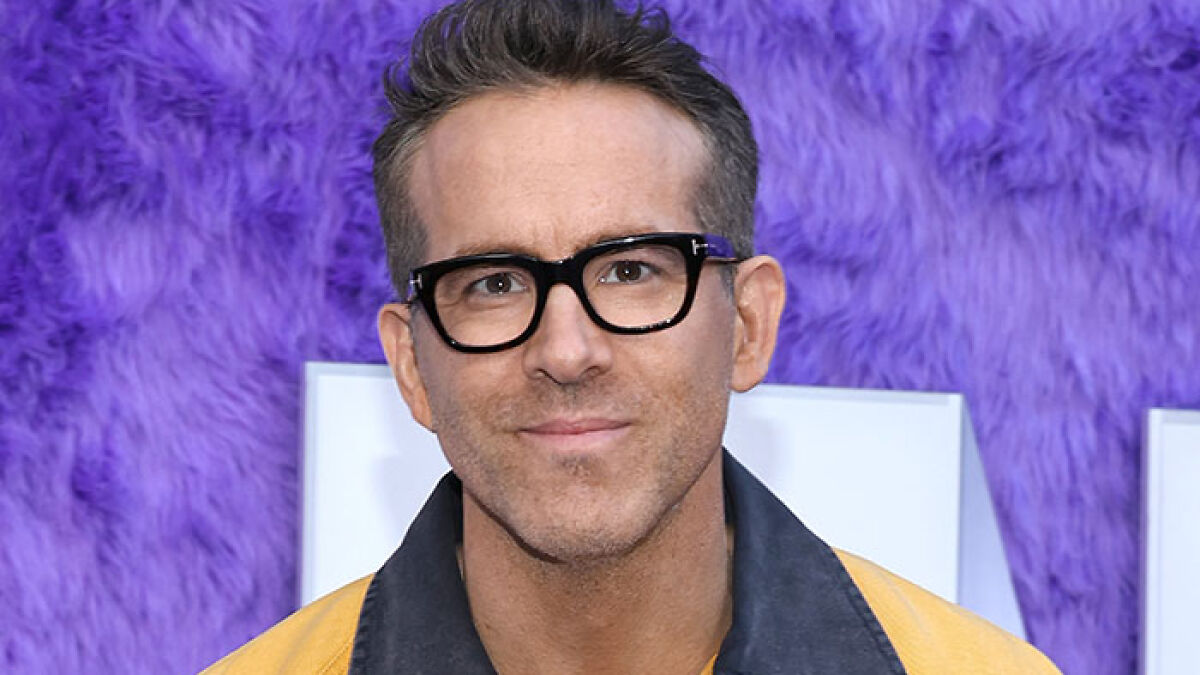
The action movie’s hero, Ryan Reynolds, shared a tribute to the professional motorcycle racer from New York, who reportedly took on the role of a stuntwoman for the first time.
She was actress Zazie Beetz, who played Domino in the comic book-inspired sequel.
In August 2017, Harris lost her life after being ejected from a motorcycle and crashing into the window of a building on location in Vancouver, Canada.
“Today, we tragically lost a member of our crew while filming Deadpool,” Reynolds wrote in a 2017 tweet. “We’re heartbroken, shocked and devastated…but recognize nothing can come close to the grief and inexplicable pain her family and loved ones must feel in this moment.”
The actor said his heart goes out to her family and everyone she “touched in this world.”
About two years after she passed away, an investigation revealed that Harris tragically lost her life due to a series of safety errors made by the filmmakers on set, starting with not putting the stuntwoman in a helmet while riding a Ducati Hyperstrada 939 down a stairwell.
Prior to the investigation, a studio production source told Deadline that they had “two full days of rehearsals over the weekend, and on Monday, they ran the stunt five-plus times before filming” the scene that took the 40-year-old’s life.
However, Government agency WorkSafeBC (The Workers' Compensation Board of British Columbia) accused the studio, 20th Century Fox, of errors that put Harris’ life at risk.
They accused the studio of not having the right barriers in place to stop Harris from “leaving the set perimeter” and failing to “conduct a risk assessment addressing safety controls, speed of the motorcycle, and equipment limitations.”
Moreover, they did not provide “adequate supervision” and failed to ensure that Harris “was wearing safety headgear,” WorkSafeBC said following the investigation.
Another violation was the failure to provide the stuntwoman with a “new worker orientation.”
Fox said in 2019 that they “respectfully disagree” with some of the report’s findings, saying safety was their “top priority.”
“Fox thoroughly reviewed its stunt safety protocols immediately following the tragic accident and has revised and implemented enhanced safety procedures and enforcement,” the studio continued.
By this time, Deadpool 2 had already been released the previous year with a dedication to Harris in the credits.
Producers of the superhero film were slapped with a $289,562 penalty for their violations, reports said in 2020.
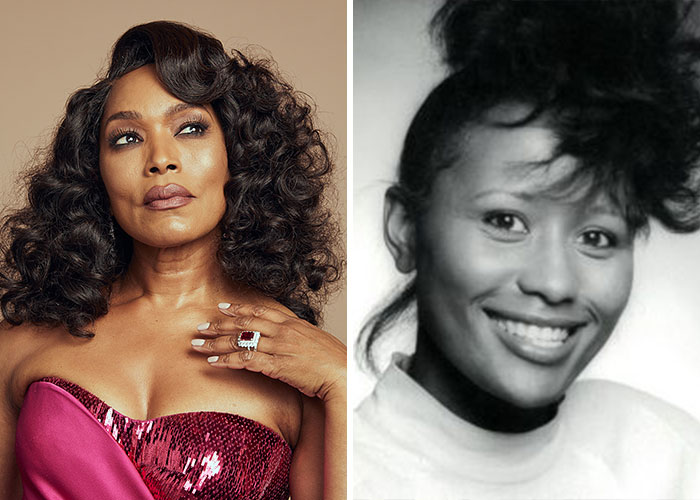
Whether it was jumps, fight scenes, or motorcycle stunts, Sonja Davis loved them all.
She was one of the very few African American stuntwomen in the 90s, having worked as a stunt double for artists like Whoopi Goldberg and Janet Jackson.
“She was a dedicated artist. Her work was extremely important to her, but first and foremost she was a woman of God, and I love and miss her dearly,” said actress Angela Bassett, who relied on Davis to work as her double on three movies.
Davis stepped in for Bassett’s violent scenes in What’s Love Got to Do With It, which tells the story of Tina Turner, including her ab*sive marriage to Ike Turner.
Unfortunately, the 1995 horror-comedy Vampire in Brooklyn was the last movie to have Davis’ name in the credits.
Even though she loved stunts, Davis seemed completely unsure of the scene setup on set on the ill-fated day of November 3, 1994.
It also happened to be the day her mother, Wanda Sapp, and her brother were visiting her on set.
“The last words I heard my baby say was when she yelled down to the stunt coordinator, ‘Are you sure?’” an emotional Sapp told the Los Angeles Times in 1995. “I could feel Sonja wasn’t comfortable with the stunt.”
The mother often visited her daughter on set, but that day, she didn’t expect to see her daughter plunge to her end from a building.
The plan was for an airbag to cushion her fall after she did a 42-foot backward fall off the building. But the airbag acted like an enormous balloon instead, making Davis bounce off and slam into the building.
She ultimately hit the ground.
The devastating scene was captured on her brother Patrick’s camera, serving as a haunting reminder for the family.
The fall left Davis with multiple injuries, and she spent 13 days in a coma before her passing.
Her family filed a lawsuit against the production company, the director, and the stunt director, accusing them of instructing the stuntwoman to jump without a safety line and of using an airbag that wasn’t properly placed.
They also said Davis wanted to do the jump face-forward and was nervous about the higher-ups’ instructions.
“She asked them three times (as she stood on top of the building before the stunt) if they were sure it was OK,” her mother recalled. “I could feel her lack of confidence, and then she paused.”
Attorney Melvin Belli, whose firm was representing the deceased stuntwoman’s family, said Sonja was “meticulous” about her stunts, making her one of the “best in the business.
“People love to go to the movies and be thrilled by what these people do without realizing how meticulous they have to be,” he said.
Belli claimed that the airbag used in the scene had been moved from the position Davis initially approved for her tumble from the building.
Before becoming a stuntwoman, Davis worked as an aerobics instructor and nutritionist until a group of stuntmen invited her to one of their rehearsals.
She quickly fell in love with the physically demanding and dangerous field, starting her career in stunt work about five years before the fatal fall.
Longtime stuntman Bob Minor, who hired her to work on films like Poetic Justice, said: “I considered her the top black female stuntperson in the business.”
It is unclear what happened to the wrongful de*th lawsuit filed by the family, as lawyer Belli unexpectedly passed away during the proceedings.
Her mother hoped that her daughter’s passing would “make the industry think about these people that do de*th-defying stunts and think about their safety.”
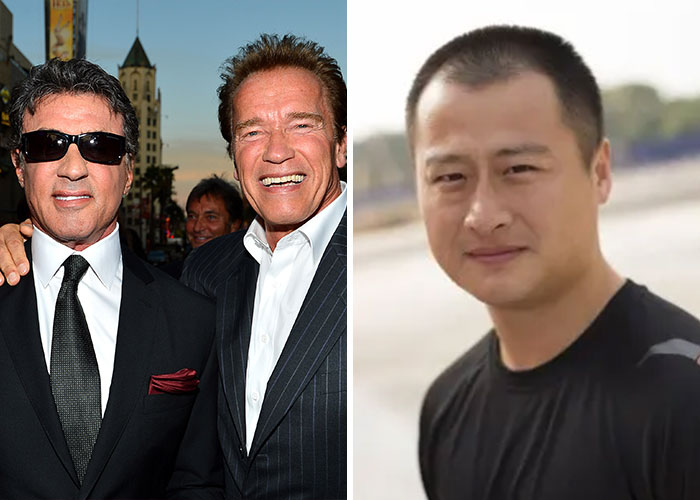
The Expendables 2 promised explosions, mercenaries, and an all-star action cast. But one person who helped create the action-packed spectacle, stuntman Kun Liu, was k*lled before audiences ever saw the film.
Liu was 26 when an explosion went wrong while filming at Bulgaria’s Lake Ognyanovo in October 2011.
He d*ed from his injuries, whereas fellow stuntman, Nuo Sun, was seriously injured in the same blast.
The film reunited Sylvester Stallone with Hollywood’s most beloved action heroes, including Jet Li, Arnold Schwarzenegger, Bruce Willis, and Jason Statham. The story follows the mercenary team as they set out on a revenge mission after one of its members is k*lled.
At the center of the film was the kind of adrenaline-pumping action that the stars had become famous for. And Liu was part of the crew that made the action look real.
Liu was performing a stunt involving an inflatable boat on Bulgaria's Lake Ognyanovo when the on-set explosion took his life.
Bulgarian authorities reported that the second stuntman, Nuo Sun, had also been seriously injured.
Stallone, who co-wrote and starred in the film, was promoting it in London when he spoke about Liu’s tragic passing.
“The stunt team took it very, very hard and shut down for quite a while,” he said.
He added that he had been on films where stunt performers d*ed before, and it was “never easy.”
Stallone was filming elsewhere when the fatal explosion took place on the set of The Expendables 2.
In 2012, Liu’s parents filed a wrongful-de*th lawsuit against Millennium Films and stunt coordinator Chad Stahelski. They had alleged that production had “negligently and carelessly” failed to protect stunt performers.
They also sought funeral expenses and damages for the loss of their son’s companionship, love, and support.
After a court battle lasting more than four years, Liu’s parents were reportedly awarded 195,000 Hong Kong dollars - about $25,000 at the time.
Li’s donation, said to be 5.8 million Hong Kong dollars (around US$750,000), brought new attention to the family’s case. The contrast between the court award and the reported private gift became the headline. Sadly, neither could return Liu to his family.
The film’s cast promised audiences a reunion of familiar action heroes.
Liu’s work helped make that spectacle possible, while the danger remained out of frame. The story that lingered afterward was not a movie stunt gone right, but the loss behind one that went fatally wrong.
The cameras weren’t rolling on a new Titans scene when a special-effects test turned fatal.
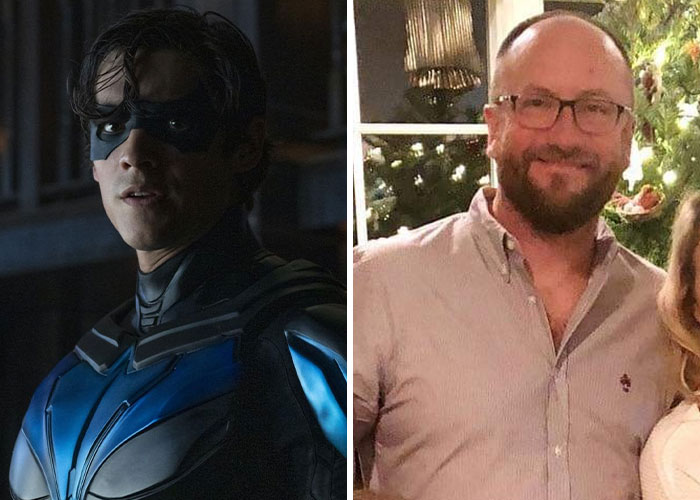
On July 18, 2019, the DC series’ special-effects coordinator Warren Appleby was struck by a piece of metal after equipment burst at a Toronto effects facility.
He succumbed to his injuries on the way to the hospital, bringing the production of Titans to a halt for two days.
The 45-year-old had been preparing and testing for an upcoming shoot.
Early reports said the metal came from a car being tested for a flipping stunt. The exact mechanics of the accident weren’t fully made public.
TMZ and The Hollywood Reporter reported that the metal came from a car being tested for a flipping stunt.
The producers, who called Appleby a “treasured colleague,” also said the accident took place during preparation and testing and not while a scene was being filmed.
The series reimagined DC’s Teen Titans in a darker live-action version; Appleby worked behind the effects that helped make those comic-book set pieces feel real.
Appleby had spent 25 years working in television and movies. His credits included Guillermo del Toro’s Oscar-winning film The Shape of Water, as well as It and The Strain.
He was also a partner at Acme FX, the Toronto special-effects company where the fatal test took place. The same company later pleaded guilty to its role in his passing.
His longtime friend and collaborator J. Miles Dale said Appleby had a rare ability to balance spectacular effects with safety. The two had worked together since the 1994 RoboCop series.
Dale said Appleby could stop a setup when something seemed wrong, even when everyone else was focused on capturing the scene.
He was funny, calm, and confident enough to notice details other people might miss, the longtime friend added.
“This is just the worst fear of what we do,” Dale said after Appleby’s passing. He also reflected on how a difference of just a few inches might have changed the outcome and saved his life.
His colleagues remembered his care for the crew and his devotion to his family.
Appleby was a husband and father of two young boys, and a memorial fund was set up to support them.
Nearly three years after his passing, Acme FX pleaded guilty under Ontario’s Occupational Health and Safety Act to failing to ensure its equipment was in good condition.
The court fined the company C$110,000, plus a 25% victim fine surcharge.
It was supposed to be a routine fall that lasted a few seconds. But stunt performer John Bernecker hit concrete and never woke up on The Walking Dead set.
Bernecker, 33, was filming a Season 8 fight scene on a narrow balcony. His character was supposed to be struck by a bullet, slump over the railing, and be thrown over it.
Bernecker’s part was the fall; he dropped his prop rifle, went headfirst over the metal rail, rotated, and was meant to land on a safety pad about 21 feet below.
Instead, his head struck the unprotected concrete between the landing area and the wall. He was rushed to a hospital in Atlanta, placed on life support, and never regained consciousness.
He later succumbed to his injuries. For viewers, it would have been a few seconds of zombie-show violence. For the person performing the fall, there was no edit between the stunt and the impact.
The safety setup became central to the case his parents, Susan and Hagen Bernecker, brought against AMC Networks, production company Stalwart Films, and others involved in the show.
AMC claimed The Walking Dead set met industry safety standards and described it as an isolated accident.
Court records described the “catcher system” as a 10-by-10-foot area of cardboard boxes topped with pads. It did not extend all the way to the wall behind the balcony, and only one spotter was available.
The family’s expert argued that the landing area should have been larger to account for what could go wrong, not just where the stunt was supposed to end.
The family’s accident-reconstruction expert also argued that actor Austin Amelio, who was in the scene, may have touched Bernecker with a prop g*n and disrupted his movement.
During a six-day trial, jurors watched a frame-by-frame breakdown of the fall.
The defense disputed whether contact occurred with Amelio and whether it affected the fall.
Bernecker’s parents accused AMC of cutting corners and ignoring its own safety protocols, and their lawyer called his passing “entirely preventable.”
The jury awarded the family $8.6 million, while finding AMC Networks and the actor in the scene were not negligent.
Only six percent of the fault was assigned by the jury to Bernecker.
The verdict seemed to offer his parents some measure of accountability, but it did not stand.
In 2021, the Georgia Court of Appeals reversed the $8.6 million award, ruling that the family’s civil claims were barred by workers’ compensation law. The damages award was set aside on legal grounds.
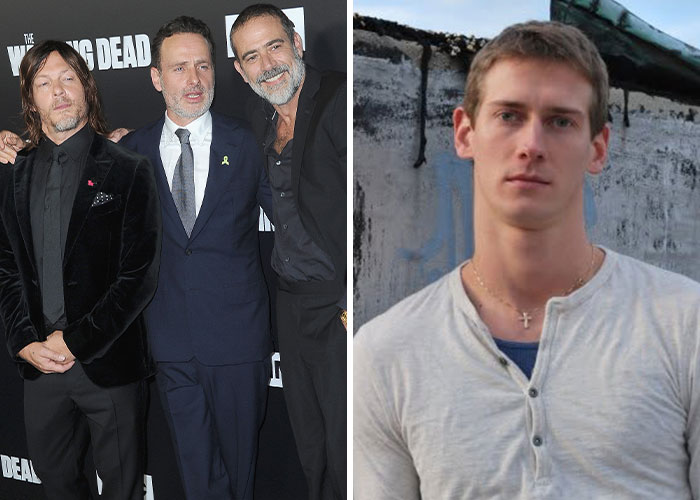
Jeffrey Dean Morgan, who played Negan on The Walking Dead, paid tribute to Bernecker, writing that he felt “deep sorrow” and sent love and condolences to the stuntman’s family and friends.
Bernecker’s credits included Black Panther, Logan, and The Fantastic Four. He was 33, with more than 90 film and television credits behind him.
The helicopter pilot said veteran actor Vic Morrow had five seconds to run while the cameras rolled. The prosecutor’s question later in court was sharper: where could he go while carrying two children as a helicopter spun toward him?
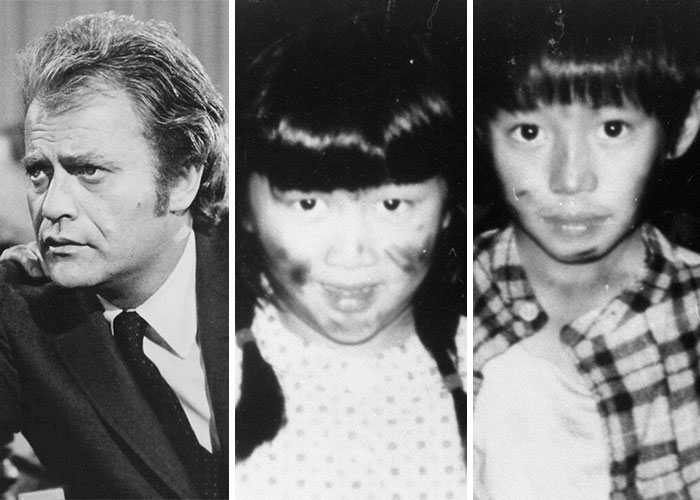
Morrow, best known for playing the grizzled Sgt. Saunders on the television series Combat! and building a 27-year acting career, lost his life while filming a scene for the 1983 film Twilight Zone: The Movie.
The 53-year-old was filming a mock Vietnam battle scene, and his character was meant to rescue two children and carry them across a shallow river while a helicopter circled above them.
Piloting the helicopter was Dorcey Wingo.
“I’ve got to be crazy to do this sh*t. I should’ve asked for a double,” Morrow said before the director, John Landis, yelled “action,” according to his former Combat! co-star Dick Peabody.
Right before the scene that took his life, his character had promised the two children, “I’ll keep you safe.”
Sadly, they both lost their lives during filming.
Myca Dinh Le, 7, and Renee Shin-Yi Chen, 6, were playing the youngsters in the scene, and the helicopter was hovering about 24 feet above them.
A special-effects explosion sent a fireball into the aircraft’s tail rotor, and the aircraft went out of control and crashed into Morrow and the two children.
All three were k*lled on the ill-fated day of July 23, 1982.
The sequence was being filmed at Indian Dunes near Saugus, California, on the final night of filming.
The tragedy became one of Hollywood’s most notorious on-set accidents, and the trial that followed exposed warnings that crew members had raised even before the scene was filmed.
Wingo, Landis, and three other film crew members were charged with involuntary manslaughter.
Second assistant director Anderson House testified that he had repeatedly voiced concerns about using children in a scene with explosives and a low-flying helicopter. He claimed he was told the subject was “closed.”
House also testified that he suggested using dummies instead of the children, but was told they would not look realistic enough.
The children were illegally hired and had been working at night without the required permits, the director later admitted in court.
He said he did not believe the scene was dangerous.
A special-effects technician testified that he had triggered the explosives without looking up to check the helicopter’s position.
Prosecutors argued that the explosions disabled the aircraft, while the defense called the crash unforeseen and unforeseeable.
At the manslaughter trial, pilot Wingo said he had warned Morrow to be ready to move if the helicopter’s sound changed. He told jurors he was haunted that Morrow “never looked up.”
But when the prosecutor asked where Morrow could have run while carrying the children, the question exposed how little that instruction could have meant in the moment.
Wingo later said he was not blaming Morrow.
After a ten-month trial, the jury acquitted all five defendants.
The verdict left families grieving and the public debating how a production could place children, an actor, explosives, and a low-flying helicopter in the same scene.
The fatal helicopter sequence was removed from the released film.
A metal hospital bed became a spray of shrapnel when a freight train tore through a movie set.
Sarah Jones, a 27-year-old camera assistant, was k*lled in the impact.
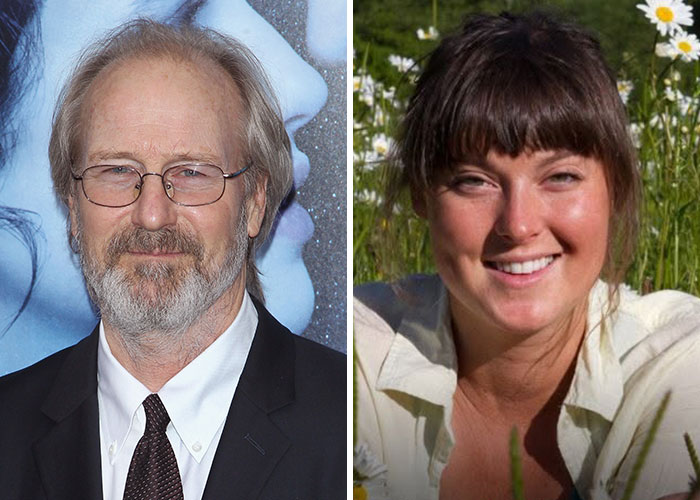
The bed had been placed on an active railroad trestle for a scene in Midnight Rider, a planned biopic about musician Gregg Allman. William Hurt was playing Allman, lying on the bed as the crew filmed the dream sequence.
When the train struck the prop, metal fragments flew into the crew, and Jones was hit by debris and propelled into the train’s path.
Eight other crew members were injured.
The accident happened on February 20, 2014, on a trestle over Georgia’s Altamaha River.
As the train approached, crew members tried to clear the bed and camera equipment and get off the tracks. The trestle offered only one escape route, and it led toward the oncoming train.
The production had not obtained permission from the railroad to film there.
OSHA (Occupational Safety and Health Administration) later cited the production company for safety violations, including failing to develop a safety plan for the shoot. The agency said workers had been exposed to the danger of an oncoming train.
Jones had worked on projects including The Vampire Diaries.
After her passing, film crews began posting tributes on their clapperboards under the hashtag “Slates for Sarah.” Her colleagues and family urged people in the industry to speak up when something feels unsafe.
Director Randall Miller pleaded guilty to involuntary manslaughter and criminal trespass. He was sentenced to two years in prison and eight years of probation; producer Jay Sedrish also pleaded guilty and received probation. Miller served about a year in prison.
In 2025, after he completed his sentence, a Georgia court cleared his conviction under the state’s First Offender Act.
The accident halted production, and Midnight Rider was never completed.
The film’s unfinished story became inseparable from the real tragedy on its set: a reminder that the spectacle on screen depends on the people working behind the camera, and the safety decisions made before anyone calls “action!”


Everybody can earn 500$+ daily... Start now making every month extra $26000-$35000 or more by just doing an easy online job from home. Last month i have earned and received $27,800 from this job by giving this only 3 hrs a a day.Every person can now get this job and start earning online by follow this site____________JOB40.COM
Everybody can earn 500$+ daily... Start now making every month extra $26000-$35000 or more by just doing an easy online job from home. Last month i have earned and received $27,800 from this job by giving this only 3 hrs a a day.Every person can now get this job and start earning online by follow this site____________JOB40.COM
 No fees, cancel anytime