Get Premium
Dark mode theme is available exclusively for premium users. Learn more about the benefits of subscribing.
No fees, cancel anytime.

 Dark Mode Ad-Free Browsing Unlimited Content
 Ad-Free Browsing Unlimited Content Dark Mode
Join 1.2 million Panda readers who get the best art, memes, and fun stories every week!
Sisters are often the real MVPs — they help you, have your back, and sometimes even bail you out of sticky situations. But that doesn’t mean they’re immune to the occasional fight.
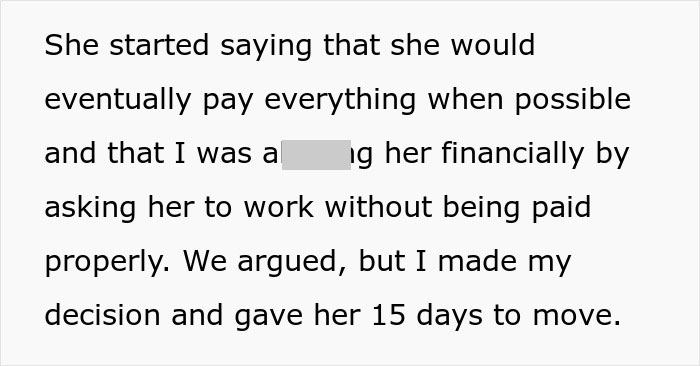
One woman shared how she offered her sister a rent-free spot at her place, expecting just help with babysitting and household chores in return. What happened next, though, was…well, let’s just say it didn’t go exactly as planned. Keep reading to see how this family drama unfolded.
Image credits: Curated Lifestyle / Unsplash (not the actual photo)
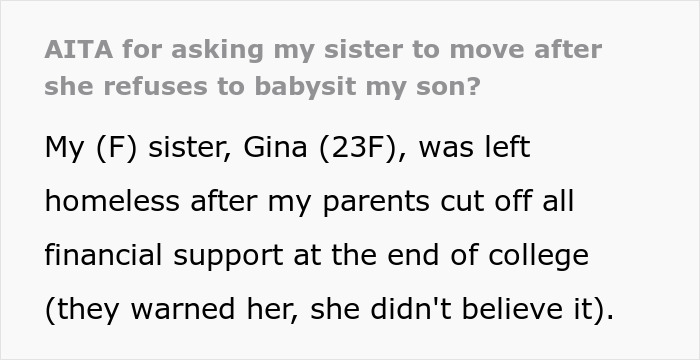
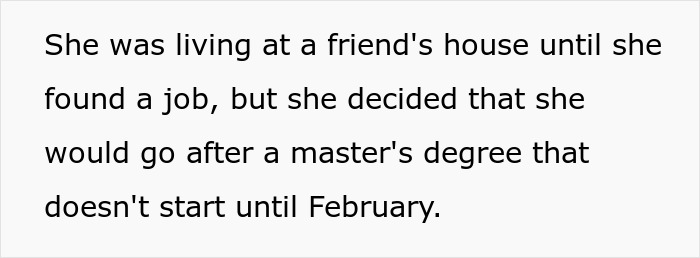
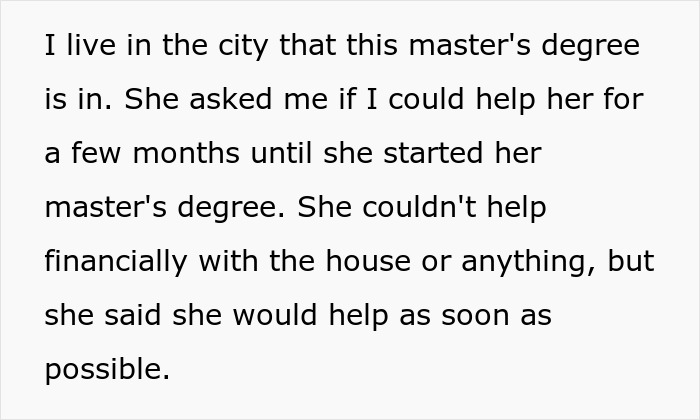
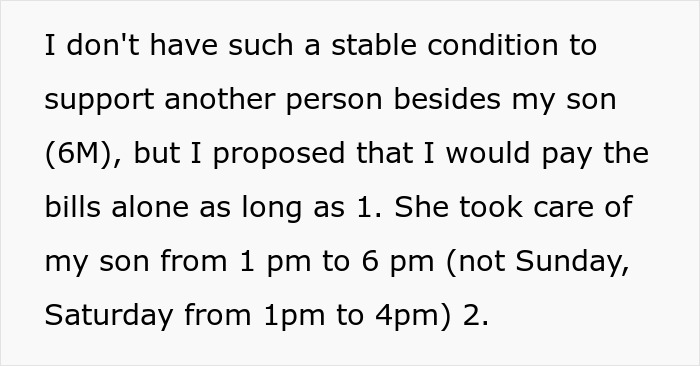
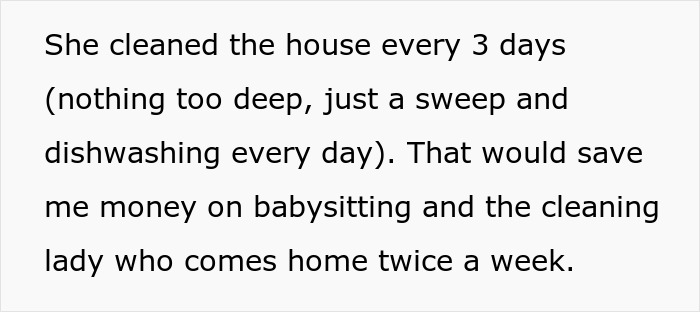
Image credits: Valeriia Miller / Unsplash (not the actual photo)
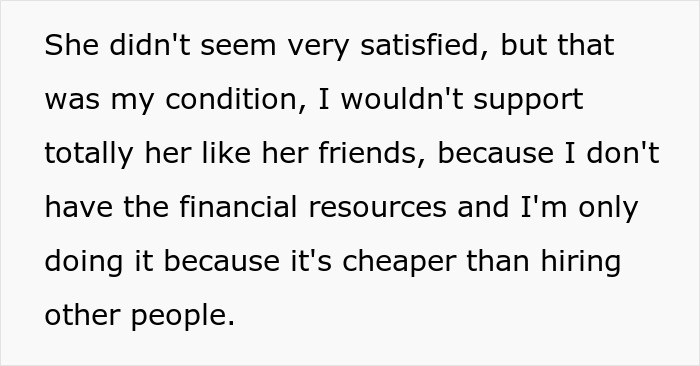
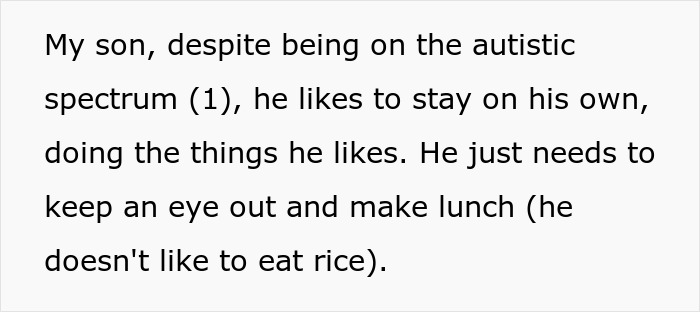

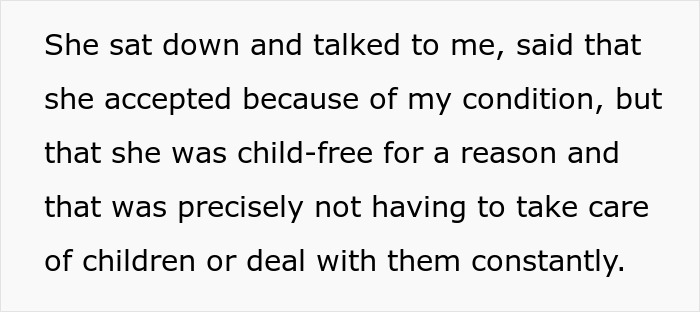
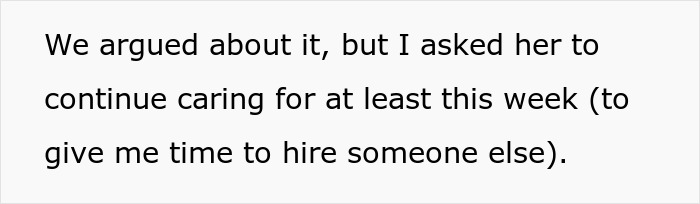
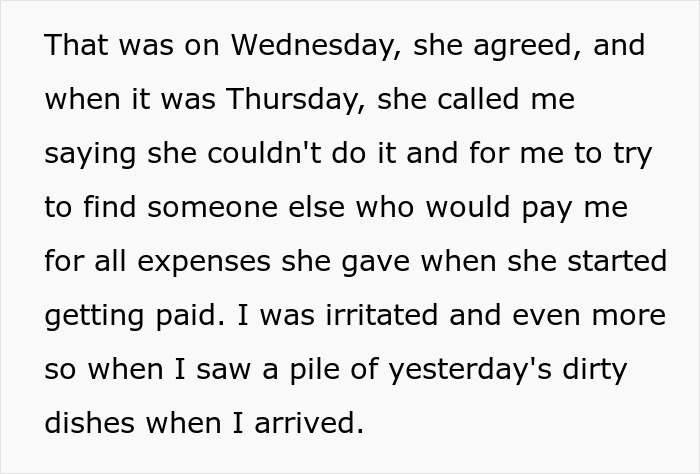
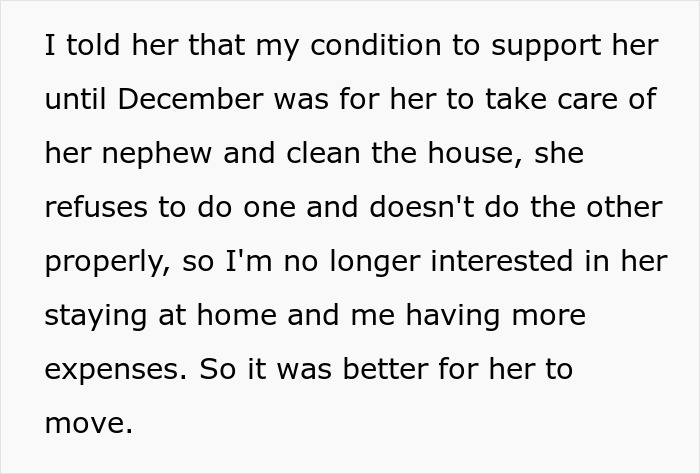
Image credits: Kateryna Hliznitsova / Unsplash (not the actual photo)
Image credits: TALSHSHJSW

Growing up with siblings basically means growing up with built-in chaos. One minute you’re arguing over who ate the last muffin, the next you’re staging a full emotional protest because someone dared to borrow your hoodie without asking. Some fights are tiny and ridiculous, others feel like absolute betrayals at the time. But childhood grudges rarely last long — all it takes is a snack, a random joke, or a parent threatening to turn the car around, and suddenly you’re fine again.
But sibling tension doesn’t magically disappear once you grow up. If anything, adult sibling conflicts can become more complicated and emotional. Responsibilities, money, careers, and family expectations all add layers to the relationship. Adult siblings may struggle to see eye to eye, argue about decisions, or even drift apart entirely. It’s surprisingly common for grown siblings to feel misunderstood or competitive with each other. Adult sibling relationships can be loving, but they can also be complicated. And many families quietly deal with this reality.
One big factor behind sibling tension is how parents treat their children. Even when parents try to be fair, favoritism often creeps in without them realizing it. If one sibling gets more praise, support, or attention, it can create lasting feelings of hurt. Many people grow up sensing that another sibling is the “favorite,” even if no one says it out loud. That feeling can stick well into adulthood. Research shows that parenting styles and perceived favoritism play a major role in adult sibling rivalry. It’s not just jealousy; it’s about feeling seen and valued.
There are also very human reasons why some siblings naturally bond more with parents than others. Sometimes it’s simply proximity; the sibling who lives nearby ends up spending more time with the family. Other times, personalities just click more easily. A parent may feel more understood by one child because they think alike or share similar interests. Differences in beliefs or life choices can also create emotional distance. None of this always happens intentionally, but it can still hurt. Feeling less connected doesn’t mean you’re less loved, but it can feel that way.
Age gaps between siblings can also influence how much rivalry shows up. Kids who are close in age often compete more directly. They may fight for similar roles, achievements, or attention in the family. When siblings are on similar life timelines, comparisons happen more naturally. When someone says one sibling is smarter, more talented, or more successful, it can create feelings of inadequacy. Imagine hearing that your sister dances beautifully while you’re described as “just okay.” Those remarks might seem harmless, but they plant seeds of insecurity. Over time, those small comparisons can grow into resentment or self-doubt. It’s not always parents; extended family can contribute too. Words stick, especially when they’re repeated. And when siblings feel measured against each other, competition often replaces support. That’s when rivalry starts to feel personal.
Jealousy can also play a role in sibling conflict. Sometimes one sibling’s success, lifestyle, or opportunities trigger feelings of unfairness. Seeing a sibling get something you hoped for can sting. That emotional reaction doesn’t make someone a bad person; it makes them human. What matters is how those feelings are handled. Left unchecked, jealousy can turn into distance or resentment. But when acknowledged, it can actually open the door to honest conversations. Many sibling conflicts start with unspoken emotions. And recognizing them is the first step toward resolving them.
Because sibling rivalry can run deep, it helps to approach it thoughtfully. Taking things less personally can make a huge difference. Instead of assuming bad intentions, try talking openly about feelings. Communicating honestly often clears misunderstandings faster than silence ever will. It also helps to avoid competing with siblings or measuring your worth against theirs. Every person’s path is different, even within the same family. Separating your relationship with your parents from your relationship with your siblings can also reduce tension. Try to understand where others are coming from. Empathy goes a long way in family dynamics. And sometimes small perspective shifts can change everything.
Siblings don’t have to agree on everything to care about each other. What matters is maintaining mutual respect and understanding. Families are messy, emotional, and imperfect — that’s normal. Conflict doesn’t mean the relationship is broken. Often, it just means something important needs attention. With communication and patience, many sibling relationships grow stronger over time. And sometimes, working through conflict brings people closer than before.
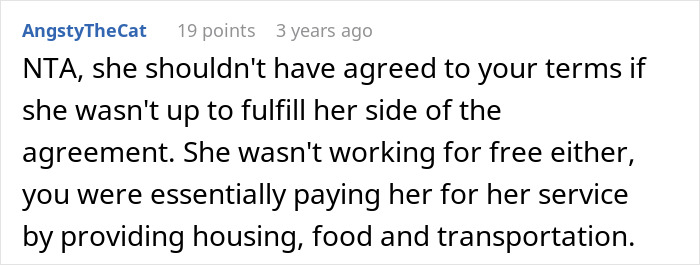
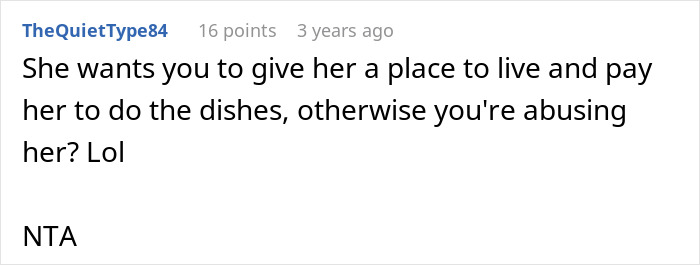
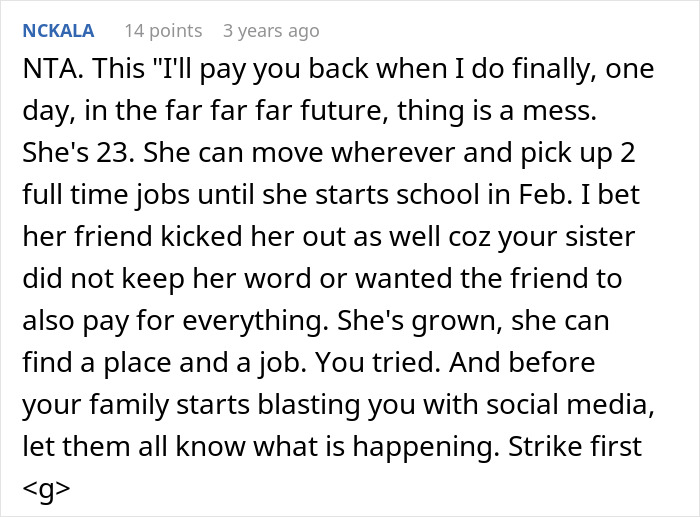
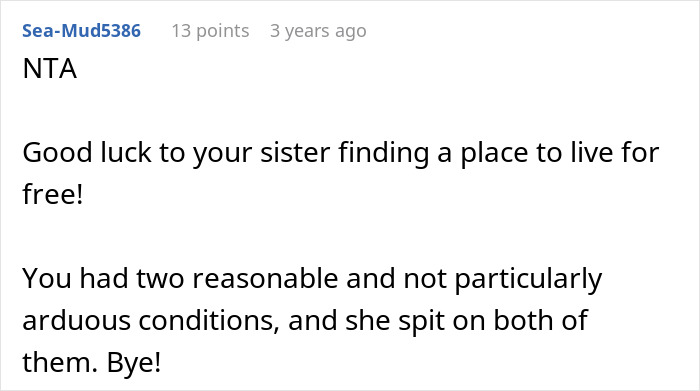
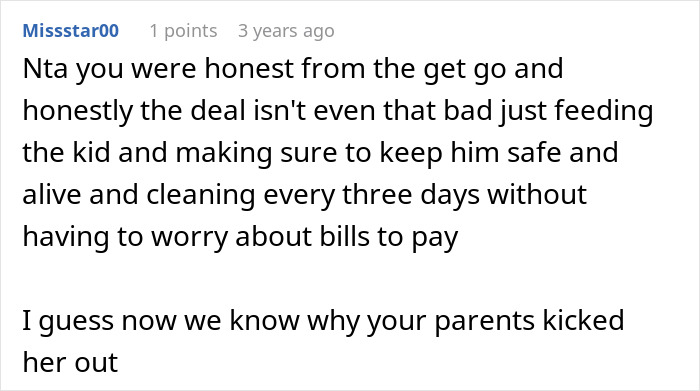
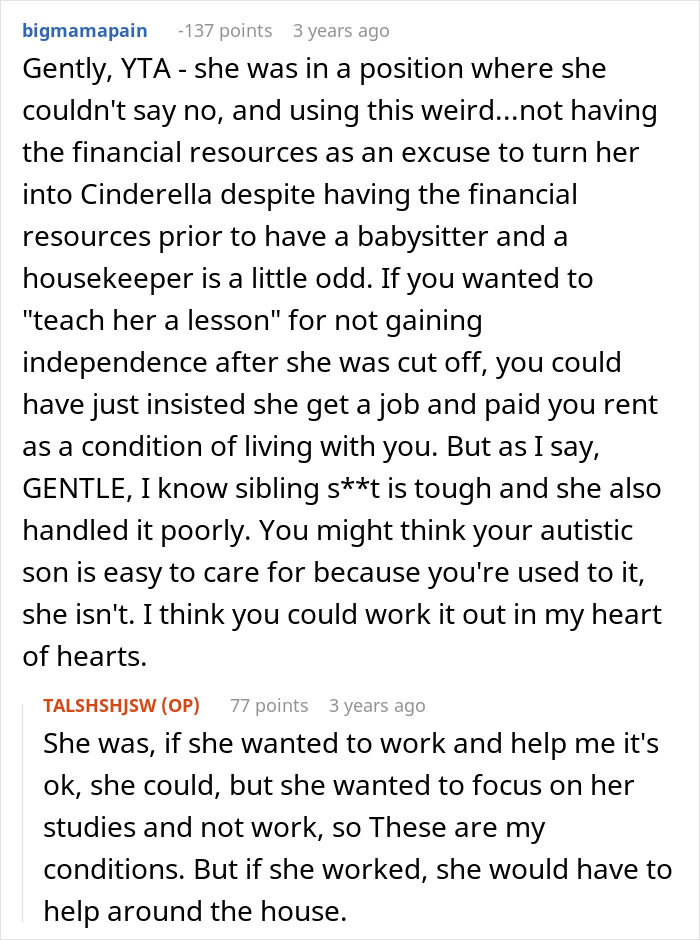
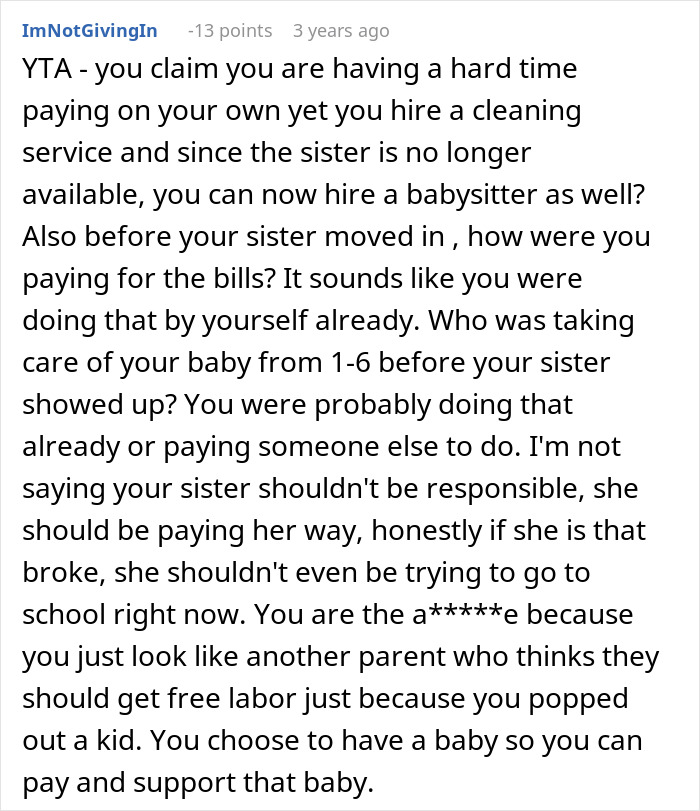
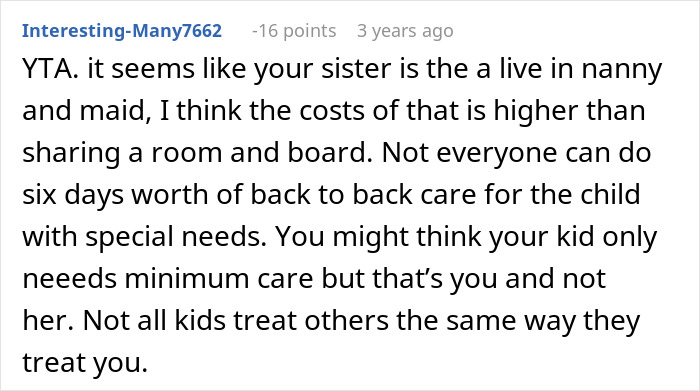
In this situation, it feels like both sisters actually care about each other, but they’re stuck in a loop of misunderstanding. They both seem to want to help in their own ways, yet their intentions get lost because they’re not really communicating openly. And when that happens, even small issues can turn into bigger emotional standoffs. Sometimes it’s not a lack of love, but a lack of clarity that creates distance. What do you think is really going on between them? Have you ever had a fight with a sibling where the problem wasn’t what it seemed on the surface? How did you handle it, or are you still figuring it out? Share your thoughts and experiences — we’d love to hear them.





















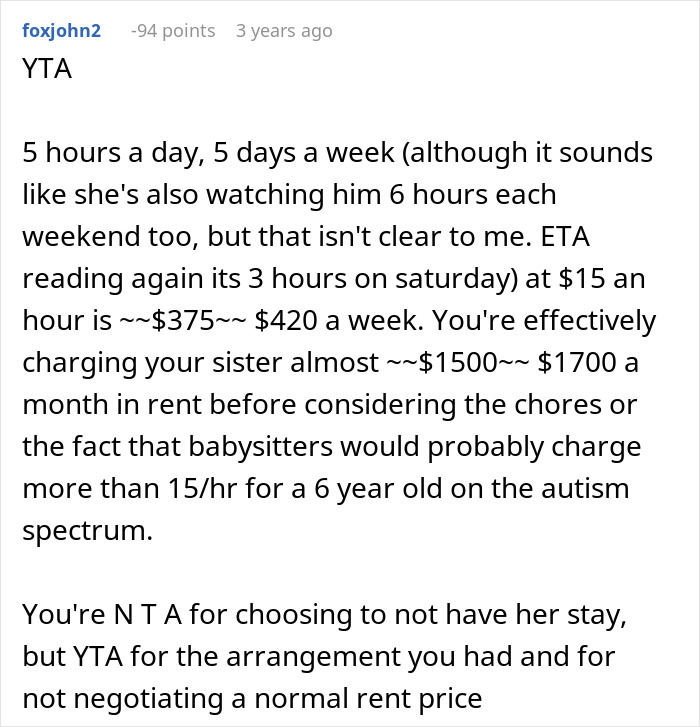
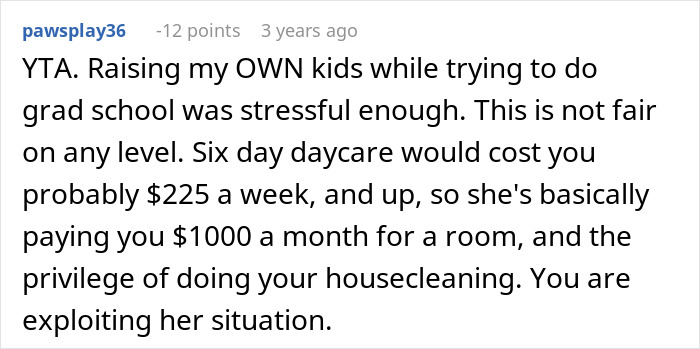

By entering your email and clicking Subscribe, you're agreeing to let us send you customized marketing messages about us and our advertising partners. You are also agreeing to our Privacy Policy.
Thank you! You've successfully subscribed to newsletters!


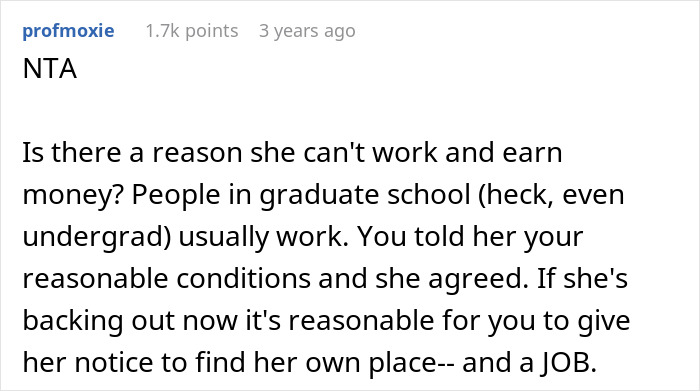
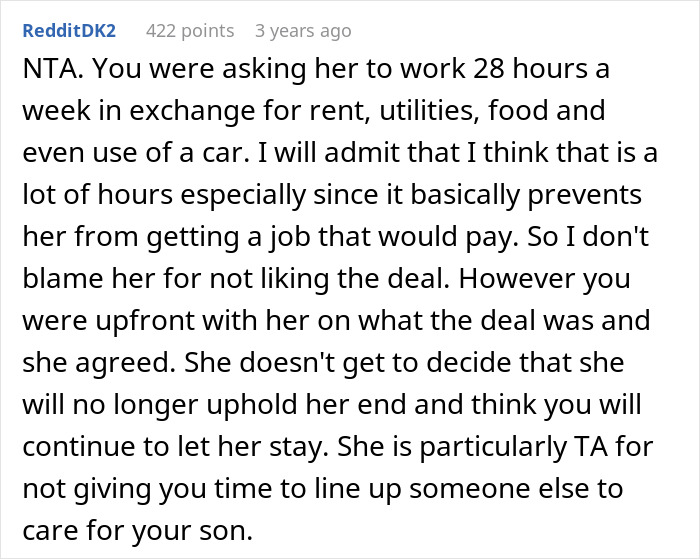
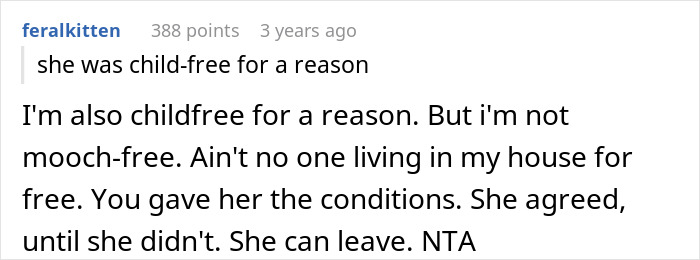
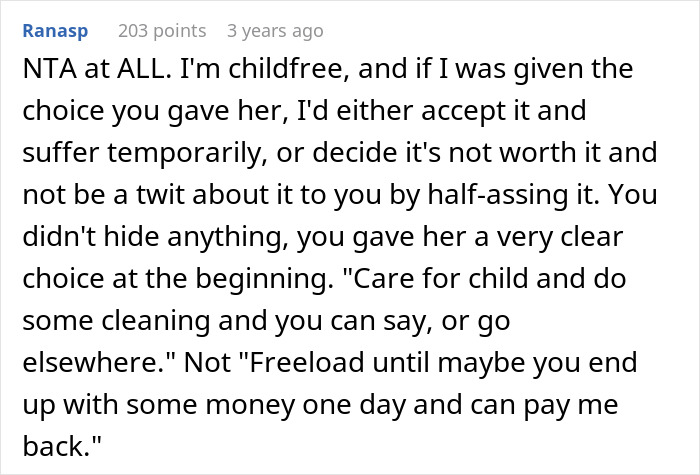
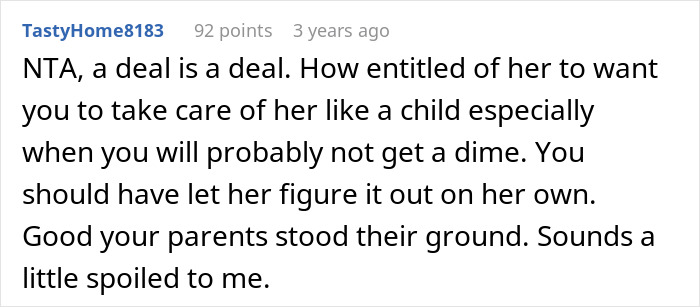
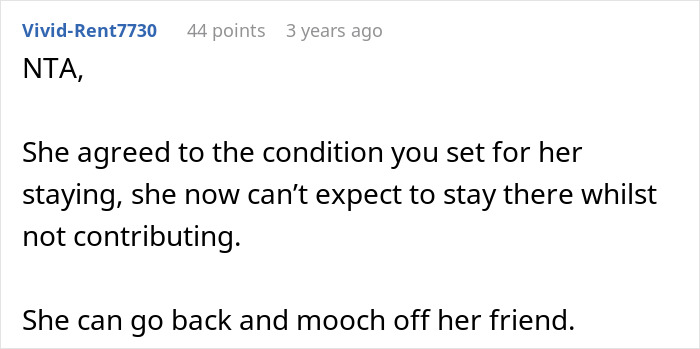
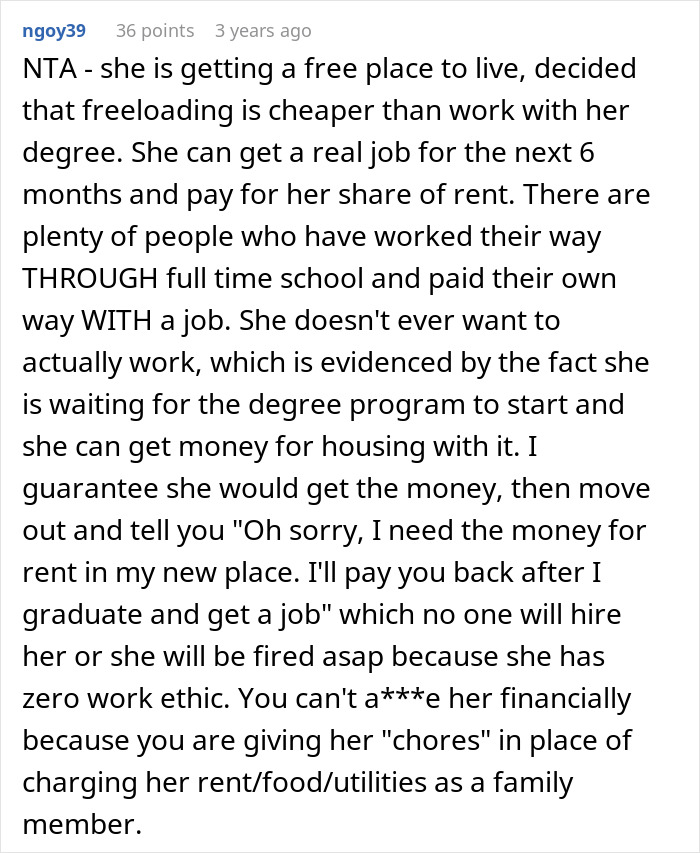
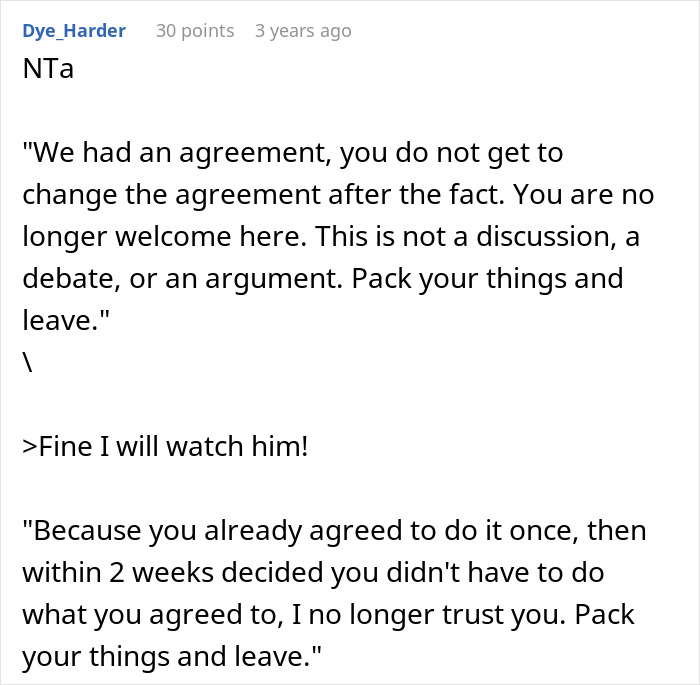
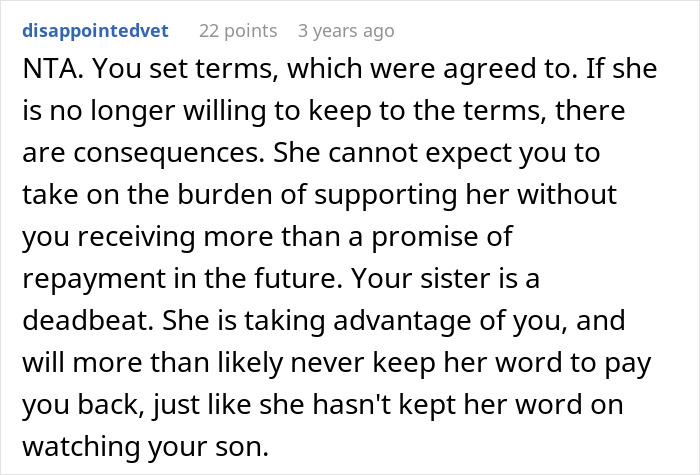
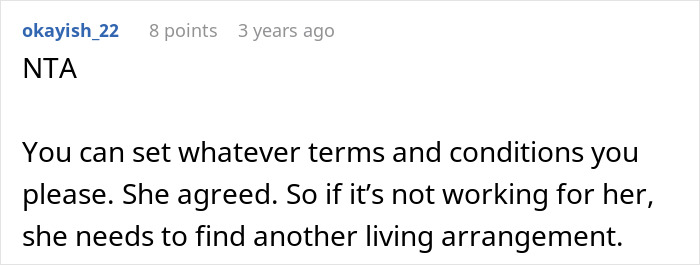
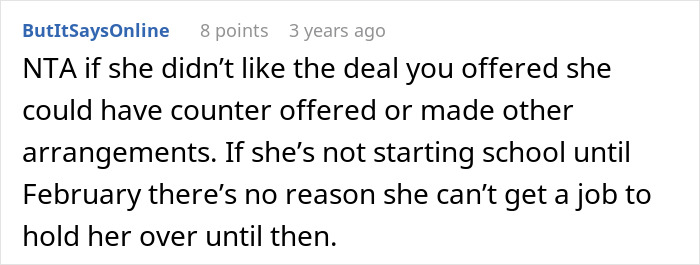
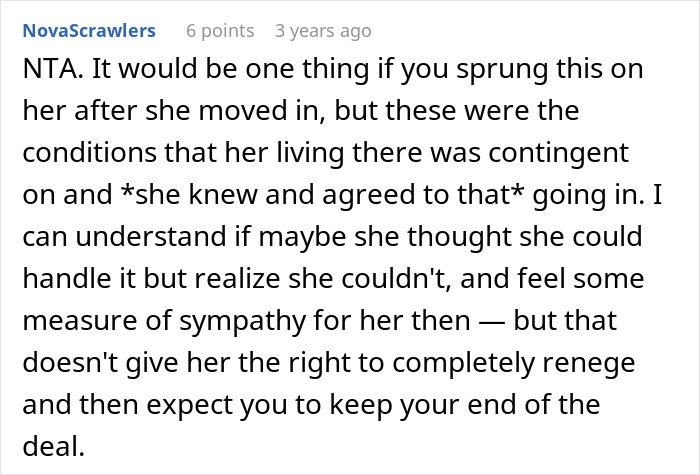
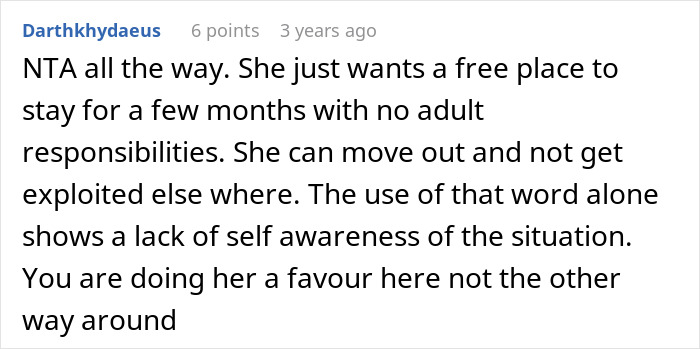
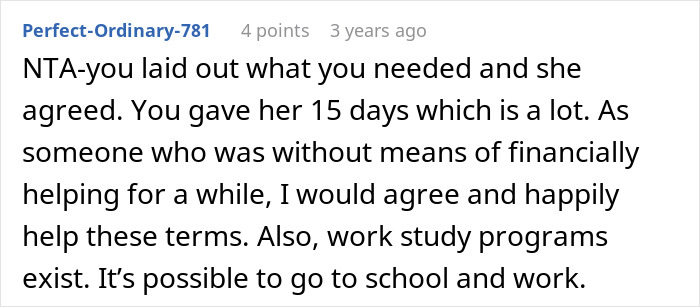
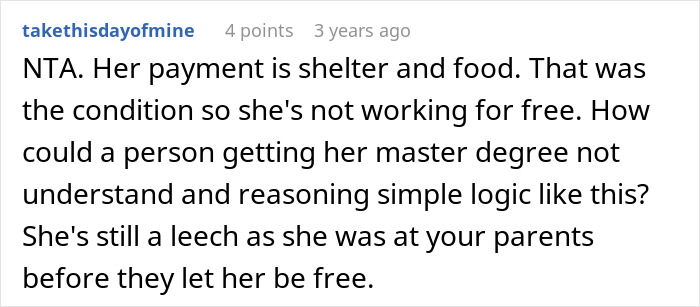
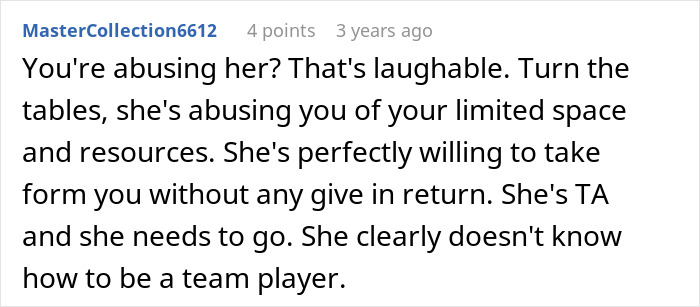
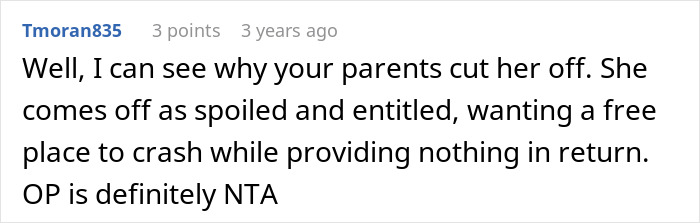
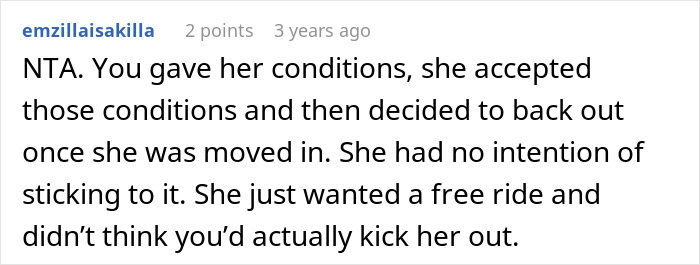
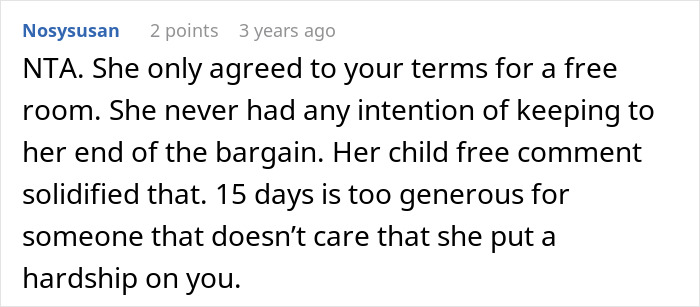
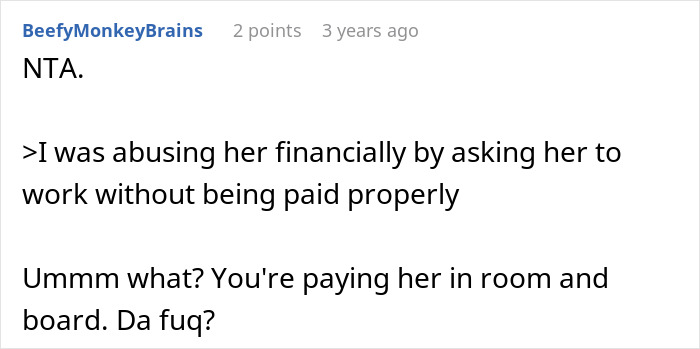
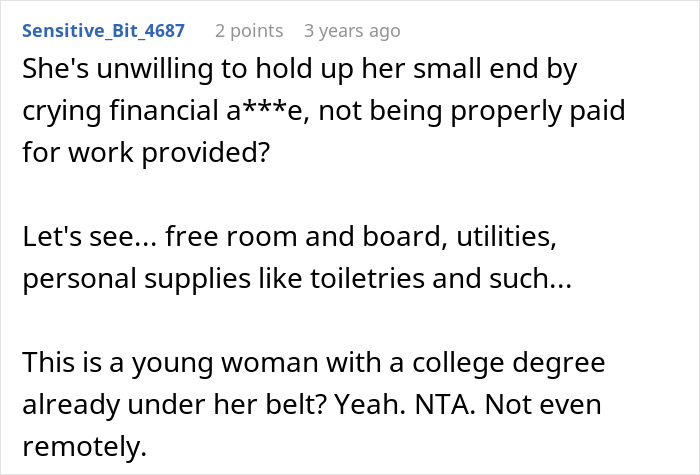
The YTAs are insane. Even if her conditions were unreasonable (I don't think they are) those were what the sister agreed to. You don't get to tell the landlord that the rent is too high *after* you've already moved in. Not without facing eviction anyway.


The YTAs are insane. Even if her conditions were unreasonable (I don't think they are) those were what the sister agreed to. You don't get to tell the landlord that the rent is too high *after* you've already moved in. Not without facing eviction anyway.


























 No fees, cancel anytime










34
27